
Unlocking the Speed: Electric Scooter Reaches 30mph
 PopScooter Team
April 22, 2026 4:42 pm
.
11 min read
PopScooter Team
April 22, 2026 4:42 pm
.
11 min read
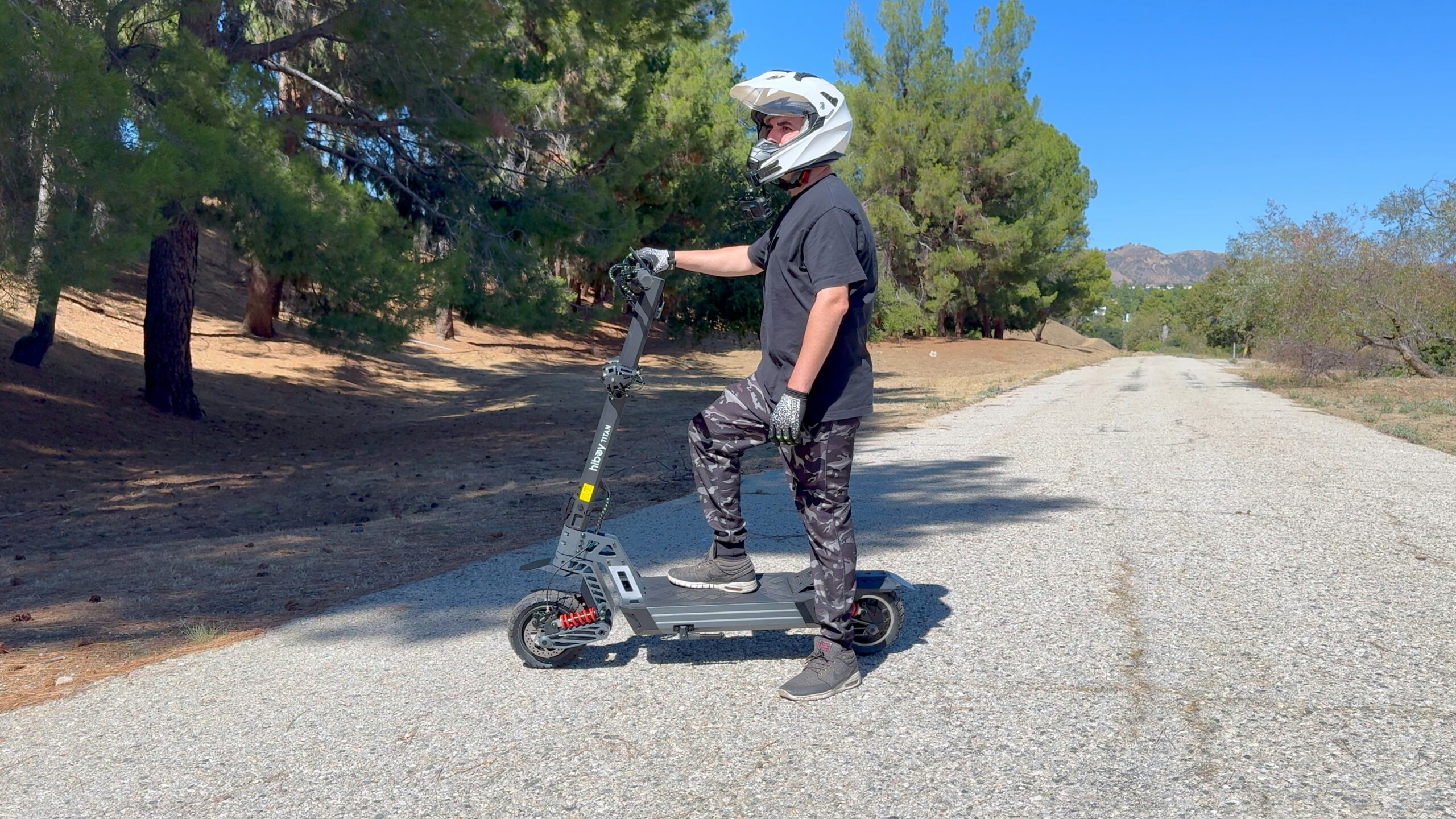
So, you’ve seen them zipping by, maybe even wondered if that electric scooter could actually hit 30 miles per hour. The short answer? Yes, some can, but it’s not a universal speed. It depends on a few key factors, and understanding those will help you figure out if a particular model is built for that kind of pace, and what you’d need to consider if you wanted one.
The Reality of 30mph Electric Scooters
Hitting 30 mph on an electric scooter isn’t just about slapping a bigger battery on. It’s a combination of engineering and a few critical components working together. Think of it like building a car; you need a powerful engine, good suspension, and strong brakes to go fast and stay safe.
What Makes a Scooter Fast?
There isn’t one single “fast” switch. It’s more about a recipe. The main ingredients are the motor, the battery, and the overall design of the scooter.
Motor Power: The Engine Underneath
The motor is, quite frankly, the heart of its speed. Electric scooter motors are typically rated in watts (W). A standard commuter scooter might have a 250W or 350W motor. To reach speeds of 30 mph, you’re generally looking at scooters with motors that are 500W, 800W, 1000W, or even significantly more. Dual-motor setups, where there’s a motor on each wheel, are also common in higher-performance models, providing more torque and top speed.
Understanding Wattage
More watts means more potential power. A 1000W motor can deliver more rotational force than a 500W motor, enabling the scooter to accelerate quicker and reach higher speeds. However, it’s not just about peak power; continuous power rating also plays a role in sustained speed.
Dual Motors: More Power, More Control
Dual-motor scooters often allow you to select between single-motor and dual-motor modes. This is useful for conserving battery life when you don’t need top speed or for having that extra boost for hills or faster acceleration.
Battery Voltage: The Fuel Supply
The battery is where the scooter stores its energy. Its voltage (V) is just as important as its capacity (Ah, amp-hours) for determining top speed. Higher voltage systems can deliver more power to the motor more efficiently. You’ll often see batteries described as 36V, 48V, 52V, or even 72V. A higher voltage battery can help the motor spin faster and maintain higher speeds, especially under load.
Voltage and Speed Relationship
Think of voltage like water pressure in a pipe. A higher pressure allows more water to flow through at once. Similarly, a higher voltage battery can push more electrical current to the motor, resulting in greater speed.
Battery Capacity (Ah): Range vs. Speed
While amp-hours primarily determine how far you can go on a single charge (range), they work in conjunction with voltage. A high-capacity battery with low voltage won’t necessarily make a scooter faster than a lower-capacity battery with high voltage, assuming the motor can handle the power.
Controller: The Brains of the Operation
The motor controller is the electronic brain that regulates the flow of power from the battery to the motor. A more advanced controller can manage higher amperages and voltages, fine-tune motor output for better acceleration and top speed, and often includes features like programmable speed limits.
Programmable Controllers
Some performance scooters allow users to tweak controller settings. This might involve adjusting acceleration curves, regenerative braking strength, or even maximum speed limits. This requires a good understanding of the system, though.
Amperage: The Flow Rate
The controller also dictates how much current (amperage) the battery can safely deliver to the motor. A higher amperage rating from the controller, matched with a suitable battery and motor, is crucial for achieving high speeds.
Electric scooters capable of reaching speeds of 30 mph have become increasingly popular for urban commuting, offering a fast and efficient alternative to traditional transportation methods. For those interested in exploring the latest advancements in electric scooter technology, a related article can be found at this link, which discusses the innovative features of enclosed scooters and their potential benefits for riders seeking both speed and safety.
Design and Weight Considerations
It’s not just about the raw power. How the scooter is built and how much it weighs also contribute to its speed potential and how it handles that speed.
Frame and Suspension: Handling the G-Force
A scooter designed for 30 mph needs a robust frame to withstand the stresses of higher speeds and potential bumps. Stronger materials and a well-engineered chassis are essential. Many high-speed scooters also feature suspension systems.
Suspension Importance
Good suspension absorbs shocks from uneven surfaces, providing a much smoother and safer ride at speed. Without it, even small cracks in the pavement can feel like major impacts, making it difficult to maintain control.
Types of Suspension
Common suspension types include spring suspension, hydraulic suspension, and sometimes even air suspension. Each has its pros and cons regarding comfort, adjustability, and cost.
Rider Weight and Load Capacity
The scooter’s stated top speed is usually under optimal conditions, which often means a lighter rider. If you’re on the heavier side, the scooter will have to work harder to reach and maintain 30 mph, potentially reducing its top speed or acceleration.
Impact of Rider Weight
More weight means more force is required to overcome inertia and air resistance. This directly impacts how quickly a scooter can accelerate and what its maximum achievable speed will be.
Payload Limits
Always be aware of a scooter’s maximum payload capacity. Exceeding this can not only reduce performance but also compromise safety and damage the scooter.
Safety Features: Crucial for Speed
When a scooter can reach 30 mph, safety isn’t optional; it’s paramount. This means robust braking systems, good lighting, and a stable ride.
Braking Power: Stopping is as Important as Going
Brakes are arguably the most critical safety feature on any fast vehicle. For a 30 mph scooter, you need effective stopping power.
Types of Brakes
- Disc Brakes: These are common on performance scooters and offer excellent stopping power, similar to those found on bicycles. Hydraulic disc brakes are generally superior to mechanical ones.
- Drum Brakes: Less common on high-speed models, they are enclosed and offer some protection from the elements but generally have less stopping power than disc brakes.
- Electronic Braking (E-Brakes): These use the motor to slow down the scooter, often referred to as regenerative braking. While they can help extend range by recapturing energy, they are rarely sufficient on their own for emergency stops at high speeds.
Combination Braking
Many high-speed scooters use a combination of brake types. For instance, mechanical or hydraulic disc brakes on both the front and rear wheels, often supplemented by an electronic brake.
Lighting and Visibility
At 30 mph, you’re covering ground quickly. Good visibility, both for you to see and for others to see you, is vital.
Headlights and Taillights
Bright, effective headlights are a must for riding in low light conditions or at night. Rear taillights, especially those with brake light functionality, are equally important for signaling your intentions to traffic behind you.
Turn Signals
Some higher-end performance scooters include turn signals, which are a valuable safety feature for indicating lane changes in traffic.
Tires and Stability
The tires and the scooter’s overall stability contribute significantly to rider confidence and control at higher speeds.
Tire Types
- Pneumatic Tires (Air-filled): These offer better shock absorption and grip than solid tires, making them more suitable for higher speeds. Wider pneumatic tires generally provide more stability.
- Solid Tires: While maintenance-free, they offer a harsher ride and less grip, making them less ideal for speeds of 30 mph.
Tire Pressure
Maintaining the correct tire pressure is crucial for optimal performance and safety. Under-inflated tires can reduce speed and stability, while over-inflated tires can lead to a harsher ride and reduced grip.
Legal and Practical Considerations
Reaching 30 mph on an electric scooter brings a whole new set of considerations, many of them legal.
Regulations and Laws
This is where things get tricky. In many places, electric scooters are legally classified as bicycles or personal mobility devices, and there are often speed limits imposed by law.
Local Speed Limiters
Many scooters designed for public roads come with a built-in speed limiter, often set to 15.5 mph or 20 mph, depending on local regulations. Attempting to override these limiters on public roads may be illegal.
Understanding Your Local Laws
It’s incredibly important to research the laws in your specific city, county, and state regarding electric scooter speeds, where you can ride them, and any licensing or insurance requirements.
Where You Can Ride Safely
Riding a scooter at 30 mph on a busy sidewalk or a narrow bike path is extremely dangerous and often illegal.
Designated Riding Areas
Some high-performance scooters are marketed for off-road use or private property where higher speeds are more manageable and less of a legal issue.
Private Property vs. Public Roads
If you plan on riding a scooter at such speeds, ensure you have a safe, controlled environment, like a closed track or your own large property, where you won’t endanger yourself or others.
Insurance and Liability
If you are in an accident at 30 mph, the consequences can be far more severe than at lower speeds.
Personal Liability
Consider the potential for significant damage to property or injury to yourself or others. standard homeowner’s or renter’s insurance may not cover incidents involving high-speed electric scooters.
Dedicated Insurance
In some regions, specific insurance for electric scooters, particularly higher-performance models, might be available or even required.
Electric scooters have gained popularity for their convenience and speed, with models capable of reaching up to 30mph. This increase in speed raises questions about safety and regulations, making it essential for riders to stay informed. For those interested in exploring the best options available, a related article provides insights into various scooter models suitable for adults. You can read more about it in this informative piece on scooters and bikes for adults at scooter-bike for adults.
Maintenance for High-Speed Scooters
Keeping a scooter that can reach 30 mph in top condition is more critical than for a slower model.
Regular Inspections
A quick visual check before each ride is a good habit. Look for anything that seems loose, damaged, or out of place.
What to Check
- Brake Function: Squeeze the brake levers. Do they feel firm? Do the brakes engage effectively?
- Tire Condition: Check for wear, cuts, or embedded objects. Ensure they are properly inflated.
- Handlebar and Deck: Make sure these are secure and free from cracks.
- Lights: Verify that your headlights and taillights are working.
Component Wear and Tear
Higher speeds mean components are under more stress. This can lead to faster wear.
Brake Pad Wear
Brake pads on disc brakes will wear out faster with frequent high-speed stops. Be prepared to replace them more often.
Battery Health
While batteries are designed to last, frequent high-power output can affect their long-term lifespan. Following charging best practices is important.
Professional Servicing
For higher-performance scooters, occasional professional servicing can be beneficial.
What a Mechanic Can Do
A mechanic can perform more in-depth checks, including:
- Brake Adjustments and Bleeding: Ensuring brakes are optimally adjusted and any hydraulic lines are free of air.
- Motor and Controller Diagnostics: Checking for any performance issues or potential failures.
- Bearing Checks: Ensuring wheel bearings and steering bearings are smooth and well-greased.
By understanding these factors – the power of the motor and battery, the design, the safety features, and the responsible operation – you can better grasp what’s involved in an electric scooter reaching and safely using speeds of 30 mph. It’s a capability that requires respect for the machine and a keen awareness of your surroundings and the law.
FAQs
What is the top speed of an electric scooter that can reach 30mph?
The top speed of an electric scooter that can reach 30mph is 30 miles per hour. This makes it a fast and efficient mode of transportation for short to medium distances.
What are the benefits of an electric scooter that can reach 30mph?
An electric scooter that can reach 30mph offers the benefit of faster travel compared to traditional scooters or bicycles. It also provides a convenient and eco-friendly alternative to cars for short commutes.
Are there any safety concerns with electric scooters that can reach 30mph?
Riding an electric scooter that can reach 30mph comes with safety concerns, as higher speeds increase the risk of accidents. It is important for riders to wear protective gear, follow traffic laws, and be mindful of their surroundings while riding at this speed.
What is the average range of an electric scooter that can reach 30mph?
The average range of an electric scooter that can reach 30mph varies depending on the model and battery capacity. However, many high-speed electric scooters can travel between 15-25 miles on a single charge.
Are there any legal restrictions for electric scooters that can reach 30mph?
In many areas, there are legal restrictions for electric scooters that can reach 30mph. Riders may need to adhere to speed limits, age requirements, and helmet laws. It is important to check local regulations before using a high-speed electric scooter.