
Classic Lambretta for Sale: Timeless Style and Performance
 PopScooter Team
May 25, 2026 4:42 pm
.
11 min read
PopScooter Team
May 25, 2026 4:42 pm
.
11 min read

Thinking about buying a classic Lambretta? You’re in for a treat. These aren’t just old scooters; they’re iconic pieces of design, engineering, and cultural history. They offer a unique riding experience, a connection to a bygone era, and – if you pick the right one – a surprisingly practical and enjoyable way to get around. While they demand a bit more love than a modern automatic, the rewards are well worth it for many enthusiasts.
So, what’s the big deal with a vintage Lambretta? It’s not just about getting from A to B. It’s about style, heritage, and a feeling you just don’t get from contemporary machines.
Unmistakable Italian Design
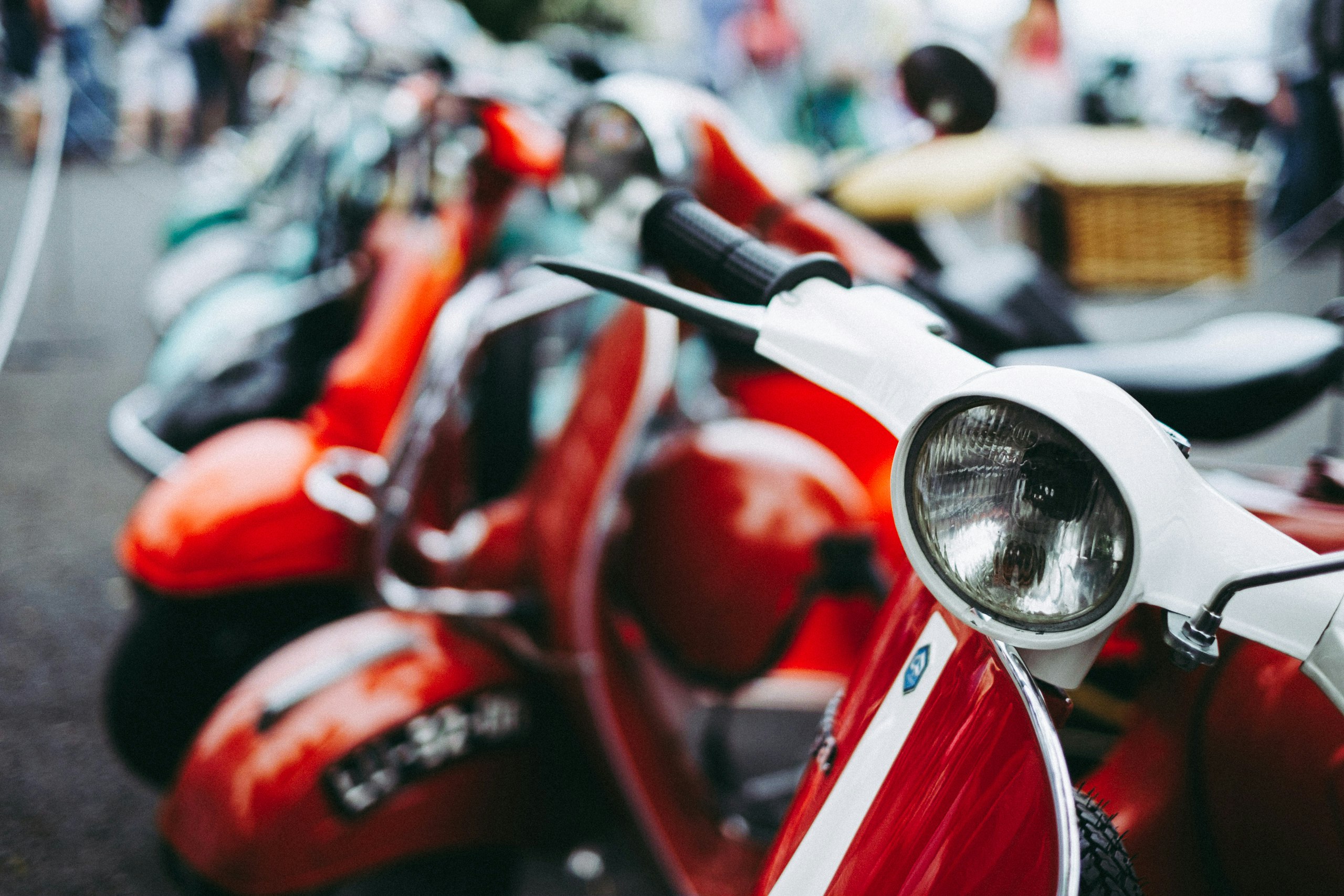
Lambrettas, especially the upright Series 1, 2, and 3, are design masterpieces. They exude a chic, almost art-deco elegance. Think sleek lines, chrome accents, and that distinctive ‘legshield’ shape. Owning one is like owning a piece of wearable art, a statement that you appreciate timeless aesthetics. This isn’t just about looking good; it’s about a scooter that was designed from the ground up to be beautiful as well as functional. Innocenti, the original manufacturer, prided itself on this blend, creating vehicles that were both practical workhorses and symbols of Italian flair.
A Piece of History on Two Wheels
These scooters were the backbone of post-war Italy, providing accessible transportation for the masses. They evolved through the Mod era in the UK, becoming synonymous with a rebellion against the status quo and a specific, sharp style. Every scratch, every worn paint patch on a well-preserved original tells a story. You’re not just buying a machine; you’re buying a tangible link to a vibrant past, a rolling piece of cultural archaeology. Imagine the hands that have gripped those handlebars, the roads it has traveled, and the lives it has touched.
The Engaging Riding Experience
Forget twist-and-go simplicity. A classic Lambretta requires you to be involved. Manual gears, a kickstart, and a charmingly distinct two-stroke engine note make every ride an occasion. It’s a sensory experience – the smell of two-stroke oil, the subtle vibration, the need to anticipate and plan your gear changes. This engagement is a huge part of the appeal for many, turning every journey into a mini-adventure. It’s a mechanical relationship, a dialogue between rider and machine, that modern scooters simply can’t replicate.
If you’re interested in exploring options for scooters, you might find the article on Solax mobility scooters particularly informative. It provides insights into various models and features that can enhance your riding experience. For more details, you can check out the article here: Solax Mobility Scooter. This could be a great complement to your search for a Lambretta for sale, as it highlights different aspects of mobility and style in the scooter market.
What to Look For: Essential Checks When Buying
When you’re shelling out for a classic, you need to be thorough. A hasty purchase can lead to headaches and depleted bank accounts.
Rust: The Silent Killer
This is the number one enemy. Lambrettas are largely steel-bodied, and rust can hide in all sorts of places.
Chassis and Frame Integrity
Check the entire frame for structural rust, especially where the legshields meet the floorboards, around the engine mounts, and under the fuel tank. Minor surface rust is often manageable, but deep, pitting rust means weakened metal and potential safety issues. Look for signs of amateur patch-up jobs.
Floorboards and Legshields
These areas are notoriously prone to rust due to exposure to road spray and general wear. Tap the metal – a solid sound is good; a dull thud or crunch can mean trouble underneath. Check where accessories like mudguards or racks attach, as water can get trapped there.
Panel Fit and Alignment
Poor panel fit could indicate a previous accident, poorly executed repairs, or significant rust that has warped the bodywork. While not always a deal-breaker, it’s something to investigate further. Original fitment was generally precise.
Engine Condition: The Heartbeat
The engine is complex, but some basic checks can tell you a lot.
Starting and Running
Ideally, you want to see it start from cold. Does it kick over easily? Does it idle smoothly without excessive smoke (a little blue smoke is normal for a two-stroke, but a lot might indicate issues)? Listen for any unusual knocking, grinding, or whistling sounds. A test ride is crucial to assess power delivery through the gears. Is there enough compression? Does it feel sluggish?
Gearbox and Clutch
Shift through all the gears during a test ride. Do they engage smoothly? Does it jump out of gear? A sticky or slipping clutch will be immediately apparent and suggests wear. Clutch issues can be anything from simple adjustment to needing a full replacement.
Leaks and Oil
Inspect the engine casings for oil leaks. A small weep might be acceptable on an older machine, but significant puddles underneath are a red flag. Check the engine and gearbox oil levels if possible, and their condition. Dark, sludgy oil suggests infrequent servicing.
Electrics: Often the Weak Link
Original Lambretta electrics can be finicky.
Lights and Horn
Test all lights (headlight, tail light, brake light, indicators if fitted) and the horn. These are crucial for safety and legality. Flickering lights or dimness can indicate wiring issues or a failing alternator.
Charging System
If you can, check the battery voltage while the engine is running. It should show an increase, indicating a functional charging system. Problems here can lead to flat batteries and constant frustration.
Wiring Harness Condition
Look for any frayed, cracked, or exposed wiring. Amateur repairs with inappropriate tape or connectors are a common sight and a potential fire hazard. A full re-wire can be costly but worth it for reliability.
Models and Series: Finding Your Perfect Lambretta
Lambretta’s history is rich with different models, each with its own characteristics and appeal.
Series 1: The Original Icon (Li, TV)
The Series 1 (1958-1959) is arguably the purest form of the Lambretta. Known for its distinct “open” legshields with exposed handlebars and cable runs, and flatter bodywork.
TV175 Series 1
The TV (Turismo Veloce) was the sportier model, often seen as the original “super scooter” of its day. Relatively rare and highly desirable, offering more power than the concurrent Li. Expect to pay a premium for a good one.
Li125/150 Series 1
The standard touring model, more common than the TV. Still highly sought after for its iconic looks and straightforward mechanics. More accessible for entry-level collectors, but still commands respectable prices.
Series 2: Evolution of a Classic (Li, TV)
The Series 2 (1959-1962) refined the design, introducing internal cable routing and a more integrated headlight. Smoother lines and better weather protection.
TV175 Series 2
Improved engine and better aesthetics than the Series 1, making it a very popular choice. Considered by many to be the most beautiful Lambretta design. Offers a good balance of looks and performance for a collectible.
Li125/150 Series 2
Workhorse of the brand, offering reliable transport and enduring style. A very popular choice for restoration and daily riding. Parts availability is generally good for these.
Series 3: The Mod Favourite (Li, SX, TV, GP/DL)
The Series 3 (1962-1971) became the definitive Lambretta for many, particularly associated with the Mod subculture. Lower, sleeker, and more powerful than its predecessors.
Li125/150 Series 3
The mass-market variant, incredibly popular and still widely available. Known for its durability and ease of maintenance. A great entry point into classic Lambretta ownership.
SX150/200
The Sport X (or Special X) was the top-of-the-range model, blending power and style. The SX200 is particularly prized for its performance and has become extremely collectible. These models often feature unique badging and trim.
GP/DL (Grand Prix/De Luxe)
The final evolution of the classic Lambretta, designed by Bertone. Many consider this the pinnacle of Lambretta design. Available in 125, 150, and 200cc. The GP200 is the most powerful and sought-after standard model. These models represent the ultimate refinement of the Lambretta concept.
The Ownership Experience: More Than Just Riding
Owning a classic Lambretta is a lifestyle choice. It comes with its quirks, but also immense satisfaction.
Maintenance and Spares
While they are relatively simple machines, classic Lambrettas require regular attention. You’ll need to be comfortable with a spanner or have a good, trustworthy mechanic nearby. The good news is that most parts are still available, thanks to a thriving aftermarket industry and dedicated specialists. Don’t be afraid to get your hands dirty; it’s part of the fun. Joining an owners’ club can be invaluable here.
Community and Culture
The Lambretta community is incredibly active and welcoming. Rallies, club meets, and online forums provide a great way to meet like-minded individuals, share advice, and show off your scooter. This sense of belonging is a significant part of the ownership experience. You’re buying into a club, not just a vehicle. Many clubs offer technical support, event calendars, and even access to specialist tools.
Value and Investment
A well-maintained, original, or expertly restored classic Lambretta can hold or even increase its value over time, especially rarer models. However, don’t buy one purely as an investment. Buy it because you love it, and any appreciation will be a bonus. Restoration costs can easily outstrip potential resale value if done purely for profit. Focus on condition, originality, and completeness when considering value.
If you’re in the market for a classic scooter, you might want to check out the latest listings for Lambretta models for sale. These iconic scooters have a rich history and are beloved by enthusiasts around the world. For those interested in modern alternatives, you can explore the features and benefits of electric scooters, which are becoming increasingly popular. A great resource for this is an article on the Apollo Electric Scooter, which highlights its impressive specifications and performance. You can read more about it here.
Before You Buy: Practicalities and Paperwork
Don’t overlook the logistics and legalities.
Documentation and V5c
Ensure the scooter has a valid V5c registration document in the seller’s name. Check the frame and engine numbers match the V5c. Any discrepancies are a major red flag and could lead to significant issues with registration. A long-lost V5c can be a nightmare to sort out.
Insurance and Licensing
Classic scooter insurance is often surprisingly affordable, but get quotes before you buy. You’ll also need the appropriate motorcycle license for the engine size. Don’t buy a 200cc if you only have a 125cc license.
Transporting Your New Purchase
Unless you’re planning to ride it home immediately, think about how you’ll get your new acquisition home. A van or trailer will be necessary. Some sellers might offer delivery, but usually at an extra cost.
In summary, buying a classic Lambretta is a journey. Do your homework, ask lots of questions, and if possible, take an experienced person with you when viewing. The right scooter will give you years of stylish, engaging riding and a deep connection to a fascinating piece of history. Happy hunting!
FAQs
1. What is a Lambretta?
A Lambretta is a brand of motor scooter originally manufactured in Milan, Italy. It was first produced in 1947 and gained popularity as a stylish and practical mode of transportation.
2. Where can I find Lambretta scooters for sale?
Lambretta scooters can be found for sale through various channels, including online marketplaces, vintage scooter dealers, and classified ads. Additionally, there are dedicated Lambretta enthusiast forums and websites where individuals buy and sell these scooters.
3. What should I consider when buying a Lambretta scooter?
When buying a Lambretta scooter, it’s important to consider factors such as the scooter’s condition, mileage, maintenance history, and any modifications or customizations. It’s also advisable to inspect the scooter in person and, if possible, take it for a test ride before making a purchase.
4. Are Lambretta scooters easy to maintain?
Lambretta scooters are known for their relatively simple design and ease of maintenance. Many enthusiasts enjoy working on and customizing their Lambrettas, and parts and resources for maintenance and repairs are widely available.
5. What are some popular Lambretta models to look for?
Some popular Lambretta models to look for include the Lambretta Series 1, Series 2, and Series 3, as well as the Lambretta GP and SX models. These models are highly sought after by collectors and enthusiasts for their classic design and performance.