
Mastering the Art of Riding a Self Balancing Scooter
 PopScooter Team
July 19, 2026 6:28 pm
.
16 min read
PopScooter Team
July 19, 2026 6:28 pm
.
16 min read
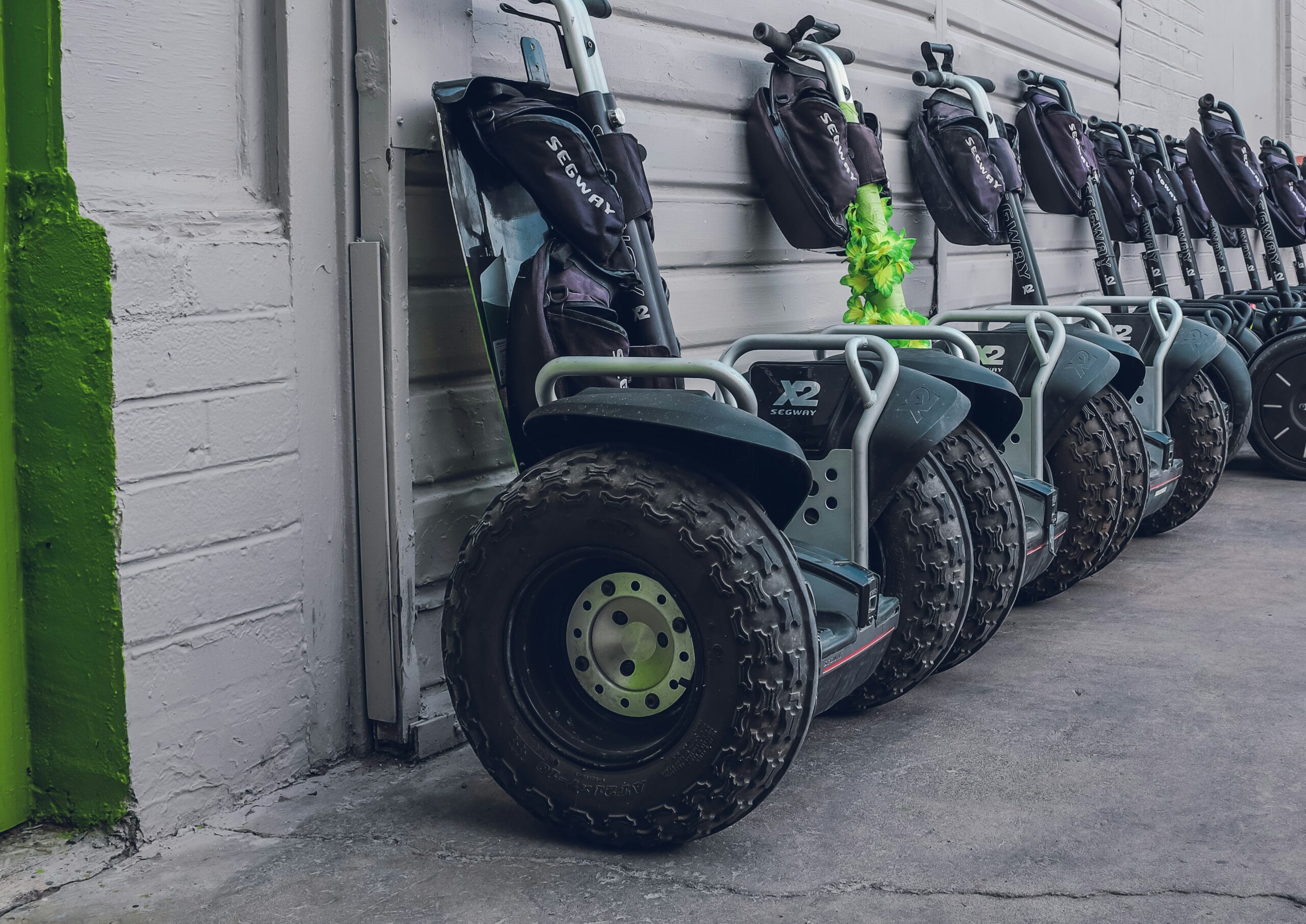
We’ve all seen them, haven’t we? Zipping effortlessly through parks, gliding down sidewalks, or even navigating busy campuses. Self-balancing scooters, once a niche novelty, are now a ubiquitous sight. And let’s be honest, for us, the initial appeal was undeniable. That effortless glide, the futuristic feel – it promised a new way to move, to explore, and frankly, to have a bit of fun. But as we quickly discovered, mastering this seemingly simple machine is an art form in itself. It’s not just about hopping on and leaning; it’s a dance of balance, proprioception, and a healthy dose of determination. Today, we want to share our journey of discovery, our triumphs, and our inevitable stumbles, as we’ve worked to truly master the art of riding a self-balancing scooter.
Our first encounter with our self-balancing scooter was, predictably, met with a surge of childlike excitement. The sleek design, the promise of easy urban mobility – it all felt very cutting-edge. But as we peeled back the layers of protective packaging, we realized that this wasn’t just another toy. This was a piece of technology, and like any technology, it demanded a certain respect and understanding.
First Impressions and Initial Inspection
The unboxing itself was an experience. We carefully removed the scooter from its cardboard confines, admiring its minimalist aesthetic. We checked for any signs of damage, ensuring all components were present and accounted for. The user manual, often overlooked, became our first point of study. While the diagrams were enticing, the written instructions were crucial.
Understanding the Components
We familiarized ourselves with the key parts: the footpads, the wheels, the LED indicator lights, and of course, the charging port. Knowing where everything was and what it did laid the groundwork for a safer and more informed riding experience. We paid particular attention to the charging process, ensuring we understood the indicators and the recommended charging times. Overcharging, we learned, could be detrimental.
The Crucial Charging Stage
Before we could even dream of gliding, there was the matter of power. The manual emphasized a full charge before the inaugural ride, a step we wholeheartedly embraced. We plugged in the charger, observing the indicator lights change color, a small but significant sign that our adventure was about to begin. This waiting period, though agonizing, proved to be a valuable exercise in patience and preparation. It also gave us time to meticulously re-read those crucial safety sections in the manual.
The Importance of a Full Charge
We understood that a half-charged battery wasn’t just inconvenient; it could lead to unpredictable behavior and a premature end to our first ride. A full charge ensured optimal performance and allowed us to focus on learning the nuances of balance without the added anxiety of a dying battery. This foundational step was, in retrospect, a testament to the importance of following instructions.
If you’re interested in self-balancing scooters, you might want to check out this informative article on the Zero 11X, which delves into its features, performance, and overall user experience. The Zero 11X is known for its powerful dual motors and impressive battery life, making it a popular choice among enthusiasts. To learn more about this exciting model, visit this link.
Taking the First Leap: The Wobble and the Wonder
The moment of truth arrived. With the scooter fully charged and our hearts pounding, we were ready to embark on our maiden voyage. This initial stage is, without a doubt, the most challenging and often the most humbling. It’s a period of intense physical and mental focus where every slight shift in weight feels magnified.
Stepping On: A Ballet of Hesitation
Our first attempts to mount the scooter were a comical display of hesitation. We’d place one foot on a pad, then the other, our knees knocking together with nervous energy. The key, we discovered, was to commit. Hesitation breeds instability. We learned to place our feet firmly on the designated pads, aligning them with our shoulders for a balanced starting position.
Finding Your Center of Gravity
This is where our bodies began to learn a new language of balance. We felt the scooter subtly react to the slightest pressure, the onboard gyroscopes working tirelessly to keep us upright. It was a sensation unlike anything we’d experienced before. We consciously focused on keeping our core engaged, our shoulders relaxed, and our gaze forward. Looking down at our feet only invited disaster.
The Initial Glide: A Series of Tiny Adjustments
The first few glides were anything but graceful. We’d lurch forward, then instinctively lean back, creating a jerky, stop-and-go motion. This was the crucial learning phase where our brains and bodies started to communicate and adapt. We learned that forward momentum was our friend, providing stability that static positioning simply couldn’t offer.
The Role of Gentle Inclination
We quickly realized that aggressive leaning was the enemy. Subtle, gentle inclinations of our ankles and feet were the key to controlling direction and speed. A slight tilt forward would send us gliding forward, while a gentle lean back would initiate the braking process. This was a delicate calibration, and we spent a lot of time in this phase, perfecting the micro-movements.
Finding Stability: The Power of Slight Leans
The breakthrough came when we stopped trying to force balance and instead embraced the subtle cues of the scooter. We learned to trust the technology and to work with it, not against it. A slight shift of weight, a gentle pressure on the balls of our feet – these became the tools of our navigation. The wobbles gradually subsided, replaced by a smoother, more controlled glide.
Understanding the Gyroscopic Effect
We educated ourselves on how the gyroscopic sensors worked. This understanding demystified the scooter’s behavior, transforming it from a magical object into a responsive machine. Knowing that the scooter was constantly trying to keep us level helped build our confidence and reduce our fear of falling.
Mastering the Controls: Beyond Simple Forward Motion
Once we felt a semblance of stability, our focus shifted to truly understanding the scooter’s control system. It’s a remarkably intuitive design, but like any instrument, there’s a learning curve to unlocking its full potential.
Forward and Backward: The Basic Commands
The fundamental commands of forward and backward motion are learned through instinctive leaning. We practiced this repeatedly, starting with short, controlled movements. The key was to initiate movement with a deliberate, yet gentle, forward tilt of our toes, and to brake with a equally deliberate, but subtle, backward lean.
The Nuances of Speed Control
We discovered that speed wasn’t about brute force leaning, but about nuanced pressure. A consistent, slight forward lean would maintain a steady, comfortable speed. Increasing the lean would incrementally increase speed, but we learned to do so gradually to avoid sudden acceleration. Braking was achieved by a gradual, sustained lean backward, not an abrupt shift. We realized that smoother transitions were essential for a comfortable ride.
Turning and Pivoting: The Art of the Arc
Turning is where the self-balancing scooter truly shines, transforming from a linear transporter into a dynamic maneuverable device. This requires a different kind of balance and a heightened awareness of our body’s positioning.
Gentle Foot Pressure for Steering
We learned that initiating a turn involved applying slightly more pressure with one foot than the other. To turn left, we’d apply a little more pressure with our right foot on the corresponding pad, while simultaneously applying a little less pressure with our left foot. The scooter would then elegantly arc in the desired direction.
Mastering the Spin: A More Advanced Technique
The ability to spin on the spot, or perform tight pivots, was a more advanced technique we developed through repeated practice. This involved a more deliberate and focused application of pressure to individual footpads. It was a satisfying accomplishment, allowing us to navigate tight spaces with ease. We found that practicing this in an open, safe area was crucial to avoid accidental collisions.
Emergency Stops: Preparedness is Key
In any form of transportation, safety is paramount. We made sure to understand and practice emergency stopping procedures. This wasn’t about stopping abruptly at any given moment, but about knowing the most effective way to bring the scooter to a controlled halt in unexpected situations.
The “Step Off” Maneuver
The most straightforward emergency stop involved carefully stepping off the scooter, one foot at a time, in a controlled manner. This was always our fallback option, especially in the early stages of learning to ride.
Controlled Braking Techniques
We also refined our controlled braking, aiming for a smooth deceleration rather than a sudden halt, which could jolt us forward. This involved a gentle, sustained backward lean, allowing the scooter’s braking system to engage gradually and safely.
Navigating Different Terrains: Beyond the Smooth Pavement
Our initial rides were confined to the perfectly smooth surfaces of our driveways or local parks. But as our confidence grew, so did our ambition to explore different environments. This is where the true mastery of the self-balancing scooter begins, as different surfaces present unique challenges and require adjusted techniques.
Sidewalks and Paths: Everyday Riding
Navigating sidewalks and paved paths became our bread and butter. We learned to anticipate obstacles, pedestrian traffic, and changes in pavement texture. The key here was smooth, consistent movements and a constant awareness of our surroundings. We developed a habit of looking ahead, scanning for potential hazards, and adjusting our speed accordingly.
Anticipating Pedestrians and Obstacles
This became second nature. We learned to slow down when approaching crowds, to make clear signals when changing direction, and to always give way to pedestrians. Small obstacles like cracks in the pavement or pebbles were easily navigated with a slight adjustment of our weight.
Maintaining Momentum on Gentle Inclines
Gentle inclines presented a slight challenge, requiring a bit more sustained lean forward to maintain momentum. We learned to predict these inclines and to adjust our posture proactively, rather than reacting to a loss of speed.
Uneven Surfaces: The Gravel and Grassy Challenge
Riding on grass or gravel offered a decidedly different experience. The increased friction and reduced stability demanded greater attention and a different approach to balance.
Subtle Weight Transfers for Stability
On softer surfaces like grass, we discovered that more subtle and constant weight transfers were needed to maintain balance. The scooter’s wheels would sink slightly, requiring delicate adjustments to keep it upright. We found that a slightly wider stance also helped improve our stability.
The “Bounce” Effect: Learning to Absorb Vibrations
Gravel paths introduced a “bounce” effect. We learned to absorb these vibrations by keeping our knees slightly bent and allowing our bodies to flex with the unevenness of the terrain, rather than stiffening up. This prevented us from being jolted off balance.
Minor Inclines and Declines: Riding with Gravity
Slight hills, both up and down, became another learning curve. We learned how gravity affected our speed and how to adjust our leaning to compensate.
Ascending Hills: The Power of Forward Lean
When ascending a hill, we found that a slightly more pronounced forward lean was necessary to maintain forward momentum. The scooter’s motors would work harder, and our bodies needed to support this effort by leaning into the incline.
Descending Hills: The Art of Controlled Braking
Descending a hill required a more attentive approach to braking. We learned to use a gentle, controlled backward lean to slow our descent, rather than relying solely on the scooter’s natural momentum. This prevented us from picking up too much speed and losing control.
Self-balancing scooters have gained immense popularity as a fun and efficient mode of transportation, appealing to both kids and adults alike. If you’re interested in exploring similar electric rideables, you might find the article on the Schwinn electric scooter particularly insightful. It delves into the features, benefits, and performance of this innovative scooter, making it a great read for anyone considering an electric alternative. For more information, check out the article here.
Safety First, Fun Always: Our Commitment to Responsible Riding
| Model | Max Speed (mph) | Range (miles) | Weight Capacity (lbs) |
|---|---|---|---|
| Model A | 10 | 15 | 220 |
| Model B | 12 | 20 | 250 |
| Model C | 15 | 25 | 280 |
As we’ve grown more proficient, we’ve never lost sight of the importance of safety. Mastering the art of riding a self-balancing scooter isn’t just about being able to glide; it’s about doing so responsibly and ensuring our own well-being and that of those around us.
Protective Gear: Our Non-Negotiable Companions
Our helmets, knee pads, and elbow pads are now our constant companions. We view them not as impediments to our coolness, but as essential tools for enjoying our rides to the fullest. The initial embarrassment of wearing them quickly faded as we witnessed minor falls and realized the protection they offered.
The Helmet: Our Most Important Piece of Gear
The helmet is, without a doubt, our most crucial piece of protective equipment. We learned that even a minor tumble could result in a serious head injury, and the helmet is our first and last line of defense.
Padding: Protecting Against Scrapes and Bruises
Knee pads and elbow pads may seem less critical, but for us, they’ve saved us from countless scrapes and bruises. They allow us to pick ourselves up after a fall with minimal discomfort and get back to practicing.
Awareness and Etiquette: Being a Good Scooter Citizen
Riding in public spaces comes with a responsibility to be considerate of others. We’ve learned that good scooter etiquette is just as important as good riding skills.
Sharing the Path: Respecting Pedestrians
We always prioritize pedestrians, yielding to them on sidewalks and paths. We communicate our intentions when passing and maintain a safe distance.
Understanding Local Regulations
We’ve taken the time to understand local laws and regulations regarding self-balancing scooters. This ensures we are riding legally and safely within designated areas. Knowing where we can and cannot ride is crucial.
Maintenance and Care: Keeping Our Scooters in Top Shape
A well-maintained scooter is a safer and more enjoyable scooter to ride. We’ve learned the importance of regular checks and basic maintenance.
Battery Health: The Heart of Our Scooter
We monitor our battery health, ensuring we don’t overcharge or drain it excessively. Understanding the battery’s lifespan and optimal charging practices is key to longevity.
Tire Pressure and General Inspection
We regularly check our tire pressure and perform general visual inspections for any loose parts or unusual wear and tear. A quick check before each ride has become a habit.
If you’re interested in the latest advancements in self-balancing scooters, you might find this article on the Segway Ninebot particularly insightful. It explores the features and benefits of this popular model, highlighting its innovative design and user-friendly technology. For more details, you can check out the article here. This resource provides a comprehensive overview that can help you make an informed decision if you’re considering purchasing a self-balancing scooter.
The Ongoing Journey: Continuous Improvement and Exploration
Our journey of mastering the self-balancing scooter is far from over. We see it as an ongoing process of refinement, exploration, and continuous learning. Every ride offers a new opportunity to improve, to discover new techniques, and to experience the joy of effortless movement.
Pushing Our Boundaries: New Skills and Techniques
We’re constantly looking for ways to expand our repertoire of skills. From learning to navigate more challenging terrains to experimenting with smoother acceleration and braking, there’s always something new to master.
Advanced Maneuvers for Increased Agility
We’ve started exploring more advanced maneuvers, like tighter turns and controlled drifts, which enhance our agility and control. These skills allow us to navigate more complex environments with greater confidence.
Exploring the Limits of Our Scooters
We’re also learning about the capabilities of our specific scooter models, understanding their weight limits, speed capabilities, and how they handle different conditions. This knowledge empowers us to ride within safe parameters.
The Joy of Connected Travel: Freedom and Fun
Ultimately, the greatest reward of mastering the self-balancing scooter is the sheer joy it brings. It’s a feeling of freedom, of effortless movement, and a fun and engaging way to interact with our environment.
Urban Exploration Reimagined
Our local streets and parks have become a playground for exploration. The scooter allows us to cover more ground, discover hidden gems, and experience our surroundings in a completely new way.
A Community of Riders: Sharing the Passion
We’ve also discovered a growing community of fellow scooter enthusiasts. Sharing tips, experiences, and even riding together has added another dimension to our passion. It’s inspiring to see the diverse ways people are embracing this innovative form of personal transportation.
Mastering the art of riding a self-balancing scooter is a rewarding endeavor that blends physical skill, mental focus, and a healthy dose of fun. It’s a journey that begins with a single step, a hesitant mount, and evolves into a confident, graceful glide. We encourage anyone considering this exciting mode of transport to embrace the learning process, prioritize safety, and most importantly, to enjoy the ride. The world feels a little more accessible, a little more exhilarating, when you’re gliding along on two wheels, powered by your own balance and the magic of modern technology.
FAQs
What is a self balancing scooter?
A self balancing scooter, also known as a hoverboard, is a two-wheeled, battery-powered device that is ridden in a standing position. It uses gyroscopic sensors to detect the rider’s movements and maintain balance.
How does a self balancing scooter work?
A self balancing scooter works by using gyroscopic sensors and accelerometers to detect the rider’s movements and adjust the speed and direction of the wheels to maintain balance. The rider leans forward to move forward and leans back to slow down or reverse.
Are self balancing scooters safe to use?
When used properly and with proper safety precautions, self balancing scooters can be safe to use. It is important for riders to wear protective gear such as helmets and knee pads, and to be mindful of their surroundings while riding.
What are the benefits of using a self balancing scooter?
Some benefits of using a self balancing scooter include its compact size and portability, making it a convenient mode of transportation for short distances. It is also a fun and eco-friendly way to get around.
Are there any regulations or restrictions for using self balancing scooters?
Regulations and restrictions for using self balancing scooters vary by location. Some areas may have age restrictions, speed limits, and rules for where they can be ridden. It is important for riders to familiarize themselves with local laws and regulations before using a self balancing scooter.