

Maximizing Electric Scooter Battery Life: Tips and Tricks
 PopScooter Team
August 16, 2026 6:28 am
.
15 min read
PopScooter Team
August 16, 2026 6:28 am
.
15 min read
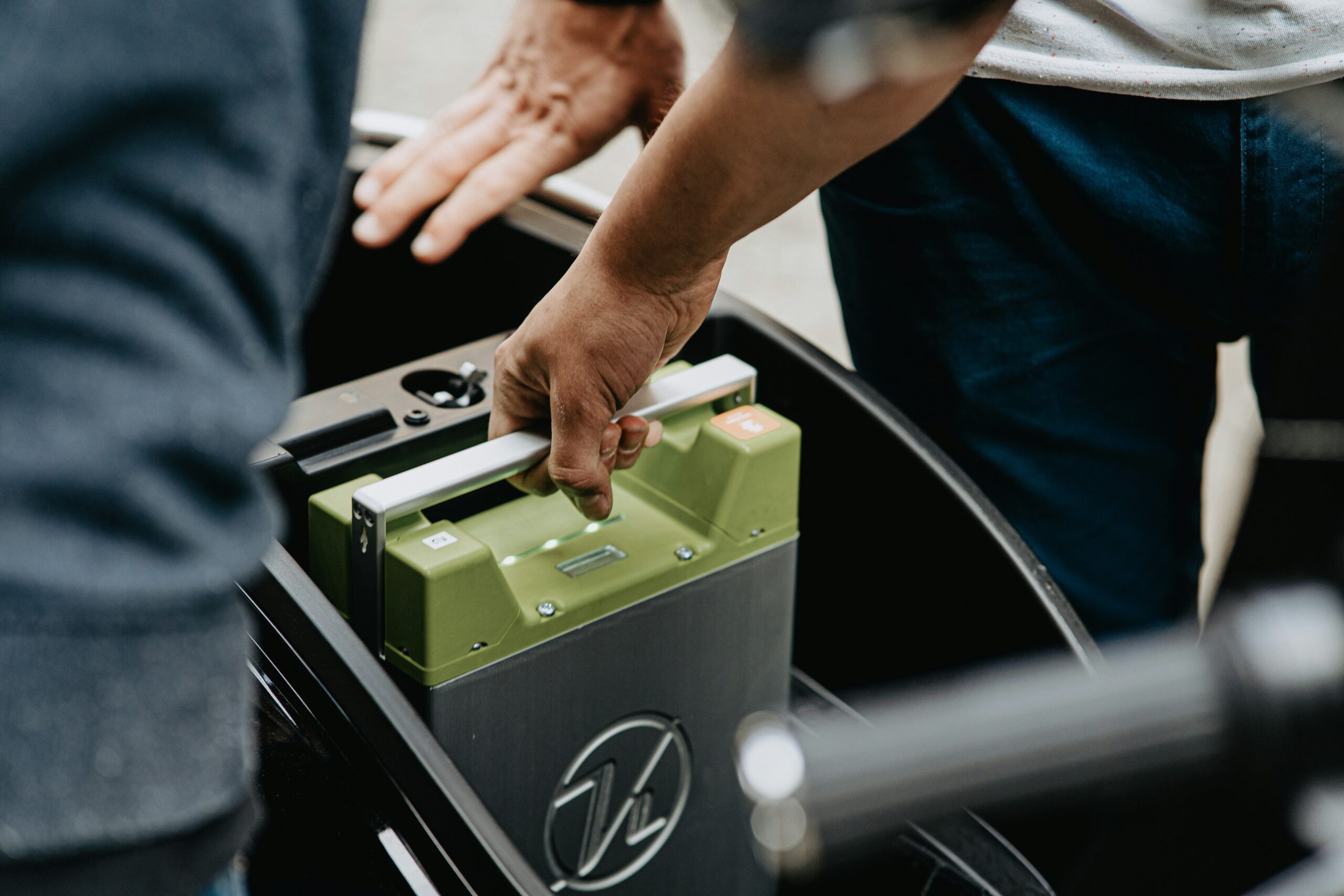
We often find ourselves relying on our electric scooters for daily commutes, quick errands, or simply for the sheer joy of zipping through the city. As our trusty steeds, their batteries are the heart and soul of our electric adventures. Keeping them healthy and maximizing their lifespan is not just about convenience; it’s about responsible ownership and ensuring our scooters remain reliable companions for as long as possible. We’ve all experienced that sinking feeling when the battery indicator dips precariously low, forcing us to rethink our plans. But fear not, fellow riders! We’ve gathered a comprehensive collection of tips and tricks to help us all squeeze every last drop of energy from our electric scooter batteries and extend their operational life.
Before we delve into the practicalities, it’s crucial that we, as a community of riders, have a basic understanding of what powers our scooters. Most electric scooters utilize lithium-ion batteries. These batteries are fantastic for their energy density and relatively light weight, but they also have specific needs and vulnerabilities. Knowing these characteristics is the first step towards proper care.
The Chemistry Behind the Power: Lithium-Ion Basics
Lithium-ion batteries work by the movement of lithium ions between two electrodes – a cathode and an anode – through an electrolyte. During discharge, lithium ions move from the anode to the cathode. During charging, they move in the opposite direction. This reversible chemical reaction is what provides the power to our scooters. However, this process isn’t infinitely repeatable. Over time, degradation occurs, impacting the battery’s capacity and ability to hold a charge.
Factors Affecting Battery Health: What Degrades Our Power Cells?
Several factors contribute to the gradual decline of our electric scooter batteries. Understanding these culprits allows us to proactively mitigate their impact.
Temperature Extremes: The Silent Battery Killer
One of the most significant enemies of lithium-ion batteries is extreme temperature.
The Heat is On: Why High Temperatures Harm Batteries
Storing or charging your scooter in direct sunlight or a very hot environment can accelerate the degradation process. High temperatures increase the rate of chemical reactions within the battery, leading to faster capacity loss and, in extreme cases, potential safety hazards. Think of it like leaving a perishable item in a hot car – it spoils much faster. For our batteries, this translates to a reduced lifespan. We must be mindful of where we park our scooters and ensure they aren’t exposed to prolonged periods of excessive heat.
Chilling Out: The Impact of Cold Temperatures
Conversely, very cold temperatures can also negatively affect battery performance. While cold is generally less damaging than extreme heat in the long run, it significantly impacts the battery’s ability to deliver power in the short term. When a battery is cold, the internal resistance increases, meaning it struggles to push out the stored energy efficiently. This results in a noticeable drop in range and power. Repeatedly operating a scooter in very cold conditions can also contribute to long-term degradation.
Charging Habits: The Art of Keeping Our Batteries Content
How and when we charge our scooters plays a pivotal role in their battery health. Developing good charging habits is paramount.
The Myth of the Full Charge: Why 100% Isn’t Always Best
It’s a common instinct to always charge our scooters to 100%. However, for lithium-ion batteries, consistently topping them off to the absolute maximum can put stress on the cells. This “overcharging” effect, even when the charger is designed to stop, can contribute to degradation over time. For optimal battery longevity, many experts recommend keeping the charge level between 20% and 80%.
The Dangers of Deep Discharges: Don’t Let Your Battery Go Bone Dry
On the flip side, letting your scooter’s battery completely drain to 0% on a regular basis is also detrimental. Deep discharges can put excessive strain on the battery’s internal components and accelerate wear. It’s like running a car engine until it runs out of oil – it’s not good for its long-term health.
The Golden Rule: Plug In When You Can, But Not Always to Full
The best approach is a balanced one. We don’t need to be obsessive about the 20-80% rule, but being mindful of avoiding extreme charge levels is beneficial. If you’re going to be using your scooter for a long ride, charging to 100% might be necessary. However, for daily commuting, topping off to around 80-90% is often sufficient and better for battery health. Similarly, try to plug in your scooter before it reaches a critically low level, ideally before it dips below 20%.
Physical Stress: More Than Just a Bumpy Ride
The physical integrity of our batteries is also crucial for their longevity.
Impacts and Vibrations: The Unseen Damage
While our scooters are designed to handle urban environments, excessive jolts, bumps, and vibrations can take a toll on the battery pack. The internal components within the battery are delicate, and severe impacts can cause damage, leading to reduced performance or even complete failure. We should always try to ride smoothly, avoiding potholes and rough terrain where possible.
Electric scooter batteries are a crucial component in determining the overall performance and longevity of the vehicle. For those interested in understanding more about battery options and maintenance for electric scooters, a related article can be found at this link. It provides valuable insights into different battery types and their impact on scooter efficiency, helping users make informed decisions for their electric rides.
Smart Charging Strategies: Maximizing Every Watt
Now that we understand the basics, let’s dive into practical strategies for charging our scooters effectively. These methods are designed to minimize stress on the battery and promote its longevity.
The Right Charger: Using What’s Recommended
This might seem obvious, but using the correct charger is non-negotiable.
Manufacturer’s Charger: Your Battery’s Best Friend
Always use the charger that came with your electric scooter or an officially recommended replacement from the manufacturer. These chargers are specifically designed to deliver the correct voltage and current for your scooter’s battery pack, ensuring safe and efficient charging. Using incompatible chargers can lead to overcharging, undercharging, or even damage to the battery and scooter.
Third-Party Chargers: Proceed with Extreme Caution
While third-party chargers might seem like a convenient or cheaper alternative, they can be risky. Unless they are from a highly reputable brand and explicitly stated to be compatible with your specific scooter model and battery type, it’s best to avoid them. The risk of damaging your expensive battery far outweighs any potential savings.
Charging Location and Environment: A Comfortable Home for Your Battery
Where we choose to charge our scooters matters significantly.
Indoor Charging is Best: Escaping the Elements
Whenever possible, we should charge our scooters indoors. This protects them from extreme temperatures, direct sunlight, rain, and humidity. A stable, indoor environment is ideal for the charging process and helps maintain battery health. Garages, apartments, or even a designated corner of our homes are good options.
Avoiding Extreme Temperatures During Charging: The Golden Rule Revisited
As we discussed earlier, temperature is a major factor. Charging in scorching heat or freezing cold is a recipe for battery degradation. If your scooter has been sitting in a hot car or out in the cold, let it come to room temperature before plugging it in. This gradual temperature adjustment is much gentler on the battery cells.
Charging Intervals: Finding the Sweet Spot
Deciding when to charge can be a bit of a balancing act.
The “Top-Up” Mentality: Regular, Shorter Charges
Instead of waiting for the battery to be critically low, we can adopt a “top-up” mentality. Plugging in your scooter for shorter periods more frequently, as long as you’re not consistently hitting 100%, can be beneficial. This avoids deep discharges and keeps the battery within its optimal operating range. For instance, if you use about 20-30% of your battery on a typical day, charging it back up to 80% in the evening is a good practice.
Avoiding Overnight Charging: A Reconsideration
While most modern chargers have safety mechanisms to prevent overcharging, leaving your scooter plugged in overnight for extended periods isn’t ideal. This can keep the battery in a high-voltage state for longer than necessary, which can contribute to degradation over time. It’s better to plug it in when you’re actively using it or have a few hours before you need it, rather than letting it sit on the charger for days on end.
Optimizing Riding Habits: Maximizing Range on Every Ride
Beyond charging, our riding habits have a direct impact on how much range we get from a single charge and, consequently, how often we need to charge, thus impacting overall battery wear.
Smooth Riding: The Key to Efficiency
Aggressive riding can drain your battery faster than you might think.
Acceleration and Braking: A Gentle Approach
Sudden, hard accelerations and abrupt braking are energy-intensive. They demand a lot of power from the battery in a short amount of time. We should aim for smooth, gradual acceleration and anticipate stops, using gentle braking to conserve energy. This not only saves battery life but also makes for a more pleasant and safer ride.
Maintaining a Consistent Speed: The Power of Momentum
Once we’ve reached our desired speed, maintaining a consistent pace is more energy-efficient than constantly accelerating and decelerating. Our scooters are designed to cruise efficiently at moderate speeds. By minimizing unnecessary speed fluctuations, we can significantly extend our riding range.
Tire Pressure: The Unsung Hero of Efficiency
This is a simple yet often overlooked factor that can have a considerable impact on battery life.
Properly Inflated Tires: Less Friction, More Miles
Underinflated tires create more rolling resistance. This means our scooter’s motor has to work harder to overcome this resistance, consuming more battery power. Regularly checking and maintaining the correct tire pressure, as recommended by the manufacturer, is a simple way to improve efficiency and maximize range.
The Recommended PSI: Consult Your Manual
Don’t guess your tire pressure. Always refer to your scooter’s manual or the sidewall of the tires for the recommended PSI (pounds per square inch). Overinflating can lead to a harsher ride and reduced traction, so finding that sweet spot is important.
Load and Terrain: Managing Your Scooter’s Burden
What we carry and the surfaces we ride on also play a role.
Minimizing Extra Weight: Less is More
Carrying excessive weight on your scooter will naturally reduce its range. While our scooters are designed to carry a rider, adding heavy backpacks, shopping bags, or other cargo will put more strain on the motor and battery. Try to pack light whenever possible.
Conquering Hills: Energy Management Strategies
Hills are a battery drainer. When faced with an incline, try to maintain momentum as much as possible. Sometimes, a slight increase in speed before hitting the hill can help you crest it with less effort from the motor. Alternatively, if the hill is particularly steep, consider assisting with your foot slightly, especially if you have a lighter scooter.
Battery Maintenance and Storage: Preserving Power for the Long Haul
Proper maintenance and storage are critical for ensuring our batteries remain healthy over extended periods, especially if we have seasonal riding patterns.
Regular Cleaning: Keeping Our Batteries Pristine
While batteries are generally sealed units, keeping the charging port and surrounding areas clean is important.
Cleaning the Charging Port: A Pristine Connection
Dust, dirt, and debris can accumulate in the charging port, hindering a good connection and potentially causing charging issues. We should periodically inspect the charging port and gently clean it with a dry, soft brush or a can of compressed air. Avoid using liquids or abrasive materials, as this could damage the delicate contacts.
Inspecting the Battery Casing: Visible Damage Detection
While we can’t see the internal workings of the battery, we can inspect its external casing for any signs of damage. Look for dents, punctures, or any unusual swelling. If you notice any such damage, it’s crucial to stop using the battery immediately and consult with a professional or the manufacturer.
Long-Term Storage: Preparing for Downtime
If we plan to store our electric scooters for an extended period, such as during winter months, proper battery preparation is essential.
The Ideal Storage Charge Level: Not Too Full, Not Too Empty
For long-term storage, it’s not recommended to leave the battery fully charged or completely depleted. Lithium-ion batteries are best stored at a partial charge, typically around 50-70%. This minimizes the stress on the battery cells during inactivity.
Cool, Dry Storage Environment: Protecting from the Elements
Just as with regular charging, storing your scooter in a cool, dry place is paramount. Avoid extreme temperatures, both hot and cold, and keep it away from direct sunlight. A climate-controlled environment will significantly contribute to preserving battery health.
Periodic Checks During Storage: Staying Vigilant
Even during storage, it’s a good idea to check on your battery periodically.
Recharging During Storage: Preventing Deep Discharge
If your scooter is stored for a very long time, the battery’s charge will naturally decrease over time due to self-discharge. We should aim to check the battery level every few months and top it up to the ideal storage charge level if it drops too low. This prevents the battery from entering a deep discharge state, which can cause irreversible damage.
Electric scooters have gained immense popularity in recent years, largely due to their convenience and eco-friendliness. A crucial component of these scooters is their battery, which significantly impacts performance and range. For those interested in learning more about the specifics of electric scooter batteries, you can check out this insightful article on the topic. It provides valuable information on battery maintenance and optimization, which can enhance your riding experience. If you want to explore a specific model, take a look at the Viro electric scooter by visiting this link.
Advanced Tips and Troubleshooting: Going the Extra Mile
“`html
| Brand | Battery Capacity (Wh) | Range (miles) | Charging Time (hours) |
|---|---|---|---|
| Xiaomi | 280 | 18 | 5 |
| Segway | 367 | 25 | 6 |
| Gotrax | 270 | 15 | 4 |
“`
For those who want to take their battery care to the next level, here are a few more advanced tips and common troubleshooting scenarios.
Battery Management Systems (BMS): The Brains of the Operation
Many modern electric scooters come equipped with a Battery Management System (BMS).
Understanding the BMS: Your Battery’s Guardian
The BMS is a crucial component that monitors and controls the battery’s charging, discharging, and overall health. It protects the battery from overcharging, over-discharging, short circuits, and overheating. While you can’t directly interact with the BMS, understanding its role highlights the importance of using the correct charging equipment and avoiding conditions that would trigger its safety protocols.
Swollen Batteries: A Serious Warning Sign
A swollen battery is a clear indication of a problem and should be addressed immediately.
What to Do with a Swollen Battery: Safety First
If you notice that your scooter’s battery is swelling or bulging, do not use it. This is a sign of internal damage or gas build-up, which can be a safety hazard. Contact the manufacturer or a professional battery recycling service. Do not attempt to repair or dispose of it yourself.
Extending Battery Lifespan Through Replacements: When to Consider an Upgrade
Even with the best care, batteries have a finite lifespan.
Signs Your Battery Needs Replacing: Reduced Range and Performance
Over time, you’ll notice a significant decrease in your scooter’s range. If your scooter used to go 20 miles on a full charge and now only gets 10 miles, it’s a strong indicator that the battery is nearing the end of its life. Other signs include slower acceleration, diminished power on inclines, and the battery taking an unusually long time to charge or not holding a charge at all.
Upgrading Your Battery: Enhancing Your Scooter’s Capabilities
When the time comes to replace your battery, consider if an upgrade is an option. Sometimes, manufacturers offer higher-capacity batteries that can increase your scooter’s range. However, ensure that any upgrade is compatible with your scooter’s motor and charging system. This is often best done in consultation with the manufacturer or a qualified technician.
By adopting these practices, we can collectively ensure our electric scooters remain our reliable companions for many rides to come. It’s about being mindful, informed, and proactive. So, let’s all commit to giving our batteries the care they deserve, and in return, they will continue to carry us on our urban adventures, mile after mile.
FAQs
What is an electric scooter battery?
An electric scooter battery is a rechargeable battery that powers the electric motor of an electric scooter. It is the energy source that allows the scooter to move.
What types of batteries are used in electric scooters?
The most common types of batteries used in electric scooters are lead-acid, lithium-ion, and nickel-metal hydride (NiMH) batteries. Each type has its own advantages and disadvantages in terms of cost, weight, and energy density.
How long does an electric scooter battery last?
The lifespan of an electric scooter battery depends on various factors such as the type of battery, usage patterns, and maintenance. On average, a well-maintained lithium-ion battery can last between 2 to 4 years, while lead-acid batteries may last around 1 to 2 years.
How do I maintain my electric scooter battery?
To maintain an electric scooter battery, it is important to regularly charge it, avoid overcharging or deep discharging, and store it in a cool, dry place. It is also recommended to follow the manufacturer’s guidelines for battery maintenance.
Can I replace the battery in my electric scooter?
Yes, the battery in an electric scooter can usually be replaced. However, it is important to ensure that the replacement battery is compatible with the scooter’s specifications and to follow the manufacturer’s instructions for installation.
You might also like