
Handicap Scooter Reviews and Comparisons for Easy Mobility
 PopScooter Team
February 2, 2026 2:31 am
.
13 min read
PopScooter Team
February 2, 2026 2:31 am
.
13 min read
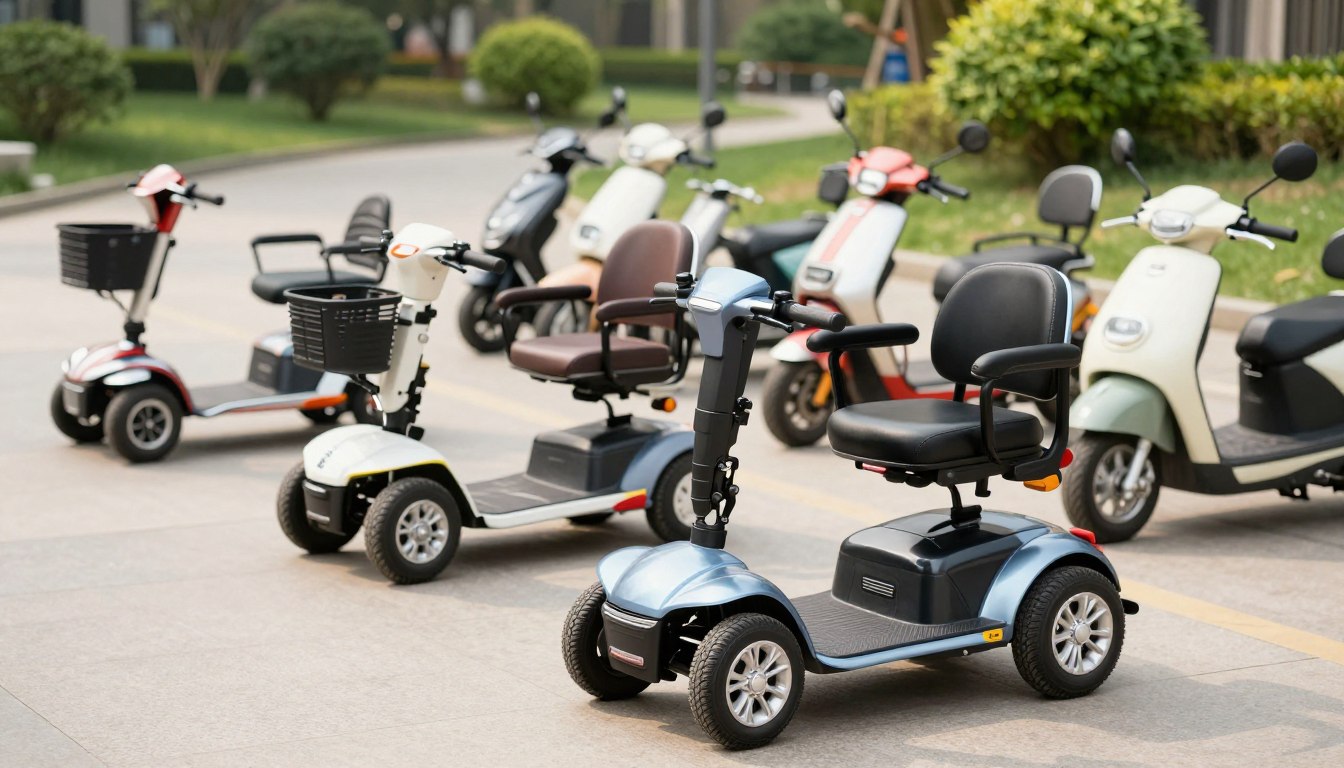
Looking for a practical way to regain independence—without guessing which model fits your life? Many Americans turn to mobility scooters to handle errands, outings, and daily movement with less strain.
This guide explains what a handicap scooter is and why people choose these mobility solutions for home and neighborhood use. It compares popular models so readers can match features to their layout, terrain, and routine.
Expect clear, plain-English advice on indoor-friendly options and outdoor-capable models, with straightforward notes on comfort, handling, and ownership costs.
The roundup helps shoppers who start on mobility scooters sale pages cut through similar specs and make choices based on real use. Whether someone shops for themselves or a loved one, the focus stays practical—not hype.
At the end, readers get a category-based shortlist (travel, foldable, heavy duty, all-terrain, 3-wheel, 4-wheel) and a simple checkout checklist. Price varies widely, so the best pick depends on needs, not just budget.
Key Takeaways
- Mobility scooters boost independence for indoor and outdoor use.
- The guide compares models by comfort, handling, and real use.
- Shoppers often begin with mobility scooters sale pages and need plain-English guidance.
- Choices vary by home layout, terrain, and lifestyle—price isn’t the only factor.
- A category shortlist and checklist make final selection easier.
How this roundup compares mobility scooters for real-world mobility
We compare models by testing how they work where people actually use them: sidewalks, store aisles, ramps, and vehicle trunks. The goal is a practical view that helps a buyer choose with confidence, not get swayed by specs alone.
Commercial buyer focus for people shopping for a loved one or themselves
This guide is aimed at shoppers who want easy-to-understand trade-offs. It helps someone buying for a loved one who needs simple controls or extra seating support, as well as people choosing for themselves.
What gets compared across models
- Range per charge — tested distance versus real-world miles and charging habits.
- Stability & braking — how the unit handles turns, hills, and stops.
- Comfort & fit — seat, foot space, and armrest support for longer trips.
- Portability & weight — assembled heft, disassembly steps, and trunk fit.
Why price, terrain, and storage change the “best” pick
Indoor users often favor tight turning radius and lighter weight for storage. Outdoor riders need higher ground clearance and longer range. Price matters, but value depends on matching features to daily needs.
Best handicap scooter picks by category
This list sorts practical mobility options by use so shoppers can find the best fit quickly.
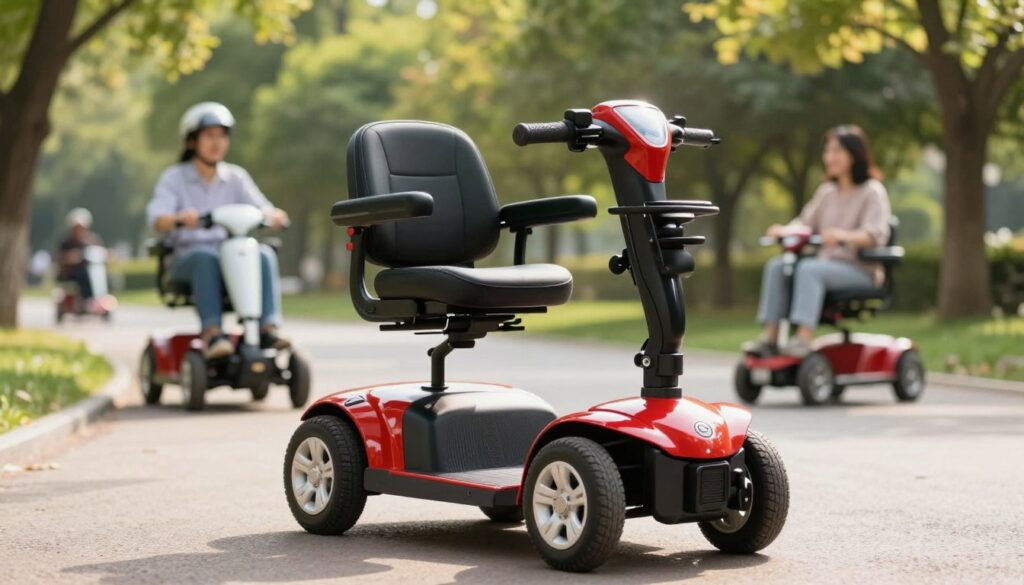
Best overall for everyday errands
Balanced comfort and handling make this the go‑to model for neighborhood trips. It pairs a cushioned seat, steady turning, and a practical range of about 8–20 miles per charge. The simple controls suit most users who need reliable mobility for shopping and local outings.
Best travel option for quick transport
Travel-focused designs prioritize lighter parts and easy disassembly. A top travel scooter fits common vehicle trunks and breaks down without tools. Expect tradeoffs in range and power, but big wins in portability for short trips.
Best foldable for tight trunks and storage
Foldable mobility scooter frames save space in small closets and compact cars. They fold fast and store easily, though buyers should watch ride comfort and battery size—folding models often carry smaller batteries and softer suspensions.
Best heavy duty for higher weight capacity
Heavy duty models support higher weight capacity (often 350–500+ lbs). That strength adds stability over bumps and keeps performance steady outdoors. Larger batteries and stronger motors help keep range acceptable despite the added load.
Best all‑terrain for uneven ground
All‑terrain builds use beefier frames, higher clearance, and larger tires to handle rough paths. These options boost confidence on gravel, grass, and steep driveways and trade some portability for toughness.
Best 3‑wheel option for tight turning
3‑wheel mobility choices shine indoors: a tighter turning radius helps in narrow hallways and kitchens. They steer sharply but can feel less planted than four‑wheel alternatives on rougher terrain.
Best 4‑wheel for steady longer rides
Four‑wheel models deliver extra stability for longer rides and outdoor use. They handle corners with confidence and often offer larger seats and better battery range for extended errands.
- Tip: Match your daily terrain, storage needs, and desired range before choosing a model.
- Spec ranges to expect: top speeds 4–11 mph; range roughly 8–24 miles per charge; capacities 250–500+ lbs depending on class.
Mobility scooter types explained: choosing the right build for the way they ride
Different builds perform best in different places, so pick the one that fits how and where they ride.
Portable and transportable devices disassemble into smaller pieces for easy loading into a car. These options suit people who need mobility on short trips or limited trunk space.
Folding models prioritize quick setup and a small storage footprint. They perform well in apartments and frequent travel days where portability matters more than long range.
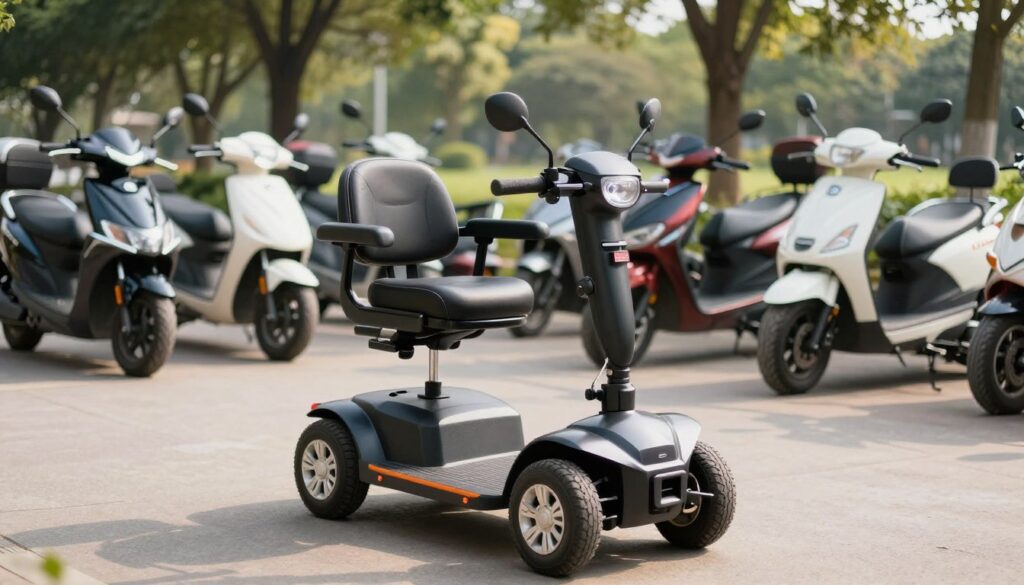
Recreational equipment focuses on comfort for daily use. These builds offer roomier seats and smoother rides, ideal when users value a relaxed trip over compact storage.
Heavy-duty models support higher weight and wider seats. Strong frames and sturdier suspension boost confidence and maintain performance at larger capacities.
All-terrain designs raise ground clearance and use beefier tires to handle uneven sidewalks, gravel, and yards. They trade some portability for better outdoor capability.
- Match to needs: pick portable or folding for travel; recreational for daily comfort; heavy-duty for higher capacity; all-terrain for rough ground.
- Consider features: range, turning, and seat size influence where a model works best.
Key features that matter most when comparing scooters
Practical features—not glossy photos—decide whether a mobility option fits real life. Buyers should compare a few core specs side by side to avoid surprises at home.
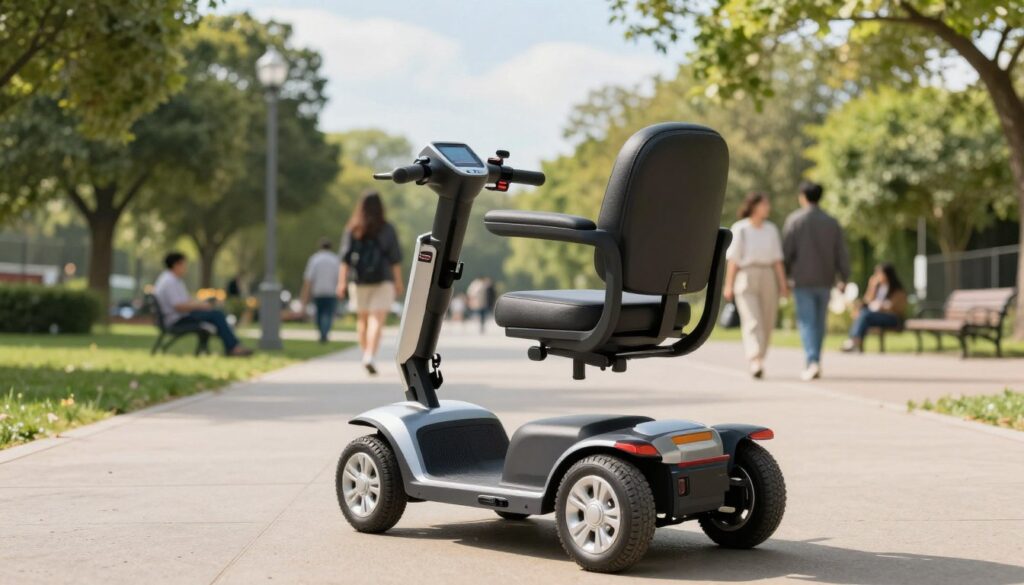
Turning radius for tight hallways, elevators, and indoor corners
Turning radius controls how easily a mobility scooter maneuvers in small spaces. A smaller radius helps in elevators, narrow aisles, and tight kitchens.
Ground clearance for curbs, ramps, and rougher terrain
Ground clearance matters outdoors. Higher clearance eases curb transitions and handles rougher terrain with less risk of scraping the base.
Weight capacity ranges and why they affect performance
Capacity usually runs from about 250 to 500+ lbs. Higher weight capacity boosts stability but can add overall weight to the unit.
Top speed expectations for neighborhood and campus use
Most models top out around 4–11 mph. That range is fine for sidewalks and campuses; faster is rarely needed for short errands.
Seat and foot comfort, armrests, and fit for different people
Comfort depends on seat width, padding, and foot space. Test fit for long trips—what feels fine in a showroom may not suit daily use.
- Tip: Match these features to daily routes, storage, and body needs before buying.
- Quick check: turning radius, ground clearance, and weight capacity together define real-world usability.
Battery, range, and charging: what buyers should expect in the US
Understanding range and battery care helps buyers match mobility gear to daily life. Most mobility scooters travel about 8–24 miles per charge under ideal conditions, according to field tests and industry sources.
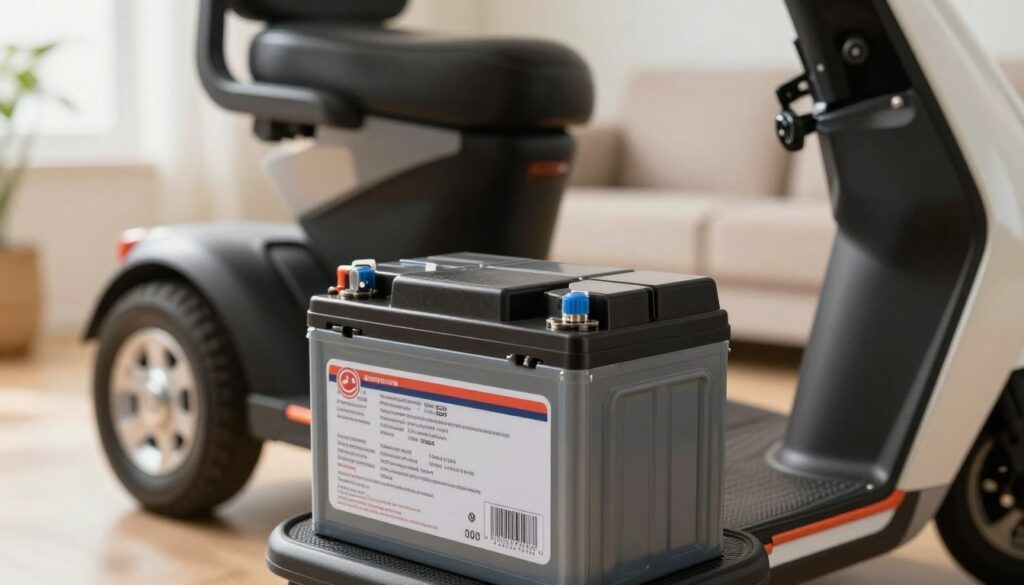
Typical driving range and estimating daily needs
Estimate trips conservatively. Hilly routes, rider weight, and rough terrain can cut range well below spec numbers.
Plan using short routes for errands, appointments, or campus travel and add a safety margin to avoid running low.
Charging basics and routines that protect battery life
Follow a simple, safe routine: remove the key, plug the charger into an approved AC wall outlet, then connect to the charger port on the device.
Charge regularly, avoid complete depletion when possible, and keep a consistent schedule to extend battery lifespan.
Travel considerations and airline rules
Many US carriers will transport a mobility unit, often in cargo, but rules vary by battery type. Check airline policy before travel to confirm battery restrictions and packing requirements.
Tip: travel-focused models trade battery size for lighter transport—decide if portability or longer range better fits the rider’s needs.
- Quick plan: know daily miles, add a safety buffer, and keep a regular charging habit.
- Outcome: smart battery planning reduces stress and keeps the equipment reliable for the long haul.
Brand and model callouts shoppers recognize
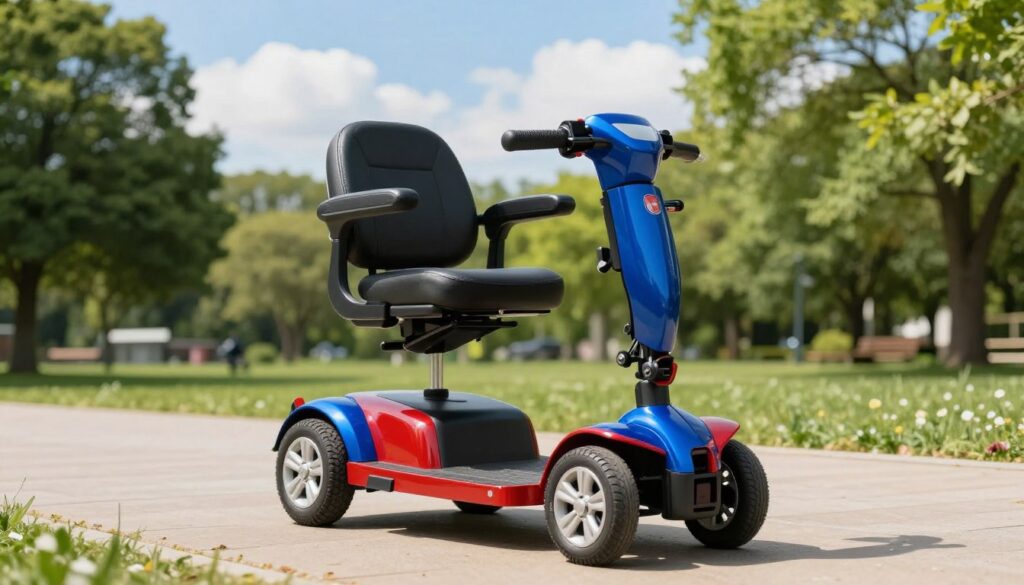
Recognizable brands make the buying process easier. A known name often means easier repairs, common replacement parts, and clear support channels. That matters when someone needs a reliable medical scooter for day‑to‑day use.
Pride Mobility favorites
Pride Mobility appears frequently in searches for quality and variety. The Go‑Go Elite Traveller and Go‑Go Sport families are popular because they balance portability, everyday comfort, and simple controls.
Shoppers like how these models disassemble or fold for travel and still offer stable handling for shopping and short trips.
Golden Technologies options
Golden Technologies earns praise for comfortable, practical options. The Golden Buzzaround‑style models are noted for roomy seats and straightforward driving controls.
These brands are often compared side‑by‑side when buyers test comfort, range, and portability.
- Why brand matters: easier parts, clear warranties, and trusted dealers.
- What to check: range, assembly, and how the model fits storage needs.
- Need help? Retailers like Scootaround offer sales specialists to answer questions by phone or email and guide fit and specs.
For more model options and to compare features, see a curated list of mobility scooters.
Quick comparison checklist before they buy a mobility scooter
Start with these simple checks so the chosen model fits the rider’s daily life, storage, and the people who will lift or load it.
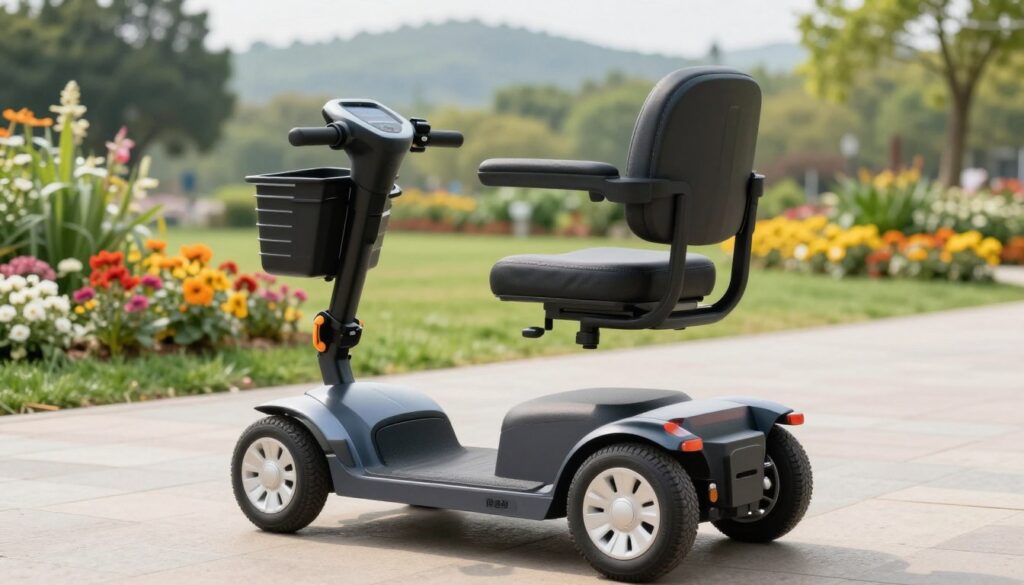
Match to use and terrain
Decide if the unit will be indoor-only, mixed errands, or mostly outdoor. Note sidewalks, curb cuts, ramps, and yard surfaces.
Balance portability, comfort, and range
Lighter models ease transport but often trade seat padding and battery range. Choose which matter most to daily mobility.
Confirm assembled weight and transport options
Check the assembled weight and whether the unit disassembles into liftable parts. “Portable” varies by who does the lifting.
Check turning radius, ground clearance, and weight capacity together
These specs interact: a tight turning radius helps indoors, but ground clearance and capacity affect outdoor stability. Review them as a group.
- Shortlist 3–5 finalists and compare real features, not extras.
- Test fit for storage, vehicle trunks, and daily routes before buying.
- Focus on what improves daily mobility rather than flashy options that won’t be used.
Finding the right scooter fit and moving forward with confidence
Find the option that reduces everyday hassle — loading, charging, and parking — so outings stay easy.
Start by prioritizing where the device will be used most, what keeps the rider comfortable, and how it will be stored or moved. Measure tight halls, test turning in home spaces, and confirm that weight and seating dimensions match the person.
Scootaround notes these devices often boost independence and feel intuitive thanks to car-like steering and throttle controls. Remember that Medicare may cover part of a purchase in some cases, and insurance is usually not mandatory.
Shortlist two or three finalists, recheck key specs, then buy the model that lowers daily friction and fits real life. When those pieces line up, the choice becomes simple and confident. cheap used mobility scooters
FAQ
What does this roundup compare when choosing a mobility device for everyday use?
It compares real-world factors such as range per charge, stability and braking, seat comfort, portability options, turning radius, and ground clearance. Price, terrain, and storage needs are also weighed because they change which model fits a person’s routine and environment.
How should a commercial buyer shop for a loved one or themselves?
A buyer should prioritize daily use case first: where the device will be used (indoors, sidewalks, trails), how far they need to travel, and whether they require easy transport. Then compare models from trusted brands like Pride Mobility and Golden Technologies for features, warranty, and local service.
Which categories of models are typically recommended in these reviews?
Reviews usually highlight best overall models for errands, travel scooters for portability, foldable units for tight trunks, heavy-duty options with high weight capacity, all-terrain choices with greater ground clearance, and 3-wheel versus 4-wheel designs depending on turning radius and stability needs.
How much ground clearance is important for outdoor use?
For sidewalks, curbs, and uneven paths, higher ground clearance reduces the chance of getting stuck or damaging the undercarriage. Buyers who ride off-road or on rough terrain should look for models specifically rated for outdoor use and note clearance specs before purchasing.
What should users know about turning radius when shopping?
Turning radius affects indoor maneuverability. A tighter radius suits narrow hallways, elevators, and tight corners. 3-wheel designs often offer sharper turns, while 4-wheel models trade some agility for added stability on longer rides.
How important is weight capacity and how does it affect performance?
Weight capacity determines safety, handling, and motor strain. Choosing a model with an adequate capacity ensures better braking, longer motor life, and correct suspension behavior. Heavy-duty models from recognized brands handle larger loads more reliably.
What are realistic battery range expectations in the US market?
Typical driving ranges vary widely by model and load but often fall between 8 and 25 miles per charge for compact and mid-range units. Factors such as rider weight, terrain, speed, and accessory load affect actual range, so buyers should estimate daily needs with a safety margin.
How should someone manage charging to protect battery life?
Follow the manufacturer’s charging routine: use the supplied charger, avoid deep discharges when possible, and store batteries partially charged for long periods. Regular top-ups after short trips extend overall battery lifespan.
Are there travel considerations for taking a mobility device on planes or in cars?
Airlines often restrict lithium batteries; users should check airline rules and get documentation for battery type and amp-hour rating. For car travel, portability matters: look for foldable or disassembling models that fit trunks and meet vehicle weight limits.
Which brands are commonly recommended and why?
Pride Mobility and Golden Technologies are frequently cited. Pride’s Go-Go Elite Traveller and Go-Go Sport lines are noted for portability and dealer support, while Golden’s Buzzaround-style models are known for comfort and stability. Both offer varied options across categories.
How does one balance portability, comfort, and drive range before buying?
Identify the primary use — frequent travel demands portability, daily errands need comfort and range. Check assembled weight, whether the unit disassembles, seat comfort, and battery capacity. Prioritize the top two needs and accept trade-offs in the third.
What should be checked on a final pre-purchase checklist?
Confirm terrain compatibility, available storage, weight capacity, assembled weight, whether it disassembles for transport, turning radius, ground clearance, and warranty or service network in the local area.