
Chilling Adventures: Frozen Scooter Riding Tips
 PopScooter Team
May 6, 2026 4:42 pm
.
14 min read
PopScooter Team
May 6, 2026 4:42 pm
.
14 min read
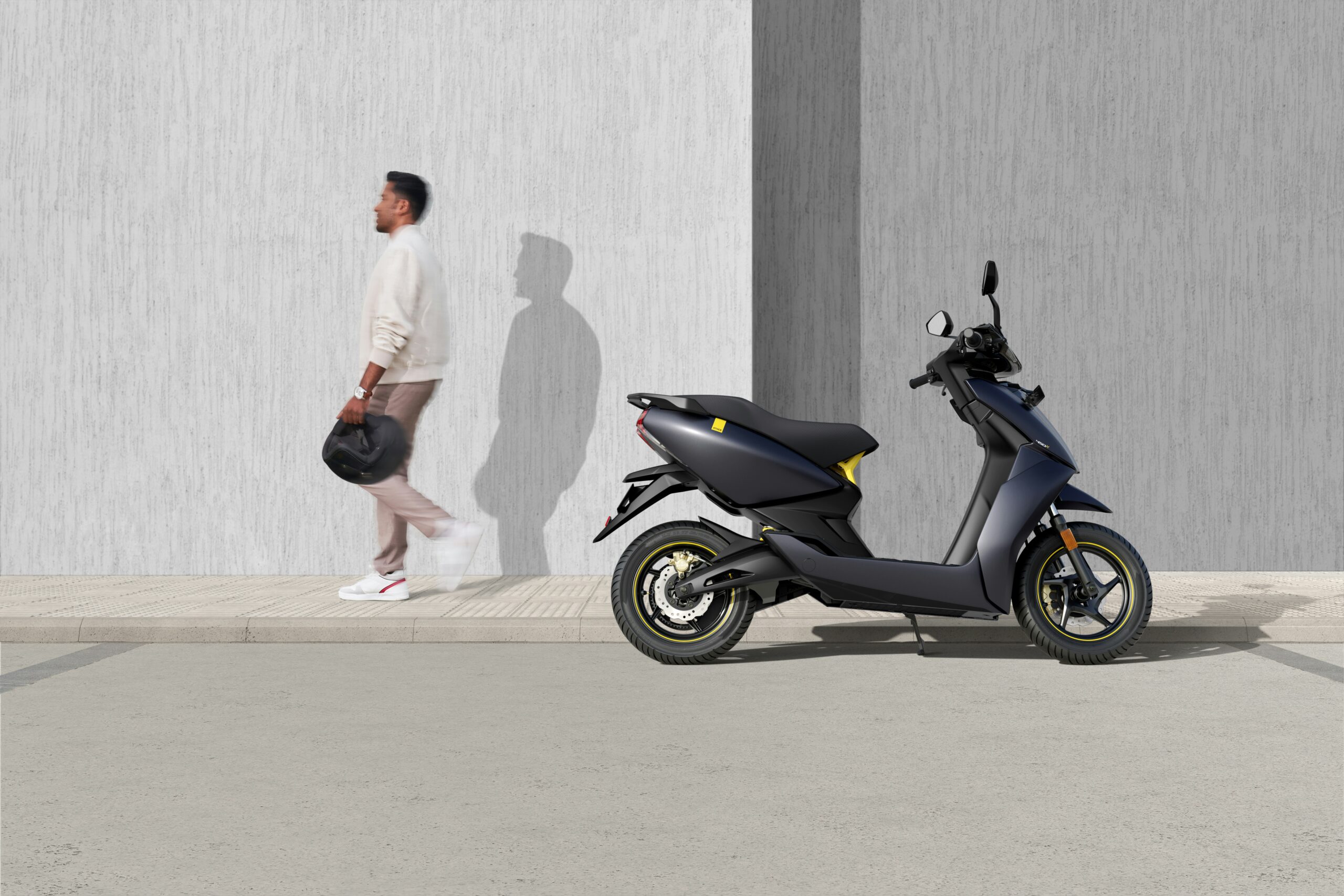
So, you’re thinking about braving the cold on your scooter? While it might sound a bit extreme, riding a scooter in freezing temperatures is possible with the right preparation and precautions. The key is to prioritize safety and comfort above all else, ensuring you don’t turn your commute into a frosty ordeal. It’s not just about bundling up; it’s about understanding how your scooter reacts to the cold and how to adapt your riding style.
Gearing Up for the Chill
Riding in icy conditions isn’t just about looking cool; it’s about staying warm, safe, and protected from the elements. Believe it or not, a surprising amount of body heat can be lost through your extremities, and that wind chill factor is no joke.
Layer Up, Smartly
When we talk about layering, we’re not just talking about throwing on a few extra sweaters. Each layer serves a purpose, and optimizing them can make a world of difference.
The Base Layer: Wicking Wonders
Your base layer is arguably the most important. It sits directly against your skin and its primary job is to wick away moisture. Sweat, even in cold weather, can quickly make you feel chilled once you stop moving. Look for materials like merino wool or synthetic performance fabrics. Avoid cotton at all costs; it absorbs moisture and stays wet, cooling you down significantly. A good base layer will keep you dry and regulate your body temperature more effectively. Think long-sleeve shirts and leggings made from these active materials.
The Mid Layer: Insulation Station
This is where your warmth comes from. Fleece, down, or synthetic fill jackets and pants are ideal. The goal here is to trap air, which acts as an insulator. The thicker the layer, generally the warmer you’ll be. Consider a fleece hoodie or a lightweight puffer jacket. For your legs, insulated riding pants or even an additional pair of thermal leggings over your base layer can be very effective. Remember, mobility is still important, so avoid anything too bulky that restricts your movement.
The Outer Layer: Your Weather Shield
This is your defense against wind, rain, and snow. A good outer layer should be windproof and waterproof (or at least water-resistant). Look for jackets and pants with sealed seams to prevent moisture from seeping in. Vents are useful for temperature regulation, allowing you to cool down if you start to overheat, but make sure they can be completely closed. A high collar and adjustable cuffs will help keep drafts out. Reflective elements are also a huge bonus for visibility, especially since winter often means darker conditions.
Hands and Feet: The Frostbite Frontier
These are often the first parts of your body to feel the cold, and keeping them warm is crucial for both comfort and control.
Gloves: Warmth and Dexterity
You’ll need gloves that are both warm and allow you to operate your scooter’s controls. Waterproof and windproof gloves with good insulation are a must. Many riders opt for heated gloves, which can be a game-changer if you ride frequently in very cold conditions. If heated gloves aren’t in your budget, consider handlebar mitts or “pogies.” These attach to your handlebars and encapsulate your hands, offering excellent wind protection and allowing you to wear thinner, more dexterous gloves underneath. Look for gloves with a good grip on the palms.
Boots: Dry and Grippy Footwear
Your feet need protection from the cold and moisture, but also from potential impacts. Insulated, waterproof boots with good grip are essential. Think winter-specific boots, not just regular sneakers. Look for sturdy soles that can handle slick surfaces when you need to put your foot down. Wool socks are highly recommended – they provide warmth even when damp. Consider layering socks, but make sure your boots still fit comfortably; overly tight boots can restrict circulation and make your feet colder.
Head and Face: Shielding from the Elements
A significant amount of heat can be lost through your head, and your face is particularly exposed to the biting wind.
Helmet: Your Brain’s Best Friend
A full-face helmet is highly recommended for cold weather riding. Not only does it offer superior protection, but it also provides a barrier against the wind. Look for a helmet with a good visor seal to prevent drafts. An anti-fog insert (like a Pinlock system) is almost a necessity to maintain clear vision. Some helmets come with integrated breath deflectors to direct warm, moist breath away from the visor.
Balaclava or Neck Gaiter: Frostbite Prevention
These are invaluable for covering your exposed skin. A balaclava covers your entire head and neck, leaving only your eyes (or a small portion of your face) exposed. A neck gaiter provides similar protection for your neck and lower face. Look for thermal, windproof materials. This layer will significantly reduce wind chill and prevent painful chapping.
If you’re interested in learning more about electric scooters and their various features, you might find this article on the EWheels scooter particularly insightful. It explores the specifications, performance, and user experiences of the EWheels model, which can help you make an informed decision when considering a frozen scooter. To read more, visit this link.
Scooter Prep for Arctic Adventures
Your scooter isn’t designed to operate optimally in freezing temperatures without a little TLC. Cold weather can affect everything from your battery to your tires.
Battery: The Cold Cranking Challenge
Batteries become less efficient in cold weather, struggling to deliver the same power they do in warmer conditions.
Keeping it Juiced
If possible, keep your scooter stored in a warmer place, like a garage, overnight. If outdoor storage is your only option, a battery tender (a trickle charger) is a wise investment to keep your battery topped up and prevent it from discharging due to the cold. Cold batteries also have a harder time accepting a charge, so keeping it maintained is key.
Inspection and Replacement
Before the really cold weather hits, have your battery tested. Cold weather can expose a weak battery. If it’s old or not holding a charge well, consider replacing it proactively to avoid being stranded. Ensure the terminals are clean and corrosion-free for optimal current flow.
Tires: Grip or Gulp?
Your tires are your only contact with the ground, so their condition and type are critically important in cold and potentially icy conditions.
Tread Depth is King
Good tread depth is even more crucial in winter. It helps to channel away water and slush, providing better traction. If your tires are nearing their wear indicators, replace them before winter.
Tire Pressure: The Cold Factor
Tire pressure drops in cold weather. Check your tire pressure regularly (at least weekly) in winter when the tires are cold. Under-inflated tires can reduce stability and handling, which is dangerous on slick surfaces. Refer to your scooter’s manual for the recommended pressure.
Winter Specific Tires
If you live in an area with prolonged snow and ice, consider investing in winter-specific scooter tires. These feature different rubber compounds and tread patterns designed to perform better in cold temperatures and on icy surfaces. They offer significantly better grip than standard all-season tires, but remember they are “winter specific” and their performance will degrade in warmer temperatures. They are not studded, but have more sipes and softer rubber compounds to maintain flexibility in the cold.
Fluids: Different Viscosity for Different Seasons
Just like in a car, your scooter’s fluids are affected by temperature.
Engine Oil: The Right Grade
Check your scooter’s manual for the recommended oil viscosity for cold weather. Colder temperatures make oil thicker, which can make it harder for the engine to crank and circulate properly. A lighter weight oil (e.g., a lower ‘W’ number like 0W-30 or 5W-30) will flow better at low temperatures. If you’re due for an oil change, consider a winter-grade oil.
Coolant/Antifreeze: Preventing Freezing
Most scooters use a water/antifreeze mix for cooling. Ensure your coolant is at the correct level and has the proper antifreeze concentration for your climate. If it’s too diluted, it could freeze and cause serious engine damage. A hydrometer can check the concentration.
Riding Techniques for Icy Intersections
This is where the rubber literally meets the road (or the ice!). Your normal riding style needs a serious overhaul for winter conditions.
Slow and Steady Wins the Race
This isn’t a race; it’s a survival mission. Every action needs to be deliberate and gentle.
Reduced Speed Limits
Drastically reduce your speed. This gives you more time to react to hazards, allows for longer braking distances, and lessens the impact of unexpected slips. High speeds on icy surfaces are a recipe for disaster.
Gentle Inputs: Throttle, Brakes, Steering
Avoid any sudden movements. Smooth, gradual throttle application will prevent wheel spin. Gentle, progressive braking is crucial to avoid locking your wheels. And slow, deliberate steering inputs will help maintain stability. Jerky movements can easily upset the scooter’s balance and lead to a loss of traction.
Braking: The Fine Art of Stopping
Braking on ice and snow is completely different from dry conditions.
Use Both Brakes
While you might favor the front brake in dry conditions, on slippery surfaces, using both front and rear brakes evenly and gently is often the safest approach. The rear brake can actually be more effective in extremely low traction situations, but it’s also easier to lock. The key is modulation.
Engine Braking is Your Friend
Instead of relying solely on your mechanical brakes, use engine braking to slow down gradually. Downshift smoothly to utilize the engine’s natural resistance, which can help maintain traction.
Look Ahead and Plan Early
Anticipate stops much further in advance than usual. If you see a red light or a stop sign, start slowing down significantly earlier. Avoid coming to a complete stop on an incline if possible, as it can be very difficult to get going again without spinning your wheel.
Cornering: The Apex of Peril
Riding around turns is particularly hazardous on slippery surfaces.
Wide and Upright
Take corners wider than you normally would to reduce your lean angle. The less you lean, the more upright the scooter is, which provides more contact patch and reduces the chance of slipping. Leaning deeply on ice is a surefire way to lose traction.
Look Through the Turn
As always, look through the turn to where you want to go. This helps you track smoothly and react to changing conditions.
No Sudden Moves in the Turn
Avoid braking, accelerating, or changing gears while in a turn. Do all your braking and gear changes before entering the turn, then maintain a steady, gentle throttle through the corner.
Hazard Awareness in Winter
Winter introduces a whole host of new dangers that aren’t present in warmer months. Staying observant and anticipating these can save you a lot of grief.
Black Ice: The Invisible Monster
This is arguably the most dangerous winter road hazard for any two-wheeled vehicle.
Where to Find It
Black ice is a thin, transparent layer of ice that’s incredibly difficult to see. It often forms on shaded areas of the road, bridges, overpasses, and in tunnels where temperatures drop faster and stay colder. Any shaded or consistently wet spot could harbor black ice. Be extra vigilant when the temperature hovers around freezing after precipitation.
The “Feel” of It
You might not see it, but you might feel it. Your scooter might suddenly feel a bit “floaty” or light as your tires lose traction. If you experience this, remain calm, ease off the throttle and brakes gently, and try to keep the scooter upright and steer as little as possible until you feel traction return. Resist the urge to make sudden corrections.
Snow and Slush: More Than Just Water
While snow looks innocent, it quickly becomes hazardous.
Avoid Deep Snow
If you can, avoid riding through fresh, deep snow. It can hide obstacles, severely reduce traction, and make your scooter very unstable. If you must go through it, choose areas where tracks have already been made, reducing the depth.
Slush Piles
Slush can be almost as dangerous as ice. It creates unpredictable drag, can grab your wheels, and often hides ice underneath. Treat slush with extreme caution, slowing down significantly when encountering it.
Road Salt and Debris: Abrasive and Corrosive
Winter road treatments come with their own set of problems.
Corrosive Properties
Salt and other de-icing chemicals are highly corrosive. They can damage your scooter’s paint, metal components, and electrical connections. It’s crucial to wash your scooter thoroughly after riding in salty conditions, paying particular attention to the underside and exposed metal parts.
Reduced Traction from Grit
While salt helps melt ice, the leftover grit and sand can reduce tire grip, especially in corners. Be aware that even treated roads might still have patchy traction.
If you’re interested in exploring the world of electric scooters, you might find the article on the Kaabo Wolf Warrior 11 particularly insightful. This powerful scooter offers impressive features and performance that can enhance your riding experience. You can read more about it in this detailed review, which highlights its specifications and capabilities, making it a great option for those looking to invest in a high-quality electric scooter.
Post-Ride Routine and Maintenance
Your work isn’t done once you park your scooter. A proper post-ride routine in winter ensures your scooter remains in good condition and ready for your next cold adventure.
The Quick Clean-Up
As mentioned, road salt and grime are detrimental to your scooter’s components.
Rinse and Repeat
After every ride in salty or slushy conditions, give your scooter a quick rinse with fresh water. Focus on the wheels, suspension, undercarriage, and brakes. A gentle spray from a hose is usually sufficient. Avoid pressure washers, as they can force water into sensitive areas.
Dry It Off
If possible, dry your scooter thoroughly, especially metal parts, to prevent rust. A leaf blower can be effective for quickly drying hard-to-reach areas.
Battery Tender On
If you’re using a battery tender, connect it as soon as you’ve finished riding for the day, especially if your scooter is stored outdoors. This keeps the battery in optimal condition.
Store Smart
If you have a garage, park your scooter there. Even bringing it inside for a few hours can help thaw any ice and circulate warmer air around the battery and engine. If outdoor storage is unavoidable, use a good quality, breathable scooter cover to protect it from the elements.
Regular Inspections
Winter riding is harsh on your scooter. Make it a habit to perform quick checks regularly:
- Brakes: Check for proper function and any signs of corrosion.
- Tires: Inspect for damage, pressure, and wear.
- Lights: Ensure all lights are clean and working correctly for maximum visibility.
- Cables: Check control cables (throttle, brakes) for smooth operation and signs of corrosion or stiffness. Lubricate if necessary.
By taking these precautions and adjusting your riding style, you can extend your scooter season well into the colder months. It requires more effort and vigilance, but for many, the freedom of two wheels is worth the extra preparation. Ride safe, stay warm, and remember that sometimes the smartest decision is to leave the scooter at home when conditions are truly treacherous.
FAQs
What is a frozen scooter?
A frozen scooter is a type of scooter that is designed for use on icy or snowy surfaces. It typically has larger, sturdier wheels and a more durable frame to handle the challenging conditions.
How does a frozen scooter differ from a regular scooter?
A frozen scooter differs from a regular scooter in that it is specifically designed for use in winter conditions. It has features such as larger wheels with better traction, a more durable frame, and sometimes even special attachments for added stability on ice and snow.
What are the benefits of using a frozen scooter?
The benefits of using a frozen scooter include the ability to navigate icy and snowy surfaces with greater ease and stability. It can provide a fun and practical mode of transportation during the winter months, and can also be a great way to stay active and enjoy the outdoors in colder weather.
Are there any safety considerations when using a frozen scooter?
When using a frozen scooter, it’s important to be mindful of the conditions and to take appropriate safety precautions. This may include wearing proper footwear with good traction, using additional safety gear such as a helmet, and being aware of potential hazards such as hidden ice patches or uneven surfaces.
Where can I purchase a frozen scooter?
Frozen scooters can be purchased at sporting goods stores, outdoor recreation retailers, and online through various websites. It’s important to research different models and features to find the best option for your specific needs and preferences.