
Discover the Best Vespa Scooters for Sale Today
 PopScooter Team
June 12, 2026 4:42 pm
.
14 min read
PopScooter Team
June 12, 2026 4:42 pm
.
14 min read
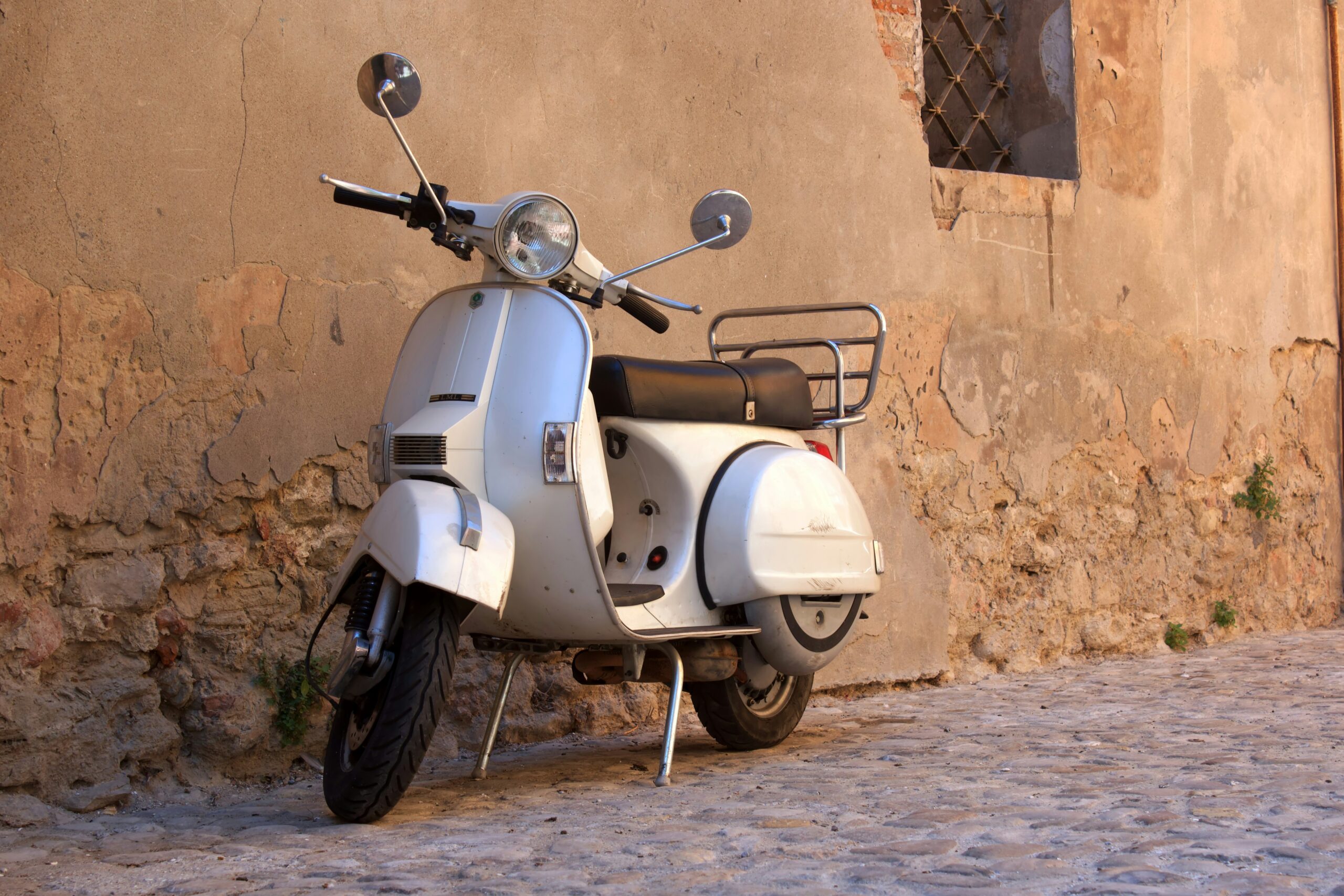
So, you’re thinking about joining the Vespa club? Smart move! Vespas aren’t just scooters; they’re icons. They’re stylish, agile, and frankly, a blast to ride. But with a range of models available, figuring out which one is the “best” for you can feel a bit overwhelming.
The truth is, the “best” Vespa isn’t a one-size-fits-all answer. It depends entirely on what you need it for. Are you zipping through city streets, cruising the coast, or maybe looking for a bit more oomph for longer rides? Let’s dive into the current offerings and help you pinpoint the perfect Vespa for your lifestyle.
Vespa has done a great job of keeping its heritage alive while modernizing its scooters for today’s rider. They generally fall into a few key categories based on engine size, which directly impacts their performance, capability, and your licensing requirements. Think of engine size as the primary differentiator. Don’t get too caught up in the marketing jargon; it all boils down to power and how you plan to use your ride.
The Smaller Engines: Perfect for Urban Agility
If your primary concern is weaving through traffic, finding tight parking spots, and generally making your commute a breeze, Vespas with smaller engines (typically 50cc to 125cc) are your go-to. They’re incredibly user-friendly, fuel-efficient, and often have lower insurance costs.
The Primavera: A Classic Reimagined
The Primavera is a perennial favorite for a reason. It captures that classic Vespa charm with a modern twist. It’s light, nimble, and incredibly responsive in city environments. When you picture a quintessential Vespa, this is likely what comes to mind.
Primavera 50: The Entry-Level Icon
This is where many people start their Vespa journey. The Primavera 50 is incredibly easy to ride, perfect for those new to two wheels or looking for a scooter strictly for short urban hops. It’s designed for maximum ease of use and minimal fuss. You don’t need a special motorcycle license in many places for a 50cc, which makes it very accessible.
- Pros: Extremely accessible, excellent fuel economy, very low running costs, a real head-turner despite its small size.
- Cons: Limited to lower speeds, not suitable for highways or faster roads, can feel a bit underpowered if you’re heavier or carrying a passenger.
- Ideal for: Students, city dwellers with short commutes, those who prioritize style and ease over speed.
Primavera 125: A Step Up in Performance
The Primavera 125 offers a noticeable boost in power compared to the 50cc. It can handle slightly longer distances and will feel more comfortable at higher city speeds, maintaining a respectable pace. This is a fantastic all-rounder for most urban riders.
- Pros: Much more versatile for city riding, better for inclines and carrying a passenger, still very agile and stylish.
- Cons: May require a motorcycle license depending on your location, still not ideal for sustained highway use.
- Ideal for: Urban commuters who encounter moderate traffic or hills, those wanting a bit more confidence in speed.
The Sprint: Sportier Styling, Same Great Agility
The Sprint shares a lot of DNA with the Primavera, but it sports a more aggressive, sportier look. Think sharper lines and modern detailing. Performance-wise, it’s very similar to its Primavera counterparts in the same engine size, but the aesthetic might be more your style.
Sprint 50: Sporty Looks for Beginners
Just like the Primavera 50, the Sprint 50 is about accessibility with a bit of an edge. If you like the sharp styling but want the ease of a 50cc, this is it. It’s a great way to make a statement even on a small engine size.
- Pros: Stylish sporty design, easy to handle, great for short urban trips, approachable for new riders.
- Cons: Same limitations as the Primavera 50 regarding speed and highway capability.
- Ideal for: Younger riders or those who want a sportier aesthetic in the most accessible package.
Sprint 125: Punchy and Stylish City Conqueror
The Sprint 125 takes the sporty design and pairs it with the capable 125cc engine. It’s perfect for someone who wants their scooter to look as dynamic as it feels. It’s got the grunt to keep up with traffic and the agility to dart through it.
- Pros: Sporty styling, capable city performance, good for moderate commuting, fun to ride.
- Cons: May require a motorcycle license, not highway-ready.
- Ideal for: Riders who want a practical scooter that looks and feels a bit more aggressive and exciting.
The Mid-Range Engines: Expanding Your Horizons
Moving up to 150cc and above opens up a whole new world of possibilities. These scooters are more powerful, more stable at speed, and can confidently handle longer distances, some even bordering on highway use.
The Primavera S: Enhanced Tech and Style
The Primavera S often adds some premium features to the standard Primavera. This can include things like different colorways, upgraded seating, and sometimes a digital display that offers more information. It’s for the rider who appreciates the Primavera’s ride but wants a bit more polish.
Primavera 150 S: Versatility Meets Premium Touches
The Primavera 150 S offers the solid performance of the 150cc engine with aesthetic enhancements. It’s a great step up from a 125cc, providing more power for easier acceleration and confidence on busier roads. The ‘S’ designation usually means it looks the part too, with some subtle but noticeable design upgrades.
- Pros: Stronger engine for better acceleration and top speed, comfortable for longer urban rides, premium styling details.
- Cons: Generally requires a motorcycle license, still not ideal for sustained highway cruising.
- Ideal for: Commuters who want more power and a more refined look, riders who frequently travel outside the immediate city center.
The GTS Series: The King of Versatility
If you’re looking for a Vespa that can do it all – from slicing through the city to confidently handling weekend trips on more open roads – the GTS series is where you need to be looking. These are larger, more powerful Vespas that offer a more substantial ride.
GTS 150: A Smooth Operator
The GTS 150 is a fantastic introduction to the larger Vespa chassis. It’s significantly more comfortable and stable than the smaller models, making it a pleasure for longer journeys within town or for venturing onto faster roads where 150cc is more than sufficient. The ride quality is notably smoother.
- Pros: Comfortable and stable ride, ample power for most urban and suburban riding, good on faster roads, excellent braking.
- Cons: Requires a motorcycle license, larger footprint than Primavera/Sprint.
- Ideal for: Riders who prioritize comfort and stability for longer commutes or frequent journeys outside the immediate city.
GTS 300: The Ultimate All-Rounder for Many
This is where the Vespa really starts to shine for versatility. The GTS 300 offers a powerful engine that makes it genuinely capable of handling highway speeds for moderate distances. It’s the choice for many who want a single vehicle that can do most things exceptionally well. It’s comfortable, stable, and has plenty of acceleration to get you out of tricky situations.
- Pros: Excellent power and acceleration, comfortable for long distances, stable at highway speeds, great stopping power.
- Cons: Requires a motorcycle license and often higher insurance, larger and heavier than smaller models.
- Ideal for: Riders who want a scooter for commuting on highways, weekend touring, or those who simply prefer more power and stability.
GTS Super 300: Performance with a Sporty Flair
The GTS Super 300 takes the already capable GTS 300 and adds sportier styling and some tuning for a slightly more dynamic feel. It often features unique color schemes, sportier seat textures, and other aesthetic enhancements that appeal to those who want their performance scooter to look the part.
- Pros: All the benefits of the GTS 300 with enhanced sporty aesthetics, slightly more aggressive feel, great for performance-oriented riders.
- Cons: Same licensing, insurance, and size considerations as the standard GTS 300.
- Ideal for: Riders who love the GTS 300 but want a more aggressive, sporty look to match its performance.
The Electric Option: The Future, Today
Vespa hasn’t shied away from embracing electric technology, offering a compelling alternative for the environmentally conscious and tech-savvy rider.
The Elettrica: Silent, Smooth, and Sustainable
The Vespa Elettrica is a game-changer. It offers the classic Vespa experience – the style, the handling – but with an electric powertrain. This means instant torque, silent operation, and zero emissions. It’s a significant investment, but for those who value sustainability and modern technology, it’s a truly compelling choice.
Elettrica 70 km/h: Designed for Urban Mobility
This version of the Elettrica is geared towards urban environments, with a top speed of 70 km/h (around 43 mph). It’s perfect for darting through city streets, offering a smooth, quiet, and efficient ride. The range is sufficient for daily commutes, and charging is convenient.
- Pros: Zero emissions, extremely quiet operation, instant acceleration, very low running costs (electricity vs. gas), premium technology.
- Cons: Higher initial purchase price, range anxiety can be a factor depending on your daily travel, charging infrastructure dependency.
- Ideal for: Eco-conscious urban commuters, tech enthusiasts, riders who want the ultimate quiet and smooth riding experience.
Elettrica 45 km/h: Ultimate Accessibility
For those who want the electric experience but don’t need higher speeds, the 45 km/h version is available. This often has fewer licensing requirements in some regions, making it even more accessible. It’s ideal for very short urban trips and those who prioritize absolute ease of use.
- Pros: Even more accessible with potentially fewer licensing needs, very economical to run, quiet and emissions-free for short hops.
- Cons: Very limited top speed, not suitable for anything beyond very short, slow-speed urban travel.
- Ideal for: Riders with very short commutes, those living in areas with strict speed limits, individuals prioritizing simplicity and eco-friendliness for light use.
If you’re in the market for a Vespa scooter, you might also find interest in exploring various options for adult mopeds and scooters. For a comprehensive guide on the best models available, check out this related article on adult scooters at PopScoot, where you can discover features, pricing, and tips to help you make an informed decision.
Key Factors to Consider Before You Buy
Beyond engine size and specific model, there are a few practical points to keep in mind that will help you make the right choice. Don’t just fall for the looks (though that’s part of the appeal, of course!) – consider the nuts and bolts.
Licensing and Insurance
This is a big one and varies wildly depending on where you live.
- 50cc Scooters: In many places, these are treated like mopeds and don’t require a full motorcycle license, often just a regular driver’s license or even less. Always check your local regulations!
- 125cc and Above: You’ll almost certainly need a motorcycle license or a specific scooter license. The type of license and the training required will depend on your location and the engine size.
- Insurance: Expect insurance costs to increase with engine size and value. Get quotes for different models you’re considering before you commit. A beautiful Vespa can be expensive to insure if you haven’t budgeted for it.
If you’re considering purchasing a Vespa scooter, you might also be interested in understanding the costs associated with different types of scooters available on the market. A related article that provides valuable insights into the expenses of electric scooters can be found here: electric scooter cost. This information can help you make an informed decision when comparing the classic Vespa with modern electric alternatives.
Your Daily Commute and Usage
Be honest with yourself about how you’ll actually use the scooter.
- Short City Trips? A 50cc or 125cc Primavera or Sprint might be perfect.
- Longer Commutes with Some Faster Roads? Look at the GTS 150 or even the GTS 300.
- Weekend Rides or Touring? The GTS 300 is a strong contender here.
- Environmentally Conscious Urban Rider? The Elettrica is the clear choice.
Think about the terrain too. If you live in a very hilly area, a larger engine will make a huge difference in your riding experience and your passenger’s comfort.
Budget: Purchase Price vs. Running Costs
Vespas are premium scooters, and that means the initial purchase price is higher than many generic brands. Factor this in.
- Purchase Price: New Vespas can range from around $4,000 for a smaller model to over $7,000 for a top-tier GTS or Elettrica.
- Running Costs: This includes fuel (or electricity), insurance, maintenance, and potential repairs. Smaller engines are generally cheaper to run. Electric Vespas have minimal running costs for fuel but higher initial investment.
- Depreciation: Vespas tend to hold their value reasonably well, especially well-maintained ones, which offsets some of the initial cost if you plan to sell later.
New vs. Used: Weighing the Pros and Cons
Buying a used Vespa can save you a significant amount of money, but it comes with its own set of considerations.
- New: You get a full warranty, the latest technology, and the peace of mind that it hasn’t been abused. This is often the easiest route if budget allows.
- Used: Look for Vespas with a documented service history. Inspect it thoroughly for any signs of damage, rust, or excessive wear. Check the mileage and ask why the owner is selling. A pre-purchase inspection by a mechanic specializing in Vespas is a wise investment.
Finding Your Dream Vespa
Once you have a clearer idea of what you need, it’s time to connect with the Vespa community and find your perfect match.
Visiting a Dealership
This is the most straightforward way to see Vespas in person.
- See and Touch: Sit on different models to get a feel for their size and ergonomics.
- Test Rides: Many dealerships offer test rides for licensed riders. This is absolutely crucial! You need to feel how the scooter handles, accelerates, and brakes. Don’t skip this step.
- Talk to Sales Staff: They can answer specific questions about current models, financing options, and local incentives. Don’t be afraid to ask detailed questions.
Exploring Online Marketplaces
For used Vespas, online platforms are your best friend.
- Websites: Craigslist, Facebook Marketplace, and dedicated scooter forums are great places to start your search.
- Be Patient: The right deal might not appear overnight.
- Safety First: Always arrange to meet sellers in safe, public places. Bring a friend if possible, and trust your gut if something feels off.
Connecting with the Vespa Community
There’s a passionate global community of Vespa owners, and they are often a wealth of knowledge.
- Forums and Social Media Groups: Many dedicated Vespa online communities exist. Members often share their experiences with different models, offer advice on maintenance, and even alert each other to good deals on used bikes.
- Local Vespa Clubs: If there’s a club in your area, attending a meet-up can be incredibly beneficial. You’ll get to see various models up close, talk to experienced riders, and learn about local dealer reputations.
The Final Decision: It’s About Fit
Ultimately, the “best” Vespa for sale today is the one that best fits your life. It’s about balancing practicality with personality. Whether you’re drawn to the classic charm of the Primavera, the sporty edge of the Sprint, the all-around capability of the GTS, or the silent revolution of the Elettrica, there’s a Vespa out there waiting for you. Take your time, do your research, and most importantly, enjoy the ride!
FAQs
1. What are Vespa scooters?
Vespa scooters are a line of Italian-made motor scooters manufactured by Piaggio. They are known for their classic design, high-quality construction, and efficient performance.
2. Where can I find Vespa scooters for sale?
Vespa scooters can be found for sale at authorized Vespa dealerships, as well as through online marketplaces and classified ads. It’s important to ensure that the seller is reputable and that the scooter is in good condition.
3. What are the different models of Vespa scooters available for sale?
Vespa offers a range of scooter models, including the Primavera, Sprint, GTS, and Elettrica. Each model has its own unique features and specifications, catering to different preferences and needs.
4. What should I consider before purchasing a Vespa scooter?
Before purchasing a Vespa scooter, it’s important to consider factors such as your budget, intended use, maintenance costs, and insurance requirements. Additionally, test riding the scooter and researching customer reviews can provide valuable insights.
5. Are Vespa scooters a good investment?
Vespa scooters are known for their durability, timeless design, and strong resale value, making them a good investment for many riders. However, it’s important to carefully consider your individual needs and preferences before making a purchase.