
Bajaj Chetak Electric Price: Affordable and Eco-Friendly Option
 PopScooter Team
April 18, 2026 4:42 pm
.
10 min read
PopScooter Team
April 18, 2026 4:42 pm
.
10 min read

The Bajaj Chetak electric scooter generally offers a practical and accessible entry point into the world of electric two-wheelers. While the exact pricing can fluctuate based on location, government subsidies, and chosen variant, it aims to be a competitive option for those looking to shift away from petrol scooters without breaking the bank. It blends a familiar, classic design with modern electric technology, making it a viable choice for daily commutes and city riding.
The price of the Bajaj Chetak electric scooter is not a single, fixed number. It varies considerably depending on several factors, including the specific model or variant you choose, the city you’re purchasing it in, and the prevailing government subsidies. This can make comparing prices a bit tricky, but understanding these variables is key to getting an accurate estimate.
Ex-showroom vs. On-Road Price
It’s important to differentiate between the ex-showroom price and the on-road price. The ex-showroom price is the manufacturing cost plus dealer margins and a few other charges, but it doesn’t include everything. The on-road price adds compulsory charges like registration fees, insurance, road tax, and any optional accessories or extended warranties you might choose. When you see a price advertised, it’s usually the ex-showroom figure. Always ask for the complete on-road price to avoid surprises.
Impact of Government Subsidies
Both central and state governments in India offer various subsidies for electric vehicles to encourage adoption. These subsidies can significantly reduce the final price of the Chetak. For example, the FAME-II (Faster Adoption and Manufacturing of Electric Vehicles) subsidy scheme from the central government provides incentives that are directly applied to the purchase price. Additionally, many state governments have their own electric vehicle policies, offering further reductions in road tax, registration fees, or direct subsidies. These can change frequently, making it vital to check the latest policies applicable to your region.
Variant-Specific Pricing
Bajaj typically offers the Chetak in a couple of variants, such as the Urbane and Premium editions. These variants come with different features, battery packs, or motor specifications, which naturally leads to different price points. The premium variant might offer more range, faster charging, or additional connectivity features, all of which contribute to a higher price tag. Understanding what each variant offers will help you decide if the extra cost is justified for your needs.
If you’re interested in the Bajaj Chetak electric scooter and its pricing, you might also want to check out a related article on the MI Scooter 1S, which offers insights into another popular electric scooter option in the market. You can read more about it by visiting this link: MI Scooter 1S Review. This article provides a comprehensive overview of features, specifications, and pricing, making it a great resource for anyone considering an electric scooter purchase.
Features and Specifications That Influence Value
The Bajaj Chetak electric isn’t just about the price tag; its features and specifications play a large role in its overall value proposition. It aims to offer a balance of performance, convenience, and safety, which are important considerations for any scooter buyer.
Performance and Range
The Chetak’s motor and battery combination dictates its performance and how far it can travel on a single charge. It often comes with a mid-mounted motor, which helps with balance and weight distribution. The top speed is generally suitable for city commutes, keeping pace with urban traffic. The range, or how many kilometers it can go on a full battery, is a critical factor for prospective buyers. While manufacturers usually provide an “ideal” range, real-world conditions like rider weight, terrain, and riding style will influence this. The Chetak typically offers a practical range for daily urban use, often quoted in an Eco mode and a Sport mode.
Battery and Charging
The type of battery used, usually a fixed Li-ion (lithium-ion) unit, is central to the scooter’s performance and longevity. The battery capacity, measured in kWh, directly relates to the range. Charging time is another practical aspect. Bajaj usually provides a standard charger that plugs into a regular household socket. Fast charging capabilities, if available, can make a significant difference for those needing quick top-ups during the day. The battery’s warranty is also an important detail, as it provides peace of mind regarding its long-term health.
Design and Build Quality
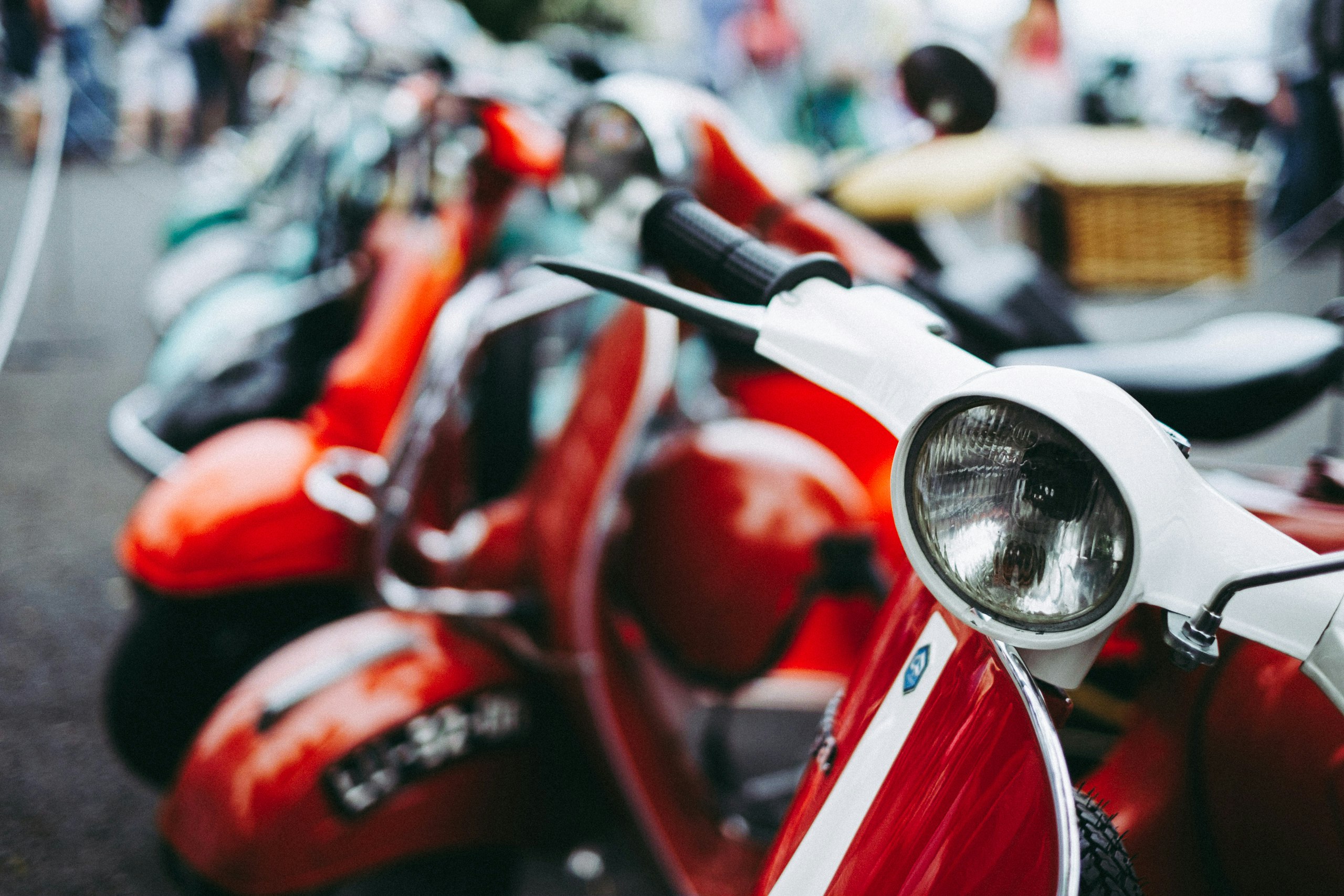
One of the Chetak’s distinguishing characteristics is its retro-modern design, drawing inspiration from the original petrol Chetak. This gives it a classic appeal while incorporating modern touches. The build quality, materials used, and overall fit and finish contribute to its perceived value and durability. Metal body panels, for example, can offer a more robust feel compared to plastic.
Technology and Connectivity
In line with modern electric vehicles, the Chetak often includes a digital instrument cluster that displays essential information like speed, range, battery level, and ride modes. Some variants might offer smartphone connectivity via a dedicated app, providing features like geo-fencing, tamper alerts, last parked location, and ride statistics. LED lighting for headlamps and tail lamps is a common feature, offering better visibility and energy efficiency.
The Cost of Ownership: Beyond the Purchase Price
When considering an electric scooter, it’s crucial to look beyond the initial purchase price and evaluate the total cost of ownership over its lifespan. Electric vehicles generally offer significant savings in the long run compared to their petrol counterparts.
Running Costs and Fuel Savings
This is where electric scooters truly shine. The cost of electricity to charge the Chetak is substantially lower than the cost of petrol for an equivalent petrol scooter. Even with rising electricity tariffs, the difference is often stark. Calculating your daily commute distance and multiplying it by the per-kilometer cost of electricity will reveal substantial annual savings.
Maintenance Requirements
Electric scooters typically have fewer moving parts than petrol scooters, which translates to simpler and often less frequent maintenance. There’s no engine oil to change, no spark plugs to replace, and no air filters to clean or swap out. Regular maintenance usually involves checking brakes, tires, and suspension, and ensuring all electrical connections are sound. This can lead to lower service bills over the scooter’s lifetime.
Insurance Costs
Insurance premiums for electric two-wheelers can sometimes be slightly different from petrol ones. Factors like the vehicle’s market value, battery cost (which is a significant component in EVs), and rider profile all play a role. It’s advisable to get quotes from multiple insurers to find the best deal.
Resale Value
The resale market for electric two-wheelers is still evolving. However, as infrastructure improves and technology advances, the demand for pre-owned electric scooters is likely to grow. A well-maintained Chetak, given its brand reputation and design, could hold its value reasonably well, but this is a more speculative aspect than immediate savings.
Comparing Chetak with Competitors
The electric scooter market in India is becoming increasingly competitive, with several players offering compelling alternatives. Understanding how the Chetak stacks up against its rivals in terms of price and features is essential for making an informed decision.
Direct Electric Competitors
Scooters like the TVS iQube, Ather 450X, and Ola S1 Pro are often considered direct competitors to the Chetak. Each has its own unique selling points. The Ather is known for its performance and advanced tech, while the TVS iQube offers a similar blend of performance and practicality. Ola Electric has disrupted the market with aggressive pricing and extensive features. Comparing their ex-showroom and on-road prices, battery capacities, range claims, charging times, and smart features will help you determine which offers the best fit for your budget and needs.
Petrol Scooter Alternatives
For those shifting from petrol, comparing the Chetak’s long-term cost of ownership with popular petrol scooters like the Honda Activa or Suzuki Access is vital. While the initial purchase price of a petrol scooter might be lower, the higher running costs and maintenance expenses often negate this advantage over a few years. It’s worth doing a five-year cost analysis to see the true financial picture.
Feature-for-Feature Assessment
Beyond the price, a feature-for-feature comparison is crucial. Does a competitor offer better suspension for rough roads? Is its digital dashboard more intuitive? Does it have a larger underseat storage? What about customer service and service network availability? Sometimes, a slightly higher price for a competitor might be justified by features that are particularly important to you.
If you’re interested in the Bajaj Chetak electric price, you might also want to explore the features and specifications of the iScooter i9 Pro, which offers a compelling alternative in the electric scooter market. For more details, you can check out this related article on the iScooter i9 Pro here. This comparison can provide valuable insights into the options available for eco-friendly commuting.
Considerations Before Buying
Before finalizing your purchase of a Bajaj Chetak electric, or any electric scooter for that matter, there are several practical considerations that should be addressed. These ensure the vehicle will integrate smoothly into your daily life.
Charging Infrastructure at Home and Work
The most convenient way to charge an electric scooter is at home, overnight. Do you have a dedicated parking spot with access to a standard wall socket? If you live in an apartment, is there facility for charging in the parking area? Similarly, if you plan to charge at work, confirm if your workplace provides charging points. While public charging networks are growing, relying solely on them for daily charging can be inconvenient.
Dealership and Service Network
Even with fewer moving parts, electric scooters still require periodic servicing. Check the availability of Bajaj electric dealerships and authorized service centers in your vicinity. A strong service network ensures easy access to maintenance, spare parts, and warranty support, which is critical for long-term ownership peace of mind.
Warranty and After-Sales Support
Understand the warranty terms for the scooter, especially for the battery and motor, which are the most expensive components. A comprehensive warranty provides protection against manufacturing defects. Also, inquire about the availability of roadside assistance and other after-sales support services that Bajaj offers for its electric Chetak.
Test Ride and User Reviews
A test ride is non-negotiable. It allows you to assess the scooter’s ergonomics, handling, ride comfort, and real-world performance. Pay attention to acceleration, braking, and how it feels on different road surfaces. Alongside your own experience, read user reviews from existing Chetak owners. These can provide practical insights into its daily usability, common issues, and actual range figures.
Government Incentives and Policies
Reiterate the importance of checking the latest government incentives. These policies can change, and being up-to-date ensures you avail all applicable subsidies, potentially lowering your purchase price further. Some states might even offer additional benefits like waivers on road tax or registration fees for electric vehicles.
In summary, the Bajaj Chetak electric offers a thoughtful blend of heritage and modern technology, positioned as an eco-friendly and potentially affordable option for urban commuters. Its pricing is influenced by variants, location, and government subsidies, making it essential to obtain a precise on-road quote. Beyond the initial cost, the significant savings on running and maintenance expenses contribute to a lower total cost of ownership compared to petrol scooters. When making a decision, it’s wise to compare its features and pricing against competitors, assess your charging infrastructure needs, and conduct thorough test rides.
FAQs
What is the price of the Bajaj Chetak Electric?
The price of the Bajaj Chetak Electric starts at INR 1 lakh (ex-showroom) in India.
What are the different variants available for the Bajaj Chetak Electric?
The Bajaj Chetak Electric is available in two variants – Urbane and Premium.
What is the range of the Bajaj Chetak Electric?
The Bajaj Chetak Electric has a claimed range of 95 kilometers on a single charge.
What is the top speed of the Bajaj Chetak Electric?
The Bajaj Chetak Electric has a top speed of 60 km/h.
Is the Bajaj Chetak Electric available for purchase outside of India?
As of now, the Bajaj Chetak Electric is only available for purchase in India and there are no plans for international availability.