
Affordable Eco-Friendly Transportation: Second Hand Electric Scooter
 PopScooter Team
June 8, 2026 4:42 pm
.
12 min read
PopScooter Team
June 8, 2026 4:42 pm
.
12 min read
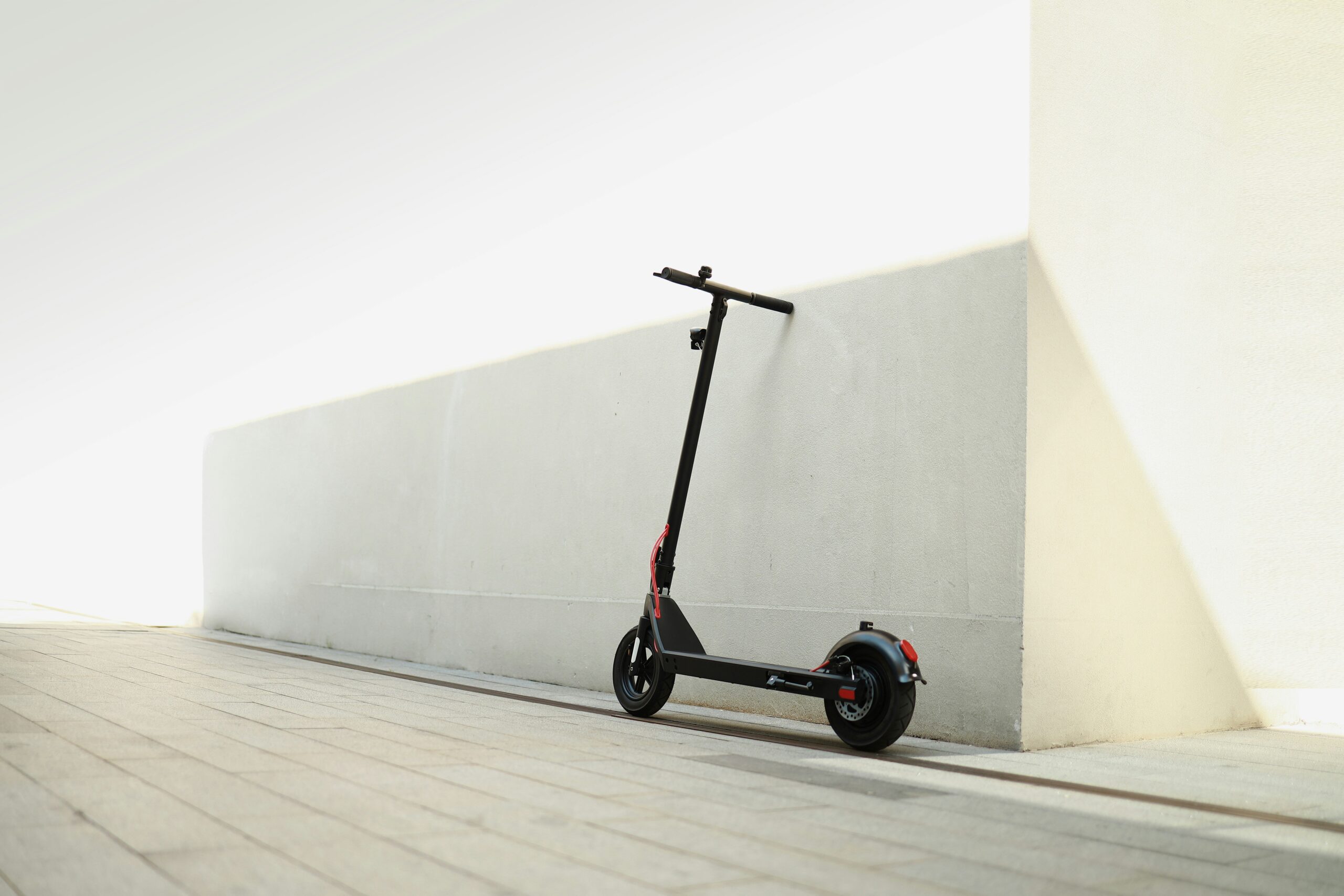
Looking for an affordable and green way to get around? A second-hand electric scooter might just be your answer. They’re a fantastic, often overlooked option for reducing your carbon footprint without breaking the bank. Think of it as hitting two birds with one stone: lowering emissions and saving some cash.
It’s common knowledge that new electric vehicles, including scooters, can be a bit pricey. That’s where the second-hand market shines. You get the same eco-friendly benefits at a fraction of the cost. Plus, opting for pre-owned extends the life of an existing product, further reducing its environmental impact by delaying the need for new manufacturing. It’s a win-win situation.
The Cost Savings Are Real
Let’s face it, your wallet will thank you. A new electric scooter can range from a few hundred to several thousand dollars, depending on the brand and features. Used ones, however, often go for 30-70% less than their original price, even if they’re only a year or two old. This significant saving can make sustainable transportation accessible to a much broader audience. You might even find models with premium features that would have been out of reach when new.
Reducing Your Carbon Footprint, One Ride at a Time
Every time you choose an electric scooter over a gas-powered car or even public transport that relies on fossil fuels, you’re making a positive impact. Electric scooters produce zero tailpipe emissions, meaning less smog and cleaner air in your community. Even considering the energy used to charge them, the overall lifecycle emissions are significantly lower than traditional gasoline vehicles. And by buying second-hand, you’re also reducing the embedded carbon emissions associated with manufacturing a brand new scooter. It’s a double dose of environmental goodness.
Giving a Product a Second Life
The most environmentally friendly product is often the one that already exists. When you buy a used electric scooter, you’re preventing it from potentially going to a landfill and reducing the demand for new resource extraction and manufacturing. This circular economy approach is crucial for sustainable living. It’s about being resourceful and making the most of what’s already out there.
If you’re considering purchasing a second-hand electric scooter, it’s essential to understand the various models available and their features. A great resource for this is the article on the Razor E100, which provides an in-depth look at one of the popular electric scooter options on the market. You can read more about its specifications, performance, and user reviews by visiting this link: Razor E100 Review. This information can help you make an informed decision when selecting a second-hand electric scooter that meets your needs.
What to Look For When Buying Used
Okay, so you’re on board with the idea. Now, what do you need to actually check when you’re looking at a used scooter? This isn’t just about finding a good deal; it’s about finding a reliable good deal.
Battery Health: The Heart of the Scooter
This is probably the most crucial component to inspect. The battery determines the range and lifespan of your scooter. Unfortunately, battery degradation is a natural process.
Asking About Lifetime and Usage
- How old is the battery? Lithium-ion batteries generally have a lifespan of a few years or a certain number of charge cycles. An older battery, even if lightly used, might not hold a charge as well as a newer one.
- How many charge cycles has it been through? Some higher-end scooters might have a display or app that shows this. It’s a good indicator of overall health.
- What was the typical charging routine? Frequent deep discharges (running the battery to 0%) followed by full charges can stress the battery more than keeping it between 20-80%.
Performance Testing is Key
- Go for a test ride: This is non-negotiable. Pay attention to how quickly the scooter accelerates and if it maintains speed uphill. A weak battery will struggle with these.
- Check the estimated range: While you can’t fully deplete the battery during a test, ask the seller about the current real-world range they get. If a new model promises 20 miles and they’re only getting 10, that’s a red flag.
- Look for swollen batteries: If you can access the battery compartment, visually inspect the battery pack. Any swelling or bulging is a huge no-go. This indicates a damaged or failing battery and can be a fire hazard.
Motor and Electronics: The Powerhouse and Brains
The motor is what pushes you forward, and the electronics control everything. You want both to be in good working order.
Listening and Feeling for Issues
- Listen to the motor during acceleration: Any grinding, whining, or unusual noises could indicate a problem. A healthy motor should be relatively smooth.
- Check the display and controls: Ensure all lights, the horn, and the display are functioning correctly. Test the throttle response – it should be smooth and predictable, not jerky.
- Inspect wiring: Look for any frayed, exposed, or poorly connected wires. Loose connections can lead to intermittent issues or even safety hazards.
Water Damage Assessment
- Look for rust or corrosion: Especially around charging ports, display screens, and under the footboard. This is a clear sign of water ingress, which can wreak havoc on electronics.
- Ask about weather exposure: Was it stored outside in the rain? Was it ever submerged? Honesty here is important. Many electric scooters aren’t fully waterproof.
Brakes, Tires, and Frame: Safety First
These are your primary safety components. Don’t overlook them.
Ensuring Stopping Power
- Test both brakes vigorously: They should engage smoothly and stop the scooter effectively without excessive force. Listen for squealing or grinding, which might indicate worn pads or rotor issues.
- Check brake pads/discs: Visually inspect them for wear. Replacing these isn’t too expensive, but it’s good to factor into your budget.
Tire Condition and Pressure
- Inspect for wear and tear: Look for cracks, bald spots, or embedded debris in the tires. Well-maintained tires are crucial for grip and safety.
- Check tire pressure (if applicable): Some scooters have pneumatic (air-filled) tires, others solid. If pneumatic, ensure they hold air. If solid, check for deep cuts.
Frame Integrity
- Look for cracks or bends: Especially at welding points, around the steering column, and where the folding mechanism operates. A damaged frame compromises the scooter’s structural integrity and safety.
- Test the folding mechanism: If it’s a folding scooter, ensure it latches securely and operates smoothly. Any looseness could be dangerous.
- Handlebar and stem: Check for any wobbling or excessive play in the handlebars or stem. This could indicate loose bolts or damaged components.
Where to Find Your Second-Hand Gem
Now that you know what to look for, where do you start your search?
Online Marketplaces: The Digital Treasure Hunt
These are probably your easiest starting point, offering a wide variety of choices.
Local Classifieds (e.g., Facebook Marketplace, Craigslist)
- Pros: Often the cheapest deals, direct communication with sellers, can usually test ride locally.
- Cons: Higher risk of scams or misrepresentation, no buyer protection, “as-is” sales.
- Tips: Always meet in a public place, bring a friend, and don’t pay until you’re satisfied. Ask for detailed photos and videos beforehand.
Dedicated Used Tech Sites (e.g., eBay, Swappa)
- Pros: Some buyer protection (especially eBay), broader selection, often more reputable sellers.
- Cons: Shipping costs can add up, difficult to test ride if seller is remote, potentially higher prices than local classifieds.
- Tips: Check seller ratings and reviews rigorously. Read the item description carefully and ask plenty of questions.
Local Shops and Specialized Retailers: Assurance and Expertise
Sometimes paying a little more for peace of mind is worth it.
E-Bike/E-Scooter Shops
- Pros: Often offer Certified Pre-Owned (CPO) scooters that have been inspected and serviced by technicians. Might come with a limited warranty. You can test ride and get advice from knowledgeable staff.
- Cons: Generally more expensive than private sellers due to the service and overhead.
- Tips: Don’t hesitate to ask about their inspection process, what parts they replaced, and any warranty terms.
Refurbishment Programs
- Pros: Some manufacturers or third-party companies refurbish scooters. These are often in excellent condition, with new batteries or critical parts.
- Cons: Can be limited availability, might still be pricier than other used options.
- Tips: Look for clear details on what was refurbished or replaced and if it comes with any guarantees.
Essential Questions to Ask the Seller
Don’t be shy! A good seller will be happy to answer your questions thoroughly.
History and Maintenance
- Why are you selling it? People sell for various reasons (upgrade, moving, rarely used), but a suspicious answer can be a red flag.
- How old is the scooter? Get an idea of its overall lifecycle.
- Has it ever been in an accident or had major repairs? Be wary of concealed damage.
- Do you have the original purchase receipt or proof of ownership? This is crucial for verifying that the scooter isn’t stolen.
- What was its typical usage? (Commuting, leisure, off-road?) Heavy off-road use generally means more wear and tear.
- How was it stored (indoors/outdoors)? Indoor storage is always better for longevity.
Performance and Battery
- What’s the realistic range you typically get on a full charge?
- How long does it take to charge fully?
- Have you noticed any changes in performance or battery life recently?
- Does it come with the original charger? Is the charger in good condition? (Using a non-compatible charger can damage the battery).
Accessories and Documentation
- Does it come with any accessories (lights, lock, helmet, carrying bag)? These can add significant value.
- Do you have the user manual? Even if digital, knowing where to find it is useful.
If you’re considering purchasing a second-hand electric scooter, it’s essential to understand the various models available and their features. One popular option is the NIU N1S, which has garnered attention for its impressive performance and sleek design. To learn more about this model and its specifications, you can check out this informative article on the NIU N1S. Understanding the pros and cons of different scooters can help you make a more informed decision when buying second-hand. For more details, visit this article.
Post-Purchase Best Practices
Once you’ve got your “new” second-hand scooter, there are a few things to do to ensure it serves you well.
A Good Clean-Up and Inspection
Give your scooter a thorough clean. This isn’t just aesthetic; it allows you to spot any issues you might have missed during your initial inspection. Wipe down all surfaces, check for loose screws, and maybe even give the tires a scrub.
Test Out All Features
Spend some time in a safe, open area getting accustomed to your scooter. Test the brakes repeatedly, get a feel for the acceleration, and experiment with any different riding modes it might have. Make sure everything feels right before you hit the road.
Consider a Professional Check-Up
If you’re not mechanically inclined, or even if you just want extra peace of mind, take your newly acquired scooter to a local e-bike or e-scooter shop. They can perform a full safety check, lubricate moving parts, and make any minor adjustments needed. This small investment can prevent bigger problems down the road.
Register and Insure (Where Applicable)
Depending on your local regulations, you might need to register your electric scooter or even get insurance. Check your local Department of Motor Vehicles or equivalent for specific requirements. Insurance, even if not mandatory, can protect you from theft or accident damage.
Familiarize Yourself with Maintenance
Read the user manual (even if it’s for a slightly newer model of the same brand, it’s often similar). Understand how to properly charge the battery, check tire pressure (if applicable), and perform basic upkeep. Regular, simple maintenance can significantly extend the life of your scooter and ensure it remains safe to ride.
Going for a second-hand electric scooter is a smart move for your wallet and the planet. With a bit of careful inspection and asking the right questions, you can find a fantastic deal and enjoy eco-friendly, convenient transportation for years to come. Happy riding!
FAQs
What is a second hand electric scooter?
A second hand electric scooter is a pre-owned electric scooter that has been previously used by another owner. These scooters are sold in the secondary market and are often available at a lower price compared to brand new models.
What are the benefits of buying a second hand electric scooter?
Buying a second hand electric scooter can be more cost-effective than purchasing a brand new one. It also allows for a wider selection of models and brands, and can be a more sustainable choice by giving a used scooter a second life.
What should I consider when buying a second hand electric scooter?
When buying a second hand electric scooter, it’s important to consider the scooter’s overall condition, including the battery life, mileage, and any potential wear and tear. It’s also important to verify the scooter’s ownership and maintenance history.
Are there any risks associated with buying a second hand electric scooter?
There are potential risks when buying a second hand electric scooter, such as hidden mechanical issues or a shorter remaining battery life. It’s important to thoroughly inspect the scooter and, if possible, test ride it before making a purchase.
Where can I buy a second hand electric scooter?
Second hand electric scooters can be found at various places, including online marketplaces, specialized scooter shops, and classified ads. It’s important to research and compare options before making a purchase to ensure the best deal.