
Exploring the Piaggio One: A Stylish and Efficient Ride
 PopScooter Team
May 12, 2026 4:42 pm
.
13 min read
PopScooter Team
May 12, 2026 4:42 pm
.
13 min read
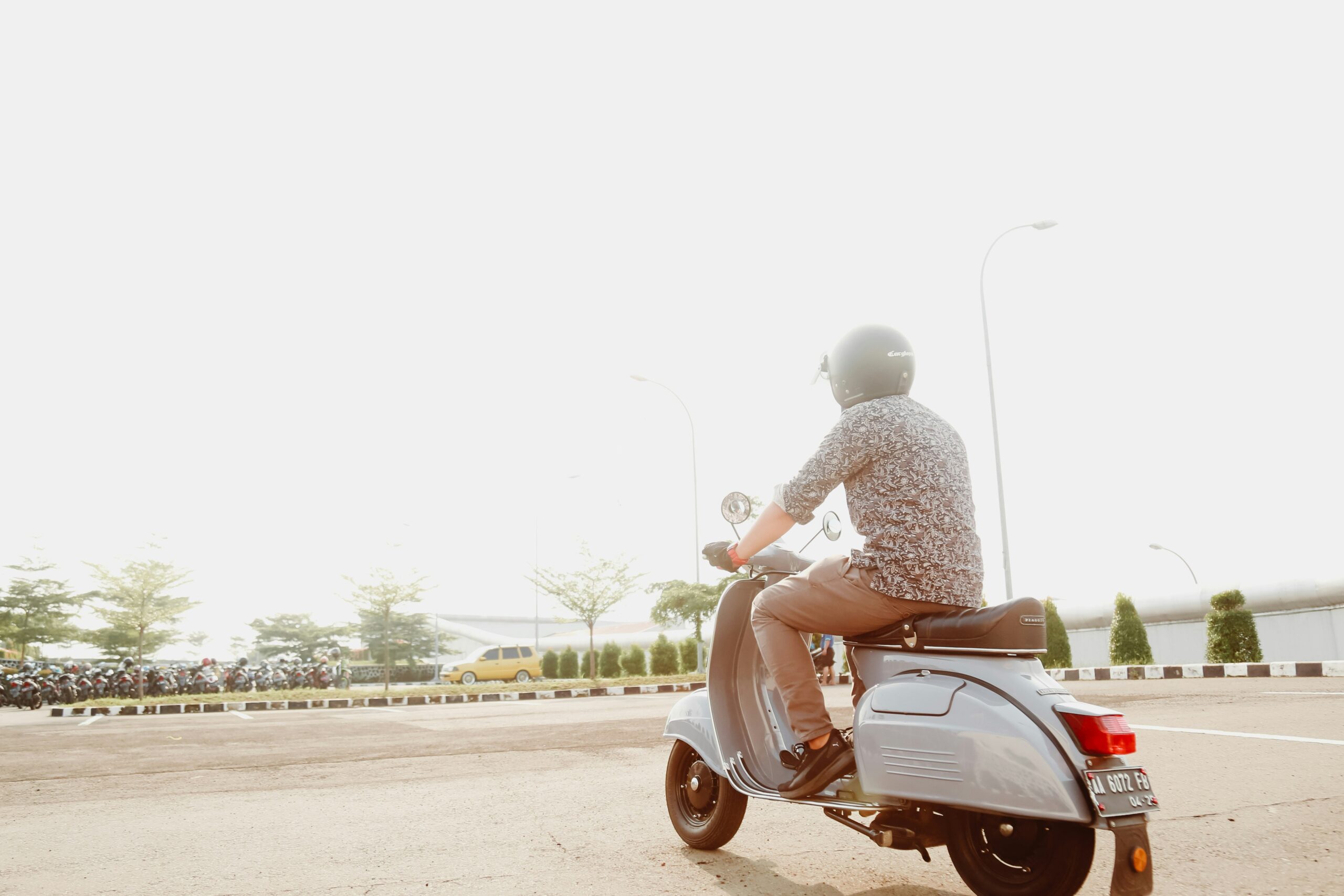
Thinking about a new scooter? You’ve probably seen the Piaggio One around – it’s got that distinctive Italian flair, right? If you’re wondering if the Piaggio One lives up to its stylish looks with practical efficiency, the short answer is yes, for the right city rider. It’s designed to be a breath of fresh air, particularly for those navigating urban environments, offering a blend of modern tech, nimble handling, and surprisingly decent efficiency that makes it a compelling option for getting around town.
The Piaggio One isn’t just another scooter; it’s Piaggio’s take on a more accessible, tech-forward, and visually appealing urban commuter. It aims to hit a sweet spot between affordability, ease of use, and that undeniable Italian design heritage that Piaggio is famous for. It’s less about raw power and more about smart, efficient transportation that looks good doing it.
Design That Turns Heads
Let’s be honest, the aesthetics are a huge part of the Piaggio appeal. The One carries this forward with clean lines and a minimalist approach that feels contemporary. It’s not trying to be a vintage replica, nor is it trying to be a hyper-aggressive sport scooter. Instead, it opts for a sleek, modern look that’s both attractive and functional.
The Modern Aesthetic
Gone are the overly elaborate fairings of some scooters. The Piaggio One sports a more streamlined profile. Think smooth surfaces, integrated lighting, and a general sense of understated elegance. This design choice also contributes to its perceived lightness and agility, which is crucial for city riding. The color options tend to be quite sophisticated, further enhancing its appeal as a stylish urban accessory rather than just a mode of transport.
Thoughtful Details
Look closer, and you’ll notice the details that matter. The sharp LED lighting, for instance, not only looks good but provides excellent visibility. The seat is typically a single piece, offering a clean profile and a comfortable perch. Even small elements like the mirrors and controls are designed to complement the overall minimalist and modern theme. It’s this attention to detail that elevates the One beyond just being a basic commuter.
Performance for the Urban Jungle
When we talk about performance for a scooter like the Piaggio One, it’s not about reaching breakneck speeds on highways. It’s about how it handles the stop-and-go, the tight corners, and the general chaos of city streets. And this is where the One really shines.
Nimble and Agile Handling
The Piaggio One is built to be incredibly maneuverable. Its lightweight construction, combined with a well-balanced chassis, means you can weave through traffic with confidence (and legal adherence, of course). The steering is generally light and responsive, making it easy to make quick adjustments. This agility is its superpower in the urban environment. Parking it is also a breeze due to its compact dimensions.
Engine Options and Responsiveness
Piaggio often offers the One in different engine configurations, typically catering to different licensing requirements and preferences. You’ll often find variations that are lightweight and fuel-efficient, perfect for city speeds. While not designed for high-speed cruising, these engines are tuned for good responsiveness from a standstill and adequate acceleration to keep up with city traffic.
Braking and Suspension
Effective braking is paramount in urban riding, and the Piaggio One is equipped with systems that provide reliable stopping power. Typically, you’ll find disc brakes front and rear, offering good modulation and bite. The suspension is usually tuned for comfort over everyday city bumps and imperfections. It’s not an off-road beast, but it soaks up potholes and uneven surfaces reasonably well, contributing to a more pleasant ride.
If you’re interested in exploring more about innovative scooters, you might want to check out this article on the Blade GT Scooter, which highlights its features and performance. You can read it here: Blade GT Scooter. This article provides insights that could complement your understanding of the Piaggio One and its place in the evolving scooter market.
Efficiency That Counts
In today’s world, fuel efficiency isn’t just about saving money; it’s about making a more environmentally conscious choice. The Piaggio One is designed with this in mind, aiming to keep your running costs low and your impact on the environment minimal.
Fuel Economy and Range
This is where the One truly earns its stripes as an economical commuter. The smaller-displacement engines used in the One are inherently fuel-efficient. We’re talking about figures that can make filling up at the pump a rare event. This translates into significant savings over time, especially for daily commuters.
What to Expect in Real-World Riding
While official figures are a good starting point, real-world fuel economy can vary based on riding style, terrain, and load. However, even with spirited city riding, the Piaggio One is generally expected to deliver impressive miles per gallon. The range you can achieve on a single tank is also substantial for its class, meaning fewer stops at the petrol station and more time actually riding.
Low Running Costs
Beyond just fuel, the Piaggio One is designed to keep maintenance costs down. Its relatively simple mechanical design, compared to more complex motorcycles, often means less can go wrong and routine servicing is less expensive. Parts are generally readily available, and mechanics familiar with Piaggio scooters will be able to service it efficiently.
Insurance and Tax Considerations
Depending on your location and the specific engine size of the Piaggio One you choose, insurance premiums and road taxes can also be more affordable compared to larger or more powerful vehicles. This contributes to the overall low cost of ownership, making it an accessible option for a wide range of riders.
Tech and Features for the Modern Rider
Just because the Piaggio One is focused on efficiency and urban practicality doesn’t mean it skimps on modern conveniences. Piaggio has integrated technology to enhance the riding experience and offer a little extra in terms of usability.
Connectivity and Information at Your Fingertips
Modern riders expect their vehicles to be connected, and the Piaggio One attempts to deliver this. While it might not have the full suite of features found on high-end motorcycles, it offers smart solutions for the daily commute.
The Digital Instrument Cluster
Most Piaggio One models feature a modern digital display. This cluster provides all the essential information at a glance: speed, fuel level, odometer, trip meter, and sometimes even indicators for things like turn signals and engine status. The clarity and readability are generally good, even in varying light conditions.
Optional Connectivity Solutions
Depending on the specific model and market, Piaggio has introduced optional connectivity features. This can range from basic Bluetooth integration for answering calls or controlling music (though rider distraction is a serious concern here) to more advanced smartphone apps that can provide navigation data, vehicle diagnostics, or even track ride history. It’s about making your ride smarter and more informed.
Practicality Beyond the Ride
The Piaggio One isn’t just about getting from A to B; it’s about making that journey as convenient as possible. This means thinking about storage, security, and ease of use.
Under-Seat Storage
A common and highly appreciated feature on scooters is under-seat storage. The Piaggio One typically offers a decent amount of space here, enough for a helmet (sometimes a full-face one, depending on its bulk) or your groceries, shopping bags, or a small backpack. This is a game-changer for urban errands, eliminating the need for a separate backpack or carrying things in your hands.
Keyless Ignition and Other Conveniences
Many Piaggio One models come equipped with keyless ignition systems. This means you can start the scooter, unlock the seat, and engage the steering lock without needing to fumble for a physical key. It’s a small luxury that adds a significant amount of convenience, especially when you’re in a hurry or have your hands full. Other thoughtful touches might include a USB charging port for your devices, which is incredibly useful on longer rides or if you rely on your phone for navigation.
Is the Piaggio One Right for You?
Deciding if any scooter is the “right” one comes down to your individual needs and expectations. The Piaggio One is a strong contender in its segment, but it’s not a one-size-fits-all solution.
Who Will Love the Piaggio One?
This scooter is ideally suited for a specific type of rider.
The Urban Commuter
If your daily routine involves navigating city streets, traffic, and short to medium-distance travel, the Piaggio One is a fantastic choice. Its agility, efficiency, and ease of use make it perfect for getting to work, running errands, or meeting friends without the hassle of car parking or the expense of public transport.
New Riders and Those Seeking Simplicity
The Piaggio One’s manageable power, automatic transmission, and lightweight nature make it an excellent option for new riders or those who prefer a simpler, less intimidating riding experience. It’s easy to learn and operate, allowing you to build confidence quickly.
Style-Conscious Individuals
Let’s not forget the aesthetics. If you appreciate good design and want a scooter that looks as good as it performs, the Piaggio One delivers. It’s a statement piece that still functions as a practical mode of transportation.
Who Might Want to Look Elsewhere?
While the Piaggio One is excellent for its intended purpose, it’s not the best fit for everyone.
Long-Distance or Highway Riders
If you frequently travel long distances or need to spend a lot of time on highways at high speeds, the Piaggio One’s smaller engine and design will likely be found wanting. It’s not built for sustained high-speed performance or the demands of prolonged highway riding.
Riders Needing Maximum Power and Speed
Those who crave raw acceleration and high top speeds will find the Piaggio One to be a bit tame. While it’s responsive enough for city riding, it’s not a performance machine designed for thrilling overtakes on open roads.
Carrying Passengers Frequently or Heavy Loads
While some models might accommodate a passenger, the Piaggio One is primarily designed for solo riding. Carrying a regular passenger or significant amounts of cargo might strain its performance and is generally not its primary design intent.
If you’re interested in innovative personal transportation options, you might want to check out the Piaggio One, which has been making waves in the electric scooter market. This stylish and eco-friendly scooter is designed for urban commuting, offering a blend of performance and convenience. For a deeper dive into similar electric mobility solutions, you can read about the Segway Roller in this informative article here. Both vehicles represent a shift towards sustainable travel, making them great choices for environmentally conscious riders.
Maintenance and Ownership Considerations
Owning any vehicle involves understanding its maintenance needs. The Piaggio One, like most scooters, is designed for relatively straightforward ownership, but there are a few things to keep in mind.
Routine Servicing Schedules
Piaggio will have specific service intervals for the One, usually based on mileage or time. These typically involve oil changes, filter replacements, brake checks, and general inspections. Adhering to these schedules is crucial for maintaining the scooter’s performance, longevity, and ensuring it remains reliable.
What to Expect During Servicing
A standard service might include checking and adjusting brakes, inspecting tires for wear and pressure, checking and topping up fluid levels, inspecting belts and pulleys (if applicable), and ensuring all lights and electrical components are functioning correctly. Spark plugs and air filters will also be replaced at recommended intervals.
Common Wear and Tear Items
Like any vehicle that’s regularly used, some parts will experience wear and tear over time.
Tires
Tires are a prime example. Regular checks for tread depth and damage are important for safety. Ensuring proper tire pressure also contributes to better fuel economy and a smoother ride. Depending on your riding habits and road surfaces, you’ll eventually need to replace them.
Brake Pads
Brake pads wear down with use. Your servicing will include checking their thickness, and they will need replacement when they reach their wear limit. Regular checks ensure you always have sufficient stopping power.
Belts and Pulleys (if applicable)
Many scooters, including potentially the Piaggio One, use a V-belt or similar system for their automatic transmission. These belts have a finite lifespan and will need replacement at a specified mileage. The pulleys they operate on should also be inspected for wear.
Long-Term Reliability
Piaggio has a long history in scooter manufacturing, and the One benefits from this experience. Generally, scooters built by reputable brands like Piaggio tend to be reliable if they are maintained properly. The engineering is sound for their intended use, which is primarily urban commuting. Issues typically arise from neglect of routine maintenance or from pushing the scooter beyond its design capabilities.
Common Issues to Be Aware Of (though rare with proper care)
While not common, as with any mechanical device, there’s always a possibility of minor issues. These could range from electrical gremlins (often related to loose connections or battery issues) to components showing premature wear under extreme conditions. However, for the typical user and under normal operating conditions, the Piaggio One is expected to be a dependable machine. Online forums and owner groups can sometimes be a good resource for shared experiences and troubleshooting advice, but again, with proper care, major issues are infrequent.
FAQs
What is the Piaggio One?
The Piaggio One is an electric scooter designed and manufactured by Piaggio, an Italian company known for its iconic Vespa scooters. The Piaggio One is part of the company’s efforts to expand its electric mobility offerings.
What are the key features of the Piaggio One?
The Piaggio One features a sleek and modern design, a lightweight frame, and a removable lithium-ion battery for easy charging. It also comes equipped with LED lighting, a digital display, and connectivity features such as smartphone integration.
What is the range and top speed of the Piaggio One?
The Piaggio One is available in multiple configurations with varying range and top speed. The range can vary from around 30 miles to over 60 miles, and the top speed can range from 28 mph to 45 mph, depending on the model.
Is the Piaggio One available for purchase worldwide?
As of the time of writing, the Piaggio One is primarily targeted for the European market. It is currently available for purchase in select European countries, with plans for potential expansion to other regions in the future.
What is the price range of the Piaggio One?
The price of the Piaggio One varies depending on the model and specifications. Generally, the price range for the Piaggio One starts from around €2,700 and can go up to €4,000 for higher-end models with extended range and performance features.