
Exploring the City with a Stylish Vespa Moped
 PopScooter Team
April 28, 2026 4:42 pm
.
12 min read
PopScooter Team
April 28, 2026 4:42 pm
.
12 min read
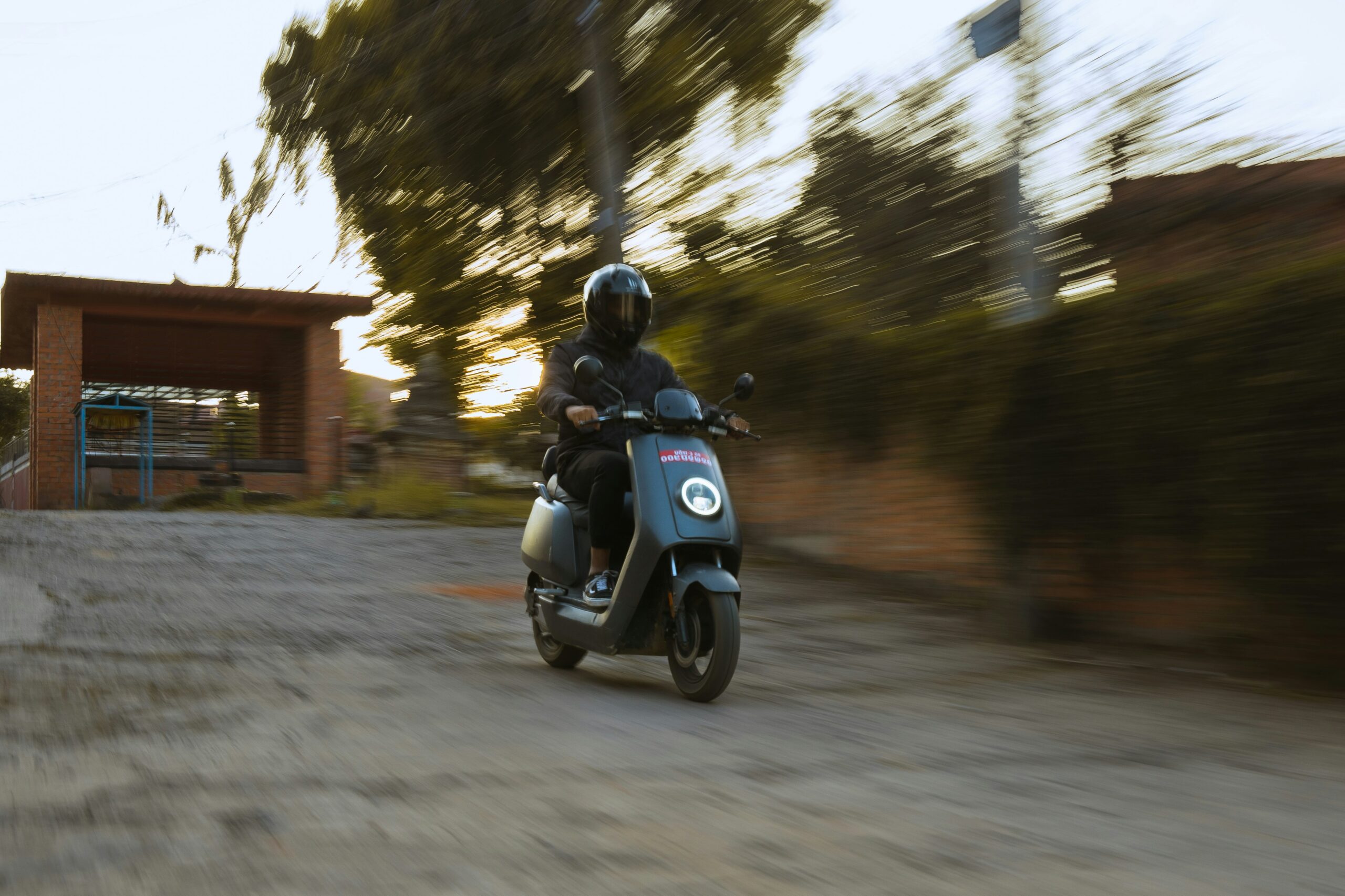
So, you’re wondering if a Vespa moped is a good idea for navigating the city? The short answer is yes, absolutely. A Vespa offers a fantastic blend of practicality, style, and a surprisingly enjoyable riding experience that can genuinely improve your urban daily life. It’s more than just a way to get from A to B; it’s a way to experience the city differently.
Let’s be honest, city living comes with its own unique set of challenges, especially when it comes to getting around. Traffic, parking, and public transport schedules can test anyone’s patience. This is where a Vespa really shines, offering a welcome alternative that bypasses many of these common frustrations.
Zipping Through Traffic
One of the biggest headaches in most cities is traffic congestion. A car can feel like a cage when you’re stuck in a crawl. A Vespa, with its nimble design and compact footprint, allows you to navigate through slow-moving traffic much more efficiently. You can often filter forward (where legal, of course – always check your local regulations!) and find yourself at the front of the queue, cutting down on travel time significantly. It’s not about reckless weaving, but about utilizing the vehicle’s size to your advantage in a smart, safe way.
Parking Made Easy
Finding a parking spot for a car in a busy city center can be a nightmare – not to mention expensive. Vespas, being much smaller, can often be parked in tighter spaces, sometimes even dedicated motorcycle or scooter bays. This means less time circling the block looking for a spot and more time doing whatever you set out to do. Imagine pulling right up to your destination instead of hiking several blocks from the nearest available parking garage.
Fuel Efficiency That Won’t Break the Bank
Let’s talk economics. Gas prices fluctuate, and city driving generally eats up more fuel due to constant stopping and starting. Vespas are known for their excellent fuel economy. Their smaller engines mean less thirst for petrol, which translates to tangible savings over time. For daily commutes or short errands, this can make a significant difference to your monthly budget, freeing up cash for other things.
The Style Factor: More Than Just a Ride
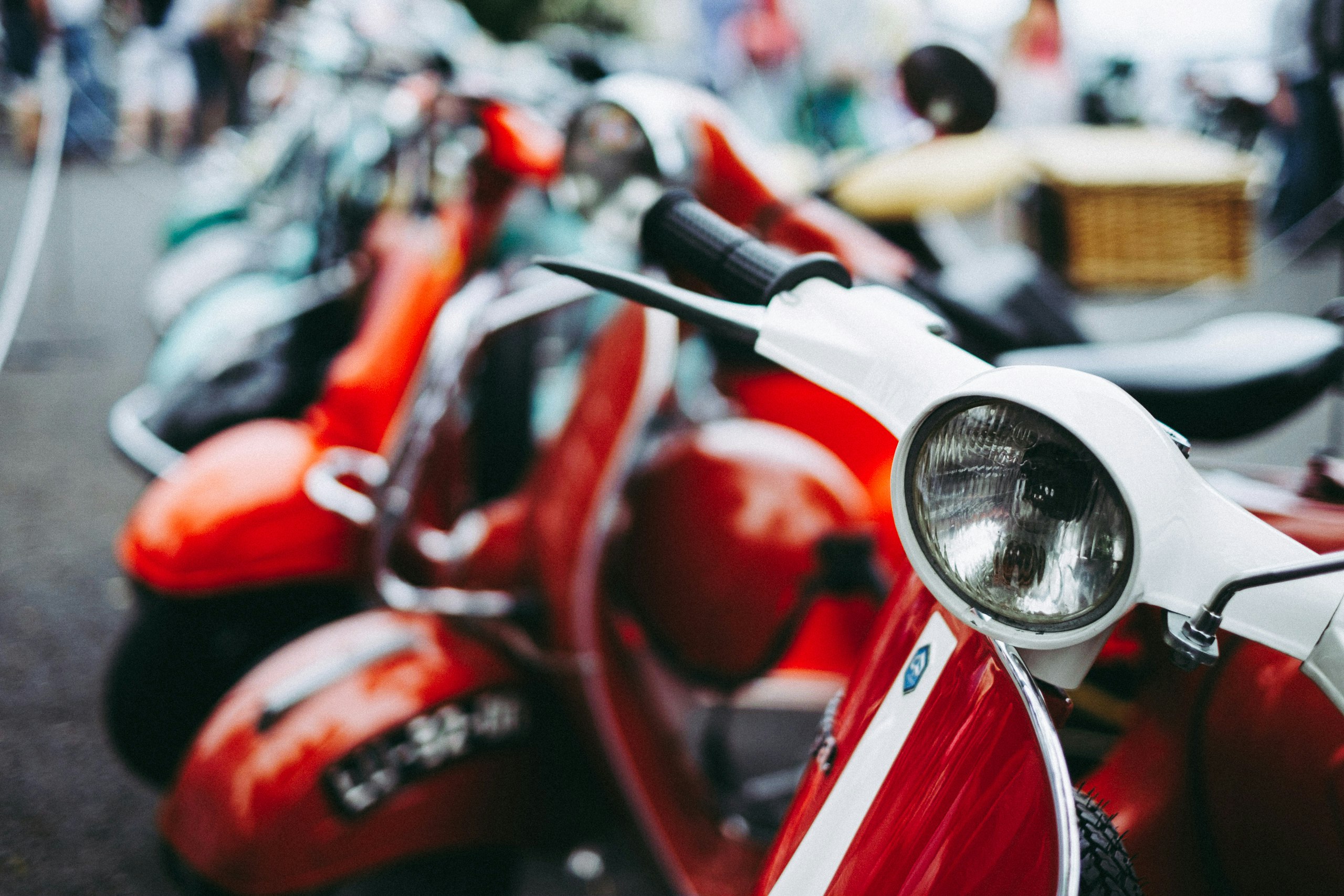
While practicality is key, there’s no denying the aesthetic appeal of a Vespa. It’s an icon of Italian design, instantly recognizable and undeniably stylish. Riding a Vespa isn’t just about utility; it’s about making a statement, embracing a certain lifestyle. There’s a joy in riding something that looks as good as it performs, and it often sparks a friendly conversation or two. It adds a touch of charm to your everyday errands.
If you’re interested in the evolution of two-wheeled transportation, you might want to check out an insightful article on the Piaggio electric scooter, which highlights the brand’s commitment to sustainability and innovation in the moped market. This article discusses how electric scooters are becoming increasingly popular, paralleling the classic Vespa moped’s iconic status. For more information, you can read the article here: Piaggio Electric Scooter.
Getting Started: What You Need to Know Before You Ride
Deciding to get a Vespa is exciting, but there are a few practical considerations to address before you hit the road. It’s not just about picking out the prettiest model; you’ll need to ensure you’re set up for a safe and legal riding experience.
Licensing and Regulations
This is probably the most crucial step. What kind of license you need depends entirely on your location and the engine size of the Vespa you’re considering. In many places, a 50cc scooter might only require a standard car driving license or a specific moped permit. For larger engines (like 125cc or more), you’ll typically need a motorcycle endorsement or a full motorcycle license. Do your homework and check your local Department of Motor Vehicles or equivalent authority. Don’t assume – ignorance of the law is not an excuse.
Safety Gear: Non-Negotiable
This isn’t optional – it’s essential. Even for low-speed city riding, proper safety gear can prevent serious injuries.
The Helmet: Your Most Important Accessory
A good quality, DOT-approved (or equivalent international standard) helmet is paramount. Don’t skimp here. Full-face helmets offer the most protection, but open-face helmets with a visor are also popular for city riding, offering good visibility and a feeling of openness, albeit with slightly less chin protection. Ensure it fits snugly but comfortably.
Beyond the Helmet: Jackets, Gloves, and More
While a helmet is critical, other gear protects you from scrapes and impact. A riding jacket (even a lightweight mesh one for summer) with armor in the elbows, shoulders, and back is highly recommended. Gloves protect your hands in a slide. Long pants (like sturdy denim or riding pants) and over-the-ankle footwear are also important. Think about what will happen if you unexpectedly come off the scooter, even at low speeds. Your skin is not pavement-proof.
Insurance: Protect Yourself and Others
Just like with a car, you’ll need insurance for your Vespa. This is usually mandatory and protects you financially in case of an accident, theft, or damage. Shop around, as premiums can vary. Factors like your age, riding experience, the specific Vespa model, and where you live will influence the cost. Comprehensive coverage might be a bit more expensive but offers greater peace of mind.
Choosing Your Vespa: Models and What They Offer
Vespa has a rich history and a range of models, each with its own character. Your ideal choice will depend on your budget, your riding needs, and your personal style preference.
The Classic 50cc: Nimble and New Rider Friendly
Ideal for Short City Hops
The 50cc models (like the Vespa Sprint 50 or Primavera 50) are fantastic for new riders or those primarily sticking to very short commutes and low-speed urban environments. They are lighter, incredibly easy to maneuver, and often fall into the “moped” category for licensing purposes, which can be simpler. However, their top speed is limited, usually around 30-40 mph, making them less suitable for roads with higher speed limits or fast-moving traffic.
Simplicity and Affordability
Generally, 50cc Vespas are the most affordable option, both in terms of purchase price and running costs. They are uncomplicated, forgiving, and a great way to enter the world of two-wheeled transport without a huge investment or steep learning curve.
The Versatile 125cc-150cc: The Urban Sweet Spot
Balancing Power and Practicality
This range (e.g., Vespa Primavera 125/150, Sprint 125/150) is arguably the sweet spot for most city riders. The larger engine provides enough power to comfortably keep up with city traffic, accelerate efficiently, and even handle slightly faster roads (up to 55-65 mph depending on the model and conditions). This extra power can be a significant safety advantage, allowing you to get out of tricky situations more easily.
Commuting and Beyond
A 125cc or 150cc Vespa is perfect for daily commutes, running errands, and even venturing a bit further out of the immediate city center. They still retain the classic Vespa styling and compact dimensions, making parking and traffic navigation a breeze, but with that added oomph.
The Robust 300cc: For More Demanding Journeys
Highway Capable and Comfortable
If your city commuting involves stretches of highway, or you plan on longer weekend trips, a 300cc Vespa (like the Vespa GTS 300) might be what you need. These models offer significantly more power and top speed, allowing them to comfortably cruise at highway speeds. They also tend to have better suspension and more substantial seating, leading to a more comfortable ride over longer distances.
A More Substantial Ride
While still a scooter, the 300cc models feel more like a small motorcycle in terms of power and stability. They are heavier and a bit less nimble than their smaller siblings, so they might not be the absolute easiest for brand-new riders. However, for experienced riders needing more capability, they are an excellent choice.
The Riding Experience: What to Expect
Hopping on a Vespa for the first time is a unique experience. It’s different from driving a car, and distinct from riding a bicycle. There’s a certain freedom that comes with it.
The Joy of the Ride
There’s something genuinely joyful and liberating about riding a Vespa. It’s an open-air experience that connects you more directly with your surroundings. You notice things – the architecture, the cafes, the sounds of the city – in a way you never would from inside a car. The feeling of the breeze, the ease of movement, and the sheer delight of effortlessly navigating the urban landscape can be quite addictive. It’s often referred to as “the Vespa smile” for a reason.
Handling and Maneuverability
Vespas are designed for urban environments, meaning they excel in tight turns and nimble maneuvering. Their low center of gravity and automatic transmission make them very user-friendly. You don’t have to worry about shifting gears; just twist the throttle and go. This makes learning to ride relatively straightforward, though practice in a safe, open area is always recommended before tackling city streets.
Storage Solutions: Making It Practical
While compact, Vespas often offer surprising storage options, making them more practical for errands than you might initially think.
Under-Seat Compartment
Most Vespas come with an under-seat storage compartment. The size varies by model, but it’s typically enough for a small helmet, some groceries, or a rain jacket. It’s invaluable for securing items when you’re parked.
Top Cases and Baskets
For more storage, you can easily add accessories like a top case (a hard shell boxRenk that mounts to the rear rack) or a front or rear basket. These expand your carrying capacity significantly, turning your Vespa into a capable errand-runner for groceries or even a weekend picnic.
Leg Shield Hook and Floorboard
Many Vespas also feature a small hook on the leg shield area, perfect for hanging a small bag, and a flat floorboard that can accommodate larger items between your feet (provided they don’t obstruct the steering). These thoughtful design elements further enhance their practicality.
If you’re interested in the unique features of the Vespa moped, you might also want to explore the concept of enclosed scooters, which offer a different riding experience. These innovative designs provide protection from the elements while maintaining the charm of two-wheeled transportation. For more information on this topic, check out the article on enclosed scooters to see how they compare to traditional models like the Vespa.
Maintenance and Upkeep: Keeping Your Vespa Happy
Like any vehicle, a Vespa requires regular maintenance to stay in top shape. The good news is that scooter maintenance is generally less complex and less expensive than car maintenance.
Regular Service Intervals
Follow the manufacturer’s recommended service schedule. This usually involves oil changes, checking fluid levels, tire pressure, brakes, and general inspection at regular mileage intervals (e.g., every 3,000-5,000 miles or annually). Catching small issues early can prevent bigger, more expensive problems down the road.
Tire Care: Your Connection to the Road
Tires are critical for safety and performance. Regularly check your tire pressure (when the tires are cold) and keep them inflated to the recommended levels. Inspect the tread for wear and tear, and replace tires when they show signs of significant wear or damage. Proper tire pressure also contributes to better fuel economy.
Keeping It Clean: Protection and Pride
Washing your Vespa isn’t just for aesthetics; it helps you spot potential issues like rust or leaks and keeps components functioning properly. Use appropriate cleaning products and avoid high-pressure washers directly on sensitive electrical components. A clean Vespa is a happy Vespa, and it also helps protect the paint and chrome finishes from the elements.
Final Thoughts: The Vespa Lifestyle
Embracing a Vespa for city exploration isn’t just about choosing a mode of transport; it’s about opting for a certain way of life. It’s about efficiency, yes, but also about enjoyment, style, and a renewed connection to your urban environment. It offers a unique blend of freedom and practicality that many city dwellers find incredibly appealing.
So, if you’re tired of traffic jams, parking struggles, and the monotony of your current commute, a Vespa might just be the breath of fresh air you’ve been looking for. Do your research, get the right gear, and prepare for an enjoyable, stylish, and supremely practical way to navigate your city. You might just find yourself smiling more on your daily travels.
FAQs
What is a Vespa moped?
A Vespa moped is a type of motorized scooter that is manufactured by the Italian company Piaggio. It is known for its iconic design and has been popular since its introduction in the 1940s.
What are the features of a Vespa moped?
Vespa mopeds typically have a step-through frame, small wheels, and a platform for the rider’s feet. They are powered by a small engine, usually between 50cc and 150cc, and are known for their fuel efficiency and ease of use.
What are the benefits of owning a Vespa moped?
Owning a Vespa moped can provide several benefits, including easy maneuverability in urban environments, low fuel consumption, and the ability to park in tight spaces. They are also known for their stylish design and can be a fun and convenient mode of transportation.
Do I need a license to ride a Vespa moped?
In most places, a valid driver’s license or a special moped license is required to legally operate a Vespa moped on public roads. It is important to check the specific laws and regulations in your area before riding a Vespa moped.
How do I maintain a Vespa moped?
Regular maintenance of a Vespa moped is important to ensure its safe and efficient operation. This includes checking and changing the oil, inspecting the brakes and tires, and keeping the engine and other components clean. It is also important to follow the manufacturer’s recommended maintenance schedule.