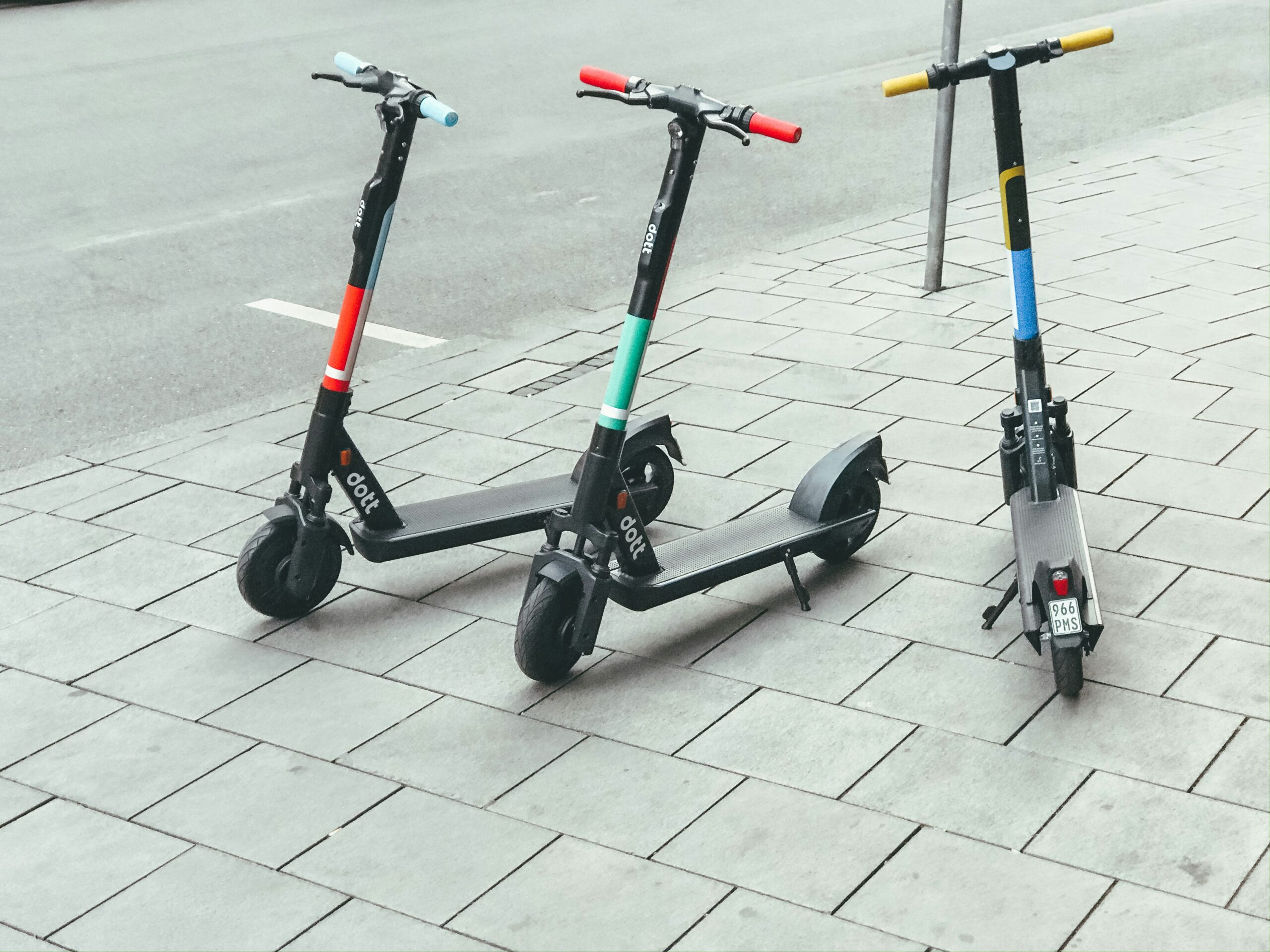

Exploring the Benefits of Two-Wheel Scooters
 PopScooter Team
April 1, 2026 4:42 pm
.
11 min read
PopScooter Team
April 1, 2026 4:42 pm
.
11 min read
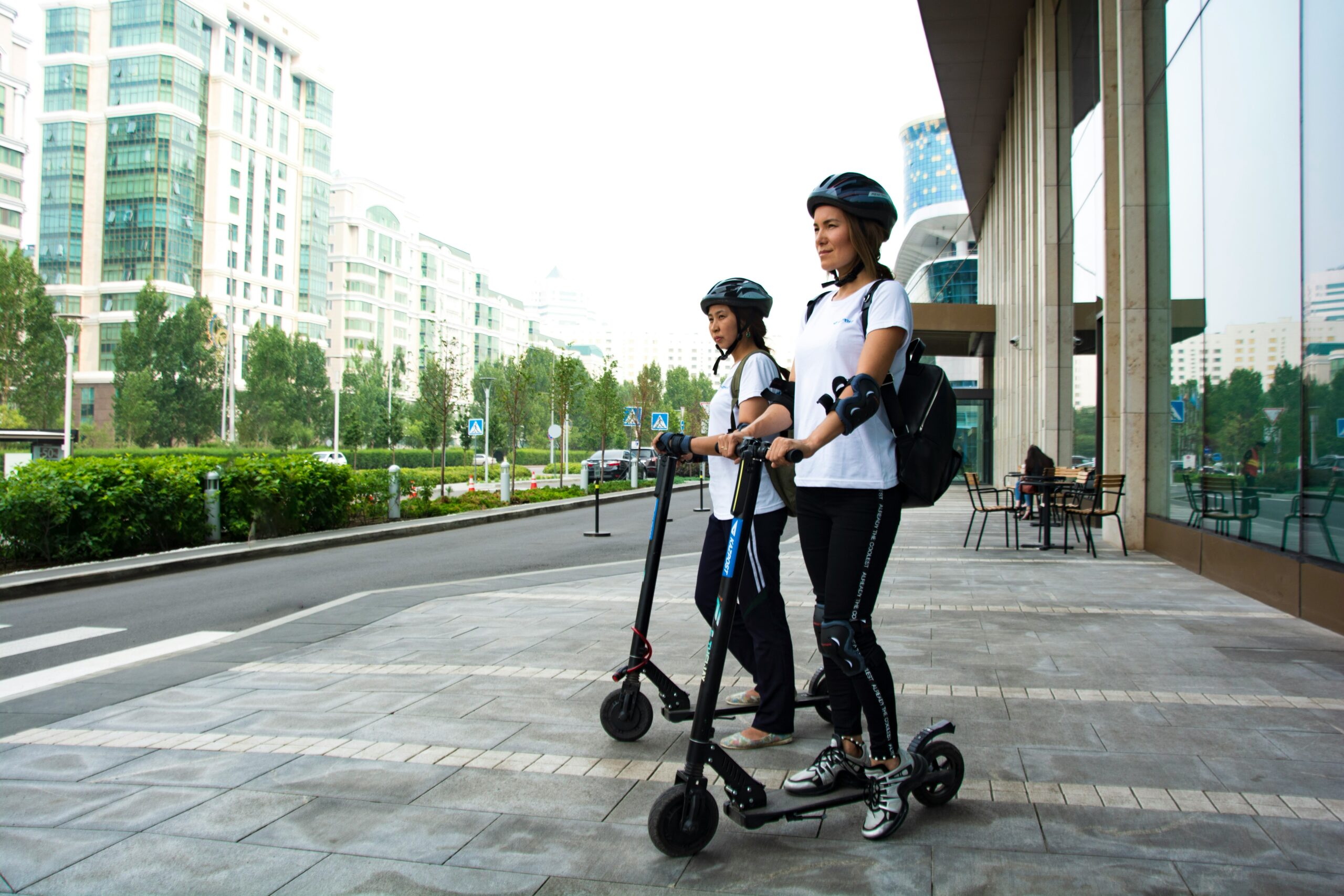
So, you’re curious about two-wheel scooters? The ones you see zipping around cities, making getting from A to B look pretty effortless? You’re probably wondering what the fuss is all about and if they’re actually worth considering. In a nutshell, yes, they offer a bunch of practical advantages, especially for urban commuting and short-distance travel. They’re not just a trendy fad; they provide a straightforward solution to a common problem: navigating modern life without getting stuck in traffic or breaking the bank.
Think about your daily commute. How much time do you spend stuck in traffic, inching your way forward? Two-wheel scooters offer a significant advantage here. Their smaller size allows them to weave through congestion, and in many places, they can utilize bus lanes or designated scooter paths, bypassing the gridlock that plagues cars and even some public transport. This isn’t about speed demons; it’s about efficiency.
Faster Travel Times
The most immediate benefit most people notice is the reduction in travel time. Instead of waiting for a bus or sitting in traffic jams, you can often get where you need to be considerably quicker. This means more time for yourself, whether it’s enjoying a leisurely breakfast, catching up on reading, or simply arriving at your destination less stressed.
Navigating Congested Cities
Cities are designed for people, but increasingly, they’re choked with vehicles. Scooters, by their very nature, are better suited to this environment. Their agility means you can navigate narrower streets and avoid the bottlenecks that frustrate drivers. This makes them an ideal tool for exploring urban areas without the hassle of parking or the constant anxiety of traffic.
The “Last Mile” Solution
Public transport is great for covering longer distances, but often getting from the station to your final destination can be a challenge. This is where scooters truly shine. They are the perfect “last mile” solution, bridging the gap between public transport hubs and your doorstep, or vice versa. This seamless integration can make your entire journey smoother and more efficient.
If you’re interested in exploring more about personal electric vehicles, you might find this article on hoverboards particularly intriguing. It discusses the latest trends and features of hoverboards, which are similar to two-wheel scooters in terms of their electric mobility and ease of use. To learn more, check out the article here: Hoverboard Trends and Features.
Cost-Effectiveness: Your Wallet Will Thank You
Let’s talk about money. Owning and operating a car is expensive. Fuel, insurance, maintenance, parking – it all adds up. Two-wheel scooters, on the other hand, are significantly more budget-friendly. This isn’t just about the initial purchase price; it’s about the ongoing costs of ownership.
Lower Purchase Price
Compared to a car, motorcycle, or even a high-end bicycle, the upfront cost of a good quality two-wheel scooter is generally much lower. This makes them an accessible option for a wider range of people, reducing the barrier to entry for personal transportation.
Minimal Fuel Costs
If you opt for an electric scooter, your “fuel” costs are incredibly low. Charging at home is far cheaper than filling a gas tank. Even for gasoline-powered scooters, their fuel efficiency is vastly superior to that of cars, meaning you’ll be spending considerably less at the pump, or rather, the fuel dispenser.
Reduced Maintenance Needs
Scooters generally have fewer parts than cars, translating to simpler and less frequent maintenance. Oil changes are less common or non-existent for electric models, and wear and tear on components like tires tends to be less severe, especially with gentler riding habits. This means fewer trips to the mechanic and less money spent on repairs.
Cheaper Insurance and Registration
The cost of insuring and registering a scooter is typically much lower than for a car. Insurance companies recognize the lower risk associated with these vehicles, and registration fees are often scaled according to vehicle type and value, making scooters a more affordable choice in these regards.
Environmental Friendliness: Doing Your Bit
In an era where environmental concerns are paramount, choosing a two-wheel scooter is often a more sustainable option than driving a car. Their lower emissions, or zero emissions for electric models, contribute to cleaner air in our cities.
Reduced Carbon Footprint
Gasoline-powered scooters already produce fewer emissions than cars. Electric scooters, however, take this a step further with zero tailpipe emissions. This directly contributes to improved air quality in urban areas, reducing smog and its associated health problems. When powered by renewable energy sources, their environmental impact becomes virtually negligible.
Less Traffic Congestion = Less Idling Emissions
Less congestion means less time spent idling in traffic. Idling vehicles contribute to air pollution even when they aren’t moving. By taking a scooter, you’re not only reducing your own direct emissions but also contributing to a general reduction in the amount of time vehicles are pumping out exhaust fumes unnecessarily.
Efficient Use of Resources
Manufacturing a scooter requires fewer raw materials and less energy than producing a car. This means a lower environmental cost from the outset, from production to the end of the vehicle’s life cycle. It’s a more resource-efficient form of personal transport.
Enhanced Mobility and Accessibility
Two-wheel scooters can open up new possibilities for getting around, particularly for those who might find traditional transportation challenging or limited. Their maneuverability and ease of use are key here.
Greater Independence
For individuals who may not drive cars due to age, cost, or personal preference, scooters can offer a significant increase in independence. They provide a reliable way to run errands, visit friends, or simply enjoy the freedom of independent travel without needing to rely on others or public transport schedules.
Easier Parking
Finding parking for a car in a busy urban area can be a nightmare. Scooters, on the other hand, are compact and can often be parked in smaller spaces, sometimes even alongside bicycles or in designated scooter parking zones. This saves time and reduces the stress associated with finding a spot.
Approaching Your Destination Directly
Unlike public transport, which requires walking to and from stops or stations, a scooter can often take you directly to your destination’s entrance. This is particularly beneficial in adverse weather, for individuals with mobility issues, or when carrying items.
If you’re considering a two-wheel scooter for your daily commute or leisurely rides, you might find it helpful to explore the features and benefits of the Segway KickScooter ES2. This model offers a blend of portability and performance that makes it a popular choice among urban riders. For a detailed review of this scooter, you can check out the article here: Segway KickScooter ES2 Review. It provides insights into its specifications, user experience, and how it stands up against other scooters in the market.
A Fun and Engaging Way to Travel
Beyond the practicalities, there’s also the simple enjoyment of riding a scooter. It can transform a mundane commute into a more engaging and pleasant experience.
Experiencing Your Surroundings
When you’re on a scooter, you’re more connected to your environment. You can feel the breeze, hear the sounds of the city, and observe the details you’d miss from inside a car or a bus. It allows you to truly experience the place you’re traveling through, rather than just passing by.
A Sense of Freedom
There’s an undeniable sense of freedom that comes with riding a scooter. It’s about feeling the open air, having the ability to go where you want, when you want, and the feeling of effortless movement. It can be a genuinely enjoyable way to spend your travel time.
Easy to Learn and Operate
Most modern two-wheel scooters are designed for ease of use. They typically feature automatic transmissions and intuitive controls, making them relatively easy for most adults to learn and operate safely. This low barrier to entry means more people can experience the benefits.
Key Considerations Before You Buy
While the benefits are clear, it’s important to approach scooter ownership with a practical mindset. There are a few things to keep in mind to ensure it’s the right choice for you.
Understanding Your Local Regulations
This is crucial. Laws regarding scooter use, including where you can ride them (sidewalks, roads, bike lanes), licensing requirements, and helmet mandates, vary significantly by location. Before you even consider purchasing, thoroughly research and understand the regulations in your specific area. Ignorance is not a defense, and breaking these rules can lead to fines or accidents.
Safety First, Always
While scooters offer freedom, they also require responsible operation.
Helmet Use is Non-Negotiable
This cannot be stressed enough. Always wear a well-fitting helmet that meets safety standards. Your head is your most important asset, and falls can happen even at low speeds. Don’t gamble with your well-being.
Visibility is Key
Make yourself visible to other road users. Wear bright clothing, especially during dawn, dusk, and at night. Ensure your scooter has functional lights and consider adding reflective tape to your clothing and the scooter itself.
Riding Defensively
Assume other drivers and pedestrians may not see you. Be aware of your surroundings, anticipate potential hazards, and maintain a safe distance from other vehicles. Practice defensive riding techniques to minimize risks.
Choosing the Right Type of Scooter
There’s a spectrum of two-wheel scooters, and the right one for you depends on your needs.
Electric vs. Gasoline
Electric scooters are quiet, produce zero tailpipe emissions, and have lower running costs. However, they have range limitations and require charging time. Gasoline scooters generally offer longer ranges and quicker refueling but have emissions, noise, and require more regular maintenance.
Size and Power
Consider where you’ll be riding most. For urban commuting and short distances, a smaller, more nimble scooter might be ideal. If you plan on longer rides or carrying a passenger, a larger, more powerful model would be more appropriate.
Storage and Security
Think about where you’ll keep your scooter when it’s not in use.
Secure Parking Solutions
Scooters can be targets for theft. Invest in a high-quality lock, and if possible, store your scooter in a secure location like a locked garage or shed. If you have to park it outside, use multiple locks (e.g., a disc lock and a chain lock) and secure it to a fixed object if possible.
Weather Protection
If you plan on parking your scooter outdoors, consider a waterproof cover to protect it from the elements and prolong its lifespan.
Maintenance and Repairs
Even with less maintenance than a car, scooters still require upkeep.
Regular Inspections
Perform basic checks before each ride: tire pressure, brake function, lights, and horn. Schedule regular maintenance with a qualified mechanic to keep your scooter in good working order.
Finding a Reliable Mechanic
It’s wise to identify a reputable repair shop that specializes in scooters before you encounter an issue. This can save you time and potential hassle when repairs are needed.
By considering these practical aspects, you can make an informed decision about whether a two-wheel scooter is the right addition to your personal transportation toolkit.
FAQs
What is a two wheel scooter?
A two wheel scooter is a type of personal transportation device that consists of a platform for the rider to stand on, handlebars for steering, and two wheels for stability. It is powered by the rider pushing off the ground with one foot and using the other foot to maintain balance and propel the scooter forward.
How does a two wheel scooter differ from other types of scooters?
Unlike traditional scooters, which have a single wheel in the front and a platform for the rider to stand on, a two wheel scooter has two wheels for added stability. This design allows for easier balance and maneuverability, making it a popular choice for both children and adults.
What are the benefits of using a two wheel scooter?
Using a two wheel scooter can provide several benefits, including improved balance and coordination, increased physical activity, and a fun and convenient mode of transportation. It can also be a cost-effective and environmentally friendly alternative to driving or using public transportation for short trips.
Are there different types of two wheel scooters available?
Yes, there are several different types of two wheel scooters available, including traditional kick scooters, electric scooters, and stunt scooters. Each type is designed for specific purposes and may have different features, such as adjustable handlebars, folding mechanisms, and varying wheel sizes.
What safety precautions should be taken when using a two wheel scooter?
When using a two wheel scooter, it is important to wear appropriate safety gear, such as a helmet, knee pads, and elbow pads. Riders should also be mindful of their surroundings, follow traffic laws and regulations, and avoid riding in hazardous conditions, such as wet or icy surfaces. Regular maintenance and inspection of the scooter is also recommended to ensure safe operation.