
Discover the m365 scooter: Features and Benefits
 PopScooter Team
January 24, 2026 11:04 am
.
15 min read
PopScooter Team
January 24, 2026 11:04 am
.
15 min read
Can a lightweight foldable ride really replace a car for short trips? This review looks squarely at that question and at what daily riders in the United States actually need.
The Xiaomi Mi M365 earned a spot as a practical commuter choice thanks to a smart design and balanced performance. It pairs a fast fold and lightweight aluminum frame with features like pneumatic tires, cruise control, and E-ABS braking.
Readers will learn how it performs on real streets: true range, hill ability, braking confidence, and how it copes with rough pavement. The piece also compares this model to the Pro variant and covers what upgrades matter for the extra cost.
The guide targets commuters, campus riders, and last-mile travelers. It flags safety and market concerns buyers should check before buying used, including recalls and counterfeit listings.
Key Takeaways
- The Xiaomi Mi M365 balances portability and everyday usability for short urban trips.
- Expect about 18 miles range and up to 16 mph top speed in real-world use.
- Lightweight build and quick fold make it ideal for apartments and transit links.
- Compare features to the Pro model to decide if extra range or readouts justify the price.
- Always verify recalls and authenticity when buying used in a busy market.
Quick take: why the Xiaomi M365 became a go-to commuter electric scooter in the US
Large urban fleets introduced thousands to the Xiaomi M365 and shifted how people think about last-mile travel. That early visibility turned short rental runs into real purchase interest for many riders.
From shared fleets to everyday riders
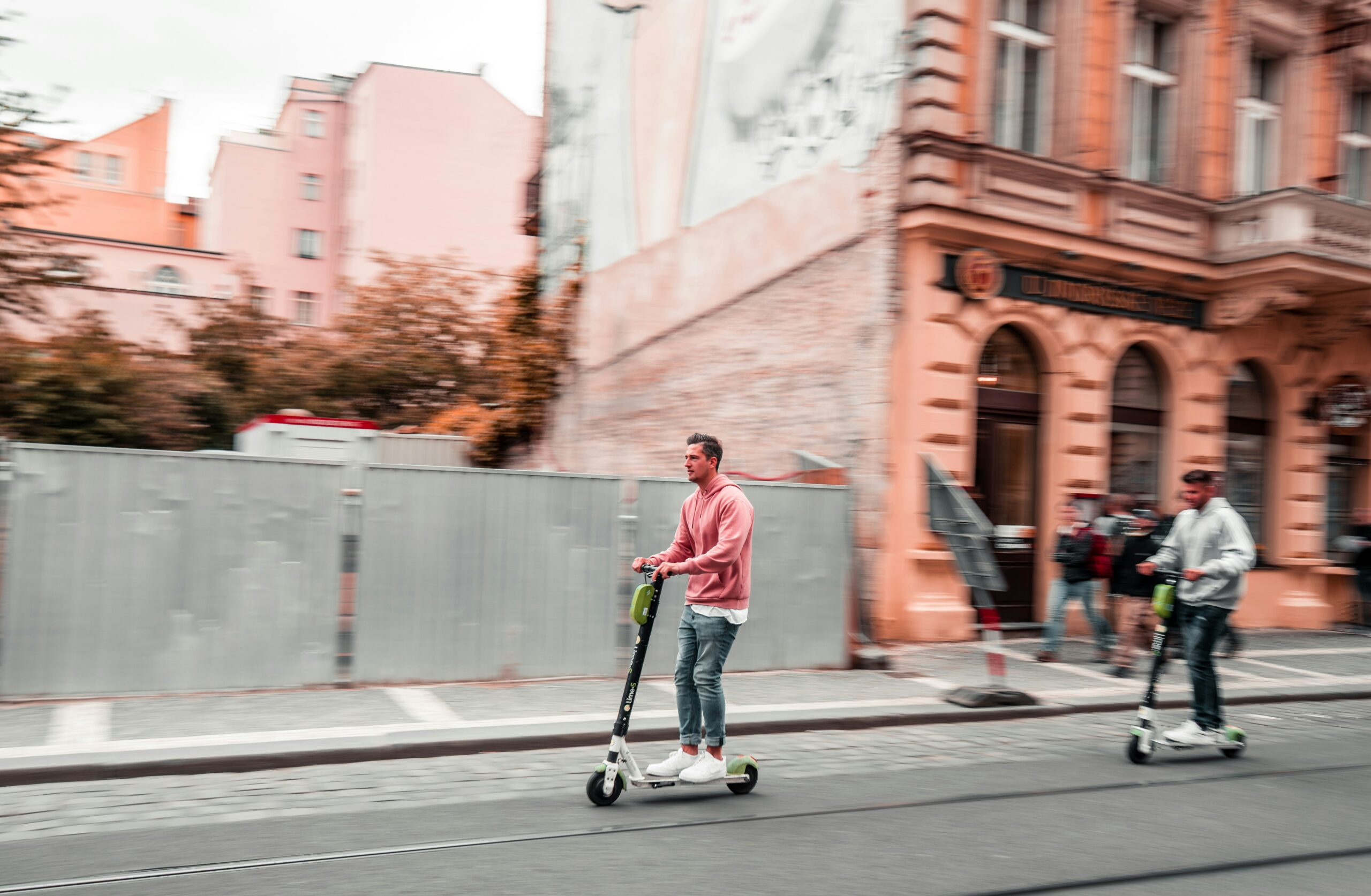
When Bird and Lime rolled out large fleets, the model landed in front of thousands who might never have tried electric scooters otherwise. Seeing one on a regular commute made the product familiar and easy to test.
Who it fits best
Best for: train-and-scoot commuters, students crossing large campuses, and last-mile trips where parking is costly. These users value easy learning, stable handling, and compact storage.
- Fleet exposure helped the model become a common reference in the electric scooters space.
- That fame also altered the market: real brand recognition rose while counterfeit or misleading listings increased.
- Typical use cases include short city trips, errands, and quick hops that save time over driving or walking.
Design and build quality: lightweight strength with a commuter-first layout
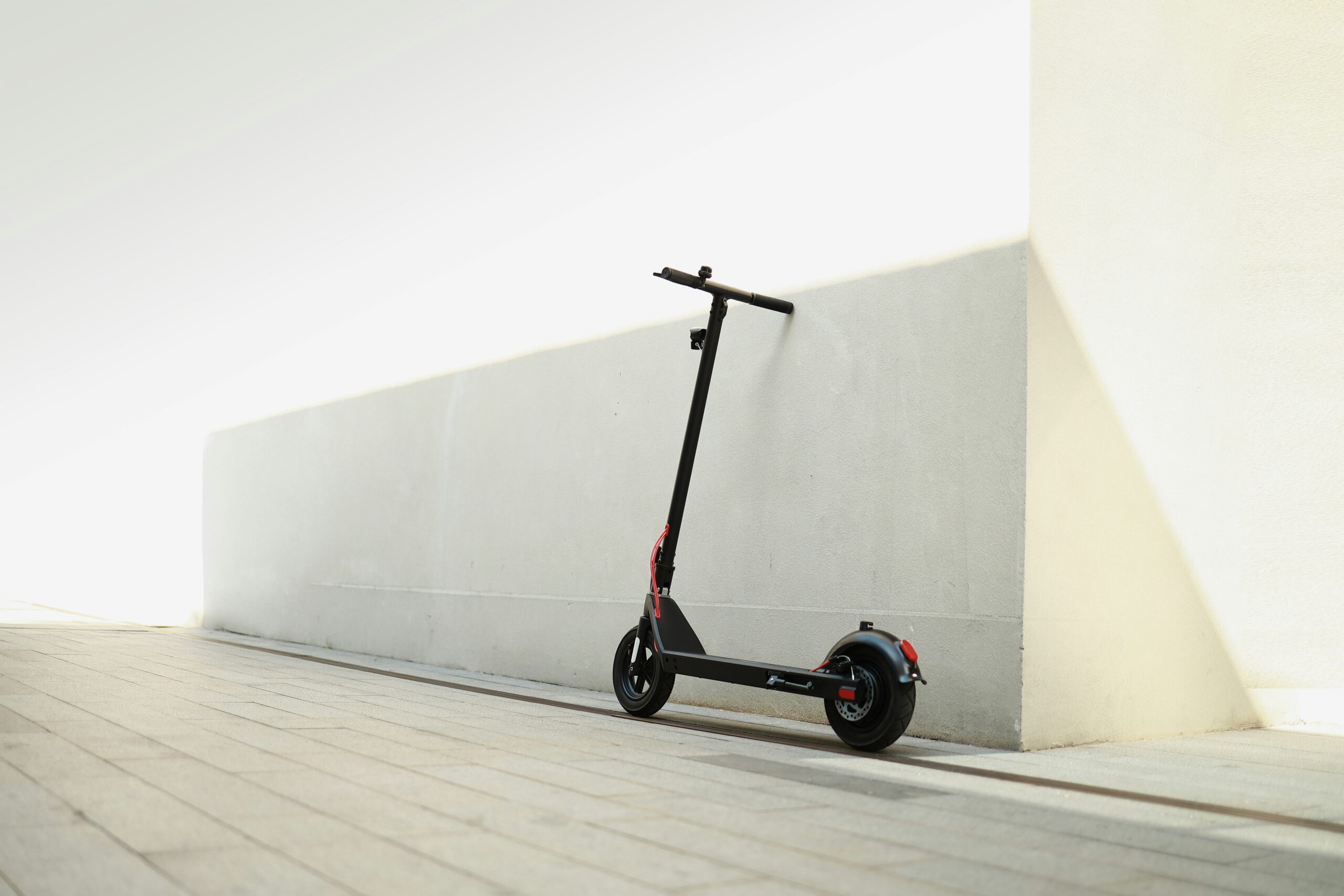
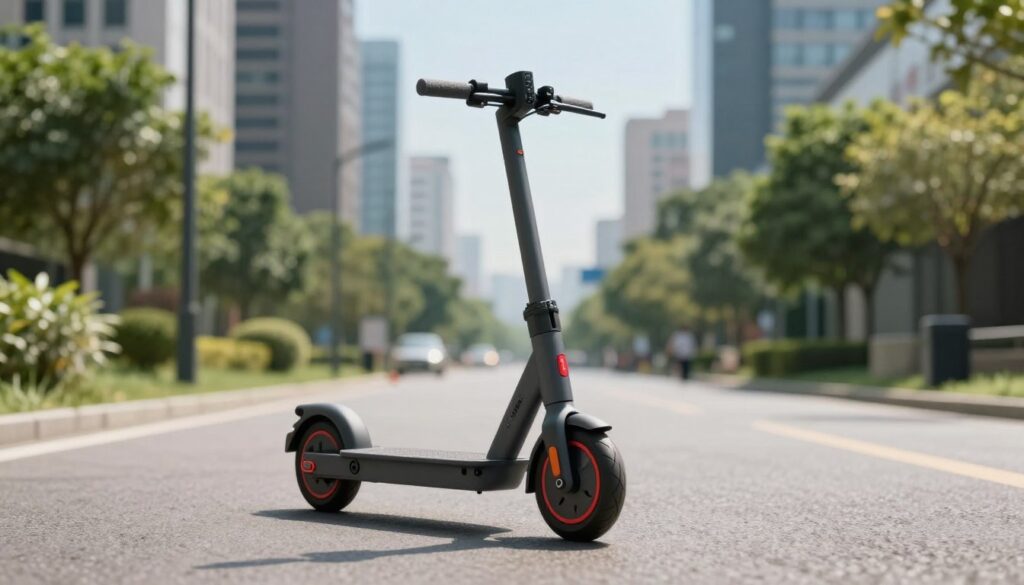
A commuter-first frame blends lightness with toughness so daily rides feel reliable. The aluminum construction keeps weight down while offering real-world strength that stands up to city stress. The battery sits low in the deck, which helps with balance and stability on turns and at speed.
Aluminum frame and real-world durability
The aluminum frame gives a solid feel without adding unnecessary bulk. It resists corrosion and handles the small knocks of daily use.
Folding mechanism that locks fast and stores small
The folding mechanism releases and secures in a few seconds once the rider learns the motion. The latch feels secure and keeps the stem locked for tight storage in elevators, trunks, or under desks.
Weight and carry-ability: what 12.5 kg (31 lbs) feels like day to day
At 12.5 kg (31 lbs) it is light for an electric model, but many riders still prefer to roll it on the rear wheel instead of carrying long flights of stairs. Short lifts onto transit or into a car are manageable for most people.
Handlebar setup: fixed height, bell hook, and stem feel
Handlebar height is fixed because of the folding stem tradeoff; this keeps the mechanism simple but limits fit for very tall or short riders. The bell doubles as a hook to the rear mudguard when folded, and the right-side throttle button is easy to reach, though grip alignment matters after rough bumps.
- Material choice: aluminum balances strength and cost.
- Layout: deck battery placement improves stability.
- Practical fold: fast, compact, and secure for daily storage.
Performance on the road: speed, motor power, and hill capability
City rides reveal what really matters: steady acceleration, usable top speed, and hill trustworthiness. This section translates specs into everyday expectations for U.S. commuters.
Top speed for city riding
The Xiaomi M365 lists a top speed of up to 16 mph (25 km/h). In everyday use most riders report hitting about 14 mph on flat roads while carrying a typical load.
That level of speed is comfortable for bike lanes and short commutes. It keeps traffic flow without feeling too twitchy for new riders.
Motor output explained
The motor is rated at 250W continuous with bursts up to 500W. In plain terms, the rated figure sets steady cruising power while the peak helps on takeoff and short surges.
Why it matters: more peak power means quicker getaways from intersections and better momentum retention after bumps.
Climbing power and real hills
Xiaomi states a maximum grade of 14%. On actual streets this translates to manageable short climbs, but steep, long hills will slow a rider depending on weight and battery level.
Expect reduced top speed on long inclines and softer pavement. Lighter riders will see better hill performance than heavier riders.
Throttle control and cruise use
The thumb-style throttle gives fine control at low speeds, useful in crowded paths. Cruise control is handy on straight, open stretches for steady commuting.
Riders should switch cruise off in dense pedestrian areas. Smooth throttle inputs and realistic expectations help the ride feel predictable and safe.
- Real-world takeaway: predictable acceleration and a 14–16 mph working range suit short urban trips.
- Motor & power: 250W rated, 500W peak balances efficiency and usable punch.
- Hills: short steep sections are OK; long climbs reduce speed and range.
Battery, charging time, and real range for commuting
For commuters, battery size and charging rhythm shape whether the ride fits day-to-day life. The deck houses a 280 Wh Li‑ion pack that sets practical limits on how far someone can go between charges.
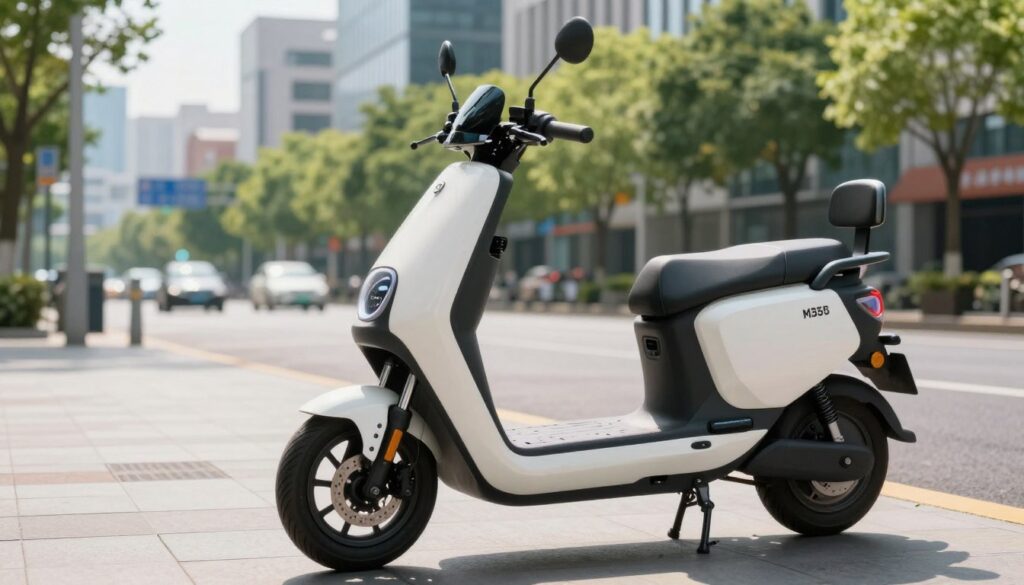
280 Wh basics and what drains it
The 280 Wh battery gives a usable balance of weight and range for short urban trips. Rider weight, hills, headwind, surface roughness, and higher speed all reduce the real-world range.
Realistic range expectations
Xiaomi claims up to 18 miles in ideal conditions. In practice, expect closer to that on flat routes with steady speed and moderate load, and less on hilly or cold days.
Charging time and daily planning
Charging takes roughly 4.5–5 hours from empty. Most riders charge overnight or at work to keep the vehicle ready for daily use without extra hassle.
Low-battery behavior
Once the pack falls under about 5% the performance and speed can drop sharply. That makes having a buffer important for reliable commutes.
- Practical tip: plan routes with a 20–30% buffer.
- Cold temps and hills cut range more than expected.
- Regular charging makes the electric scooter reliable for daily runs.
Overall, the xiaomi m365 balances battery capacity and portability, making it a solid commuter choice for many riders who need consistent range without extra bulk.
Ride comfort: tires, traction, and how it handles rough pavement
On real streets, the tire choice matters far more than the lack of a shock absorber. The 8.5-inch pneumatic tires give most riders a noticeably smoother ride on regular asphalt and seams.
Air-filled tires absorb small bumps and offer better traction than solids. That cushioning improves comfort and control for daily commuters.
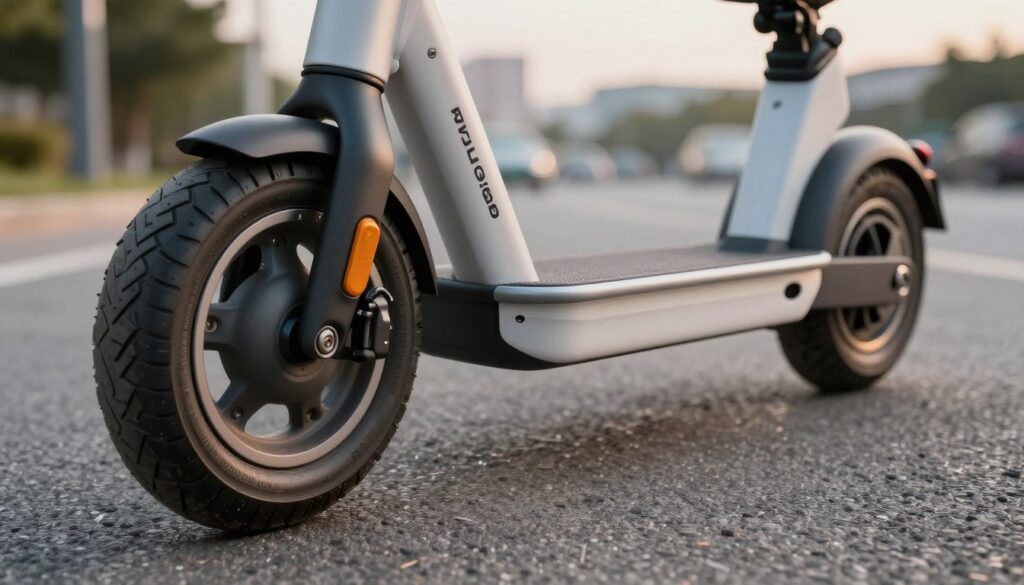
8.5-inch pneumatic tires — benefits and flat-risk tradeoffs
The 8.5-inch setup soaks up surface texture and helps keep grip on wet patches. However, pneumatic tyres raise the risk of punctures compared with solid options.
No suspension — what to expect on rough surfaces
There is no dedicated suspension, so cracks, cobblestones, and potholes feel sharper. Riders should pick routes that avoid long, broken stretches when possible.
Deck feel and stance — balance, control, and stability
The deck feels balanced and intuitive. New riders find stability by keeping feet staggered, knees relaxed, and speed conservative on uneven road sections.
- Safety tip: many incidents start with a small hole or sharp edge — watch the path ahead.
- Rider weight and terrain strongly influence comfort; heavier riders feel bumps more.
- For rough urban zones, a different class of scooters with suspension may be a better place to start.
Braking, lights, and safety considerations
A reliable stop and clear lighting turn everyday trips into safe, repeatable routes for riders.
How the brakes work: the system pairs an E‑ABS regenerative front brake with a mechanical rear brake. This gives modulation up front and a physical backup at the back. Xiaomi lists about a 3–4 meter stopping distance from 20 km/h under ideal conditions.
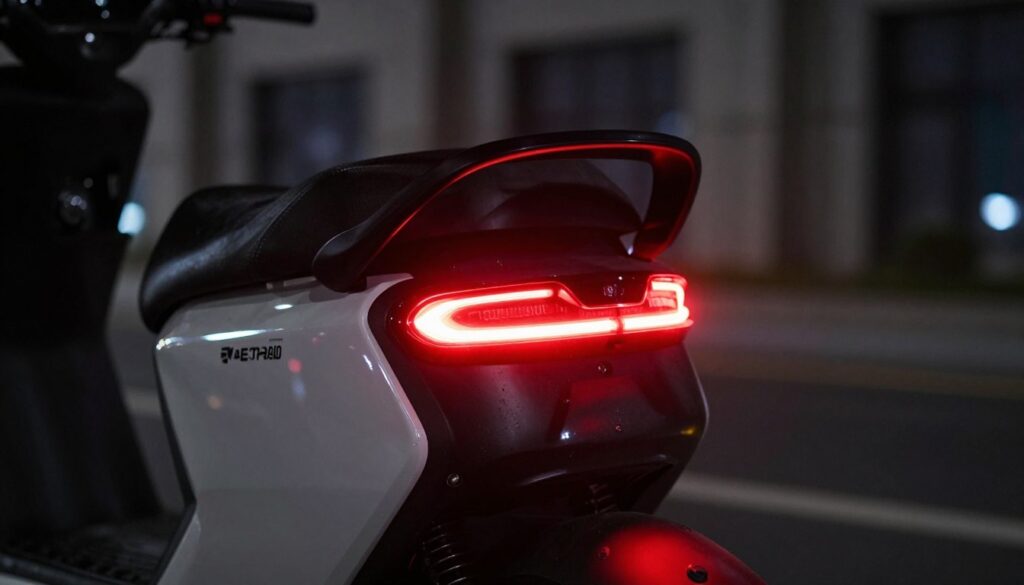
Real-world braking distance grows on wet pavement, worn tires, heavy loads, or poor technique. Riders should brake early and avoid sudden inputs near potholes or loose gravel.
Visibility and light behavior
The front LED headlight helps see the road ahead at twilight and signals presence to others. The rear light flashes when the brake engages to warn following traffic. Good lights improve predictability for other scooters and vehicles.
Recall checks and buyer tips
For used purchases, verify the serial number with Xiaomi’s safety campaign portal. The process may ask for a serial-label photo and proof of purchase to confirm eligibility for an exchange.
- Safety note: wear a helmet and ride conservatively in tight spaces.
- Check brakes and lights before each trip.
- Always confirm recall status when buying a used xiaomi m365 or related model.
Controls, display, and app experience: what riders actually use
Controls and the small display shape a rider’s daily confidence more than raw specs do.
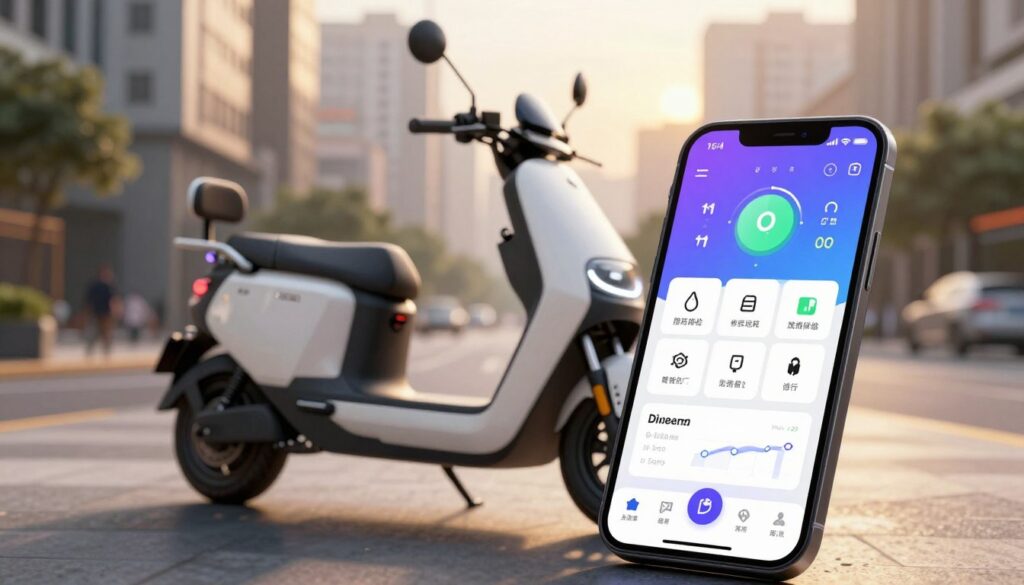
The right-handlebar throttle is a thumb-style button that most riders master in a few rides. It gives a predictable response for city starts and stops.
Battery LEDs versus a built-in speedometer
The stock display uses four LED lights to show remaining charge. That simple setup tells riders at a glance if they have plenty of range.
It does not include a native speedometer, so precise speed in mph must come from an external readout or the app.
Mi Home app: speed, battery, and Bluetooth
The Mi Home app shows a live speed readout, detailed battery percentage, and pairs via Bluetooth during setup. Many commuters open it only for confirmations, not constant monitoring.
- Why the minimalist display helps: less distraction while riding.
- Why the app matters: accurate speed and battery details when planning a longer trip.
- Practical note: users often rely on quick LEDs for routine runs and the app for deeper checks.
For more background on real-world use, see a full review at Electrek. Overall, the setup balances restraint and utility so commuting stays simple and safe.
Xiaomi M365 vs M365 Pro: when the upgrade makes sense
Choosing between the standard model and the Pro comes down to a few real-world upgrades that affect daily commutes.
Speed and riding modes
The Pro is typically capped around 18 mph, and some owners report about 20 mph after firmware tweaks. Riders should know that modifications can change reliability and may void warranties.
Dashboard and display
The Pro adds a full LED display that shows speed, mode, and battery at a glance. That removes the need to check an app for quick checks during a commute.
Portability and folded size
The Pro weighs about 31 lbs and folds to roughly 44 × 17 × 19 inches. It does not fold the handlebars, so width stays similar to the base model and storage fits closets and trunks the same way.
Water resistance in everyday terms
The base model carries an IPX4 splash rating while the Pro is IP54. Both handle rain spray and puddles, but neither is meant for heavy soaking or pressurized water. Warranties often exclude water damage.
Range, power, and who should upgrade
The Pro’s extra range and power make sense for longer commutes, steeper routes, or riders who dislike mid-day charging. For shorter, flat trips the standard model usually offers the better value.
- Tip: choose the Pro for more range and a clearer display.
- Tip: keep the base model if portability, price, and simple daily runs matter most.
- Tip: check the current market price and warranty terms before upgrading.
For a closer look at the base option and specs, see the Mi M365 product page.
Where it lands on value in today’s electric scooters market
Where it lands on value in today’s electric scooters market
Clever, simple design keeps the Xiaomi M365 a strong, practical choice for many commuters. It pairs a usable top speed (about 16 mph) with near‑18 mile range, light 12.5 kg weight, and a fast folding mechanism.
Buyers pick this model for steady everyday performance, reliable E‑ABS + mechanical brake setup, and easy storage. Expect pneumatic tires with no suspension, so rough streets feel firmer and braking matters more.
Before buying, confirm the serial for safety, check the fold latch and stem, inspect tire health, and test throttle and braking response. Value is more than price: it is time saved, folding convenience, and consistent real‑world use.
When to pick it: choose the base when commutes are short and flat. Step up to a Pro if you need extra range or a full display.
FAQ
What are the standout features and benefits of the Xiaomi M365 for daily commuting?
The model combines a lightweight aluminum frame, a fold-and-go mechanism, and a compact footprint that fits under desks and in car trunks. It delivers a reliable 250W-rated motor with bursts up to 500W for short climbs, an LED headlight and rear brake light for visibility, and an easy-to-read battery LED array. Riders appreciate its balance of portability, predictable braking, and an accessible price point that made it popular among commuters and campus users.
Why did this electric commuter become so common on U.S. city streets?
Shared micromobility fleets introduced thousands of people to the platform, proving its practicality for last-mile trips and short commutes. Its straightforward maintenance, light weight for carrying, and familiar design made it attractive to riders and fleet operators alike. That broad exposure drove high demand from private buyers looking for an affordable, user-friendly ride.
Who is the ideal rider for this model?
It fits commuters, students, and last-mile travelers who value portability and simple controls over high speed or heavy-duty off-road performance. It suits those needing a light, foldable option for short urban trips, apartment storage, or mixed transit commutes.
How durable is the aluminum frame for everyday use?
The aircraft-grade aluminum frame balances strength and low weight. With routine checks—tightening bolts, inspecting welds, and avoiding heavy impacts—it holds up well to urban wear. It won’t match heavier, suspension-equipped models on rough terrain, but it offers solid durability for typical city riding.
How fast does it go in real-world city conditions?
Typical top speed on flat roads is around 16 mph, which covers most urban speed limits for micromobility. Expect slightly lower speeds uphill or with two riders. Throttle response is smooth, and cruise control helps maintain pace on longer stretches.
What power and hill-climbing ability does the motor provide?
The rated motor output is 250W with peaks near 500W under load. That translates to manageable climbs on inclines up to roughly 14% under moderate loads; steeper hills or heavy riders will reduce speed and range noticeably.
What battery size, range, and charging time should riders expect?
The onboard 280 Wh battery typically delivers up to about 18 miles in ideal conditions—flat routes, light rider weight, and moderate speed. Real-world range varies with weather, hills, and riding style. Charging takes roughly 4.5–5 hours from empty, so planning around daily use is recommended.
How does the ride feel on rough pavement without suspension?
The 8.5-inch pneumatic tires provide cushioning and traction, improving comfort compared with solid tires, but without suspension riders will feel cracks, seams, and potholes. Maintaining correct tire pressure reduces flat risk and smooths vibrations, while cautious speeds help on cobblestones and uneven surfaces.
What braking setup is used and how effective is it?
The model uses an electronic ABS-style front braking system paired with a mechanical rear brake. In typical conditions stopping distance falls in the 3–4 meter range from moderate speeds. Regular brake inspections and cable adjustments keep stopping performance consistent.
What lighting and safety checks should a buyer perform?
Verify the front LED headlight brightness and the rear brake light function before riding after dark. Buyers should also check serial numbers against any manufacturer safety campaigns and inspect the folding latch, stem, and brake components for wear to avoid failures.
What does the stock display show and how useful is the companion app?
The onboard display is simple—speed is indicated via LEDs and a mode indicator, while battery level shows in segments. The Mi Home app adds Bluetooth features: a clearer speed readout, battery status, ride statistics, and basic firmware options. The app improves diagnostics but limits remain compared with full dashboards.
When does upgrading to the Pro version make sense?
Upgrading benefits riders who need more range, a slightly higher top speed (around 18 mph stock), and a clearer LED dashboard. The Pro also offers better water resistance and a heavier battery for longer commutes. If portability and lower price matter more than extra speed or range, the standard model remains a strong choice.
How does water resistance compare between base and Pro models?
The base model has splash resistance suitable for light rain, while the Pro improves protection with a higher IP rating. Neither model is meant for deep puddles or heavy downpours, so riders should avoid sustained wet exposure to protect electronics and bearings.
What maintenance tasks keep the ride reliable and safe?
Regular maintenance includes checking tire pressure and tread, adjusting the rear mechanical brake, tightening the folding latch and stem bolts, cleaning the deck, and monitoring battery performance. Periodic software checks via the app and inspecting wiring for corrosion prolong life and safety.
Where does this model sit on value in today’s electric vehicle market?
It remains a strong value proposition for buyers seeking an affordable, portable commuter ride. Newer scooters add power, suspension, and larger batteries, but few match the original balance of price, weight, and ease of use that made this platform so widely adopted.
You might also like