
Xiaomi Mi Scooter: Electric Scooter Specifications
 PopScooter Team
February 3, 2026 5:10 pm
.
9 min read
PopScooter Team
February 3, 2026 5:10 pm
.
9 min read
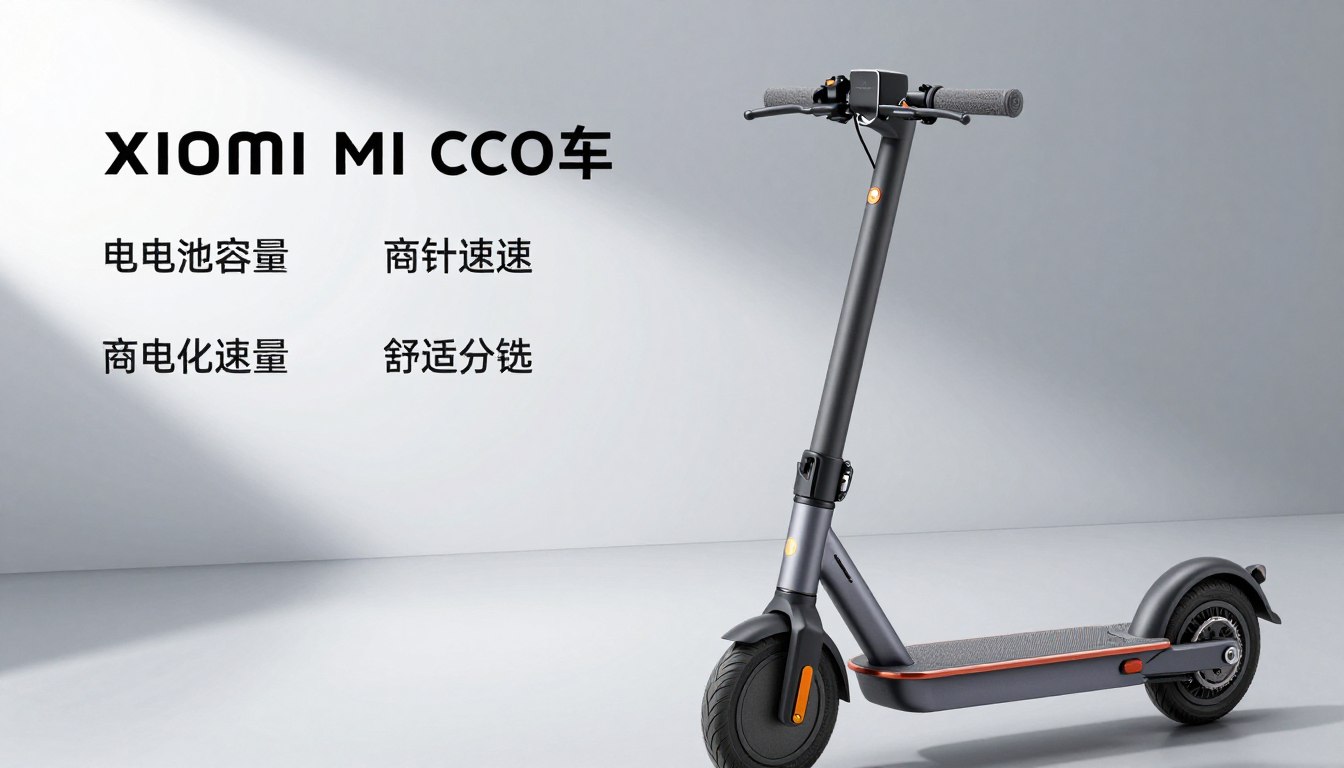
Can a lightweight commuter really deliver city-ready power without the fuss? This introduction breaks down the claims and the facts so readers can decide.
The page focuses on the key specs that matter for everyday U.S. travel and commuting. It previews headline figures: a 25 km/h top speed, up to 600 W peak power, and a tested travel distance of up to 30 km. Readers should note that real-world results may vary with rider weight, terrain, and conditions.
All published data comes from manufacturer-style testing and is presented as benchmark figures rather than guarantees. The article will compare essential decision factors — speed, battery life, power delivery, portability, and safety hardware — and cover ride feel, braking, and visibility.
Built from aerospace-grade Series 6 aluminum, the model weighs about 13 kg and folds in three steps for easy storage and transit. Local laws can limit where and how it is used, so readers should check rules in their area.
Key Takeaways
- Specs offer useful benchmarks, but real-world performance may vary.
- Top figures: 25 km/h speed, 600 W power, and up to 30 km tested range.
- Lightweight 13 kg frame and 3-step folding aid portability.
- Compare speed, battery, power, portability, and safety when shopping.
- Ride feel and braking are covered to give context beyond raw data.
- Check local regulations that may affect legal top speed and riding areas.
Key Specs That Matter for Everyday Electric Scooter Riding
Everyday riders care most about the numbers that affect daily commutes: speed, motor power, and realistic range.
Top speed, maximum power, and real-world notes
Maximum speed: 25 km/h is the tested top number under controlled conditions. In practice, that target can be limited by rider weight, hills, or lower battery charge, so actual speed may vary.
Maximum power: a 600 W peak output helps quick starts and steadier cruising on urban streets. Peak power supports acceleration but does not run at max constantly.
Range, battery, and what “fully charged” testing means
The headline range is up to 30 km. That figure ties directly to battery capacity and riding style. Tests use a level road, a 75 kg load, 25°C temperature, no wind, ECO mode, and a constant 15 km/h to report distance when fully charged.
- Common causes of lower range: frequent stops, higher average speed, hills, cold weather, and heavier load.
- Estimate commutes: short loops (2–5 miles) are well within tested range; longer trips need planning or a slower speed to save battery.
- These are the core specs riders should compare first before moving to brakes, folding, or app features.
For a detailed spec overview and buying guidance, see the essential spec guide.
xiaomi mi scooter Performance: Speed, Range, and Ride Modes
Real-world performance hinges on how top speed, climbing ability, and energy recovery behave under everyday conditions.
Maximum speed is rated at 25 km/h, which matches typical city pace and helps keep up with traffic on shared lanes. Riders may see lower peak speed depending on battery level, rider load, and surface quality.
Regulations can also limit where and how fast it may go. Local laws often cap speed or restrict riding to bike lanes or streets, so check city and state rules before you commute.
Motor output tops out at 600 W of peak power, giving smoother launches and steadier cruising near traffic. The unit handles climbs up to a 16% slope, useful for overpasses, neighborhood hills, and garage ramps, though performance varies with load and charge.
Energy recovery and ride modes
KERS recovers kinetic energy during braking and coasting, turning it back into usable charge to extend overall range on stop-and-go trips.
- Pedestrian mode: 0–5 km/h for crowded areas.
- Standard mode: 0–20 km/h for steady commuting.
- Sport mode: 0–25 km/h for open lanes and faster pace.
Top-line range figures come from test-style conditions: fully charged, 75 kg load, 25°C, no wind, level road, ECO mode, constant 15 km/h. Real commuting distance falls short when headwinds, lower temperature, rough road surfaces, or frequent hills change the conditions.
Design, Braking, and Safety Features Built for City Travel
City commuting demands gear that balances quick stops, clear visibility, and easy carrying. This section reviews how braking, lights, frame, tires, and battery systems work together to make daily travel safer and more predictable.
Rear dual-pad brake response and stability
Braking hardware is a top buying factor for city riders because quick, reliable stops reduce risk at intersections and in mixed traffic.
The new rear dual-pad disc brake delivers efficient braking and fast response. Dual pads share load more evenly, which improves braking stability and reduces uneven wear.
This design helps prolong pad life and keeps stopping feel consistent as the pads age.
Three-sided reflectors and LED visibility
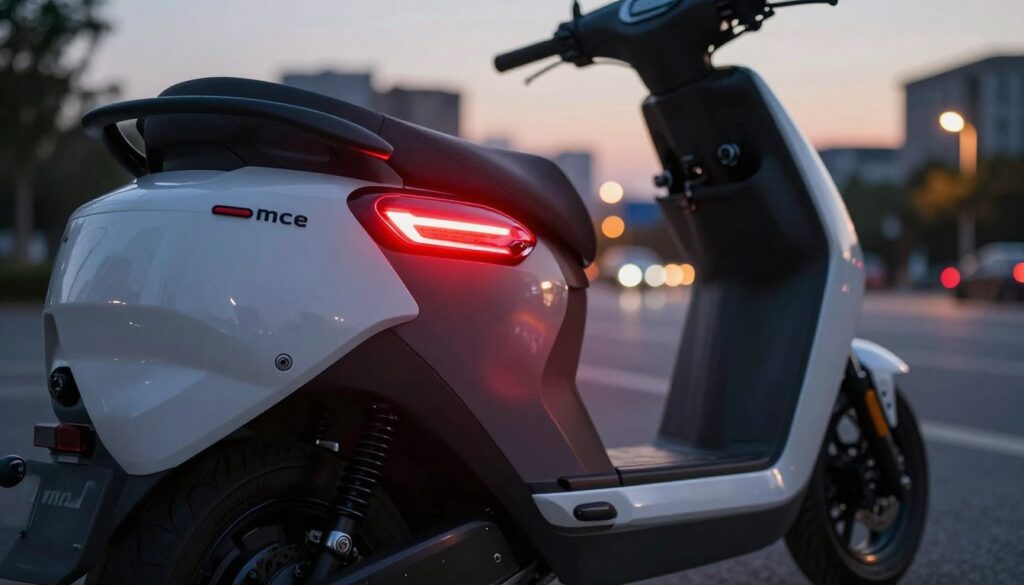
Safety starts with being seen. A large front reflector, bidirectional side reflectors, and an LED rear warning light create three-sided protection.
These lights and reflectors boost visibility at night and in low-light intersections, helping other road users spot the vehicle sooner.
Frame, folding, and portable weight
The frame uses aerospace-grade Series 6 aluminum for a strong yet light build. At about 13 kg, it is easy to carry up stairs or stow in a trunk.
The fast, confidence-building 3-step folding mechanism is TÜV Rheinland evaluated to EN17128 standards, so riders can expect stable folding and secure storage.
Pneumatic tires, comfort, and shock handling
Pneumatic tires smooth out road imperfections like cracks and small bumps. That real-world shock absorption reduces vibration and improves handling on uneven surfaces.
Battery management protections and sleep mode
The 5th Generation Intelligent Battery Management System protects against short circuit, overcurrent, double overcharge, double over-discharge, and temperature issues.
An under-voltage auto-sleep feature kicks in when battery is low. If unused and below 30% for about 10 days, the battery enters sleep mode; a brief ~3-second charge wakes it.
- Why it matters: robust BMS features make daily charging safer and help prolong battery life.
- Design synergy: braking, lighting, frame strength, and battery systems work together to make city travel feel safer.
For full product details and certification notes, see the official product page.
Connect in the Xiaomi Home App and Get Ready to Ride
With a simple Bluetooth pairing, the Home app becomes the command center for everyday riding.
The xiaomi home app links via Bluetooth to let riders lock and unlock the vehicle, view ride data, and adjust personalized settings in seconds.
Users can track speed patterns, trip distance, and battery use, tweak energy recovery, and switch preferred ride mode to match city or commuter conditions.
Firmware upgrades arrive through the app to keep power delivery and system features current.
Quick checklist: charge the battery, confirm mode selection, check lights, test brakes, and verify the app connection before your first commute.
See the Mi M365 guide for related setup tips and practical advice.
FAQ
What are the main specifications for the Xiaomi Mi Scooter: Electric Scooter?
The scooter features a brushless motor, a high-density lithium battery, and an aerospace-grade aluminum frame. Typical specs include a top speed around industry-typical limits, a real-world range that depends on load and terrain, and foldable portability for last-mile travel. Exact values may vary by model and local regulations.
How fast can it go and does that speed vary in real use?
Maximum speed targets often appear in marketing, but real-world performance varies. Factors like rider weight, incline, tire pressure, wind speed, and temperature affect top speed. Local laws may require limiting the scooter’s power or setting speed caps for safety.
What does “fully charged” mean for range tests?
“Fully charged” means the battery reaches its rated voltage and the charge indicator shows 100%. Range tests usually use constant-speed runs on flat roads at moderate temperature with a standardized rider load; deviations from those conditions reduce range.
How does the motor perform on climbs and steep roads?
Motor output determines climbing ability. For typical urban grades, a higher continuous wattage delivers steadier speed uphill. Performance falls if the battery is low, the load is heavy, or road friction increases due to wet or uneven surfaces.
Can energy recovery extend distance per charge?
Yes. Kinetic energy recovery systems (KERS) convert braking energy back into the battery, improving efficiency and extending range slightly on stop-and-go routes. The benefit varies with riding style and braking frequency.
What riding modes are available and when should they be used?
Three common modes include a low-power commuter mode for extended range, a balanced cruising mode for everyday use, and a pedestrian or eco mode for slow, safe movement in crowded areas. Riders should switch modes based on traffic, terrain, and battery level.
Which factors most impact range and speed?
Load (rider weight and cargo), wind speed and direction, ambient temperature, road surface quality, tire pressure, and riding mode all influence range and speed. Maintaining proper tire pressure and using energy-saving modes help maximize distance.
How effective is the braking system and what safety features support it?
The rear dual-pad disc brake setup delivers reliable stopping power and stability under varied loads. Combined with regenerative braking and an electronic brake assist, the system helps reduce stopping distances. Proper maintenance of pads and discs is essential for consistent performance.
What lighting and reflector features improve nighttime visibility?
Front LED headlights, taillights, and three-sided reflectors enhance visibility from multiple angles. Bright, well-aligned LEDs and reflective panels increase rider safety in low-light conditions and help other road users spot the vehicle earlier.
How portable is the design and how does folding work?
The aluminum frame keeps weight low while remaining strong. A three-step folding mechanism allows quick transition between riding and carrying. The compact folded size suits short-term storage and public transit, but users should check carry weight limits.
Do the tires and suspension handle bumps well?
Pneumatic tires provide cushioning and improved grip on uneven surfaces. Combined with a compliant deck and smart frame geometry, they absorb shocks better than solid tires. Regular tire pressure checks and occasional maintenance keep handling predictable.
What protections does the battery management system (BMS) provide?
The BMS monitors voltage, temperature, and current to prevent overcharge, over-discharge, and short circuits. It may support battery sleep mode to preserve longevity during storage and balance cells to maintain consistent performance over time.
Can the scooter connect to an app and what features are available there?
It pairs with the manufacturer’s home app to lock the vehicle, monitor battery status, update firmware, and toggle ride modes. The app also logs trip data like distance, average speed, and energy consumption for better ride planning.
How should riders maintain the vehicle for best performance?
Regular checks include tire pressure, brake pad wear, battery charge cycles, and firmware updates via the app. Keep moving parts clean and inspect the frame for cracks after impacts. Proper routine care preserves range and safety.