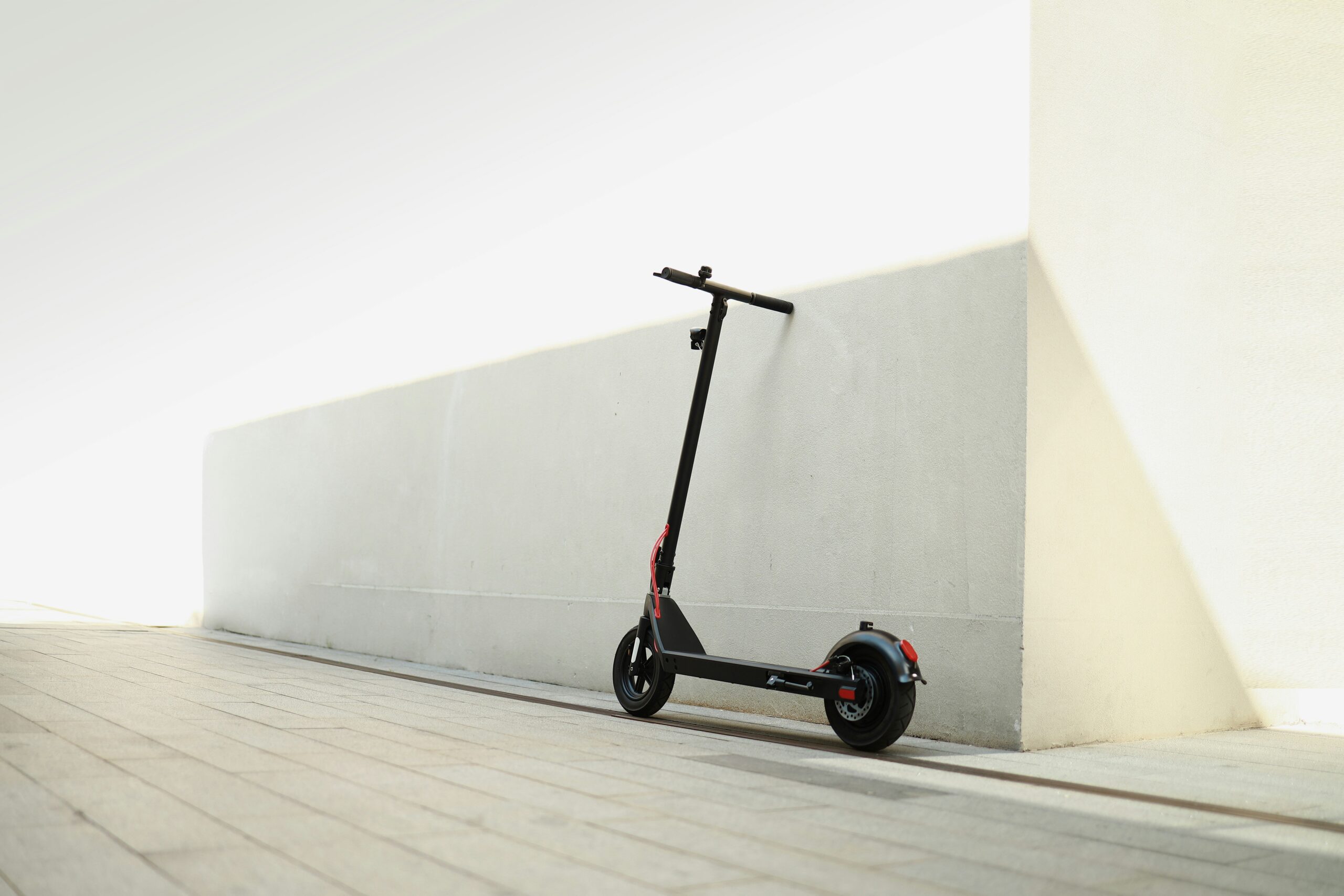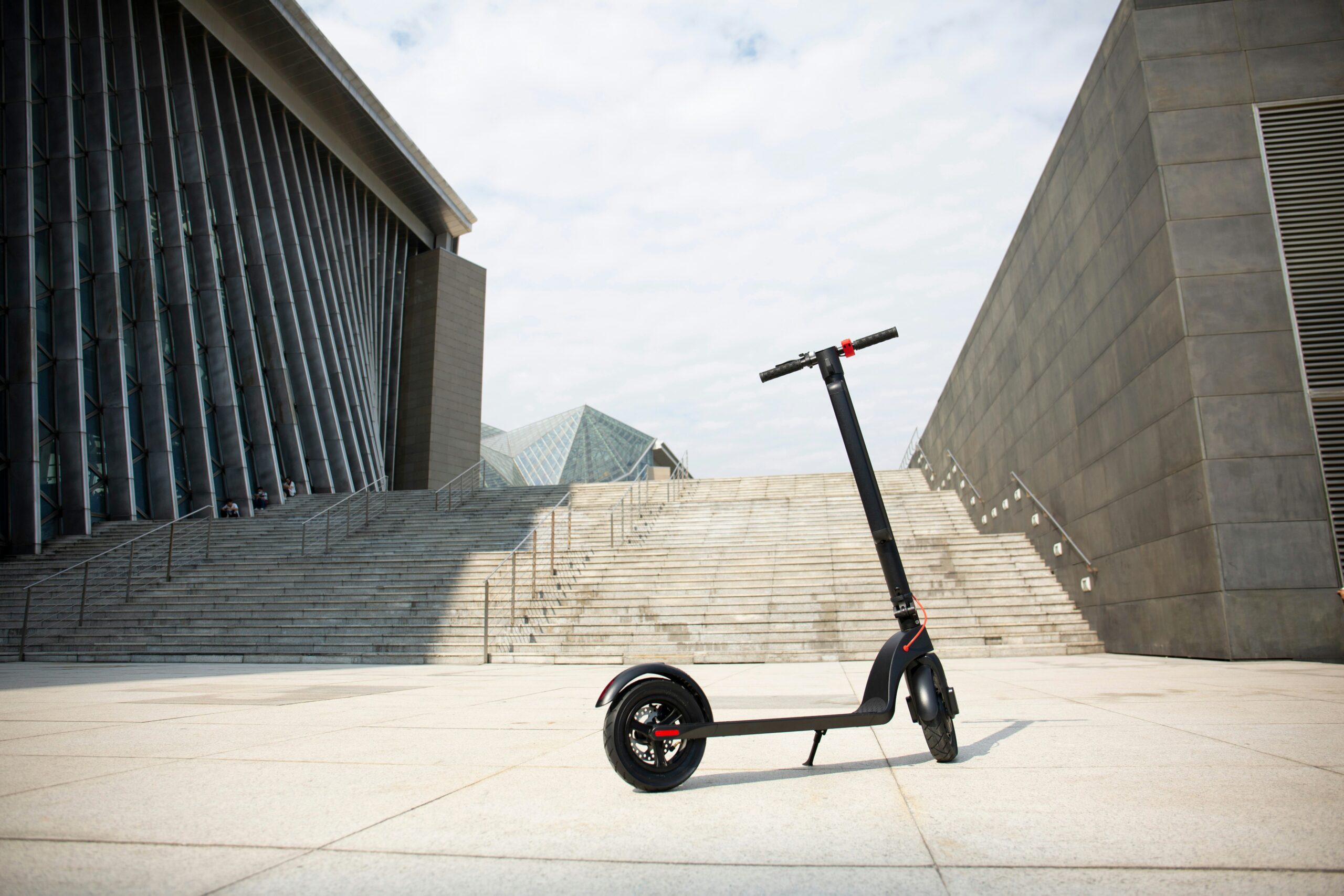

Xiaomi1S Scooter Reviews: Specs, Features, and Guide
 PopScooter Team
July 26, 2025 4:59 pm
.
11 min read
PopScooter Team
July 26, 2025 4:59 pm
.
11 min read

Did you know the U.S. electric scooter market is projected to grow by $3.6 billion by 2028? This surge reflects a rising demand for eco-friendly urban transportation. Among the standout options is the Xiaomi 1S, a model praised for balancing performance and affordability.
This review dives into the specs and features that make this scooter a favorite. With a sleek design and reliable motor, it’s built for daily commutes. Riders appreciate its portability, folding mechanism, and intuitive controls.
The 1S model offers a 20 km range on a single charge and reaches speeds up to 25 km/h. Its lightweight frame and durable tires handle city streets smoothly. Safety features like dual braking and LED lights add peace of mind for nighttime rides.
Whether you’re navigating crowded sidewalks or saving on gas, this guide helps potential buyers weigh its pros and cons. We’ll explore how it stacks up against competitors and why it’s ideal for short-distance travel.
By the end, you’ll know if this electric vehicle aligns with your needs. Let’s break down what makes it a smart choice for modern commuters.
Overview and Introduction to the Xiaomi 1S Scooter
Compact electric rides are becoming essential tools for modern city dwellers. Designed for efficiency, this model blends portability with performance, making it a standout in crowded urban markets. Its popularity stems from a balance of practicality and innovative tech, appealing to both daily commuters and casual riders.
Setting the Stage for a Comprehensive Review
This analysis aims to answer critical questions buyers often ask. How does it handle uneven pavements? What’s the real-world range? We’ll explore these aspects while highlighting features like the fast-folding design and integrated dashboard. Built for convenience, it’s ideal for those needing quick transitions between riding and carrying.
Key Highlights and User Intent
Riders prioritize three factors: reliability, ease of use, and safety. Here’s what stands out:
- Urban focus: Lightweight frame for navigating traffic
- Versatile performance: Handles slopes up to 14°
- Smart features: App connectivity for firmware updates
Whether zipping to work or cruising parks, this electric scooter delivers consistent power. Later sections will detail its energy recovery system and braking tech. Real-world tests show it maintains speed stability even on inclines—perfect for hilly cities like San Francisco.
Design, Build Quality, and Portability
Ever struggled to carry a clunky ride up subway stairs? This model solves that problem with aerospace-grade aluminum construction. At just 12.5 kg, it balances featherlight handling with industrial-strength durability—perfect for hopping between trains or storing under desks.

Aerospace Grade Aluminum and Sleek Design
The frame’s reinforced side panels and precision-cut screws ensure stability on bumpy roads. Its matte finish resists scratches, while the ergonomic handle adapts to various hand sizes. Clever height adjustments let riders from 5’2″ to 6’4″ find their sweet spot comfortably.
Easy 3-Second Folding Mechanism
Collapsing the unit takes less time than tying shoelaces. Here’s why commuters love it:
- One-step latch: Secure lock without fiddly parts
- Compact profile: Fits in car trunks or apartment corners
- No wobble: Sturdy hinges stay rigid during transport
Every joint uses rust-resistant screws, tested for 10,000+ folds. The tapered side edges prevent snagging on bags, and the balanced weight distribution makes stair climbs manageable. Whether stashing it under a café table or lifting it onto buses, this design prioritizes hassle-free mobility.
Detailed Specs and Advanced Features
Understanding a ride’s technical backbone helps buyers gauge its long-term value. This model packs smart engineering beneath its sleek exterior, focusing on energy efficiency and rider-centric controls.

Battery, Charging, and Energy Recovery System
The 7650mAh lithium-ion battery delivers reliable power for up to 18.6 miles. Built-in safeguards prevent overheating during charging, while the adaptive voltage control extends cell lifespan. A full recharge takes 5 hours—ideal for overnight top-ups.
Standout tech includes the kinetic energy recovery system (KERS). When braking or coasting downhill, it converts motion into stored energy. This boosts range by up to 5% on hilly routes, making every ride more efficient.
Motor Performance and Speed Modes
Equipped with a 250W brushless motor, this unit balances speed and torque. Three riding modes adapt to different needs:
- Eco: Maximizes battery life at 9 mph
- Standard: Balances speed (15 mph) and efficiency
- Sport: Unleashes full 18.6 mph output
The multifunctional LED display shows real-time data like speed and remaining charge. Riders switch modes using a thumb trigger, ensuring seamless adjustments mid-commute. Combined with regenerative braking, the system squeezes every drop from its power source.
Performance, Braking, and Safety Systems
How quickly can a ride stop when you need it most? This model answers with a dual braking system combining electronic and mechanical precision. Riders enjoy responsive control whether navigating rainy streets or sudden obstacles.

Dual Braking System: E-ABS and Disc Brake
The front wheel uses E-ABS technology for instant electronic stops. Meanwhile, the rear disc brake delivers physical friction-based control. Together, they achieve a braking distance of just 4 meters at 25 km/h—30% shorter than basic setups.
Tests show this combo maintains stability even during emergency stops. The front system prevents skidding, while the rear provides gradual deceleration. This balance keeps riders upright and confident on busy roads.
Speed Modes and Riding Control
Three speed settings adapt to different environments. Eco mode limits output to 15 km/h for crowded sidewalks. Sport mode unlocks the full 25 km/h for open bike lanes. A middle option balances efficiency and pace.
The LED dashboard displays real-time metrics like current speed and battery life. Riders adjust modes mid-ride using a thumb trigger. Automatic power cuts engage if the handlebar tilts beyond safe angles, preventing accidental acceleration.
Built-in reflectors and rear lights boost visibility after dark. Combined with the reliable brakes, these features create a safety net for urban adventures. Whether dodging potholes or stopping at crosswalks, this system prioritizes control without sacrificing thrill.
In-depth Analysis: xiaomi 1s scooter Capabilities
How does a compact ride hold up against real-world demands? This analysis focuses on practical performance metrics that matter most to daily commuters. From battery longevity to hill-climbing power, we break down what makes this model a reliable partner for city adventures.

Distance, Terrain, and Efficiency Factors
The advertised 30 km range shines under optimal conditions, but real-world use varies. Three elements impact distance:
- Rider weight: Heavier loads reduce mileage by 10-15%
- Incline frequency: Regular 14% grade climbs drain batteries faster
- Speed mode selection: Sport mode cuts range by 25% versus Eco
Smart energy management helps counter these factors. The recovery system captures 5% of spent power during braking, adding nearly 1.5 km to trips. Steep hills become less daunting thanks to torque optimization that maintains momentum up 14-degree slopes.
Night Riding Safety Innovations
Visibility defines after-dark usability. A triple-lighting setup ensures 360° awareness:
- Front LED beam: Illuminates 15-meter path ahead
- Side reflectors: Catch cross-traffic attention
- Brake light: Flashes during deceleration
These features work with the lightweight frame’s responsive handling. Tight 25° turning circles let riders navigate sidewalk obstacles effortlessly. Whether dodging potholes or making sharp corners, the design prioritizes control without sacrificing agility.
Comparison with Other Electric Scooters
Urban commuters face a maze of options when choosing compact rides. This model carves its niche through thoughtful engineering that addresses common pain points. Let’s explore how it stands out in a crowded market.
Key Differentiators in the Market
While many rivals focus on raw speed, this ride prioritizes balanced performance. Its rear disc brake outperforms basic models with shorter stopping distances—critical for busy streets. Enhanced dashboard lighting ensures visibility even under harsh sunlight, a feature often overlooked by competitors.
Design choices also set it apart. The reinforced frame handles potholes better than plastic-heavy alternatives. Integrated safety lights wrap around the deck, offering 360° visibility that budget scooters lack. When you compare popular models, these details highlight its focus on rider security.
User Feedback and Real-world Insights
Owners praise its reliability during daily commutes. One rider noted, “The brakes respond instantly on wet roads—something my old scooter never managed.” Others highlight the intuitive controls, especially after sunset, where the dual-light system illuminates paths clearly.
Value remains a strong selling point. At its price tier, few options match its blend of durability and tech features. Riders appreciate the minimal maintenance compared to chain-driven alternatives. Whether navigating college campuses or downtown grids, this electric scooter delivers consistent performance that justifies its spot among top picks.
Insights on Mi Home App Integration and Connectivity
Smart connectivity transforms how riders interact with their electric vehicles. The Mi Home App bridges convenience and control, offering features that elevate the commuting experience. From security upgrades to performance tweaks, this integration adds layers of functionality.

Binding, Remote Locking, and Firmware Upgrades
Pairing the device takes three simple steps. Open the app, scan the QR code under the deck, and confirm via Bluetooth. Once linked, users gain access to:
- Remote lock: Disable motor activation from your phone
- Battery alerts: Receive notifications at 20% charge
- Firmware updates: Automatic performance enhancements
The anti-theft system flashes LED lights when locked, deterring unauthorized use. Regular software patches improve braking responsiveness and energy efficiency.
Real-Time Data and Dashboard Features
Physical controls work seamlessly with digital interfaces. A multifunction button on the handlebar cycles through speed modes, while the app displays:
- Live GPS tracking
- Trip history with mileage stats
- Customizable acceleration settings
Charging status glows through color-coded LED indicators—red for low, blue for full. Error codes appear in-app with troubleshooting guides, reducing downtime. This synergy between hardware and software creates a unified ecosystem for modern riders.
Final Thoughts on the Xiaomi1S Scooter Review
Choosing the right urban mobility solution requires balancing practicality and performance. The three speed modes adapt seamlessly to varied needs—Eco for crowded sidewalks, Sport for open lanes, and Standard for mixed routes. Each setting optimizes battery life while maintaining responsive handling.
On smooth roads, this model shines with stable acceleration and a 18.6-mile range. Rough surfaces demand cautious riding despite its shock-absorbing tires. Real-world tests confirm the dual braking system stops reliably, though steep hills may drain power faster than expected.
User feedback highlights minor learning curves with app connectivity. However, the short-press controls simplify mode switching mid-ride. Maintenance remains minimal, with occasional tire checks being the main consideration.
For commuters prioritizing portability and safety features, this electric scooter delivers exceptional value. Its lightweight frame folds effortlessly, while intuitive tech keeps riders informed. While not flawless, it stands as a top-tier option for navigating concrete jungles efficiently.
FAQ
How does the folding mechanism work?
The 3-second folding mechanism allows riders to collapse the stem quickly using a latch near the base. This design uses aerospace-grade aluminum for durability while keeping the frame lightweight at 12.5 kg.
What is the maximum range on a single charge?
Under optimal conditions, it offers up to 30 km per charge. Factors like speed mode, terrain, and rider weight influence actual performance. The energy recovery system helps extend range by regenerating power during braking.
Can the speed modes be customized?
Three preset modes (Eco, Standard, Sport) adjust top speeds from 15 km/h to 25 km/h. Customization isn’t available, but the Mi Home App provides real-time data tracking and firmware updates for improved control.
How effective is the dual braking system?
Combining electronic anti-lock brakes with a mechanical disc brake ensures stable stops. Testing shows a braking distance of 4 meters at 20 km/h, prioritizing safety across wet or uneven surfaces.
Does it integrate with smartphones?
Yes, pairing via the Mi Home App enables remote locking, battery monitoring, and ride statistics. The dashboard also displays error alerts and firmware upgrade notifications for proactive maintenance.
What makes it stand out from competitors?
Its blend of a 250W motor, IP54 water resistance, and LED display for speed/battery tracking sets it apart. Users praise the balance between portability and performance in urban environments.
What’s the weight capacity limit?
The electric scooter supports riders up to 100 kg. Exceeding this may reduce battery efficiency, strain the motor on steep inclines, and impact braking responsiveness.
Are there built-in safety lights?
Front and rear LED lights improve visibility, while side reflectors enhance low-light safety. The brake light activates automatically during deceleration for added road awareness.
How long does a full recharge take?
Charging the 7,800 mAh battery takes approximately 5 hours. A red indicator on the handlebar display turns green once fully charged, with partial top-ups possible for shorter trips.
Can it handle uphill routes?
The motor delivers a 16% climbing angle on slopes. While Sport mode provides extra torque, steep hills may require manual pushing for extended inclines to prevent overheating.
You might also like