Xiaomi Scooter 1S Electric Scooter Review and Specs
 PopScooter Team
February 6, 2026 1:51 am
.
12 min read
PopScooter Team
February 6, 2026 1:51 am
.
12 min read
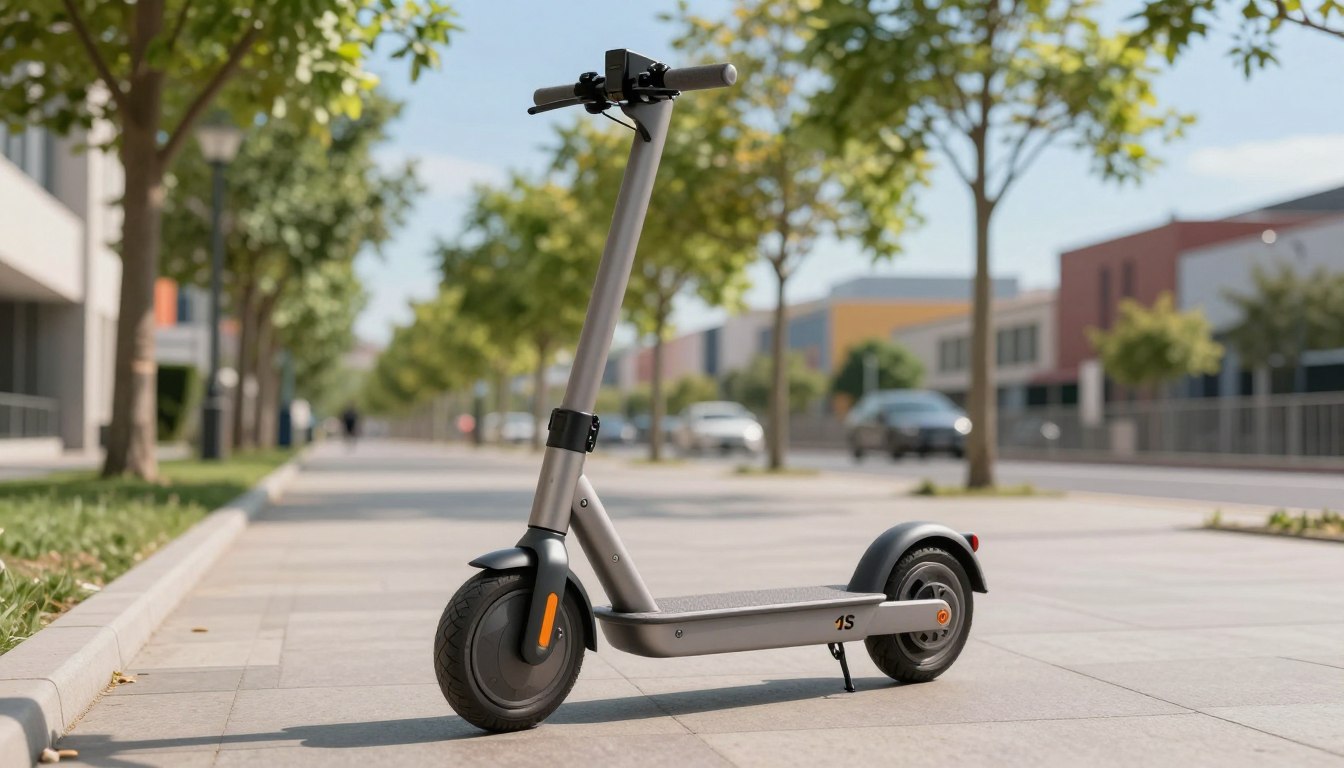
Can a compact commuter machine really replace a car for short trips and still feel safe, fast, and practical? This review looks at the midrange foldable model built by Ninebot and sold as a xiaomi electric scooter. It tests real-world commuting, not just lab claims.
Expect clear answers about speed, range, and daily use. The model aims for about 18 miles of range and a 25 km/h top speed, while staying light enough to carry at 12.5 kg. Those numbers matter, but so do how it rides, how it folds, and how often a rider charges.
The article frames this electric scooter as a last-mile tool. It compares marketing specs to actual performance under real conditions like rider weight, terrain, and weather. Readers will see which trade-offs matter most and whether this model offers true value among similar options.
Key Takeaways
- Real-world range often differs from lab figures; expect variance with weight and hills.
- Lightweight fold-and-carry design makes daily commuting easier.
- Top speed suits urban streets, but comfort and brakes are key safety checks.
- Battery management updates improve usability over older M365-style models.
- Value is judged by ride feel, reliability, and total ownership cost.
Quick take: where the Xiaomi electric scooter 1S fits in today’s electric scooter market
For many city riders, a lightweight fold-and-go model becomes the practical choice for last-mile travel. This model is built by Ninebot and marketed through Xiaomi as a compact commuter that favors portability and ease of use over raw speed.
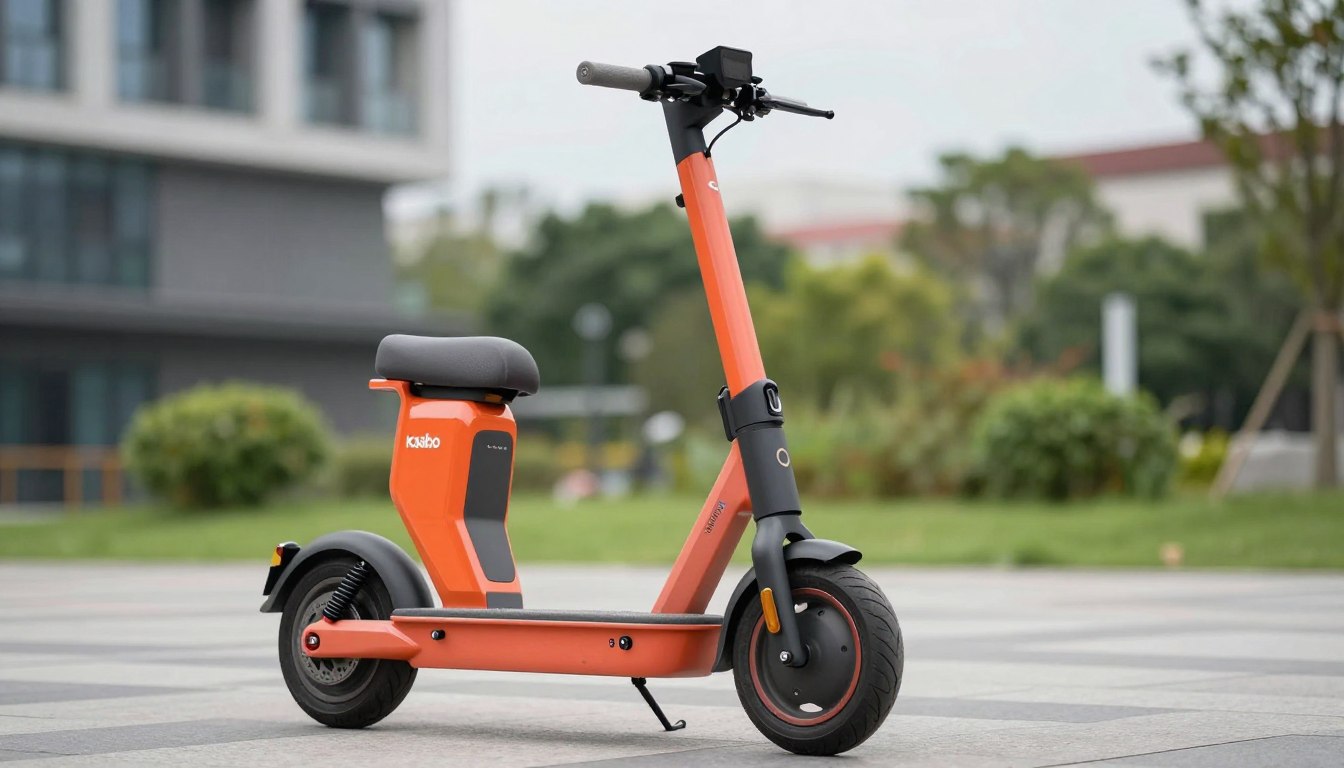
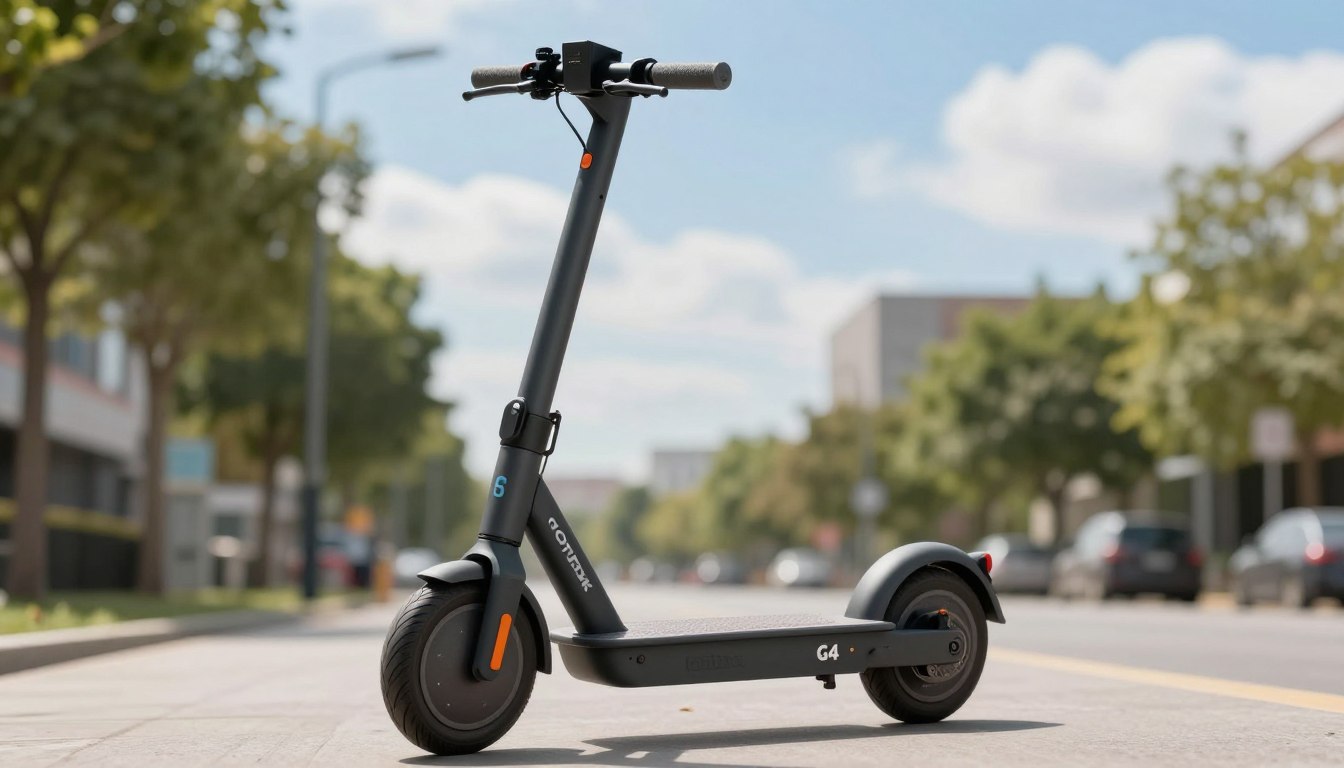
What it is: a foldable, low-weight commuter with a claimed 3-second folding action and a curb weight of about 12.5 kg. The compact design makes it simple to carry, store in trunks, or take on transit for short-to-medium trips.
Who it’s best for in the U.S.
It suits drive+trunk+ride commuters, campus users, and new riders who want a beginner-friendly, practical ride. The light weight and fast fold help in tight urban routines and when storage space is limited.
What’s new vs. the M365
The updated dashboard shows speed and mode at a glance, so riders need less phone reliance. External wiring is neater, and battery management is refined for smoother daily range and charging behavior.
- Connectivity: Bluetooth pairing to the Mi Home app provides ride stats, locking, and firmware updates.
- Everyday payoff: Faster folding, reduced bulk, and clearer readouts improve usability for routine trips.
Xiaomi scooter 1s specs that matter for buyers
This specs breakdown turns headline numbers into real-world expectations for daily commutes. It focuses on the figures that affect ride confidence, distance, and how easy the unit is to carry and store.
Top speed and modes
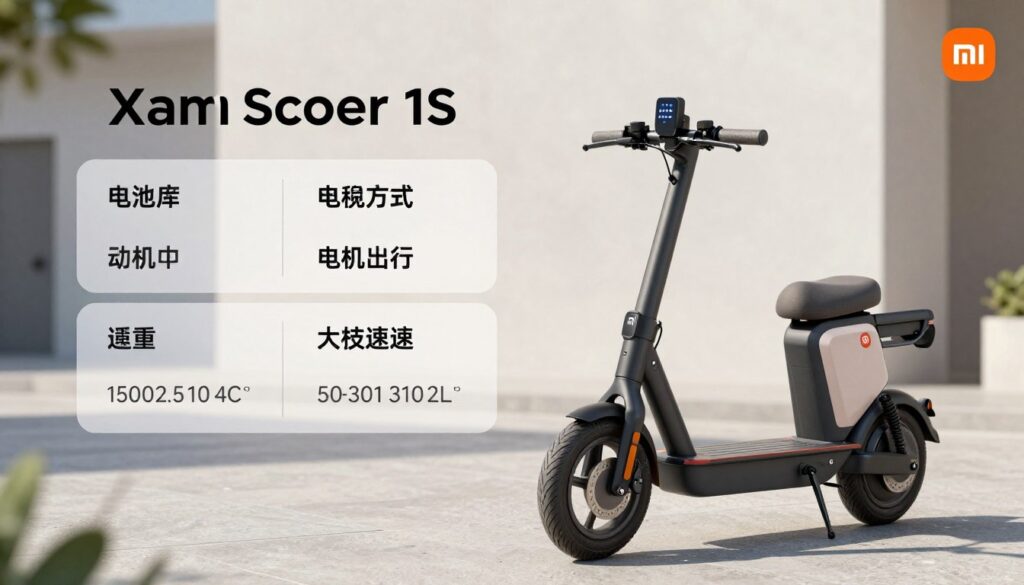
The model offers three modes: Pedestrian (5 km/h), D (20 km/h), and S (25 km/h). Speed limits help on shared paths and control energy use.
Range and battery
Claimed range is up to 30 km (~18 miles), but actual distance changes with rider weight, hills, and wind.
The 36V, 7,650 mAh / 275 Wh battery and smart BMS protect cell health and give reliable daily numbers.
Power, hills, and charge
A 250W rated motor with 500W peak handles short climbs and 14% grades at moderate pace. Charging takes about 5–5.5 hours, so overnight top-ups fit normal routines.
- Weight: 12.5 kg (easy to carry up a flight of stairs).
- Fold: Fast fold in about 3 seconds; folded height ~49 cm.
- Tires & water: 8.5″ pneumatic tires improve comfort but need pressure checks; IP54/IPX4 means light rain ok, avoid deep water.
- Limits: Max load 100 kg, recommended age 16+.
Design, controls, and everyday usability
This model’s layout focuses on simple, predictable controls for new and veteran riders alike. The outer shell uses an aerospace-grade aluminum alloy that keeps the body light yet resistant to corrosion and daily wear. Riders feel the difference in stiffness and fold reliability when carrying stairs or stowing in a trunk.
Minimalist aluminum body
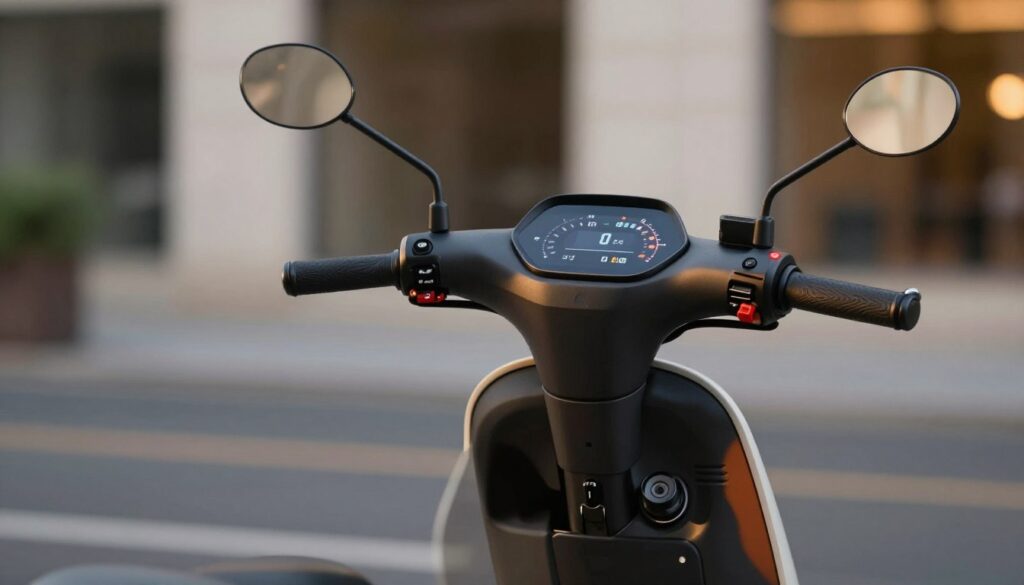
The streamlined body hides cables and keeps the look clean. The frame resists dings and holds alignment over time. That matters for long-term durability in city use.
Multifunctional dashboard
The dashboard shows speed, mode, battery level, and lock status at a glance. This reduces phone checks and gives instant ride information before taking off.
Controls layout and ergonomics
A right thumb throttle gives predictable response and a left lever operates the brake with good feedback. The bell doubles as the folding latch, so one motion secures the fold and warns pedestrians.
- Fit: Handlebar height is fixed on this folding platform — check reach if you’re very tall or short.
- Lock & app: On-screen lock status pairs with the Mi Home app for ride logs, settings, and firmware updates, but the built-in lock is a deterrent, not an absolute theft shield.
- Visibility: The front light and rear brake light sit where riders expect for dawn and dusk commuting.
Ride quality and performance on real roads
On city streets, ride stability and predictable steering make the difference between a relaxed commute and a tense one.
Handling and balance
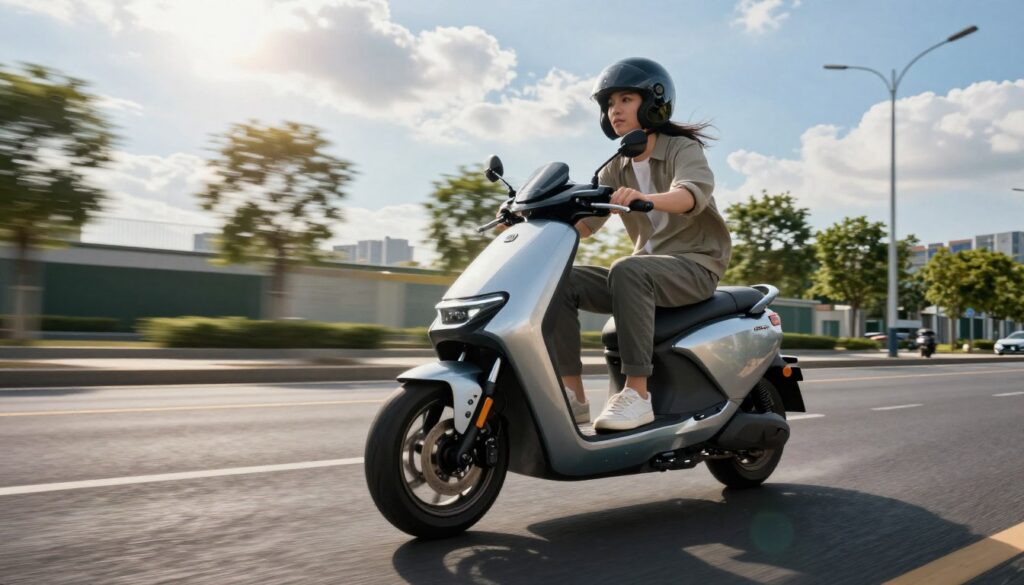
Riders find the platform well balanced and easy to control. Novices gain confidence quickly thanks to steady steering and a neutral center of gravity.
No suspension, but pneumatic tires help
There is no suspension, so the chassis transfers more feedback from rough surfaces.
8.5″ pneumatic tires soften typical asphalt bumps and reduce vibration compared with solid wheels. Still, broken pavement and cobblestones remain jarring.
City riding limits and curb transitions
Small wheels demand more attention over potholes and sharp seams. That means slightly lower speed and careful lines on poor roads.
Deck scraping can occur on steep curb cuts or uneven driveways; approach at an angle and slow down to avoid it.
Cruise control and energy recovery
Cruise control eases thumb fatigue on longer straight stretches by holding a steady speed. Many riders settle into mid-teens mph for comfortable, efficient travel.
Regenerative braking converts some kinetic energy back to the battery via adjustable KERS settings in the app. It helps extend distance modestly and smooths deceleration.
- Performance tip: Reduce speed over poor road sections to protect tires and rims.
- Comfort tip: Keep tire pressure correct for the best blend of grip and shock absorption.
- Efficiency tip: Use cruise control on straight runs to conserve energy and reduce fatigue.
Safety and braking system, lights, and visibility
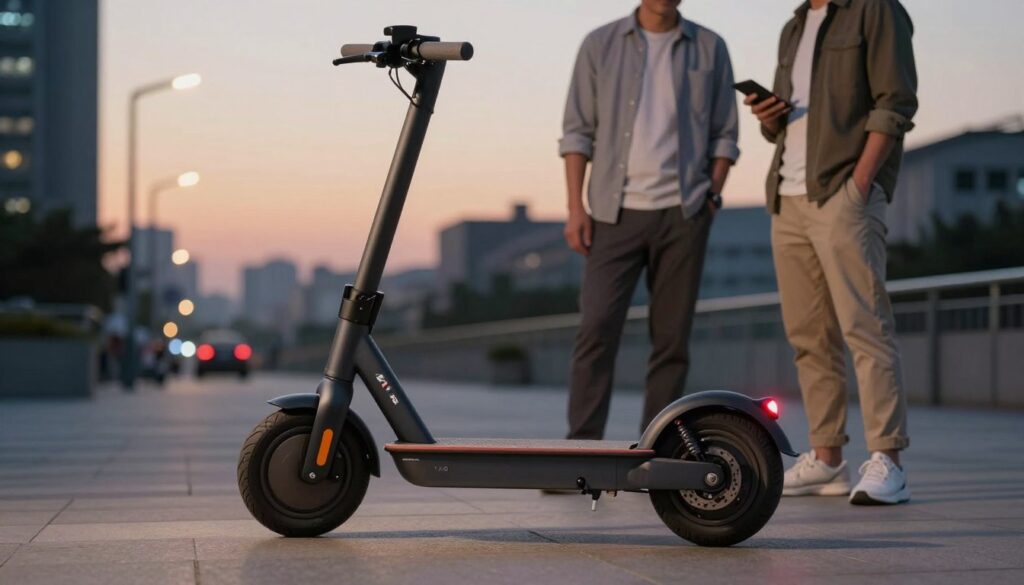
Good brakes and clear lights are the basics that make urban rides feel secure. This model pairs a front E‑ABS regenerative system with a rear mechanical disc. Together they form a dual braking setup that helps riders control speed and stay upright during hard stops.
How the dual system works
The front E‑ABS uses regen to slow the wheel while stabilizing the deck. The rear mechanical disc provides strong, predictable stopping power when more force is needed.
Why it matters: front-first regen reduces weight transfer, then the rear disc finishes the stop. That front/rear sequence shortens braking distance and improves stability versus single‑brake setups.
Braking distance and real-world notes
Published tests cite stopping figures near four meters under ideal conditions. Real braking distance varies with speed, traction, and rider stance.
Practical tip: ride within sight lines, reduce speed on wet or gritty streets, and practice two‑finger braking to learn the system’s feel.
Lights, reflectors, and night visibility
The front headlight (reported between 1.1W–2W) illuminates the path while an upgraded rear brake light blinks on decel and can auto‑illuminate with the headlight. Reflectors sit front, side, and rear for added visibility at intersections.
Good lighting increases reaction time for drivers and pedestrians, especially at dusk.
Smart safety habits
- Helmet first: always wear a helmet — it’s the single best way to reduce head injury risk.
- Watch pavement: small wheels punish rough surfaces; slow down on potholes and seams.
- Theft deterrence: app locks help, but they are not foolproof. Use a physical lock and park in visible, well-lit areas to reduce the theft problem.
For riders comparing models, this combination of E‑ABS regen, rear disc brake, and upgraded lighting gives practical, city-ready safety for short commutes. Learn more or check availability at the official retailer pages like detailed specs and pricing or a local dealer listing such as dealer and accessory options.
Is it worth the price? The final verdict on value, pros, cons, and who should buy
Buyers want a clear answer: does the price match everyday gains in portability and predictable performance?
Value here is practical. For city commutes the model delivers easy folding in seconds, light carry weight, and a familiar ride feel similar to earlier mid‑range electric scooter designs.
Pros include simple controls, a clearer dashboard, and efficient energy management that extends battery life when charged regularly. Cons are small wheels, no suspension, and a sharp performance dip under ~5% battery.
It suits beginners, last‑mile commuters, and riders who prioritize carry and ease over max speed or long distance. Skip it if your routes need long range, steep climbs, or rough roads.
Service access and spare parts via authorized channels matter. Check dealer support to keep tires, brakes, and the app‑linked system in good working order.
FAQ
What is the Xiaomi Scooter 1S and who made it?
The Xiaomi Scooter 1S is a lightweight, foldable electric commuter built by Ninebot in partnership with Xiaomi. It targets last-mile riders and beginners who need a compact, portable ride for city trips.
What top speed and speed modes does it offer?
It offers three speed modes—Pedestrian, D, and S—with a top speed of about 25 km/h (roughly 15–16 mph). Riders can switch modes to balance safety, battery life, and acceleration.
What realistic range can a rider expect per charge?
Real-world range reaches up to about 30 km (around 18 miles) under ideal conditions. Factors such as rider weight, road grade, riding mode, and frequent braking affect actual distance.
How powerful is the motor and how does it handle hills?
The rated motor power is 250W with a peak output up to 500W. It handles moderate climbs—up to about a 14% grade—best when lightly loaded and in the stronger speed mode.
What are the battery specifications and charging time?
The battery is a 36V pack rated at 7,650 mAh (about 275 Wh) with a smart battery management system (BMS). Charge time is roughly 5 to 5.5 hours using the standard charger.
How much does it weigh and is it easy to carry?
The unit weighs about 12.5 kg (around 27.5 lb). The aluminum frame and 3-second folding mechanism make it fairly portable for short carries onto transit or into buildings.
What kind of tires and ride comfort does it deliver?
It uses 8.5″ pneumatic tires that improve comfort over small bumps. Without dedicated suspension, larger potholes and rough curb transitions can still feel sharp, but tires help smooth everyday city surfaces.
How effective is the braking system?
The scooter uses front E-ABS regenerative braking combined with a rear mechanical disc brake. This dual setup helps control braking distance and stability by blending electronic regeneration with mechanical stopping power.
What lighting and visibility features are included?
It features a front headlight and an upgraded rear brake light that improves visibility. Reflectors and side visibility elements help night riding, but riders should still use high-visibility gear and follow smart safety habits.
Is it water resistant and safe in light rain?
Sources report IP54 and IPX4 ratings across versions; generally, the scooter tolerates light rain and splashes but it’s not designed for heavy downpours or deep puddles. Avoid prolonged exposure to water to protect electronics and the battery.
What are the rider weight limits and age recommendations?
The recommended maximum load is about 100 kg (220 lb). Manufacturers generally suggest riders be at least 16 years old; local laws and helmet rules may impose stricter limits.
How does it compare to the M365 model?
Compared with the M365, the 1S features a cleaner dashboard, tidier wiring, and refined battery management. These updates improve user experience, though core performance—speed and range—remains similar.
Are there smart features and an app for the scooter?
Yes. The scooter works with a companion app that shows speed, battery status, and lock controls. It also enables firmware updates and basic ride stats for more convenient management.
What is the typical charging cycle life and battery longevity?
Battery longevity depends on charging habits, temperature, and use. With normal urban commuting and proper care—avoiding full discharges and extreme heat—users can expect a useful battery life measured in several hundred full cycles.
How long is the braking distance in everyday conditions?
Braking distance varies with speed, road surface, and tire condition. The combined regenerative front brake and rear disc brake offer dependable stopping power for typical city speeds, but wet or slippery roads will increase distance.
What maintenance and service should owners expect?
Regular checks include tire pressure, brake adjustment, and firmware updates. Periodic mechanical inspection for the rear brake pads and fastening points helps keep the ride safe. Local service centers can handle more complex repairs.
Is cruise control available and how does it work?
Yes, the scooter offers a cruise control feature that maintains a steady speed after reaching a set velocity. It reduces rider fatigue on longer flat stretches but will disengage with heavy braking or steep inclines.
What are common problems owners report and tips to avoid them?
Reported issues include flat tires, degraded range over time, and occasional app connection glitches. Preventive tips: keep tires properly inflated, avoid charging to extreme temperatures, and keep firmware updated through the app.
How compact is it when folded and can it fit in public transit?
It folds down quickly to a compact profile with a folded height around 49 cm, making it suitable for buses and trains where foldable micro-mobility devices are allowed. Always check local transit rules for carriage policies.
What accessories improve safety and convenience?
Useful add-ons include an aftermarket bell or horn, stronger locks, reflective decals, a helmet, and a portable tire repair kit. A dedicated carrying strap or bag can help when lifting the scooter onto transit.
Is the price worth the value for commuters?
The model offers solid value if the buyer prioritizes portability, simple design, and reliable daily commuting range. Riders needing higher speed, longer range, or suspension might consider higher-end alternatives.