Buy Xiaomi Electric Scooter 3: Price and Details
 PopScooter Team
February 15, 2026 8:50 am
.
11 min read
PopScooter Team
February 15, 2026 8:50 am
.
11 min read
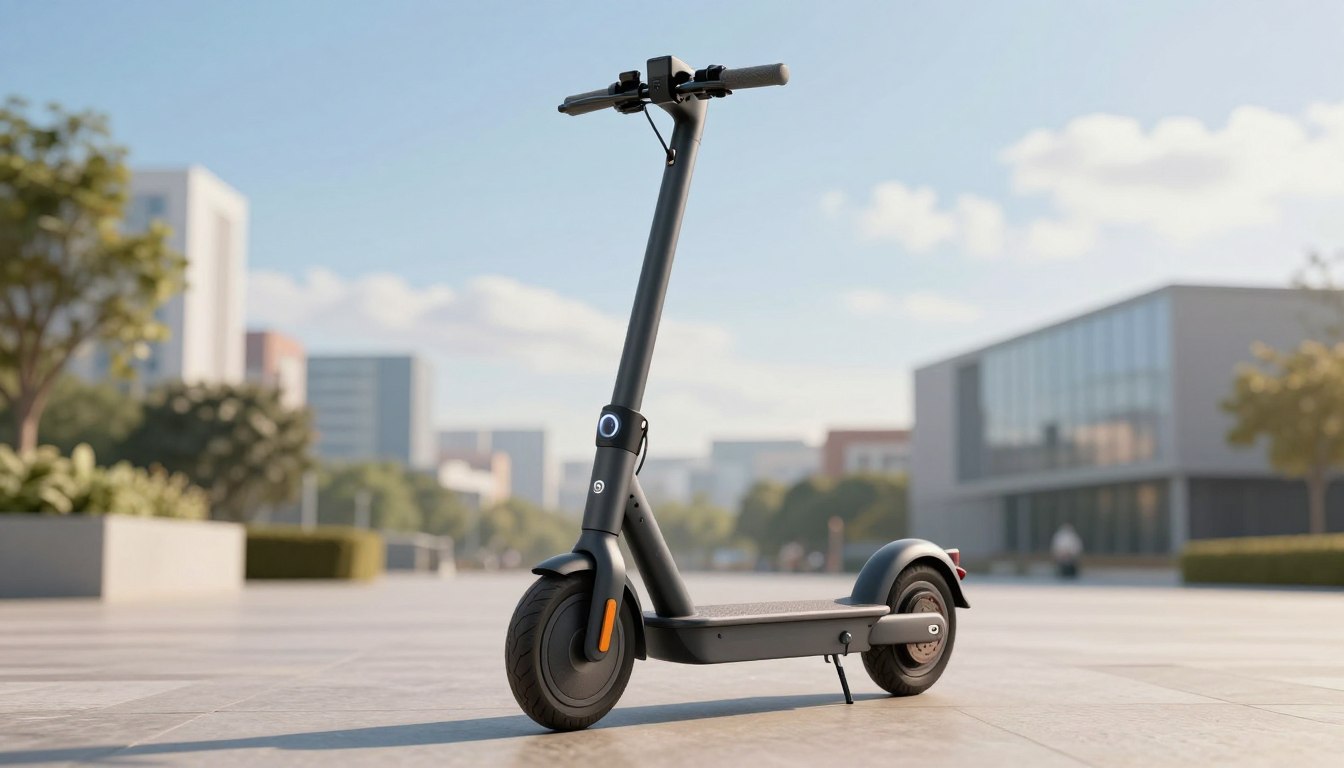
Can a lightweight, foldable commuter ride really replace short car trips and make daily transit easier?
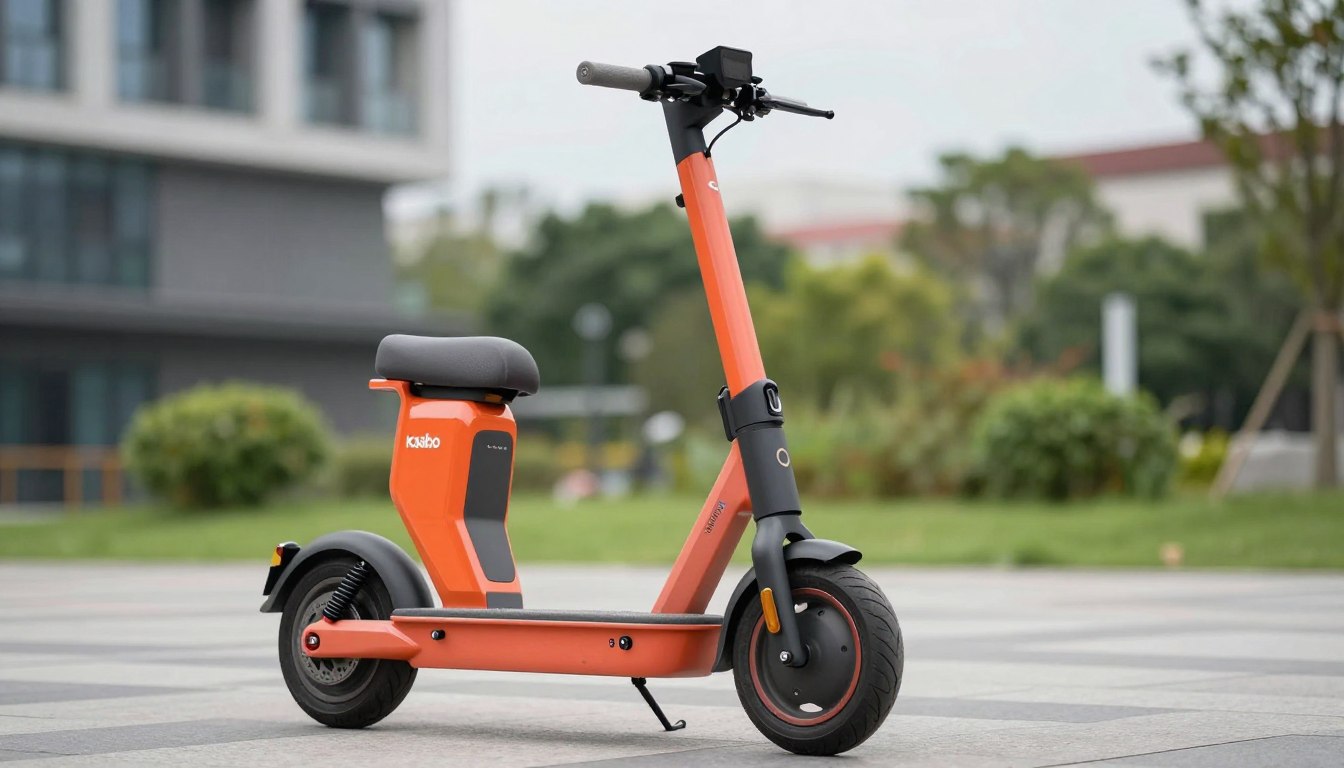
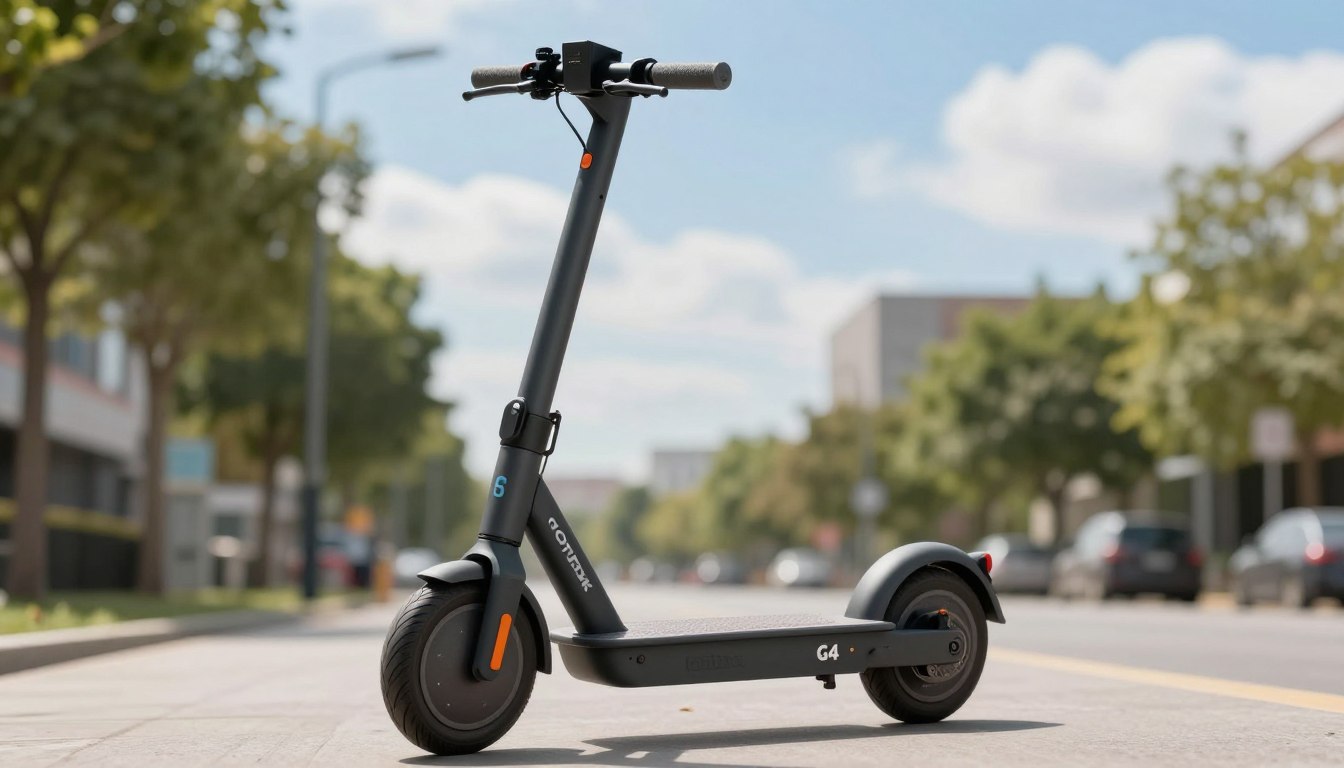
The model is a compact, foldable commuter ride built by Ninebot and styled under a well-known design name. It sits between the 1S and Pro 2 in the lineup and leans closer to the 1S for urban use.
Core specs include about a 30 km (18 mi) range, a top speed near 25 km/h (16 mph), a 300W rated motor with a 600W peak, and 16% hill grade capability. It weighs roughly 13.2 kg and runs on 8.5″ pneumatic tires.
Buyers should note two upfront limits: there is no suspension and the wheels are small. Those choices affect ride comfort on rough pavement and when riding over curbs.
This review will translate specs into real commuting experience, covering portability, storage, daily usability, and the app features. Later sections will explain who benefits most, how it compares to the 1S and Pro 2, and what matters before purchase.
Key Takeaways
- Designed as a foldable commuter with trusted Ninebot manufacturing.
- Good range and city speed for short trips; real results vary by rider and terrain.
- Lightweight and portable, but no suspension and small wheels limit comfort.
- App support and three ride modes boost daily convenience.
- This review will compare it to nearby models and give practical buying tips.
Xiaomi Electric Scooter 3 price in the US and who it’s best for
This model sits squarely between the 1S and Pro 2, offering a compromise of weight, climb ability, and everyday usability.
The ride is ideal for short-to-mid commutes, last-mile legs to transit, campus trips, and relaxed weekend cruising on smooth paths. Its top speed of about 25 km/h (16 mph) is quick enough for bike lanes and neighborhood streets but not built for high-speed roads.
Range is best viewed as practical day-to-day performance: up to 30 km (18 miles) can cover many round trips, yet hills, heavier riders, cold weather, and aggressive modes will cut that down.
Value vs. the 1S and Pro 2
Why pay more than the 1S? The higher power output (300W rated, 600W peak) helps on inclines and keeps speed more consistent uphill.
Why not pick the Pro 2? Buyers who need maximum range and longer rides will still favor the Pro 2 despite extra weight and cost.
- Flatter cities and lighter riders can save with the 1S.
- Frequent hills favor this mid-range model.
- Long-distance commuters should consider the Pro 2.
Questions to ask before buying: How long is a typical trip, what’s the steepest hill, where will it be stored, and what local rules apply?
Key specs that matter before buying
Before buying, buyers should check the real-world numbers that shape daily use: speed, climbing ability, and battery life.
Riding modes and speed caps. There are three modes: Pedestrian mode (0–5 km/h) for crowded areas, Standard (0–20 km/h) for everyday trips, and Sport (0–25 km/h) for open stretches. Riders switch modes by pressing the power button twice. Note the listed speeds are in speed km/h and translate to roughly 16 mph at the maximum speed.
Power and hills. The motor is rated 300W with a 600W peak. That power output matters most on starts and when climbing; the unit is rated for about 16% gradeability.
Battery and range. The 7650mAh (275Wh) battery gives up to 30 km in ideal conditions. Real range falls with rider weight, wind, and frequent use of Sport mode. Battery level affects output as it nears the bottom.
- Charging: listings show 5.5–8 hours, so plan an overnight charge.
- Portability: weight is ~13.2 kg with a 100 kg max load; folding helps but stairs remain a test.
- Comfort: 8.5″ pneumatic tyres smooth bumps, but no suspension means rough surfaces are still felt.
- Build: aerospace-grade aluminium alloy frame keeps it light and sturdy, with basic color options available.
Ride experience and daily usability
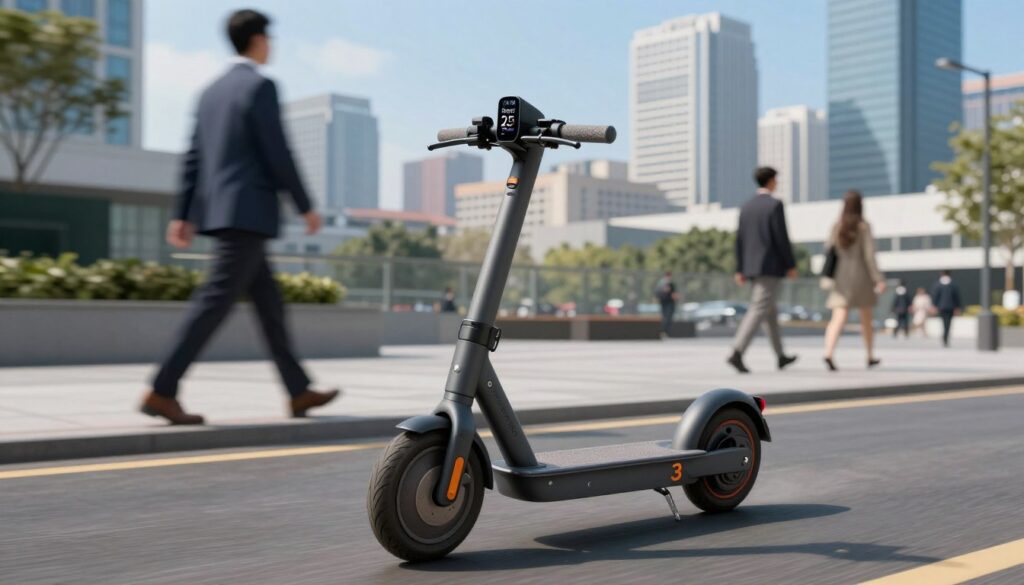
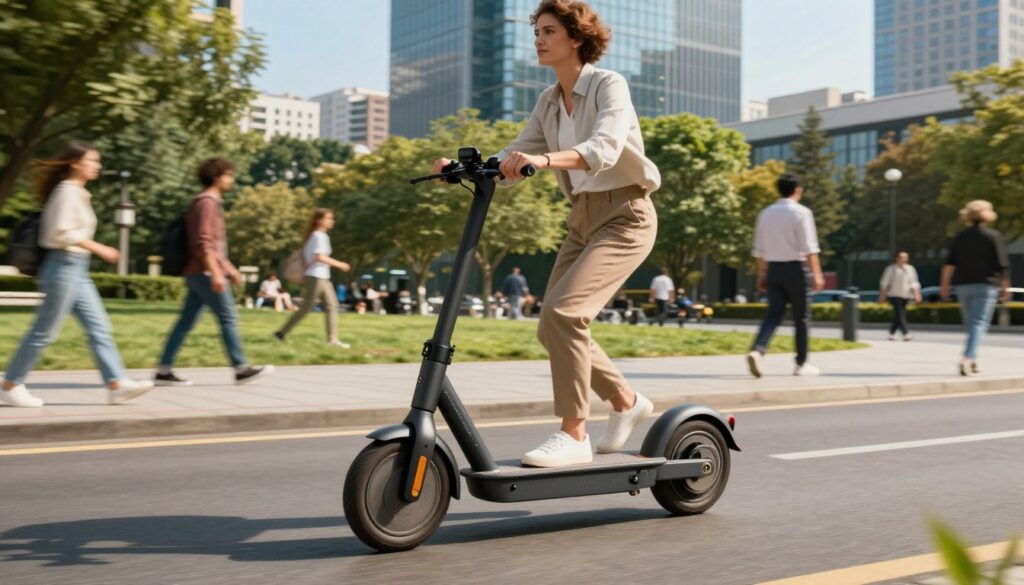
First rides matter. City riders will notice how planted the ride feels from the first block, thanks to the low, battery-mounted center of mass.
Acceleration and control: real-world starts feel smooth and controlled. The right-side accelerator button and left-side brake lever work like a familiar bike setup, so new riders adapt faster. Mode switching by the power/button is quick for sidewalks, paths, or bike lanes.
Clearance and city obstacles: the deck sits relatively low and can scrape on curb cuts or pavement edges. Approach transitions slowly, unweight the deck when needed, and avoid deep potholes or cobblestones when possible.
Daily comfort: 8.5″ pneumatic tyres soften small bumps, but no suspension means rough patches still jolt the rider. Riding at a moderate speed and scanning ahead improves comfort and safety.
Folding and storage: the TÜV-tested 3-step folding system (lift the connecting buckle, lift and press down, fold together) makes short-term storage in apartments, trunks, or transit easier.
Safety, braking system, and battery protection tech
Stopping power and battery safeguards are key to everyday confidence on a commuter ride.
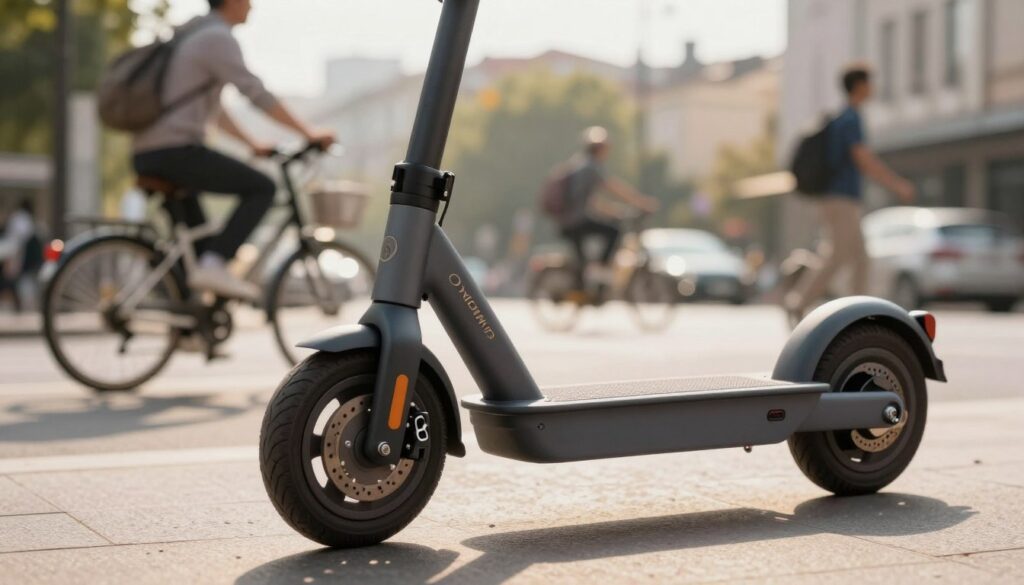
Braking hardware and feel. The ride pairs an E-ABS regenerative front braking system with a new rear dual-pad disc brake. The E-ABS helps control speed smoothly and supports energy recovery during deceleration. The rear dual-pad disc design gives more stable modulation and longer pad life for daily use.
The listed braking distance is about 6.2 m. Actual stopping depends on tyre pressure, rider weight, and surface. That 6.2 m figure gives a useful benchmark when comparing models.
Visibility and lights. The built-in LED rear warning light plus three-sided reflectors — large front, and bidirectional side reflectors — improve night-time visibility and help drivers spot the rider at intersections.
Battery management and sleep mode. A fifth-gen BMS protects against short circuit, overcurrent, overcharge, over-discharge, and temperature issues. If the battery level falls under 30% and the unit sits unused for about 10 days, it enters sleep to preserve cells; a brief charge (about 3 seconds) wakes it. Buyers can check official sleep guidance in the support FAQ linked here: battery sleep info.
Energy recovery and app features. KERS recovers kinetic energy during braking and coasting, converting kinetic energy into electrical energy to add marginal range. The Mi Home / Xiaomi Home app lets riders lock/unlock via Bluetooth, view ride stats, adjust recovery settings, and receive firmware updates. Confirm the included power adapter type and warranty terms before checkout and compare seller listings here: detailed model page.
Final take on whether it’s worth buying right now
Final take: it’s worth buying now
This mid-range electric scooter offers a solid mix of portability, reliable braking, and usable power for everyday city trips.
Buy it if you face moderate hills and want better power output than entry models, plus app support and KERS for small efficiency gains.
Skip or consider alternatives if your commutes need maximum range, or if roads are consistently rough since the small tyres and no suspension reduce comfort.
Remember: real-world range and speed vary with rider weight, hills, wind, and mode. Plan a buffer and charge overnight.
Quick checklist: route distance, steepest incline, storage/carry at ~13.2 kg, charging routine, and how vital braking and lights are where you ride.
FAQ
What is the typical price in the US and who is this scooter best for?
Price varies by retailer and promotions, but it usually sits in the mid-range for personal mobility devices. It suits commuters on short to medium routes, last-mile riders who connect to transit, and weekend riders who want a lightweight, foldable option with decent range and portability.
How does it compare to earlier models like the 1S and Pro 2 in value?
Compared with the 1S, this model offers improved motor output and slightly better range for similar weight, making it a step up for riders who want more hill performance. Versus the Pro 2, it trades some top-end range and power for a lighter frame and easier carry, so buyers should pick based on whether they prioritize portability or maximum range and torque.
What top speed and riding modes are available?
It provides three riding modes: Pedestrian, Standard, and Sport. Top speed depends on local regulations and firmware, but Sport mode unlocks the highest performance for quick commutes while Pedestrian mode limits speed for crowded areas and increased safety.
What is the motor power and how well does it climb hills?
The drive system is rated at about 300W continuous with peaks near 600W. That gives roughly 16% gradeability under ideal conditions, which handles moderate hills well for most urban routes, though steep or long climbs will reduce speed and range.
What range and battery capacity can riders expect?
The listed capacity is around 7650 mAh (about 275 Wh), yielding up to roughly 30 km per charge under ideal conditions. Real-world range depends on rider weight, terrain, riding mode, and speed.
How long does charging take?
Charging times vary by charger and battery state; expect roughly 5.5 to 8 hours for a full charge depending on the adapter and how drained the pack is.
What are the weight, load limit, and how portable is it?
The curb weight is about 13.2 kg, with a recommended maximum load near 100 kg. It uses a compact, TÜV-tested folding system and aluminum alloy frame that makes it easy to carry for short stints and store in tight spaces.
What tyres and ride comfort should buyers expect?
It comes with 8.5-inch pneumatic tyres but no dedicated suspension, so riders will feel vibrations and impacts from rough pavement. The tyres absorb some shock, but expect firmer feedback over potholes and curbs.
What materials and finish make up the frame?
The frame uses aerospace-grade aluminum alloy for a strong yet lightweight chassis. Finish options vary by market and typically include neutral colorways with a clean, minimal look.
How does acceleration and handling feel for new riders?
Acceleration is smooth, with a low center of gravity that aids stability. Standard mode gives predictable power delivery for beginners, while Sport mode adds brisker acceleration for experienced users.
How does it cope with city obstacles like curbs and potholes?
Clearance and tyre size handle small curbs and typical urban debris, but large potholes and sharp drops can be jarring. Riders should slow down and use caution over uneven surfaces to protect the frame and battery.
How reliable is the folding mechanism for daily use?
The three-step TÜV-tested folding system is robust and designed for frequent folding. It locks securely but should be checked regularly for wear and kept clean to ensure long-term reliability.
What braking system is fitted and how effective is it?
The braking setup pairs E-ABS regenerative front braking with a rear dual-pad disc brake for strong stopping power. Regeneration helps control speed and returns some energy to the battery, while the disc brake provides consistent emergency stopping force.
What visibility and lighting features improve safety?
The scooter includes a bright headlight, an LED rear warning light, and three-sided reflectors to boost visibility from multiple angles during night rides or low-light conditions.
How is the battery protected and managed?
A multi-layer Battery Management System (BMS) provides overcharge, overdischarge, short-circuit, and temperature protections. The system also supports an auto sleep mode to conserve charge when idle.
Is there energy recovery when braking?
Yes, the regenerative braking system (KERS-style) converts some kinetic energy back into electrical energy during deceleration, extending effective range slightly and smoothing slows.
What app features and connectivity are available?
The companion app connects via Bluetooth and offers a lock feature, ride statistics, firmware updates, and ride mode adjustments. It helps monitor battery level, total distance, and system health.
Are spare parts and maintenance services widely available?
Parts like tyres, brake pads, and chargers are broadly available through authorized dealers and third-party suppliers. Routine maintenance—tyre pressure, brake adjustment, and firmware updates—keeps the scooter performing reliably.
What safety tips should riders follow?
Riders should wear a helmet, obey local speed laws, use Pedestrian mode in crowded areas, inspect brakes and tyres before rides, and avoid wet or icy surfaces. Regular charging and avoiding full discharge help maintain battery health.
Is it worth buying now or better to wait for a newer model?
It remains a solid choice for riders who prioritize portability, decent hill performance, and modern safety features at a mid-range price. Those needing maximum range or higher top speed might consider larger models, but for everyday urban use this model offers a compelling balance.