Ride Wolf Scooters: Affordable Electric Scooters for Sale
 PopScooter Team
November 25, 2025 4:44 pm
.
9 min read
PopScooter Team
November 25, 2025 4:44 pm
.
9 min read
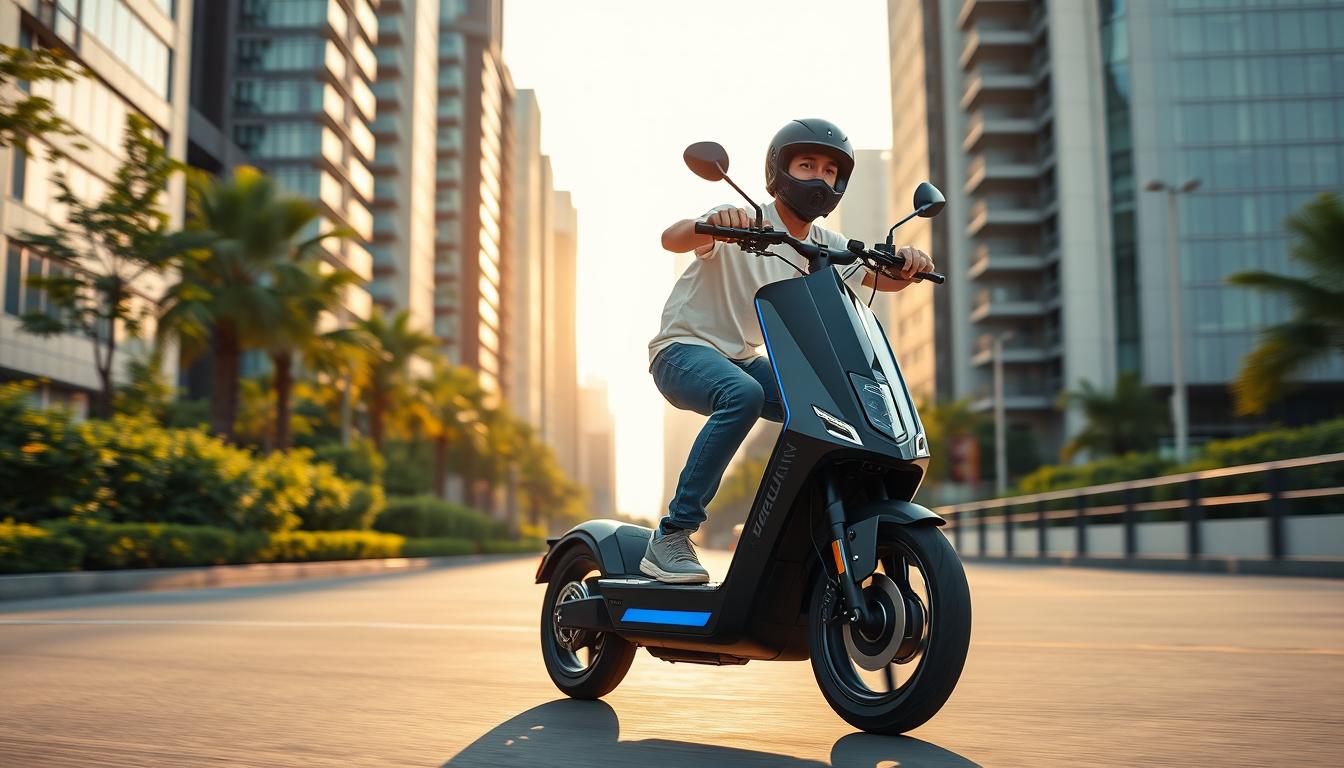
Can an affordable ride really match the look and reliability of premium small bikes? This question matters to shoppers who want smart daily transport without breaking the bank.
They find that Wolf Brand blends practical value with fun. The lineup—from the RX-50 to the Striker—offers clear choices for city cruising or longer runs. Riders see options with strong MPG, solid top speeds, and campus-friendly appeal.
Price transparency and a visible parts network make buying simple. Shoppers can compare out-the-door costs and match a model to their commute, whether they want a retro Islander or the sporty Blaze.
With warranties and a national presence, these brand scooters deliver reliable ownership and style. The result is a smart, budget-wise choice that still feels like a treat to ride.
Best-value rides from a trusted brand—style, speed, and savings today
Shoppers can get modern looks without guessing the final purchase cost. Clear sale tags and posted door price examples help buyers plan at a glance.
Price, value, and out-the-door transparency
Listed sale prices—like the RX-50 at $1,499 and Islander at $1,549—pair with out-the-door math (RX-50 ≈ $1,624 + tax; Islander ≈ $1,724 + tax). This direct approach removes surprises at the dealer and saves time at checkout.
Eco-friendly rides with excellent mileage and low maintenance
Most 49.6cc 4-stroke, air-cooled models hit 100+ MPG and top out near 30 MPH. That fuel efficiency keeps daily costs low.
- Warranty available and a parts warranty add peace of mind.
- Durable tires and common replacement parts simplify maintenance.
- Low routine maintenance and widespread service resources keep ownership balanced and predictable.
wolf scooters: current models, prices, and key specs
From economy city runners to mini-moto flyers, the model range covers practical choices and bold options.

RX-50 — economy favorite
Engine: 49.6cc 4-stroke, air-cooled; automatic CVT. Mileage: ~100+ MPG and ~30 MPH top speed. Seat 31″, dry weight 175 lbs. Door price ≈ $1624 + tax.
Blaze — sporty upgrades
49.6cc with LED headlights, performance carb, MotoBatt battery, DURO tires, and 12″ rubber. Seat 33″, dry weight 220 lbs; out-the-door ≈ $1924 + tax.
Islander — retro beach cruiser
Same efficient 49.6cc setup, 30″ seat, 3.5″ x 10″ tires, colorful options, and door price ≈ $1724 + tax.
Jet, Lucky, Rugby, Striker — quick notes
- Jet: low 29.6″ seat, room for a passenger, 49.6cc, ≈100+ MPG.
- Lucky: bold colors, 49.6cc (or 150cc option), easy handling.
- Rugby: dual shocks, disc brakes, digital speedo for off-road style.
- Striker: 125cc mini, 4-speed manual, ~60 MPH top speed, more range for longer rides.
Warranty: Every model includes a 1 Year Non-Wearable Parts Warranty, and current sale prices lower several door price examples for quick savings.
Ownership made simple: warranty, parts, and long-term value
A solid warranty and durable components turn daily commuting into low-stress ownership. Clear coverage and reliable parts reduce surprises and keep costs predictable. Owners can plan service and enjoy steady performance over time.
2 Year Limited Warranty: parts coverage & peace of mind
Year one offers near-bumper-to-bumper parts coverage, protecting the engine, electrical system, battery, and other non-wearable components. That full first year helps new riders stay road-ready.
Year two extends frame and battery coverage, which lowers risk on larger repairs and supports long-term value.
Quality components that last
Manufacturers fit premium items like Gates belts, DURO tires, and MotoBatt or TET batteries to boost reliability. Select models add performance carburetors for crisper response at everyday speed.
Care and maintenance: easy checks that extend life
Routine care is straightforward. Owners should check tire pressure, belt condition, fluid levels, and battery health on a regular schedule.
- Simple tasks help preserve fuel economy and overall life.
- Clear parts support and warranty available make it easier to plan repairs.
- Frequent commuters benefit from extended battery coverage into year two.
Battery and parts warranty details to keep you riding
The layered approach—model-level 1 Year Non-Wearable Parts Warranty plus the broader 2 Year Limited Warranty—creates backup that owners can count on.
In short: quality parts, routine care, and accessible parts warranty keep ownership balanced between cost and performance.
Find your fit: match model, speed, and style to your ride
Matching a model to daily routes makes every ride easier and more fun. Buyers should weigh route length, desired speed, and comfort before picking a scooter.
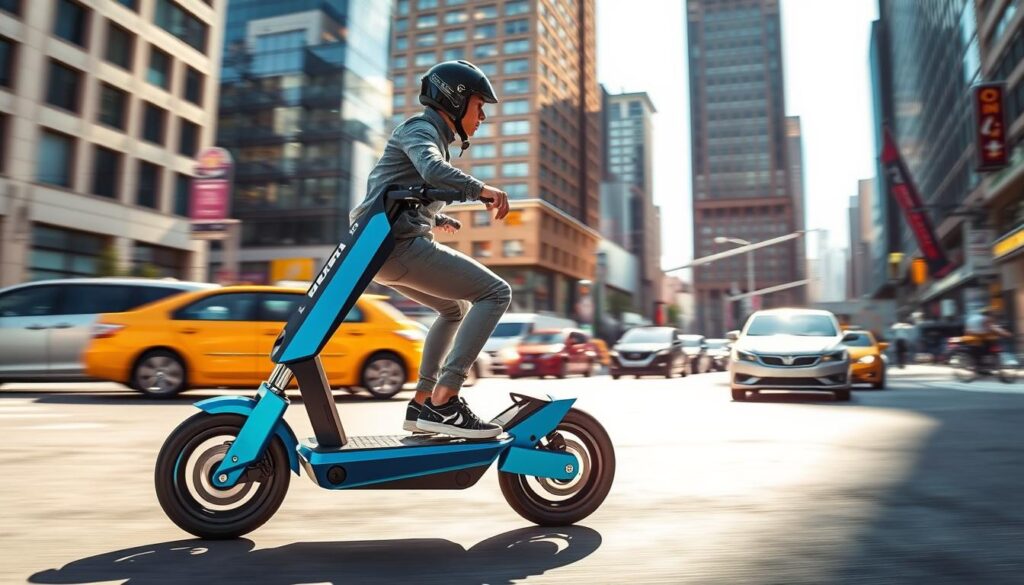
Riding style and handling: city commutes, campus, or all-terrain vibes
City riders often pick 50cc models that hit about 30 MPH and deliver ~100+ MPG for low fuel cost. These models are light in weight and offer nimble handling for tight parking and short trips.
For open roads, the mini Striker with a 125cc engine reaches ~60 MPH and suits longer miles. Off-road flavor comes from Rugby’s larger tires and dual shocks for confident balance.
Budget and timing: sale prices, out-the-door price, and time to ride
Posted sale figures make price planning simple: RX-50 at $1,499 and Islander at $1,549, with typical door examples like $1624 + tax. Compare door costs, warranty terms, and maintenance needs before you buy.
- Seat height affects control—29.6″ seats suit shorter riders while 33″ seats suit taller riders.
- Tire size and dry weight change handling; 12″ tires feel more planted at speed.
- Timing a purchase during seasonal deals can lower the final price and get riders on the road sooner.
Test rides help confirm throttle response, seating comfort, and overall balance so the chosen model matches daily riding needs. For model comparisons, they can also compare electric models to see handling and option differences side by side.
Ready to ride now—shop deals and schedule a test ride today
Customers may check live prices, reserve a test ride, and validate handling in under an hour.
Staff will review door and tax figures, sample out-the-door examples (RX‑50 ≈ $1,624 + tax; Islander ≈ $1,724 + tax), and outline expected mpg and speed in real conditions—about 30 mph for 50cc models and up to 60 mph for the Striker.
On the floor, riders compare weight, colors, tires, and ergonomics. A short demo confirms acceleration, braking, and ride feel so choosing a scooter matches daily miles and fuel goals.
Parts warranty and parts support are explained before purchase, and staff will map first service intervals to protect performance from day one. Booking a test ride saves time and gets buyers on the road fast.
FAQ
What models are available and how do they differ?
The brand offers several choices to suit different riders. The RX-50 is an economy model focused on fuel efficiency and a 30 mph top speed. The Blaze brings sporty styling with LED lights and performance upgrades. The Islander has a retro, beach-cruiser vibe for relaxed commutes. The Jet emphasizes smooth riding and passenger room while delivering near-100 MPG. Lucky comes in 49cc and 150cc options with bold colors, and the Rugby delivers a motocross stance with dual shocks and disc brakes. The Striker is a mini-moto 125cc capable of about 60 mph for riders seeking more speed and agility.
What should a buyer expect for price and out-the-door cost?
Pricing depends on model, engine size, and optional upgrades. Economy models like the RX-50 are the most affordable, while performance or larger-displacement models cost more. Out-the-door price typically includes documentation, tax, and any dealer prep fees; buyers should request a written breakdown before purchase to avoid surprises. Seasonal deals and financing can lower monthly cost and time to ride.
How fuel-efficient are these rides and what mileage can owners see?
Many smaller-displacement models deliver excellent mileage—some exceed 100 MPG—making them cost-effective for daily commuting. Larger engines and aggressive riding will reduce fuel economy, so real-world mileage varies by speed, load, and maintenance habits.
What top speeds can riders expect from the different models?
Top speed depends on the model and engine. The RX-50 reaches about 30 mph, the Striker can approach 60 mph, and mid-range models vary in between. Riders should choose a model that matches local speed limits and intended use, whether neighborhood cruising or highway-capable travel.
What warranty coverage is offered?
The lineup includes a 2 Year Limited Warranty that covers many parts and offers peace of mind for typical ownership issues. Specifics vary by component, so buyers should review the warranty booklet for covered items, exclusions, and required maintenance to keep the warranty valid.
Are replacement parts high quality and easy to find?
Yes. The brand uses reputable components such as Gates drive belts, DURO tires, and MotoBatt batteries on many models. Dealers and authorized service centers stock parts and can order items when needed, which helps keep downtime and long-term costs low.
How much routine maintenance is required?
Maintenance is straightforward: regular oil and filter changes for gas models, periodic belt and tire inspections, brake checks, and battery care. Following the owner’s schedule maximizes life and mileage and helps preserve parts warranty coverage.
Do electric or battery-powered options exist, and what warranty applies?
Some models offer battery-assisted or full-electric variants. Battery and parts warranty details vary; buyers should confirm terms for battery capacity, prorated replacement, and any required charging practices to maintain coverage.
What handling and riding styles suit each model?
City commuters or campus riders benefit from compact, nimble models with good balance. Beach or cruiser fans should choose retro-styled options like the Islander. Off-road or rough-street riders may prefer the Rugby’s suspension and braking package, while sport-minded users pick the Blaze or Striker for responsive handling.
Can these models carry a passenger and what is the seat capacity?
Several models are designed for two-up riding; the Jet explicitly offers room for a passenger. Seat configuration and weight limits vary, so consult the spec sheet for payload capacity and recommended use to ensure safe handling and warranty compliance.
What colors and styling options are available?
Buyers can choose from a palette of bold and classic colors depending on model: retro tones for the Islander and Lucky, sporty finishes for Blaze and Striker, and practical shades for economy models. Optional styling packages may include upgraded lights, trim, and seat choices.
How do taxes, registration, and dealer fees affect the final purchase price?
Sales tax, title, registration, and dealer documentation fees add to the listed price. These costs vary by state and dealership, so shoppers should request an itemized out-the-door quote to see the full financial picture before committing.
What safety features and tires are standard?
Standard safety items include reliable braking systems—some models offer disc brakes—LED headlights on select trims, and quality tires like DURO for grip and longevity. Riders should consider ABS or upgraded brake packages where available for added safety.
How heavy are these models and how does weight affect handling?
Weight differs by model and engine size; lighter models offer easier low-speed maneuvering and balance, while larger engines and passenger-ready frames increase weight but improve stability at speed. Test rides help assess handling for each rider’s needs.
What financing and payment options are available?
Many dealerships offer financing, leasing, or promotional rates. Buyers should compare terms, interest rates, and down payment requirements to find the best monthly payment and total cost of ownership. Timing purchases during promotions can reduce upfront expense.