Buy Vespa 125cc: Top Model, Price, and Specifications
 PopScooter Team
January 30, 2026 2:03 am
.
22 min read
PopScooter Team
January 30, 2026 2:03 am
.
22 min read
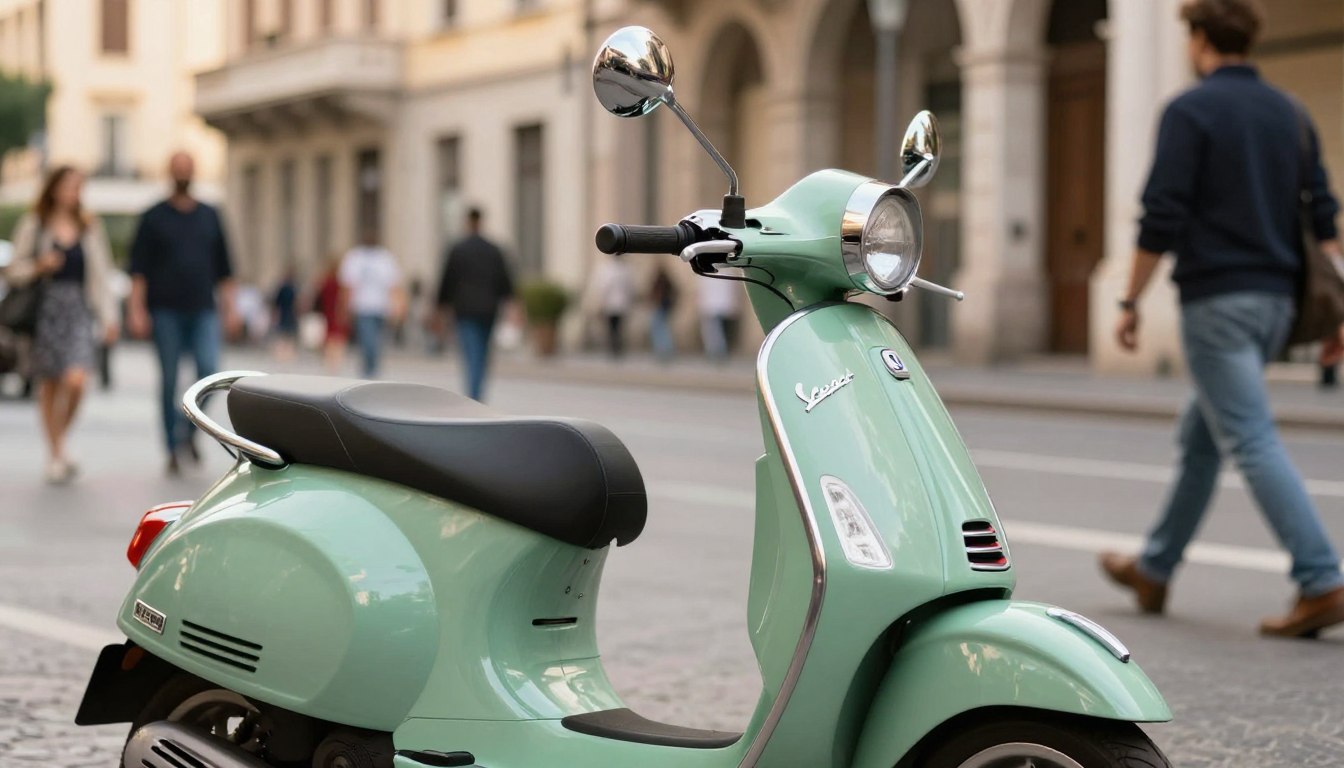
Looking for a premium 125-class scooter that blends style with daily utility? This practical review helps shoppers weigh trims, core specs, and true out-the-door costs in the United States.
The guide compares three trims — Standard, Tech, and Qala Edition — and explains who each fits best. It highlights the specs that matter: 124.45 cc displacement, 9.3 bhp peak power, a commuter-friendly 7.4 L fuel tank, 770 mm seat height, 115 kg kerb weight, and a USB charging port.
Readers will get a clear look at how the final price is built in the US: base price, taxes, registration, dealer fees, and insurance. The article also explains why these scooters command a premium — design heritage, tight fit and finish, and a steel-bodied feel that stands apart from typical models.
Key Takeaways
- Compare Standard, Tech, and Qala to match features with budget.
- Focus on displacement, power, and tank size for commuting needs.
- Expect higher costs for design and material quality versus common models.
- Understand US out-the-door adds: taxes, registration, dealer fees, insurance.
- The review ends with a clear pick for most buyers and when to pay extra.
Vespa 125 at a glance: who this 125 scooter is for
If short trips, tight parking, and light handling matter, a smaller 125 is an ideal urban companion. It keeps daily commuting simple while adding a strong design statement for riders who value looks as much as utility.
Why a smaller 125 scooter can make sense for city riding
The engine size and light weight make stop-and-go life easier. In dense traffic, these scooters offer nimble control and low-speed balance that reduce rider fatigue.
Hop-on usability means faster errands and simpler parking. Compared to larger bikes, a compact 125 is less intimidating for newcomers and fits narrow lanes with confidence.
What makes a Vespa feel “premium” compared to typical scooters
Immediate cues like paint depth, tight panel gaps, and refined detailing signal higher quality. The silhouette and finish create a sense of ownership that goes beyond mere transport.
- Ideal buyer: a commuter who prioritizes style, easy parking, and quick city trips over highway speed.
- Everyday use: more step-through practicality than a small bike or motorcycle, making errands simpler and less stressful for many riders.
- Realistic limits: best in city and town conditions; faster roads are doable but not the primary use case.
- Who should skip it: riders needing sustained high-speed commuting should consider larger displacement alternatives.
Price Vespa: current pricing, on-road costs, and what affects the total
Before you buy, it helps to see how base pricing turns into a real out-the-door total. Listed numbers help compare trims, but taxes, registration, and insurance shape the final budget.
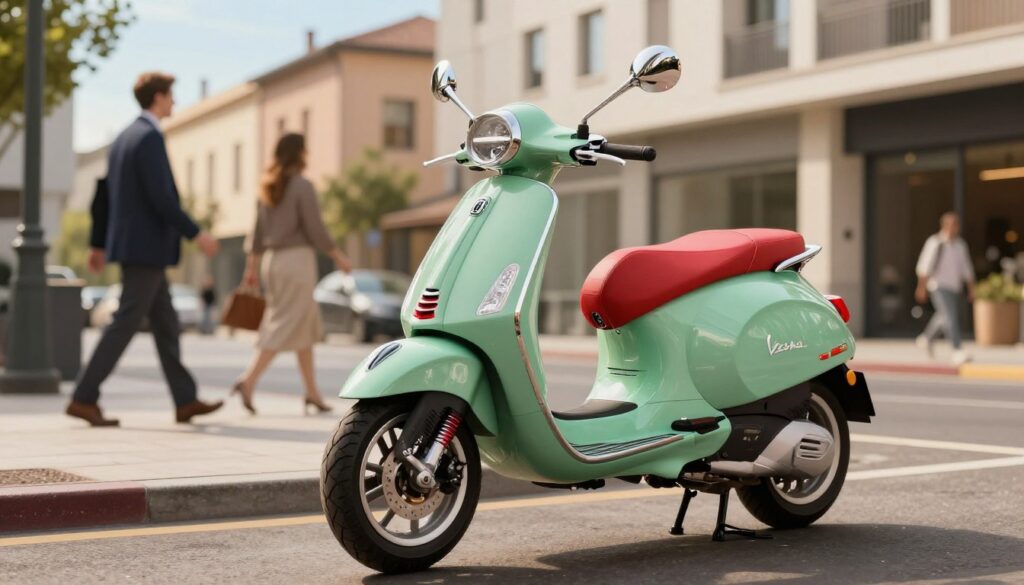
Ex-showroom pricing by variant (market reference)
The following ex-showroom figures are shown as reference only and are not U.S. MSRPs. They illustrate trim-to-trim spacing:
- Standard: ₹1,28,321
- Tech: ₹1,81,845
- Qala Edition: ₹1,81,880
- Sample on-road (Delhi): ₹1,46,391 — includes RTO and basic insurance.
- UK benchmarks: Primavera £4,855; GTS Super 125 £4,700.
What typically changes the out-the-door number in the United States
Ex-showroom means the vehicle only. On-road or out-the-door adds sales tax, DMV registration/title, and local fees.
Dealers may add destination/freight, documentation fees, and any accessories. Those items can raise the quoted price by hundreds to over a thousand dollars.
How insurance, registration, and dealer fees can shift the budget
Insurance often moves affordability most. New riders, dense urban ZIP codes, and year-round commuters see higher premiums.
Shop both scooter insurance and moped insurance quotes before committing. Ask the insurer for expected annual cost to avoid surprises.
When it’s worth shopping incentives or requesting a dealer quote
Ask dealers to get quote comparisons and provide an itemized, line-by-line estimate. Confirm which accessories are optional versus pre-installed.
- Request an itemized quote and compare at least two dealers.
- Check seasonal promotions, financing offers, and end-of-model-year deals.
- Always get quote for insurance before finalizing purchase.
Choosing the right trim: Standard vs Tech vs Qala Edition
Choose a trim by focusing on features you’ll touch every commute, not just badges or paint. Consider daily convenience first, then factor in the extra price for perks that actually save time or boost resale.
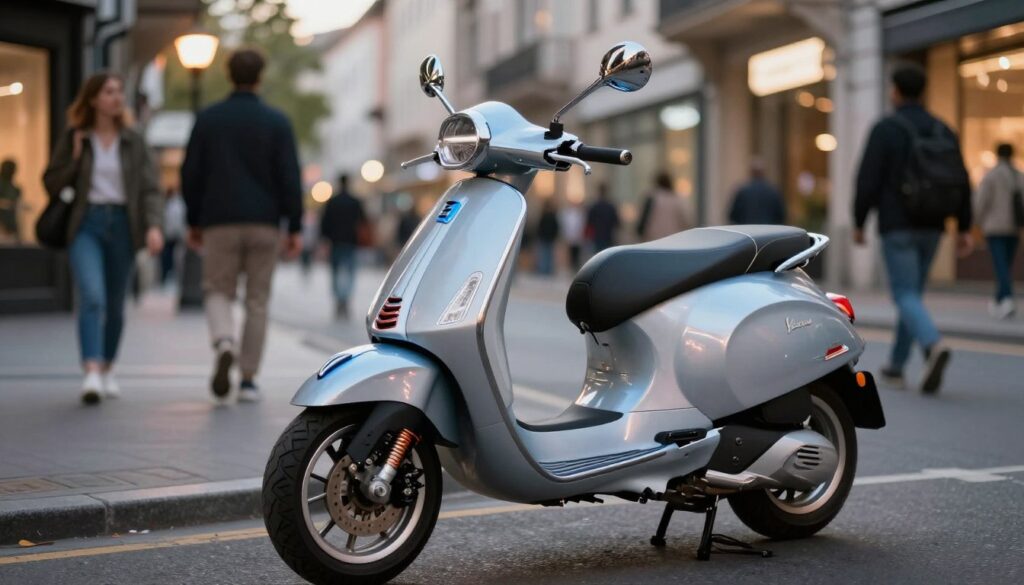
Standard essentials
The Standard is the value choice. It pairs core hardware with a semi-digital instrument console and a classic vibe.
Good for: riders who want reliable basics without paying for connectivity they won’t use.
Tech upgrades
The Tech trim adds a 5-inch color TFT, Bluetooth, and a keyless ignition. Its digital display supports phone-based navigation and call alerts.
Good for: those who rely on a phone for directions and want the convenience of a modern system.
Qala Edition
Qala is style-first. It includes a full digital console and special colour palettes like Blue & White for collectors or style-conscious buyers.
Tip: At the showroom, test screen brightness, lighting behavior, and keyless operation. Verify which connectivity features are factory-fitted versus dealer options.
- Pick features you’ll use daily, not just paint or badge.
- Pay more when navigation and connectivity cut real commute friction.
- Confirm included options to avoid surprise add-ons at final price.
vespa 125cc specs that matter most for buyers
This section turns spec numbers into clear buying signals so a commuter can decide quickly.
Engine capacity and layout:
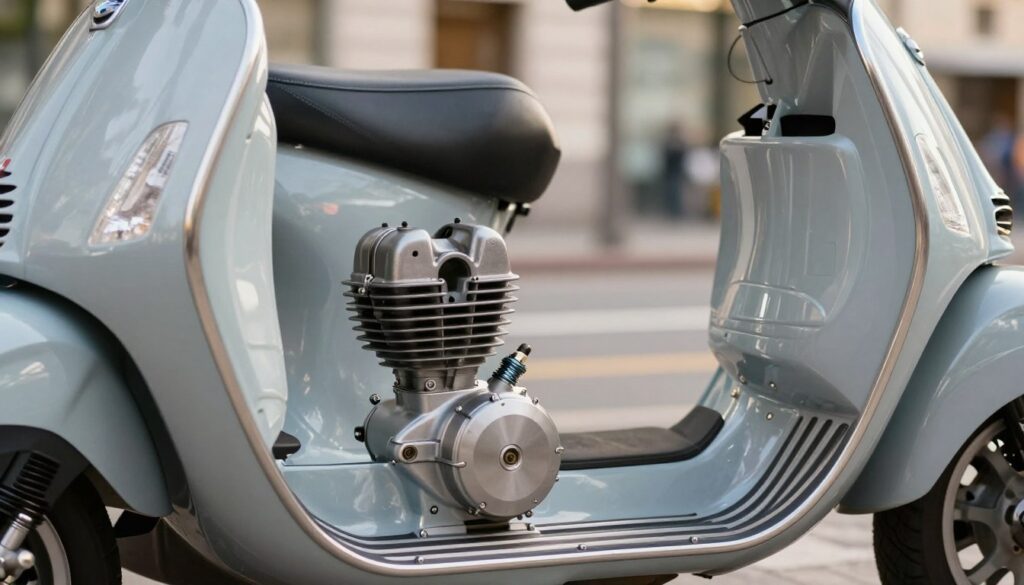
Engine design and cooling
The 124.45 cc single cylinder, air-cooled engine is simple and proven. This layout keeps maintenance low and suits daily city use.
In plain terms: fewer moving parts mean easier upkeep and reliable starts on short trips.
Power and torque in real traffic
Rated at about 9.3 bhp and 10.1 Nm, the motor offers brisk launches from lights and easy gap-filling in urban traffic.
That power and torque combo helps with quick roll-ons but won’t push motorway speeds comfortably for long.
Top speed expectations
Top speed is roughly 86 km/h (~53 mph). Expect lower results on hills, with headwinds, or when carrying a passenger.
Weight, seat, and fit
At 115 kg kerb weight the scooter feels stable yet nimble for city weaving. The 770 mm seat height is approachable for most riders.
A short test ride is the best way to confirm seat comfort and reach to controls.
Fuel capacity and range planning
The 7.4 L fuel tank with a 1.85 L reserve gives respectable urban range. Stop-and-go traffic uses more fuel than steady cruising, so plan refuels accordingly.
- Buyers should focus on power, seat comfort, and fuel range for daily use.
- Ignore overly specific top-speed claims if most riding is in city traffic.
- Tip: a brief test ride reveals throttle feel far better than numbers alone.
Design and styling: iconic looks, colors, and finish quality
A strong silhouette and careful detailing turn the scooter into a style statement, not just transport.
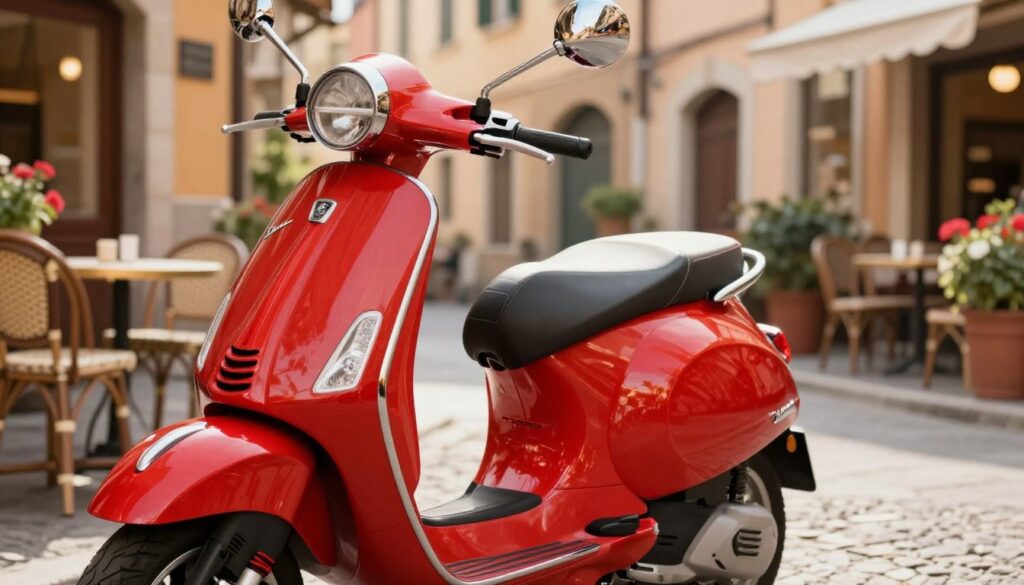
Retro silhouette and signature cues
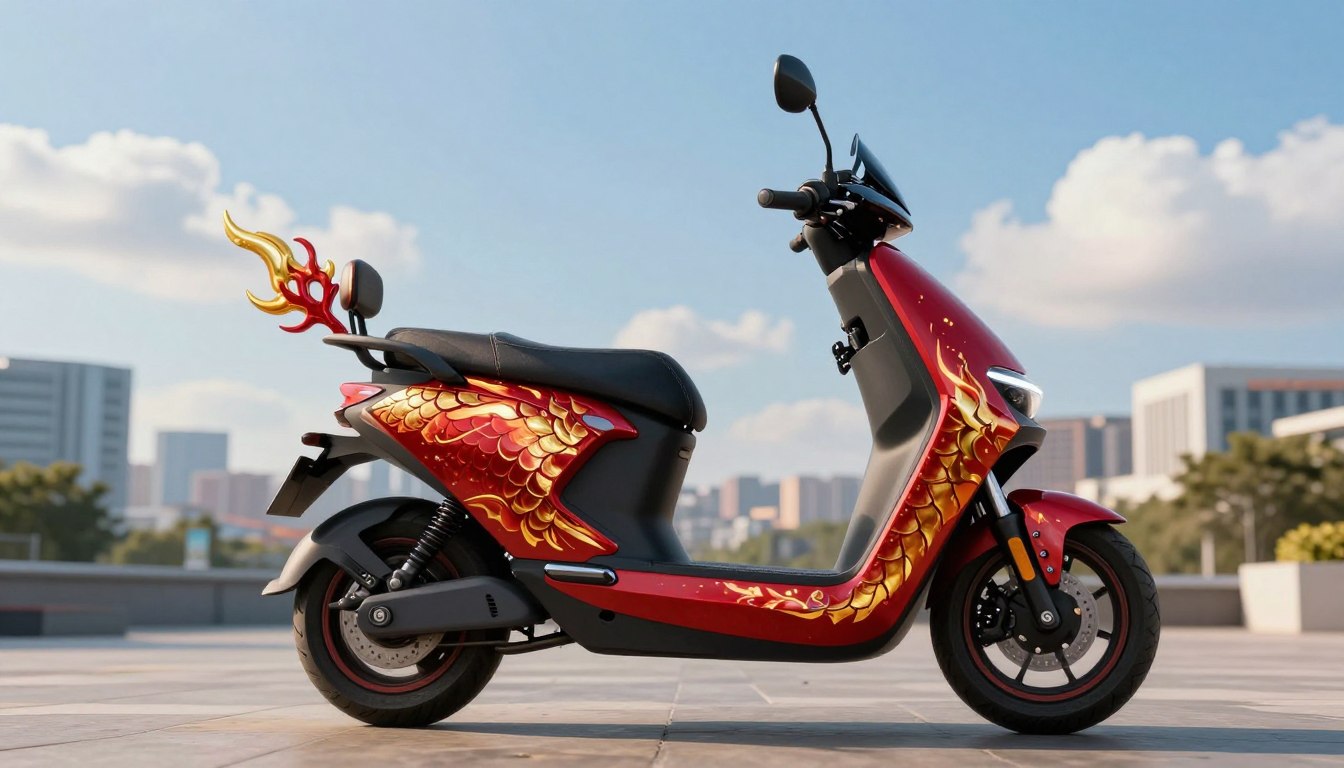
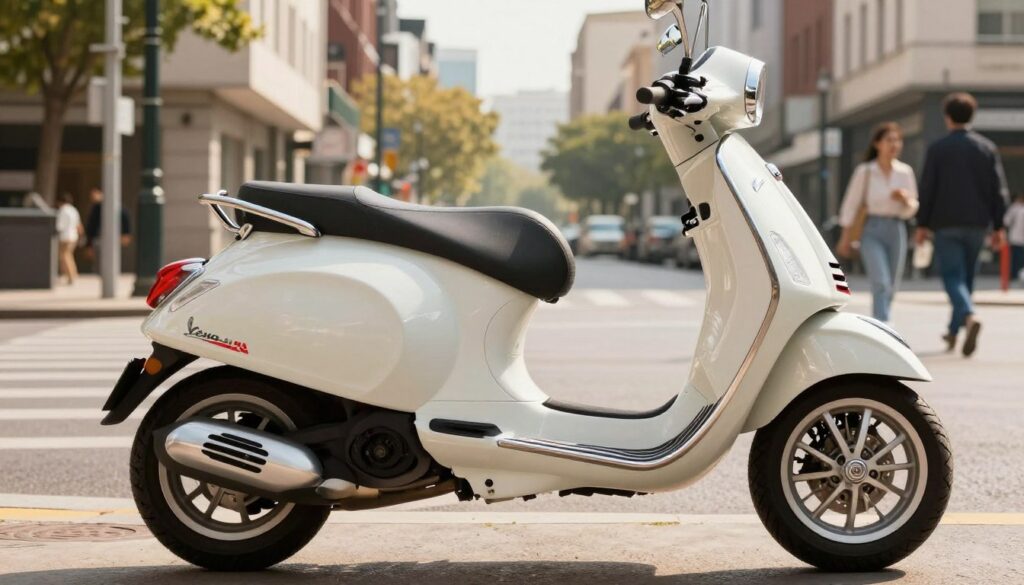
The classic body shape—curved apron, smooth side panels, and a rounded tail—makes the profile instantly recognizable.
Clean panel lines and balanced proportions separate it from boxier alternatives. That retro silhouette signals heritage at a glance.
Finish quality and visible craftsmanship
Paint depth and tight trim edges give a premium feel. Reviews often praise the consistent fit-and-finish and the small logo touches around the body.
In daily use, these details lift owner pride and help the scooter keep high design ratings among peers.
Color families buyers prefer
Popular tones include Pearl White and Nero Black for classic looks, Rosso Red for bold choice, and Blue & White as a standout two-tone option.
Special shades like Verde Amabile or Blu Energico can boost resale appeal for collectors or style-focused buyers.
- Lighter colours hide dust; darker hues show scratches more easily.
- Special editions often carry better long-term value.
- At the showroom: check panel gaps, paint consistency under bright light, and seat material quality.
Many owners give top rating scores for styling, noting that it both looks great parked and feels right on a short city commute.
Engine, transmission, and performance review
Here’s a practical look at how the motor and CVT blend for everyday city riding. The aim is to show how real commuting feels, not lap times or track numbers.
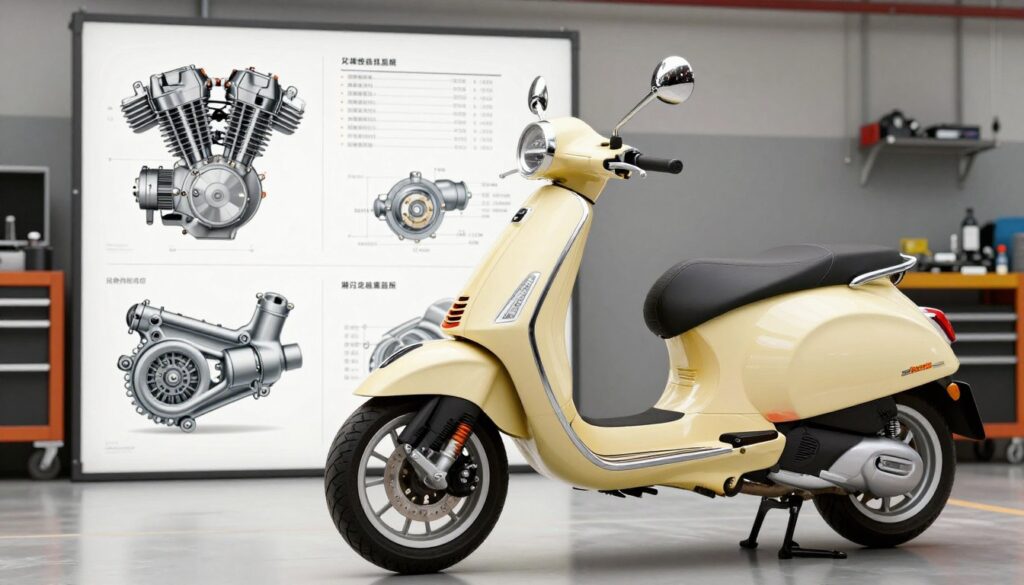
124.45 cc CVT “twist-and-go” riding experience
The single-cylinder engine teams with a CVT automatic for true twist-and-go simplicity. No clutch or shifting makes stop-and-go traffic easier and reduces rider stress.
In practice, the transmission keeps revs steady and the scooter responsive from a standstill to neighborhood speeds.
How bhp and torque translate to quick starts from lights
With about 9.3 bhp and modest torque, the scooter offers brisk launches at lights. It merges onto busy arterials without fuss and handles 25–45 mph roll-ons smoothly.
Riders notice quick getaways rather than sustained thrust; that suits city gaps and short bursts well.
Where performance feels strongest: city streets vs faster roads
Performance shines in downtown grids, tight lanes, and short suburban hops. Agility and low-speed response matter more here than top speed.
At sustained higher speeds the machine can approach just over 60 mph in some tests, but passing power and headwind margin are limited compared to a small motorcycle.
- What to check on a test: throttle response 0–20 mph, mid-range pull, and stability at the fastest speed you’ll use.
- Real-world tip: listen for engine character—sound and feel affect perceived quality beyond raw numbers.
- Bottom line: this is a commuter-focused performance review, not a sportbike test.
Handling, wheels, and ride comfort on real roads
How a scooter steers and soaks bumps matters most on everyday commutes. This model pairs an 11-inch front wheel with a 10-inch rear wheel to favor quick turns and tight U-turns in city traffic.
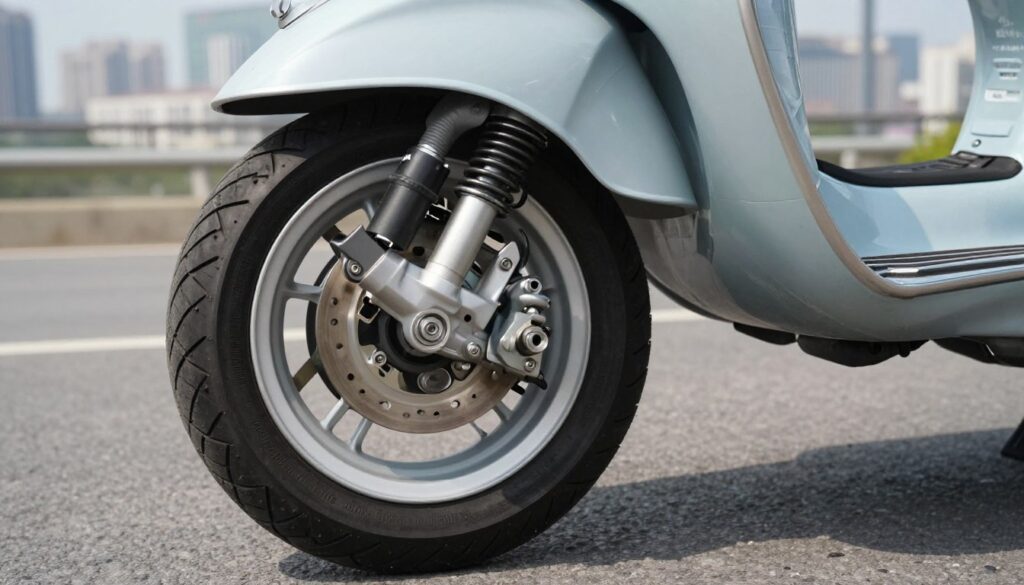
Wheel setup: 11-inch front, 10-inch rear
The compact wheel combo makes steering feel light and responsive. Riders notice easy lane changes and confident low-speed maneuverability.
Smaller wheels also react more sharply to broken pavement. That means potholes feel more pronounced than on larger-wheeled machines.
Monocoque chassis and low-speed feel
The monocoque chassis gives a solid-shell sensation. It adds rigidity that improves feedback and makes the platform feel more premium than many plastic-bodied scooters.
At low speeds, this translates into stable steering and predictable balance when parking or filtering.
Expectations for rough streets and practical tips
On potholes and rough pavement, slow down and pick a clean line. The small wheels magnify abrupt edges, but composed damping keeps impacts manageable.
- Tire pressure: keep levels per the manual to protect comfort and grip.
- Speed management: reduce speed over damaged surfaces to limit harsh feedback.
- Throttle inputs: smooth riding reduces jostle and improves traction.
Overall, this handling profile suits day-to-day urban riding—parking lots, alleys, and tight streets—where agility wins. Buyers should test the scooter on roads they use most and compare how the wheels and suspension behave in their typical riding conditions. For nearby model options see 125cc scooters for sale.
Suspension and shock absorber setup: front-to-rear breakdown
Ride quality starts with the suspension layout; a quick primer helps buyers set expectations before a test ride.
Front layout and feel
The front uses a hydraulic single-side arm design mounted to the monocoque chassis. This signature setup gives predictable steering and a planted feel in city turns.
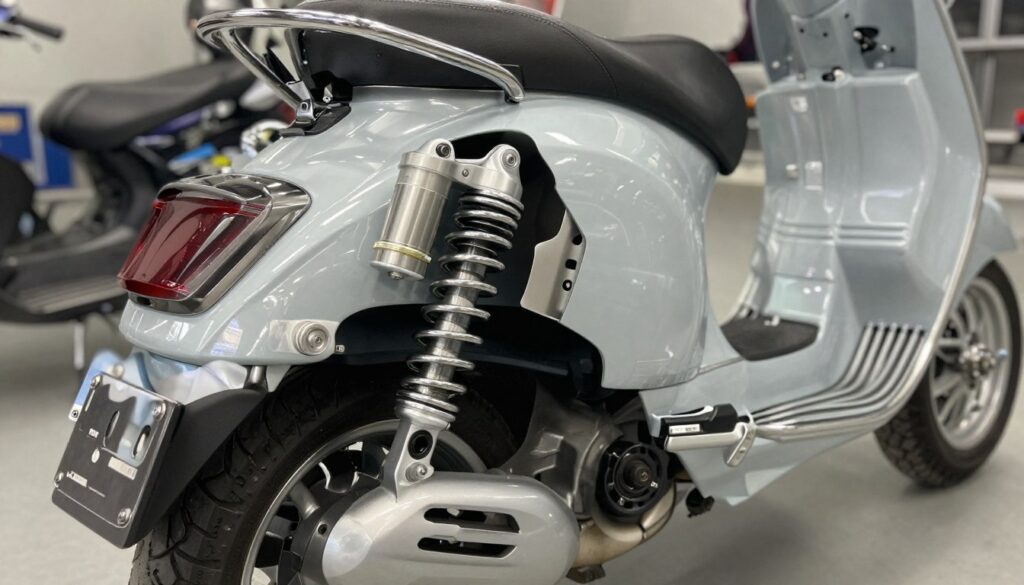
Rear behavior and control
The rear pairs a hydraulic shock absorber with a preload adjuster. It soaks small impacts well and resists excessive bouncing when the pavement gets rough.
Preload, passenger use, and simple setup tips
Preload adjustment matters when carrying a passenger or luggage. Increasing preload raises rear support and improves stability under load.
- Check tire pressures first if the ride feels harsh.
- If the scooter wallows, try adding preload or ask the dealer to demo settings.
- On a short ride, notice front composure, rear kick on sharp bumps, and how quickly the bike recovers after potholes.
Tip: For DIY adjustments and basics on tuning, see the guide to adjust your motorcycle’s suspension.
Brakes, stopping power, and safety systems
How a scooter stops matters every day. Riders need clear stopping feedback and a predictable brake setup for city riding and quick lane changes.
Front disc and rear drum hardware
The bike uses a 200 mm front disc for primary stopping power and a 140 mm rear drum brake for stability and cost control.
In plain terms: the front disc does most of the work while the rear drum adds balance during normal braking.
How the combined braking system helps in an emergency
The CBS links front and rear braking so a single lever shares force between wheels.
This system helps newer riders by distributing braking effort and reducing wheel lock risk in sudden stops.
Tire sizes, tubeless setup, and day-to-day confidence
Tires are tubeless: 110/70-11 at the front and 120/70-10 at the rear. Tubeless tires make puncture management easier and improve commuter confidence.
- Expectations: a well-set-up scooter stops confidently for its class, but feel varies with pads and setup.
- Simple safety checklist: test brakes at low speed, check tire tread and pressure, and confirm lever travel is consistent.
- Rider tip: practice smooth, progressive braking—skill helps more than hardware on wet or rough streets.
Many reviews give an adequate braking rating for this category while noting buyers sometimes wish for more premium hardware at higher prices. For nearby alternatives and comparisons see vsett scooter.
Tech, lights, and daily convenience features
Modern commuter features can make or break the daily ride; tech and lighting are key. This section compares the instrument layouts, connectivity options, and practical items that reduce friction on short trips and longer errands.
Instrument consoles: classic vs full digital
The Standard trim keeps a semi-digital cluster for a simple, retro look. It shows speed and trip info without extra menus.
The Tech and Qala trims upgrade to a full-color TFT. The screen improves visibility, shows navigation prompts, and feels modern.
Phone connectivity and navigation
Bluetooth and turn-by-turn guidance are trim-dependent. Tech adds a 5-inch TFT and Bluetooth pairing for phone-based navigation and call alerts.
In daily use, this means fewer stops to check maps and less need to mount a phone in an unsafe spot.
Lighting package and visibility
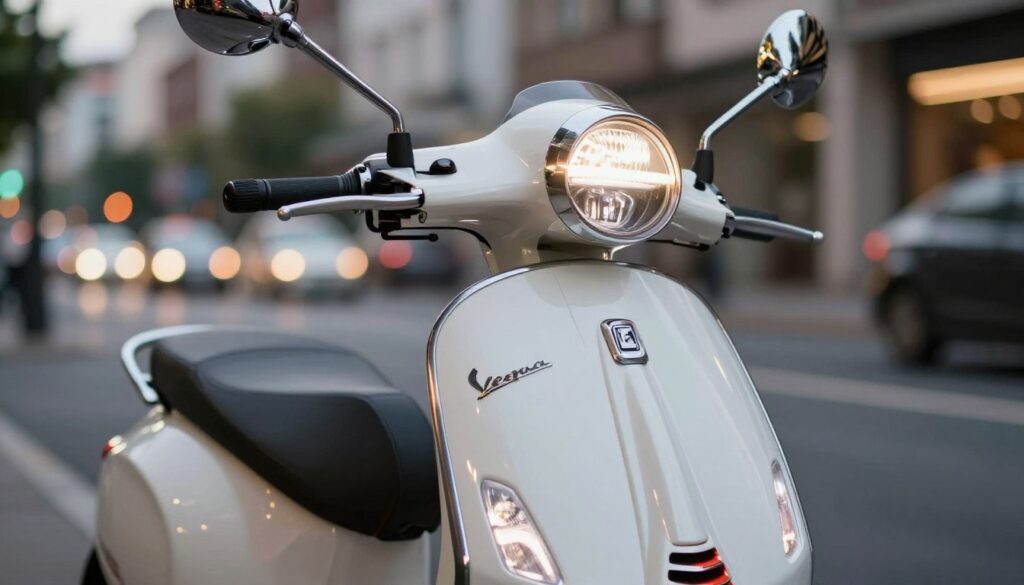
The scooter uses an LED headlight and DRLs for better daytime visibility and clearer night beams. Buyers should verify beam pattern and aim during a test ride.
Good lights improve safety in city traffic and increase rider confidence at dusk.
USB charging and commuter convenience
A built-in USB port keeps a phone powered while navigation or music runs. For riders who rely on maps, this small feature saves time and worry on every trip.
- Practical tip: choose the Tech trim if turn-by-turn and Bluetooth matter daily.
- Check screen brightness, DRL visibility, and USB charging under real use.
- Remember: simpler dashboards preserve vintage charm but offer fewer daily aids.
Comfort, seat, storage, and practicality for commuting
How a seat fits and what you can carry under it shape the real-world value of any commuter scooter.
Fit, posture, and rider confidence
Seat height is 770 mm, a reasonable baseline for many riders. Width and shape matter as much as height. A wider pad can make it easier to plant feet and feel secure.
Tip: try the bike in riding shoes during a showroom visit to confirm reach and comfort.
Under-seat space and realistic limits
Under-seat storage holds daily essentials and small bags. Many full-face lids will not fit, so bring your helmet to check. Also expect the compartment to warm on longer runs, especially with an air-cooled engine.
Small-item storage and errands
Glovebox space varies, but luggage hooks and the under-seat bay make short stops convenient.
- Daily errands: light groceries, a backpack, or a shopping bag fit easily.
- Heat note: avoid storing sensitive electronics or perishable food for long rides.
- Upgrade tip: if storage is vital, plan for a dealer-fitted top case and check mount points.
Ownership costs, reliability expectations, and scooter insurance
Beyond the listed price, total ownership covers scheduled services, consumables, tires, and the occasional repair. Buyers should plan annual costs and factor in real-world fuel use and service visits when comparing models.
Warranty details and what they signal
Manufacturer warranty: 5 years / 60,000 km. That long term shows confidence in build quality, but buyers must read exclusions and required service intervals.
Service experience: owner praise and common complaints
Many owners praise comfort, fit-and-finish, and solid daily use. Positive owner ratings reflect ride feel and materials.
Criticisms focus on higher-than-average bills and limited dealer reach in some areas. A few low ratings cite slow parts delivery and costly labor.
- Good signs: consistent high owner rating for comfort and reliability.
- Watch for: dealer rating and nearby parts support before buying.
- Tip: choose a dealer with clear labor rates and scheduled service times.
How to shop scooter insurance and moped insurance
Compare liability and comprehensive policies, and get multiple scooter insurance quotes. Consider theft cover, roadside assistance, and possible discounts for security devices.
- Gather VIN and dealer info, then request three quotes.
- Ask insurers about training discounts and garaging requirements.
- Compare annual cost vs expected fuel spend; 125-class machines often show strong mpg, but real-world numbers vary with traffic and riding style.
Use the service rating guide to check dealer ratings and refine your budget. Small decisions made at purchase time save money and headaches down the day.
Is it worth the money? how the Vespa 125 stacks up against rivals
Weighing this scooter against rivals means comparing feel, not just horsepower or price.
If the goal is the cheapest ride, mainstream 125 scooters and scooter mopeds beat it on sticker price and bhp per dollar. Competitors often match engine output while costing noticeably less.
But if design, steel bodywork, and fit-and-finish matter, the premium model can be worth money for buyers who value ownership and resale appeal.
At a quick showroom test, check comfort, low-speed balance, brake confidence, and how easy the under-seat storage is for daily use. A short test ride shows more than spec sheets do.
For US buyers, factor dealer support, parts access, and insurance into the final price. Two clear paths emerge: pick the premium for style and lasting appeal, or choose a mainstream scooter moped for maximum value.
Action: shortlist two or three models, schedule a test ride, request an itemized out-the-door quote, and compare insurance quotes before you commit.
FAQ
Who is the 125 scooter best suited for?
The 125 scooter suits urban commuters, learners with an A1 or equivalent license, and riders who want easy maneuverability and low running costs. It balances sufficient power for city traffic with compact dimensions that make parking and lane filtering simple.
Why might a smaller 125 scooter make sense for city riding?
A smaller 125 is nimble, economical, and easy to handle in stop-and-go traffic. It accelerates quickly from lights, uses less fuel than larger motorcycles, and usually costs less to insure and maintain—making it a practical daily rider for short to medium commutes.
What features give a premium scooter a more upscale feel compared with typical scooters?
Premium feel comes from metal bodywork, high-quality paint finishes, refined suspension, a comfortable seat, and neat fit-and-finish. Upgraded tech like a color TFT display, Bluetooth phone integration, and premium lighting also elevate the ownership experience.
How do on-road costs affect the total price in the United States?
On-road costs include destination charges, state registration, taxes, dealer fees, and optional accessories. Those items, plus local emissions or safety taxes, can add several hundred dollars to the ex-showroom price and should be factored into the budget.
What typically changes the out-the-door number for a 125 scooter?
Insurance premiums, local sales tax, dealer documentation fees, and added accessories like top boxes or security systems drive the final price up. Choosing extended warranty or service plans also increases the out-the-door cost.
When is it worth asking dealers for incentives or a quote?
Shoppers should request quotes when new-model promotions, end-of-quarter targets, or showroom stock clearances occur. Comparing dealer quotes can reveal discounts on accessories, finance packages, or reduced handling fees.
What do the Standard, Tech, and Qala Edition trims typically offer?
The Standard usually includes core hardware and a semi-digital console. The Tech trim adds features such as a color display, Bluetooth, and navigation aids. The Qala or style-focused editions emphasize unique paint, special badging, and cosmetic upgrades.
What engine layout and cooling should buyers expect in this class?
Buyers should expect a single-cylinder, air-cooled or air-assisted cooling setup around 124–125 cc with a continuously variable transmission (CVT) for smooth twist-and-go operation. That layout keeps the package simple and reliable.
How do power and torque numbers translate to real-world traffic performance?
Peak bhp and torque on paper matter less than low-end response. These scooters prioritize usable torque for quick urban starts and steady mid-range pull, which makes overtakes and traffic light launches feel confident.
What top speed is realistic for daily use?
Expect a real-world top speed in the 55–60 mph range under ideal conditions. For everyday commuting, cruising comfortably around city speed limits and short highway stints is the typical use case.
How do weight and seat height affect everyday riding?
Lower seat height and moderate curb weight improve confidence at low speeds and make maneuvering easier. Riders with shorter inseams find low seats more reassuring, while heavier scooters feel more planted at speed.
What fuel tank capacity and range should a commuter expect?
Fuel tanks in this class generally hold around 6–7 liters (1.5–1.8 gallons), offering a practical commuting range of 100–150 miles depending on riding style and traffic conditions.
What styling elements define the retro silhouette and finish quality?
An iconic rounded front, smooth body panels, chrome trims, and carefully matched paint finishes create the retro silhouette. Attention to panel gaps, metal accents, and seat stitching all contribute to perceived quality.
Which colors are most popular with buyers?
Classic shades like pastel blue, cream, and glossy black remain popular, while limited-edition hues and two-tone schemes attract buyers who want a more distinctive look.
What does a 124.45 cc CVT riding experience feel like?
The CVT provides seamless acceleration without gear shifts, making starts smooth and predictable. Riders feel linear power delivery ideal for city traffic and easy throttle control at low speeds.
How do bhp and torque affect quick starts from traffic lights?
Peak bhp supports top speed, but torque and low-end response determine how briskly a scooter pulls from rest. A well-tuned single-cylinder setup gives lively initial acceleration for urban stoplight launches.
Where does a scooter of this size perform best: city streets or faster roads?
It excels in urban environments—narrow lanes, frequent stops, and parking constraints. On faster roads it can manage short stretches, but prolonged highway riding may feel strained compared with larger motorcycles.
How do the 11-inch front and 10-inch rear wheels change handling?
Smaller wheels improve low-speed agility and steering responsiveness. However, they can make the ride a bit more susceptible to potholes; proper tire pressure helps maintain stability and comfort.
What does a monocoque chassis feel like at low speeds?
A monocoque frame delivers stiffness and confident steering, making tight turns and U-turns feel controlled. Its integrated structure often reduces vibration and improves overall build solidity.
How does the scooter cope with potholes and rough pavement?
The compact suspension and small wheels can transmit more road feedback. Well-tuned hydraulic setups and slightly lower tire pressures smooth impacts, while careful line choice helps avoid harsh hits.
What is unique about the single-side front suspension design?
The hydraulic single-side arm offers compact packaging and a distinctive look while providing compliant damping and predictable steering. It simplifies maintenance and keeps the front end tidy.
How does the rear dual-effect hydraulic shock absorber behave with a passenger?
Dual-effect shocks balance comfort and control. With a passenger, preload or adjustable settings help maintain ride height and stability, reducing squat and improving handling.
Can preload adjustment really help with carrying a pillion?
Yes. Increasing preload compensates for extra weight, keeps the chassis level, and preserves suspension travel—resulting in safer braking and steadier cornering when carrying a passenger.
What braking setup is common: disc and drum or both discs?
Many models in this category use a front disc paired with a rear drum brake. This combo balances effective stopping power at the front with simpler, cost-effective braking at the rear.
How does a combined braking system affect emergency stops?
A combined system distributes braking force between the wheels for more stable stops and reduced risk of lock-up. It helps novice riders achieve shorter, controlled emergency braking.
What tire sizes and tubeless setup should riders expect?
Expect compact tubeless tires sized for 11-inch front and 10-inch rear wheels. Tubeless setups offer easier puncture repair and better safety than tube-type tires in urban riding.
Which instrument console features are trim-dependent?
The semi-digital console appears on base trims, while premium trims include a full-color TFT, smartphone connectivity, and navigation integration. Trim levels determine how much tech is built in.
What phone connectivity features are typically available?
Higher trims usually offer Bluetooth pairing, turn-by-turn navigation display, call and music alerts, and sometimes remote vehicle status. These features make commuting and route guidance more convenient.
How effective is the lighting package for urban visibility?
LED headlights and DRLs provide bright, energy-efficient illumination and improve visibility to other road users. They enhance night-time and low-light safety compared with halogen setups.
Is a USB charging port commonly available for commutes?
Many trims include a USB port to keep phones charged during rides. It’s a practical feature for navigation and daily connectivity on commutes.
How does seat height affect different rider sizes?
Seats designed at moderate height accommodate a wide range of riders, allowing flat-footed stops for shorter riders while still providing legroom for taller users. Ergonomics determine long-ride comfort.
What can realistically fit in under-seat storage?
Under-seat compartments typically fit a small helmet or a backpack and daily essentials like a rain jacket and gloves. Larger items often need optional top boxes or rear carriers.
Are there useful small-item storage features for errands?
Yes. Many scooters include glove boxes, hooks behind the apron, and mesh nets—hands-on conveniences that make running errands and short shopping trips easier.
What warranty coverage is commonly offered and what does it indicate?
Manufacturers often offer a limited warranty covering drivetrain and electrical faults for one to two years. Longer or transferable warranties indicate stronger confidence in reliability.
What do owners praise and criticize about service experience?
Owners praise attentive dealer service, timely maintenance, and steady resale values. Common criticisms include periodic service costs and wait times for certain genuine parts.
How should one shop for scooter insurance or moped insurance?
Compare liability and comprehensive quotes, check theft and roadside assistance options, and verify deductible levels. Local insurers and specialty motorcycle insurers often provide competitive rates for 125-class scooters.
Is this 125 scooter worth the money compared with rivals?
It depends on priorities. If style, build quality, and premium finish matter, the scooter often justifies a higher price. For strictly practical buyers, comparable options from other manufacturers may offer similar performance at lower cost.