Street Legal Moped Guide for Riders
 PopScooter Team
September 13, 2025 11:16 am
.
19 min read
PopScooter Team
September 13, 2025 11:16 am
.
19 min read

Did you know over 60% of urban commuters now consider eco-friendly vehicles their top choice for short trips? With gas prices soaring and traffic worsening, compact two-wheelers are reshaping how Americans navigate cities. This guide helps riders effortlessly navigate the process of choosing, registering, and enjoying these efficient machines.
Urban dwellers love these vehicles for their low fuel costs and minimal environmental impact. But before hitting the road, buyers must make sure they understand local laws. Engine size, speed limits, and licensing rules vary widely between states—details that could save time and money during registration.
Performance matters too. Models with engines under 50cc often don’t require a motorcycle license, making them ideal for casual riders. Larger engines offer more power but come with stricter regulations. Always make sure your choice aligns with both your needs and regional requirements.
This guide covers everything from insurance options to safety gear recommendations. It also breaks down state-specific quirks, like helmet laws or mandatory training courses. Whether you’re a daily commuter or weekend explorer, understanding these factors ensures a smooth ride.
Ready to join the growing wave of riders embracing this practical transportation? Let’s dive into what makes these vehicles a smart choice—and how to avoid common pitfalls when purchasing one.
Introduction to Street Legal Mopeds and Buyer’s Guide
Urban commuters are swapping four wheels for two as fuel-efficient options gain traction. These compact vehicles deliver up to 100 miles per gallon, slashing fuel costs while reducing carbon footprints. Unlike motorcycles, they’re lighter and simpler to handle—perfect for quick grocery runs or navigating crowded downtown areas.
Why choose a two-wheeler over traditional transport? Three reasons stand out:
- Cost savings: Registration fees and insurance rates are often lower than cars
- Parking ease: Fit into spaces most sedans can’t
- Low maintenance: Fewer mechanical parts mean cheaper repairs
Performance varies by engine size. Models under 50cc keep speeds manageable for city traffic while maximizing fuel economy. Larger engines mimic motorcycle power but require additional licensing. Always match your needs to local regulations—some states mandate safety courses for certain engine classes.
This guide simplifies every step, from comparing models to understanding insurance requirements. Later sections break down maintenance routines and explain how to stay compliant with evolving traffic laws. Whether you’re budgeting for upfront costs or calculating long-term savings, we’ve got you covered.
Defining the Street Legal Moped: Features & Definitions
Ever wondered why some two-wheelers breeze through traffic while others get pulled over? The answer lies in meeting specific criteria. A street-legal model typically has an engine under 50cc, max speeds of 28-30 mph, and essential safety components like headlights, mirrors, and turn signals.
Three features separate these vehicles from motorcycles or scooters:
- Limited power output: Designed for low-speed urban travel
- Pedal-assist option: Required in some states for classification
- No motorcycle license needed: Operators often only need a standard driver’s license
Insurance plays a dual role—it’s both a legal shield and financial protection. While some states don’t mandate coverage, accidents without it could lead to costly lawsuits. Registration acts as your vehicle’s ID card, proving it meets safety and emissions standards.
State definitions vary wildly. Alabama classifies any two-wheeler under 50cc as street-ready, while Colorado requires functional pedals. Always verify local DMV guidelines before purchasing. Confusion here might mean fines or impounded rides.
Clear examples help. Standard models include speedometers, rear reflectors, and horn systems. Missing these? You’re risking non-compliance. Knowing your vehicle’s exact classification ensures smooth rides and avoids headaches during traffic stops.
Engine Size and Performance Considerations
What separates a zippy city ride from a sluggish commute? The answer often lies under the seat. Engine capacity shapes everything from acceleration to operational costs—and determines where you can legally ride.
Understanding Your Power Options
Modern two-wheelers come in varied engine sizes, each serving distinct needs. Smaller 50cc models deliver up to 100 miles per gallon, perfect for short trips under 30 mph. Larger 150cc versions handle hills better but consume more fuel. Here’s how they compare:
- 50cc: Ideal for flat urban areas • 30-45 mph top speed • No motorcycle license required
- 150cc: Suitable for mixed terrain • 55-60 mph capability • Often needs upgraded licensing
Speed vs. Efficiency Trade-offs
Bigger engines boost power but reduce mileage. A 50cc unit might achieve 90-110 mpg, while 150cc versions drop to 60-80 mpg. States like California tie registration fees to engine class—higher displacement means steeper annual costs.
Insurance providers also adjust rates based on performance. A 150cc model could cost 20-30% more to insure than its 50cc counterpart. Always balance your need for speed with long-term expenses.
Choosing wisely ensures your ride matches both local laws and lifestyle. Whether prioritizing budget-friendly commutes or weekend adventures, the engine defines your experience.
Evaluating Safety Features for Moped Riders
How much protection does your ride really offer? While two-wheelers simplify urban travel, prioritizing safety gear separates confident commuters from vulnerable ones. State laws and common sense agree: the right equipment reduces accident risks significantly.
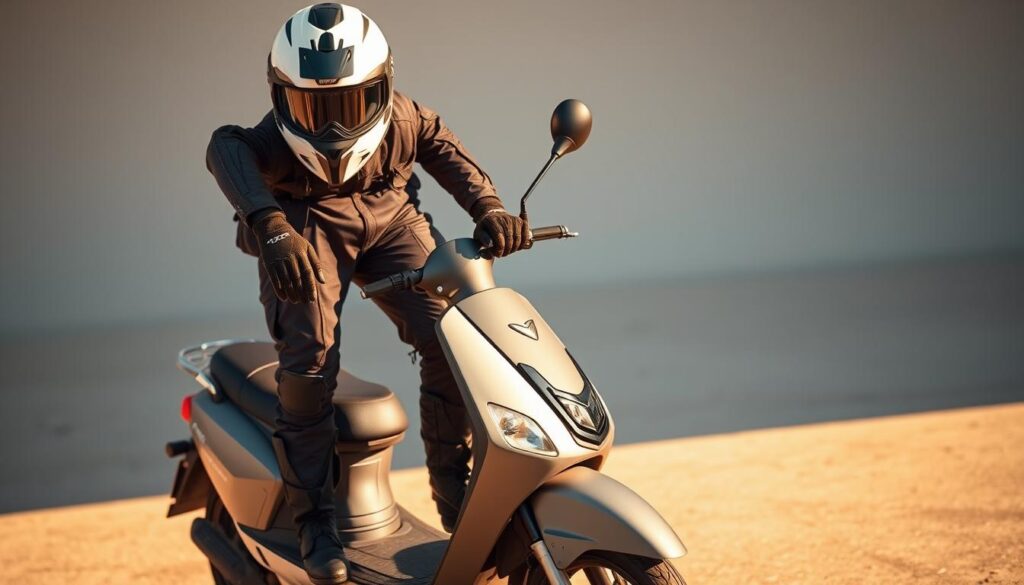
Helmet and Eye Protection Requirements
Forty-seven states mandate helmets for operators, but standards vary. DOT-approved models with face shields meet most regulations, while others allow bike-style helmets if paired with goggles. Arizona recently tightened rules, requiring full-face protection on roads with speed limits above 35 mph.
Three essentials never change:
- Impact-resistant helmets with proper certification
- Scratch-proof eyewear that blocks UV rays
- Reflective elements for low-light visibility
Additional Protective Gear and Best Practices
Smart riders layer protection beyond minimum requirements. Abrasion-resistant jackets and gloves prevent road rash during slides—a common injury at speeds as low as 20 mph. Closed-toe shoes with ankle support reduce fracture risks if feet hit pavement.
Controlled speed management proves equally crucial. New York’s 2024 traffic study showed 68% of two-wheeler accidents involved riders exceeding posted limits. Matching your pace to road conditions and maintaining safe following distances helps avoid collisions.
Regular gear inspections matter too. Check helmet straps monthly and replace any equipment after impacts. Combining proper attire with defensive riding habits creates multiple layers of safety assurance on busy streets.
Moped Insurance and Liability Requirements
What happens when your ride meets an unexpected bump? Insurance transforms potential financial disasters into manageable fixes. Unlike motorcycles, policies for smaller vehicles often cost less but still protect riders and others on the roads.
Coverage differences matter. Car insurance usually includes collision and comprehensive options, while basic plans for two-wheelers focus on liability. This covers injuries to people or property damage you cause—critical in busy traffic areas.
State rules vary widely. Florida mandates liability coverage, while Washington doesn’t require any. Always check local laws. Typical policies include:
- Bodily injury protection: $10,000-$25,000 per person
- Property damage: $5,000-$10,000 for repairs
- Uninsured motorist coverage (optional)
Accidents can damage public infrastructure like guardrails or signs. Liability plans often help cover these costs, preventing personal financial strain. Riders in no-fault states might need additional personal injury protection.
Choosing the right policy? Compare quotes from providers familiar with low-speed vehicles. Look for add-ons like theft protection or roadside assistance. Comprehensive plans cost more but offer peace of mind when navigating unpredictable urban routes.
Registration and Licensing Essentials for Mopeds
What’s the fastest way to turn heads with your new ride? Getting stopped for missing paperwork. Registration and licensing rules vary like traffic patterns—knowing your state’s requirements keeps you moving smoothly.

State-Specific Registration Tips
Start with your local DMV website. Most states need proof of ownership, a bill of sale, and safety inspection certificates. Fees range from $15 (Texas) to $85 (New York), often based on engine size or vehicle class. Alabama treats models under 50cc like bicycles, while Massachusetts requires a special “B” motorcycle permit for anything faster than 30 mph.
Three common registration surprises:
- VIN verification forms in California
- Mandatory insurance proof during Ohio applications
- Weight limits affecting classification in hilly Tennessee
Necessary Driver’s Licenses and Permits
Unlike car licensing, some states let you operate with just a learner’s permit. Florida accepts standard driver’s licenses, but Oregon demands a motorcycle endorsement for 50cc+ models. Always check processing time—some offices take weeks to issue permits.
Key differences from motorcycle requirements:
- No road test needed in 32 states
- Lower age minimums (14 in Kansas vs 16 for motorcycles)
- Renewal cycles match regular license expirations
Delayed registration risks tickets or impound fees. Update documents within 30 days of purchase to avoid headaches. Proper paperwork means more time enjoying the road—not arguing with officers.
Navigating Moped Laws Across Different States
State laws for two-wheelers can feel like solving a puzzle with missing pieces. From licensing quirks to road position rules, requirements shift dramatically across borders. Staying informed helps riders avoid fines while enhancing their experience on diverse routes.
Comparing Requirements in Key States
Alabama riders enjoy relaxed rules—no license or registration needed for models under 50cc. Contrast this with Alaska, where mandatory insurance and rear license plates apply regardless of engine size. California mixes strict safety checks with annual service inspections at approved centers.
Three standout regional differences:
- New York demands turn signals on all models, even if not factory-installed
- Florida requires operation on the far right side of lanes except when turning
- Texas bans two-wheelers from highways but allows them on service roads parallel to interstates
Tips for Staying Compliant
Download your state’s DMV app for real-time law updates. When relocating, visit local repair shops—mechanics often know unspoken enforcement patterns. Riders crossing state lines should adjust lane positioning; Montana permits center-lane riding, while Ohio favors the curb side.
Regularly review equipment checklists. Some states like Nevada require horn upgrades for annual registration renewals. Pair these habits with route planning apps that highlight restricted zones. Simple adjustments keep the riding experience smooth while respecting regional safety priorities.
Choosing a Moped: Key Buying Factors
What makes one two-wheeler a perfect fit while another collects dust in the garage? Smart shoppers balance practical specs with personal style to find rides that match their daily needs. Here’s what to prioritize when exploring options.
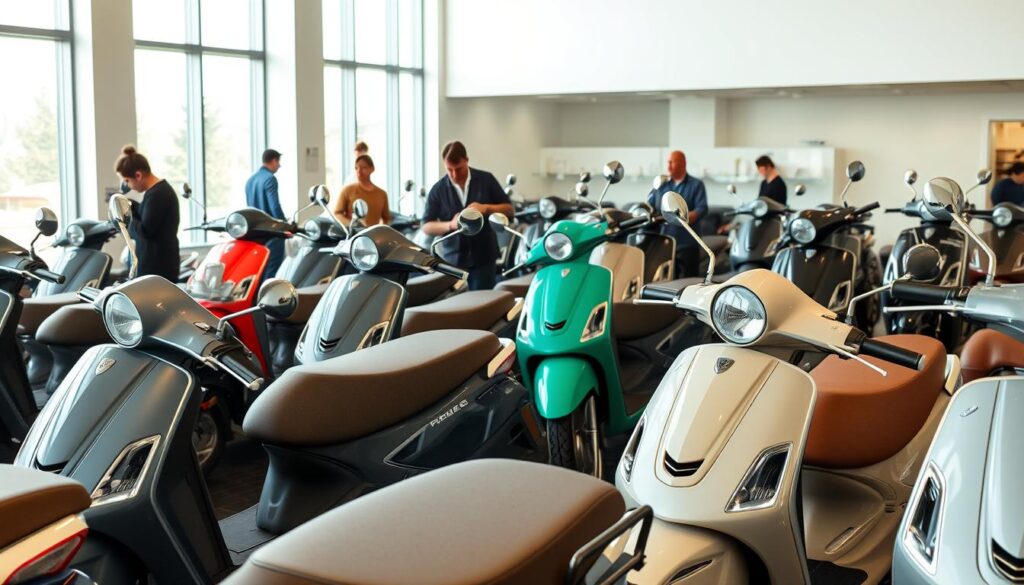
Performance metrics dictate real-world usability. Check engine power against your commute—steep hills demand torque, while flat routes favor fuel efficiency. Models offering 80-100 miles per gallon save hundreds annually compared to gas-guzzlers.
Ergonomics matter as much as speed. Test seat height and handlebar positioning during test rides. Can you plant both feet firmly on pavement? Is the weight manageable in stop-and-go traffic? Comfort directly impacts how often you’ll use your ride.
Style isn’t just about looks—it reflects functionality. Retro designs attract attention but may lack storage compartments. Modern frames often include USB ports or phone mounts. Ask yourself:
- Does the color scheme hold your interest long-term?
- Are controls intuitive for glove-free operation?
- Will accessories like baskets fit your lifestyle?
Verify build quality by inspecting welds and panel gaps. Scrutinize online reviews mentioning how models handle potholes or wet streets. A shaky frame at 25 mph feels riskier than a sturdy one at 35 mph.
Compare feature sets side-by-side. A $200 premium for anti-lock brakes could prevent accidents on busy streets. Track mileage ratings across brands—higher numbers mean fewer gas station stops. Your ideal match blends reliability, savings, and personality.
Top Street Legal Scooter and Moped Models for 2025
Urban riders seeking efficiency and flair have exciting options in 2025’s top models. These vehicles blend sleek designs with tech-forward features, making city commutes both practical and enjoyable. Let’s explore the standouts reshaping urban mobility.
2025 Model Showcase
Honda PCX150 leads with a 149cc engine and 114 mpg efficiency. Its modern digital dashboard includes GPS integration and theft alerts. Ideal for crowded downtown areas, this model supports flexible payment plans starting at $89/month.
Yamaha Zuma 125 shines with rugged tires and a water-cooled engine. LED lighting enhances visibility in low-light areas. Riders need a valid driver license, but no motorcycle endorsement in most states. Pros:
- All-terrain capability for mixed urban/suburban routes
- Low $1,200 down payment options
Cons:
- Heavier frame complicates parking
Vespa Primavera 150 combines Italian styling with a fuel-injected engine. Its anti-lock brakes and smartphone charger appeal to tech-savvy commuters. Dealers often offer 0% APR financing for qualified buyers with a valid driver license.
Before purchasing, confirm local regulations. Some states require additional certifications for higher-speed models. Matching your choice to daily routes ensures years of hassle-free rides.
How to Finance Your Moped Purchase
Ready to turn your two-wheeled dreams into reality? Smart financing keeps your budget on track while securing reliable transportation. Buyers have multiple pathways to ownership—each with unique benefits and trade-offs.
Breaking Down Payment Plans
Traditional bank loans often offer competitive rates for buyers with strong credit. Credit unions provide member-exclusive deals, while dealer financing simplifies the process with instant approvals. A 20% down payment typically lowers monthly costs—$800 upfront on a $4,000 model cuts interest fees by 15-25% over three years.
Don’t forget safety essentials in your budget. Even after securing funds, riders must wear helmet gear meeting state standards. Allocate $150-$300 for certified head protection and helmet eye protection to avoid last-minute expenses.
Compare offers using online tools or apps. A 5% rate difference could save $300 annually on a $3,500 loan. Always confirm timelines—delayed approvals shouldn’t push you to skip required wear helmet laws just to meet dealer deadlines.
Explore scooter financing options from trusted lenders. Pair your research with insurance quotes and maintenance estimates for a clear financial picture. With careful planning, you’ll cruise through payments while staying safe and compliant.
Maintaining Your Moped for Longevity
Regular upkeep transforms short-term rides into years of reliable service. Proper care keeps engines humming and prevents costly breakdowns on moped public roads. A simple maintenance routine ensures safety while preserving resale value.
Essential Care Checklist
Follow this monthly plan to stay road-ready:
- Oil changes: Replace every 500-1,000 miles for smooth engine performance
- Tire pressure checks: Maintain PSI levels listed in your manual
- Brake inspections: Test responsiveness and pad thickness
Clean air filters boost fuel efficiency by 15-20%. Wipe down the chassis weekly to prevent rust in wet climates. Mechanics recommend full tune-ups every six months—especially if you frequently ride on moped public roads with potholes or debris.
Source parts from authorized dealers or certified online retailers. Look for service centers specializing in small engines—they’ll spot issues faster than general auto shops. Keep receipts for warranty claims and future buyers.
Even with purchase liability insurance, neglected maintenance voids many policies. A well-maintained vehicle proves you’re a responsible operator if accidents occur. Pair these habits with a need valid driver license to ensure complete legal protection during rides.
Cost Considerations: Upfront and Ongoing Expenses
Smart budgeting starts with knowing where your dollars go—both today and tomorrow. New models range from $1,200 to $4,500, while used options average $800-$2,000. Registration fees add $25-$150 depending on your state. Don’t forget initial gear costs: certified helmets ($80-$250) and reflective jackets ($40+) often surprise first-time buyers.
Ongoing costs hit harder over time. Routine oil changes ($30) and tire rotations ($50) keep engines humming. Insurance renewals average $150-$400 annually—safer riders often get discounts. Parts like brake pads ($25 pair) need replacing every 1-2 years.
Safety compliance pays dividends. Riders must wear helmets during every trip to qualify for 10-15% insurance savings in 32 states. Gear maintenance matters too—replacing helmets every least years old five maintains protection and policy benefits. Some insurers track wear helmet times through apps for premium adjustments.
Regional price gaps matter. A 2023 California study showed used models cost 40% less than new ones, while Texas registration fees run 25% below the national average. Explore cost-benefit analysis tools to compare long-term savings.
Plan for surprises by setting aside $20/month for repairs. Seasonal tune-ups prevent winter storage issues. With smart planning, your two-wheeler becomes both a practical choice and financial win.
Enhancing Your Riding Experience with Accessories
Transforming your ride from basic to brilliant starts with smart upgrades. The right accessories boost comfort, safety, and even performance—without breaking local rules. Whether commuting daily or exploring backroads, these tweaks make every mile more enjoyable.
Useful Add-ons and Upgrades for Comfort and Safety
Start with gear that protects while enhancing rides. DOT-approved helmets with built-in Bluetooth let you take calls hands-free. Gel-padded gloves reduce vibration fatigue during long trips. Consider these popular upgrades:
- Anti-theft systems: GPS trackers or disc locks deter thieves
- LED light kits: Improve visibility without draining batteries
- Storage solutions: Waterproof saddlebags or phone mounts
Performance tweaks require caution. Upgraded exhaust systems might push your top speed mph higher, but check your state’s department motor vehicles website first. Illegal modifications could void your license operate moped privileges.
Always verify compatibility. A phone charger designed for motorcycles might overload smaller batteries. Mechanics recommend consulting your manual or dealer before installing new parts. Simple changes—like ergonomic seats or heated grips—often deliver the biggest comfort gains.
Understanding Moped Speed and Performance Limits
How fast can your two-wheeler go before needing special permits? State laws set clear boundaries—most cap speeds between 25-35 mph for models that don’t require motorcycle endorsements. Alabama lets riders cruise at 30 mph with a standard driver license operate permit, while California restricts certain areas to 25 mph regardless of engine power.
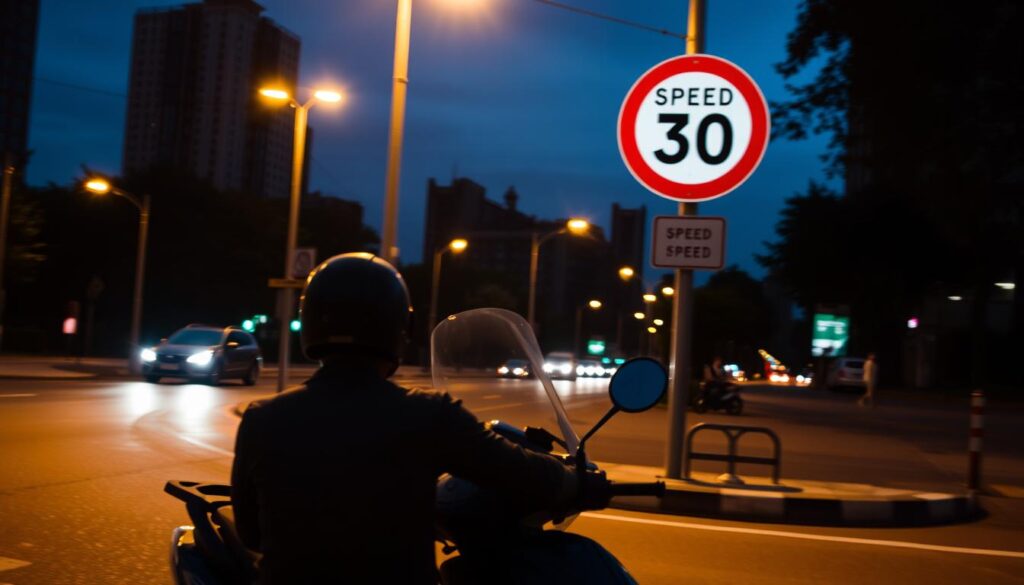
Engine size directly impacts both velocity and licensing rules. A 50cc model typically hits 30 mph, keeping riders in the no-endorsement-needed category. Upgrade to 150cc, and you’ll face stricter requirements—38 states demand a motorcycle license for anything exceeding 35 mph. Three factors shape performance:
- Terrain: Hills reduce acceleration by 15-20%
- Weight capacity: Heavier loads drop top speeds
- Local ordinances: Some cities impose lower limits than state rules
Popular models reflect these limits. The Honda Metro tops out at 30 mph, ideal for riders with a basic driver license ride credential. Yamaha’s Zuma 125 reaches 55 mph but requires upgraded licensing in most regions. Always verify your state’s mph thresholds before purchasing.
Smart riders match their machine’s capabilities to both local laws and personal needs. Exceeding posted limits risks fines—or worse, invalidates insurance claims. Knowing these boundaries ensures every ride stays enjoyable and compliant.
Ensuring Compliance with Road and Traffic Laws
Road rules evolve faster than rush hour traffic—keeping up ensures your rides stay smooth and ticket-free. Local regulations shift yearly, with states adjusting speed limits, gear requirements, and operational zones. Staying informed isn’t just smart—it’s your shield against fines and safety risks.
Staying Updated on Legal Changes and Regulations
Bookmark your state’s DMV website for instant access to updates. Many agencies offer email alerts for new traffic laws affecting riders. Set quarterly reminders to review changes, especially before peak riding seasons.
Three compliance must-dos:
- Verify gear standards: Some states now require photochromic visors for wear eye protection
- Track lane-use rules: Urban areas frequently redesignate two-wheeler zones
- Renew permits early: Processing delays could ground your rides
Safety gear remains non-negotiable. Always wear helmet riding with securely fastened straps—45% of riders cited in 2024 had loose chin buckles. Pair it with shatter-resistant goggles meeting wear helmet eye safety codes. Keep gear inspection logs showing replacement dates and certification seals.
Digital tools simplify compliance. Apps like LawBoard consolidate regional regulations, while maintenance trackers remind you when to replace aging helmets. When in doubt, local riding clubs often share real-world enforcement insights you won’t find in official guides.
Final Thoughts on Finding Your Ideal Moped
Finding the perfect two-wheeler blends practical needs with personal joy. Prioritize models matching your commute length and local driver license moped rules. Engine size remains critical—smaller options save fuel, while larger ones handle varied terrain better.
Safety never takes a backseat. Helmets meeting must least years durability standards protect during unexpected stops. Pair them with reflective gear for visibility, especially if riding after dusk.
New riders should weigh upfront costs against long-term savings. Used models offer value but require thorough mechanical checks. Always verify registration timelines—delays risk fines or impoundment.
Use this guide as your roadmap when visiting dealers. Check mirrors, brake lights, and tire treads against state inspection lists. Confirm whether your area requires turn signals or specific speed governors.
With smart planning, your street legal choice becomes a gateway to stress-free commuting. Imagine breezing past traffic jams while saving hundreds yearly. The open road awaits—equip yourself with knowledge, gear up, and ride confidently into your next adventure.
FAQ
What engine size is ideal for commuting in urban areas?
Most riders find 50cc engines sufficient for city travel, offering speeds up to 30 mph. Larger engines, like 150cc, suit highways but may require motorcycle licenses in some states.
Do riders need insurance for a 50cc scooter?
Yes, many states mandate liability coverage, even for smaller engines. Policies protect against accidents and property damage, with costs varying by provider and location.
Are helmets required when operating these vehicles?
Most states require helmets and eye protection. Riders should check local laws—some regions allow exemptions for those over 18, but safety experts always recommend wearing them.
How does registration work for low-speed models?
Owners typically submit proof of ownership, a bill of sale, and payment to their state’s DMV. Fees vary, and some states exempt vehicles under 50cc from annual renewals.
Can a driver’s license from another state be used to operate one?
A valid driver’s license is generally accepted, but permits or motorcycle endorsements may apply for larger engines. Always verify requirements with local motor vehicle agencies.
What safety upgrades improve riding experiences?
Adding LED lights, reflective decals, or anti-lock brakes enhances visibility and control. Brands like Honda and Vespa offer compatible accessories for popular models.
Are there financing options for first-time buyers?
Dealerships often provide loans with competitive rates. Buyers can explore low down payments or credit unions for better terms, depending on credit history and income.
How often should oil changes and tire checks be done?
Routine maintenance every 500–1,000 miles ensures longevity. Check tire pressure monthly and replace worn treads to avoid accidents on wet roads.
Do traffic laws treat these vehicles like bicycles or cars?
They’re classified as motor vehicles, so riders must follow traffic signals and lane rules. Lane-splitting is illegal in most states, and speeding tickets apply like any car.
Which 2025 models balance affordability and performance?
The Yamaha Zuma 125 and Genuine Buddy Kick excel in fuel efficiency and durability. Both include modern features like digital displays and USB charging ports.