Single Wheel Hoverboard Reviews: Best Models Compared
 PopScooter Team
February 24, 2026 12:20 pm
.
10 min read
PopScooter Team
February 24, 2026 12:20 pm
.
10 min read
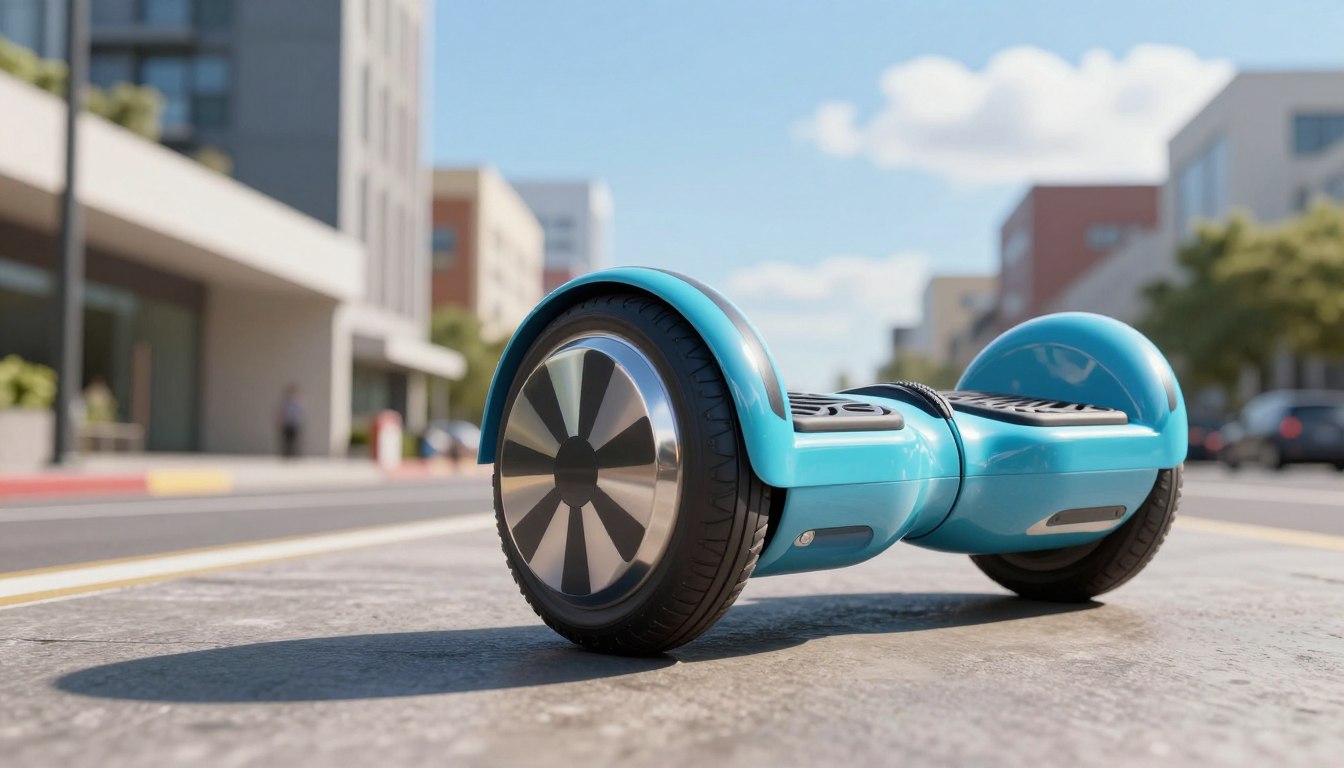
Which single-tire electric board matches your ride style: commute, trail, or pure fun?
The term describes a self-balancing, one-tire electric board riders steer by leaning. It blends skateboard feel with snowboard-like carving and is made famous by Future Motion and its Onewheel family.
Real-world range varies. Claimed miles can be optimistic; rider weight, terrain, and weather change what you actually get. This guide compares advertised range to typical results and flags what affects performance.
This buyer’s guide focuses on the current Onewheel lineup—Pint, Pint X, Pint S, XR Classic, GT, and GT S-Series—so shoppers can weigh range, speed, and trail ability. It helps beginners pick a first board, commuters prioritize range, and experienced riders find speed and stability.
Next, the article breaks down how speed feels (pushback and haptic alerts), how tire choice affects stability, and what matters for portability and visibility. Growth in popularity over recent years led to multiple models, so “best” depends on needs and budget. The piece ends with a simple match-your-ride method.
Key Takeaways
- These boards steer by body lean and aim to mimic snowboarding on pavement.
- Future Motion‘s Onewheel lineup is the focus for comparison.
- Real-world miles vary with rider size, terrain, and weather.
- Decision points: speed feel, tire choice, portability, and visibility.
- “Best” depends on riding style, range needs, and budget.
How to Choose a Single Wheel Hoverboard for Range, Speed, and Terrain
Start by matching real-world needs to the specs the manufacturer lists. Buyers should weigh advertised range against the conditions they will actually ride in.
Range vs real-world battery factors
Advertised miles vs real-world miles: claimant figures assume ideal conditions. Rider lbs, headwinds, hills, cold temperature, and frequent stops cut practical range. Riders should budget extra miles for detours and battery aging over time.
Top speed, pushback, and ride feel
Top speed in mph is useful, but pushback and haptic buzz shape how fast someone feels comfortable going. Pushback lifts the nose as a clear warning; riders should not push through it. Haptic alerts reinforce limits and help prevent risky attempts to chase specs.
Tire, stability, and terrain choice
Tire size and tread change confidence on street, gravel, and off-road trails. A knobby tread adds bite on loose surfaces, while a slick tire rolls smoother on pavement. Larger tires smooth cracks, but stance, speed, and terrain still determine predictability.
Portability, LEDs, and app features
Weight and compact size matter for stairs, trains, or short carries. Built-in handles make a board realistic to tote. LED visibility helps be seen, and the app shows battery and miles, plus ride modes like Digital Shaping and Custom Shaping to tune how the board responds.
- Tip: Plan commutes with a 20–30% buffer for real conditions and battery wear.
- Enable Simplestop in the app for smoother dismounts at low speeds.
Best Single Wheel Hoverboard Models Compared (Current Onewheel Lineup)
This practical comparison lines up Future Motion’s current models by what shoppers care about: miles, top speed, ride feel, and carry convenience.
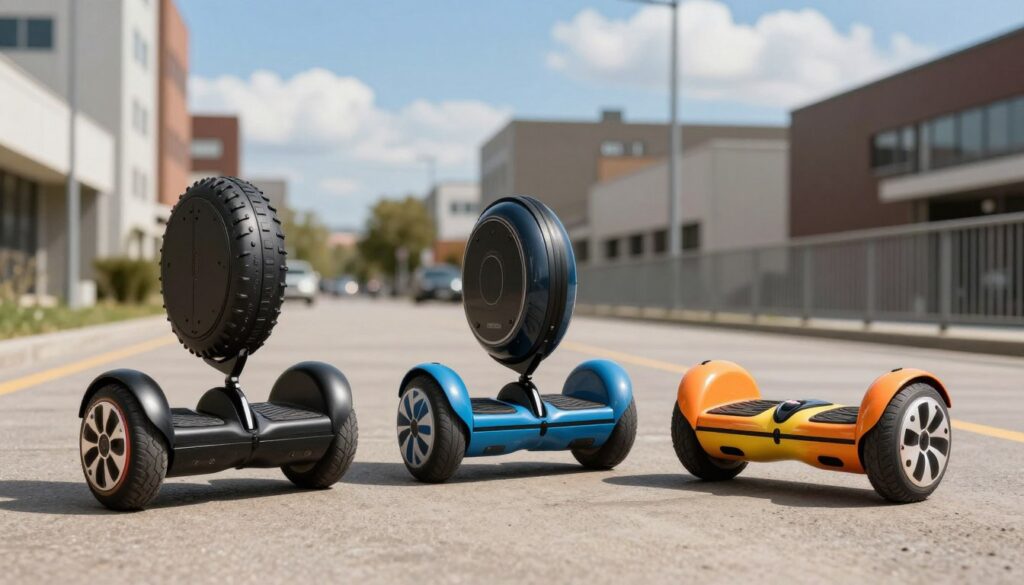
Onewheel Pint
Small and nimble: The Pint targets new riders and short trips. It lists up to 12–18 miles and a 16 mph top speed. App connectivity and built-in LEDs add convenience, and the carry handle helps on stairs. Note the lower max weight recommendation (about 250 lbs) when deciding.
Onewheel Pint X and Pint S
The Pint X is the commuter step-up with an 18 mph top speed and similar 12–18 miles range for longer daily rides.
The Pint S boosts the platform with a 20 mph top speed and factory add-ons like Flared Footpads, Maghandle Pro, and a treaded tire for improved performance without moving to a larger board.
XR Classic, GT, and GT S-Series
The XR Classic modernizes the XR ride with 17–24 miles and a 20 mph top speed. A lower center of gravity improves stability for faster cruises.
The GT is the max-distance choice: 20–32 miles, 20 mph top speed, 275 lbs load capacity, a 35 lb size, and an 11.5-inch wheel.
The GT S-Series emphasizes performance with up to 25 mph and 16–25 miles, trading some range for higher torque from a higher-voltage battery pack.
- Quick spec-check: Pint for short errands and portability; Pint X / Pint S for longer commutes; XR Classic for balanced speed and range; GT for max miles and heavier riders; GT S-Series for top-end performance.
- For more single-wheel options and gear, see the compact guide at single-wheel scooter.
Safety, Recalls, and Responsible Riding in the United States
Riding safely in the United States starts with treating these boards like a boardsport: prepare for falls and make choices that reduce injury risk. A calm approach and the right gear make a big difference over time.
Essential gear checklist
- Certified helmet first — wear it every ride.
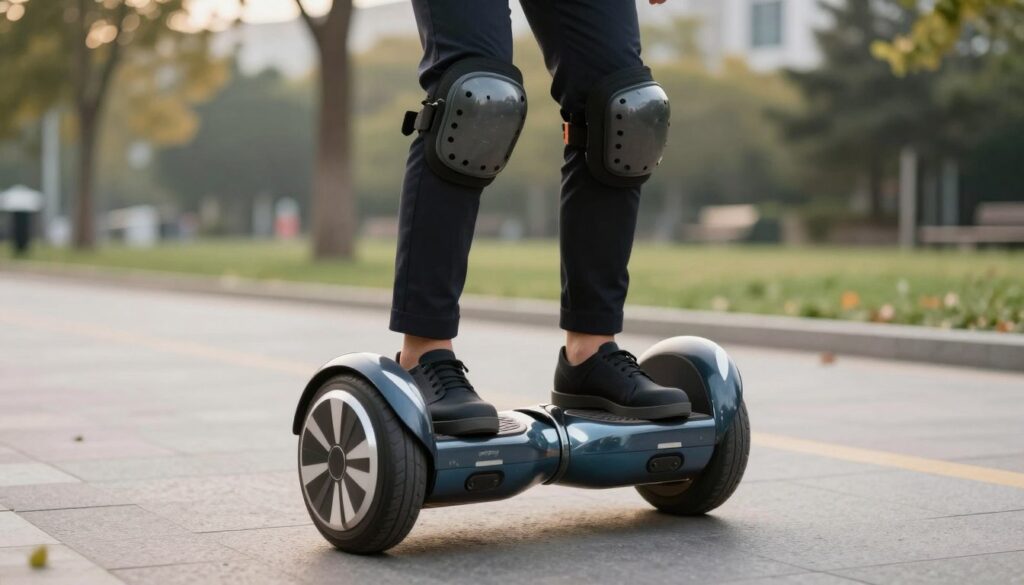
- Wrist guards, elbow pads, and knee pads to cut common injuries when hands reach out to stop a fall.
- Closed-toe shoes and padded shorts help protect feet and hips.
Skills and ride-savvy
Feet placement and practiced mounts matter. Riders should learn controlled starts, stops, and dismounts in a quiet place before sharing sidewalks or bike lanes.
Tech and behavior
Know nosedives: a sudden forward drop from overpowering the board or riding poor terrain. Respect pushback — it’s a safety cue, not a stunt.
Simplestop (toggle in the app on supported models) helps beginners slow and step off at low speeds.
Watch battery level and avoid pushing hard on low charge. Cold weather lowers range; plan routes with reserve time.
Obey local traffic rules, choose bike paths or low-speed places, and ride predictably around others.
Note the CPSC warning issued in 2022 advising caution. In Sept 2023 Future Motion released a firmware recall update adding haptic alerts as riders near performance limits. Riders should also check service notices like the Aug 11, 2022 GT front footpad recall (about 20,500 units; 813 reports) and confirm their board is updated and safe.
For wider context on safety developments, see this report — regulatory coverage and updates.
Making the Final Pick: Which Board Fits Their Budget and Riding Style
Deciding which board to buy comes down to honest trip math and a clear sense of how the rider plans to use it.
Estimate round-trip miles, add a 20–30% buffer for battery variability, then choose the smallest model that clears that distance without constant charging. For quick value guidance, consult a compact list of useful options at value picks.
Riders who prize nimble carving and portability should favor smaller, lighter boards. Those chasing stable high-speed cruising should pick larger platforms with more miles and load support. Tire tread and app shaping matter: knobby tread helps mixed terrain and custom shaping can soften the learning curve.
Before checkout, confirm firmware and recall status, factor in protective gear and lights — LED visibility is a must for low-light rides. For more single-wheel options see more single-wheel options. Remember: Future Motion, founded by Kyle Doerksen after the original Onewheel Kickstarter, refined the lineup through years of engineering. Once miles, preferred feel, and route are set, they can pick with confidence and ride responsibly.
FAQ
What factors determine real-world range and battery life?
Range depends on rider weight, terrain, speed, and temperature. Heavier riders and steep or loose surfaces drain the battery faster. Riding at top speed or frequently accelerating reduces miles per charge. Cold weather lowers battery efficiency. Manufacturers list ideal ranges, but expect 10–30% less in mixed conditions.
How fast can these boards go and what is pushback?
Top speeds vary by model, typically 16–25 mph. Pushback is an automatic safety feature that tilts the deck back as a warning when the controller detects risky speed or battery limits. It feels like a gentle nudge to slow down and helps prevent loss of control during high-speed runs.
Which tire size and tread work best for mixed terrain?
Larger, treaded tires give better grip and stability on gravel, dirt, and uneven trails. Smaller, smoother tires suit pavement and boardwalks. Choose a model with wheel and tire specs matched to the rider’s most common surfaces for safer handling and longer tire life.
How should riders match a model to their weight and commuting needs?
Check the board’s load rating and advertised range. Lighter riders will get closer to the top range; heavier riders should choose higher-capacity batteries and stronger motors. For commutes, select a model whose real-world miles exceed the roundtrip distance, plus a safety margin for detours.
Are LED lights and app features important?
Yes. Bright LEDs improve visibility at dusk and in traffic. Apps offer ride modes, digital shaping, and performance telemetry that let riders adjust responsiveness and braking feel. These features enhance safety and let riders fine-tune handling to match skill level and terrain.
What are the main differences among current Onewheel models?
Models vary by range, top speed, and load capacity. Entry-level options focus on portability and nimbleness with moderate range and speed. Mid-tier boards balance distance and performance. High-end models prioritize top speed, maximum miles, and higher rider weight limits for long rides and rough terrain.
How should a beginner prepare for safe riding?
Wear a certified helmet plus wrist guards, knee and elbow pads. Practice slow balance drills on grass or a safe parking lot, learn pushback and emergency stop responses, and start in lower-powered ride modes. Gradually increase speed as confidence and control improve.
What safety concerns and recalls should riders know about?
Riders should monitor manufacturer firmware updates, especially those addressing haptic feedback and stability. Follow any Consumer Product Safety Commission notices and apply recalls promptly. Proper charging habits and using manufacturer-approved chargers reduce battery risks.
How long do batteries take to charge and what affects charging time?
Charging time varies by pack size and charger but typically ranges from 75 minutes to several hours. Ambient temperature, battery state of charge, and charger amperage affect time. Avoid charging in extreme cold or heat to preserve cell health.
Can these boards handle off-road trails and what maintenance is required?
Many models handle light off-road trails when equipped with the right tire and protective accessories. Regular maintenance includes checking tire condition and pressure, inspecting bearings and hardware, and keeping firmware up to date. Clean mud and debris after rough rides to prevent wear.
What load limits should riders respect to avoid damage or poor performance?
Each model has a specified maximum rider weight. Exceeding it reduces range, stresses the motor and battery, and can cause premature component failure. Choose a board with a suitable load rating and consider reinforced or higher-capacity models for heavier riders.
How do ride modes like Digital Shaping affect handling?
Digital Shaping and custom modes change throttle response, braking strength, and stability settings. Beginner modes soften acceleration and increase stability; advanced modes offer sharper control and higher top speeds. Riders should retune gradually and test in a safe area.
Are there common injuries and how can riders reduce risk?
Typical injuries include wrist, shoulder, and ankle sprains from falls. Wearing protective gear, learning proper dismount techniques, avoiding risky maneuvers until skilled, and riding within comfort limits significantly lower injury risk.
What portability features matter for daily use?
Handles, lighter weight, and compact deck size make carrying easier on public transit or up stairs. Riders who commute frequently should prioritize models with built-in grips and a balance of battery range and mass for convenient transport.
How to choose between speed and range for commuting?
If time matters and routes are short, a faster, lower-range board can be ideal. For longer commutes, prioritize higher-mile batteries even if top speed is moderate. Factor in charging access and expected detours when choosing.