Buy Scooters Canada: Top Picks and Reviews
 PopScooter Team
November 9, 2025 2:10 am
.
12 min read
PopScooter Team
November 9, 2025 2:10 am
.
12 min read

Which electric ride truly replaces a car trip without costing a fortune? That question drives many U.S. shoppers to compare brands, tech, and real-world results before they buy.
This guide highlights trusted options such as Apollo and Teverun, and it shows how to weigh range, performance, and warranty. Apollo touts an app-driven ecosystem, MACH Technology, 60+ certified service points, and millions of app downloads. Teverun offers dealer-backed parts, fast repairs, and a strong two-year bumper-to-bumper policy.
Readers get straightforward advice on speed, torque, deck fit, and range planning so a scooter performs well for daily commutes and weekend rides. It also points to timing a purchase for the best price and seasonal sale windows.
Practical signals like service coverage and user miles traveled help buyers judge post-purchase support and value. The section sets expectations on shipping and real customer experiences to ease cross-border concerns.
Start here: How to use this Buyer’s Guide for the present market
Begin with a quick plan: find commuter, pro, or hyper models that match how and where they ride.
Quick links to top commuter, pro, and hyper models
Use the guide as a shortcut. Jump to the full model list to compare intended use, range, and weight. That saves time when a sale appears.
Key takeaways on performance, price, and support
Focus first on three variables: performance, price, and support. These show whether a scooter fits streets, budget, and aftercare.
- Check wheel size, brake type, and suspension for your roads.
- List prices, delivery timing, and warranty to act on limited stock.
- Verify service networks like Apollo’s 60+ certified points and dealer parts availability.
What’s new right now: apps, tech, and seasonal sales
Look for app features such as the Apollo App and hardware like MACH Technology that refine control. Seasonal promos matter: Apollo offers up to $1,200 CAD off during Black Friday, and Teverun’s dealer code can cut another $300 and covers shipping to much of North America.
Choosing the right scooter: fit, performance, and range that match your ride
A confident purchase comes from matching fit, handling, and range to daily routes. Start by measuring from the ground to the rider’s hips, then add about 5 cm for a balanced starting bar height.

Rider fit and bar height basics for better control
Bar width should roughly match shoulder width. That helps control and reduces fatigue during longer rides.
Integrated headsets ease upgrades and last longer than loose cups. Aluminum wheel cores resist impacts better than nylon for improved quality.
Performance checklist: speed, torque, suspension, and braking
Match speed and torque to local roads: dual motors give stronger acceleration on hills, while single motors save weight for city riding.
Suspension should absorb potholes and cracks; brakes must stay consistent in wet and dry conditions.
Battery, motor class, and real-world range expectations
Compare battery capacity to daily kilometers and plan a 20–30% reserve to avoid range anxiety. Controller tuning changes acceleration feel, so test different modes when possible.
Folding and portability: weight, latch quality, and daily carry
- Check actual carry weight and stem geometry for stairs or trains.
- Look for a precise, well-machined latch and a safety hook that keeps the deck compact.
- Choose a lighter chassis if daily folding is required, but don’t sacrifice build solidity for convenience.
Top commuter picks for everyday riding and value
For daily urban rides, the best picks blend straightforward performance with low hassle.

Best for price-to-performance with app support
Apollo models shine for riders who want diagnostic tools and tuning on the go. The app lets them adjust speed modes, tweak acceleration curves, and run quick pre-ride checks.
This ecosystem pairs with 60+ certified service points, so repair windows shrink and downtime drops. Shoppers can compare price and torque to avoid paying for hyper-class power they won’t use.
Folding models with solid range and quality construction
Choose mid-capacity batteries that cover errand runs while keeping weight reasonable. That balance preserves a reliable range without lugging extra mass.
Regular folders should have a precise latch plus a secondary safety hook. A secure stem lock and tight tolerances reduce squeak and flex over time.
- Predictable acceleration and confident brakes for city stops.
- Tire choices that cut flats and simplify maintenance.
- Dealer-backed support and stocked parts—Teverun’s Edmonton inventory speeds repairs and offers broader shipping.
- Look for included or free shipping promotions and clear delivery windows before buying.
Pro scooters for tricks and durability: what to know before you buy
If tricks are the goal, a purpose-built pro setup pays back in durability and predictable handling. Pro units favor reinforced, non-folding frames and stout forks to survive repeated impacts.
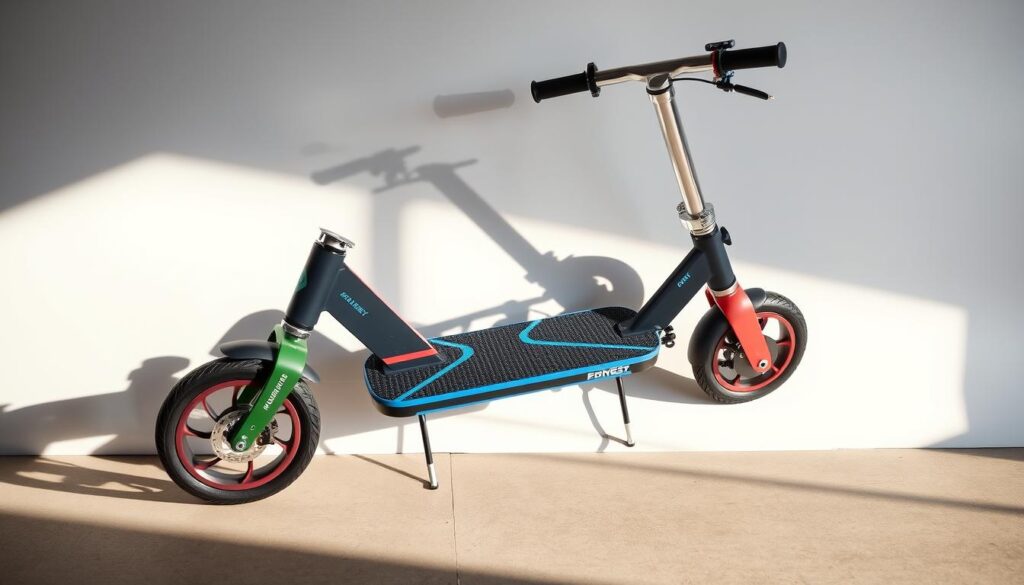
Sizing and key parts: aim for overall height near ground-to-hip plus 5 cm. Bar width should match shoulder width for better control. Deck width affects style: narrow (≤5.5″) is flickable for park work; wider box-cut decks lock in for street lines.
Compression systems and component choices
SCS is the strongest choice for heavy landings. HIC and IHC trade some strength for lower weight and faster spins.
- Aluminum core wheels resist deformation and keep sessions moving.
- Integrated headsets reduce play and smooth barspins over time.
- Complete models arrive partially assembled and offer strong price-to-performance versus custom builds.
Quick checklist: verify clamp quality, brake style, wheel diameter, and that all fasteners are torqued before the first ride.
scooters canada brands spotlight: Apollo and Teverun
When reliability and quick turnaround matter, Apollo and Teverun rise to the top for practical riders.
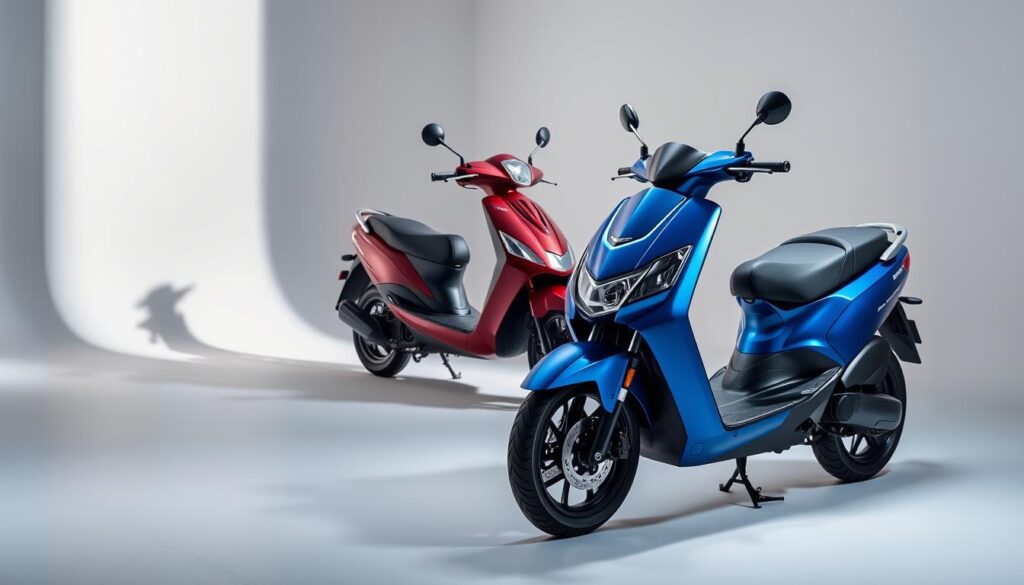
Apollo advantages: Canadian precision, app integration, and service points
Apollo pairs Canadian engineering with MACH Technology and the Apollo App for on‑the‑fly tuning.
The brand backs ownership with 60+ certified service points and wide app adoption. Usage stats show many riders choose Apollo to replace car trips and save on annual costs.
- Key wins: precise control from MACH, app diagnostics, big service footprint.
- Seasonal price hits: Black Friday cuts up to $1,200 and a daily refund draw for orders.
Teverun highlights: dealer-backed support, in-stock parts, and confidence warranty
Teverun’s largest dealer stocks a deep parts warehouse in Edmonton and keeps a direct line to the factory.
That means fast fixes, clear communication, and strong warranty terms: 2‑year bumper‑to‑bumper (battery, motor, charger covered one year).
- Included shipping to most North American addresses and accepted returns.
- Customer praise for rapid, often after‑hours, support and quick parts turnaround.
- Price perks: use code SUPERSALE for an extra $300 off in‑stock models and occasional free shipping promotions.
Pricing, sale events, and shipping to the United States
Finding the right deal means matching promo timing with shipping terms and warranty clarity.
Major seasonal events often deliver the biggest savings. Apollo runs deep Black Friday cuts—up to $1,200 CAD—and a daily draw that can refund an order. Teverun’s dealer stacks savings with an extra $300 off using the SUPERSALE code and accepts returns for added confidence.

- Seasonal timing: Black Friday is a standout sale window for steep discounts and bundled offers.
- Stacked promos: Use codes like SUPERSALE on in-stock models to lower the listed price before comparing specs.
- Shipping and fees: Many sellers include or advertise free shipping to most North American addresses, which trims the landed cost. U.S. buyers should still factor in a small import tariff or GST caveat where noted.
- Bundles and returns: Ask about bundled safety gear or spare parts and confirm return policies—Teverun’s dealer accepts returns and often resolves issues fast.
Plan delivery dates and confirm who can accept a large box. Watch back-in-stock alerts; top deals move quickly during sale windows and readiness can lock in the best value.
Parts, service, and long-term support you can count on
Fast parts access and clear warranties turn a good buy into a worry-free ownership.
The difference between a pleasant ownership story and a long repair wait is often local inventory. Teverun’s largest dealer keeps a deep stock in an Edmonton warehouse and talks directly to the factory. That cuts wait times for replacements and complex fixes.
Apollo’s certified network — more than 60 service points — gives riders nearby options for tune-ups and warranty work. These locations speed routine maintenance and reduce travel time for repairs.
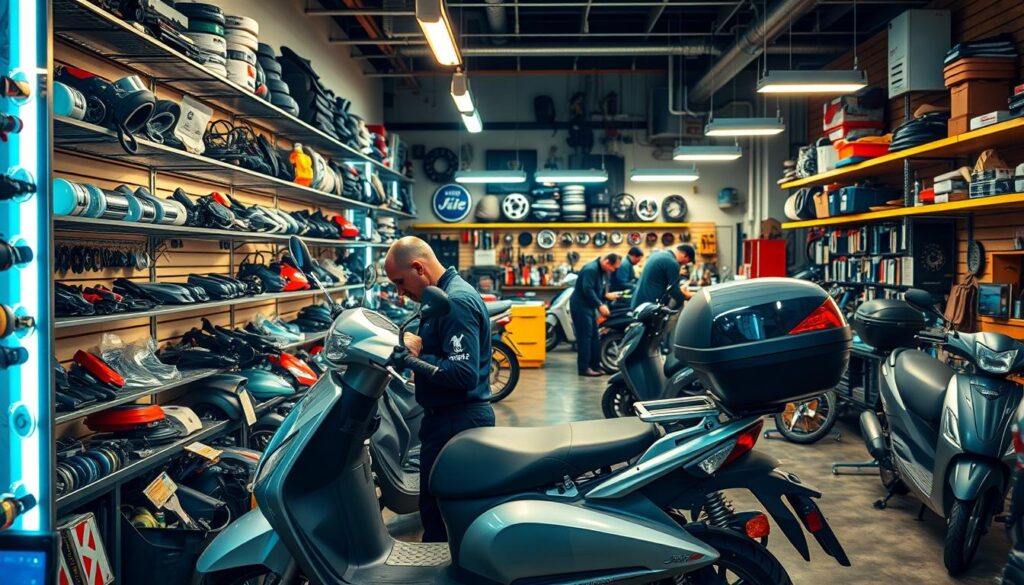
What the warranty and turnaround times mean
Warranty: 2-year bumper-to-bumper coverage, with battery, motors, and charger covered for 1 year. That split clarifies which high-value items have limited terms.
- Dealers with stocked parts lower the total price of ownership by avoiding long import waits.
- Included or free shipping for RMAs to most North American addresses reduces repair cost and friction.
- Buyers should budget for wear items like tires, tubes, and brake pads and confirm local availability.
Quality shows up in how quickly support replies, whether techs torque fasteners, apply firmware updates, and road-test after service. Keep receipts and maintenance notes to speed any future claims and keep the scooter ready to ride.
Ready to ride: compare models, lock in support, and enjoy the road ahead
Narrowing to two or three contenders makes it easy to weigh ride feel, range, and support.
They should compare braking, tire type, and controller feel against actual routes. Matching real-world range to daily trips avoids surprises on the first commute.
Confirm warranty terms, local service access, and whether a seller offers free shipping or standard shipping to the U.S. If a sale like Black Friday or the SUPERSALE code is live, acting fast locks price and availability.
Riders who want app-driven tuning can favor Apollo’s ecosystem and certified service points. Those who prioritize minimal downtime may pick dealer-backed models with in-stock parts and a clear two-year bumper-to-bumper policy.
For a final look and specs, view Apollo City 24 details via this link: Apollo City 24 details.
FAQ
What should a buyer look for first when choosing a commuter scooter?
They should start with rider fit and weight capacity. A correct deck height and bar width improve control and comfort. Next, check performance specs like motor power and braking, plus real-world range estimates. Finally, consider folding quality and overall weight for daily carry and storage.
How does real-world range differ from advertised range?
Advertised range is often measured under ideal conditions. Real-world range varies with rider weight, terrain, speed, temperature, and cargo. Look for user reviews and tests that report range under similar riding habits to get a realistic expectation.
Are app features worth paying extra for?
App integration can add value through firmware updates, ride tracking, and lock or cruise control settings. It’s worthwhile if the app offers reliable support and regular updates. If support and performance are priorities, choose models with proven app ecosystems.
What maintenance should riders plan for in the first year?
They should expect periodic tire checks, brake adjustments, and bolt torque inspections. Battery health monitoring and firmware updates also matter. Routine maintenance keeps performance consistent and extends component life.
How do folding mechanisms affect daily use?
A solid latch and hinge design make folding quick and safe. Heavier but well-built folding systems can feel more stable on the road. Consider latch durability and whether the folded size fits your transport or storage needs.
What distinguishes commuter models from pro or hyper scooters?
Commuter models prioritize ride comfort, range, and portability. Pro scooters focus on strength, deck geometry, and parts suitable for tricks. Hyper models push performance with higher top speeds, larger batteries, and beefier motors for longer, faster rides.
How important is dealer or brand support when buying online?
Support is crucial. Fast parts availability and a clear warranty policy reduce downtime. Buyers should prefer brands or dealers with local service centers or reliable shipping for replacements and repairs.
Can riders expect free shipping and easy returns?
Many retailers offer free shipping promotions, but terms vary by region and model. Return policies differ as well—verify restocking fees, return windows, and who covers return shipping before purchase.
What should riders know about batteries and warranties?
Battery warranties typically cover defects but not normal capacity loss. Check warranty length, claim process, and whether the seller offers battery replacements or service centers. Proper charging habits also extend battery life.
How do pricing and seasonal sales affect total cost?
Promotions, bundles, and holiday sales can significantly lower the initial cost. Factor in shipping, taxes, accessories, and potential duty if ordering internationally to understand the true price.
What spare parts are most often needed and easy to source?
Tires, inner tubes, brake pads, and replacement fasteners are commonly replaced. Models with dealer-backed support or stocked parts make repairs faster. Keep a small toolkit and spares for common wear items.
How should a rider choose between different motor classes?
Lower-power motors suit flat commutes and extended range needs. Higher-power motors provide better hill-climbing and acceleration but can reduce range. Match motor class to typical routes and riding style.
What riding safety gear is recommended?
A certified helmet, reflective clothing, front and rear lights, and gloves are essential. For higher-speed rides, consider knee and elbow protection. Regularly inspect lights and brakes before each ride.
Are folding electric models a good fit for mixed transit commutes?
Yes. Foldable designs that balance low weight and sturdy latches integrate well with buses and trains. Verify folded dimensions and any carrier rules for bringing personal mobility devices onboard.
How do customers compare Apollo and Teverun models?
Apollo often highlights strong app integration and broad service networks, while Teverun emphasizes dealer-backed support and in-stock parts. Buyers should compare specific model specs, local service availability, and warranty terms to decide.
Where can riders find reliable reviews and test results?
Look for hands-on reviews from reputable gear sites, tech publications, and verified buyer feedback. Focus on tests that measure range, top speed, braking distance, and build quality under real conditions.