Scooter with Sidecar: Benefits and Features Explained
 PopScooter Team
February 14, 2026 6:28 am
.
10 min read
PopScooter Team
February 14, 2026 6:28 am
.
10 min read

Could a compact electric vehicle replace a second car for short trips and still carry a child, groceries, or a small pet?
Consumers in the United States are asking this as modern designs make urban runs simpler and greener. The EV4DOG Aventura-X, for example, arrives fully assembled and inspected to carry passengers or cargo right away.
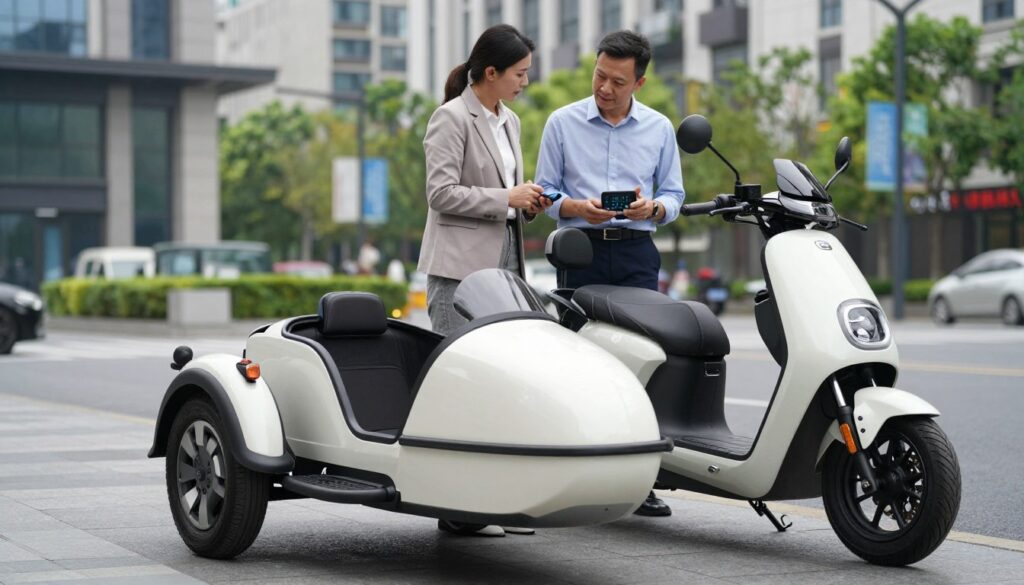
These setups blend an electric scooter drivetrain and a purpose-built sidecar to add usable space and improve stability at stops. That change helps newer riders feel secure while keeping daily rides nimble and economical.
Buyers should focus on key specs: motor power, real-world range (often 20–50 miles), battery type, brakes, tires, suspension, and warranty. Understanding these features lets shoppers compare models by value, not just price or looks.
Key Takeaways
- Look for purpose-built sidecars, not DIY add-ons, for tested frames and safety.
- Expect typical range in the 20–50 mile band depending on terrain and load.
- Evaluate motor, battery, brakes, and suspension to match real riding needs.
- Sidecars add cargo/passenger room and improve low-speed stability.
- Check shipping, assembly level, and warranty before buying online.
- Focus on features-first comparisons to find the best real-world value.
Why a Scooter with Sidecar Fits Modern Rides in the United States
Adding a compact sidecar turns a nimble urban ride into a practical people-and-payload vehicle. It moves beyond style and gives real space for daily errands, pet transport, and small deliveries.
More space for passengers, cargo, and pet-friendly trips
Sidecars add usable storage so riders no longer stash groceries on the handlebars.
They give an extra seat for a friend or family member, which feels more approachable than riding pillion.
For pets, padding and secure tie points make trips safer and more comfortable than carrying an animal by hand.
Added stability and confidence for everyday riding and stopping
The extra wheel and wider stance improve low-speed balance during stops and parking. That helps riders handle heavier loads and tight city maneuvers.
- Everyday cargo: backpacks, work gear, groceries.
- Passenger comfort: easier boarding and a more stable seat.
- Small business use: quick deliveries and supply runs that cut car trips.
Choosing the right setup starts by listing needs — passenger comfort, cargo capacity, or pet use — then matching those priorities to a sidecar design and rated capacity.
Scooter with Sidecar Performance and Key Features to Look For
Powertrain choices and battery layout make the biggest difference in daily use. Brushless motor systems give stronger pull under load, smoother starts, and lower upkeep than older brushed designs.
Examples help set expectations: the EV4DOG uses a 2,900W brushless motor and the Eahora model pushes about 3,000W with high torque for steep starts. That extra torque matters when carrying cargo or climbing hills.
Range, charging, and battery life
Range per charge varies: EV4DOG lists up to 50 miles, while Eahora shows 24–49 miles at top speed and up to 55 miles at low throttle. Real miles per charge depend on load, terrain, tire pressure, and riding speed.
Removable lithium-ion battery packs (like EV4DOG’s 72V20Ah) make apartment charging and swaps easy. Integrated packs add cleaner lines and built-in BMS protections like Eahora’s unit.
Charge time matters for daily routines: standard chargers often take 5–6 hours, while optional fast chargers cut that near 2 hours. Look at rated charge cycles too—EV4DOG lists ~1000 cycles; Eahora shows 800+ with BMS safeguards.
Brakes, traction, and practical design
Hydraulic systems and front rear disc brakes deliver stopping power under load. Tubeless tires and full suspension improve comfort and puncture resilience on rough pavement.
- Frame & load: check size and rated capacity—EV4DOG ~400 lb and Eahora ~440 lb.
- Safety & data: motorcycle-grade lighting and split-screen displays make voltage, speed, and fault codes easy to see.
- Convenience: pockets and smart sidecar design touches help keep small items organized for errands.
For buyers who want a sit-down model that balances range, charge time, and daily utility, compare these real specs and test ride similar options like the sit-down model options.
Real-World Utility: Commuting, Business Deliveries, and Family Rides
Practical use matters most: commuters, small businesses, and families test how an extra passenger seat or cargo bay fits daily life.

Passenger seating and capacity
Capacity matters. The EV4DOG Aventura-X lists seating for three and a 400‑lb max loading capacity, while the Eahora allows about 440 lb.
That means a rider can carry a passenger, a child seat, and some bags on short urban trips—if they follow local rules and weight distribution guidance.
Cargo and small business use
Practical cargo space turns daily errands into efficient runs. Sidecars keep grocery bags stable and free the rider’s hands.
For local delivery, a compact rear cargo area holds small boxes and supplies. Many small businesses use these for quick neighborhood runs that beat car parking hassles.
scooter sidecar listings help buyers compare models for business use.
Comfort and handling under load
Ride quality changes when loaded. Eahora’s cooling air‑cushion seat and full suspension are examples of what improves comfort on longer family rides.
Proper tire pressure and correct weight placement boost stability; riders must adapt cornering and braking for three‑wheel dynamics to keep safety high.
- People-first test: try a loaded run with typical gear.
- Check capacity: match passenger plans to rated payload.
- Plan paperwork: verify licensing and registration rules before regular use.
Ready to Ride: Shipping, Assembly, Support, and Warranty Coverage
Knowing what “ready to ride” really means helps buyers avoid surprises on delivery day.
Assembly expectations vary: EV4DOG ships fully assembled and tested, so riders can turn the key and go. Eahora ships the unit about 85% assembled, includes a toolkit, and links to installation videos for easy final setup.
Expect practical shipping times: Eahora lists stock in California and New Jersey, up to three days to prepare, and 3–9 business days for delivery. Local pickup is available by appointment.
Quality checks and support matter. EV4DOG inspects every unit before shipping and offers a full refund policy on lithium-ion batteries. Eahora provides business-day support by chat and email, and replaces damaged parts under its limited 1-year warranty.
On arrival, check packaging, sidecar fittings, brake feel, tire pressure, and initial battery and charger function. Keep receipts and follow charging guidance to protect warranty coverage.
Bottom line: shoppers who value transparent shipping, clear support, and solid warranty terms are likelier to enjoy long-term satisfaction. Compare these service details alongside specs and try a test ride or view sit-down model options at sit-down model options.
FAQ
What are the main benefits and features of a scooter with sidecar?
Riders gain extra passenger and cargo space, increased stability at low speeds, and pet-friendly options. Many models include roomy storage pockets, durable steel frames, tubeless tires, and suspension tuned for comfort. Brushless motors and lithium-ion battery packs deliver efficient power and quieter rides while motorcycle-grade lights and display readouts improve visibility and control.
Why does a sidecar setup fit modern riding needs in the United States?
It expands usable space for commuters, families, and small businesses that need frequent short runs. The added wheel improves confidence when stopping and turning, making trips with a passenger or pet easier. With competitive range per charge and economical power use, such setups suit city streets and suburban errands.
How does motor power and brushless technology affect acceleration?
Brushless motors provide smoother torque delivery, better efficiency, and lower maintenance than brushed units. Higher-voltage systems and stronger continuous power ratings translate to quicker acceleration, especially when carrying loads or multiple riders.
What top speeds should riders expect from electric models?
Top speed varies by motor size and legal limits but most models intended for urban use reach moderate speeds suitable for city traffic. Manufacturers often balance speed with range and load capacity to keep rides safe and efficient.
How many miles of range per charge are realistic in real use?
Real-world range depends on load, terrain, speed, and weather. Heavier loads, higher speeds, and hilly routes reduce range, while steady, moderate riding and lighter loads extend it. Expect manufacturer estimates to be optimistic; plan for 70–85% of claimed range under mixed conditions.
What are pros and cons of removable versus integrated lithium-ion battery packs?
Removable packs allow easy charging off the vehicle and simpler replacement. Integrated packs can offer better protection, streamlined design, and higher capacity options. Consider storage, charging access, and whether fast-charger compatibility matters for the intended use.
How do regular chargers compare to fast-charger add-ons in charge time?
Standard chargers typically fully recharge overnight. Fast chargers shorten top-up time significantly but may cost more and require compatible battery management systems. Frequent fast charging can slightly affect long-term battery life if not managed properly.
What should riders know about battery management and recharge cycles?
Proper charging habits—avoiding deep discharges and extreme temperatures—extend battery life. Follow manufacturer guidelines for storage charge level, and use the supplied charger. Most lithium-ion packs handle hundreds of cycles; warranty terms often cover premature failures.
What braking systems provide the best control with a sidecar attached?
Hydraulic disc brakes on both front and rear wheels deliver consistent stopping power and modulation. A balanced braking system that accounts for the additional mass of the sidecar helps maintain stability under load.
Which tire types and suspension features improve traction and comfort?
Tubeless tires resist punctures and maintain pressure better for safer rides. Quality suspension with adjustable dampers soaks up bumps, especially when carrying cargo or passengers, improving ride comfort and handling.
What frame, size, and load capacity should buyers consider?
Look for robust steel or reinforced frames rated for the combined weight of riders and cargo. Pay attention to gross vehicle weight rating (GVWR), sidecar capacity, and mounting points to ensure safe operation with three-person setups or heavy loads.
How do visibility and ride data options enhance safety?
Motorcycle-grade LED lighting boosts visibility in low light. A split-screen display or integrated dash shows speed, battery state, and range estimates, helping riders make safer decisions and plan charging stops.
What convenience features improve everyday usability?
Features like lockable storage compartments, phone mounts, and ergonomic handlebars make daily use easier. Thoughtful sidecar design touches—weatherproof covers, tie-downs, and pet-friendly seats—add versatility.
How practical are these setups for commuting and small-business deliveries?
They excel at short-range deliveries and urban errands, carrying groceries, parcels, and equipment efficiently. The cargo capacity and range per charge suit many local delivery routes, while lower operating costs beat many cars for short trips.
What should riders consider about seating and capacity for family rides?
Confirm passenger seating dimensions, seat design, and load limits. Some designs support three-person arrangements, but comfort and legal requirements vary by state. Ensure the sidecar attachment and suspension handle the intended passenger weight.
How does handling change when carrying heavy loads or multiple passengers?
Extra weight shifts balance and requires lower speeds in corners. Proper suspension tuning and tire pressure adjustments help maintain predictable handling. Training or a test ride is recommended before carrying heavy or unstable cargo.
What should buyers expect for shipping, assembly, and warranty support?
Many vendors offer white-glove shipping or crate delivery with basic assembly instructions. Check for included tools, authorized service centers, and a clear warranty—typical coverage is one year for defects, with options to extend for battery or drivetrain components.
Are there recommended maintenance practices to extend life and safety?
Regular checks of tire pressure, brake pads, and suspension fasteners improve safety. Keep the battery clean and stored at recommended charge levels, service the braking system per schedule, and inspect mounting hardware to ensure long-term reliability.