Scooter Decks: Choosing the Right One for Your Riding Style
 PopScooter Team
November 30, 2025 2:39 am
.
8 min read
PopScooter Team
November 30, 2025 2:39 am
.
8 min read
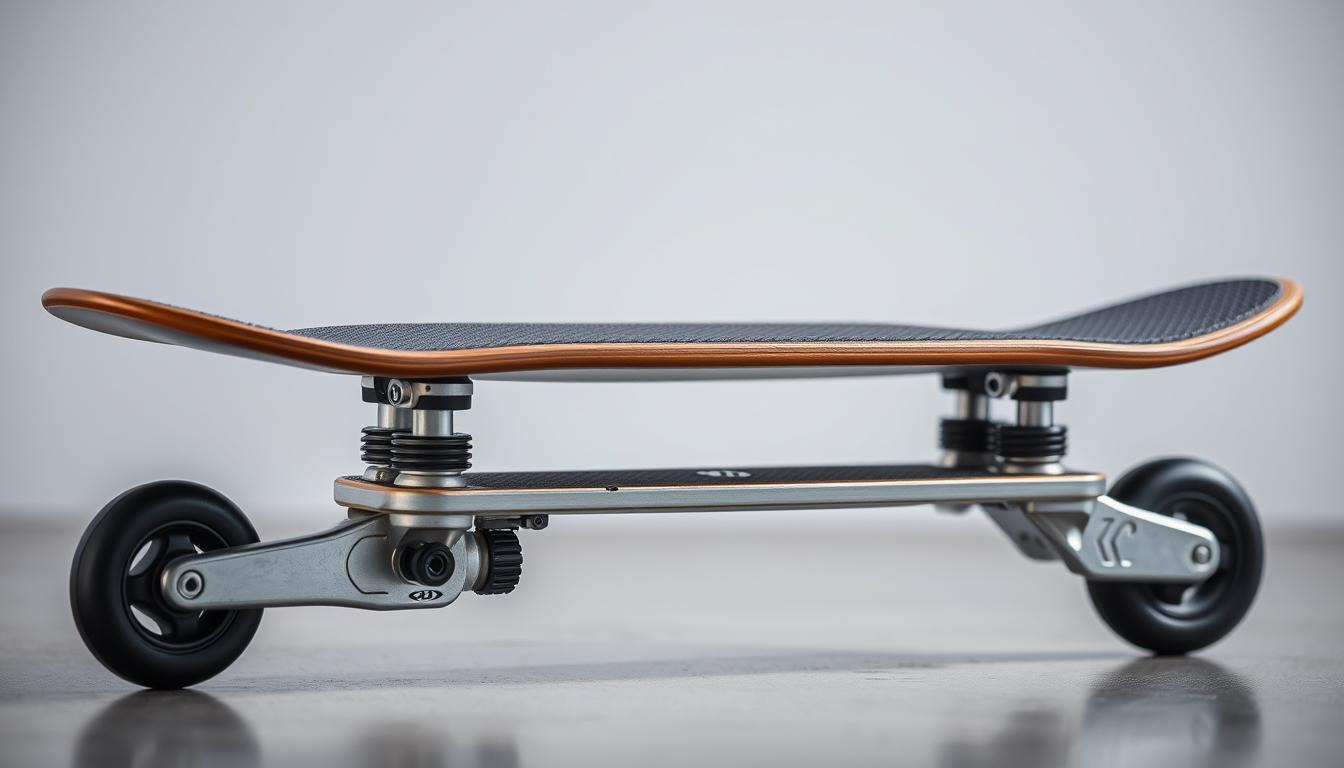
Which deck shape will change how fast they spin or how steady they land?
This short guide shows how a scooter deck shapes control, comfort, and progress. It helps riders match width and headtube angle to their terrain and goals.
Park riders often pick narrower widths for quicker rotations. Street-focused riders favor wider platforms for stability during grinds and big drops.
Key specs matter: width, length, headtube angle, wheel diameter, and hub width. Understanding these keeps a pro scooter setup compatible and avoids return headaches and surprise price adds.
Practical checks—fit wheels, clamps, and headsets—make choices intentional, not guesswork. The full article filters by brand and spec, compares featured products, and answers the most-asked questions so readers can buy with confidence.
Shop scooter decks by what matters to your ride
Find the right deck fast by filtering options around brand, size, and riding focus.
Shoppers can narrow choices using brand filters like Ethic, Aztek, Tilt, Native, Proto, UrbanArtt, Apex, and Envy. Comparing these names helps riders spot signature geometry and built-for-purpose parts that match their goals.
Size and fit filters
Pick width and length ranges to dial in feel. Compact 4.6–4.9″ widths suit nimble park moves, while 6–7″+ widths give planted stability for street tricks.
Compatibility and riding focus
Select wheel support (100–125 mm) and hub width (24 or 30 mm) to avoid extra swaps. Use riding tags to separate park setups from street-ready boxes and impact-resistant builds.
- Finish and style: Raw, Black, Neo Chrome, Polished, and limited drops.
- Price sorting: Compare entry, mid, and pro scooter signature tiers.
- Stock & availability: Filter to see in-stock runs and restocks by brand.
Street vs Park: match your deck to your riding style
Picking the right platform starts with matching width and shape to how and where someone rides.
Street riding favors wider 5–7 inch platforms built to absorb stair drops and stand up to rails and grinds. These widths give more foot room and balance for heavy landings and long slides.
Park riding uses narrower 4.5–5.25 inch setups to keep overall weight low. Lighter setups speed rotations and make tailwhips and airs easier to repeat during long sessions.

Box cut vs peg cut ends
Box cut rear ends lock into ledges with cleaner contact. Peg cut ends free space for pegs and cut down hang-ups during combos.
Weight and headtube feel
Heavier builds add stability when speed and impact rise. Lighter rigs accelerate spins and reduce fatigue.
Headtube angles around 82–84° change steering: 84° feels quick and direct for tight park lines, while 82° tracks calmer for high-speed street runs.
- Balance tip: Match platform width and end profile to your grind goals and typical lines.
- Practical win: Choosing the right scooter deck saves time and money by reducing swaps.
scooter decks size and compatibility guide
Picking the right size changes how a setup feels underfoot and how tricks land.
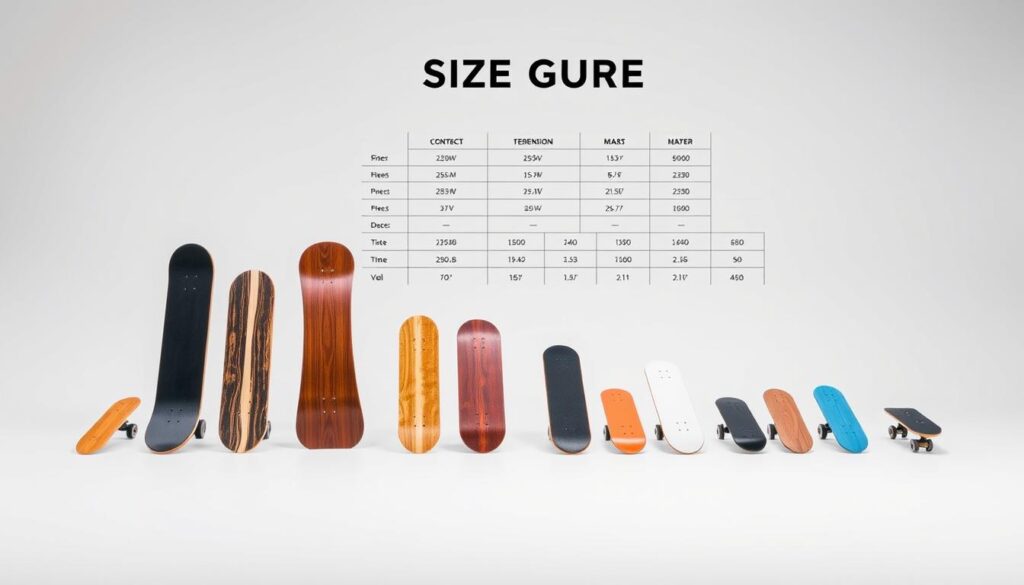
Choose your deck width: balance foot room, grinds, spins, and control
Wider platforms add stability and give more room for grinds and manuals. They help riders land with confidence on stair sets and long slides.
Narrower options feel lighter and speed up rotations. Park-focused riders often pick these to make tailwhips and bar tricks easier to repeat.
Pick your deck length: faster rotations vs stable manuals and landings
Shorter lengths favor rapid spins and tighter combos. They cut swing weight and make pop feel quicker.
Longer lengths provide balance for drawn-out manuals and rough landings. A longer platform helps keep weight centered at speed.
Compatibility checklist: wheel diameter, 24/30 mm hubs, integrated headsets
Quick checks to avoid hiccups:
- Match the max wheel diameter to the deck spec (100–125 mm is common).
- Confirm hub width support: 24 mm or 30 mm options matter for axle fit.
- Plan for integrated headset bearings; SCS users may need a spacer for correct compression.
- Consider overall weight: lighter builds reduce fatigue; heavier setups track steadier.
Pro buyers comparing price should prioritize fit and long-term value. For fast selection, shop scooter decks that list width, length, wheel max, and axle hardware to ensure parts line up at install.
Featured pro scooter decks and signature picks
This roundup highlights pro-level platforms that balance precision, strength, and price.
Staff testers and shop buyers picked models that cover park agility and street impact. Prices range from accessible value to premium machining, so riders can match budget to goals.
Staff picks and best sellers
Top choices:
- Ethic Pandemonium V2 — park-friendly geometry; $228.95 (Boxed V2 at $248.95).
- Tilt Formula — wider 6.5″ and 7″ options at $229.95 for extra surface and stability.
- Aztek Lucid 2 & Siren — scalable price points ($119.95–$179.95) for reliable daily use.
Signature street options
High-end and value picks:
- UrbanArtt Butter — boxy grind feel, often on sale near $99.95 for great value.
- Native Stem 5.25″ — versatile middle ground at $99.95 for mixed terrain.
- Apex Angled and Boxed — precision finishes at $329.95–$359.95 for pro riders.
Quick buying tip: compare width, length, and price to match the tricks and surfaces a rider hits most. Signature models help replicate pro setups, while sales make premium products reachable.
Get rolling with confidence today
Find the right platform fast and push with confidence knowing fit, specs, and price are clear. strong, choose a setup that matches goal, budget, and wheel compatibility so install is simple and painless.
Pro and value options sit side-by-side, from lighter 4″–7″+ widths to 100–125 mm wheel support and 24/30 mm hub fits. UrbanArtt and Ethic deals make upgrades affordable, and clear specs remove guesswork for riders.
Pick a scooter deck that fits your surface and style, then add griptape and hardware. With the right deck, the next session will focus on tricks, cleaner grinds, and smoother landings — and the best price is waiting at checkout.
FAQ
What width and length should a rider pick for street versus park?
A street rider usually chooses a wider deck—around 5 to 7 inches—for better stability during grinds and big drops. A park rider benefits from narrower, lighter platforms—roughly 4.5 to 5.25 inches—for faster spins and easier airs. Length affects rotation and stability: shorter lengths make flips quicker, while longer decks help with manuals and controlled landings.
How does wheel diameter and hub width affect compatibility?
Match wheel diameter and hub width to the deck cut and fork. Common wheel sizes are 100–125 mm. Hubs typically come in 24 mm or 30 mm; decks and forks specify which they accept. Using the wrong hub width can cause rubbing or poor alignment, so always check the part specs before buying.
What is the difference between box cut and peg cut ends?
Box cut ends offer a locked-in profile that helps with ledge grinds and consistent contact. Peg cut ends provide extra clearance for grind pegs and allow more room for tricks that use attachments. Riders who hit a lot of ledges may prefer box cut, while those who use pegs choose peg cut options.
How important is headtube angle for steering and speed?
Headtube angles typically range from 82° to 84°. Lower angles (around 82°) make steering quicker and more responsive, which suits technical tricks. Higher angles (closer to 84°) give better high-speed stability and a more planted feel when landing big tricks. Choose based on personal control preferences.
What should a buyer look for when filtering by brand and finish?
Look for reputable names like Ethic, Aztek, Tilt, Native, Proto, UrbanArtt, and Apex for consistent quality. Finish options—raw, black, neochrome, polished, and limited drops—affect aesthetics and sometimes grip wear. Choose a trusted brand for reliable tolerances and a finish that matches the rider’s style.
How does weight influence trick performance and durability?
Heavier platforms tend to feel more stable during big drops and grinds, while lighter setups make spins and tail tricks quicker. High-end builds often balance weight and strength using thicker box profiles or reinforced headtubes, so riders should prioritize the feel they want over absolute grams.
What compatibility checklist should be used before upgrading parts?
Confirm wheel diameter, hub width (24/30 mm), deck width and length, headtube integration type, and fork axle size. Also check if the deck needs an external or integrated headset. Having these specs avoids fit issues and ensures balanced performance.
Which signature or pro options are best for street riders?
Signature models from UrbanArtt, Native, Apex, and other pro lines often focus on reinforced ends and grind-friendly geometry. Look at staff picks and best sellers like the Ethic Pandemonium V2, Tilt Formula, or Aztek Lucid/Siren for proven street-focused designs that handle impact well.
How can a rider decide between raw and polished finishes?
Raw finishes show wear naturally and can be lighter, while polished or color-coated finishes protect the surface and offer specific aesthetics. Limited color drops can add uniqueness but may show chips faster. Choose based on whether appearance or easy maintenance matters more.
Are there ideal sizes for riders of different heights or shoe sizes?
Taller riders or those with larger shoe sizes often prefer wider and slightly longer platforms to maintain foot room and control. Smaller riders may favor narrower, shorter profiles for easier maneuverability. Test ride when possible to confirm the right balance between comfort and control.