Top Rated Razor Scooter for Adults: Reviews and Guide
 PopScooter Team
February 16, 2026 4:26 pm
.
16 min read
PopScooter Team
February 16, 2026 4:26 pm
.
16 min read
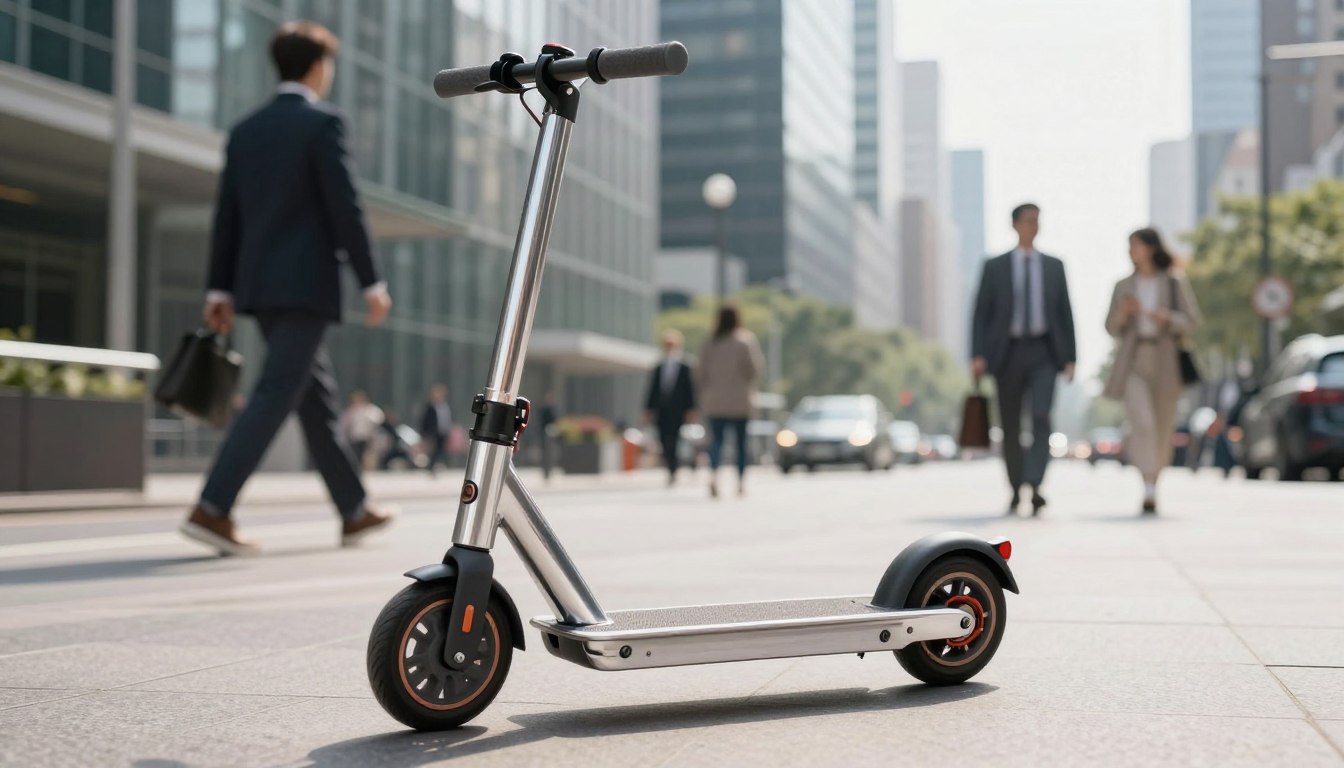
How different is the modern ride from the kid-focused models people remember? This guide explains what truly sets updated adult models apart. It covers both kick and electric options, and includes stand-up and seated choices to match varied needs.
Readers will get clear “best for” picks that match short commutes, campus trips, quick errands, and relaxed weekend cruising across the United States. The roundup focuses on real-world use, not tricks, so comfort, portability, and durability lead the list of priorities.
The guide also flags practical specs that matter more for grown riders: weight limits, deck size, and handlebar height. Each review highlights those points so people can pick a model that fits their body and daily routine.
Key Takeaways
- Compare kick and electric types to match range and effort.
- Look for comfort and portability over stunt features.
- Check weight limit, deck size, and handlebar height before buying.
- Best picks are organized by use: commute, campus, errands, or cruising.
- Durability and simple maintenance matter most for long-term ownership.
How This List Picks the Best Razor Scooter for Adults
Each model is judged by how comfortable, long-lasting, and cost-effective it proves in real use. The goal is simple: help readers match a ride to real needs, not marketing claims. Picks favor comfort over flashy top speed and durability over short-term features.
Commercial-intent criteria
Ride comfort: Wheel size, deck width, and vibration control matter most on city pavement.
Durability: Frames, folding latches, and replaceable parts earn higher ranks.
Value: Cost versus likely lifespan and maintenance needs shapes final placement.
Adult fit standards
- Handlebar height range to suit taller riders and steady posture.
- Usable deck space for a stable stance while cruising or commuting.
- Published weight limits that match real-world safety and handling.
Where and how they’re used in the U.S.
This roundup links selection to common U.S. surfaces: cracked sidewalks, patched streets, and mixed bike-lane routes.
It accounts for different preferences like maximum portability versus a smoother, big-wheel feel and highlights what typical riders notice in daily experiences.
Razor Scooter Basics Adults Should Know Before Buying
A short run-through of the original design highlights what to inspect before buying.
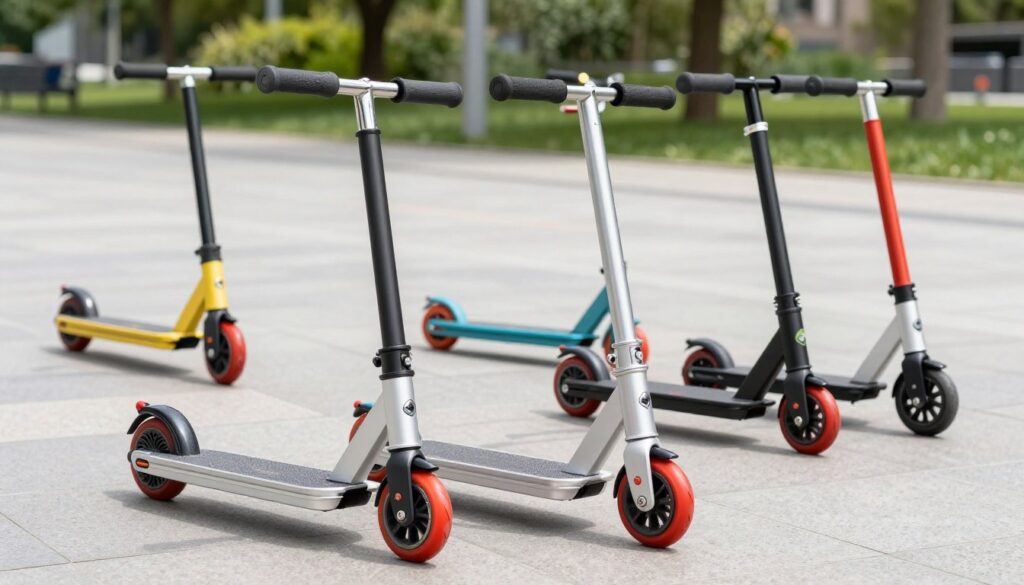
Core design: Classic models used an aircraft-grade aluminum frame with a folding headtube and quick-release latch. That folding system made the rides highly portable and easy to carry on transit.
Brake and handling: The rear hinged fender acts as a spoon brake. It gives predictable, gradual stopping but can lengthen stopping distance on wet or gritty pavement.
Wheel material and size
Polyurethane wheels are common and shape the ride feel. They reduce noise and resist wear, but they transmit vibration over small cracks more than pneumatic tires.
- Smaller wheels (like early 98 mm) feel harsher over bumps.
- Larger wheels roll over obstacles easier and smooth pavement vibrations.
- Wheel condition affects grip and braking more than style choices.
Quick checklist: check latch tightness, deck room, and wheel diameter to match comfort needs rather than flashy finishes.
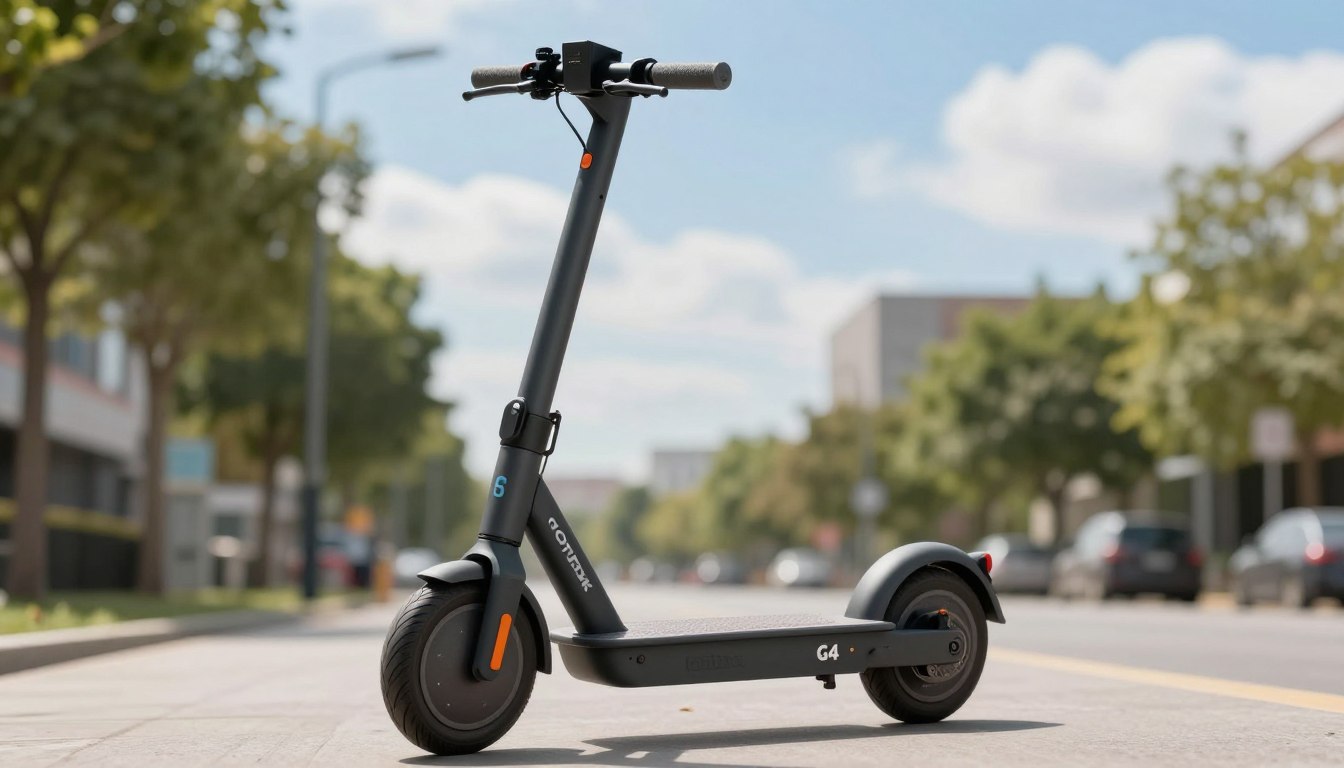
Top Pick for Most Riders: Razor A5 Lux Scooter
The A5 Lux balances smooth rolling and straightforward design, making it a top pick for routine urban trips.
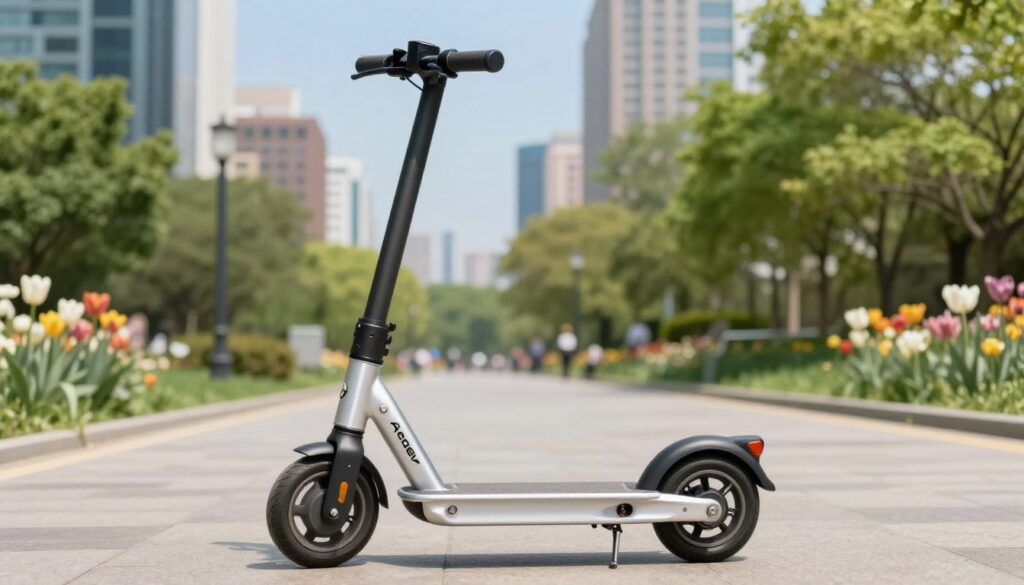
Why it stands out
The A5 Lux uses large 200 mm wheels that cut chatter over sidewalk seams. That wheel size rolls easier over small cracks and gives a calmer feel on city pavement.
Fit and comfort
Adjustable handlebars raise the bar height to suit taller riders and promote a more upright posture. Less hunching means longer, more comfortable outings.
Weight capacity snapshot
The model supports up to 220 pounds, a quick check that helps buyers confirm fit before purchase.
Best use cases
- City sidewalks and short commutes
- Campus paths and last-mile transit trips
- Light commuting on mostly flat routes
What it isn’t: Not meant for heavy cargo hauling or rough off-road trails. It’s a reliable, low-maintenance kick option that keeps daily travel simple and efficient.
Best Electric Option for a Stand-Up Ride: Razor E300 Electric Scooter
An electric stand-up model lets riders cover longer distances with less effort and still arrive ready for the day.
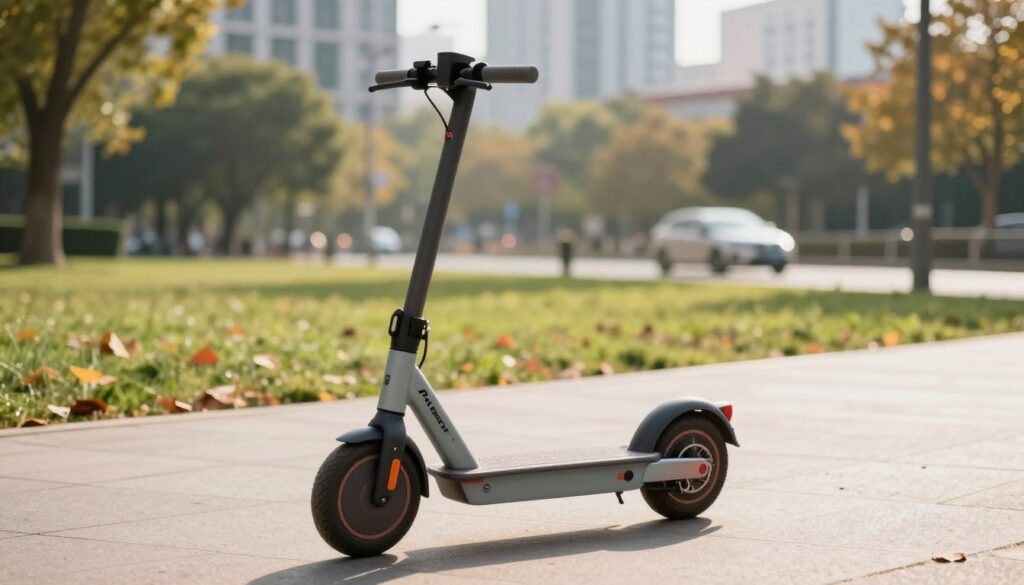
Who it’s for
The E300 suits commuters who want reliable electric assistance on longer trips. It fits people who value convenience and distance over the lightest carry weight.
Speed expectations
Realistic top speed is about 15 mph on many of these models. That pace helps plan commute times while staying within safe urban limits.
Trade-offs to consider
Electric ownership brings practical compromises. The E300 is heavier to carry, needs regular charging, and demands a bit more storage space at home or work.
- Helps on mild hills and cuts pedal effort, reducing sweat on arrival.
- Heavier build means less portability than a kick model.
- Simple, recognizable design rather than high-tech connectivity features.
Bottom line: Choose the E300 if distance and ease matter more than ultra-light portability. It’s a straightforward electric stand-up ride that extends daily range with clear trade-offs in weight and charging needs.
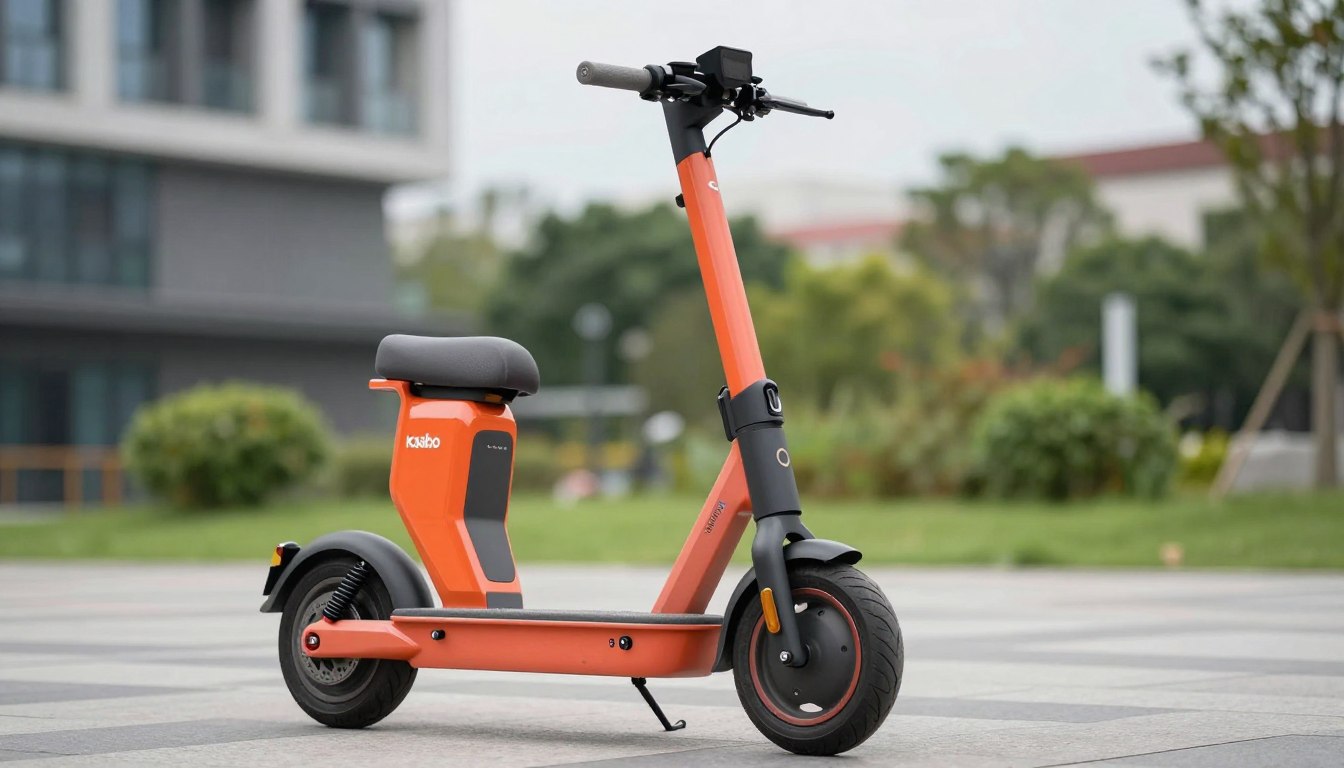
Best Seated Style for Comfort: Razor Pocket Mod Miniature Euro Electric Scooter
A seated mini Euro ride changes the vibe from quick dashes to relaxed, scenic trips. The Pocket Mod appeals to riders who choose comfort and style over strict commuting minimalism.
Rider profile: comfort-first cruising and seated control
The Pocket Mod fits people who prefer a relaxed posture and easy, low-speed handling. A seat reduces balance strain and makes neighborhood loops feel more like a casual outing than a workout.
Where it fits: neighborhood rides and shorter errands
Best uses include short errands, weekend laps around town, and social rides in flat residential areas. Its mini Euro styling is a lifestyle choice—fun, retro, and focused on comfort rather than max portability.
- Seated control eases confidence for riders who dislike long periods on a narrow deck.
- Less ideal when frequent stairs, tight office storage, or heavy lifting are involved.
- Choose this if enjoyment and comfort beat ultra-light carry weight.
Best Cargo-Friendly Adult E-Scooter: Razor EcoSmart Cargo
Built to haul and adapt, the EcoSmart Cargo turns a commuter ride into a true utility vehicle.
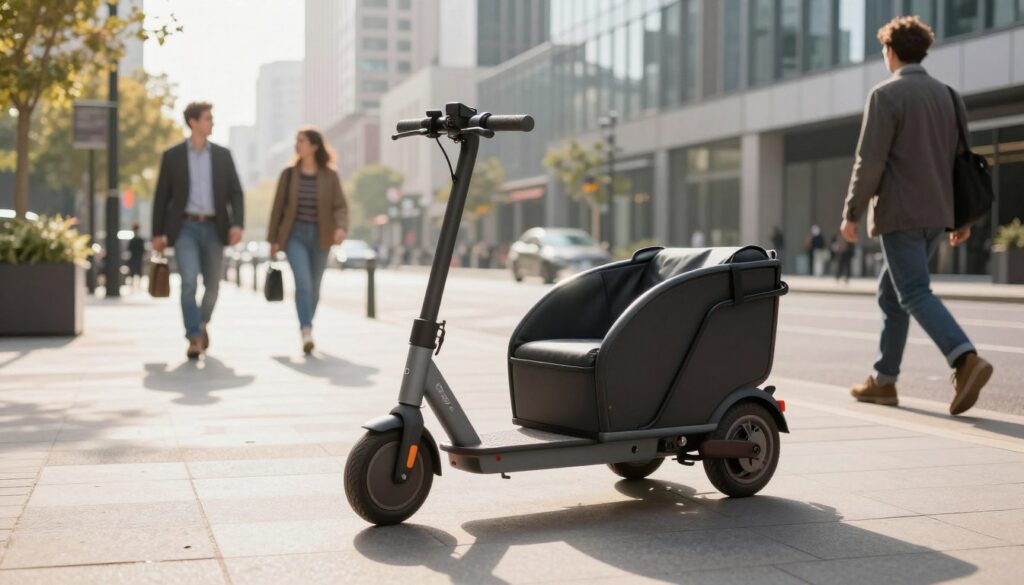
Utility design: The rear uses a convertible rack that swaps between a passenger seat, a basket, or a custom cargo deck. That flexibility helps riders shift between errands, carrying groceries, or adding a compact seat where local rules allow.
Power and performance
The drivetrain pairs a 1,000-watt motor with a chain system for solid acceleration. Expect up to about 20 mph under normal loads, so it handles more than casual cruising.
Range and ride quality
Real-world range sits near 16.6 miles per charge. Riders should plan a safe buffer from that figure for daily commutes.
Large 16-inch pneumatic wheels with wide tires smooth rough pavement better than small solid wheels. That makes older U.S. streets feel less jarring.
Safety, visibility, and capacity
LED headlight, tail and brake lights, plus an onboard display, boost low-light confidence. The model supports up to 300 pounds, a clear advantage for heavier riders or those carrying bigger loads.
- Key feature: convertible rack system
- Motor: 1,000W, chain drivetrain
- Range: ~16.6 miles; Top speed: ~20 mph
Razor C35 and What It Signals About Adult Scooters
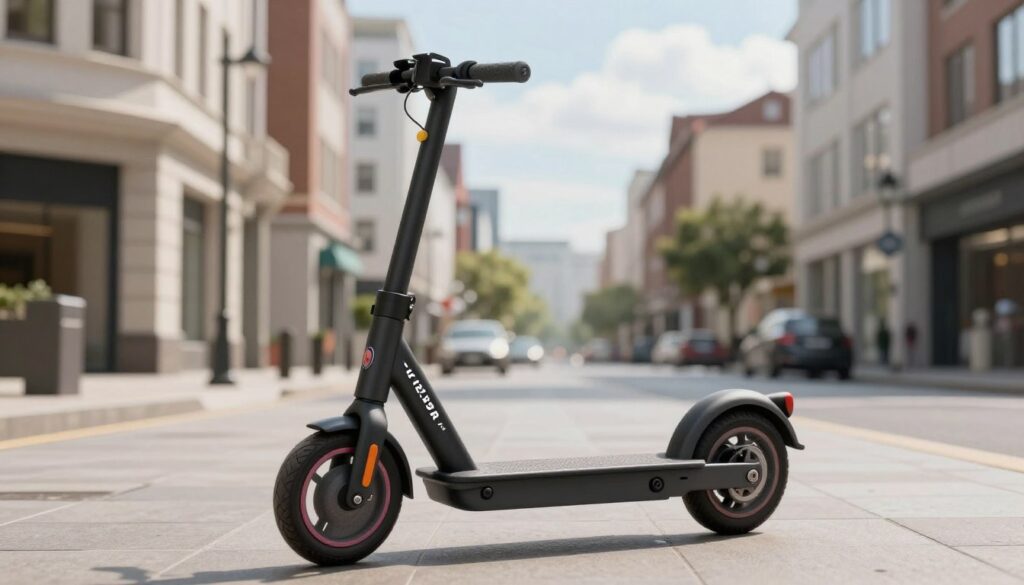
The C35 marks a clear step toward commuter-focused designs with higher performance goals. Launched near a $500 price point, it targets riders who want about an 18 mph top speed and roughly 18 miles of range.
Adult-market shift
The model shows how the market now expects longer range and higher speed from grown-up models. Buyers want practical daily transport, not just a larger kid’s toy.
Why that matters: commuters demand usable range, reliable brakes, and portability that fits transit or office storage.
Comparing commuter vs utility
The EcoSmart Cargo focuses on hauling and comfort. The C35 focuses on commuting efficiency and lighter carry weight.
- Choose commuter-style when portability and commute speed matter.
- Choose utility when cargo capacity and ride stability matter more.
- Interpret marketing claims and spec sheets cautiously. Match performance to local routes and hills.
- Think about weekly routine over top-speed numbers when buying.
Kick Scooter vs Electric Razor Scooters for Adults
Practical ownership needs—storage, charging, and carry weight—often outvote raw specs when buyers pick a ride. This short guide compares everyday trade-offs so readers can match a model to their routine.
When a kick scooter wins
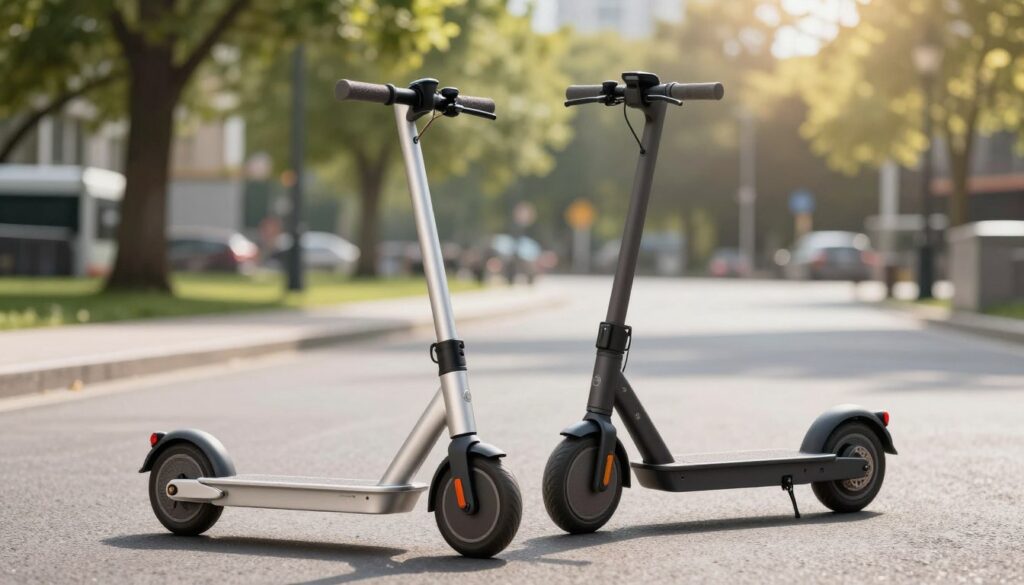
Simplicity and portability: A manual option has fewer moving parts, lower maintenance, and it folds light enough to stash in a closet or trunk.
For short hops and tight storage, the quick grab-and-go feel makes it a clear winner.
When electric wins
Distance and hills: Electric models shine on longer commutes and steep routes. They cut sweat and leave riders office-ready.
They require planning around charging and secure parking, but they extend usable range dramatically.
Cost-of-ownership and practical access
Beyond the sticker price, batteries age, chargers need access, and tyres or brakes wear. Budget for replacement parts and occasional service.
- Think about storage at home and work; tight storage often favors a lighter kick option.
- Consider technical storage and storage access needs—keeping chargers, locks, and spare parts organized matters for daily reliability.
- Secure charging access and parking can be as important as speed when choosing between models.
Bottom line: Match the ride to distance, storage limits, and how much upkeep a rider will tolerate. Practical needs usually decide the best daily companion.
Features That Matter Most for Adult Riders
A few key features decide whether a commute feels smooth or shaky on older city pavement. This short guide translates specs into what people actually sense during daily trips.
Wheel size and terrain
Bigger wheels roll over cracks and seams with less vibration. Larger diameters keep momentum when pavement is broken and reduce the sharp jolts small wheels transmit.
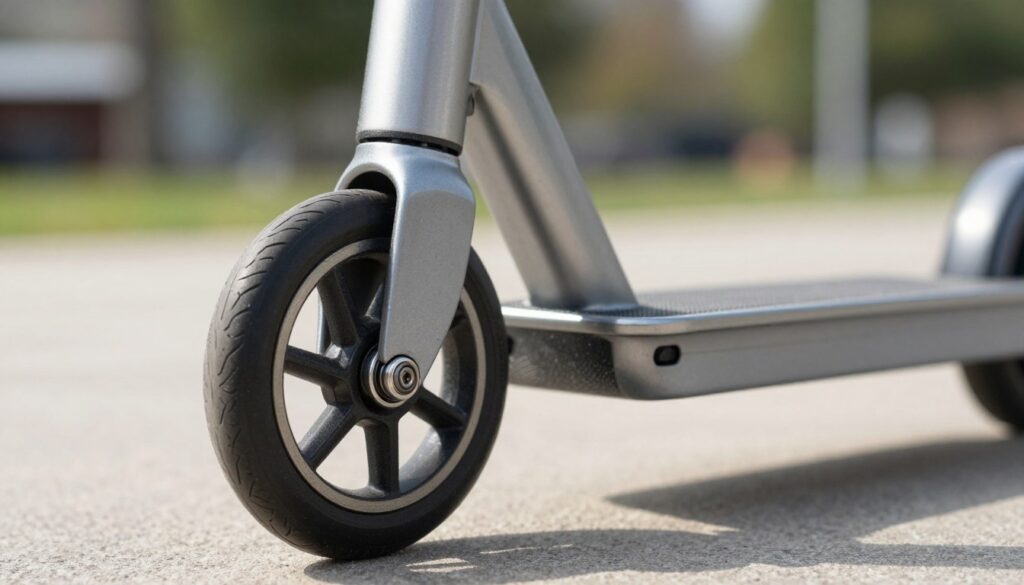
Choose wider, larger wheels when routes include uneven sidewalks or patched streets. That choice directly improves long-run comfort and control on rough surfaces.
Folding and carrying
Latch feel and long-term wobble matter more than fold speed. A tight, well-designed latch keeps the folded package stable when carried up stairs or stored in a closet.
Check whether the folded footprint fits typical apartment or office storage spots and how easy it is to carry between transit and work.
Braking and control
Classic rear fender brakes are simple and predictable. Commuter-style disc or drum systems give shorter stopping distances and more modulation when speed or load increases.
Prioritize control over stunt-style responsiveness; confident braking reduces stopovers and stress on busy routes.
Comfort fit
Handlebar height, deck length, and stance stability affect posture and fatigue. Taller handlebars and a roomy deck prevent cramped positions and shaky balance.
- Quick check: stand on the deck and confirm natural foot placement.
- Test handlebar reach to avoid leaning forward.
- Pick options that match daily priorities like commute speed, comfort cruising, and easy storage.
Safety and Responsible Riding for Adults
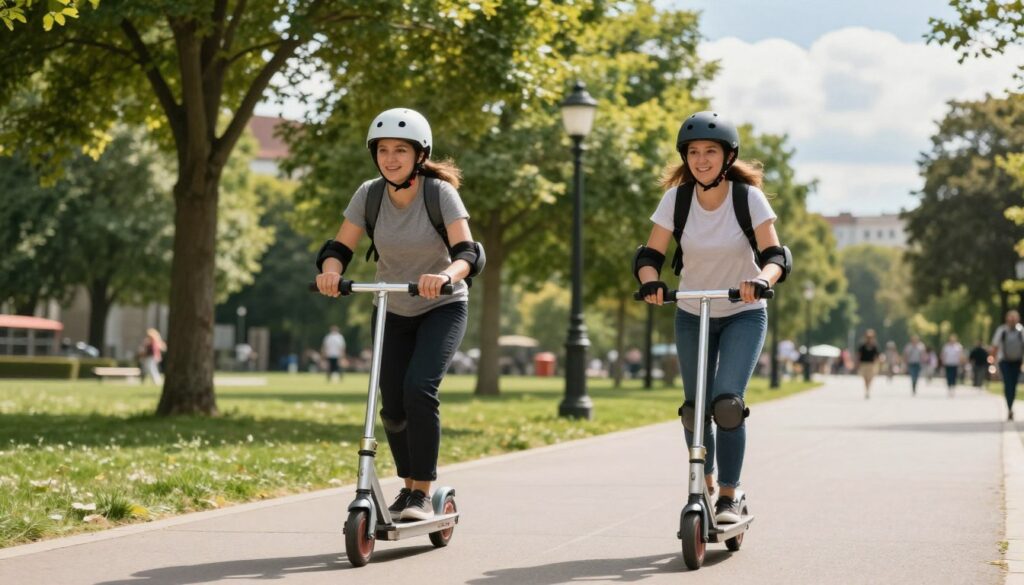
Small choices—helmet fit, route selection, and lights—make big differences in safety. News and studies have linked these devices to increased injury-related emergency room visits, so practical steps matter.
Why protective gear matters
A helmet is the baseline. Add wrist or knee protection when speeds rise or surfaces are rough. Protective kits cut risk and help a rider stay confident.
Smart riding habits
Control speed downhill, scan for debris and cracks, and slow at driveway cuts. Assume drivers may not spot a small profile and act defensively.
Where to ride and planning routes
Rules vary across U.S. cities: check local sidewalk and bike lane laws before you go. A user should plan routes with safe access points, curb cuts, and marked crossings—not just the shortest path.
Notes on digital resources and storage
Many manuals, safety guides, and registrations live behind apps and retailer portals. Keep in mind technical storage access and storage access when using sites that require account data. Understand the technical storage and technical storage access steps needed to retrieve safety info later.
Choosing Based on Preferences and Needs
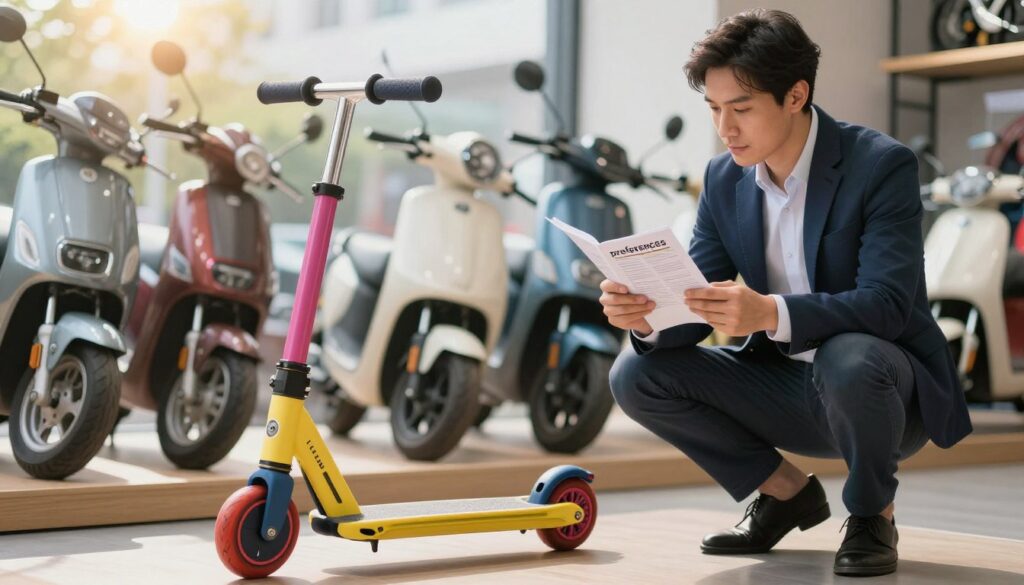
Start by matching daily habits to a ride’s real strengths rather than headline specs. This helps a person pick a model that will actually get used, not sit in a closet.
Commuters: range, speed, and portability priorities
Commuters should weigh range and realistic speed against how often they must carry the unit. A longer range is useful, but a heavy build makes bridges and transit transfers tiring.
Weekend cruisers: comfort, wheel size, and smooth ride focus
Weekend riders value a smoother feel over top speed. Larger wheels and a roomy deck reduce fatigue and make casual trips more enjoyable.
Bigger riders: matching weight capacity to stable handling
Choosing a model with ample weight capacity improves stability and reduces wear. Staying within the stated limit keeps handling predictable and extends component life.
Storage and transport: folding footprint and carry weight
Storage matters: check folded dimensions, closet fit, and trunk clearance before buying. If stairs are routine, prioritize lighter carry weight and a secure latch.
- Match preferences to daily use, not the biggest specs.
- Plan charging and carrying routines for commuter models.
- Pick comfort features for relaxed weekend rides.
Before They Check Out: Site Access, Service Tech, and Purchase Considerations
Checking availability and post-sale support helps avoid surprises after checkout. Many models appear on the brand site and at select U.S. retailers, but stock can change by region and season. The EcoSmart Cargo, for example, shows on the brand site and through select dealers.
What shoppers see on the site
Cookie banners often mention technical storage access. That phrase covers tools needed to keep a cart, process logins, and prevent fraud.
What “necessary legitimate purpose” means
Necessary legitimate purpose usually means basic functions: checkout tools, account access, and fraud prevention. These uses keep orders flowing and protect payments.
Access used exclusively vs. marketing
Some access used exclusively supports requested subscriber user pages like order status and warranties. Other storage access used supports analytics and statistical purposes. Marketing and personalization are separate; many sites let users opt out.
Final pre-buy checklist
- Confirm warranty length and return window.
- Verify replacement parts availability (tyres, batteries, brakes).
- Check local service options and repair times.
- Save purchase info, serial numbers, and manuals for future service.
Picking the Right Ride and Getting Back to the Fun
A final quick recap helps match each top pick to the rider’s real weekly habits.
Top recommendations: choose the A5-style model for smooth city rolls, an electric stand-up model when range matters, a seated mini for comfy neighborhood cruises, and a cargo option when errands need hauling.
Before buying, double-check fit basics: handlebar height, deck comfort, and the stated weight rating. Match the choice to terrain, storage space, and how comfortable they feel with speed.
Good ownership experiences come from picking a ride that fits daily routes, not just weekend plans. For quick guidance on kick model fit, see this guide: how to choose a kick scooter.
Ride safely, use proper lights and helmet gear, and enjoy short trips and errands with confidence.
FAQ
What should a rider look for when choosing a top rated Razor scooter for adults?
They should prioritize ride comfort, durable construction, and strong value. Key features include large wheels (for smoother handling), an aluminum frame with a solid folding mechanism, adequate deck space, and a weight limit that matches the user. For electric models, consider motor power, range, and charging routines. Also check warranty, parts availability, and retailer service options in the U.S.
How does wheel size affect ride quality and terrain capability?
Larger wheels absorb bumps and roll over cracks more easily, giving a smoother ride on rough pavement. Polyurethane or pneumatic tires perform differently: PU offers low maintenance and a firm feel, while pneumatic tires give more cushioning but need occasional inflation. Match wheel design to typical use—city sidewalks favor PU, longer or rougher routes benefit from larger, air-filled tires.
Are electric stand-up models worth it for commuting?
Electric models help cover longer distances and handle hills with less effort, making them a strong choice for many commuters. Trade-offs include added weight, need for charging, and slightly higher maintenance. If portability and low upkeep matter more, a kick model may suit better. Riders should weigh distance, speed expectations, and storage options when deciding.
What safety gear and habits should adult riders adopt?
They should wear a well-fitted helmet and consider lights, reflective clothing, and gloves for added protection. Practice speed control, scan surfaces for hazards, and use bike lanes where allowed. Observing local rules—sidewalk vs lane restrictions—reduces risk and aligns with responsible riding practices.
How do weight capacity and frame design affect stability?
A higher weight rating with a robust frame and wider deck improves stability and long-term durability. Look for models rated well above the rider’s weight to avoid premature wear. Larger wheels and a lower center of gravity also help steady handling for heavier riders.
What maintenance should riders expect for electric cargo-friendly models?
Maintenance includes battery charging and occasional battery health checks, tire pressure and wear inspection, chain or belt checks if applicable, and brake adjustments. Cargo-friendly e-bikes or e-scooters with heavier motors may need more frequent service, so verify service network and replacement part availability with the brand or local retailers.
How does folding mechanism design impact daily use and storage?
A reliable latch system makes folding fast and secure for apartment or office storage. Compact folds with low carry weight ease transport on transit. Test the mechanism for stiffness and alignment and confirm it locks firmly to avoid noise or failure during rides.
What does “necessary legitimate purpose” mean in site technical storage/access notes?
It refers to data access and storage required to provide core shopping functions—order processing, shipping updates, account management, fraud prevention, and site security. Sites may use technical storage and service technologies to deliver product pages, maintain shopping carts, and support customer accounts while reserving marketing or analytics uses for explicit consent.
How can a buyer evaluate electric range and real-world commuting numbers?
Check manufacturer range figures, then reduce expectations for real-world factors like rider weight, terrain, stop-and-go traffic, and cargo. For planning, assume 70–85% of the advertised range. Look for user reviews and retailer test rides to confirm performance under typical local conditions.
What are the main trade-offs between kick models and electric models?
Kick models win on simplicity, lighter weight, lower cost, and minimal maintenance. Electric models offer speed, less effort, and better range for longer trips but add weight, charging needs, and higher initial cost. Cost of ownership for electric units includes battery replacement, charging, and additional wear items.
Where can riders find replacement parts and service in the U.S.?
Major brand sites, authorized dealers, and national retailers often stock parts and offer service. Independent bike shops also handle routine maintenance and some repairs. Confirm parts availability and service networks before purchase to ensure long-term support.
How should someone match model features to personal preferences and needs?
Commuters should prioritize range, speed, and portability. Weekend cruisers need comfort, larger wheels, and a stable stance. Heavier riders must match weight capacity and look for reinforced frames. Consider storage footprint and carry weight if transit or compact living factors into daily use.