
Discover the Fun of Razor Hovertrax Hoverboards
 PopScooter Team
March 13, 2026 4:48 pm
.
9 min read
PopScooter Team
March 13, 2026 4:48 pm
.
9 min read

Can a self-balancing board deliver joy and real-world reliability, or is it all style and short rides?
The article opens by explaining what this product is and why shoppers in the United States consider it. It frames the key trade-offs between flashy LED looks and practical ride limits. Readers learn how model differences shape the riding experience, from easy-start leveling to twitchy handling at higher speeds.
This review will help a prospective buyer compare mounting ease, speed, battery life, outdoor use, build quality, and safety certifications. It also notes where to find reliable information on the official website and how site cookies may store preferences to speed future access.
Expect clear test numbers—mph, miles, minutes—and honest notes on warranty and ownership. The goal is practical guidance so a buyer can decide if this hoverboard fits their household needs, from kids to casual adults.
Key Takeaways
- The board offers fun, self-balancing convenience but performance varies by model.
- Look for tested metrics: speed, range, and battery life before you buy.
- Safety certifications and build quality matter for family use.
- The official website provides product details; site cookies save preferences for smoother access.
- This review balances excitement with realistic expectations to help users decide.
What Makes Razor Hovertrax Hoverboards Stand Out in Today’s Market
What sets this line apart is a focus on steady starts and predictable balance for new riders. The self-balancing design gives a true “step-on” feel that many families prefer over generic boards.
EverBalance leveling (highlighted on the Hovertrax 1.5) auto-levels the deck when powered on. That reduces the initial wobble that often scares beginners and makes mounting easier in a hallway or living room.
Models are marketed with clear guidance for the United States: intended for ages eight and up, and a typical max rider weight near 220 lbs on later versions. This helps parents decide if the board fits their household.
Typical uses play to the product’s strengths: smooth indoor rides, short driveway cruises, garage practice, and calm neighborhood glides on flat pavement. Riders should not expect rough-road performance or long-distance commuting.
- Easy learning: fewer falls during supervised practice.
- Fit matters: match rider age, weight, and common surfaces (tile, hardwood, smooth concrete).
- Practical limits: best on flat, smooth ground; not built for heavy off-road use.
Note: The brand also uses cookies and technical storage access on its website to manage options and store user preferences. That storage access is used exclusively for a necessary legitimate purpose, such as storing preferences requested by a subscriber user to improve site service and faster access.
razor hovertrax Specs and Real-World Performance
Real-world rides reveal how the specs translate to daily use, from brisk straightaways to tight turns.
Speed and ride feel
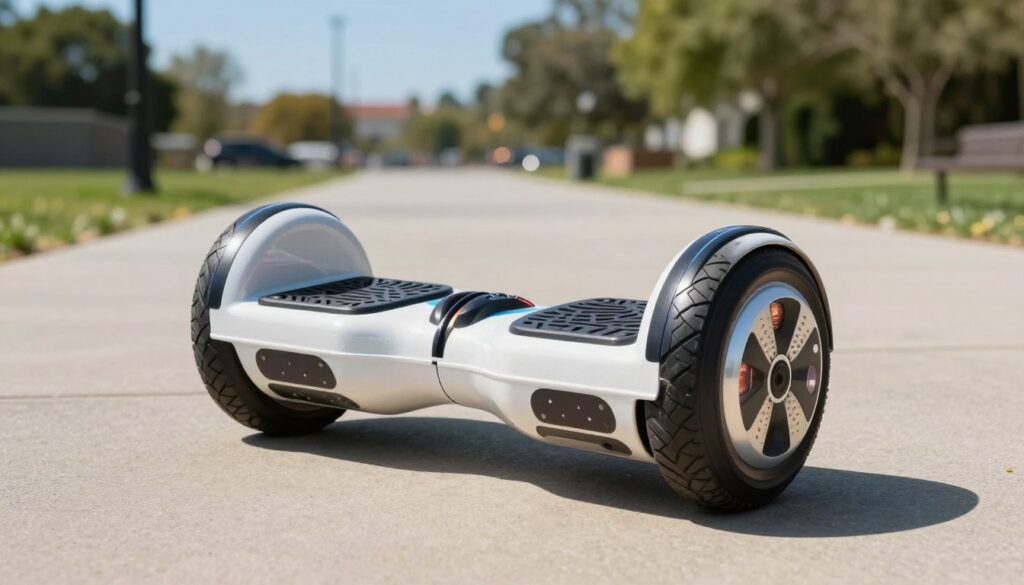
Measured top speed reached about 8.9 mph, which beats some advertising numbers. That extra pace can be fun, but testers found it felt unstable at top speed.
Handling and fun factor
The board is agile and responsive, sometimes too much. Small weight shifts can cause jerky inputs and a twitchy feel.
Beginners should practice in a hallway or open room and take time to build steady control before pushing speed.
Power delivery, outdoor use, and battery
On straightaways the power delivery is smooth, but quick turns and back-and-forth maneuvers exposed occasional pickup loss that led to sudden dismounts.
Battery tests showed about 3.4 miles of range on flat pavement, a 69-minute obstacle runtime, and roughly 160 minutes to recharge. Plan rides accordingly.
Outdoor durability is limited: a test unit broke after crossing a street crack, so smooth surfaces matter for safe use.
Build, noise, and comfort
- Frame: steel chassis with shatter-resistant polymer body.
- Grip: anti-slip traction pads and LED light bars for visibility.
- Options: multiple color choices noted on newer models.
Dual hub motors run nearly silent, which makes indoor practice more pleasant but still requires supervision and protective gear.
For website shoppers, the brand uses cookies and technical storage access—for example, storing preferences requested by a subscriber user to manage options and improve service—an access used exclusively for a necessary legitimate purpose.
Safety, Warranty, and Customer Service Experience
Safety and customer support shape the real ownership story for any self-balancing board. The brand was the first U.S. line to earn the UL 2272 listing, which reassures buyers about battery and electrical risks but does not remove the need for careful riding.
Practical safety habits
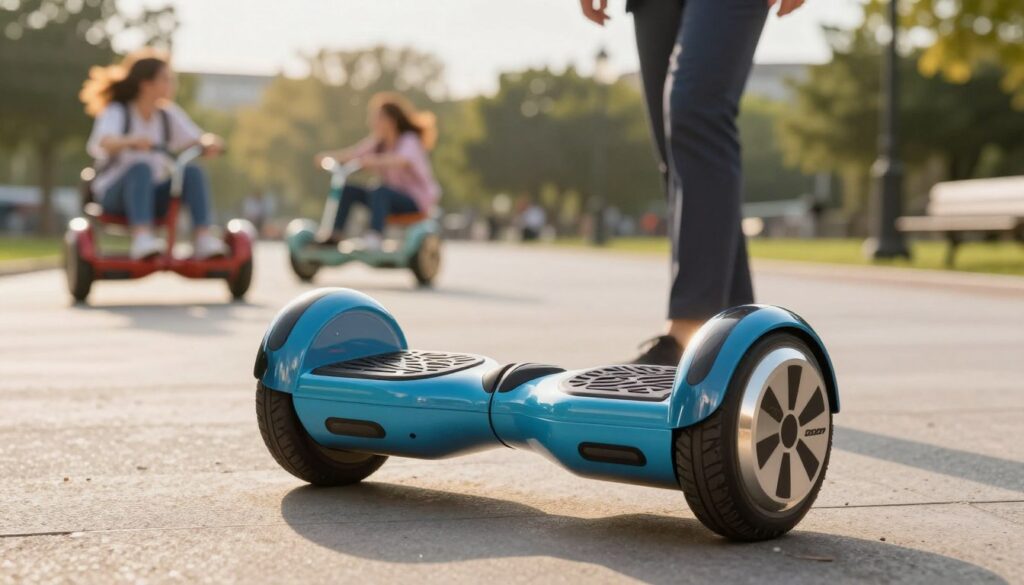
Wear a helmet every ride. Add knee, elbow, and wrist pads for new riders and kids. Adult supervision helps reduce rough starts and risky tricks.
Start indoors on smooth floors and move to flat pavement only after mastering balance. Avoid rough surfaces and fast top-speed runs that can amplify twitchy handling.
Support and warranty reality check
Most models come with a 90-day limited warranty. That window is short, so buyers should register the product if offered and save receipts.
- Document problems with photos or video.
- Contact options include phone support to speak with a human and email for records.
- In testing, Razor replaced a broken unit — support worked but communication quality was mixed.
Keep proof of purchase and act quickly if a defect appears. Also note the website uses cookies and technical storage access; storage access used exclusively for managing preferences requested subscriber user settings and to help service and faster access.
For shoppers weighing alternatives, consider support speed and warranty length when comparing models. A practical next step is to check a trusted seller like the Tomoloo alternative and confirm current service options before buying.
Is a Razor Hovertrax Worth Buying Right Now?
,Deciding whether to buy one now depends on how and where someone plans to ride.
It shines for indoor lessons and smooth driveway glides thanks to self-leveling and bright LEDs. Test data notes real-world downsides: a measured range near 3.4 miles, about 69 minutes under strain, and some jerky stability at higher speed.
Buy now if the rider is learning at home, wants easy mounting, and finds a strong sale. Wait or compare alternatives for heavy outdoor use or longer battery life.
US shoppers should confirm UL 2272, check warranty and return policy, and weigh used listings carefully. For a deeper hands-on report, read the detailed Hovertrax 2.0 review.
Note: the brand’s site uses cookies and technical storage access to save preferences and improve service; this storage access is described as an access used exclusively for a necessary legitimate purpose and may involve a requested subscriber user setting.
FAQ
What age and weight range are Razor Hovertrax hoverboards designed for?
They are recommended for children and teens as well as many adults; typical guidance in the United States sets a minimum rider age around 8 years old and a maximum rider weight near 220 pounds. Individual comfort and skill matter, so supervision and gradual practice are advised.
How fast do these hoverboards actually go in real-world testing?
Independent tests commonly record top speeds near 8.9 mph, which may be below some advertised figures. Speed varies with rider weight, terrain, and battery charge, so riders should expect performance to change in real conditions.
What is "EverBalance" and how does the self-balancing design help new riders?
EverBalance is the self-leveling system that helps the board stay steady when riders step on. It reduces the learning curve by making mounting and slow maneuvers easier, though new users should still practice in a flat, obstacle-free area.
Are these boards easy to control or do they feel twitchy?
Many riders find the platform agile, but inputs can feel jerky until they gain experience. Smooth, controlled weight shifts and short practice sessions improve handling and reduce abrupt movements.
Can these hoverboards handle outdoor surfaces like cracked sidewalks or rough pavement?
They perform best on smooth, even surfaces. Small cracks and mild unevenness are manageable, but rough pavement and large gaps significantly reduce comfort and control. For frequent outdoor use, a smooth route is recommended.
What is the typical battery life and how long does charging take?
Typical battery runtime ranges from 40 to 60 minutes per full charge depending on riding style and rider weight. Charging time usually falls between two and three hours. Users should follow the manufacturer’s charging instructions to maximize battery life.
What materials and features are used in the build and design?
The design often combines a steel frame with a polymer body, traction pads for grip, LED light bars for visibility, and several color options. The hub motors are generally near-silent, making indoor riding feasible.
Are the hub motors noisy or comfortable for indoor use?
Hub motors are typically quiet and suitable for indoor use. Vibration and noise are minimal on smooth floors, so the ride feels comfortable for short indoor sessions.
Is the product UL 2272 certified and what safety habits are recommended?
Many models meet UL 2272 electrical safety standards. Regardless, riders should always wear a helmet and protective pads, supervise children, and avoid risky maneuvers to reduce injury risk.
What kind of warranty and customer support can buyers expect?
Standard coverage often includes a 90-day limited warranty covering manufacturing defects. Actual replacement experience and support responsiveness vary; contacting official customer service channels and keeping proof of purchase helps streamline claims.
How does power delivery feel during quick turns and back-and-forth maneuvers?
Power delivery is designed for short bursts and steady cruising; it handles quick turns and repeated direction changes well on smooth surfaces, though abrupt inputs can produce jerky reactions until the rider adapts.
Are these hoverboards a good purchase right now?
They offer solid value for riders seeking a fun, self-balancing personal vehicle for short trips and recreation. Prospective buyers should weigh desired top speed, outdoor use, warranty expectations, and safety gear needs before deciding.
What should riders do to manage preferences and product options when buying?
Review available color and accessory options, read product details for weight limits and charging specs, and select retailers with clear return policies. Choosing add-on protective gear improves safety and long-term enjoyment.