Pink Electric Scooter: Top Picks and Reviews
 PopScooter Team
December 11, 2025 8:48 pm
.
12 min read
PopScooter Team
December 11, 2025 8:48 pm
.
12 min read
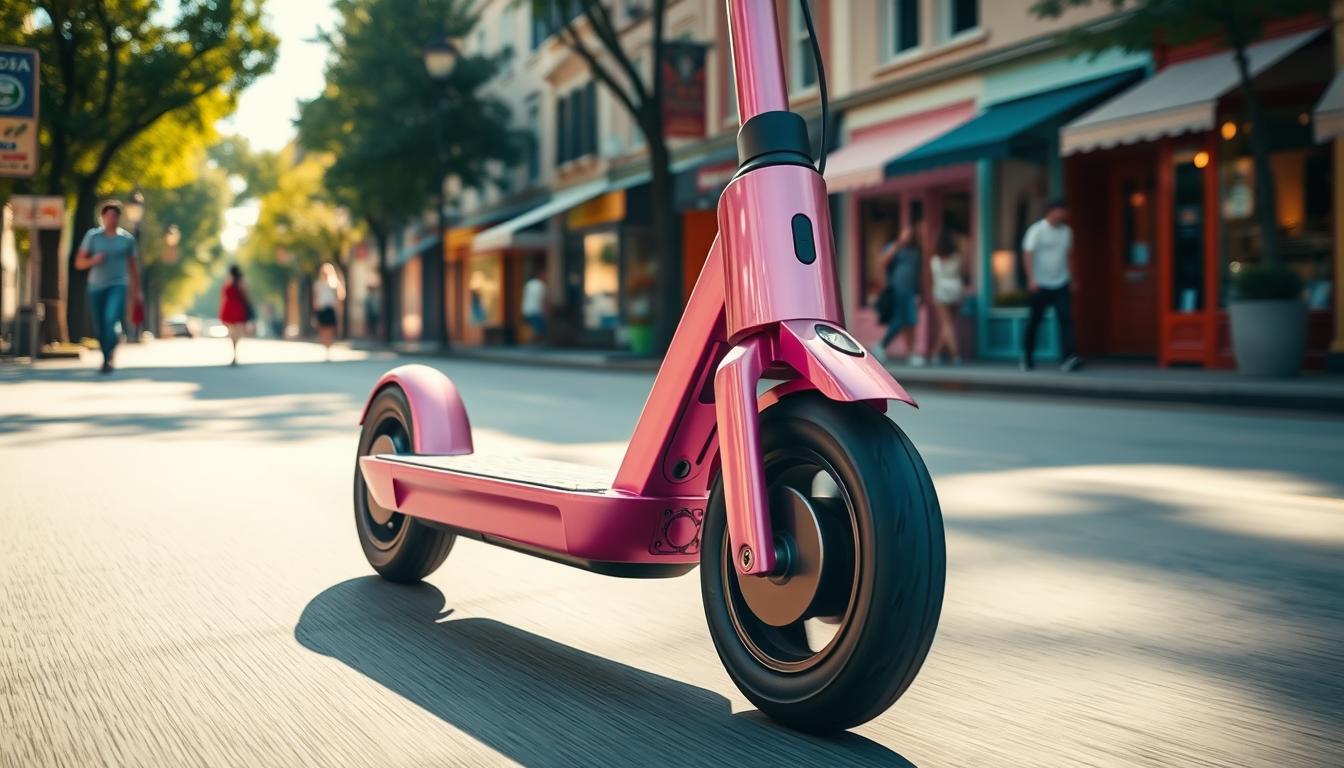
Can a small, stylish ride truly balance fun, safety, and real daily use for kids and teens?
This guide brings together popular models so a shopper can compare features fast. It highlights how top picks balance speed and control, and why handling matters for a safe ride.
The Hiboy S2 Lite stands out with a 13 mph top speed and about 10.6 miles of range, while the FanttikRide C9 series and T9 focus on lighter weight and adjustable heights for 8–12 and 13+ riders.
Readers will learn which model suits a child by age, height, and daily use. It also previews motors, batteries, tires, brakes, and lights so families know what affects real-world range, comfort, and portability.
Editor’s Top Picks for a Pink Electric Scooter
Top picks here focus on easy handling, reliable range, and adjustable speed limits.
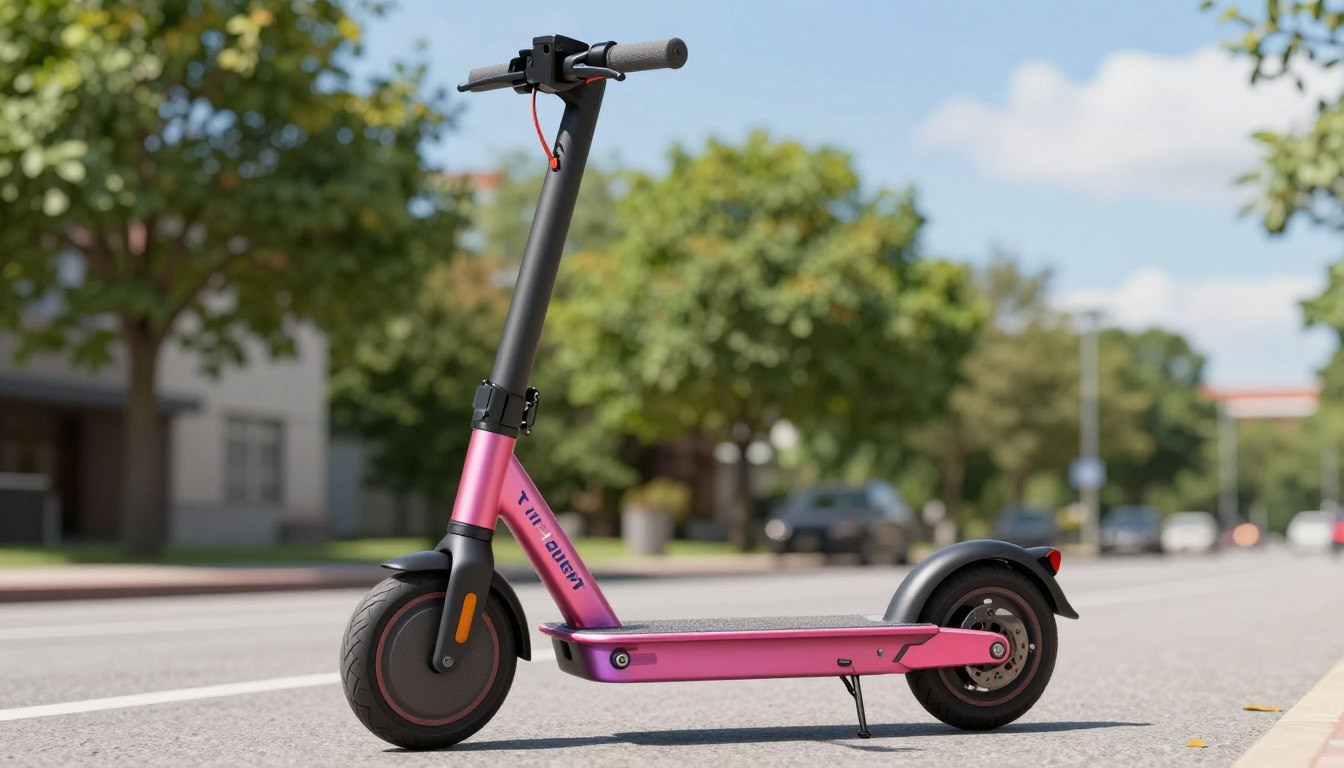
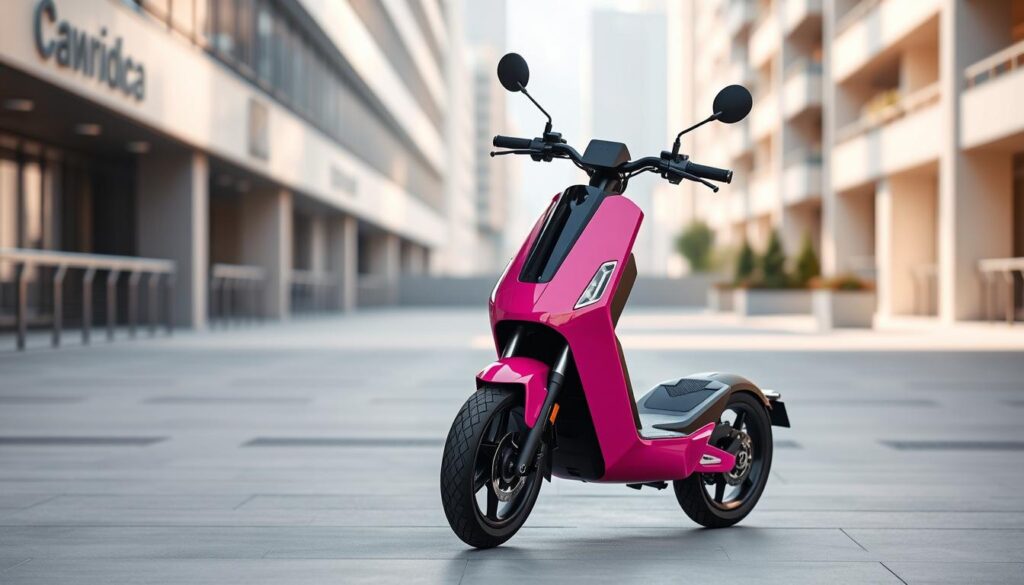
Hiboy S2 Lite Pink — A choice for riders who want a brisk, urban option. It reaches 13 mph, runs up to 10.6 miles on a 36V 5Ah battery, and uses a 250W motor. The S2 Lite pairs ABS E-brake with a pedal brake and a Smart LED dashboard for Eco, Sport, and Cruise modes.
FanttikRide C9 / C9 Pro / C9 Apex (Kids)
The C9 family is built for younger riders. Each model offers stepped speed limits (5/8/10 mph or 6/10 mph), a 5-mile range, and a 14-lb frame that folds small for storage.
Adjustable handle heights and a fun LED speaker option on the Apex keep rides playful while limiting top speed for safer practice.
FanttikRide T9 for Teens
Teens get a slightly faster option with the T9. It tops out at 12 mph and reaches about 6.8 miles per charge. Taller handle positions and a 154-lb limit make it a good step up from the kids’ models.
- Why these picks: clear speed steps, light weights (14–21 lbs), and visible lighting systems.
- Parents can match mph, range, and fold size to a rider’s routine and confidence.
- Compare full specs via the full model sitemap for quick reference.
Key Features That Matter: Speed, Power, and Ride Quality
Choosing the right mix of speed, motor output, and comfort makes daily rides safer and more fun for families.
Speed and motor power: tuned choices for different riders
Speed options run from gentle 5 mph limits on kids models up to 13 mph on commuter-lite units. A 250W class motor like the S2 Lite gives brisk starts without overwhelming newer riders. Capped modes on youth models help build confidence while still offering real-world utility.
Battery capacity, charge time, and real-world miles
The S2 Lite’s 36V 5Ah pack targets up to 10.6 miles, while FanttikRide kids’ models are tuned for about 5 miles per charge. Expect range to change with rider weight, terrain, and average speed. Typical full-charge times let families plan outings and quick recharges between play sessions.
Tires, brakes, and lighting for a smoother, safer ride
Ride quality starts with tires: 6.5-inch solid wheels cut flats but send more road feedback. Layered braking — ABS E-brake plus a pedal brake — improves stopping control. Bright headlights, stem lights, and playful Rainbow LEDs boost visibility and make evening trips safer and more fun for kids.
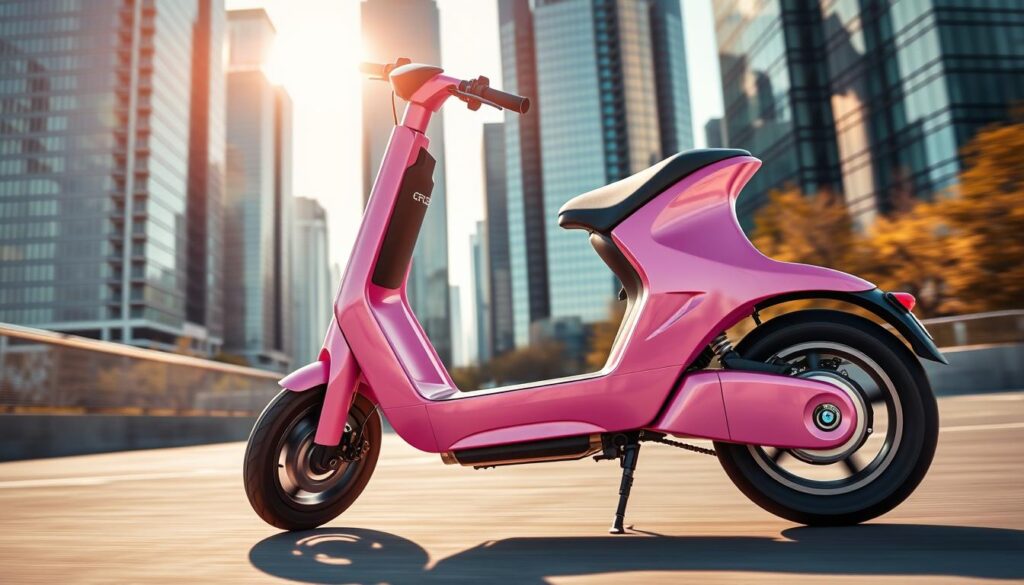
- Real-time displays and mode switching keep riders informed.
- Choose battery and mph to match daily routes and confidence levels.
- Solid tires mean low maintenance for busy families.
Compare Specs at a Glance: Range, Weight, and Portability
Practical specs — from miles per charge to folded footprint — decide how useful each model is day to day.
Max range in miles
The FanttikRide C9 family targets about 5 miles per ride for younger riders. The T9 stretches to roughly 6.8 miles for teens and larger users. The Hiboy S2 Lite reaches up to 10.6 miles, which is best for longer short commutes.
Lightweight builds and folded size
FanttikRide models weigh about 14 lbs and fold to roughly 29.5″ x 14.5″ x 10.6″, making them easy to stash in a trunk or closet. The T9 folds a bit larger at about 31″ x 15.5″ x 14.6″.
The Hiboy S2 Lite is around 21 lbs, still manageable for transit and stairs while offering more range.
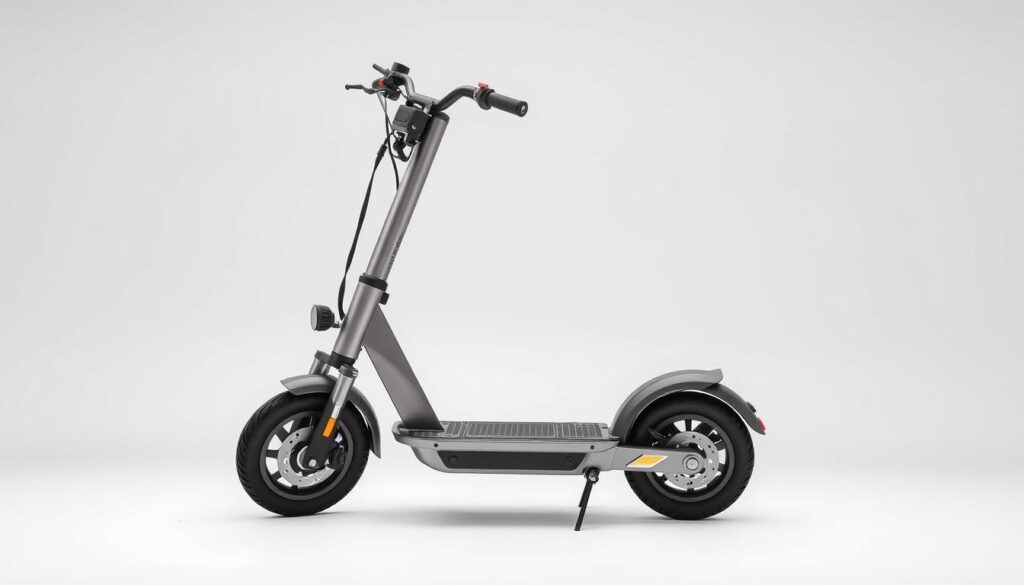
Speed, battery, and daily use
Speed steps on the kids’ series top out between 5–10 mph, while the T9 and S2 Lite reach 12–13 mph. Buyers should factor battery size and routine charge windows when planning daily trips. Lightweight frames help kids handle starts and curb work safely.
- Quick takeaway: expect a 5–10.6 miles window across models.
- Portability: 14–21 lbs and compact folds suit apartments and cars.
- Use case: choose mph and range based on route length and rider age.
Designed for Kids and Teens in the United States
A proper fit by height lets a child handle turns and stops with confidence.
Right fit by age and height: 8-12 vs 13+ riders
FanttikRide C9, C9 Pro, and C9 Apex fit most 8–12 year olds with three adjustable bar heights: 32.5″, 35″, and 37.5″.
The T9 serves 13+ riders with taller settings at 34″, 36.5″, and 39″. These heights help teens reach the deck and grips without leaning forward.
Night riding visibility: headlights, side lights, and dashboards
Visibility matters at dusk and on shared paths. The Hiboy S2 Lite adds a wider-range headlight, stem and side lights, plus a rear red spot light to make riders easier to see.
All models use Smart LED dashboards to show mode and current speed, which reduces guesswork and keeps focus on the path.
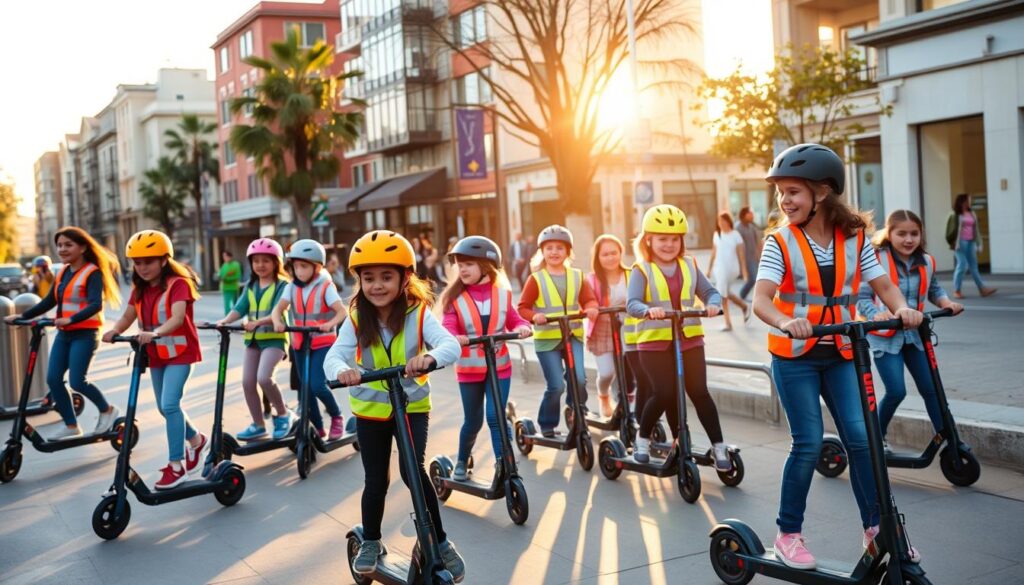
- Adjustable speed settings help parents step a child up from 5 to 10 MPH safely.
- Solid, flat-resistant tires lower maintenance for busy families.
- Lightweight frames (14–21 lbs) make school runs and car lifts simpler.
pink electric scooter Buyer’s Guide: How to Choose the Perfect Ride
Choosing the right ride starts with matching top speed to the rider’s routine.
Prioritizing speed (mph), motor power, and braking systems
Set a top mph that matches routes. Five to ten mph fits neighborhood play, while 12–13 mph suits short commutes and bike lanes.
Match motor and power to rider weight and hills. A 250W class motor, like the Hiboy S2 Lite, works well for flat city paths and school runs.
Brakes matter. Choose models with electronic braking plus ABS and a rear pedal brake for layered stopping confidence.
Battery size, charging time, and daily commute or playtime
Consider pack size when you plan range. The S2 Lite’s 36V 5Ah battery aims for about 10.6 miles, while FanttikRide kids models target roughly 5 miles and the T9 about 6.8 miles.
Plan charge time around routines: a full S2 Lite refill can take near five hours, so overnight charging works best. Lighter packs often top up faster for after-school rides.
- Fit: 14-lb models suit kids; ~21 lbs works for teens and parents.
- Features: LED dashboards, cruise control, and speed limits add safety and convenience.
- Terrain: Solid tires cut flats but add road feedback; smooth paths give the best comfort.
Accessories and Upgrades to Personalize Your Scooter
Add-ons can turn a basic ride into a practical, safer daily companion for kids and families.
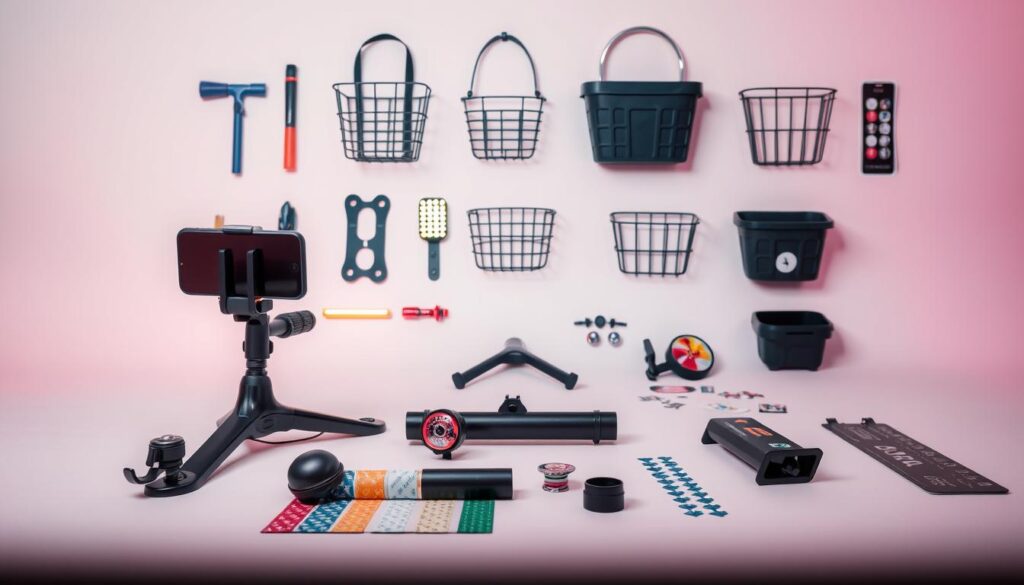
Fast charger: A fast charger shrinks downtime between outings. When a family shares one vehicle, a quicker top-up saves mornings and keeps the battery ready for after-school plans.
Helmet and helmet case: Helmets are non-negotiable. Pairing a protective helmet case keeps gear clean and stashed by the door for easy grab-and-go.
Track and store with simple upgrades
GPS tag: A small tracker tucked under the deck or in a bag gives parents location peace of mind on neighborhood loops or at school drop-off.
Basket, rear rack, and phone holder: These turn a commuter into an errand-ready companion. A USB-capable phone holder keeps navigation visible so the rider can focus on the path.
- Fast chargers reclaim charge time so plans stay on schedule.
- Bundles often save about 20% when accessories are added at checkout.
- Protection plans promise fast repairs or replacement to reduce season-long stress.
Quick note: When choosing add-ons, match weight limits and mounting points to the model. The right kit keeps every ride safer and more useful for kids and grown-ups alike.
Price, Warranty, and Policy Essentials
Price tags and protection plans often decide which model families end up in a cart.
Typical price ranges: Seasonal sale pricing often brings kids’ models into the mid-$100s (FanttikRide C9 around $143.99, C9 Pro $159.99, C9 Apex $179.99). Teen-ready units run in the low $200s (T9 about $239.99). Feature-rich commuter-lite picks like the Hiboy S2 Lite show up near $300 on sale (listed at $299.99, regular $439.99).
How to compare price and sale value
It pays to check regular vs. sale prices. Brands rotate discounts around holidays and back-to-school. Compare specs so a lower price still matches range and safety needs.
Warranty and return policy notes
Warranty terms vary by brand; buyers should check coverage for frame, electronics, battery, and wear items to avoid surprises. For full warranty details, review the manufacturer’s warranty details.
A clear return policy helps when fit, speed feel, or sizing isn’t right after the first test ride. Confirm return windows and any restocking fees before purchase. Many retailers also sell Protect Your Product plans for fast repairs or replacements, which can be useful for high-use family rides.
- Sale tip: accessory bundles often advertise about 20% off helmets, cases, and racks.
- Checklist: price, warranty, return policy, and protection plan before checkout.
Ready to Ride in Pink: Pick Your Scooter and Go
Pick the ride that gives the right balance of power, portability, and safety.
Quick recap: the Hiboy S2 Lite Pink delivers the most top speed at 13 mph, up to 10.6 miles range, a 250W motor, and layered brakes in a ~21 lb package. It suits riders who want higher speed and bright visibility for short commutes.
The FanttikRide C9 line is light and easy to handle for younger riders, with 5–10 mph limits, about 5 miles per charge, and 14‑lb frames that fold small. The T9 steps up for teens with 12 mph and a 154‑lb limit.
Families should add a helmet, fast charger, and a GPS tag or phone holder to keep every electric scooter trip safe and on schedule. Choose the model that fits daily distance and how often it needs to fold or be carried — then set the mode and go.
FAQ
What age and weight are these scooters designed for?
Most models in the roundup target two groups: kids aged roughly 8–12 and teens 13+. Weight limits typically range from about 110 to 220 pounds depending on build. Buyers should check the specific model’s recommended rider weight and height to ensure safe handling and optimal range.
How fast do these models go and what does "mph" mean?
Speed varies by model: kids’ units usually offer 5–10 mph, teen models reach up to about 12–13 mph. “Mph” stands for miles per hour and indicates top speed on flat ground. Riders should factor in local laws and helmet use when choosing a top speed.
How far can a single charge go in real-world miles?
Real-world range falls between roughly 5 and 10.6 miles per charge for the featured scooters. Terrain, rider weight, and riding style affect miles per charge. Manufacturers list ideal figures, but expect slightly less in hilly or stop-and-go conditions.
What kind of motor and power should buyers look for?
Entry-level and kid-focused scooters often use motors in the 150–250W class, providing safe acceleration and hill performance suitable for young riders. Teens or heavier riders may prefer the 250W class for a more confident ride.
How long does it take to charge the battery?
Charge times typically range from 3 to 5 hours for the scooters in this guide. A fast charger accessory can cut that time. Always follow the manufacturer’s charging guidelines to preserve battery life and warranty.
Are these scooters safe for night riding?
Many models include headlights, side lights, and dashboard indicators to improve visibility after dark. For added safety, riders should use reflective clothing, add extra lights if needed, and follow local regulations for night riding.
How portable are these scooters for carrying or storage?
Lightweight builds in the selection weigh about 14–21 lbs and usually have easy-fold designs for carrying into school or transport. Heavier models with bigger batteries trade portability for longer range and sturdiness.
What braking systems are included and which are best?
The scooters use a mix of electronic and mechanical brakes, sometimes combined with rear foot brakes. Disc or drum brakes and responsive electronic regen braking improve stopping power. For kids, simpler mechanical brakes with clear feedback are often safest.
Are helmets and other accessories necessary or included?
Helmets are essential but rarely included. Recommended accessories include a certified helmet, fast charger, phone holder, and a GPS tag for tracking. Some brands sell bundled safety gear and storage options like baskets or racks.
What should buyers know about warranty and return policy?
Warranty coverage varies by brand; common protections cover defects in materials and workmanship for a limited period. Buyers should read the return policy for restocking fees, return windows, and whether shipping is covered. Register the product to speed up claims.
Can these scooters handle hills and uneven surfaces?
Mild inclines are manageable for 250W-class motors, but steep hills and rough terrain reduce speed and range. Pneumatic tires and good suspension improve comfort on uneven pavement, so choose models with suitable tires for intended routes.
How can parents adjust speed limits for younger riders?
Many kids’ scooters offer adjustable speed modes or governor settings for 5–10 mph limits. Parents should enable lower-speed modes until riders build confidence and follow all safety guidance and local laws.
Are replacement parts and service available?
Major brands like Hiboy and FanttikRide support replacement parts—tires, chargers, and brake components—through authorized dealers or service centers. Check the brand’s customer service channels for repairs and OEM parts availability.
How do seasonal sales affect pricing?
Prices often drop during back-to-school, holiday, and end-of-season sales. Typical ranges vary by model and features; shoppers can find solid discounts during promotions but should still verify warranty and return terms before purchase.