Piaggio Zip SP Scooter: Detailed Review, Features, and Pricing
 PopScooter Team
December 5, 2025 9:57 am
.
11 min read
PopScooter Team
December 5, 2025 9:57 am
.
11 min read
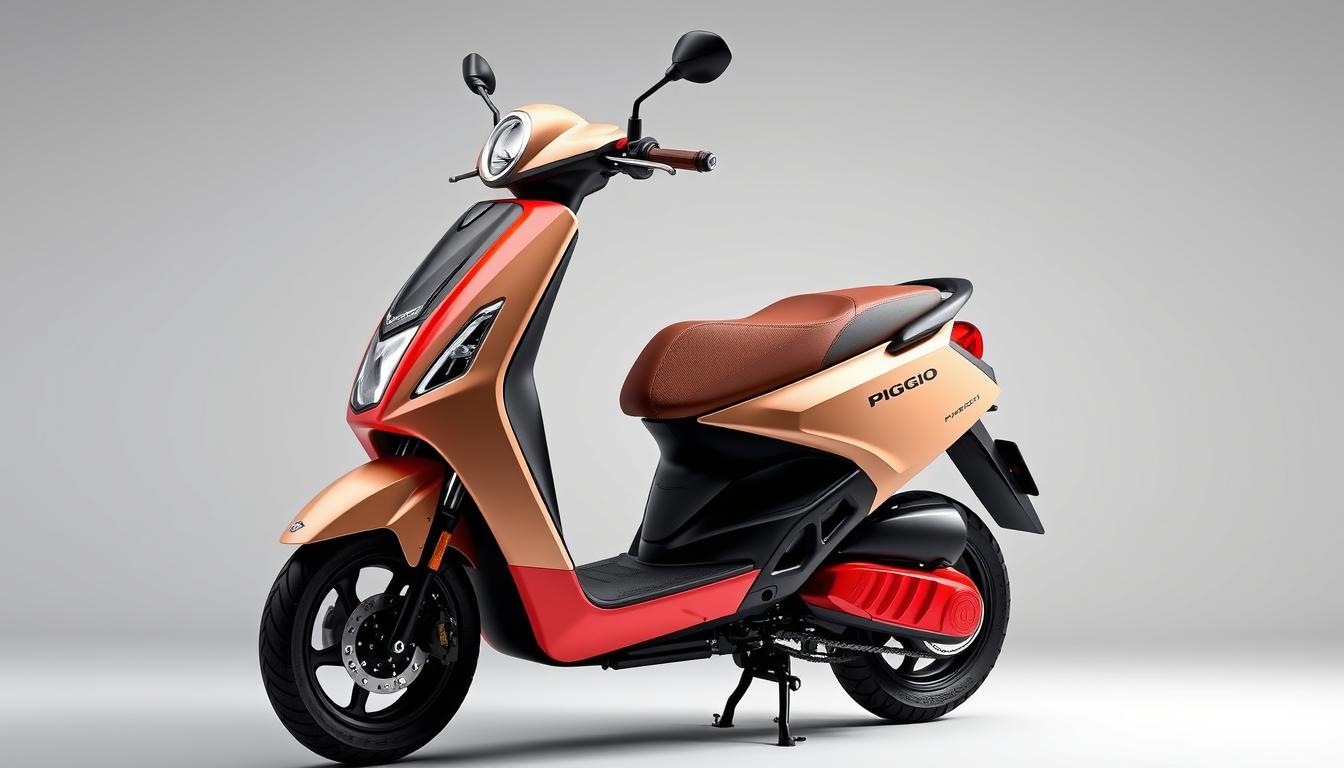
Can a tiny city scooter still surprise a seasoned rider? This introduction looks at the compact Piaggio Zip SP as a case study in nimble urban design. It was a lightweight scooter known for a lively two-stroke engine and a smooth CVT transmission.
The review highlights how the liquid-cooled 49.4 cm³ engine, simple start options, and small-diameter wheels shaped quick steering and predictable handling. Riders remembered its low weight and a pressed-steel frame that made city riding easy.
Key hardware included a front disc and rear drum brake pair, compact tires, and basic instruments that matched the Zip models’ practical goals. Capacity and fuel range fit short commutes, while top speed sat near 30 mph.
Readers will find clear notes on performance, ownership costs, and how this model compared to similar scooters on the used market in the U.S.
Piaggio Zip SP at a glance: what makes this liquid‑cooled 50 stand out
A compact commuter with a racing edge, the Zip SP married small size with deliberate sport tuning.
The SP arrived as part of the second‑generation Zip 2000 update and stayed in the range from 2001 to 2016. It used the Hi‑Per2 Pro water‑cooled 49.4 cc two‑stroke engine, a compact cylinder layout that helped keep temperatures steady during heavy city use.
Model years and lineage
The lineup gained practical upgrades during the Zip 2000 refresh, including an adjustable seat height roughly 750–780 mm and larger under‑seat storage. That set the SP apart among similar models and made it easier to live with daily.
Who it suited
Designed for urban riders, the scooter offered twist‑and‑go CVT convenience and a light chassis that aided maneuvering. The single‑sided front design and balanced front and rear controls made threading traffic and parking simple for new and veteran riders alike.
- Performance: sportier tuning for consistent stop‑and‑go feel.
- Type: liquid‑cooled two‑stroke, compact cylinder layout.
- Fuel & upkeep: economical use and modest servicing needs.
Collectors and commuters note that the broader Zip platform reached its end in late 2024, but the SP’s 2001–2016 run remains a favorite chapter. For more model references and parts info, see the site map at parts & models index.
piaggio zip sp specifications and engineering
Here are the core engineering details that explain how the little commuter performs day to day.
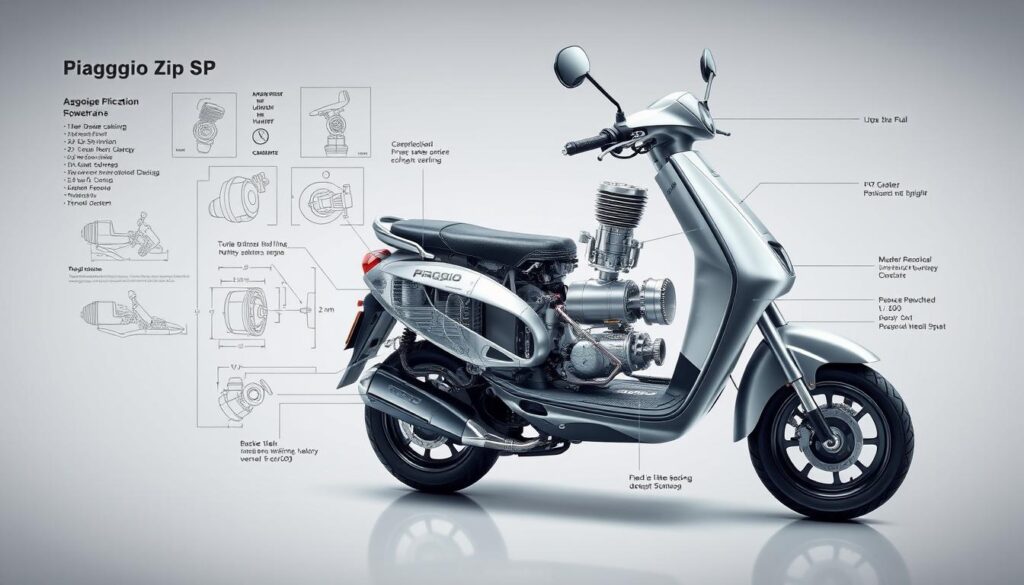
Power and drive
The engine is a single‑cylinder, two‑stroke 49.4 cm³ unit with a reed‑valve intake that makes low‑end torque usable in town. Peak output sits around 3.5 kW at 7,250 rpm.
The transmission is a belt CVT, giving smooth, shift‑free pulls. Both electric and kick starters are fitted for reliability.
Cooling, oiling, and brakes
A liquid cooling system keeps temperatures stable in stop‑and‑go traffic. Lubrication uses a separate automatic oil system, so riders do not pre‑mix fuel.
Stopping power pairs a front disc (200–220 mm) with a 110 mm rear drum, a balance aimed at confident urban braking.
Suspension, chassis, and wheels
The front uses a single arm layout with a hydraulic damper and coil spring for planted steering. On some years a telescopic fork with about 75 mm travel was fitted.
The rear relies on a mono hydraulic shock (dual‑effect on some specs) to steady the ride. A pressed steel single‑tube frame gives a rigid backbone and quick turning.
- Wheels & tires: 100/80-10 front, 120/70-10 rear on 10‑inch rims.
- Wheelbase & weight: 1,180 mm wheelbase; dry weight about 76–80 kg.
- Fuel capacity: roughly 7.3–7.5 L with reserve.
Basic electrics include CDI ignition and simple instruments with a fuel indicator and indicator lights, keeping equipment light and functional for daily use.
Real‑world performance: acceleration, top speed, and braking feel
Everyday riding shows the balance between brisk off‑the‑line feel and predictable stopping in town. A light dry weight (about 76–80 kg) helps the small engine produce usable power right away. That makes acceleration feel sprightly when pulling from lights.
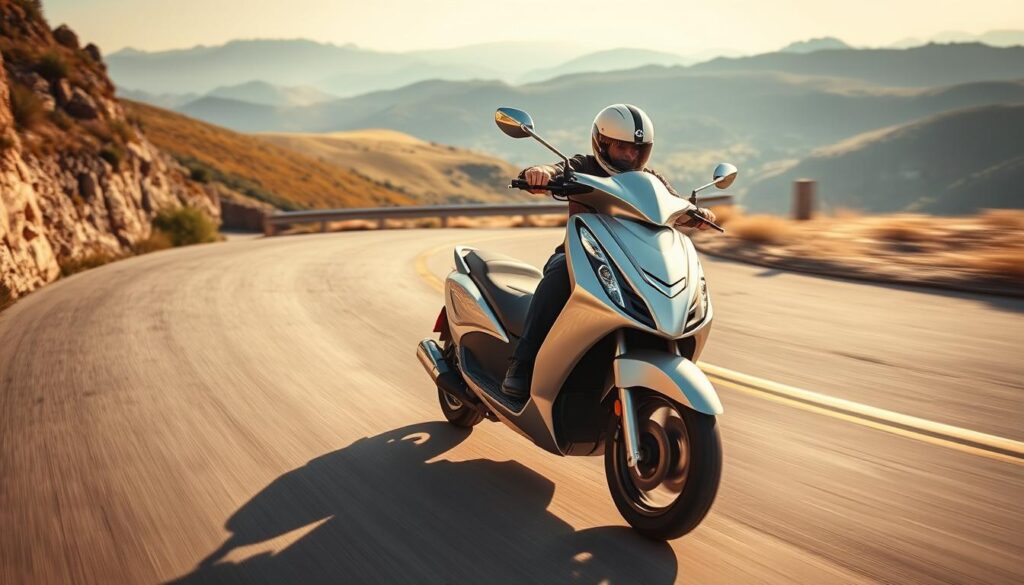
City pace: top speed sits near 30 mph in real conditions. The CVT keeps revs steady so riders get smooth roll-on without jerky shifts.
Braking confidence
The brake setup pairs a responsive front disc (200–220 mm) with a 110 mm rear drum. This balance gives clear modulation and reliable stopping distances for urban blocks.
Ride quality and suspension behavior
The single arm front layout with a hydraulic damper and coil spring keeps the front composed over patched asphalt. Front travel is roughly 75 mm and rear travel about 72 mm on some years, while the rear hydraulic shock soaks up sharp hits.
- Tire choices (100/80-10 front, 120/70-10 rear) make steering quick and predictable.
- Hydraulic damping controls dive under braking and keeps rebound in check.
- Overall, the light chassis helps both acceleration and brake response for nimble commuting.
Fit, finish, and practicality for everyday riding
How a scooter feels at street level often decides whether riders keep it long-term. This model focused on usable ergonomics and tidy packaging to make daily commutes simple and comfortable.
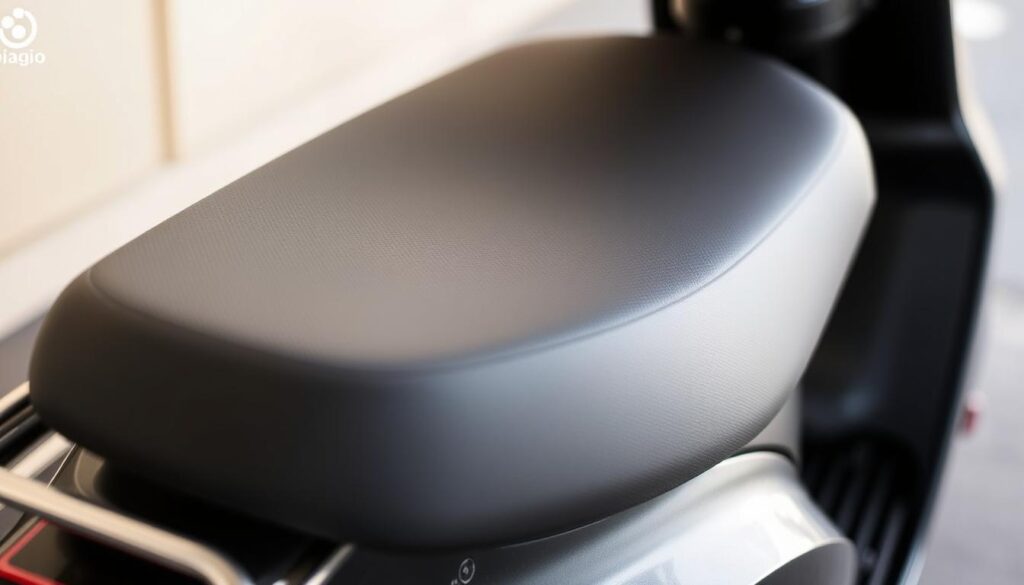
Adjustable seat and rider comfort
The adjustable seat let riders set a seat height between about 750 mm and 780 mm. That range helped different heights flat‑foot and feel confident at stops.
Storage, shield, and daily usability
Under‑seat storage added real value: the bay fit a full‑face helmet and kept essentials dry. A protective leg shield also reduced splash and wind, which made wet commutes less taxing.
Lighting, indicators, and controls
Basic lighting and clear indicator placement supported visibility during early mornings and evenings. The front controls and rear layout felt intuitive, so new riders adapted quickly.
- Weight: a light dry weight (around 76–80 kg) made pushing or parking easy.
- Wheels & tire: small wheels and compliant suspension travel smoothed low‑speed bumps.
- Suspension: coil spring components kept responses predictable for city riding.
Practical details included both electric and kick start options for peace of mind. Owners also found accessories like top cases and small racks easy to add without upsetting the scooter’s tidy proportions.
Ownership, pricing, and accessories in the U.S. market
Knowing what to inspect helps shoppers avoid pricey surprises and keeps running costs low. In the U.S. market, condition and service history shape typical used pricing more than model year alone.
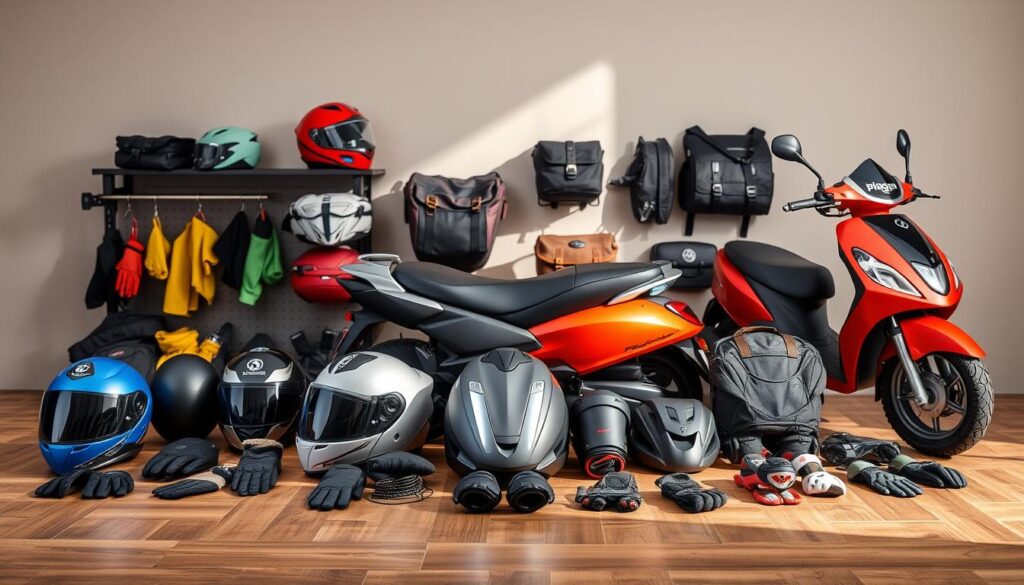
Typical used pricing considerations and what affects value
Clean plastics, straight wheels and rims, and a healthy engine command higher offers. Documented belt or brake service and recent system checks add resale value.
Fuel capacity and a correct reserve reading also matter to buyers who want ready‑to‑ride examples.
Maintenance notes: oil system, CVT belt, and routine checks
Confirm the separate automatic oil system is feeding properly; two‑stroke lubrication is critical. Routine service focuses on the CVT belt, roller wear, and variator cleanliness.
They should check coolant level, hoses, and the liquid circuit for leaks before purchase.
Parts, tuning, and accessories: Malossi, Polini, and OEM spares
Aftermarket support is strong. Malossi and Polini supply variators, exhausts, and suspension bits, while OEM equipment covers consumables and small spares.
What to inspect on a used model: cooling system, brakes, and suspension
- Inspect the front disc (200–220 mm) and rear brake shoes for wear or drag.
- Check tire sizes 100/80-10 and 120/70-10 on 10‑inch rims for even wear and correct pressures.
- Verify the pressed‑steel frame, front arm alignment, mmfront disc spec, and that the kick starter works as a backup.
Your next steps if the Piaggio Zip SP fits your ride plan
If this compact commuter feels right, start with a short, focused checklist and a test ride in town. Verify smooth CVT engagement and roll to roughly 30 mph to judge real-world performance.
On the stand and on the street, check these: seat adjustment for the 750–780 mm seat height, front disc and rear drum braking, single-arm suspension and spring response, plus basic lights and indicator function.
Weigh weight, two-stroke system needs, and parts availability. Compare a few local listings and move quickly on a clean, documented piaggio zip that shows sensible upkeep and proven power delivery.
FAQ
What engine does the Piaggio Zip SP use and what are its key specs?
The scooter uses a single‑cylinder, two‑stroke 49.4 cm³ engine with liquid cooling and reed‑valve intake. It pairs with a CDI ignition, delivers compact power for city rides, and has automatic oiling for lubrication. Riders should check cylinder condition, cooling hoses, and oil feed for reliability.
How does the transmission and starting system work?
It has a CVT belt transmission for twist‑and‑go simplicity plus both electric and kick starters. The CVT requires periodic belt inspection and replacement; the kick starter serves as a reliable backup if the battery or starter motor is weak.
What braking setup does it have and how effective is stopping power?
The front uses a hydraulic disc (typically 200–220 mm) and the rear a 110 mm drum. This disc/drum balance gives predictable urban stopping performance. Riders should inspect pads, disc wear, and drum adjustment when buying used.
Describe the suspension and ride quality for city use.
Front suspension is a single‑arm with hydraulic damper and coil spring; the rear uses a mono or dual‑effect shock. Travel and shock tuning favor nimble handling over long‑distance comfort, so it soaks up city bumps well but can feel firm on rough pavement.
What are the wheel and tire sizes and how do they affect handling?
Typical fitment is 100/80‑10 at the front and 120/70‑10 at the rear on steel rims. Small diameter wheels make steering quick and responsive in traffic, but riders should check tire wear and rim condition for safe handling.
What are the chassis and frame characteristics?
The frame is a high‑strength pressed steel single‑tube spine. It balances low weight with rigidity for urban agility. Inspect the frame and welding, especially near the rear arm and engine mounts, on older used examples.
How much does it weigh and what is the wheelbase? How does that affect stability?
Dry weight generally sits around 76–80 kg with a wheelbase near 1,180 mm. The light weight makes the scooter easy to maneuver and accelerate from stops; the short wheelbase favors quick turns but can be less stable at high speed.
What is fuel capacity and expected range?
The tank holds about 7.3–7.5 liters including a reserve. With efficient two‑stroke tuning and city riding, riders can expect practical urban range, but fuel economy depends on tuning, load, and riding style.
What electrical and equipment features come standard?
Basic equipment includes CDI ignition, simple instruments, indicator lights, and a standard lighting package for commuting visibility. Some models include larger instruments or aftermarket upgrades for better monitoring.
What real‑world acceleration and top speed should riders expect?
In city conditions the scooter can reach about 30 mph and offers quick off‑the‑line acceleration for urban overtakes. Top speed varies with tuning, rider weight, and accessories like heavier luggage or larger top cases.
Who is the scooter best suited for?
It targets urban riders who want lightweight performance, easy CVT operation, and economical commuting. Its size and seat height make it accessible to many riders seeking nimble daily transport.
What should buyers inspect on a used model?
Check the cooling system for leaks, the oil pump and automatic oiling, CVT belt condition, brake disc and drum wear, suspension shocks, wheel rims, and the frame for corrosion or damage. Verify that electrical components and the reserve tank function properly.
What routine maintenance is most important?
Regular items include changing two‑stroke oil, inspecting and replacing the CVT belt, cleaning the reed valve and carburetor, checking brake pads and fluid, and servicing the cooling system. Proper oil mix and filter care sustain performance and longevity.
Are there common tuning or accessory options?
Popular upgrades include performance kits from companies like Malossi and Polini, aftermarket exhausts, upgraded variators, and sportier shock absorbers. Accessories such as luggage racks, top cases, and windshields improve practicality for commuting.
What affects resale value in the U.S. market?
Condition, maintenance history, rarity of original parts, and whether the cooling and oiling systems were properly serviced influence price. Factory color, low miles, and documented parts like OEM rims and original seat cover also matter.
How does lighting and indicator visibility perform for commuting?
Factory lighting and indicators are adequate for city commuting. Riders concerned with night visibility often upgrade bulbs or fit LED units to improve noticeability in traffic and during poor weather.