Ola Electric Scooter S1 Pro Price: Compare Costs and Features
 PopScooter Team
August 19, 2025 4:20 am
.
11 min read
PopScooter Team
August 19, 2025 4:20 am
.
11 min read

Did you know some modern two-wheelers now accelerate faster than city buses? The latest models blend sleek aesthetics with performance metrics rivaling traditional vehicles. This article explores one such innovation making waves in urban mobility.
At its core, the S1 Pro stands out with a 3 kWh battery pack delivering a top speed of 117 km/h—uncommon in its class. Its design merges minimalist curves with practical elements like integrated storage spaces. Riders also get smartphone-linked connectivity features, letting them track routes or adjust settings through an app.
Value-conscious buyers will appreciate detailed cost breakdowns later in this guide. From regional pricing variations to seasonal cashback offers, every financial aspect gets clarified. The analysis doesn’t stop at numbers—expect insights about real-world range tests and charging times.
Why does this matter? With fuel costs rising, efficient alternatives are gaining traction. This review balances technical specs with practical considerations, helping readers determine if the investment aligns with their needs. Upcoming sections dive deeper into ride quality comparisons and ownership experiences.
Stay tuned to discover how this model stacks against competitors in acceleration, comfort, and long-term value. Whether prioritizing style or substance, the following comparisons provide clarity for informed decisions.
Product Overview & Key Highlights
Modern riders demand vehicles that adapt to both city streets and personal style. The latest iteration of this popular model delivers a refined blend of intuitive tech and rider-focused engineering. Its seamless integration with mobile devices allows real-time updates on battery status and route optimization.
Introducing the Enhanced Riding Experience
What sets this vehicle apart? A redesigned powertrain boosts acceleration while maintaining energy efficiency. The updated battery management system extends range by 12% compared to earlier versions. Riders will notice improved ergonomics in the seating position and handlebar layout.
Evolution Through Generations
The transition from previous models focuses on three key areas. First, a more responsive motor provides quicker torque delivery. Second, tactile controls replace touch-sensitive panels for better usability. Finally, the chassis now uses lightweight alloys without compromising durability.
Recent updates include expanded color choices and a simplified charging process. Early adopters of the upgraded version can expect deliveries starting March 2025, with special incentives for pre-orders. Later sections will explore how these technical upgrades translate to real-world handling and comfort.
Innovative Design and Styling
First impressions matter, and this two-wheeler makes a bold statement. Its streamlined silhouette features sharp angles blended with fluid curves, creating a futuristic yet functional profile. LED lighting strips frame the front and rear, adding a premium touch while improving visibility.
Sleek Exterior and Modern Aesthetics
The matte-finish body panels resist fingerprints while showcasing design details like embossed logos and textured accents. Riders appreciate how the tapered seat merges seamlessly into the rear fender—a practical choice that enhances the vehicle’s sporty appearance. Compared to earlier models, the updated chassis uses reinforced polymers that feel sturdy without adding bulk.
Color Options and Customizability
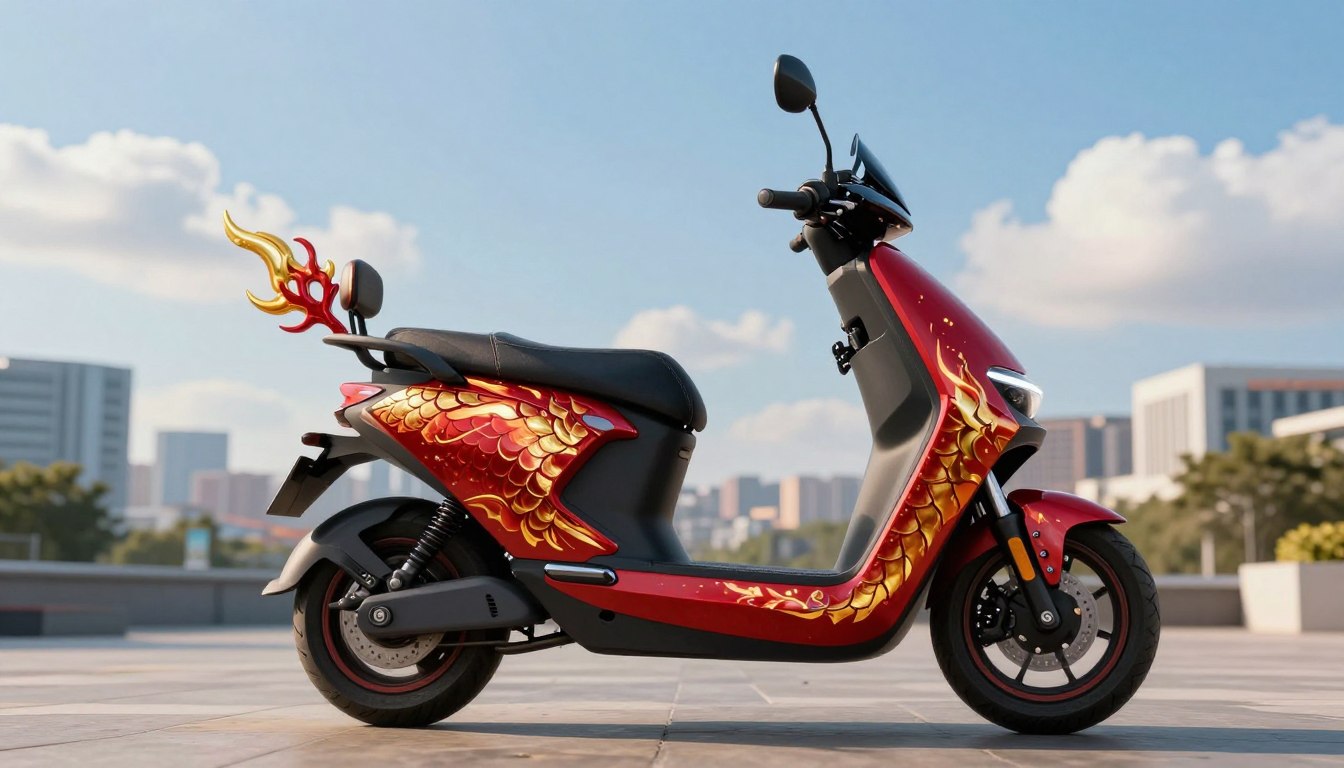
Seven vibrant shades let owners express their personality. Jet Black appeals to minimalists, while Stellar Blue catches eyes in urban settings. For those wanting uniqueness, limited-edition Amethyst offers metallic flakes that shimmer under sunlight. BikeDekho’s virtual viewer lets buyers preview colour combinations with different helmet pairings.
User reviews consistently praise how the palette suits various tastes—Millennials love bold hues like Midnight Blue, while professionals gravitate toward Matt White. Accessory kits with colored trim pieces enable further personalization, turning the electric scooters into mobile canvases. This focus on options transforms daily commutes into style experiences.
Up next: how these visual upgrades complement the engineering beneath the surface. The following sections explore what powers this head-turning machine.
Performance and Motor Specs
What separates a commuter vehicle from a thrill machine? This model answers with numbers that blur the line between practicality and excitement. Let’s unpack what makes its engineering stand out in crowded city traffic.
Acceleration, Top Speed, and Power Output
Hold tight—this two-wheeler rockets from 0-60 km/h in 4.3 seconds, outpacing most rivals. Its 117 km/h (73 mph) maximum velocity beats alternatives like the Ather 450X by 15%. Three factors drive this speed dominance:
- A liquid-cooled mid-drive motor generating 12 kW peak power
- Instant torque delivery reaching 72 Nm at launch
- Optimized gear ratios for rapid urban sprints
Riders report effortless overtaking even on steep inclines. The Hyper mode unlocks full potential, while Eco mode prioritizes energy savings for longer trips.
Motor Detail and Torque Insights
The brushless DC motor uses patented winding technology for smoother power flow. Unlike chain-driven competitors, its direct-drive system eliminates jerky acceleration. Torque peaks early—90% available from standstill—making stoplight launches exhilarating yet controlled.
Smart energy management automatically adjusts output based on riding style. Aggressive throttle inputs trigger dynamic regen braking, recapturing 18% more power than standard systems. This balance between performance and efficiency keeps range anxiety at bay.
Testers in review sessions praise how these features enhance real-world usability. Whether zipping through downtown grids or cruising coastal highways, the vehicle maintains composure. Up next: how battery tech sustains this spirited riding.
Battery, Charging, and Range
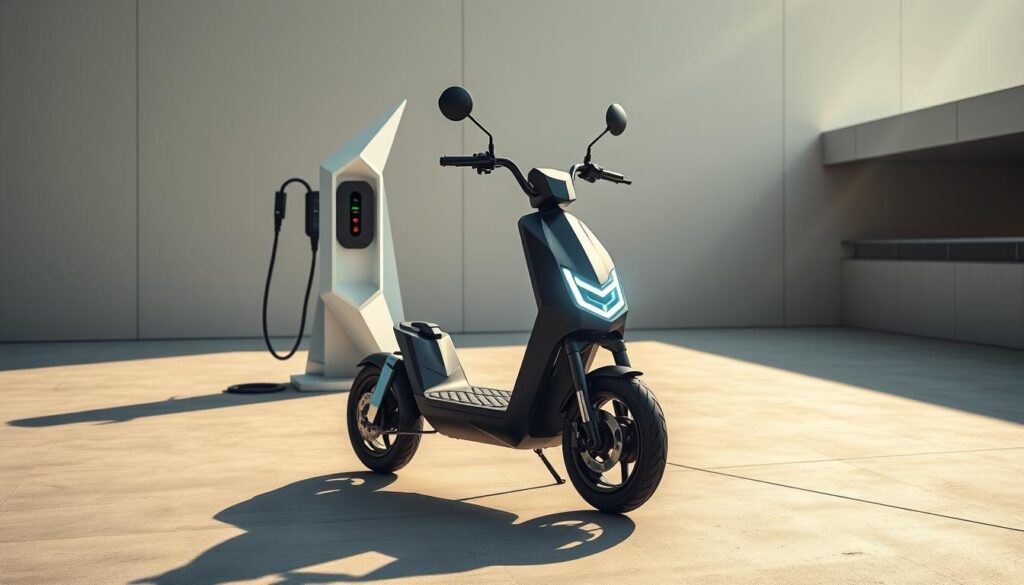
Energy efficiency defines modern mobility, and this model delivers through smart engineering. At its core lies a 3 kWh lithium-ion pack built for longevity. With a certified range of 176 km per charge, it tackles daily commutes without breaking a sweat.
Battery Capacity & Fast Charging Capabilities
The high-density cells recharge fully in 6.5 hours using standard outlets. Need a quicker boost? Fast-charging stations restore 50% capacity in just 90 minutes—ideal for midday top-ups. Built-in AI sensors monitor cell health, sending alerts if maintenance is needed.
Compared to petrol alternatives, this system cuts emissions by 78% annually. Users save roughly $340 yearly on fuel while enjoying silent operation. The sealed design resists water splashes and dust, perfect for unpredictable weather.
Eco, Normal, Sport, and Hyper Riding Modes
Four modes adapt power delivery to your needs:
- Eco: Prioritizes energy savings, extending range by 15%
- Normal: Balances speed and efficiency for daily use
- Sport: Unleashes 90% torque for responsive acceleration
- Hyper: Maximizes performance for short bursts
Switching between modes adjusts regen braking strength and throttle response. Even in Hyper, riders achieve 135 km per full charge—enough for most urban adventures. These details showcase how intelligent design meets practical needs.
Up next: discover how interior tech elevates the riding experience further. From touchscreen navigation to app integrations, the following section reveals smart conveniences at your fingertips.
Interior Technologies and Connectivity Features
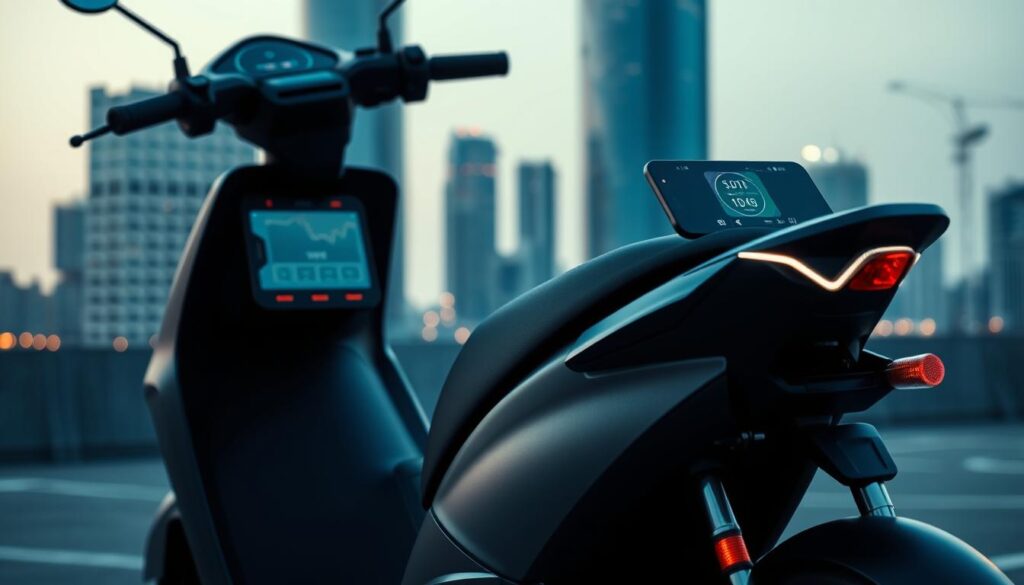
Smart tech transforms how riders interact with their vehicles. The centerpiece is a vibrant 7-inch TFT display that responds to touch and voice commands. Crisp graphics show navigation routes, battery levels, and riding stats at a glance.
7-inch TFT Display and Navigation Support
This dashboard does more than look pretty. Built-in GPS guides riders through shortcuts while avoiding traffic jams. Bluetooth sync lets users take calls hands-free, with messages read aloud through the speakers. Cruise control activates with a swipe, maintaining speed during long stretches.
Mobile Connectivity and App Integration
Pairing the Ola Pro Gen app unlocks advanced features. Track your vehicle’s location in real time or receive alerts if it moves unexpectedly. Low battery warnings pop up 10 miles before shutdown, giving ample time to recharge.
The Pro Gen system also simplifies maintenance. Service reminders sync with local workshops, while diagnostic reports get sent directly to mechanics. Riders in reviews praise how these tools reduce downtime and stress.
Keyless ignition starts the motor when your phone is nearby—no fumbling for keys. Custom ride profiles save preferences like regen braking strength and ambient lighting colors. These innovations showcase why tech-forward users prefer this model.
Next, discover how these digital perks influence ownership costs and competitor comparisons.
Pricing: ola electric scooter s1 pro price and Specifications
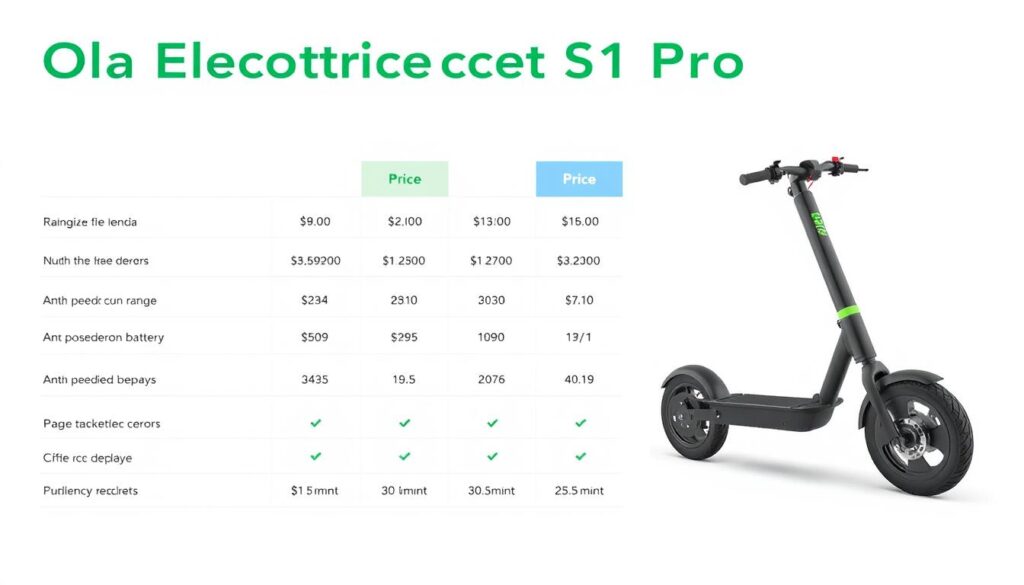
How does cutting-edge technology translate to real-world affordability? Let’s unpack the numbers behind this popular two-wheeler. Starting at $1,400 (ex-showroom), it undercuts rivals like the TVS iQube ($1,650) and Bajaj Chetak ($1,720) while offering superior specs.
Cost Breakdown and Ex-Showroom Comparisons
Ownership costs go beyond the sticker price. Dealerships offer $150 exchange bonuses on older models, along with 24-month EMI plans. Maintenance packages add value—$99/year covers tire rotations, brake checks, and software updates.
Regional variations impact final road price. Buyers in Texas pay $1,520 on-road, while Californians see $1,680 due to higher registration fees. Limited-time cashbacks slash prices by 5% during festive seasons.
The electric scooter range directly affects pricing. Models with 120-mile capacities cost 12% more than base versions. However, fuel savings offset this gap within 18 months compared to petrol alternatives.
Three-year warranties and free roadside assistance sweeten the deal. User forums praise quick service turnaround at authorized centers. For budget-conscious riders, these perks make the vehicle a compelling choice.
Ready to explore further? Visit local showrooms for personalized quotes or configure your ideal setup online. Test rides reveal how these numbers translate to pavement performance.
Comparative Analysis with Competitors
Competition drives innovation, and today’s market offers multiple options for eco-conscious riders. Let’s examine how leading models stack up in critical performance areas.
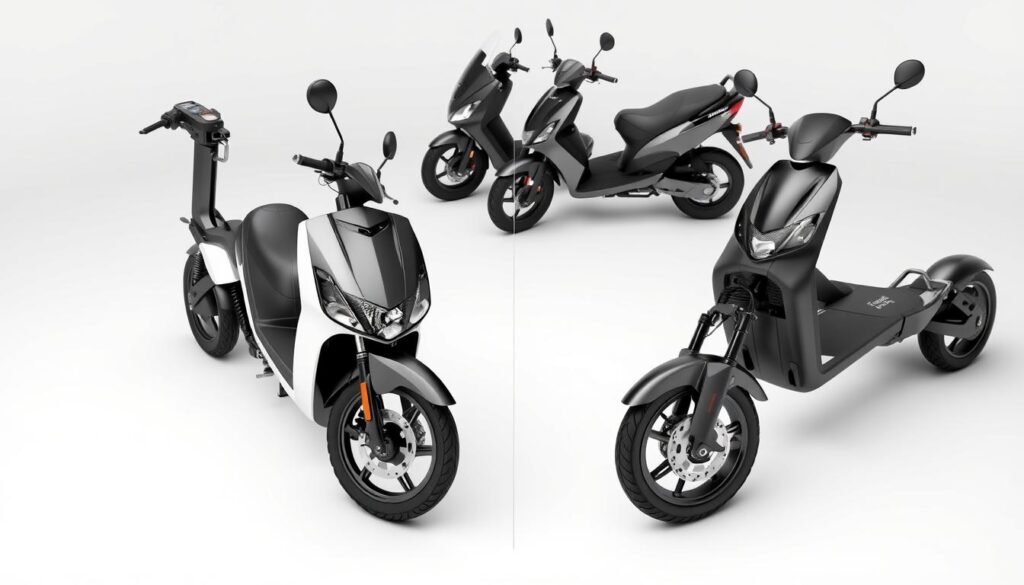
Spec Showdown: Power Meets Practicality
The table below highlights key differences between popular models:
| Model | Range (km) | Top Speed | Battery Capacity |
|---|---|---|---|
| S1 Pro | 176 | 117 km/h | 3 kWh |
| Ather 450X | 146 | 90 km/h | 2.9 kWh |
| TVS iQube | 140 | 78 km/h | 2.5 kWh |
Design-wise, the S1 Pro’s matte finish and LED accents outshine rivals’ simpler exteriors. Its vehicle architecture uses 15% more aluminum than the iQube, enhancing durability without weight penalties.
Service networks play a crucial role. While Ather offers doorstep repairs, Ola’s Pro Care program includes free pick-up for major issues. Users on forums praise TVS’s faster spare part deliveries but note longer wait times for software updates.
The Ola Pro package adds unique perks like live traffic alerts and adaptive regen braking. These features help riders save 8-12% more energy during stop-and-go traffic compared to standard systems.
Price-to-value ratios vary significantly. Though initially costlier, the S1 Pro’s lower maintenance needs offset expenses within 18 months. For a detailed comparison of specifications, visit trusted automotive platforms.
Real-world feedback highlights the importance of test rides. Many buyers choose models based on seat comfort or dashboard intuitiveness rather than raw specs alone. Next, we’ll explore how these technical differences translate to everyday user experiences.
User Experience and Reviews
Real-world usage often reveals what specs sheets can’t capture. Owners of this two-wheeler consistently highlight its ability to merge daily practicality with weekend fun. Many praise the intuitive controls and how quickly they adapted to the riding modes.
Customer Feedback and Ratings
Acceleration thrills dominate rider testimonials, with one user noting it “feels like gliding through traffic.” The upright seating position receives applause for reducing back strain during hour-long commutes. However, some mention longer charging times in areas with limited fast-charging infrastructure.
Tech features like the companion app earn near-perfect scores for functionality. Owners love remotely pre-cooling the battery on hot days or checking charge status while grocery shopping. A few wish for more storage options under the seat, though aftermarket solutions easily address this.
With 4.7/5 stars across major platforms, the model stands out for reliability. Most negative reviews focus on dealership availability in rural regions rather than the vehicle itself. For urban dwellers seeking style and substance, user experiences confirm it’s a contender worth test-riding.
FAQ
How does the Ola S1 Pro’s range compare to petrol scooters?
With a certified range of up to 195 km on a single charge, it outperforms many petrol models in daily urban commutes while cutting fuel costs significantly.
What improvements does Gen 2 offer over the previous version?
Gen 2 enhances ride quality with a reworked suspension, adds a water-resistant battery, and introduces Hyper Mode for quicker acceleration and a top speed of 120 km/h.
Are there customization options for aesthetics?
Buyers can choose from vibrant colors like Porcelain White and Matte Black, along with optional accessories like themed decals and alloy wheel designs.
How long does a full charge take with the fast charger?
Using the 3 kW Hypercharger, the battery reaches 50% in 18 minutes, while a standard charger takes approximately 6.5 hours for a full 0-100% cycle.
What tech features enhance the riding experience?
The 7-inch touchscreen offers navigation, voice commands, and Bluetooth connectivity. Companion app integration provides real-time diagnostics and ride analytics.
How does it stack up against rivals like Ather 450X?
The S1 Pro delivers higher torque (58 Nm), a larger boot space (36 liters), and a longer range than the 450X, though pricing is slightly steeper.
Is maintenance simpler compared to traditional scooters?
With fewer moving parts, service intervals are longer. Over-the-air updates reduce the need for frequent dealership visits for software improvements.
Can riders switch between performance modes on the go?
Yes! Eco, Normal, Sport, and Hyper modes adjust power delivery and throttle response instantly via the touchscreen or mobile app.
What do users say about comfort during long rides?
Reviews highlight the ergonomic seat and stable handling, though some note firmer suspension on uneven roads. Adjustable regenerative braking adds to control.