
Discover Ola Electric Scooter S1 Pro: Features and Benefits
 PopScooter Team
February 18, 2026 7:58 pm
.
17 min read
PopScooter Team
February 18, 2026 7:58 pm
.
17 min read
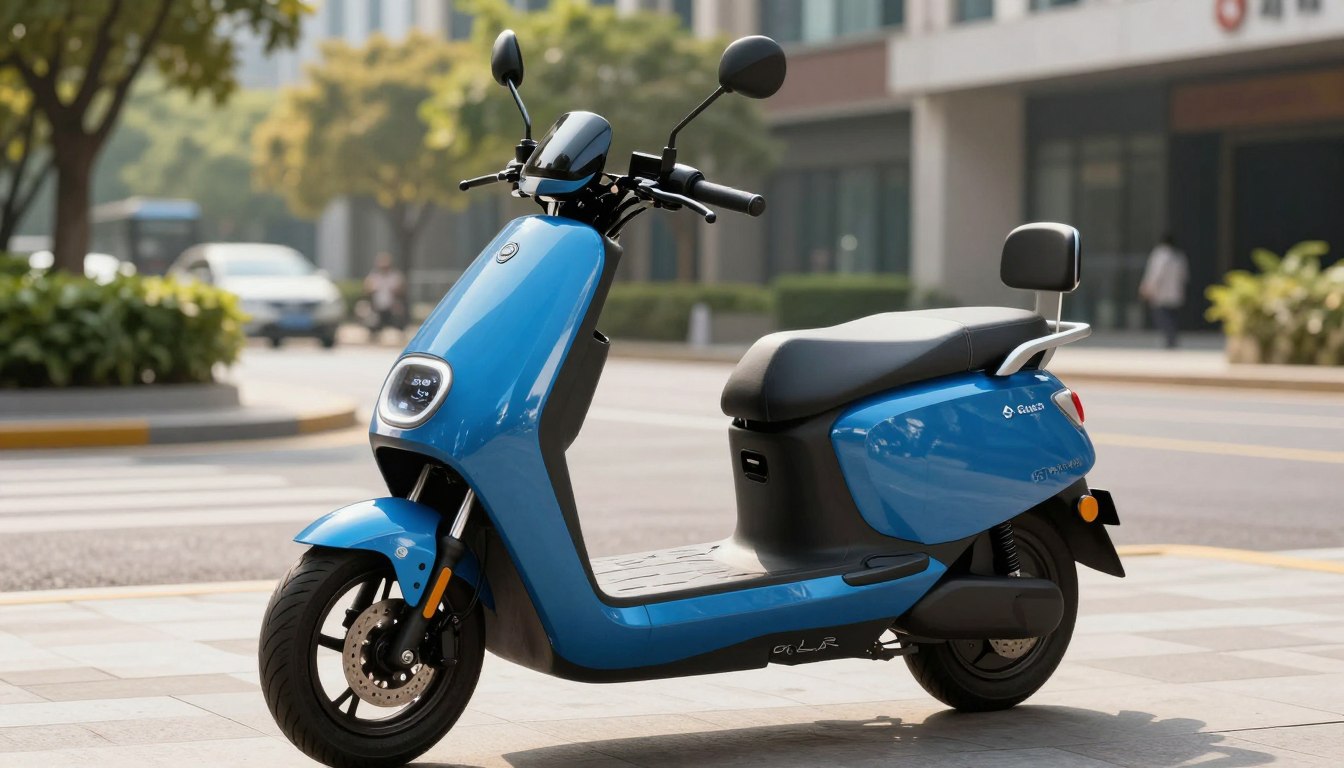
Could a single urban ride change how someone thinks about daily commuting? This review frames the ola electric scooter s1 pro as a premium choice for U.S. shoppers who want clear facts and fair tradeoffs.
It highlights key specs: an automatic transmission, a 4 kWh lithium-ion battery rated up to 195 km per charge, peak motor power near 11 kW, and a 7-inch TFT touchscreen with connectivity. These details ground the conversation without hype.
The piece previews what matters most for city use: real-world range, charging time, ride feel, and safety tech. It also compares trims and notes where market differences can change ownership costs and comfort.
Goal: help readers weigh performance, running cost savings against petrol, modern tech, and any compromises so they can decide if this scooter fits their daily life.
Key Takeaways
- The article gives a practical, data-based look at the S1 Pro and related trims.
- Readers learn real-world benefits like lower running costs and commuting convenience.
- Focus areas: range, charging, ride feel, safety features, and ownership costs.
- Specs cited (battery, motor, touchscreen) are used to ground comparisons.
- The review aims to help U.S. buyers compare options and buy with confidence.
Quick take: what the Ola S1 Pro is and who it’s for in the US
For U.S. buyers weighing options, the S1 Pro mixes strong acceleration, modern tech, and home charging appeal. It is positioned as a premium, user-friendly commuter option built for city life. The goal is simple: reduce dependence on petrol and make routine trips predictable and quieter.
Why shoppers consider this over petrol
Volatile fuel prices and frequent stops drive many riders to choose battery power. Charging at home replaces detours to gas stations and lowers running cost. Modern features and brisk acceleration add a premium feel without complex maintenance.
Best-fit rider profiles
- Commuters who want steady monthly cost and easy parking.
- Campus riders who value quiet operation and simple storage.
- City drivers who need smooth low-speed control in heavy traffic.
Shoppers may see the name “Ola Pro” online; trims change range, speed, and safety gear, so compare options carefully. In the current market, buyers prioritize real-world range, charging access, and reliability over headline specs.
Ola electric scooter s1 pro at a glance
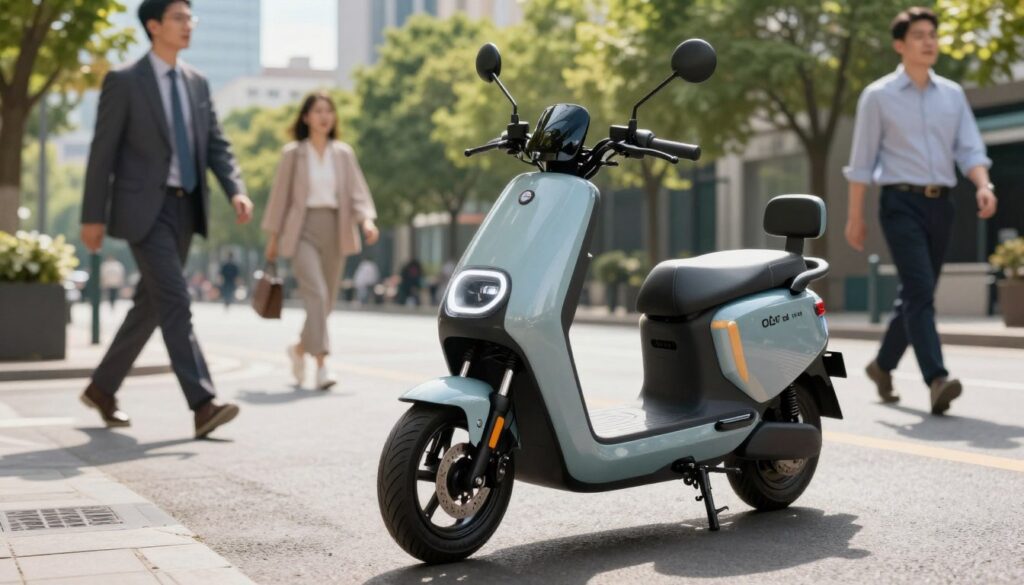
Here’s a compact spec snapshot to help shoppers scan the essentials quickly. This short view highlights the numbers and usability items that matter when comparing daily commuters.
Battery and range highlights
The model uses a 4 kWh battery with a claimed range up to 195 km per charge. Real-world distance depends on speed, traffic, temperature, and riding style.
Top speed and power snapshot
Peak power reaches about 11 kW with continuous output near 5.5 kW. Top speed is around 120 km/h, giving confident merging and short passing ability on city roads.
Core usability features
An automatic transmission keeps stop-and-go riding simple for new and seasoned riders alike. A 7-inch TFT touchscreen provides clear ride data, alerts, and basic navigation prompts.
- Ride modes: Eco, Normal, Sports, Hyper—each shifts power delivery and affects range.
- Charge time: Expect overnight charging to suit daily commutes; fast-charge options can shorten top-ups.
- Features: The display and modes make everyday use more informative and adaptable.
Performance on the road: power, speed, and riding modes
How a ride feels in traffic depends as much on short bursts of torque as on steady output. This model pairs a high peak number with lower continuous output to balance instant punch and sustained cruising.
Peak vs continuous power
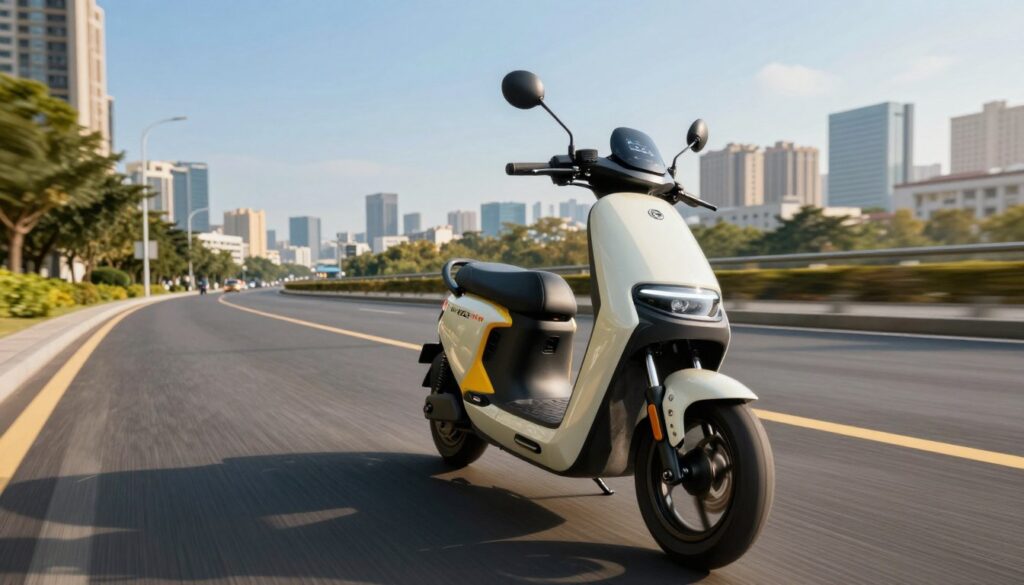
Peak power of 11 kW gives brisk starts and strong overtakes. Continuous output near 5.5 kW governs long climbs and highway cruising. Riders feel the peak when launching or passing, while the continuous rating keeps speeds steady over time.
Acceleration and real-world speed
The 11 kW burst makes urban launches confident. It helps close gaps in heavy traffic and clear city roads quickly. Most riders use mid-range speeds, not top-end figures, so peak power matters for short, decisive moves.
How modes shape the ride
Choose Eco to stretch range and soften throttle. Normal balances efficiency and daily responsiveness. Sports and Hyper sharpen throttle mapping for quicker throttle response and stronger acceleration. Switching modes changes how the motor delivers thrust and how the vehicle feels in stop-and-go traffic.
Mid-drive IPM motor impact
The mid-drive IPM motor improves traction and predictable torque at low speeds. It pairs smooth torque delivery with quick response on uneven roads. That combo helps the vehicle ride smooth through potholes and busy intersections.
- Practical note: “ola electric” and “ola pro” trims may show different published numbers, so compare exact specs before buying.
Range and battery life: what riders can realistically expect
Claimed numbers give a headline, but everyday rides tell the real story about range and battery life. The S1 Pro lists up to 195 km per charge on the 4 kWh pack, which helps frame weekly commute options.
What changes that claimed distance
Speed, frequent acceleration, and heavy traffic reduce range compared with test cycles. Using higher ride modes trades miles for stronger response.
Cold or heat also cuts usable capacity, and repeated short rides with many starts tend to use more energy per mile.
Battery life and ownership risk
Batteries fade gradually; capacity falls with age, charge habits, and climate. Proper charging and avoiding full deep discharges extend useful life.
Warranty and money matters
Some higher trims list a battery warranty of about 3 years or 50,000 km. That protection matters when weighing long-term cost versus petrol.
- Plan: map daily miles, add a buffer, and choose a routine that keeps the bike well within range.
- Benefit: fewer stops and lower operating cost than petrol for short, frequent rides.
Charging experience: home charging time and fast-charge potential
A reliable nightly charging routine can remove most range anxiety for city riders. Standard charging time is about 6.5 hours, which makes overnight top-ups practical for most daily commutes. Plugging in at home usually means the scooter is ready each morning without extra planning.
Not everyone has private parking or a dedicated outlet. Riders in apartments or shared lots should check outlet access and building rules before relying on a home system. Outdoor sockets and extension-safe setups change the convenience equation.
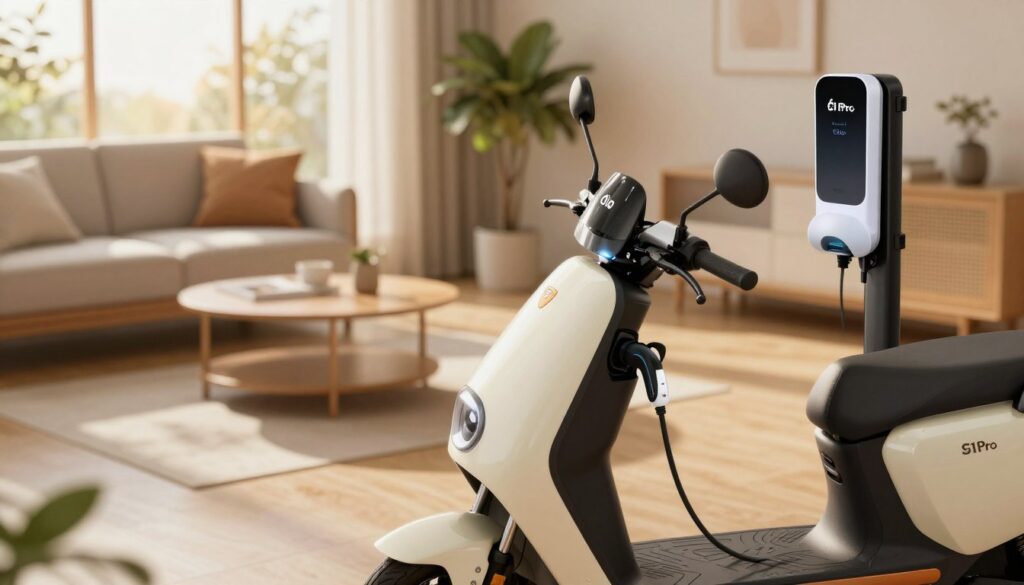
Fast charging and longer trips
Fast charging can add up to 75 km in about 18 minutes, which helps on longer rides or when a quick top-up is needed. That capability reduces range anxiety when public chargers are available.
- Build a routine: plug in after work rather than wait for low battery.
- Use a station locator for route planning and confidence on longer rides.
- Remember: network speed and availability vary by region, so plan options accordingly.
For full specs and regional buying notes, see Ola S1 Pro details. Consistent charging behavior tends to make daily ownership simpler and more predictable.
Ride comfort and daily usability
Real-world usability is about low-effort starts, predictable balance, and a seat that stays comfortable on repeat commutes. This section looks at how weight, ergonomics, and handling shape daily life in town.
Weight, balance, and maneuverability
The kerb weight sits near 116–118 kg depending on trim. That mass feels stable at speed and reassuring when overtaking.
At low speed, riders notice the weight when pushing the vehicle out of parking. Still, the center of gravity and narrow steering help with quick U-turns and tight lane changes.
Seat comfort and ergonomics
The seat design matters because riders touch it every day. The Pro+ variant adds a two-tone, more ergonomic seat that eases pressure on longer trips.
Ergonomics affect reach to the bars and foot placement. Taller riders may appreciate the roomy position, while shorter riders benefit from predictable foot reach at stops.
Handling in traffic and tight parking
In heavy traffic, the setup favors confidence: predictable steering and steady rear balance help when filtering or braking in short bursts.
Storage and the home routine matter, too. A roomy under-seat area fits a helmet and small items, making quick errands easier and reducing the need for extra bags.
- Rear stability holds up when carrying a small backpack over uneven pavement.
- Low-effort starts and a balanced feel are key signs of good daily usability.
- Choose options that match rider size and parking needs for the best long-term comfort.
Brakes, tires, and safety tech
In busy streets, reliable stopping can be the difference between a close call and a safe commute. This section looks at the hardware and systems that protect riders in everyday city use.
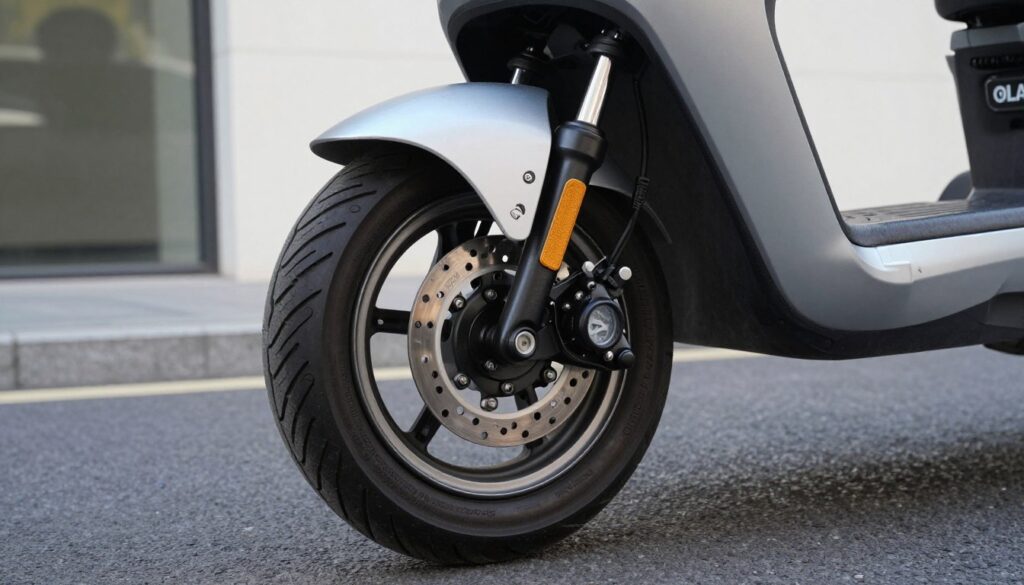
Braking hardware and urban stopping confidence
Dual disc brakes on higher trims give more consistent stopping force and shorter stopping distances. That matters on quick rides where sudden stops are common.
ABS and braking systems explained
ABS availability varies by trim: some lines include single-channel ABS, while select Pro+ variants offer dual ABS for both wheels. Single-channel ABS helps the front wheel stay controllable under panic braking; dual ABS adds a second layer of protection for even more predictability.
Brake-by-wire as a segment-first talking point
Brake-by-wire replaces some mechanical linkages with electronic control. It can offer smoother, more consistent modulation and enable features like linked braking. Riders should judge feel and response in a test ride rather than rely on buzzwords alone.
Anti-theft, geofencing, and visibility
Security extras include an anti-theft alarm and geofencing for parked vehicles, which add real peace of mind in street parking situations. Good lighting and clear signals are part of the overall safety system for early morning or late evening commutes.
Tyres, pressure checks, and basic upkeep
Tubeless tyres cut the risk of sudden flats and are easier to patch. Regular tyre pressure checks preserve handling, range, and wear—keeping the correct tyre pressure is one of the simplest preventive steps a rider can take.
- Consistent disc braking improves everyday confidence in traffic.
- Know which ABS option your trim includes before buying.
- Weekly tyre pressure checks extend life and keep the ride safe.
For more detail on variant specs and braking systems, see the full specifications.
Smart features and software: display, connectivity, and MoveOS updates
A bright, well-organized display changes ordinary rides into more confident, informed trips. The 7-inch TFT touchscreen puts key ride data front and center so riders can glance at speed, range, and system alerts without losing focus on traffic.
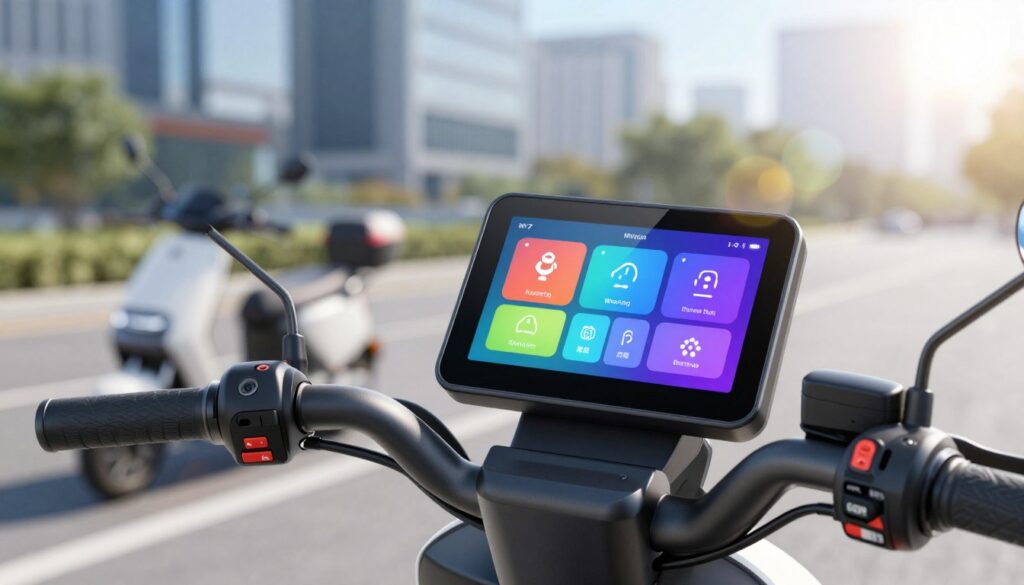
What the screen shows and why it matters
The display lists current speed, estimated range, and active alerts in clear blocks. That layout makes daily planning easier and reduces surprises on errands.
Connectivity that helps on short errands and longer rides
Bluetooth and Wi‑Fi let the vehicle handle calls & messaging, and provide navigation assist on the screen or a paired phone. That convenience keeps riders connected while staying safe.
MoveOS tools and safety systems
MoveOS-style updates add practical features like SOS alerts, Road Trip planning, and multi-mode traction control. These tools shape how modes, power delivery, and stability work together for different rides.
- Daily benefit: clearer ride info = fewer range worries.
- Safety: traction control and SOS increase confidence on slick roads.
- Updates: software can improve the system over time without hardware changes.
For hands-on impressions and software notes, see the MoveOS 3.0 first ride impressions.
Design details and color options shoppers care about
A vehicle’s look often shapes a buyer’s first impression, so finish, trim, and small hardware choices matter. Visual appeal can move a model from practical to preferred before a test ride begins.
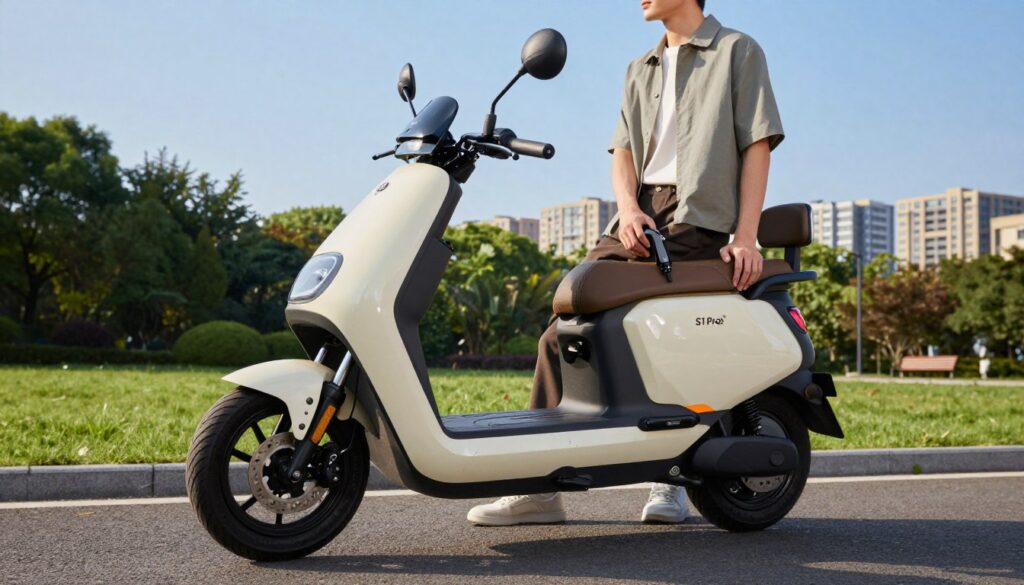
Available colours: Industrial Silver, Jet Black, Midnight Blue, Porcelain White, and Stellar Blue. These colour options cover neutral and bold tastes, helping shoppers quickly confirm if their preference is realistic.
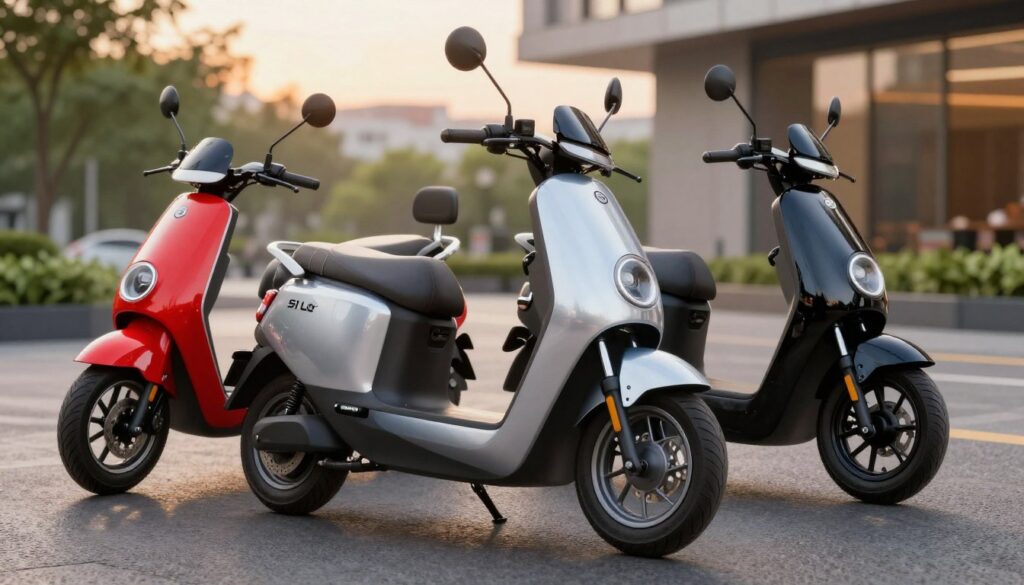
Practical design touches that matter daily
Simple features can change ownership ease. An aluminum grab handle makes lifting or moving the rear easier in tight garages.
Body-colored mirrors and a full chain cover are small upgrades that cut visual clutter and reduce chain grime on clothing. Those details also signal a more refined finish on higher trims.
Lights, seat, and rear styling
Lighting design affects visibility and style. Well-placed lights improve night safety and give a cleaner front and rear look.
The seat finish—especially the two-tone option shown on Pro+ marketing—affects comfort perception and resale appeal. Buyers should check which seat and trim features are actually pro available on the variant they choose.
- Design often influences shortlist decisions more than specs.
- Confirm which cosmetic touches come with each trim when buying.
- Small upgrades can reduce daily maintenance and boost long-term value.
Price, value, and cost to own vs gas
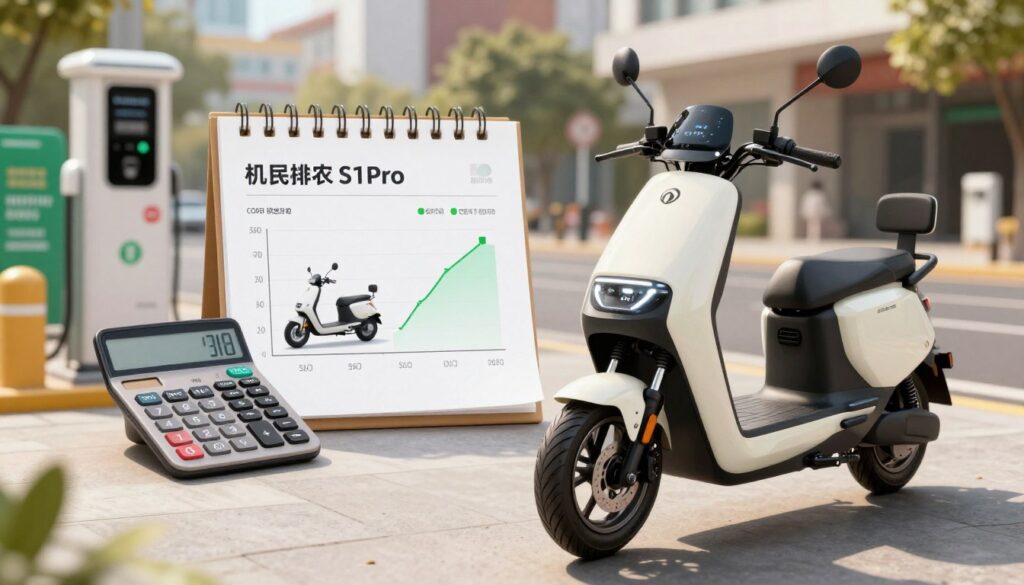
Understanding true ownership cost means looking past the sticker and into monthly outlays like insurance and charging. This premium model sits above mainstream city options because it pairs stronger performance and richer tech with a higher initial price.
Where it sits in the market
It is positioned as a premium urban two-wheeler. That positioning trades a lower entry price for added range, a bigger battery pack, and advanced displays.
Fuel savings vs petrol and value for money
Riders who switch from petrol will see lower monthly fuel bills. Home charging replaces frequent gas stops, and routine maintenance is often simpler and cheaper.
Value for money can mean saved time, fewer service visits, and features that improve daily convenience — not just the lowest sticker.
Budget items beyond the sticker
Think beyond purchase: install or access to a safe charging point, tyre replacement and upkeep, and long-term battery aging. The Pro+/Plus battery warranty (about three years/50,000 km) helps reduce one big unknown, but eventual capacity loss is a real future expense.
- Compare financing and insurance as they can dominate monthly outlays.
- Estimate expected miles and charging access before buying.
- Plan for tyre swaps and periodic checks of tyre pressure to protect range and handling.
For regional buying notes and dealer options, see official local listings.
How it stacks up against alternatives like the TVS iQube and other electric scooters
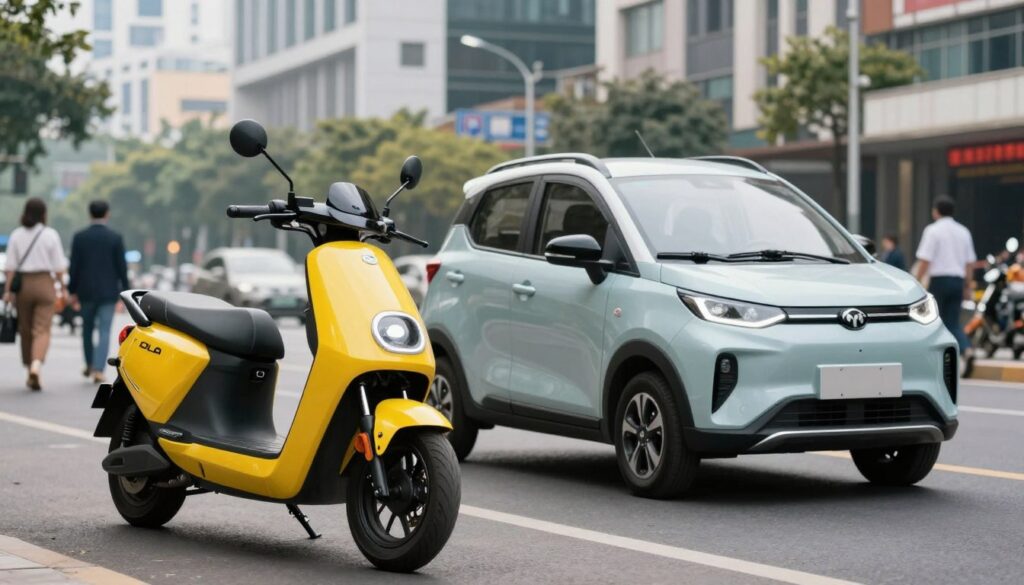
When shoppers compare city two-wheelers, practical daily use often beats headline specs. This quick framework helps compare range, features, and everyday usability between the S1 Pro family and rivals such as the TVS iQube.
Quick comparison points: range, features, and everyday usability
- Range: claimed long-range variants matter for fewer charges, but real-world range depends on riding style and climate.
- Features: brake-by-wire, ABS, and a big display shift daily convenience; check which trims include them.
- Everyday usability: weight, storage, and easy parking often beat extra top speed for city riders.
When a competitor may be the better buy
A less costly model or the TVS iQube can win if dealer reach, simpler software, lighter weight, or a lower price fits daily miles. For many buyers, the best money decision is the option that matches routine range and charging access.
Bottom line: shortlist two or three scooters, then test ride for brake feel, ergonomics, and storage before making a final call.
Final verdict: is the Ola Electric Scooter S1 Pro worth it right now?
Final verdict: this model makes the most sense for riders who can reliably charge at home and want a modern, premium commuter that cuts petrol stops and daily fuss.
Why buy: the 4 kWh battery, brisk power delivery, and polished system deliver strong city performance and a tech-forward ride experience. Brakes, visible lights, and security features boost safety in heavy traffic.
Balance expectations: real range, speed, and charge time vary with riding mode and roads. Owners should factor price, insurance, and long-term life into money decisions.
Practical next step: confirm which trim and “pro available” options include the brakes and seat you want, check charging access, then test ride to judge seat comfort, rear stability, and everyday fit.
FAQ
What is the S1 Pro and who is it best suited for in the US?
The S1 Pro is a premium electric two-wheeler designed for commuters, campus riders, and city drivers seeking a quiet, low-cost alternative to petrol scooters. It appeals to those who value instant torque, lower running costs, and tech features like a touchscreen display and smartphone connectivity.
How far can the 4 kWh battery realistically go per charge?
The 4 kWh pack is quoted for up to 195 km under ideal conditions. Real-world range varies with speed, rider weight, stop‑and‑go traffic, terrain, and selected ride mode; expect significantly less in mixed urban use, especially in Sport or Hyper modes.
What are the typical charging times for everyday use?
Standard home charging fills the battery in about 6.5 hours, which suits overnight top-ups. Fast charging can add roughly 75 km in about 18 minutes where compatible chargers exist, helpful for longer trips or quick turnarounds.
How much performance does it deliver — top speed and power?
The model offers high peak output for bursts and an advertised top speed near 120 km/h. Peak power is rated around 11 kW with a continuous output near 5.5 kW, giving brisk acceleration and reliable passing power in urban traffic.
What riding modes are available and how do they change the ride?
Riders can choose Eco, Normal, Sports, or Hyper. Eco prioritizes range and gentler throttle response, Normal balances efficiency and performance, while Sports and Hyper unlock stronger acceleration and higher top speeds at the cost of battery life.
How does the motor type affect handling and feel?
The mid‑drive IPM motor centralizes mass and improves balance, yielding more natural handling and better traction in corners compared with hub‑drive layouts. It enhances road feedback and stability at speed.
What braking and safety hardware does it have?
The bike uses dual disc brakes for strong stopping power. ABS comes in single‑channel on some trims and dual‑channel on higher specs. Brake‑by‑wire adds electronic regulation for smoother brake feel and modulation.
Are there theft-prevention and safety software features?
Built‑in extras include anti‑theft alarm and geofencing to alert owners and limit movement. Software features like SOS alerts and remote immobilization can add peace of mind when paired with the companion app.
How comfortable is the seat and how easy is daily riding?
The seat design focuses on urban comfort with room for two. Higher trims offer two‑tone seats and modest padding upgrades. The vehicle’s weight and low center of gravity make it manageable in stop‑and‑go traffic and tight parking spots.
What maintenance should owners expect for tires and brakes?
Regular tire pressure checks and timely replacement of tubeless tires are essential. Brake pads and discs wear with use and should be inspected periodically. Routine inspections and proper charging habits help extend component life.
How does it compare to rivals like the TVS iQube?
Compared with competitors, this model stands out for range and tech features, while rivals may offer different strengths such as lighter weight, lower price, or dealer support. Buyers should weigh range, features, and service network when choosing.
What connectivity and display features are included?
A 7‑inch TFT touchscreen provides speed, range, and alerts. Bluetooth and Wi‑Fi enable calls, messaging, navigation assist, and MoveOS updates. Features like Road Trip tools and traction control are useful for daily riding and long trips.
What colors and design touches are available?
The model comes in several finishes such as Industrial Silver, Jet Black, Midnight Blue, Porcelain White, and Stellar Blue. Practical details include an aluminum grab handle, body‑colored mirrors, and an enclosed chain cover for cleaner operation.
How does ownership cost compare to a petrol scooter?
Running costs tend to be lower thanks to reduced fuel expenses and fewer moving parts. Buyers should budget for charging, occasional tire replacement, brakes, and eventual battery care or warranty coverage when comparing total cost of ownership.
What warranty and battery support should buyers expect?
Battery warranty terms vary by market and model. Prospective owners should review the length and coverage of the battery warranty and any mileage limits before purchase, as that affects long‑term value and replacement costs.