Mini Electric Scooter: Top Picks and Buying Guide
 PopScooter Team
December 16, 2025 10:35 pm
.
19 min read
PopScooter Team
December 16, 2025 10:35 pm
.
19 min read
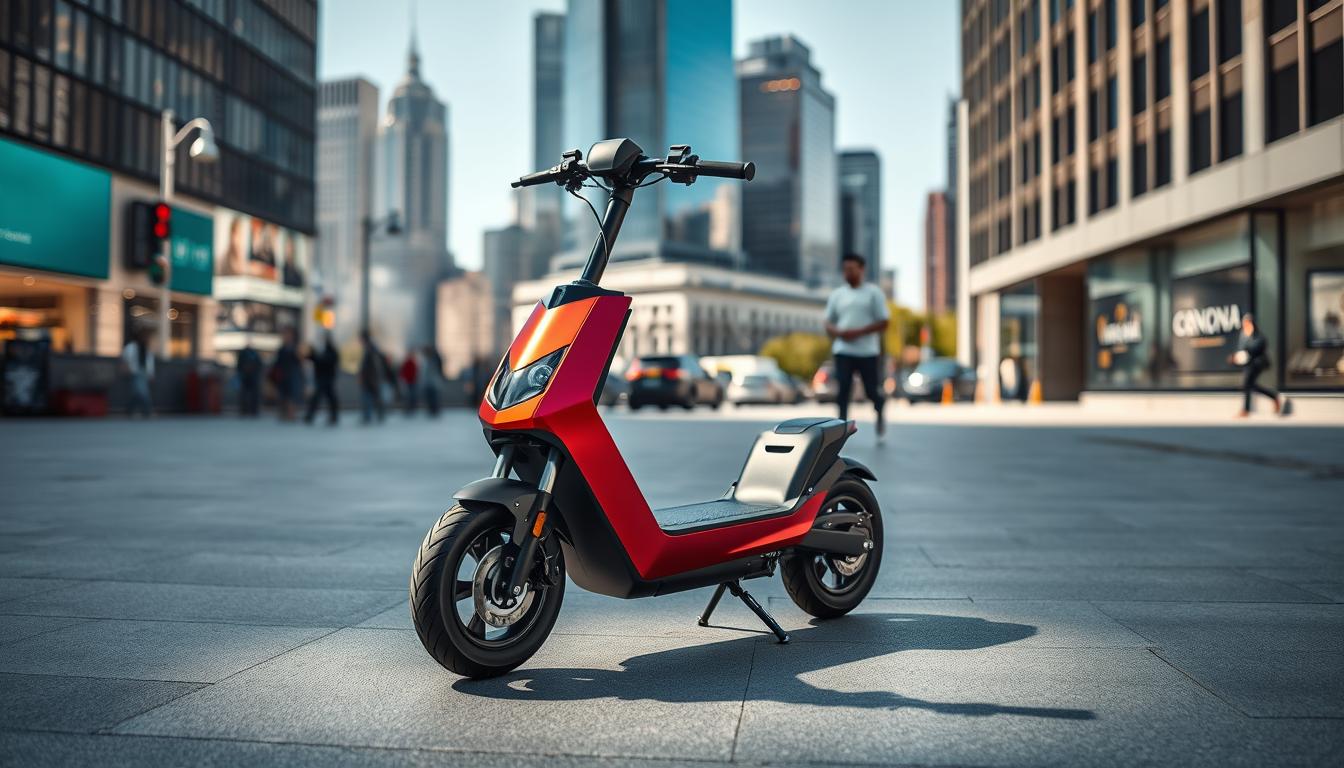
Can one compact ride really replace short car trips and cut daily costs? This guide answers that question with clear facts and quick advice.
The article helps shoppers pick a small, reliable model that fits weekday commutes and errands. It combines brand notes, spec comparisons, and practical tips so a buyer can decide fast.
Madd Gear shows why these vehicles cut running costs: no gas, no parking fees, and zero tailpipe emissions. Their designs focus on durability and safety, with sturdy frames, trusted batteries, and brakes that hold under stress.
Names like GOTRAX matter because they offer wide retail access and thousands of reviews, which makes comparing products easier and more confident.
Readers will learn how to balance range and speed for real rides, where price adds value, and which specs matter most for daily use. This section sets up the rest of the content so buyers know what quality looks like before they shop.
Why a mini electric scooter makes sense right now
Right now, compact personal rides are proving to be a smart, cost-saving choice for short trips around town. They turn long walks into quick hops and cut daily expenses when compared to owning a car.
Commercial use cases: commuting, campus, and quick errands
For commuting and campus runs, a small scooter removes the stress of parking and shortens door-to-door time. It fits into tight schedules and helps riders move between buildings fast.
For quick errands, this product handles grocery stops and post office trips with minimal prep and an easy learning curve. In dense areas, riders stretch modest range across multiple stops in a single day.
Eco-friendly rides with zero emissions
Madd Gear notes these models cost far less to run than cars and produce zero tailpipe emissions. That means quieter streets, lower carbon footprints, and a simpler daily charging routine that fits into normal home time.
Shoppers who want low storage needs will value how little space these scooters require. For many short trips, moderate range covers a full day without worry.
Editor’s quick picks for different riders
This shortlist highlights reliable products that work well for commuters, learners, and value buyers.
Best for commuters seeking dependable range
Pick a model with steady range and a reliable motor. Daily riders need practical speeds and a battery that lasts through errands and transit legs.
Best for beginners focusing on safety and stability
Choose a product with a stable deck, simple controls, and conservative speeds. Madd Gear advises safety gear and supervision for younger riders so skills grow safely.
Best value pick for everyday rides
Look for solid battery life, dependable brakes, and useful features without a premium price. GOTRAX models often help here because third‑party reviews confirm build quality and real-world reliability.
- Commuter-friendly: steady range, reliable motors, practical speeds.
- Beginner focus: simple controls, stable deck, clear speed settings.
- Value pick: good motor output, battery life, and brakes for the price.
- Portability: quick-fold design helps riders carry a product onto transit.
Top models at a glance: how they compare
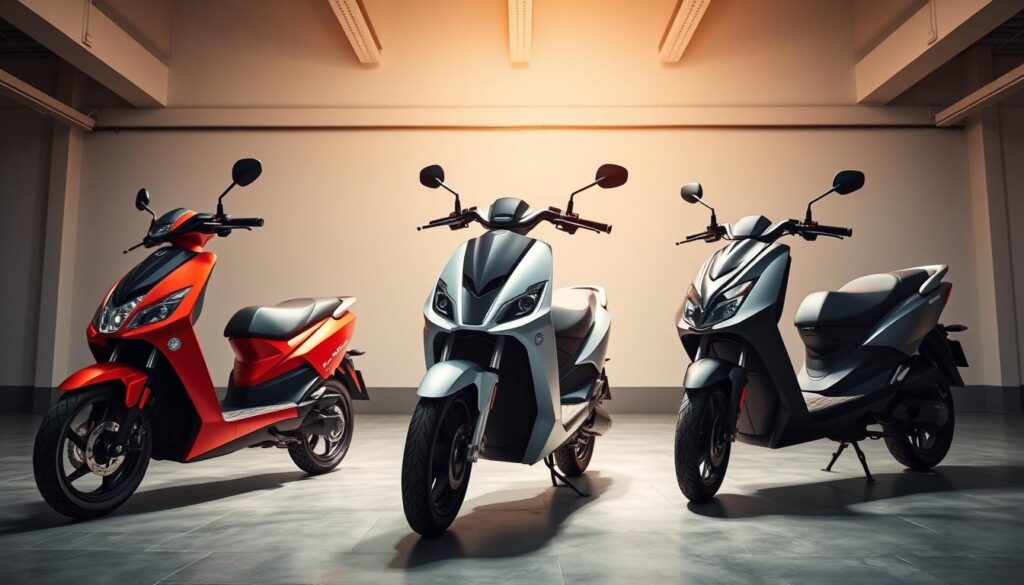
This snapshot shows how top models stack up on range, weight, and real-world performance. It helps shoppers match a product to their commute, terrain, and storage needs.
Range, speed, and power essentials
Range claims often exceed daily use. Riding style and hills cut rated range, and top mph depends on rider weight and terrain. Riders in hilly areas should favor stronger motors and higher power ratings for steady acceleration.
Portability, frame design, and suspension
Weight, folded size, and latch quality decide how easy it is to carry a unit on transit or up stairs.
Frame construction affects stability and long-term wear. Adult models from Madd Gear use robust frames and often add enhanced suspension for smoother rides on rough streets.
Braking systems, lights, and safety features
Good braking mixes electronic and mechanical systems to shorten stopping distances. Bright front and rear lights plus reflectors boost visibility, while wide decks, grippy tires, and clear displays improve daily control.
- Compare claimed range to realistic daily miles and riding style.
- Prioritize motor power for hills and quick acceleration.
- Check weight, fold design, and suspension for comfort and portability.
- Confirm combined braking, strong lights, and deck stability for safer rides.
Key specs to prioritize: range, speed, and battery
When choosing a product, three numbers matter most: how far it goes, how fast it can travel, and how long the battery lasts.
Understanding real-world miles vs rated range
Manufacturers quote a rated range under ideal conditions. Riders should expect fewer miles in cold weather, on hills, or at higher average speeds.
Tip: Subtract roughly 10–30% from the claimed range for daily planning. That keeps trips reliable and reduces range anxiety.
Speed and local regulations in the United States
Top speed numbers are often peak values. Actual mph depends on rider weight, wind, and elevation changes along the route.
Note: Local rules often cap top speed on bike paths and public spaces. Choosing a product with adjustable modes helps stay compliant.
Lithium-ion battery basics and 3–5 hour charge times
A lithium‑ion battery offers good energy density and lifespan when charged properly and stored at moderate temperatures.
Typical charge time falls between three and five hours with the correct charger. Planning that time around daily habits—like plugging in after work—keeps the ride ready each morning.
- Rated vs real: assume lower miles than claims in real use.
- Compliance: adjustable speed modes help meet local limits.
- Care: use the proper charger and avoid extreme temperatures.
Tires, wheels, and ride feel
Tire and wheel choices shape how a short urban ride feels every day. Small design differences change comfort, control, and maintenance needs.
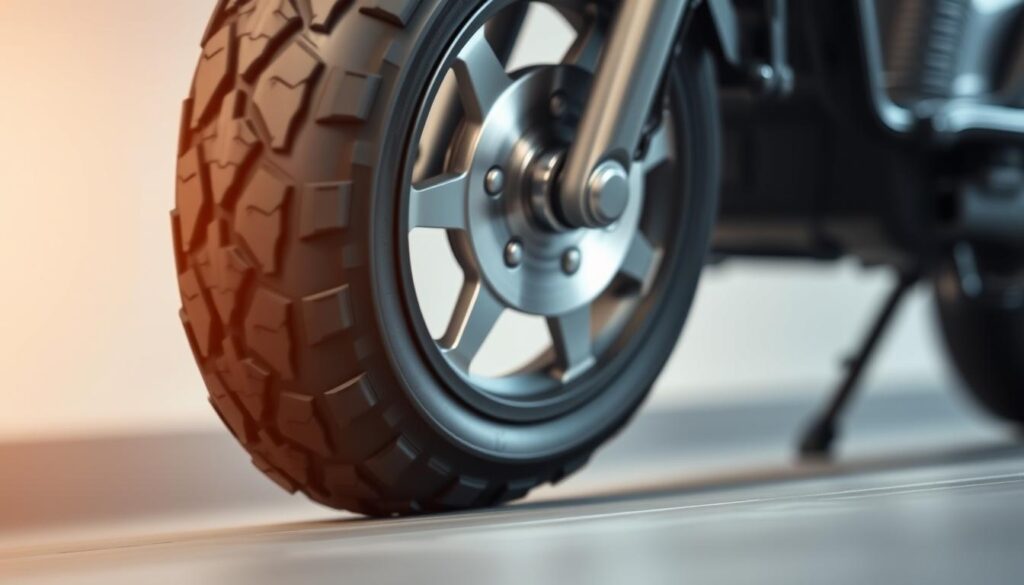
Solid tires vs pneumatic: flats, comfort, and upkeep
Solid tires eliminate flats and cut maintenance. They suit riders who want low upkeep and reliable service on smooth streets.
However, solid tires can transmit more vibration on broken pavement. Pneumatic options cushion shocks and improve grip on rough routes.
Wheel size, traction, and everyday stability
Larger wheels roll over cracks and potholes more confidently. That reduces handlebar jitter and keeps the ride steady at urban speeds.
- Traction compounds and tread patterns matter in wet weather.
- A balanced wheel-and-tire setup turns a product into a predictable commuter tool.
- Regular pressure checks on pneumatic tires lower rolling resistance and protect range.
Choose wheels and tires that match local streets and your daily needs. The right combo helps a scooter feel planted without being harsh.
Braking, lights, and safety must-haves
Effective brakes and visible lights cut accident risk and boost rider confidence on busy streets.
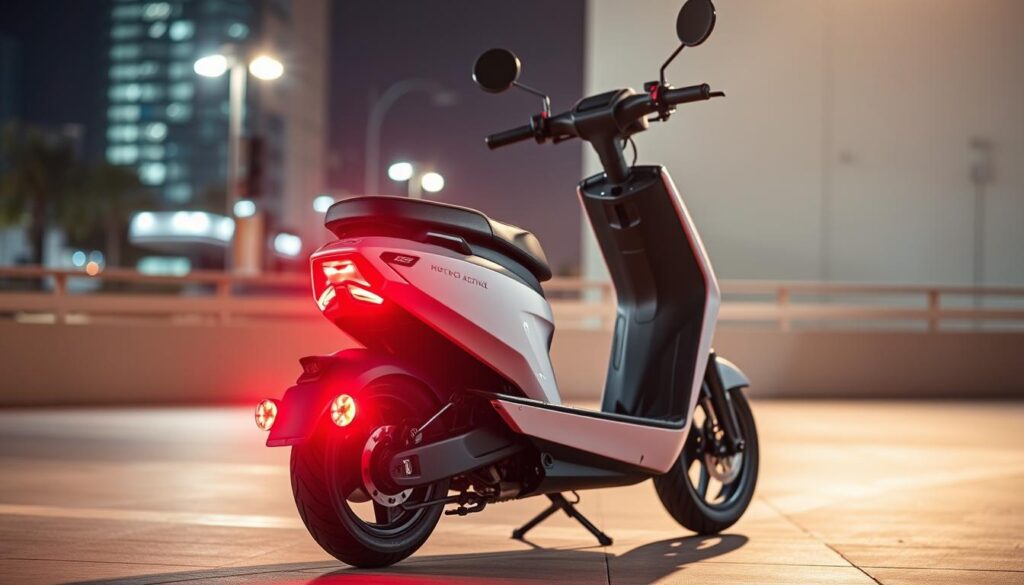
Madd Gear stresses consistent stopping power and bright front and rear LEDs. Riders should expect predictable lever feel and clear light indicators so systems are easy to trust.
Electronic plus mechanical braking for confident stops
Combining an electronic assist with a mechanical brake gives precise modulation and dependable stopping, even on wet pavement.
Riders should learn to shift weight rearward under hard braking to keep traction balanced and reduce stopping distances.
Bright front and rear LEDs for visibility
Integrated lights improve conspicuity at dawn and dusk. A high-mounted, pulsing rear LED alerts drivers sooner than passive reflectors.
Protective gear and beginner-friendly practice tips
Helmets and lightweight pads are essential. Adults should supervise young riders until they master emergency stops.
- Practice in a quiet, car-free area to build balance and learn braking distances.
- Check pad wear, rotor alignment, and light operation before each ride.
- The safest product choices include predictable brake feel and bright, tested lights.
For urban use, an electric scooter with solid braking and visible lights makes daily trips safer and more reliable.
Frame, suspension, and build quality
A robust chassis and tuned shocks make the daily ride feel composed and predictable.
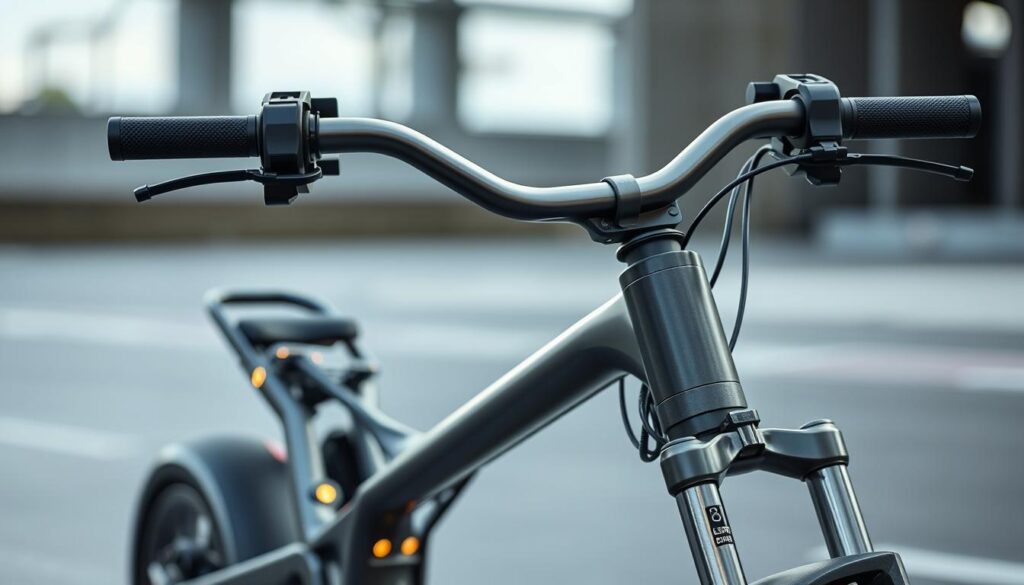
Madd Gear builds from the ground up for durability and safety. Their frames resist flex and keep handling steady over months of commutes.
Robust frames designed for daily use
A well-engineered frame keeps handling consistent and cuts down rattles and creaks. Strong welds and quality fasteners make the product easier to maintain.
That sturdy layout also protects wiring looms and connectors from vibration, which helps lights, displays, and controllers last longer.
Enhanced suspension for smoother rides and rougher streets
Suspension components isolate bumps and joints so riders feel less fatigue. Cities with patchy pavement benefit most from tuned damping and travel.
Power delivery also feels smoother on a stiff, aligned chassis, which keeps scooters composed during quick accelerations and hill pulls.
- A solid frame supports daily mileage without loosening parts.
- Tuned suspension preserves grip through corners and eases rider fatigue.
- Corrosion-resistant finishes keep the product looking and performing well over time.
Mini electric scooter
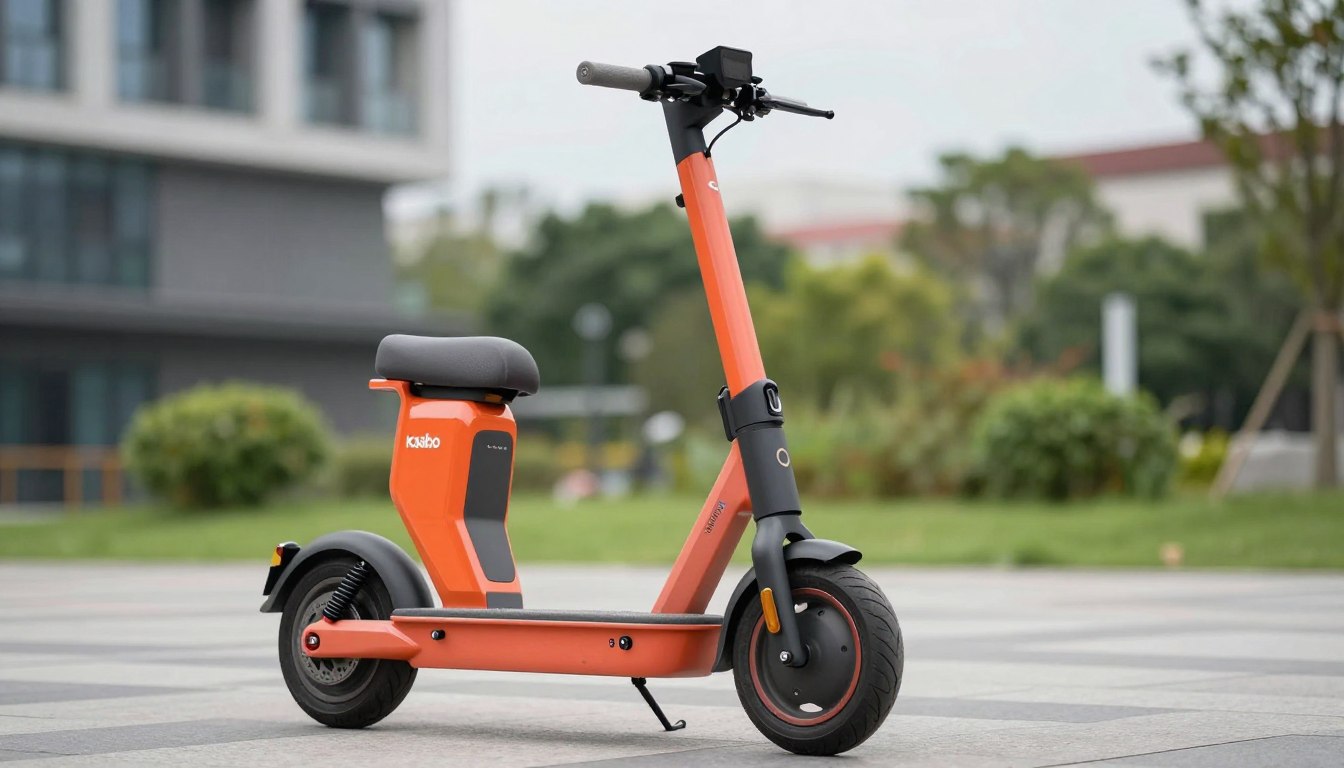
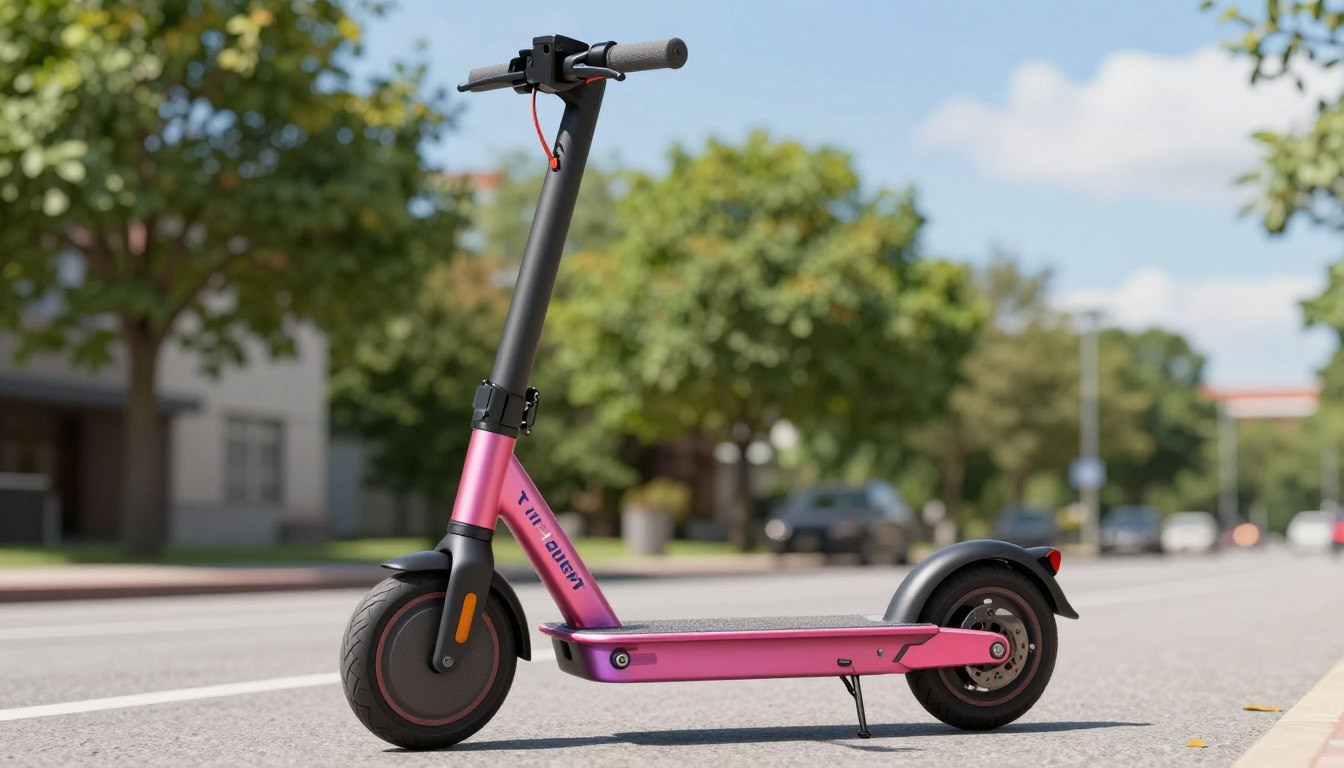
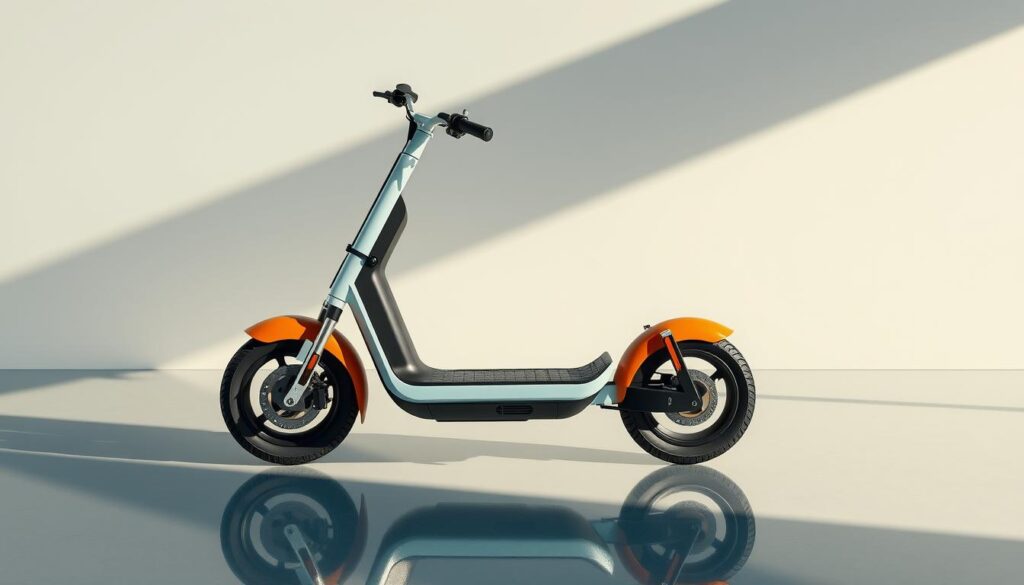
Compact models focus on lightweight framing and quick folds to make daily carries less of a chore.
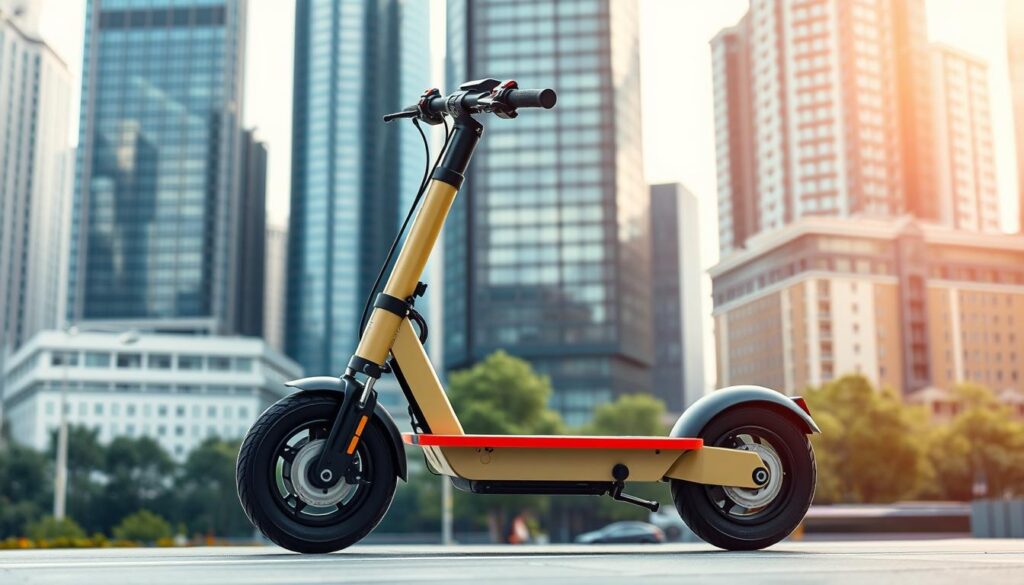
Short wheelbases and nimble steering help a rider thread through crowded paths and park indoors without trouble.
The best picks keep safety front and center with dependable brakes, clear displays, and bright lights for visibility.
- Space-saving: a small form frees up tight storage at work or home.
- Easy transitions: sturdy latches and simple folds make moves from sidewalk to stairwell quick.
- Daily fit: moderate motors prioritize smooth starts over raw acceleration for short trips.
For urban riders who value portability, this product class trades top speed for lower lift weight and everyday convenience. It suits trips under a few miles and makes carrying on transit or up stairs noticeably easier.
Beginner, commuter, or pro: choosing the right model
Picking the right model starts with one question: how will the rider use it most days?
Answering that narrows choices quickly and helps focus on the specs that matter.
Beginner riders: manageable speeds and simple controls
Beginners should favor conservative speeds, a wide deck, and intuitive controls.
These features build confidence in the first week and reduce the chance of mistakes.
Adjustable speed modes let a rider progress from gentle starts to steadier paces safely.
Daily commuters: reliability, portability, and range
For a daily commuter, pick a product with a dependable motor and battery pairing.
A secure fold and balanced weight make carrying onto transit or up stairs easier.
Durability and a clear checklist—range, terrain, storage—help match a model to real routes.
Power users: motors, hills, and higher speeds
Pro riders need motors with higher torque and good thermal management to sustain climbs.
More power also pairs well with stronger brakes and grippy tires for confident cornering.
- Beginners: wide deck, simple controls, conservative speeds.
- Commuters: reliable motor/battery, secure fold, realistic range.
- Pros: higher motor torque, cooling, upgraded brakes and tires.
Match motor output to terrain and prioritize the features that suit daily use to find the right electric scooter model.
Brand spotlights: what stands out from leading lines
Top brands each bring a clear angle—durability, availability, or service—to help buyers pick the right ride.
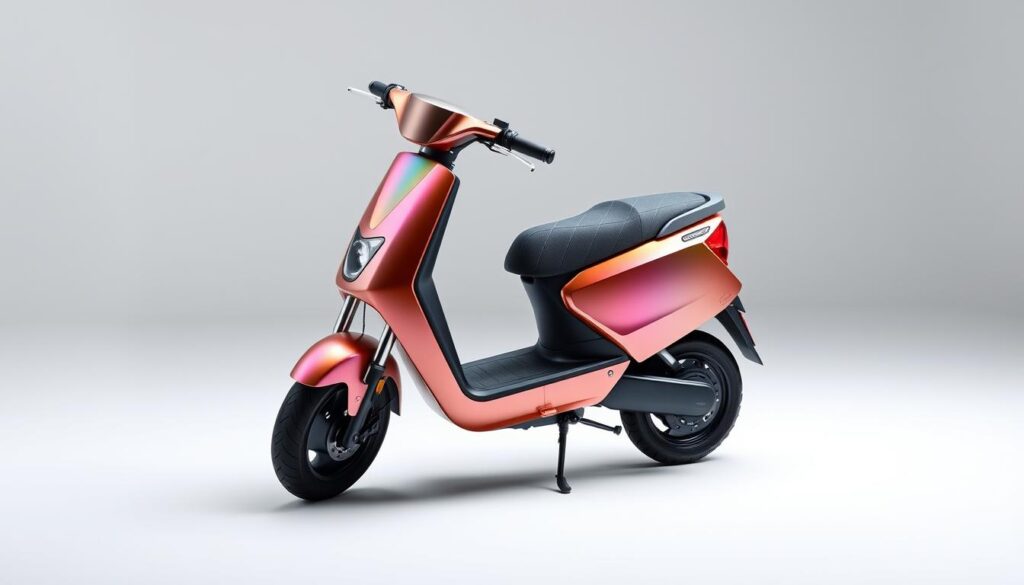
Madd Gear: durability, safety, and rider-focused design
Madd Gear emphasizes robust frames, reliable batteries, consistent braking, and tuned suspension on adult models.
For families, it also offers controlled top speeds and sturdy decks that make learning safer and more enjoyable.
GOTRAX: nationwide availability and extensive reviews
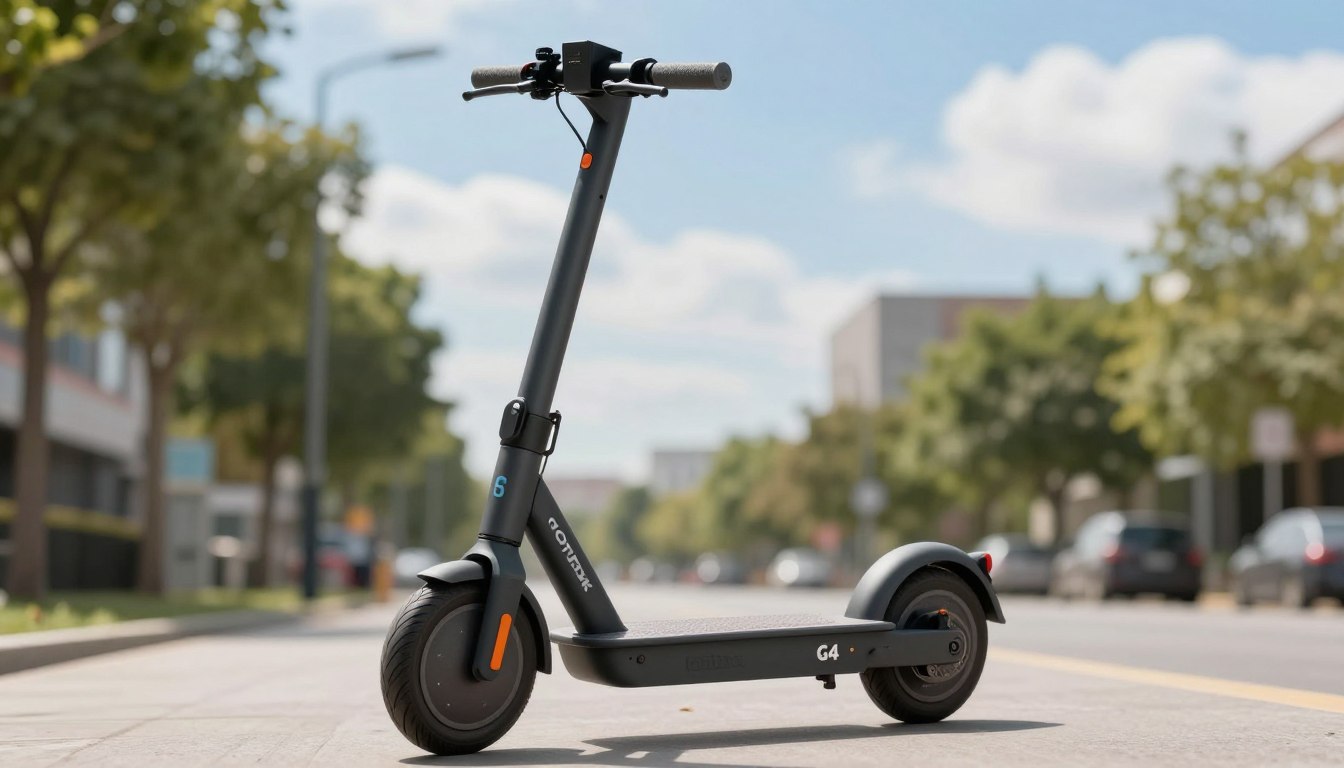
GOTRAX has sold products since 2017 and appears in Walmart, Target, Amazon, and Best Buy.
This widespread presence plus more than 15,000 third‑party reviews helps shoppers compare real-world feedback and speed up warranty or delivery issues.
VSETT Mini: a lightweight EV option to consider
The VSETT Mini from Alien Rides targets riders who want a lightweight EV with strong service perks.
Alien Care adds value with free tire sealant before shipping, discounted labor, and spare wear parts. Optional crash insurance and free inner tubes or pads reduce maintenance surprises.
- Madd Gear: durability-first design and steady braking feel.
- GOTRAX: easy access, fast delivery, broad review base.
- VSETT Mini: light weight plus service extras for lower upkeep costs.
Shoppers can weigh durability, availability, and aftercare when choosing a product, and watch for seasonal sale windows to score higher-tier builds for less.
Kids vs adult scooters: models, speeds, and supervision
Different age groups demand different limits: kids need control and adults need range and power.

Controlled top speeds and sturdy decks for young riders
Madd Gear designs its children’s models with limited top speed and wide decks to boost balance.
Simple throttles and predictable brakes let a child learn at low mph while focusing on steering. Mandatory helmets and pads reduce injury risk, and close adult supervision builds good habits.
Adult models for longer trips with more power
Adult-focused products add stronger motors and longer-lasting batteries for realistic commutes.
Upgraded suspension and sturdier decks improve comfort on rough streets. Riders benefit from clearer stopping systems and higher sustained speeds when they need distance or hill performance.
- Kids: limited speed, stable deck, simple controls.
- Adults: more power, longer range, tuned suspension.
- Always adjust settings to match the current rider for safe operation.
Pricing, sales, and value over time
Smart shopping balances today’s advertised specs with the features a rider will actually use every day.
How to evaluate price vs features and warranty
Start by listing must-have items, then compare those to the sticker. A lower price on paper can cost more in repairs or poor parts access.
Check warranty length, what it covers, and how easy it is to get replacement parts. Good support reduces total ownership cost.
Spotting sales and retail deals across major stores
Big-box retailers and national marketplaces often run a sale on current or prior-year products. GOTRAX models appear at Walmart, Target, Amazon, and Best Buy, so compare across channels during promotions.
- Value comes from matching price to must-have features, not chasing flashy specs.
- Independent reviews confirm a product performs as advertised, useful for open-box or discounted buys.
- Waiting for a sale can make premium brakes or better suspension affordable at midrange cost.
Practical tip: calculate lifetime value by estimating years of use, parts availability, and routine maintenance needs. Transparent return policies and fast support protect the purchase if the item doesn’t fit expectations out of the box.
Compare across sellers to find true value and timing for the best price on electric scooters.
Portability, folding, and shipping considerations
Portability and delivery logistics often decide whether a buyer enjoys a product from day one or spends the first week troubleshooting.
Lightweight frames and quick folds make it realistic to carry a scooter onto a bus or up apartment stairs. A compact fold and secure latch speed transitions at train platforms and cut the chance of accidental unfolding.
Light carry, safe folds
A sturdy frame and protected cable routing prevent snagging when stowed under a desk or in a trunk. Riders who mix walking and transit will value a folded size that doesn’t bump into fellow passengers.
Shipping prep and delivery tips
Pre-delivery checks improve the first ride. For example, Alien Rides applies free tire sealant before shipping on supported PEVs and offers discounted labor plus free wear parts via Alien Care to reduce downtime after delivery.
- Plan for delivery: clear ETAs and tracking let buyers be present for inspection or signature.
- Packing matters: thoughtful packaging limits transit damage and speeds a trouble-free first week.
- Aftercare: post-shipping support keeps the wheels turning with minimal downtime.
For shoppers who want proven convenience, compare fold size, carry weight, and shipping policies before checkout. Also consider reading about foldable models like foldable electric scooters to see how design choices affect daily use.
Essential accessories and chargers
The right kit—lights, lock, and charger—keeps a ride ready and secure between errands.
Helmets, lights, locks, and commuter add-ons
Madd Gear recommends a properly fitted helmet and protective pads for every rider. A certified helmet is the most important accessory; fit and ventilation make it comfortable enough to wear daily.
Bright add-on lights boost side visibility. Compact locks and reflective tape protect the product during quick stops. Phone mounts, a bell, and a small bag finish out a practical commuter set.
Choosing the right charger and battery care habits
Using the correct charger preserves battery life. Riders should avoid third‑party chargers unless the manufacturer verifies compatibility.
- Charge after rides and avoid full depletion to extend pack life.
- Store at moderate temperatures and keep ports clean before plugging in.
- Carry an easy-to-stash lock and a minimal toolkit for quick fixes.
Maintenance, support, and long-term ownership
Simple, regular checks catch small problems before they become costly repairs. A short routine after rides keeps the product reliable and reduces downtime.
Tires, brake pads, and simple at-home checks
Inspect tires for cuts and wear and confirm proper inflation for pneumatic styles. Check brake pads for thickness and test lever feel before each ride.
Listen for odd motor noise and verify rear alignment to keep tracking stable at speed. Clean the drivetrain and connectors so grime won’t affect sensors or charging ports.
Finding parts, service, and brand support
Madd Gear designs for daily durability and recommends correct charger use to protect battery life. Alien Care helps with discounted labor and free wear parts like inner tubes, tires, bearings, and brake pads.
GOTRAX’s nationwide retail network simplifies parts sourcing and service logistics for U.S. owners.
- Monthly checks: tires, brake wear, bolts, and lights.
- Watch for motor sound changes and rear misalignment.
- Use branded parts or trusted retailers to avoid fit issues.
- Keep firmware up to date and store at moderate temperatures.
Ready to ride: top picks to elevate your daily commute
Choose a model that keeps daily rides simple: dependable battery, predictable speed, and clear service support. Riders should pair motor power to local terrain so a 15.5 mph cruise on flats stays realistic and reserves power for hills.
Madd Gear stands out for sturdy frames and consistent braking. GOTRAX helps value shoppers find deals at major U.S. retailers, while Alien Rides adds service perks for lightweight options like the VSETT Mini.
Before buying, confirm front rear lighting, warranty terms, and that brakes and suspension match your route. For a deeper comparison, see the best electric scooter guide to fine‑tune the final pick.
FAQ
What is the typical real-world range for a compact model?
Real-world range usually falls 20–40% below the rated figure. Factors like rider weight, terrain, speed, and use of lights or accessories reduce miles per charge. For short commutes and errands, expect around 6–12 miles on many compact units; higher-capacity batteries can reach 15–25 miles under mixed riding.
How fast do these small rides go and are there legal limits?
Many compact units top out near 15.5 mph, which fits local e-bike and scooter laws in several U.S. cities. Riders should check city and state rules; some areas limit on-road speeds or require helmets and age minimums. Manufacturers often include speed modes to keep beginners within legal limits.
What type of tires are better: solid or pneumatic?
Solid tires reduce flats and maintenance but give a firmer ride. Pneumatic (air) tires add cushioning and better traction on uneven streets. Commuters who value low upkeep often choose solid tires; anyone riding rough roads should prefer pneumatic for comfort and control.
Are front and rear brakes both necessary?
Yes. A combo of electronic braking and a mechanical rear disc or drum brake provides the shortest, most reliable stopping distance. Redundant systems improve safety in wet conditions and on hills, so look for models with both types of braking.
How long does a full battery charge usually take?
Most lithium-ion packs charge in about 3–5 hours from empty with the included charger. Fast-charge options can shorten that time, but frequent fast charging may reduce battery lifespan. Following manufacturer charging routines and avoiding full depletion helps preserve capacity.
What weight limits and frame strengths should riders check?
Typical weight limits range from 220 to 265 pounds, depending on frame design and motor power. Look for robust aluminum or steel frames with clear load ratings and reinforced decks if the rider or cargo approaches the upper limit. Frames built for daily commuting often include sturdier construction and warranties.
How portable are folding versions and can they be carried on transit?
Many folding units weigh 20–30 pounds and compact down for carrying short distances or stowing on buses and trains. Check folded dimensions and handle placement; light frames with quick-release folds make stairs and transfers much easier for commuters.
What maintenance should owners perform regularly?
Basic checks include tire pressure or condition, brake pad wear, tightness of fasteners, and battery health. Cleaning contacts, keeping the charging port dry, and occasional drivetrain lubrication extend service life. Replace brake pads and tires as soon as performance drops.
Which accessories matter most for daily use?
A certified helmet, bright front and rear lights, a reliable lock, and reflective gear are essentials. A quality charger, spare tube or repair kit (for pneumatic tires), and a compact multitool help with quick fixes. Saddlebags or deck-mounted racks add practical cargo capacity.
How do different motors affect hill performance and acceleration?
Higher-watt motors provide stronger acceleration and better hill-climbing. A 250W motor is fine for flat commutes; 350W or greater helps on steep inclines or for heavier riders. Motor type and torque matter more than peak speed for real-world hill performance.
What should buyers consider about warranty and parts support?
Check warranty length for battery, motor, and frame. Nationwide retailers and established brands like GOTRAX often offer better parts availability and service networks. Confirm where to source replacement tires, chargers, and brake components before buying.
Are models made specifically for kids different from adult versions?
Yes. Youth designs limit top speed, include smaller decks and lighter frames, and emphasize stability. Adult models offer more power, range, and higher weight limits. Supervision and proper protective gear are recommended for younger riders.
How can a buyer balance price vs long-term value?
Compare battery capacity, motor power, build quality, and included features rather than just upfront cost. A slightly pricier model with a reliable battery, better suspension, and strong brakes often saves money over time by reducing repair and replacement needs.
Can these compact rides handle daily commuting in varied weather?
Many are water-resistant but not fully waterproof; they handle light rain with proper care. Riders should avoid deep puddles, dry and inspect electrical connectors after wet rides, and choose stainless or treated components for salty winter conditions to prevent corrosion.
What charging and battery care tips prolong lifespan?
Store the battery at partial charge if unused for long periods, avoid extreme temperatures, and use the manufacturer-supplied charger. Charge after rides rather than letting the pack sit fully depleted, and follow recommended full-cycle intervals for calibration if noted in the manual.