Mi 1S Phone: Detailed Review, Price, and Specs
 PopScooter Team
March 7, 2026 5:56 pm
.
11 min read
PopScooter Team
March 7, 2026 5:56 pm
.
11 min read
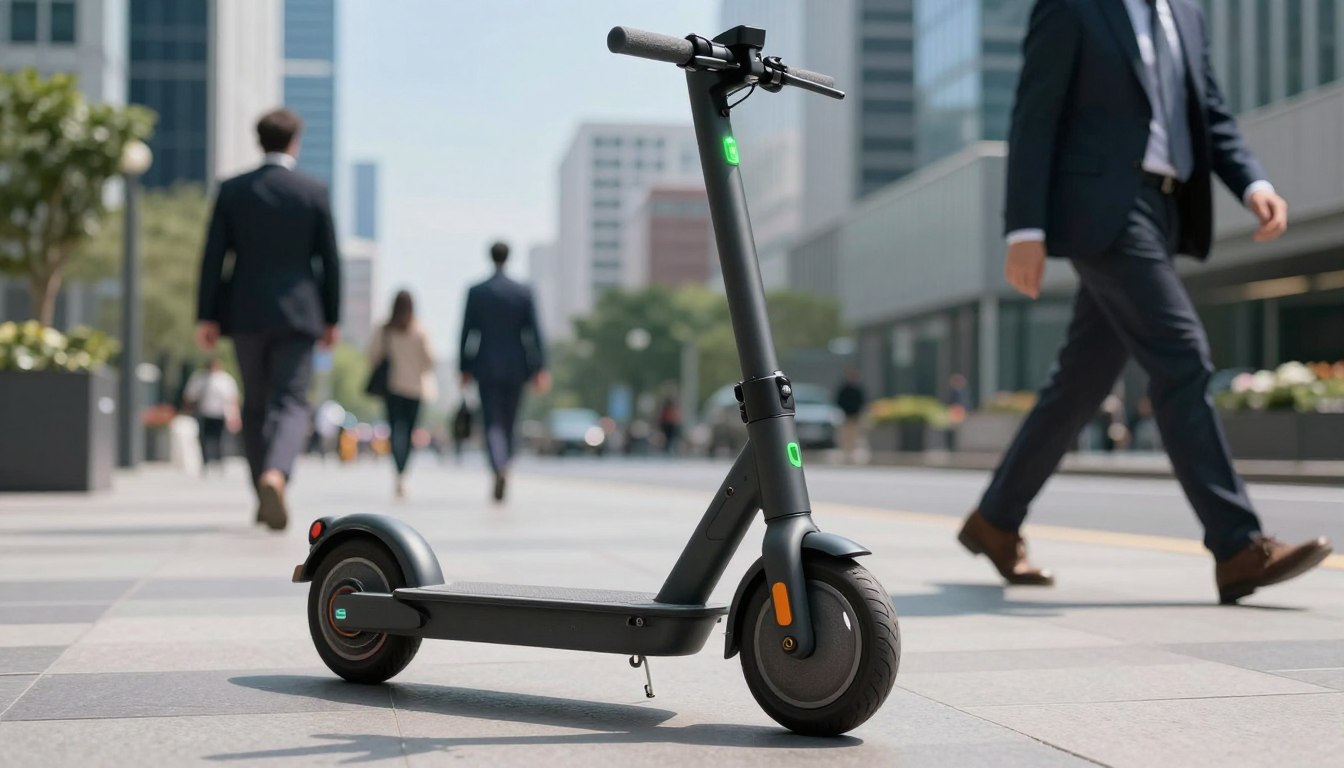
Confused by the name—phone or scooter? The page reviews the Xiaomi Mi Electric Scooter 1S (often shortened to 1S) and quickly re-centers on the actual product most U.S. buyers search for: a compact electric scooter for commuting.
Who is this guide for? It is a practical buying guide that tests whether this electric scooter fits mixed commutes. It is not a hype piece. The review covers specs, real-world tradeoffs, and who should skip it.
Three make-or-break factors—range, speed, and portability—lead the decision. Expect a look at up to 18 miles of range, a roughly 15.5 mph top speed, and a carry weight near 12.5 kg.
The baseline value: Xiaomi electric models bring proven design, easy parts access, and a familiar app. Specs can vary by market and retailer, and that affects the final price.
The review weights performance per dollar, safety and braking confidence, and daily usability. Miles and mph are used by default, with km/h and km noted where manufacturers list them.
Key Takeaways
- This guide reviews the Xiaomi electric scooter 1S as a commuting product, not a phone.
- Focus areas are range, speed, and portability for mixed commutes.
- Expect about 18 miles range, ~15.5 mph top speed, and a 12.5 kg weight.
- Price varies with retailer bundles, availability, and shipping timelines.
- Rating will emphasize value per dollar, safety, and everyday usability.
What the Xiaomi Mi 1S Electric Scooter Is and Why It’s Popular
Here’s a clear view of the scooter’s role in daily city travel and why it stands out.
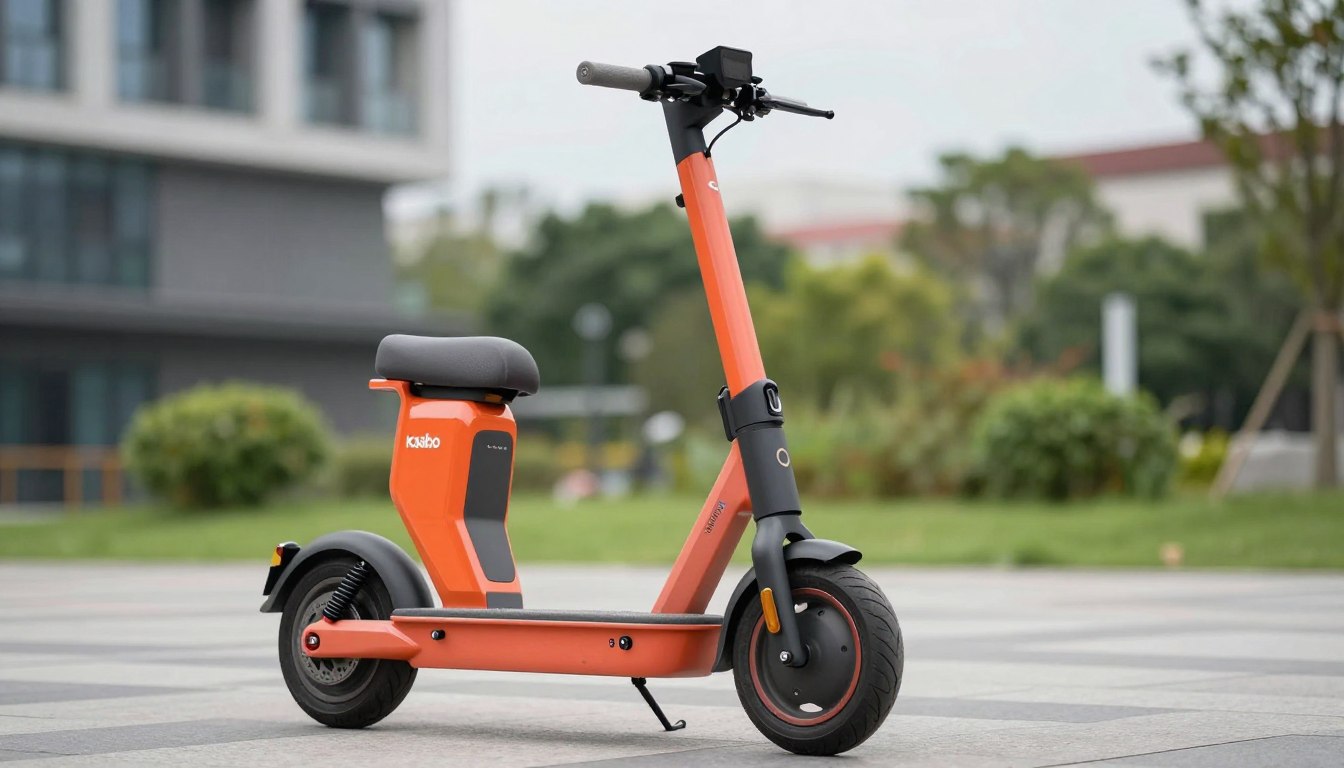
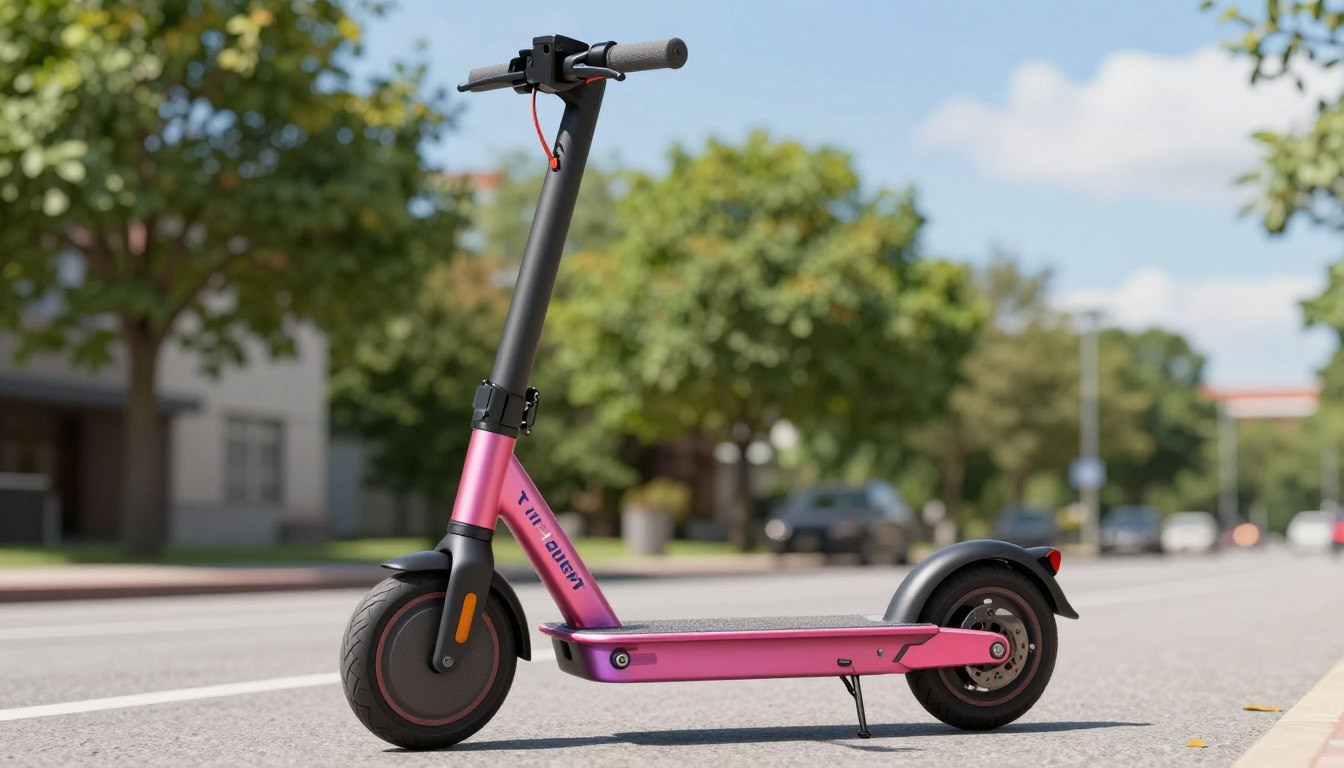
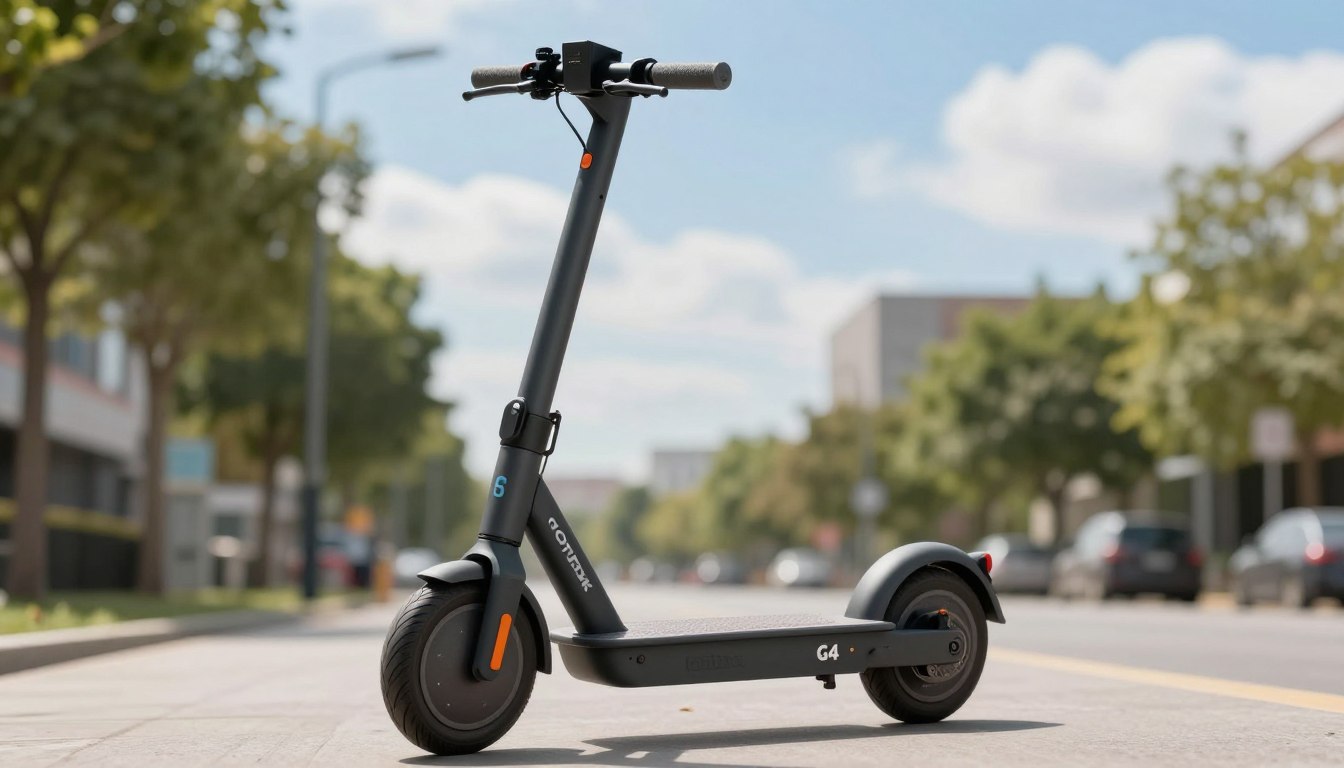
What it is: The Xiaomi model is a lightweight, foldable commuter electric scooter built for short-to-medium urban trips and last-mile connections. It pairs a familiar aluminum frame with a simple fold for easy carry and storage.
Quick spec snapshot
Listed specs include up to 30 km (about 18 miles) of range, a top speed near 25 km/h (roughly 15–16 mph), and a curb weight close to 12.5 kg. In practice this means short commutes, campus hops, and errands rather than long touring rides.
Why riders choose it
Electric scooters in this class became popular because of a recognizable design, straightforward controls, and a useful balance between portability and everyday capability. The updated dashboard borrows from Pro-style models while keeping the M365-like frame.
- Placement in the lineup: A “middle child” between older M365 models and Pro upgrades.
- Wheels and ride: Typical 8.5-inch class wheels help with small cracks and rough pavement, but riders should watch for potholes.
- City performance: Tuned for steady commuting speed and reliable daily performance, not off-road or high-speed use.
Note: manufacturer numbers often use km/h, so U.S. buyers should check local speed rules and permitted scooter zones before riding.
mi 1s Design, Build Quality, and Portability
Design here focuses on a minimalist aerospace-grade aluminum frame that keeps the electric scooter rigid without adding unnecessary bulk.
At about weight 12.5 kg, the build hits a practical sweet spot. It’s light enough for short flights of stairs and transit transfers, yet solid enough to feel stable on city streets.
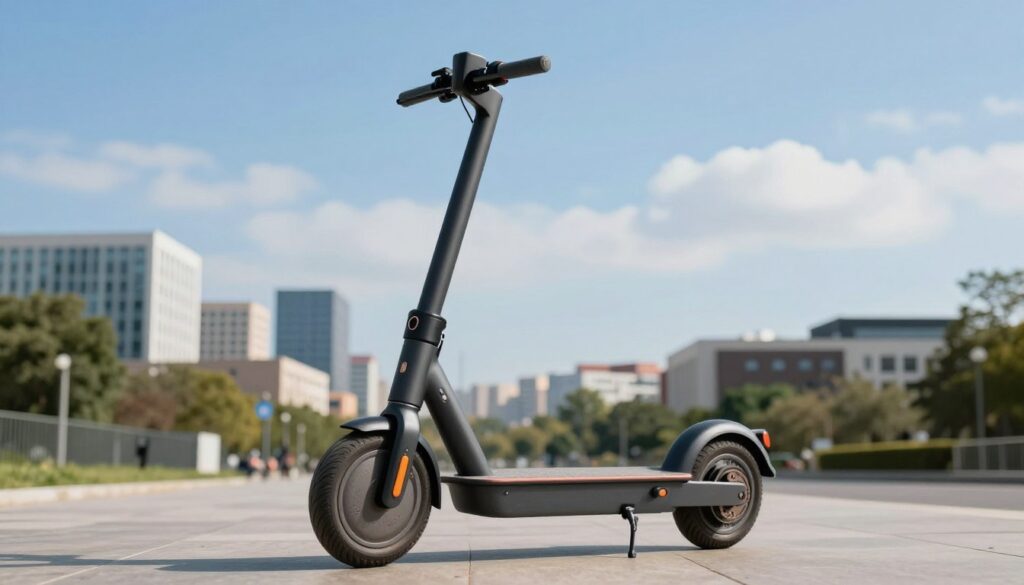
Fast fold and compact storage
The latch folds in roughly three seconds to a compact size of about 108 × 43 × 49 cm with a folded height near 49 cm. That speed makes it easy to slip the scooter into an office closet, a car trunk, or a tight hallway.
Dashboard, controls, and cockpit feel
The multifunction dashboard shows speed, mode, and battery at a glance. Riders get a real speed readout without relying on a phone.
Controls are simple: throttle, brake lever, and bell are within easy reach. Grips and handlebar steadiness give beginner riders more confidence on the first few rides.
Tires, wheels, and street notes
It uses 8.5-inch pneumatic tires that smooth small cracks and patched pavement. There is no suspension, so rough patches and sharp curb drops feel firmer and can cause occasional bottom scraping on steep transitions.
- Tip: lift slightly over high curbs and avoid deep potholes to protect the deck.
- Visibility: a front light is built in as part of the package; full lighting details appear later in the safety section.
See the full product page for specs and availability.
Performance on the Road: Speed, Motor Power, and Range
Real-world riding reveals how speed modes and motor output affect commutes. The scooter uses three published modes that suit different situations.
Speed modes and everyday use
Pedestrian caps at 5 km/h for crowded sidewalks. D mode targets steady commuting at 20 km/h. S mode allows the full 25 km/h top speed on open roads.
Motor and power explained
The rated motor power is 250W for steady output. Short bursts can hit up to 500W peak to help with acceleration and quick inclines. That balance favors consistent city performance over extreme acceleration.
Range, climbing, and charging
Stated range is up to 30 km, but real range drops with higher speed, hills, weight, and cold. Gradeability is about 14%, so expect slower climbs on steep routes.
- Charge time: roughly 5–5.5 hours—best for overnight charging.
- Battery notes: the pack is about 275Wh (≈7650mAh) and performance falls off near the final 5% of charge.
- Commuter tip: switch modes and avoid deep discharges to prolong battery life and predictable performance.
For a practical buying reference, see the official scooter guide.
Safety, Braking System, and Smart Features That Matter
Safety features and braking choices shape how confident a rider feels on every commute. The scooter pairs electronic and mechanical hardware so riders get predictable stopping and some energy recovery.
Dual brakes and stopping confidence
The dual braking system mixes front E‑ABS regenerative braking with a rear mechanical disc brake. The front helps control wheel lock-up, while the rear disc adds firm, repeatable stopping power.
What “about 4 meters” actually means
Manufacturers list a stopping distance near 4 meters. That assumes dry pavement, moderate speed, and good technique. Riders should allow more space on wet roads or downhill runs.
Kinetic energy recovery and the app
KERS captures kinetic energy during braking or coasting and converts it back into battery charge. It can slightly extend battery life and range on stop-and-go commutes.
The Mi Home app lets riders adjust energy recovery strength so braking feel matches the route and personal comfort.
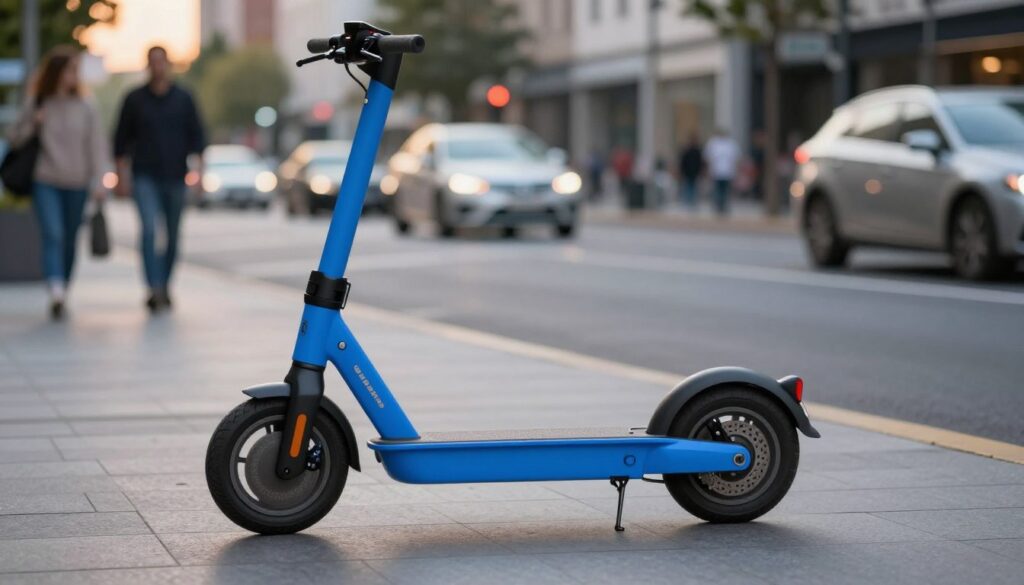
Lights, visibility, and practical app tools
Headlight claims vary (commonly listed near 1.1W or 2W), but the package includes an upgraded tail light that flashes when braking plus added reflectors for side and rear visibility.
The Mi Home app also shows ride stats, battery status, and firmware updates. Bluetooth locking can deter casual rolling but is not a substitute for a physical lock when parking outside.
Ride stability and everyday durability
Reviewers find handling stable and well-balanced for city use. Small wheels and no suspension mean riders should look ahead for potholes and curb lips.
Expect more vibration than suspension models and watch for bottom scraping on steep transitions to protect the deck and tires.
- Quick take: dependable braking system, adjustable KERS, useful app features, and solid visibility gear for urban riders.
- Tip: learn the app’s KERS settings and carry a physical lock for longer parking sessions.
See related product details for accessory and lock recommendations.
Price, Value, and the Bottom Line for U.S. Buyers
For U.S. buyers weighing cost versus commuter needs, value often comes down to portability and proven daily performance. This electric scooter sits as a mid-range product that favors carry weight and everyday usability over suspension or top speed.
Buyers pay for a practical blend of range, speed, and lightweight weight plus an upgraded dash, KERS energy recovery, and app support that ease daily riding. Shipping and return terms vary, so factor those costs into the final price.
Ideal use: short-to-medium commutes, campus hops, and multimodal trips where carrying matters. Less ideal: rough roads, frequent curb drops, or steep hills. Add helmet, lock, spare tube, and routine tire care to total ownership costs.
Bottom line: If a reliable xiaomi electric scooter experience with commuter-friendly performance and manageable carry weight matters, this model earns a solid rating. If higher power or suspension is essential, compare other scooters in the same band.
FAQ
What is the Xiaomi Mi 1S electric scooter and why is it popular?
The Xiaomi Mi 1S electric scooter is a compact, commuter-focused e-scooter that blends a lightweight aluminum frame, easy folding, and straightforward controls. It became popular for its balance of portability, reliable build quality, and efficient city-range performance that fits short urban trips and last-mile commutes.
What are the core specifications of the Mi 1S?
The scooter offers an estimated 18-mile range (about 30 km), a top speed near 15 mph (25 km/h), and a listed weight of roughly 12.5 kg. It pairs a 250W rated motor with brief peak output higher than the rating, an 8.5-inch pneumatic wheel setup, and a battery designed for everyday commuting.
Where does this model sit in Xiaomi’s scooter lineup?
The Mi 1S sits between the original M365-style models and the higher‑end Pro variants. It improves on basic models with updated motor management, light upgrades, and software features while remaining more affordable and lighter than Pro-level scooters.
How portable is the scooter for carrying and storage?
The scooter’s minimalist aluminum frame and fold mechanism make it easy to fold and carry for short distances. At about 12.5 kg, many riders can lift it onto transit or store it in small spaces, though users with limited strength should test the real-world weight before buying.
How fast does it accelerate and what speed modes are available?
Ride modes typically include Pedestrian, D (standard), and S (sport), which tune acceleration and top speed. Expect moderate acceleration in D and sharper response in S. Top speed is usually capped around 15 mph, but local limits and firmware can affect that.
What motor power does the Mi 1S use and how does it perform uphill?
The scooter uses a 250W nominal motor with higher peak power for bursts. It handles short hills and gentle inclines well, with a manufacturer‑stated gradeability near 14%. Steep, sustained climbs will reduce speed and range noticeably.
What realistic range can riders expect and what reduces battery life?
Riders can expect up to about 30 km (18 miles) under ideal conditions: flat terrain, moderate speed, and a single rider weight near the spec. Heavy loads, frequent hard acceleration, higher speeds, cold temperatures, and climbing can cut range significantly. Battery aging and charging habits also affect lifespan.
How long does charging take and what about battery life expectancy?
Charging time is typically about 5 to 5.5 hours from empty to full using the stock charger. Over time battery capacity will decline; proper storage, avoiding full‑discharge cycles, and moderate temperatures help extend battery life and maintain range.
What braking system does the scooter use and how effective is it?
The scooter uses a dual braking system: front e‑ABS regenerative electronic braking and a rear mechanical disc brake. The combination provides predictable stopping power for urban riding. Typical stopping distances cited are around four meters from moderate speed, though surface, tire condition, and rider reaction affect real results.
How does regenerative braking (KERS) work on this scooter?
Regenerative braking converts some kinetic energy back into battery charge during deceleration, extending range slightly and reducing wear on the mechanical brake. Riders can often adjust regen strength in the accompanying app to balance ride feel and energy recovery.
Are the lights and visibility adequate for night riding?
The scooter includes a front headlight and an upgraded tail light plus reflectors to improve visibility. While adequate for well-lit urban streets, riders should use additional reflectors or auxiliary lights for poorly lit areas and to increase conspicuity to motorists.
What features does the Mi Home app provide?
The Mi Home app offers ride statistics, basic Bluetooth locking, firmware updates, and battery status monitoring. It helps track mileage, adjust some performance settings, and keeps firmware current for safety and feature improvements.
How does the scooter handle without suspension and with 8.5-inch pneumatic tires?
With no dedicated suspension, the 8.5-inch pneumatic tires provide some vibration damping but transmit sharper impacts from potholes and rough pavement. Riders should reduce speed over poor surfaces and check tire pressure regularly to maintain ride comfort and handling stability.
What are common maintenance needs and parts to watch?
Regular checks include tire pressure and wear, brake pad condition, mechanical brake adjustment, and firmware updates. Periodic tightening of bolts, inspection of the folding hinge, and battery health checks will keep the scooter reliable and safe.
Is the scooter legal and safe for U.S. city use?
Legality varies by city and state; many U.S. municipalities allow e‑scooters on streets and bike lanes but restrict sidewalks or set maximum speed/power limits. Riders should check local regulations, wear a helmet, and follow traffic rules to maximize safety.
What is the typical price and value proposition for U.S. buyers?
The scooter targets budget‑minded commuters who want a lightweight, well‑built e‑scooter without Pro‑level power or range. It offers solid value when priced below higher‑range models, especially for short urban trips and first‑time e‑scooter buyers.