
Top Long Range Electric Scooters for Adults in the US
 PopScooter Team
February 18, 2026 11:37 am
.
20 min read
PopScooter Team
February 18, 2026 11:37 am
.
20 min read
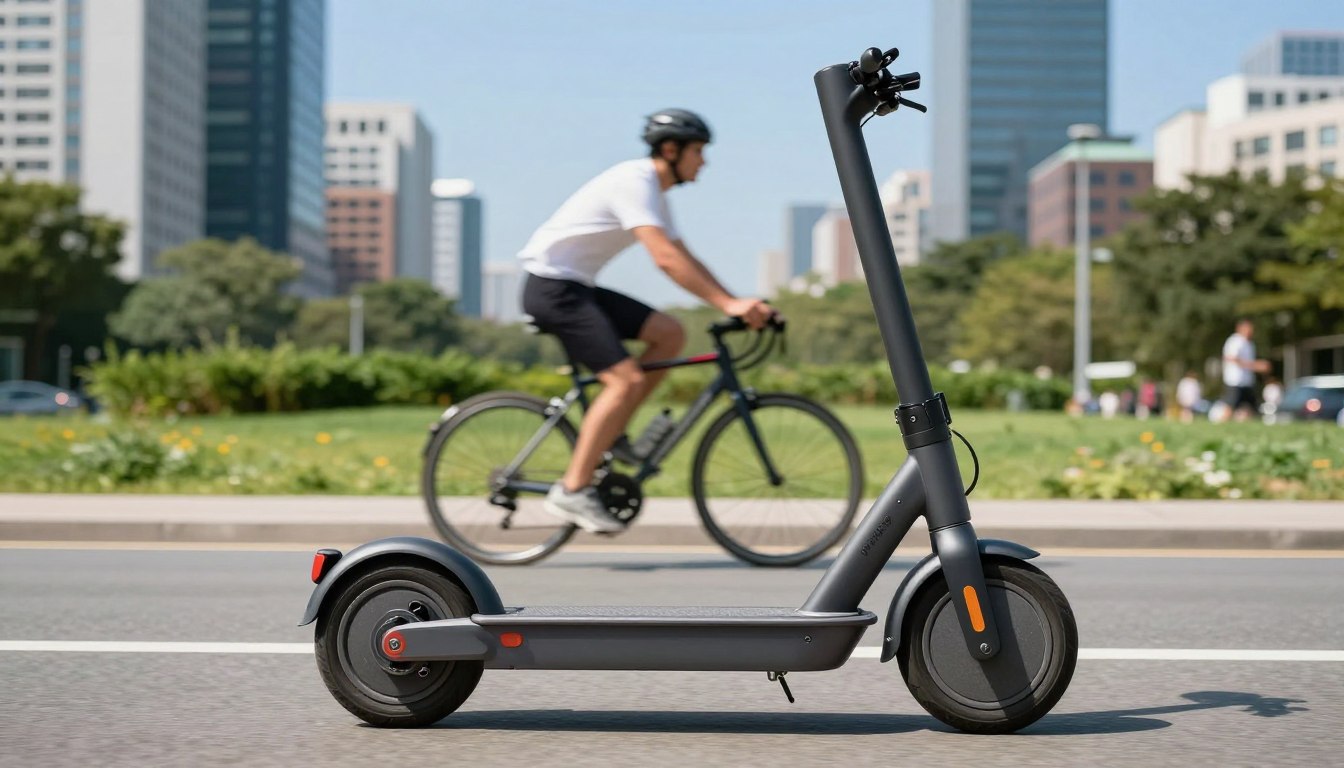
Can a marketed top-mile number be trusted when hills, traffic, and speed change everything?
This buyer’s guide helps adults across the United States compare models by how far they actually go in real riding, not just lab claims. Reviews from ESG and Madd Gear show manufacturer miles often assume ideal flat roads and low speeds, while real-world testing gives a clearer daily picture.
Riding conditions — speed, hills, stops, and wind — decide the day-to-day outcome. Fluidfreeride’s benchmark puts 30+ miles as a meaningful target for many who commute or explore on weekends.
This guide focuses on tested models under $1,000 and explains why reliability, support, and practical features matter as much as extra advertised miles. It compares battery size, motor setup, tires, water resistance, portability, and service so readers can find the perfect fit for daily routes and storage.
Readers will get a clear path from understanding range numbers → selecting the right specs → choosing proven models → learning tips to stretch range over time.
Key Takeaways
- Manufacturer miles often overstate real use; expect lower results in daily riding conditions.
- Real-world testing typically yields about 65–75% of advertised performance.
- For many U.S. riders, 30+ miles is a useful practical benchmark.
- Look beyond miles: reliability, support, and features affect ownership value.
- This guide highlights tested models under $1,000 and what to check in reviews.
Real-world range vs. manufacturer range numbers
Testing in a lab is tidy; city riding is chaotic, and that gap shows up in the numbers riders see every day.
Why “maximum miles” claims rarely match real riding
Manufacturer range numbers come from ideal tests: a 150-lb rider, flat course, steady low speed, and no wind. Madd Gear notes real-world results average about 65–75% of those claims. That creates a predictable “range reality gap.”
How weight, wind, hills, and stop-and-go traffic change range
Resistance rises with speed; moving from a moderate cruise to higher mph makes wind drag and battery draw jump. Rider weight and carried cargo eat extra power on starts and climbs, so heavier riders should add a buffer to the expected miles per charge.
Hills demand sustained high power, and stop-and-go traffic wastes energy in repeated acceleration. Coastal headwinds or gusty boulevards can feel like a constant climb to the motor, cutting range even on otherwise easy routes.
What to expect in real-world testing results
Look for tests that match your riding conditions. Real-world testing usually returns lower numbers than spec sheets. Choose a model that exceeds your longest route by a margin to avoid anxiety and to allow for tire pressure changes, battery aging, and weather.
- Tip: Compare tested results, not just battery Wh or top speed.
- Tip: If two models list similar miles, pick the one with better tested reliability and service.
What counts as “long range” for electric scooters in the US right now
A practical benchmark starts with what a rider needs to finish weekly trips without midweek charging.
Definition: Many testers treat 30+ miles as the threshold for meaningful extra freedom. Around 1000Wh batteries can push riders quite some distance depending on weight and speed.
Practical benchmarks for different riders
Short urban commutes: 10–20 miles covers daily errands and office runs with easy charging options.
Extended rides: 20–40 miles suits weekend explorers who want less worry about charging and more time out.
Longest ambitions: 40+ miles helps riders who avoid midweek top-ups and want true independence from chargers.
- Pick a buffer: add 20–30% extra for headwinds, cold, and hills.
- Think efficiency: tire type, riding style, and power delivery matter as much as battery Wh.
- Match use to reality: the best long choice fits routes, comfort, and storage—not just the biggest number on the box.
How to choose a long range electric scooter without range anxiety
Your actual ride depends more on battery care, tire choice, and speed than on the number printed on the spec sheet.
Battery capacity basics
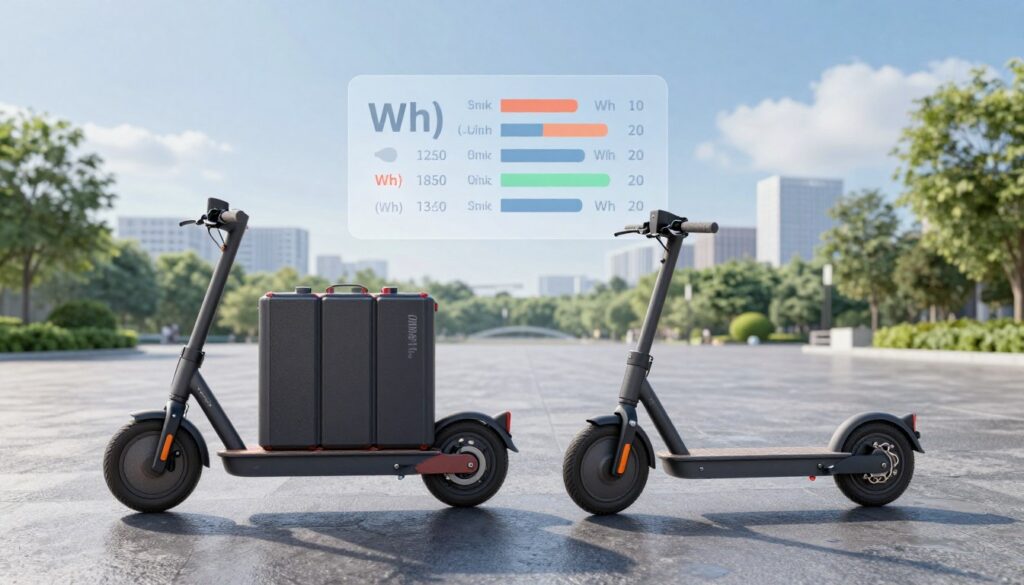
Wh vs Ah: Watt-hours (Wh) standardize energy across voltages, so shoppers should compare Wh to judge true capacity.
Battery health and charging habits
Every charge cycle slowly reduces capacity. Riders who buy more Wh can charge less often and protect battery life.
Smart habits: avoid full discharges, don’t store at 0%, and skip daily 100% tops unless needed.
Motor setup and speed
A single motor often uses less energy on flats. Dual motor gives more power for hills but draws more battery and cuts range at high mph.
Tires, suspension, and terrain
Pneumatic tires and tubeless designs usually save energy and add comfort on rough pavement. Good suspension reduces rider fatigue on mixed terrain.
Reliability, water resistance, and portability
- Signals: UL2272, solid build quality, and easy parts/warranty support matter most for long term reliability.
- Water: IPX4–IPX6 ratings cover splashes and heavier sprays; none guarantee running through a deep flood.
- Trade-offs: Bigger battery equals more weight—measure storage and stairs before you buy.
Top long-range electric scooters under $1,000 based on real-world testing
Lab claims are useful — but real rides reveal which models truly deliver day after day.
The list below uses ESG-tested numbers so buyers see practical performance, not just spec-sheet promises. Each entry notes tested miles, water rating, certifications, and the practical trade-offs riders should weigh.
All-time range champ: EMOVE Cruiser S — 43.6 miles tested
Why it stands out: the longest tested run here, IPX6, UL2272, and solid parts support from Voro Motors. It’s heavier at 56.4 lbs but built for dependable ownership and practical serviceability.
Single-motor monster: Teewing GT4 — 34.5 miles tested
Why it stands out: 1500W rear motor with a 1200Wh battery. It hits high speed potential (40+ mph), so riders should note that more speed will lower usable miles.
Value commuter pick: VMAX VX2 Pro GT — 29.5 miles tested
Why it stands out: excellent reliability (9.5) and a 45 lb frame. Ideal for daily users who prize consistent performance and low fuss.
Hill-climbing specialist: VMAX VX2 Extreme GT — 28.9 miles tested
Why it stands out: tuned for stronger acceleration and climbs, IPX6 and UL2272. Best for experienced riders who demand power on grades.
- Budget power: Teewing GT2 — 22.7 miles, near-30 mph capability and solid features for under $1,000.
- Best style & sale: Dualtron Togo Plus — 23.6 miles; a strong value when on offer.
- Built to last: NIU KQi3 Max — 23.3 miles and high reliability for trouble-free ownership.
- Fast compact classic: EMOVE Touring — 20.8 miles and a lighter 39 lb footprint for easy storage.
- Off-road option: Segway Ninebot ZT3 Pro — 20.5 miles, hybrid tires and dual spring suspension for mixed surfaces.
- Dual motors & suspension: GOTRAX GX Zero — 19.1 miles, dual hydraulic suspension and hybrid tubeless tires; the only dual motor pick here.
Bottom line: These tested results help buyers match claimed numbers to real-world outcomes. Pick a model that fits routes, service needs, and the balance of power versus usable miles.
How to match the right range electric scooter to the way they ride
The right ride starts with matching a scooter’s strengths to a rider’s daily routes and terrain. One model can feel perfect for city commutes and frustrating on steep grades or park paths.
Urban commuting: dependable range, weather protection, and easy carrying
For city use, prioritize dependable range and higher water resistance. Pick a model with good brakes, reliable tires, and a weight they can lift into an office or apartment.
Examples: lighter options like the 39 lb EMOVE Touring or the 45 lb VMAX VX2 Pro GT work well for everyday carry and storage.
Tip: add a buffer above daily miles so they avoid topping off every night and extend battery life.
Hills and high-speed riders: torque needs, controller tuning, and battery draw
Riders who like fast acceleration or steep climbs should value torque and controller tuning. Higher speed demands raise battery draw nonlinearly, so plan for extra capacity.
Dual motor setups help on grades and for heavier riders, but they use more energy when pushed hard. A single motor is often more efficient on flats.
Mixed terrain and light off-road: suspension, hybrid tires, and durability
For broken pavement and park paths, choose suspension and hybrid tires for comfort and control. The Segway Ninebot ZT3 Pro is a practical example with hybrid treads and spring suspension.
Durability matters: rough use accelerates wear on tires, pads, and suspension parts, so prioritize models with good service support and spare parts availability.
- Match use to design: commuting, hills, or mixed terrain require different trade-offs.
- Plan a buffer: add 20–30% to daily miles to reduce charger cycles and protect battery health.
- Service & parts: pick brands with solid support for longer ownership and fewer surprises.
Key specs to compare before buying
Before buying, riders should focus on tested specs that predict daily performance, not glossy marketing claims.
Battery size, charging time, and real-world spread
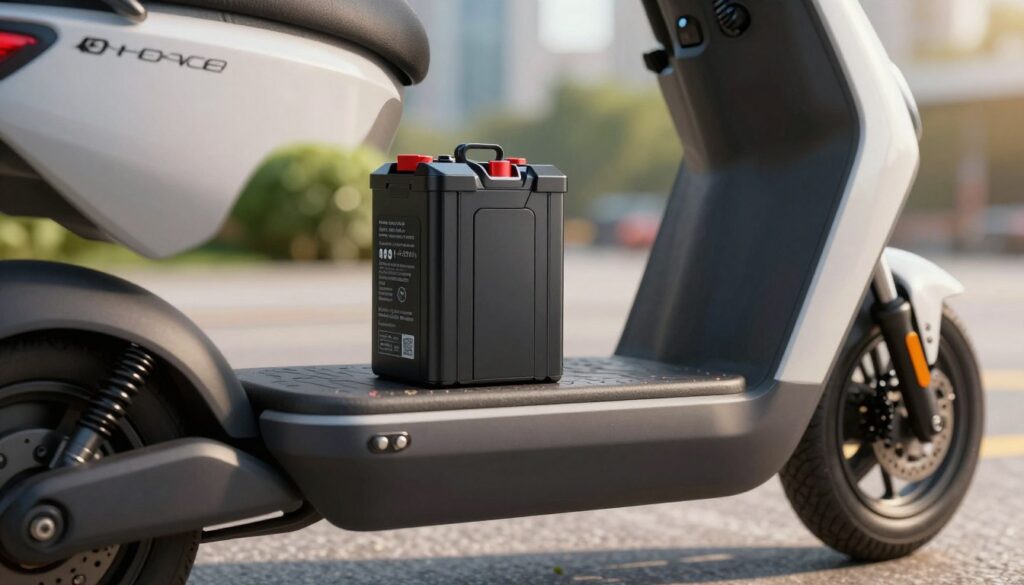
Battery capacity usually maps to usable miles, but bigger packs add weight and longer charge times.
Compare Wh figures and look for independent reviews that show tested range spread. That gives a realistic idea of what a model will deliver on normal routes.
Top speed vs. usable range
High top speed often reduces usable range and raises energy draw. Riders who value steady, efficient use get better value from tuned mid-speed setups.
Brakes, tire type, and safety features
For longer rides, strong brakes, pneumatic tires, bright lighting, and stable handling matter more than a few extra miles on paper.
Parts availability and service
Reliability and quick parts support keep a ride usable. A model with solid warranty and easy parts in the U.S. often gives more real-world value than marginally higher numbers.
- Spec checklist: battery Wh, tested miles, charge time, top speed, brakes, tire type, IP/UL ratings, weight, and warranty.
- Decision rule: when two models list similar tested range, pick the one with better reliability history and service access.
- Read reviews: use trusted test results and the guide on how to read specs to compare numbers fairly.
Pro tips to extend range on every charge
A few pro habits help riders stretch each charge and enjoy longer outings with less worry.
Speed control and smoother acceleration
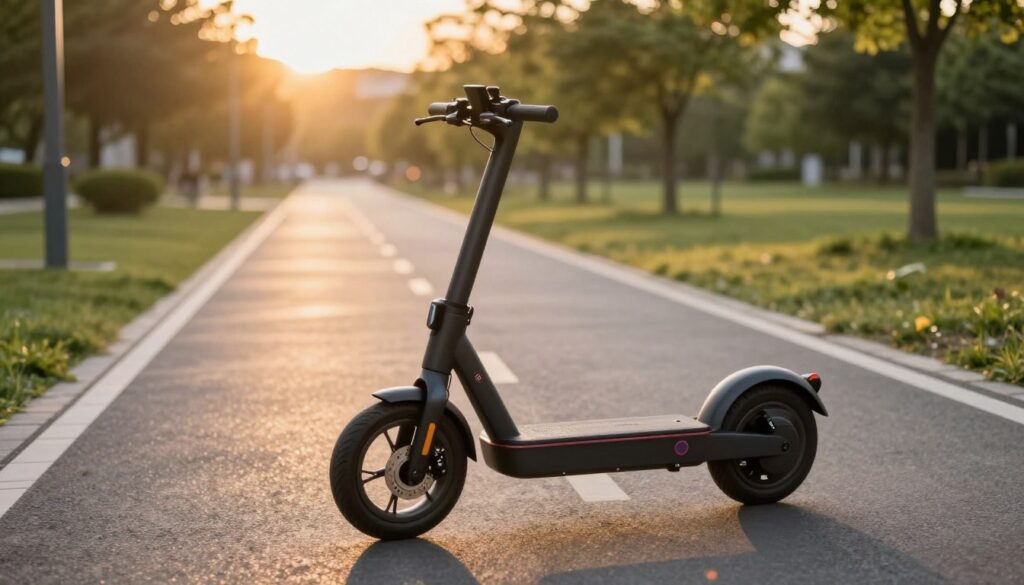
Reduce cruising speed: Madd Gear notes dropping from 20 mph to 15 mph can improve range by 25–40% because air resistance rises quickly with speed.
They should avoid hard launches. Gentle throttle and steady pacing lower power draw and add usable miles per charge.
Tire pressure, brake drag, and simple maintenance
Check tires weekly: underinflated tires can cut efficiency by 10–20% and feel sluggish. Proper pressure saves energy and improves comfort.
Inspect brakes for drag. A rubbing pad quietly drains battery over time. A quick adjustment can restore lost miles.
Route planning for real riding conditions
When range matters, choose flatter roads and smoother surfaces. ESG testing shows stop-and-go traffic and hills reduce usable distance dramatically.
Plan detours to avoid steep grades and rough pavement when possible to keep resistance low.
Battery care rules
Store and charge smart: avoid full discharges and long storage at 0%. Keep the battery near room temperature and use the correct charger.
Fewer full cycles and moderate storage charge preserve capacity over time and protect long range electric performance.
- Small habits, big gains: steady speed, correct tires, and clean brakes often add meaningful miles without new parts.
- Keep a buffer: always plan extra miles for wind, cargo, or cold weather.
- Learn more: see a short guide on tested performance at real world range results.
Finding the best long range scooter for their budget and riding conditions
Start by matching real daily routes—terrain, hills, wind, and stops—to a realistic miles target.
Pick a buffer above that target and then choose the model with the best tested range, reliability, and useful features for the price. Treat manufacturer numbers as a starting point and lean on independent testing and reputable reviews before spending close to $1,000.
Decision lens: for the most tested miles and strong water protection, the EMOVE Cruiser S stands out. For raw power, consider the Teewing GT4 or GT2. For steady commuting quality and service, the VMAX VX2 Pro GT is a smart pick.
Reduce range anxiety by adding margin and verifying warranty, parts availability, and U.S. service. Check that weight and portability fit daily use so the chosen scooter gets ridden, not parked.
Quick checklist: confirm real-world range, verify IP and UL2272 where possible, compare motor and power needs, and ensure parts and support are available in the United States.
What should buyers expect from sub-
FAQ
What real-world factors make manufacturer range claims optimistic?
Manufacturers measure range under ideal lab settings: flat pavement, light rider weight, mild temperatures, and steady moderate speed. In real use, wind, hills, frequent stops, heavier riders, and high top speeds increase battery draw and reduce actual miles. Tire pressure, load from cargo, and accessory power (lights, phone chargers) also cut into range.How should riders interpret tested range numbers like 20–40 miles?Treat tested numbers as useful benchmarks rather than guarantees. Pro reviewers usually publish ranges achieved under specific conditions (rider weight, speed, terrain). Compare those test conditions to how they plan to ride. If their commute has hills or they weigh more than the test rider, expect noticeably fewer miles.What battery spec best predicts usable distance: Wh or Ah?Watt-hours (Wh) give the clearest picture because they combine voltage and capacity into energy, while amp-hours (Ah) vary by voltage between models. A higher Wh capacity usually means more usable miles, assuming similar motor efficiency and weight.How does motor setup affect efficiency and real-world range?Single motors usually consume less energy at steady speeds, so they often deliver more miles per charge. Dual motors offer better acceleration and hill power but use more battery under load. Riders who prioritize distance should favor efficient single-motor builds or dual setups with conservative controller tuning.Can riding style and speed dramatically change how far a battery goes?Yes. Higher speeds increase aerodynamic drag exponentially, which drains the battery faster. Aggressive starts, hard braking, and frequent high-power bursts also reduce range. Smooth acceleration, steady cruising at moderate mph, and using regenerative braking wisely extend miles.What tire choices maximize distance on mixed city terrain?Higher-pressure pneumatic tires with good tread balance rolling resistance and comfort. Tubeless designs reduce pinch flats and let riders run lower pressures off-road. Solid tires avoid flats but usually increase rolling resistance and vibration, lowering efficiency.How much range loss should riders expect as a battery ages?Battery capacity degrades gradually over charge cycles. Most lithium packs lose a few percent of capacity per year depending on chemistry and care. Proper charging habits, avoiding extreme temperatures, and not routinely running batteries fully flat slow degradation and preserve usable range.Which durability and safety certifications should buyers look for?UL2272 certification covers electrical safety for scooters. IP water-resistance ratings (IPX4–IPX6) indicate how well a model handles splashes or heavier spray. Warranty length, parts availability, and brand reputation for support also matter when choosing a model built to last.How do hills and wind factor into choosing a model for commuting?Hilly commutes demand higher torque and a larger battery; otherwise range plummets. Headwinds significantly increase power draw at speed. Riders in those conditions should pick higher continuous motor power, consider dual-motor options for climbs, and expect tested range to drop on aggressive terrain.Are faster scooters always worse for distance?Not always, but higher top speeds tempt riders to ride faster, which cuts efficiency. Some high-performance models use efficient motors and large batteries to achieve both speed and good range, but most trade longer range for higher power and top speed.What maintenance habits most reliably protect range?Keep tires properly inflated, adjust brakes to avoid drag, check wheel bearings and suspension for free rolling, and maintain correct torque on bolts. Regular software updates from the manufacturer can improve controller efficiency and charging behavior.How important is charging behavior for battery life and distance?Charging habits matter. Avoid letting the battery sit at 0% for prolonged periods and try not to keep it at 100% constantly. Charging in temperate environments and using the manufacturer’s charger preserves cell health and maintains usable Wh over time.What trade-offs come with choosing a lightweight, foldable model?Lighter, portable scooters are easier to carry and store but often use smaller batteries and simpler suspension, which shortens practical distance and comfort on rough roads. Riders should weigh portability against battery capacity, deck space, and ride stability for their needs.How can riders plan routes to maximize miles per charge?Choose flatter routes with fewer stops, avoid strong headwinds when possible, and favor smoother pavement. Planning to use bike paths or lanes with steady speeds reduces stop-and-go riding. Using route apps that show elevation helps predict battery usage.What should buyers expect from sub-
FAQ
What real-world factors make manufacturer range claims optimistic?
Manufacturers measure range under ideal lab settings: flat pavement, light rider weight, mild temperatures, and steady moderate speed. In real use, wind, hills, frequent stops, heavier riders, and high top speeds increase battery draw and reduce actual miles. Tire pressure, load from cargo, and accessory power (lights, phone chargers) also cut into range.
How should riders interpret tested range numbers like 20–40 miles?
Treat tested numbers as useful benchmarks rather than guarantees. Pro reviewers usually publish ranges achieved under specific conditions (rider weight, speed, terrain). Compare those test conditions to how they plan to ride. If their commute has hills or they weigh more than the test rider, expect noticeably fewer miles.
What battery spec best predicts usable distance: Wh or Ah?
Watt-hours (Wh) give the clearest picture because they combine voltage and capacity into energy, while amp-hours (Ah) vary by voltage between models. A higher Wh capacity usually means more usable miles, assuming similar motor efficiency and weight.
How does motor setup affect efficiency and real-world range?
Single motors usually consume less energy at steady speeds, so they often deliver more miles per charge. Dual motors offer better acceleration and hill power but use more battery under load. Riders who prioritize distance should favor efficient single-motor builds or dual setups with conservative controller tuning.
Can riding style and speed dramatically change how far a battery goes?
Yes. Higher speeds increase aerodynamic drag exponentially, which drains the battery faster. Aggressive starts, hard braking, and frequent high-power bursts also reduce range. Smooth acceleration, steady cruising at moderate mph, and using regenerative braking wisely extend miles.
What tire choices maximize distance on mixed city terrain?
Higher-pressure pneumatic tires with good tread balance rolling resistance and comfort. Tubeless designs reduce pinch flats and let riders run lower pressures off-road. Solid tires avoid flats but usually increase rolling resistance and vibration, lowering efficiency.
How much range loss should riders expect as a battery ages?
Battery capacity degrades gradually over charge cycles. Most lithium packs lose a few percent of capacity per year depending on chemistry and care. Proper charging habits, avoiding extreme temperatures, and not routinely running batteries fully flat slow degradation and preserve usable range.
Which durability and safety certifications should buyers look for?
UL2272 certification covers electrical safety for scooters. IP water-resistance ratings (IPX4–IPX6) indicate how well a model handles splashes or heavier spray. Warranty length, parts availability, and brand reputation for support also matter when choosing a model built to last.
How do hills and wind factor into choosing a model for commuting?
Hilly commutes demand higher torque and a larger battery; otherwise range plummets. Headwinds significantly increase power draw at speed. Riders in those conditions should pick higher continuous motor power, consider dual-motor options for climbs, and expect tested range to drop on aggressive terrain.
Are faster scooters always worse for distance?
Not always, but higher top speeds tempt riders to ride faster, which cuts efficiency. Some high-performance models use efficient motors and large batteries to achieve both speed and good range, but most trade longer range for higher power and top speed.
What maintenance habits most reliably protect range?
Keep tires properly inflated, adjust brakes to avoid drag, check wheel bearings and suspension for free rolling, and maintain correct torque on bolts. Regular software updates from the manufacturer can improve controller efficiency and charging behavior.
How important is charging behavior for battery life and distance?
Charging habits matter. Avoid letting the battery sit at 0% for prolonged periods and try not to keep it at 100% constantly. Charging in temperate environments and using the manufacturer’s charger preserves cell health and maintains usable Wh over time.
What trade-offs come with choosing a lightweight, foldable model?
Lighter, portable scooters are easier to carry and store but often use smaller batteries and simpler suspension, which shortens practical distance and comfort on rough roads. Riders should weigh portability against battery capacity, deck space, and ride stability for their needs.
How can riders plan routes to maximize miles per charge?
Choose flatter routes with fewer stops, avoid strong headwinds when possible, and favor smoother pavement. Planning to use bike paths or lanes with steady speeds reduces stop-and-go riding. Using route apps that show elevation helps predict battery usage.
What should buyers expect from sub-
FAQ
What real-world factors make manufacturer range claims optimistic?
Manufacturers measure range under ideal lab settings: flat pavement, light rider weight, mild temperatures, and steady moderate speed. In real use, wind, hills, frequent stops, heavier riders, and high top speeds increase battery draw and reduce actual miles. Tire pressure, load from cargo, and accessory power (lights, phone chargers) also cut into range.
How should riders interpret tested range numbers like 20–40 miles?
Treat tested numbers as useful benchmarks rather than guarantees. Pro reviewers usually publish ranges achieved under specific conditions (rider weight, speed, terrain). Compare those test conditions to how they plan to ride. If their commute has hills or they weigh more than the test rider, expect noticeably fewer miles.
What battery spec best predicts usable distance: Wh or Ah?
Watt-hours (Wh) give the clearest picture because they combine voltage and capacity into energy, while amp-hours (Ah) vary by voltage between models. A higher Wh capacity usually means more usable miles, assuming similar motor efficiency and weight.
How does motor setup affect efficiency and real-world range?
Single motors usually consume less energy at steady speeds, so they often deliver more miles per charge. Dual motors offer better acceleration and hill power but use more battery under load. Riders who prioritize distance should favor efficient single-motor builds or dual setups with conservative controller tuning.
Can riding style and speed dramatically change how far a battery goes?
Yes. Higher speeds increase aerodynamic drag exponentially, which drains the battery faster. Aggressive starts, hard braking, and frequent high-power bursts also reduce range. Smooth acceleration, steady cruising at moderate mph, and using regenerative braking wisely extend miles.
What tire choices maximize distance on mixed city terrain?
Higher-pressure pneumatic tires with good tread balance rolling resistance and comfort. Tubeless designs reduce pinch flats and let riders run lower pressures off-road. Solid tires avoid flats but usually increase rolling resistance and vibration, lowering efficiency.
How much range loss should riders expect as a battery ages?
Battery capacity degrades gradually over charge cycles. Most lithium packs lose a few percent of capacity per year depending on chemistry and care. Proper charging habits, avoiding extreme temperatures, and not routinely running batteries fully flat slow degradation and preserve usable range.
Which durability and safety certifications should buyers look for?
UL2272 certification covers electrical safety for scooters. IP water-resistance ratings (IPX4–IPX6) indicate how well a model handles splashes or heavier spray. Warranty length, parts availability, and brand reputation for support also matter when choosing a model built to last.
How do hills and wind factor into choosing a model for commuting?
Hilly commutes demand higher torque and a larger battery; otherwise range plummets. Headwinds significantly increase power draw at speed. Riders in those conditions should pick higher continuous motor power, consider dual-motor options for climbs, and expect tested range to drop on aggressive terrain.
Are faster scooters always worse for distance?
Not always, but higher top speeds tempt riders to ride faster, which cuts efficiency. Some high-performance models use efficient motors and large batteries to achieve both speed and good range, but most trade longer range for higher power and top speed.
What maintenance habits most reliably protect range?
Keep tires properly inflated, adjust brakes to avoid drag, check wheel bearings and suspension for free rolling, and maintain correct torque on bolts. Regular software updates from the manufacturer can improve controller efficiency and charging behavior.
How important is charging behavior for battery life and distance?
Charging habits matter. Avoid letting the battery sit at 0% for prolonged periods and try not to keep it at 100% constantly. Charging in temperate environments and using the manufacturer’s charger preserves cell health and maintains usable Wh over time.
What trade-offs come with choosing a lightweight, foldable model?
Lighter, portable scooters are easier to carry and store but often use smaller batteries and simpler suspension, which shortens practical distance and comfort on rough roads. Riders should weigh portability against battery capacity, deck space, and ride stability for their needs.
How can riders plan routes to maximize miles per charge?
Choose flatter routes with fewer stops, avoid strong headwinds when possible, and favor smoother pavement. Planning to use bike paths or lanes with steady speeds reduces stop-and-go riding. Using route apps that show elevation helps predict battery usage.
What should buyers expect from sub-$1,000 models in terms of tested miles?
Budget models can deliver respectable tested miles when companies prioritize battery capacity over peak power. Expect realistic ranges between roughly 19 and 44 miles in professional tests depending on model, gearing toward commuter needs rather than ultra-high top speeds or heavy off-road use.
How do warranty and parts support influence long-term value?
Easy access to spare parts, transparent repair policies, and responsive warranty service keep a scooter riding longer and reduce total ownership cost. A slightly more expensive model with solid support can deliver better value than a cheaper unit with poor aftermarket help.
When should riders consider dual motors despite efficiency losses?
Choose dual motors if they regularly tackle steep hills, carry heavy loads, or want strong acceleration for safety in mixed traffic. Dual setups sacrifice some efficiency but provide the power needed for demanding terrain and high-speed merging.
How can riders benchmark a model’s real-world range before buying?
Look for independent real-world tests that list rider weight, average speed, and terrain. Compare those exact test conditions to their expected use. If possible, test-ride a model under similar conditions or consult community reviews from riders in the same city and climate.
,000 models in terms of tested miles?
Budget models can deliver respectable tested miles when companies prioritize battery capacity over peak power. Expect realistic ranges between roughly 19 and 44 miles in professional tests depending on model, gearing toward commuter needs rather than ultra-high top speeds or heavy off-road use.
How do warranty and parts support influence long-term value?
Easy access to spare parts, transparent repair policies, and responsive warranty service keep a scooter riding longer and reduce total ownership cost. A slightly more expensive model with solid support can deliver better value than a cheaper unit with poor aftermarket help.
When should riders consider dual motors despite efficiency losses?
Choose dual motors if they regularly tackle steep hills, carry heavy loads, or want strong acceleration for safety in mixed traffic. Dual setups sacrifice some efficiency but provide the power needed for demanding terrain and high-speed merging.
How can riders benchmark a model’s real-world range before buying?
Look for independent real-world tests that list rider weight, average speed, and terrain. Compare those exact test conditions to their expected use. If possible, test-ride a model under similar conditions or consult community reviews from riders in the same city and climate.
,000 models in terms of tested miles?Budget models can deliver respectable tested miles when companies prioritize battery capacity over peak power. Expect realistic ranges between roughly 19 and 44 miles in professional tests depending on model, gearing toward commuter needs rather than ultra-high top speeds or heavy off-road use.How do warranty and parts support influence long-term value?Easy access to spare parts, transparent repair policies, and responsive warranty service keep a scooter riding longer and reduce total ownership cost. A slightly more expensive model with solid support can deliver better value than a cheaper unit with poor aftermarket help.When should riders consider dual motors despite efficiency losses?Choose dual motors if they regularly tackle steep hills, carry heavy loads, or want strong acceleration for safety in mixed traffic. Dual setups sacrifice some efficiency but provide the power needed for demanding terrain and high-speed merging.How can riders benchmark a model’s real-world range before buying?Look for independent real-world tests that list rider weight, average speed, and terrain. Compare those exact test conditions to their expected use. If possible, test-ride a model under similar conditions or consult community reviews from riders in the same city and climate.,000 models in terms of tested miles?Budget models can deliver respectable tested miles when companies prioritize battery capacity over peak power. Expect realistic ranges between roughly 19 and 44 miles in professional tests depending on model, gearing toward commuter needs rather than ultra-high top speeds or heavy off-road use.How do warranty and parts support influence long-term value?Easy access to spare parts, transparent repair policies, and responsive warranty service keep a scooter riding longer and reduce total ownership cost. A slightly more expensive model with solid support can deliver better value than a cheaper unit with poor aftermarket help.When should riders consider dual motors despite efficiency losses?Choose dual motors if they regularly tackle steep hills, carry heavy loads, or want strong acceleration for safety in mixed traffic. Dual setups sacrifice some efficiency but provide the power needed for demanding terrain and high-speed merging.How can riders benchmark a model’s real-world range before buying?Look for independent real-world tests that list rider weight, average speed, and terrain. Compare those exact test conditions to their expected use. If possible, test-ride a model under similar conditions or consult community reviews from riders in the same city and climate.
Manufacturers measure range under ideal lab settings: flat pavement, light rider weight, mild temperatures, and steady moderate speed. In real use, wind, hills, frequent stops, heavier riders, and high top speeds increase battery draw and reduce actual miles. Tire pressure, load from cargo, and accessory power (lights, phone chargers) also cut into range.How should riders interpret tested range numbers like 20–40 miles?Treat tested numbers as useful benchmarks rather than guarantees. Pro reviewers usually publish ranges achieved under specific conditions (rider weight, speed, terrain). Compare those test conditions to how they plan to ride. If their commute has hills or they weigh more than the test rider, expect noticeably fewer miles.What battery spec best predicts usable distance: Wh or Ah?Watt-hours (Wh) give the clearest picture because they combine voltage and capacity into energy, while amp-hours (Ah) vary by voltage between models. A higher Wh capacity usually means more usable miles, assuming similar motor efficiency and weight.How does motor setup affect efficiency and real-world range?Single motors usually consume less energy at steady speeds, so they often deliver more miles per charge. Dual motors offer better acceleration and hill power but use more battery under load. Riders who prioritize distance should favor efficient single-motor builds or dual setups with conservative controller tuning.Can riding style and speed dramatically change how far a battery goes?Yes. Higher speeds increase aerodynamic drag exponentially, which drains the battery faster. Aggressive starts, hard braking, and frequent high-power bursts also reduce range. Smooth acceleration, steady cruising at moderate mph, and using regenerative braking wisely extend miles.What tire choices maximize distance on mixed city terrain?Higher-pressure pneumatic tires with good tread balance rolling resistance and comfort. Tubeless designs reduce pinch flats and let riders run lower pressures off-road. Solid tires avoid flats but usually increase rolling resistance and vibration, lowering efficiency.How much range loss should riders expect as a battery ages?Battery capacity degrades gradually over charge cycles. Most lithium packs lose a few percent of capacity per year depending on chemistry and care. Proper charging habits, avoiding extreme temperatures, and not routinely running batteries fully flat slow degradation and preserve usable range.Which durability and safety certifications should buyers look for?UL2272 certification covers electrical safety for scooters. IP water-resistance ratings (IPX4–IPX6) indicate how well a model handles splashes or heavier spray. Warranty length, parts availability, and brand reputation for support also matter when choosing a model built to last.How do hills and wind factor into choosing a model for commuting?Hilly commutes demand higher torque and a larger battery; otherwise range plummets. Headwinds significantly increase power draw at speed. Riders in those conditions should pick higher continuous motor power, consider dual-motor options for climbs, and expect tested range to drop on aggressive terrain.Are faster scooters always worse for distance?Not always, but higher top speeds tempt riders to ride faster, which cuts efficiency. Some high-performance models use efficient motors and large batteries to achieve both speed and good range, but most trade longer range for higher power and top speed.What maintenance habits most reliably protect range?Keep tires properly inflated, adjust brakes to avoid drag, check wheel bearings and suspension for free rolling, and maintain correct torque on bolts. Regular software updates from the manufacturer can improve controller efficiency and charging behavior.How important is charging behavior for battery life and distance?Charging habits matter. Avoid letting the battery sit at 0% for prolonged periods and try not to keep it at 100% constantly. Charging in temperate environments and using the manufacturer’s charger preserves cell health and maintains usable Wh over time.What trade-offs come with choosing a lightweight, foldable model?Lighter, portable scooters are easier to carry and store but often use smaller batteries and simpler suspension, which shortens practical distance and comfort on rough roads. Riders should weigh portability against battery capacity, deck space, and ride stability for their needs.How can riders plan routes to maximize miles per charge?Choose flatter routes with fewer stops, avoid strong headwinds when possible, and favor smoother pavement. Planning to use bike paths or lanes with steady speeds reduces stop-and-go riding. Using route apps that show elevation helps predict battery usage.What should buyers expect from sub-
What should buyers expect from sub-
,000 models in terms of tested miles?Budget models can deliver respectable tested miles when companies prioritize battery capacity over peak power. Expect realistic ranges between roughly 19 and 44 miles in professional tests depending on model, gearing toward commuter needs rather than ultra-high top speeds or heavy off-road use.How do warranty and parts support influence long-term value?Easy access to spare parts, transparent repair policies, and responsive warranty service keep a scooter riding longer and reduce total ownership cost. A slightly more expensive model with solid support can deliver better value than a cheaper unit with poor aftermarket help.When should riders consider dual motors despite efficiency losses?Choose dual motors if they regularly tackle steep hills, carry heavy loads, or want strong acceleration for safety in mixed traffic. Dual setups sacrifice some efficiency but provide the power needed for demanding terrain and high-speed merging.How can riders benchmark a model’s real-world range before buying?Look for independent real-world tests that list rider weight, average speed, and terrain. Compare those exact test conditions to their expected use. If possible, test-ride a model under similar conditions or consult community reviews from riders in the same city and climate.,000 models in terms of tested miles?Budget models can deliver respectable tested miles when companies prioritize battery capacity over peak power. Expect realistic ranges between roughly 19 and 44 miles in professional tests depending on model, gearing toward commuter needs rather than ultra-high top speeds or heavy off-road use.How do warranty and parts support influence long-term value?Easy access to spare parts, transparent repair policies, and responsive warranty service keep a scooter riding longer and reduce total ownership cost. A slightly more expensive model with solid support can deliver better value than a cheaper unit with poor aftermarket help.When should riders consider dual motors despite efficiency losses?Choose dual motors if they regularly tackle steep hills, carry heavy loads, or want strong acceleration for safety in mixed traffic. Dual setups sacrifice some efficiency but provide the power needed for demanding terrain and high-speed merging.How can riders benchmark a model’s real-world range before buying?Look for independent real-world tests that list rider weight, average speed, and terrain. Compare those exact test conditions to their expected use. If possible, test-ride a model under similar conditions or consult community reviews from riders in the same city and climate.
FAQ
What real-world factors make manufacturer range claims optimistic?
Manufacturers measure range under ideal lab settings: flat pavement, light rider weight, mild temperatures, and steady moderate speed. In real use, wind, hills, frequent stops, heavier riders, and high top speeds increase battery draw and reduce actual miles. Tire pressure, load from cargo, and accessory power (lights, phone chargers) also cut into range.
How should riders interpret tested range numbers like 20–40 miles?
Treat tested numbers as useful benchmarks rather than guarantees. Pro reviewers usually publish ranges achieved under specific conditions (rider weight, speed, terrain). Compare those test conditions to how they plan to ride. If their commute has hills or they weigh more than the test rider, expect noticeably fewer miles.
What battery spec best predicts usable distance: Wh or Ah?
Watt-hours (Wh) give the clearest picture because they combine voltage and capacity into energy, while amp-hours (Ah) vary by voltage between models. A higher Wh capacity usually means more usable miles, assuming similar motor efficiency and weight.
How does motor setup affect efficiency and real-world range?
Single motors usually consume less energy at steady speeds, so they often deliver more miles per charge. Dual motors offer better acceleration and hill power but use more battery under load. Riders who prioritize distance should favor efficient single-motor builds or dual setups with conservative controller tuning.
Can riding style and speed dramatically change how far a battery goes?
Yes. Higher speeds increase aerodynamic drag exponentially, which drains the battery faster. Aggressive starts, hard braking, and frequent high-power bursts also reduce range. Smooth acceleration, steady cruising at moderate mph, and using regenerative braking wisely extend miles.
What tire choices maximize distance on mixed city terrain?
Higher-pressure pneumatic tires with good tread balance rolling resistance and comfort. Tubeless designs reduce pinch flats and let riders run lower pressures off-road. Solid tires avoid flats but usually increase rolling resistance and vibration, lowering efficiency.
How much range loss should riders expect as a battery ages?
Battery capacity degrades gradually over charge cycles. Most lithium packs lose a few percent of capacity per year depending on chemistry and care. Proper charging habits, avoiding extreme temperatures, and not routinely running batteries fully flat slow degradation and preserve usable range.
Which durability and safety certifications should buyers look for?
UL2272 certification covers electrical safety for scooters. IP water-resistance ratings (IPX4–IPX6) indicate how well a model handles splashes or heavier spray. Warranty length, parts availability, and brand reputation for support also matter when choosing a model built to last.
How do hills and wind factor into choosing a model for commuting?
Hilly commutes demand higher torque and a larger battery; otherwise range plummets. Headwinds significantly increase power draw at speed. Riders in those conditions should pick higher continuous motor power, consider dual-motor options for climbs, and expect tested range to drop on aggressive terrain.
Are faster scooters always worse for distance?
Not always, but higher top speeds tempt riders to ride faster, which cuts efficiency. Some high-performance models use efficient motors and large batteries to achieve both speed and good range, but most trade longer range for higher power and top speed.
What maintenance habits most reliably protect range?
Keep tires properly inflated, adjust brakes to avoid drag, check wheel bearings and suspension for free rolling, and maintain correct torque on bolts. Regular software updates from the manufacturer can improve controller efficiency and charging behavior.
How important is charging behavior for battery life and distance?
Charging habits matter. Avoid letting the battery sit at 0% for prolonged periods and try not to keep it at 100% constantly. Charging in temperate environments and using the manufacturer’s charger preserves cell health and maintains usable Wh over time.
What trade-offs come with choosing a lightweight, foldable model?
Lighter, portable scooters are easier to carry and store but often use smaller batteries and simpler suspension, which shortens practical distance and comfort on rough roads. Riders should weigh portability against battery capacity, deck space, and ride stability for their needs.
How can riders plan routes to maximize miles per charge?
Choose flatter routes with fewer stops, avoid strong headwinds when possible, and favor smoother pavement. Planning to use bike paths or lanes with steady speeds reduces stop-and-go riding. Using route apps that show elevation helps predict battery usage.
What should buyers expect from sub-
FAQ
What real-world factors make manufacturer range claims optimistic?
Manufacturers measure range under ideal lab settings: flat pavement, light rider weight, mild temperatures, and steady moderate speed. In real use, wind, hills, frequent stops, heavier riders, and high top speeds increase battery draw and reduce actual miles. Tire pressure, load from cargo, and accessory power (lights, phone chargers) also cut into range.
How should riders interpret tested range numbers like 20–40 miles?
Treat tested numbers as useful benchmarks rather than guarantees. Pro reviewers usually publish ranges achieved under specific conditions (rider weight, speed, terrain). Compare those test conditions to how they plan to ride. If their commute has hills or they weigh more than the test rider, expect noticeably fewer miles.
What battery spec best predicts usable distance: Wh or Ah?
Watt-hours (Wh) give the clearest picture because they combine voltage and capacity into energy, while amp-hours (Ah) vary by voltage between models. A higher Wh capacity usually means more usable miles, assuming similar motor efficiency and weight.
How does motor setup affect efficiency and real-world range?
Single motors usually consume less energy at steady speeds, so they often deliver more miles per charge. Dual motors offer better acceleration and hill power but use more battery under load. Riders who prioritize distance should favor efficient single-motor builds or dual setups with conservative controller tuning.
Can riding style and speed dramatically change how far a battery goes?
Yes. Higher speeds increase aerodynamic drag exponentially, which drains the battery faster. Aggressive starts, hard braking, and frequent high-power bursts also reduce range. Smooth acceleration, steady cruising at moderate mph, and using regenerative braking wisely extend miles.
What tire choices maximize distance on mixed city terrain?
Higher-pressure pneumatic tires with good tread balance rolling resistance and comfort. Tubeless designs reduce pinch flats and let riders run lower pressures off-road. Solid tires avoid flats but usually increase rolling resistance and vibration, lowering efficiency.
How much range loss should riders expect as a battery ages?
Battery capacity degrades gradually over charge cycles. Most lithium packs lose a few percent of capacity per year depending on chemistry and care. Proper charging habits, avoiding extreme temperatures, and not routinely running batteries fully flat slow degradation and preserve usable range.
Which durability and safety certifications should buyers look for?
UL2272 certification covers electrical safety for scooters. IP water-resistance ratings (IPX4–IPX6) indicate how well a model handles splashes or heavier spray. Warranty length, parts availability, and brand reputation for support also matter when choosing a model built to last.
How do hills and wind factor into choosing a model for commuting?
Hilly commutes demand higher torque and a larger battery; otherwise range plummets. Headwinds significantly increase power draw at speed. Riders in those conditions should pick higher continuous motor power, consider dual-motor options for climbs, and expect tested range to drop on aggressive terrain.
Are faster scooters always worse for distance?
Not always, but higher top speeds tempt riders to ride faster, which cuts efficiency. Some high-performance models use efficient motors and large batteries to achieve both speed and good range, but most trade longer range for higher power and top speed.
What maintenance habits most reliably protect range?
Keep tires properly inflated, adjust brakes to avoid drag, check wheel bearings and suspension for free rolling, and maintain correct torque on bolts. Regular software updates from the manufacturer can improve controller efficiency and charging behavior.
How important is charging behavior for battery life and distance?
Charging habits matter. Avoid letting the battery sit at 0% for prolonged periods and try not to keep it at 100% constantly. Charging in temperate environments and using the manufacturer’s charger preserves cell health and maintains usable Wh over time.
What trade-offs come with choosing a lightweight, foldable model?
Lighter, portable scooters are easier to carry and store but often use smaller batteries and simpler suspension, which shortens practical distance and comfort on rough roads. Riders should weigh portability against battery capacity, deck space, and ride stability for their needs.
How can riders plan routes to maximize miles per charge?
Choose flatter routes with fewer stops, avoid strong headwinds when possible, and favor smoother pavement. Planning to use bike paths or lanes with steady speeds reduces stop-and-go riding. Using route apps that show elevation helps predict battery usage.
What should buyers expect from sub-$1,000 models in terms of tested miles?
Budget models can deliver respectable tested miles when companies prioritize battery capacity over peak power. Expect realistic ranges between roughly 19 and 44 miles in professional tests depending on model, gearing toward commuter needs rather than ultra-high top speeds or heavy off-road use.
How do warranty and parts support influence long-term value?
Easy access to spare parts, transparent repair policies, and responsive warranty service keep a scooter riding longer and reduce total ownership cost. A slightly more expensive model with solid support can deliver better value than a cheaper unit with poor aftermarket help.
When should riders consider dual motors despite efficiency losses?
Choose dual motors if they regularly tackle steep hills, carry heavy loads, or want strong acceleration for safety in mixed traffic. Dual setups sacrifice some efficiency but provide the power needed for demanding terrain and high-speed merging.
How can riders benchmark a model’s real-world range before buying?
Look for independent real-world tests that list rider weight, average speed, and terrain. Compare those exact test conditions to their expected use. If possible, test-ride a model under similar conditions or consult community reviews from riders in the same city and climate.
What real-world factors make manufacturer range claims optimistic?
Manufacturers measure range under ideal lab settings: flat pavement, light rider weight, mild temperatures, and steady moderate speed. In real use, wind, hills, frequent stops, heavier riders, and high top speeds increase battery draw and reduce actual miles. Tire pressure, load from cargo, and accessory power (lights, phone chargers) also cut into range.
How should riders interpret tested range numbers like 20–40 miles?
Treat tested numbers as useful benchmarks rather than guarantees. Pro reviewers usually publish ranges achieved under specific conditions (rider weight, speed, terrain). Compare those test conditions to how they plan to ride. If their commute has hills or they weigh more than the test rider, expect noticeably fewer miles.
What battery spec best predicts usable distance: Wh or Ah?
Watt-hours (Wh) give the clearest picture because they combine voltage and capacity into energy, while amp-hours (Ah) vary by voltage between models. A higher Wh capacity usually means more usable miles, assuming similar motor efficiency and weight.
How does motor setup affect efficiency and real-world range?
Single motors usually consume less energy at steady speeds, so they often deliver more miles per charge. Dual motors offer better acceleration and hill power but use more battery under load. Riders who prioritize distance should favor efficient single-motor builds or dual setups with conservative controller tuning.
Can riding style and speed dramatically change how far a battery goes?
Yes. Higher speeds increase aerodynamic drag exponentially, which drains the battery faster. Aggressive starts, hard braking, and frequent high-power bursts also reduce range. Smooth acceleration, steady cruising at moderate mph, and using regenerative braking wisely extend miles.
What tire choices maximize distance on mixed city terrain?
Higher-pressure pneumatic tires with good tread balance rolling resistance and comfort. Tubeless designs reduce pinch flats and let riders run lower pressures off-road. Solid tires avoid flats but usually increase rolling resistance and vibration, lowering efficiency.
How much range loss should riders expect as a battery ages?
Battery capacity degrades gradually over charge cycles. Most lithium packs lose a few percent of capacity per year depending on chemistry and care. Proper charging habits, avoiding extreme temperatures, and not routinely running batteries fully flat slow degradation and preserve usable range.
Which durability and safety certifications should buyers look for?
UL2272 certification covers electrical safety for scooters. IP water-resistance ratings (IPX4–IPX6) indicate how well a model handles splashes or heavier spray. Warranty length, parts availability, and brand reputation for support also matter when choosing a model built to last.
How do hills and wind factor into choosing a model for commuting?
Hilly commutes demand higher torque and a larger battery; otherwise range plummets. Headwinds significantly increase power draw at speed. Riders in those conditions should pick higher continuous motor power, consider dual-motor options for climbs, and expect tested range to drop on aggressive terrain.
Are faster scooters always worse for distance?
Not always, but higher top speeds tempt riders to ride faster, which cuts efficiency. Some high-performance models use efficient motors and large batteries to achieve both speed and good range, but most trade longer range for higher power and top speed.
What maintenance habits most reliably protect range?
Keep tires properly inflated, adjust brakes to avoid drag, check wheel bearings and suspension for free rolling, and maintain correct torque on bolts. Regular software updates from the manufacturer can improve controller efficiency and charging behavior.
How important is charging behavior for battery life and distance?
Charging habits matter. Avoid letting the battery sit at 0% for prolonged periods and try not to keep it at 100% constantly. Charging in temperate environments and using the manufacturer’s charger preserves cell health and maintains usable Wh over time.
What trade-offs come with choosing a lightweight, foldable model?
Lighter, portable scooters are easier to carry and store but often use smaller batteries and simpler suspension, which shortens practical distance and comfort on rough roads. Riders should weigh portability against battery capacity, deck space, and ride stability for their needs.
How can riders plan routes to maximize miles per charge?
Choose flatter routes with fewer stops, avoid strong headwinds when possible, and favor smoother pavement. Planning to use bike paths or lanes with steady speeds reduces stop-and-go riding. Using route apps that show elevation helps predict battery usage.
What should buyers expect from sub-$1,000 models in terms of tested miles?
Budget models can deliver respectable tested miles when companies prioritize battery capacity over peak power. Expect realistic ranges between roughly 19 and 44 miles in professional tests depending on model, gearing toward commuter needs rather than ultra-high top speeds or heavy off-road use.
How do warranty and parts support influence long-term value?
Easy access to spare parts, transparent repair policies, and responsive warranty service keep a scooter riding longer and reduce total ownership cost. A slightly more expensive model with solid support can deliver better value than a cheaper unit with poor aftermarket help.
When should riders consider dual motors despite efficiency losses?
Choose dual motors if they regularly tackle steep hills, carry heavy loads, or want strong acceleration for safety in mixed traffic. Dual setups sacrifice some efficiency but provide the power needed for demanding terrain and high-speed merging.
How can riders benchmark a model’s real-world range before buying?
Look for independent real-world tests that list rider weight, average speed, and terrain. Compare those exact test conditions to their expected use. If possible, test-ride a model under similar conditions or consult community reviews from riders in the same city and climate.
,000 models in terms of tested miles?
Budget models can deliver respectable tested miles when companies prioritize battery capacity over peak power. Expect realistic ranges between roughly 19 and 44 miles in professional tests depending on model, gearing toward commuter needs rather than ultra-high top speeds or heavy off-road use.
How do warranty and parts support influence long-term value?
Easy access to spare parts, transparent repair policies, and responsive warranty service keep a scooter riding longer and reduce total ownership cost. A slightly more expensive model with solid support can deliver better value than a cheaper unit with poor aftermarket help.
When should riders consider dual motors despite efficiency losses?
Choose dual motors if they regularly tackle steep hills, carry heavy loads, or want strong acceleration for safety in mixed traffic. Dual setups sacrifice some efficiency but provide the power needed for demanding terrain and high-speed merging.
How can riders benchmark a model’s real-world range before buying?
Look for independent real-world tests that list rider weight, average speed, and terrain. Compare those exact test conditions to their expected use. If possible, test-ride a model under similar conditions or consult community reviews from riders in the same city and climate.