Kugoo Electric Scooter: Features, Reviews, and Buying Guide
 PopScooter Team
February 22, 2026 9:52 am
.
9 min read
PopScooter Team
February 22, 2026 9:52 am
.
9 min read
Can a compact urban ride really replace daily car runs and still feel fun?
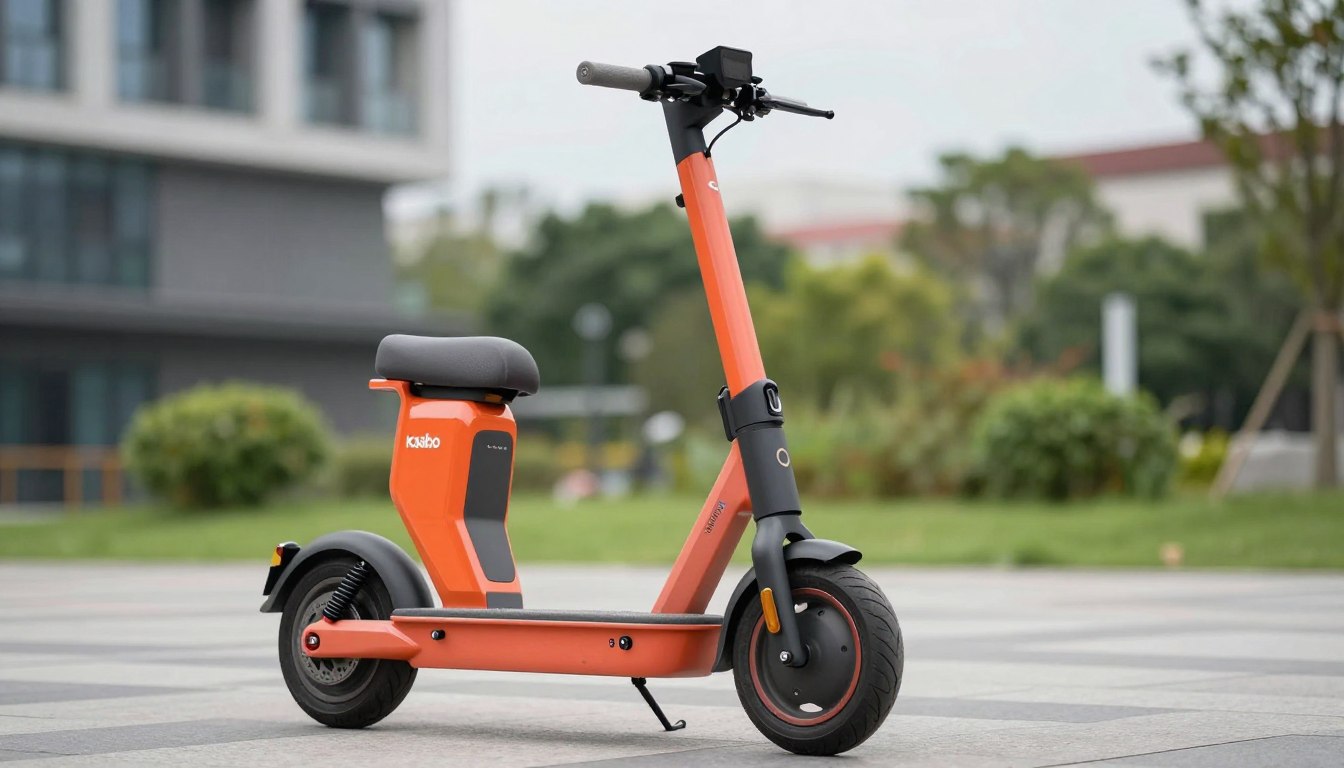
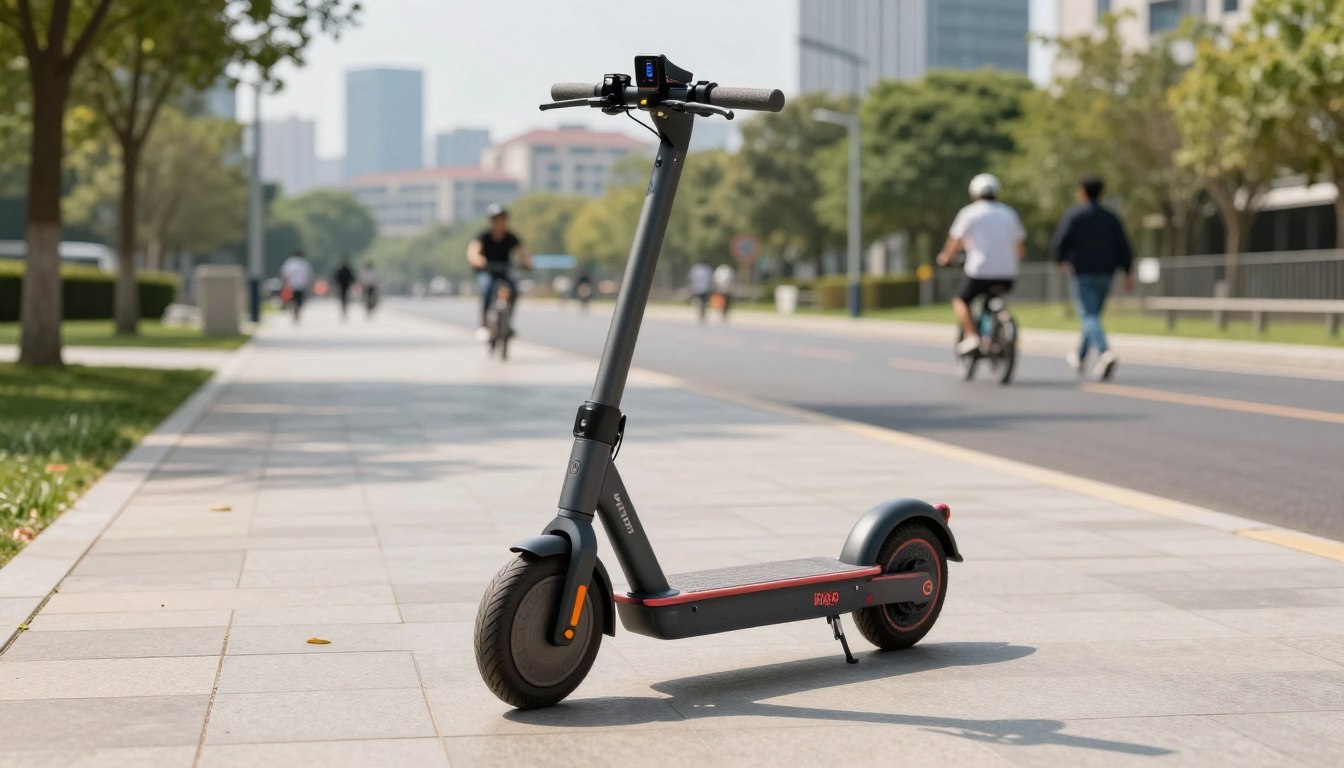
The guide opens with a clear view of what a kugoo electric scooter is built for: reliable commuting, short trips, and practical fun for adults who want simple, daily transit. It explains features, offers review-style evaluations, and gives a buying guide so U.S. shoppers can pick the right ride fast.
Expect a practical comparison of motor output, real-world speed feel, comfort, controls, and ownership factors like warehousing and service. The brand started in Zhejiang in 2017 and now keeps overseas stock across Europe, Russia, and Dubai to speed deliveries and support.
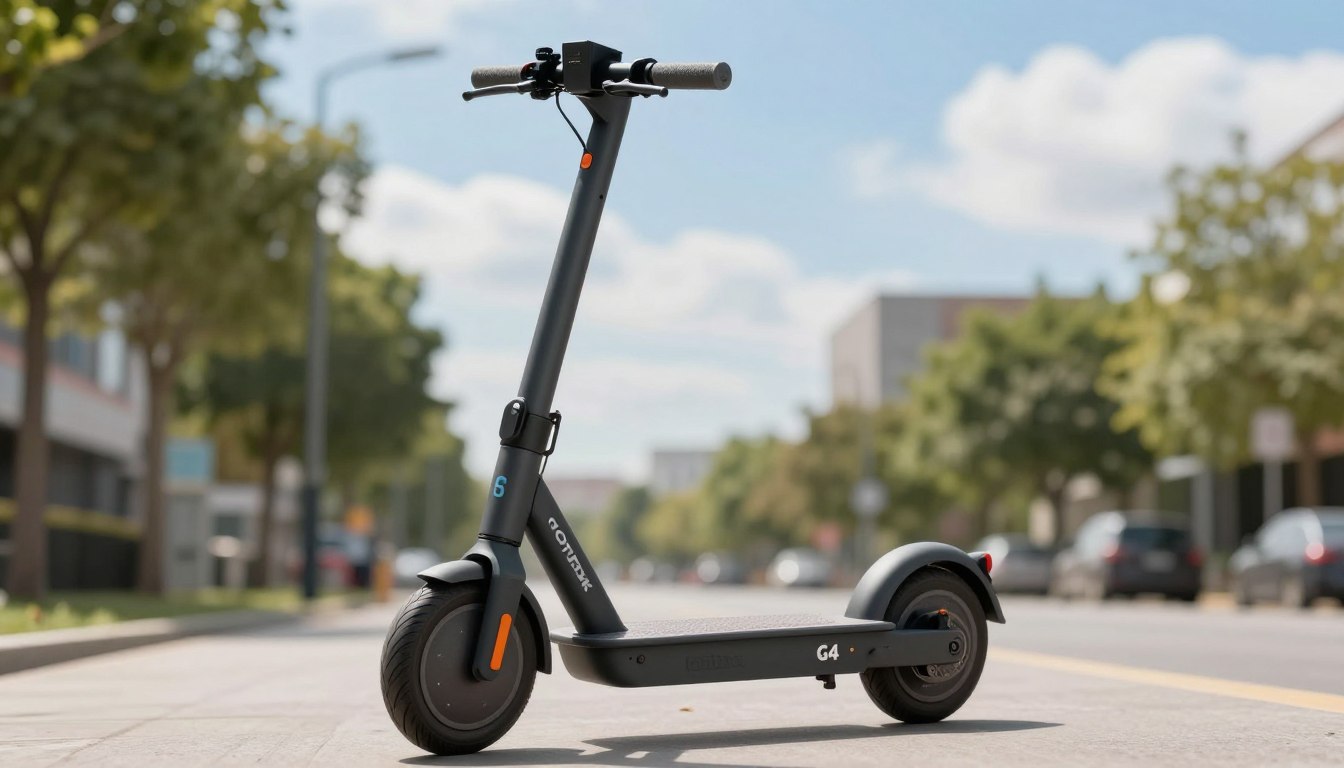
Readers will learn why listings show both “Kugoo” and “KuKirin” names, how to read specs beyond raw motor and speed numbers, and why the “Max” label often means higher claims that need full spec checks. For a hands-on look, see the Kugoo G2 review for a model example aimed at U.S. streets.
Key Takeaways
- Designed for daily commutes and short trips with a focus on ride practicality.
- Guide covers features, reviews, and a clear buyer checklist for the U.S.
- Compare motor claims with real speed, range, and comfort data.
- “Kugoo” vs “KuKirin” reflects trim and listing differences to watch.
- Verify “Max” specs by checking the full spec sheet and ownership notes.
Why the kugoo electric scooter stands out for everyday rides and commuting
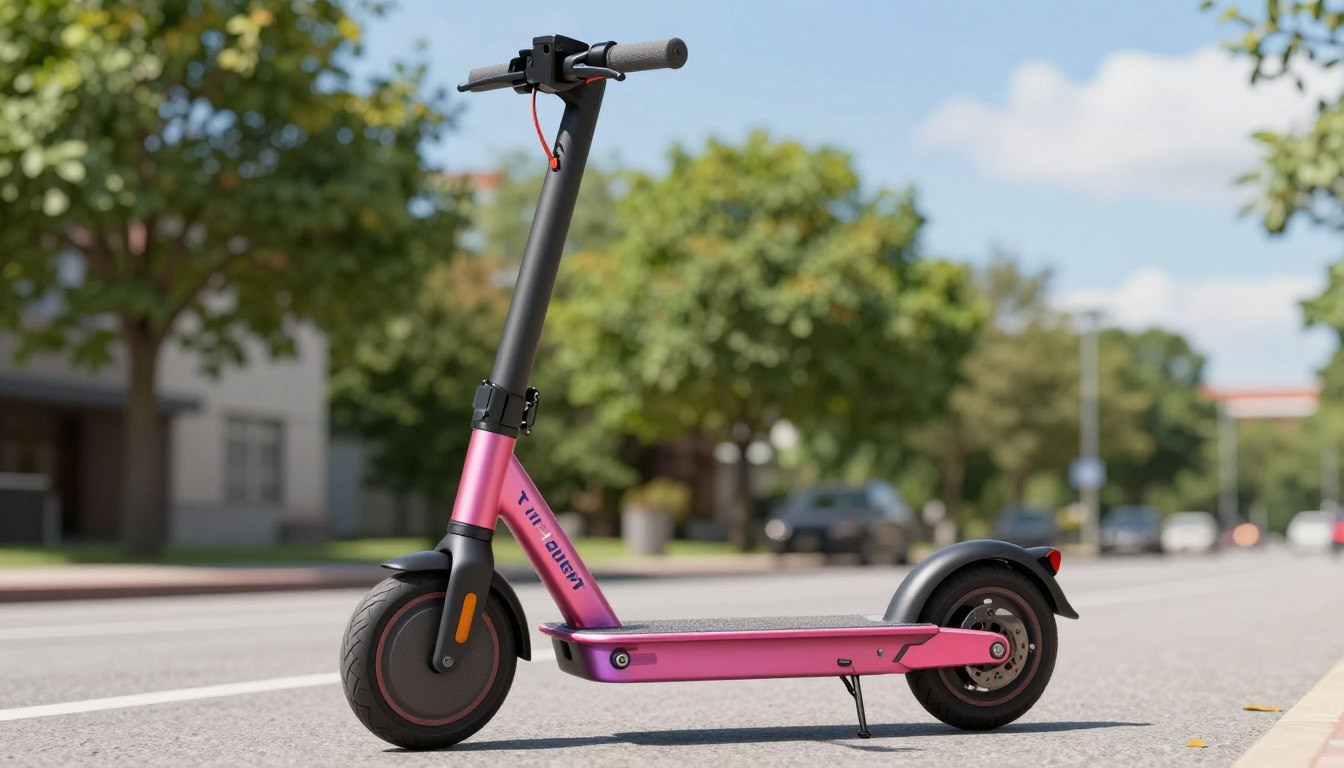
For daily riders, a well-balanced city model cuts traffic stress and folds away at home. These compact units reduce commute friction, speed up short trips, and take less storage space than many larger alternatives.
Commuter wins include steady start-up torque from the motor, predictable speed control in traffic, and stable handling on typical city pavement. Smooth acceleration and responsive braking build rider confidence more than peak numbers do.
Range varies with rider weight, hills, and stop-and-go use, so riders should plan a buffer instead of trusting max claims. Ease of use also matters: intuitive controls, a readable display, and a comfortable stance make repeat rides simple and reliable.
- Performance to trust: consistent motor torque and steady top-end speed.
- Daily comfort: clear dash, simple controls, and firm braking.
- Purchase confidence: look for free 3–5 day shipping, a 14-day return policy, and SSL-secured checkout before committing.
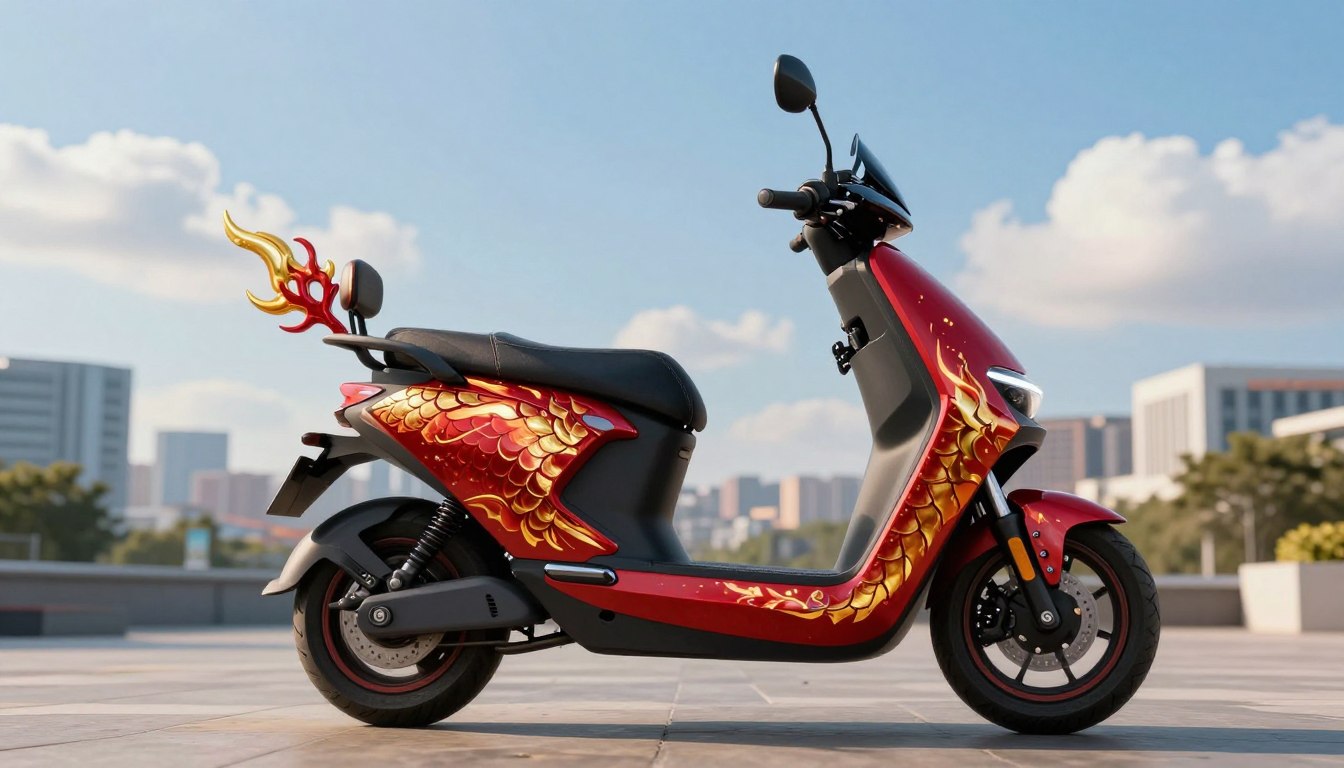
The lineup suits different riders—lightweight commuters, higher-speed models, and dual-motor types—so the best commuting choice matches terrain and routine. For a closer model comparison, see the detailed review.
Key features and performance to look for in Kugoo and KuKirin-style electric scooters
Smart shoppers focus on torque delivery, battery math, and usable comforts rather than headline numbers.
Motor power and hill-climbing ability for city streets
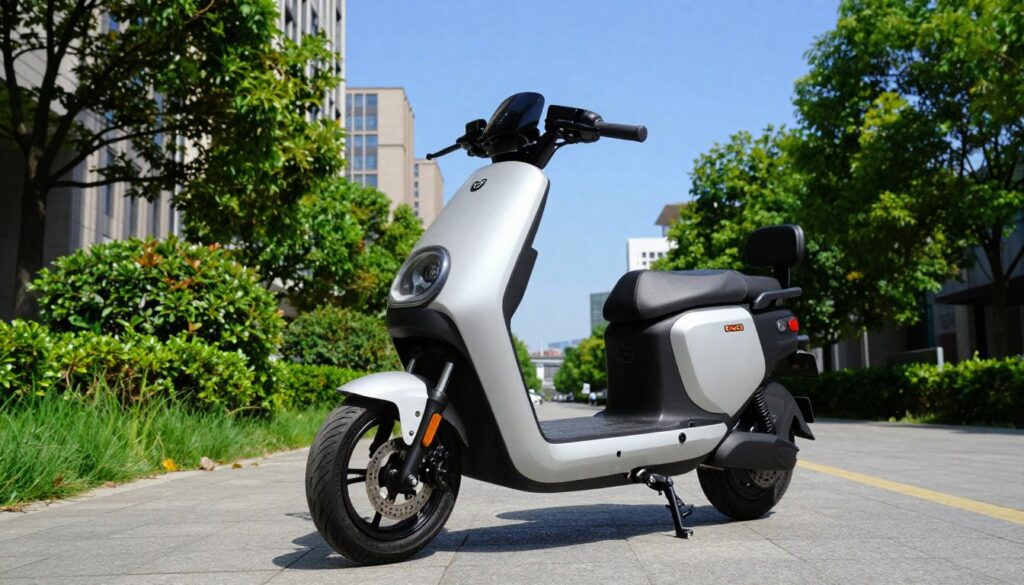
Motor wattage is a starting point, but torque and controller tuning shape real hill performance. A listed 1000W motor can deliver strong starts and steady climbs when paired with good gearing and traction.
Match motor output to terrain: flat city commutes can favor efficiency, while steep routes need higher sustained torque and reliable traction.
Battery setup and range expectations, including 48V options
A 48V battery often means steadier power under load and a stronger feel when accelerating uphill. Riders should compare voltage × amp‑hours to estimate capacity, not just marketing miles.
Expect range to drop with higher speed, heavier riders, and frequent climbs. Plan a 20–40% buffer under claimed range for real commuting use.
What “Kukirin Max” and similar names usually signal
Max trims commonly add a bigger battery, higher motor output, or upgraded comfort parts. Still, buyers must verify each spec—names alone don’t guarantee performance.
Ride comfort features that matter on longer trips
Comfort affects real performance. Look for suspension, larger tires, roomy deck space, and a supportive seat when trips exceed short commutes.
Dashboards and controls for real-time tracking
A clear display with speed, mileage/odometer, battery condition, and ride mode helps riders manage range and pace. Real‑time feedback reduces range anxiety and supports efficient riding.
Range and torque example: KUKIRIN G2 Max highlights
The KUKIRIN G2 Max pairs a 1000W motor with a 48V 20Ah battery and claims up to 80 km range and 30° hill climbing. It illustrates how a “Max” model bundles higher motor torque, larger battery, and a smart dashboard to support longer commutes.
- Check motor torque and controller tuning for real hills.
- Compare battery V × Ah to sanity‑check range claims.
- Prioritize comfort and a smart dash if daily distances are long.
Buying guide for shoppers in the United States
A clear buying plan helps U.S. shoppers match a model to their commute, budget, and local hills.
Start by listing how far they ride, how hilly the route is, and how often they store the ride at work or home.
Choosing the right style for rider and terrain
First-time commuters usually want a lightweight, easy-fold model with enough range for daily trips.
Longer-distance riders should favor higher battery capacity and a comfortable deck. Hill-route riders need stronger motor output and good traction.
Price expectations and value by tier
- Under $499: basic commuter features and modest range—good for short flat routes.
- Under $999: better balance of power, comfort, and useful range for regular city use.
- Under $1,999: premium performance, longer range, and upgraded brakes or suspension.
When a kukirin max or a max electric scooter label matters: choose the trim if they need extra range, higher speed, or heavier rider capacity.
Checkout, payment, and delivery considerations
Look for SSL-encrypted payments and clear tax/shipping info before placing an order. Some retailers list 0% financing; read terms carefully.
Confirm stock and shipping windows (many offer free 3–5 working day delivery) and check the 14-day return policy and warranty (up to two years) for peace of mind.
For a U.S. price navigator and buying checklist, see the detailed guide: Buy Electric Scooter For Adults Under.
Buy with confidence: delivery, warranty, and brand credibility that support the purchase
A confident purchase starts with clear delivery dates, a usable return window, and a warranty that matches the price.
Buyers should expect free shipping in 3–5 working days where offered and confirm carrier handoff plus tracking availability. Ask about a 14‑day money‑back return window and read warranty terms closely; many sellers list up to a two‑year warranty (terms apply).
Secure checkout matters: insist on SSL‑encrypted payments and clear tax/shipping totals before payment.
Brand credibility helps. The brand began in 2017 and supports overseas warehouses in Europe, Russia, and Dubai (about 35,000 sqm), which supports parts and service for U.S. buyers.
Final checklist: confirm the exact model/trim (especially kukirin max), verify motor, speed modes, and battery specs, and note post‑purchase support steps. For a model and service guide, see the brand product guide.
FAQ
What makes the Kugoo electric scooter good for everyday rides and commuting?
It combines a sturdy frame, reliable motor performance, and user-friendly controls suitable for daily trips. Riders appreciate quick acceleration for city traffic and compact folding designs for easy storage. Battery life and ride comfort also play key roles in its commuter appeal.
How powerful should the motor be for city streets and hills?
For urban use and moderate hills, a motor between 350W and 800W works well. Higher wattage improves hill-climbing and acceleration, while mid-range motors balance efficiency and battery life. Riders who tackle steep grades regularly should opt for the stronger end of that range.
What battery setup and range can buyers expect, and how does a 48V option help?
Typical setups use lithium packs that range from compact units for short commutes to larger 48V systems for extended rides. A 48V pack usually delivers better sustained power and a longer real-world range, making it a smart choice for riders seeking reliable daily mileage.
What do names like “Kukirin Max” or “max electric scooter” usually indicate?
Labels with “Max” commonly signal upgraded components: a bigger battery, stronger motor, improved suspension, or higher top speed. They target riders who want extended range, greater torque, or enhanced load capacity.
Which ride comfort features matter most on longer trips?
Look for good suspension, pneumatic tires, a roomy deck, and ergonomic handlebars. These features reduce vibration and fatigue over distance. Seat-optional models and adjustable stems further improve comfort for extended rides.
What dashboard and control features help with speed, mileage, and battery tracking?
A clear digital display that shows speed, remaining battery percentage, trip distance, and mode selection is essential. Integrated Bluetooth or app connectivity can offer route logs and firmware updates for better long-term management.
Can you give an example of range and torque in a higher-performance model like the KUKIRIN G2 Max?
Higher-performance models typically pair a robust motor with a larger battery, offering extended ranges and strong low-end torque for hill starts. Expect noticeable improvements in acceleration and carrying capacity versus base models.
How should shoppers choose the right style for rider and terrain in the United States?
Assess commute distance, surface types, and storage needs. Compact foldables suit short, mixed commutes and multi-modal trips. Heavier, suspension-equipped models suit rough roads and longer distances. Balance portability against performance requirements.
What price ranges should buyers expect, from under-9 to premium tiers?
Entry-level units under-9 offer basic commuting features and limited range. Mid-tier models add better batteries, motors, and comfort for everyday use. Premium options include high-capacity batteries, powerful motors, and advanced suspension for longer rides and heavier loads.
What checkout and payment considerations matter when buying online?
Verify secure SSL-encrypted payment pages, read return policies, and check shipping costs. Use reputable payment methods and save order confirmations. Confirm warranty terms and any taxes or import fees before completing the purchase.
What should buyers look for regarding delivery, warranty, and brand credibility?
Choose sellers with clear delivery timelines, reliable tracking, and transparent return windows. A solid warranty covering the battery and motor for at least one year is ideal. Look for verified customer reviews and responsive customer support to ensure post-purchase help.