Review: Kaabo Wolf Warrior Electric Scooter for Adults
 PopScooter Team
December 8, 2025 9:08 am
.
11 min read
PopScooter Team
December 8, 2025 9:08 am
.
11 min read
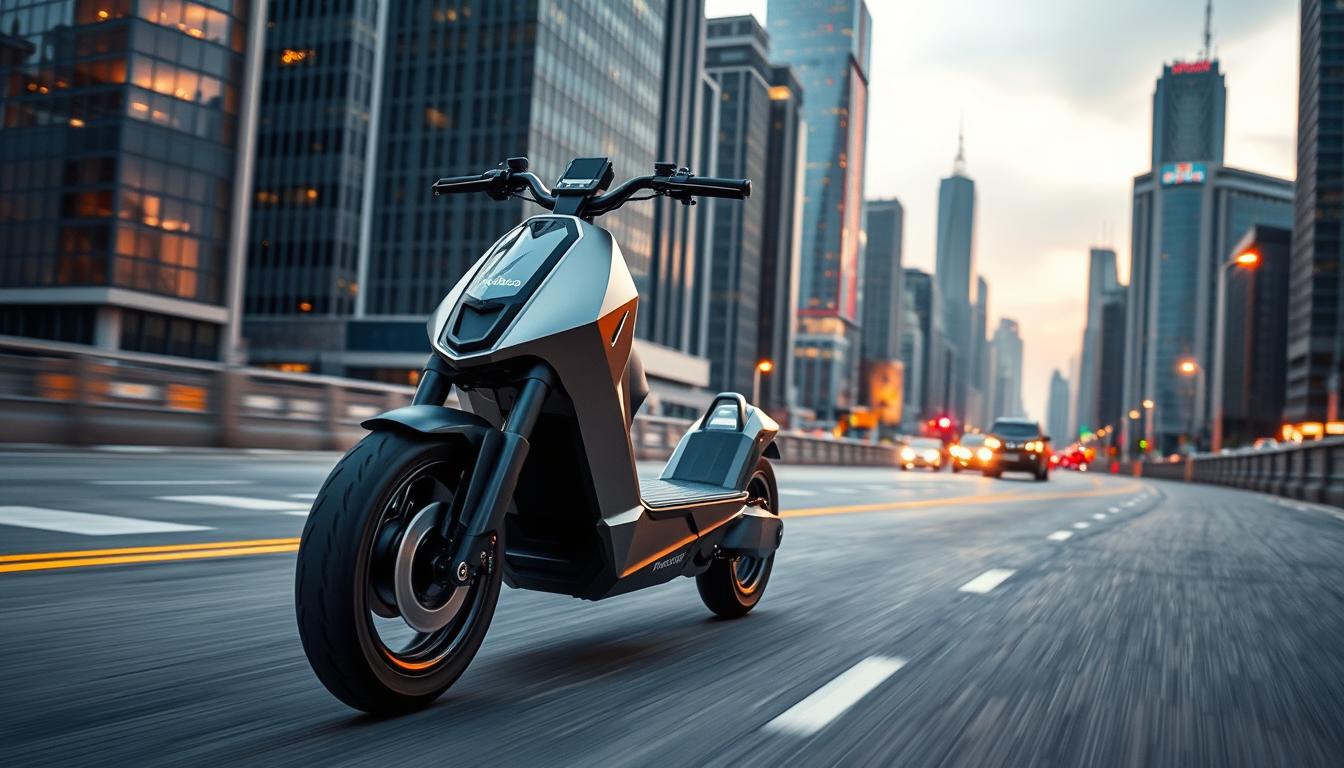
Can a single scooter truly blend 50 mph top speed with nearly 100 miles of real-world range? That question cuts to the heart of what many buyers want: thrilling speed without sacrificing daily practicality.
This review gives a clear, no-fluff look at the Kaabo Wolf Warrior and how its headline specs affect riders on U.S. streets. It explains the dual 1200W motors, strong controllers, and aviation-grade frame that together shape on-road performance.
Readers will see how the quoted range—up to 93 miles in eco mode for a 165 lb rider—translates to mixed commutes and weekend rides. It also covers the 50 mph top end and what that means for safety, stopping power, and control.
Expect a concise overview of weight, folding size, braking, suspension, and cockpit features so shoppers can decide if this scooter fits their needs and garage setup.
Meet the Wolf: Who the Kaabo Wolf Warrior Is For
For buyers seeking a serious motor electric scooter that balances power with practicality. This model targets riders who need a high load capacity and a stable platform for daily use and weekend exploring.
The scooter supports up to 330 lbs, so heavier riders get confidence from a solid chassis and roomy deck. Smaller riders benefit too; the stout design improves handling and reduces twitch at speed.
Large 11-inch tires and strong hill-climb ability make mixed terrain—from steep streets to light trails—more manageable. Commuters who want weekend off-road flexibility will like the dual-purpose approach.
- Safety-focused riders will value predictable braking and suspension travel.
- Practical buyers will appreciate durable parts and easier maintenance paths.
- Cross-shoppers get a clear view of where this electric scooters sits among performance models.
Finally, note the weather caveat: the brand recommends avoiding rain or snow to protect electronics and longevity. That guidance matters for anyone who plans frequent wet-weather rides.
Kaabo Wolf Warrior Performance & Power
Performance defines this model: it pairs hefty motor output with controllers tuned for fast, steady acceleration. The setup balances raw power with usable speed for daily riding and longer runs.
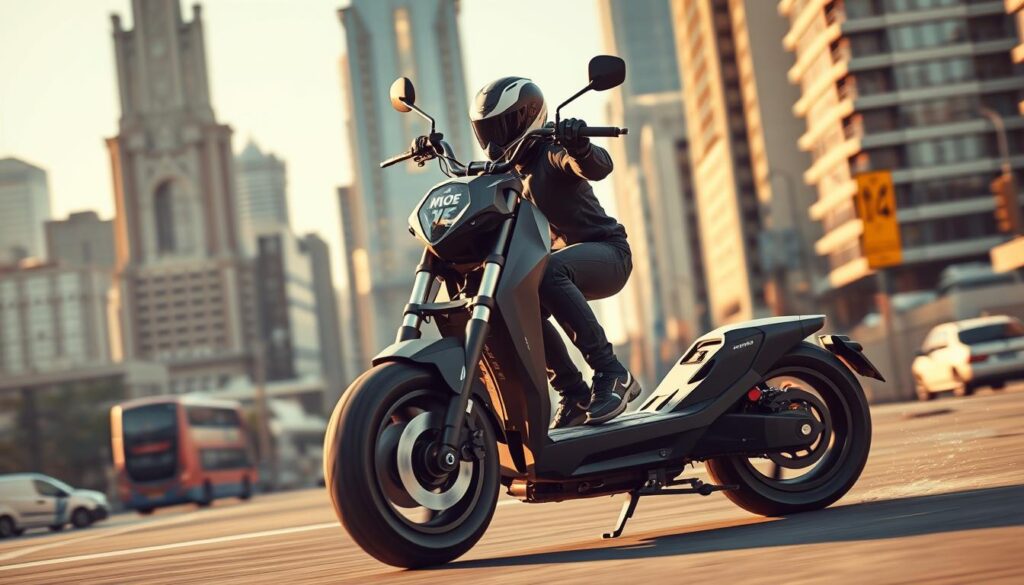
Dual motor options and controller strength
The 11 Pro+ uses dual 1200W motors with Minimotors 60V 40A x2 controllers. That arrangement delivers confident launches, strong hill pull, and stable mid-range speed.
The 11 MAX steps up to dual 1500W motors and 60V 50A x2 controllers for more headroom and higher max power.
Top speed, acceleration, and real-world range
The Pro+ reaches up to 50 mph, offering brisk acceleration that feels composed thanks to a stiff frame and tuned suspension. Riders will notice quick responses off the line and steady high-speed cruising.
Under eco testing (165 lb rider, ~15 mph on flat ground) range can reach up to 93 miles, which shows best-case endurance rather than everyday numbers.
Climbing ability and load support
This scooter handles steep grades — rated to tackle up to 45° slopes — and supports up to 330 lbs. That mix of torque and capacity makes it a solid pick for heavier riders or hilly commutes.
- Dual motor layout for sustained speed
- 60V controllers that prevent voltage sag under load
- Choices let riders prioritize top speed or long-range performance
Ride Quality, Suspension, and Braking Confidence
Real-world control relies on tuned suspension, reliable tires, and responsive stopping. The ride feel is built to keep the scooter steady at speed and calm over rough pavement.
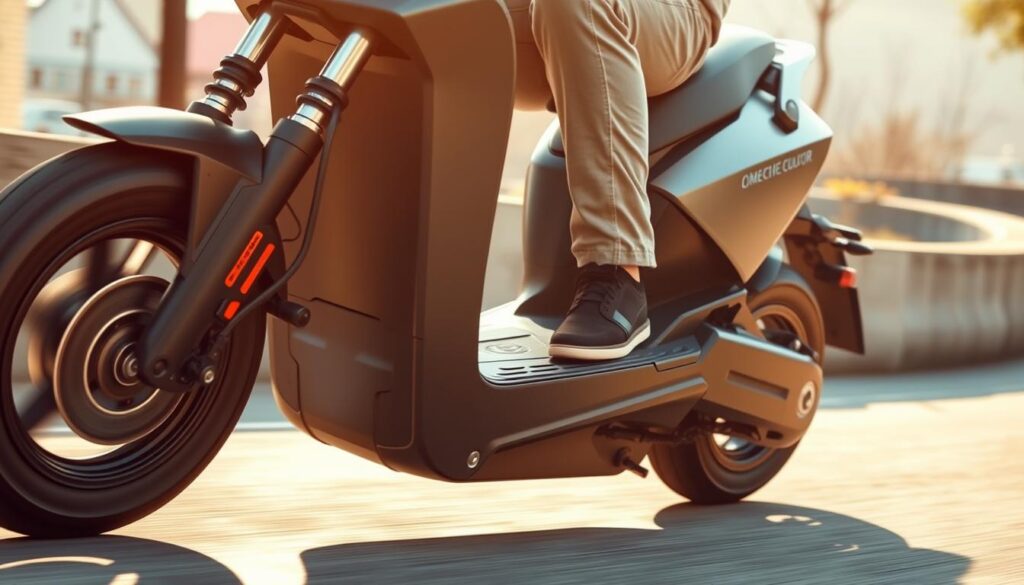
Front hydraulic fork and rear adjustable shock absorber
The front hydraulic fork soaks up impacts and reduces wobble in turns. On the Pro+ the rear uses a C-type spring for firm, predictable support.
The MAX upgrades to a patent front hydraulic fork plus an adjustable rear hydraulic shock with up to 18 damping levels. Riders can tune rebound and compression to suit weight and surface.
Tire choices: 11-inch tubeless street or off-road
Eleven-inch tubeless tires are offered in street or off-road patterns. Street rubber lowers rolling resistance for urban commutes.
All-terrain CST vacuum tires on the MAX add bite for gravel without destroying on-road grip. Tubeless construction also improves puncture resistance.
Hydraulic disc brakes with ABS/EABS for controlled stops
Both models use 160 mm hydraulic disc brakes that deliver strong initial bite and good modulation. The Pro+ pairs with ABS, while the MAX adds EABS for extra control.
Rear hydraulic brake feel is consistent under load, helping riders scrub speed predictably from higher pace or mixed terrain.
- Suspension tuning and tire choice keep the deck settled.
- Hydraulic systems improve comfort and braking precision.
- These parts combine to preserve stability at higher speed on varied surfaces.
For those who want full specs and options, see the detailed specs page at detailed specs.
Frame, Weight, and Portability
A scooter’s structure sets the tone for ride confidence and long-term use.
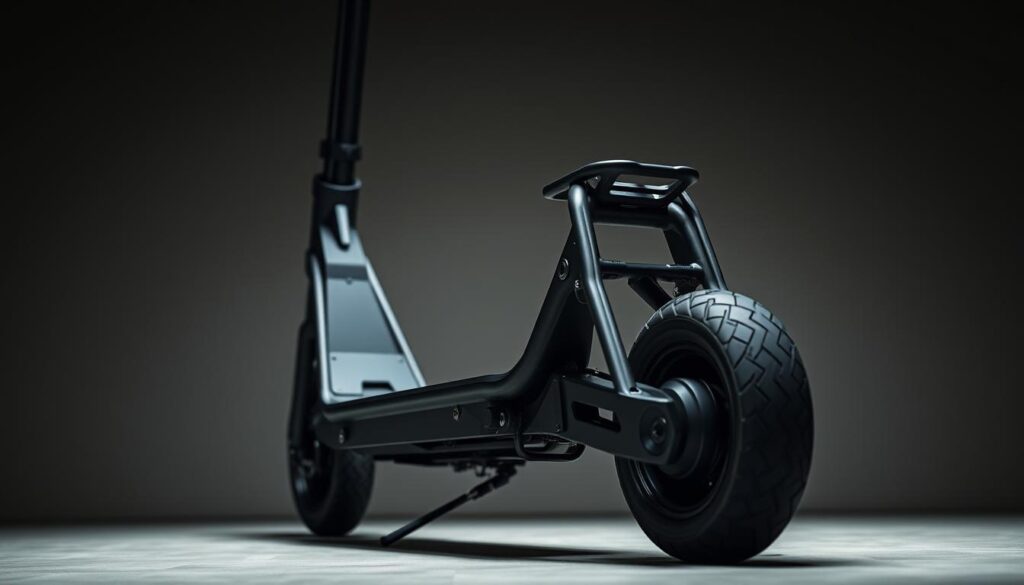
One-piece forged T6082 aviation-grade aluminum on the Pro+ gives the frame notable stiffness and durability. That build supports heavy loads and repeated high-speed riding without flexing.
Rugged stem and structural choices
The stem resists flex under hard braking and over bumps. This design keeps steering precise and reduces the chance of creaks when maintained.
Size, folded footprint, and the 101 lb reality
Open dimensions are 49.6 × 25.9 × 49.2 inches; folded it becomes 59 × 23.6 × 18.8 inches. The Pro+ net weight is 101 lbs, so it is not a grab-and-go unit, but it lifts into an SUV with two people or fits many trunks.
- Material choices: MAX variants use 6061/6082 aluminum alloys in key areas for added strength.
- Portability trade-off: Heavy frames increase stability and safety margins at speed.
- Practical note: plan for weight when storing or transporting the scooter.
Battery, Charging, and Controls
Long rides need more than strong motors — they need smart power and easy controls. The Wolf lineup offers high-capacity 60V packs and a choice of cockpit hardware to match different rider routines.
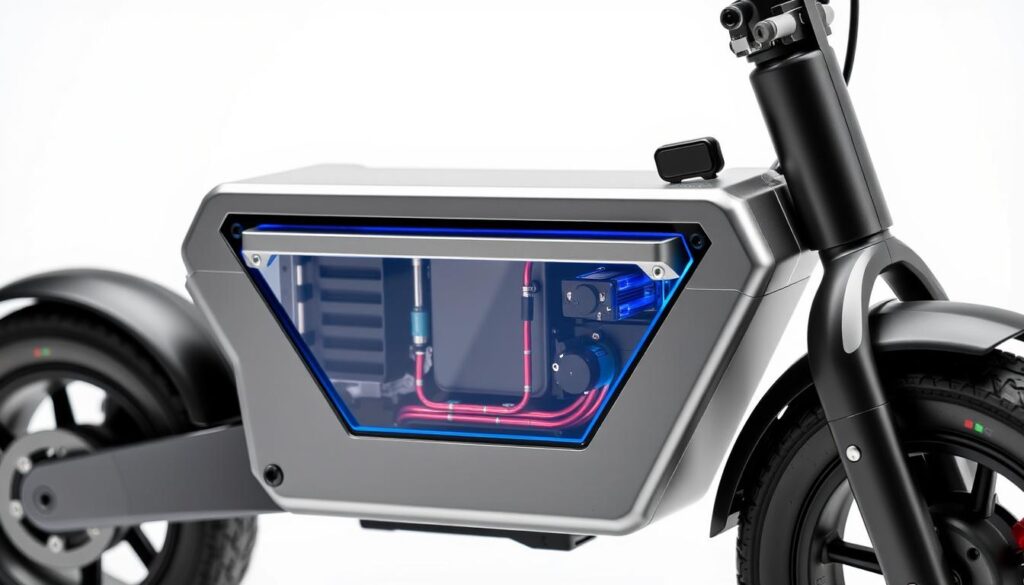
60V high-capacity packs
The 11 Pro+ uses a 60V 35Ah pack built from LG MJ1 18650 cells. That battery delivers the long range riders expect while keeping weight manageable.
The 11 MAX steps up to a 60V 36Ah sealed lithium pack in an aluminum case with a carry handle for easier swaps and transport.
Charging times and flexibility
Charge time varies by charger count. The Pro+ charges on a 67.2V 2A charger in about 17.5 hours single, or roughly 8 hours with two chargers.
The MAX supports dual 1.75A chargers (~10 hours) or fast dual 5A charging for roughly 3.5 hours — useful for minimal downtime between rides.
Displays and throttle
Pro+ uses the familiar Minimotors EY3 display. The MAX adds a central display with NFC unlock and a 2A USB port (IPX7). The MAX’s custom switchgear and thumb throttle make mode changes intuitive even with gloves.
- Battery capacity choices balance range and weight.
- Dual-charger options cut charge time for faster turnaround.
- Clear display and responsive throttle help riders manage power on this electric scooter kaabo model.
Maintenance, Durability, and Everyday Use
Smart upkeep keeps performance high and surprises low. A few quick checks before each ride protect components and preserve long-term durability.
Service-friendly connectors: The 11 MAX uses external waterproof connectors that let owners disconnect motor leads for easier motor removal and tire swaps. That saves time and reduces the risk of wiring errors during routine work.
Visibility and audible safety
Both models focus on lighting. The Pro+ offers LED lights and a motorcycle-style horn to increase presence in traffic. The 11 MAX adds front and rear driving LEDs, a chassis light, and a front spotlight for clearer night visibility.
Water exposure and care
The brand advises avoiding rainy or snowy riding to protect electronics, the battery, and mechanical parts. Regular cleaning, dry storage, and corrosion checks extend life and keep starts reliable.
- Check tire pressure and inspect tires for wear before rides.
- Monitor brake pad life and fastener tightness after varied terrain use.
- Use the rear adjustable shock absorber to tune comfort and keep the wheel planted under load.
For a short maintenance checklist and step-by-step tips, see maintenance tips that help riders keep these scooters ready for daily use.
Is the Kaabo Wolf Warrior Worth It Today?
Is the Kaabo Wolf Warrior worth it today? For riders who want genuine top speed and long range in one package, the answer leans yes. The lineup pairs high-mph capability with substantial battery packs and dual motor setups to deliver real-world performance.
Practical strengths include stout hydraulic suspension, reliable brakes, and 11-inch tires that balance urban ride and trail use. The Pro+ hits up to 50 mph and long eco range, while the MAX adds more motor power, faster charge options, and an adjustable shock for fine-tuned suspension.
Overall, this electric scooter suits heavier riders and speed-focused commuters who accept a heavier frame in trade for stability, stopping confidence, and lasting range.
FAQ
What are the main motor and power options on the Wolf Warrior electric scooter?
The scooter comes with dual motor configurations, typically offered in 1200W x2 up to 1500W x2 options. These dual-motor setups deliver strong acceleration and high top-end power, suitable for riders who need rapid acceleration, hill-climbing ability, and higher cruising speeds on varied terrain.
How fast can this electric scooter go and what affects top speed?
Top speed can reach up to about 50 mph under ideal conditions with powerful 60V controllers. Actual speed depends on rider weight, battery charge, terrain, tire type, and local regulations. Using aggressive tire treads or carrying heavy loads will reduce maximum speed.
What range can riders expect on a single charge?
Real-world range varies with riding mode, rider weight, terrain, and battery size. In eco conditions, riders might approach the upper range estimates — around 60–90 miles with the largest 60V packs; aggressive riding or hills will drop that number significantly. Dual chargers and conservative riding extend usable range between stops.
Can it handle steep hills and heavy riders?
Yes. The scooter is designed to tackle steep gradients and can climb slopes up to around 45° in optimal conditions, thanks to the dual motor layout. Load capacity supports heavier riders up to roughly 330 lbs, but steep climbs at high speeds will reduce range and may require lower gearing or controlled throttle use.
What suspension and shock components improve ride comfort?
The scooter uses a front hydraulic fork combined with a rear adjustable shock absorber. This pairing helps smooth out rough city streets and trail ruts, and riders can tune the rear absorber for weight and riding style to get better control and comfort over mixed terrain.
What tire options are available and how do they affect performance?
Riders can choose 11-inch tubeless street tires for lower rolling resistance and smoother asphalt rides, or off-road tires for better grip on dirt and gravel. Street tires favor top speed and range; off-road tires boost traction and durability but slightly lower range and top speed.
How effective are the braking systems on this scooter?
Braking is handled by hydraulic disc brakes, often paired with ABS or EABS systems for controlled stops and reduced wheel lock-up. This setup provides reliable stopping power for a high-performance electric scooter, even when descending steep grades or riding at high speeds.
Is the frame durable and how portable is the scooter?
The frame is built from aviation-grade aluminum with a rugged stem design, offering a strong, corrosion-resistant structure that balances weight and durability. However, the scooter’s robust build means its real-world weight hovers around 100–105 lbs, so portability is limited — folding helps for short carries but it’s not ideal for long stair hauls or frequent public transit.
What battery options and charging times are available?
Battery choices center on 60V high-capacity packs in the 35Ah–36Ah range. Charging times depend on the charger: a single standard charger may take several hours, while a dual-charger setup significantly reduces turnaround time. Using the right charger and charging strategy improves battery life and daily usability.
What display and control options come with the scooter?
Common displays include the Minimotors EY3 and the brand’s central display with NFC and USB ports. These provide clear ride data, mode switching, and sometimes smartphone pairing. The throttle and controls are designed for responsive input and configurable ride modes for different rider needs.
How easy is maintenance and motor/tire servicing?
Maintenance is simplified by external waterproof connectors and accessible motor mounts, which make tire swaps and motor service easier. Regular checks on brake pads, hydraulic lines, and suspension settings keep performance reliable. Routine cleaning and lubrication prolong component life.
What lighting and visibility features enhance safety?
The scooter includes built-in front and rear lights, daytime running LEDs, and a horn for audible alerts. These features improve visibility in city traffic and on trails. Riders should supplement with reflective gear and helmets for added safety during low-light rides.
How water-resistant is the scooter and what care is required after wet rides?
The scooter offers decent protection against splashes and light rain, but prolonged water exposure or deep submersion can damage electrical components. After wet rides, riders should dry connectors, inspect seals, and avoid soaking the battery compartment. Regular maintenance prevents corrosion and preserves performance.
Is this high-performance scooter worth buying today?
For riders seeking high speed, strong climbing ability, and robust suspension for mixed urban and off-road use, the scooter delivers compelling performance and durability. Prospective buyers should weigh portability needs, local speed regulations, and maintenance costs. Those prioritizing range, power, and ride quality will find strong value here.