Discover the Iqube Electric Scooter: Specs and Benefits
 PopScooter Team
December 18, 2025 2:58 am
.
23 min read
PopScooter Team
December 18, 2025 2:58 am
.
23 min read
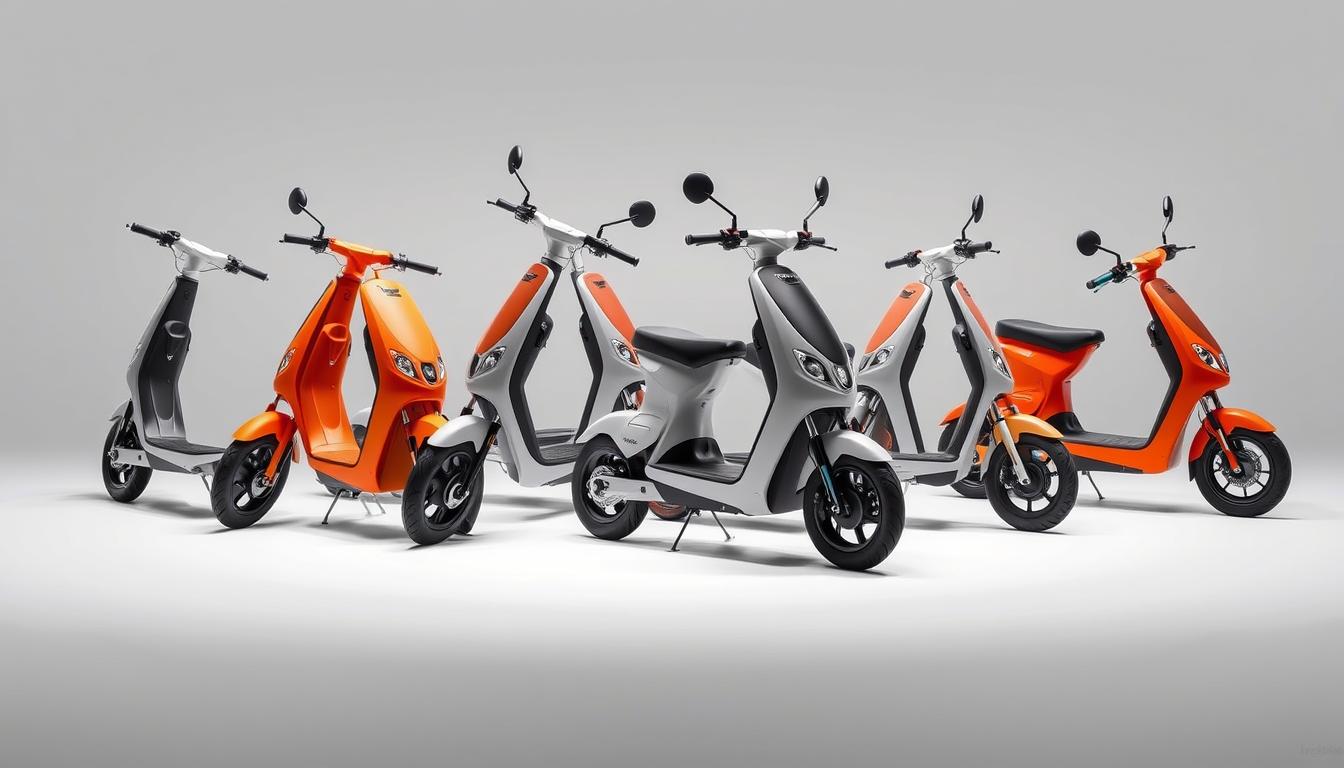
Can a modern urban ride deliver long range, brisk acceleration, and low running costs without sacrificing everyday practicality? This guide introduces the tvs iqube family and teases the numbers that matter for city life.
The overview highlights headline figures: up to 212 km IDC range, top speed near 82 km/h, and 0–40 km/h in 4.2 seconds. It also notes the different iqube electric scooter variants and battery sizes that shift range and charging time.
Readers will learn which features and warranty terms support long‑term ownership. The section touches on battery capacity options, peak motor power, and under‑seat storage to set real‑world expectations.
It also previews price bands and service support so they can weigh total cost versus convenience. By the end of this short intro, the reader sees why the iqube electric lineup aims to balance quiet performance with familiar scooter practicality.
Why this Buyer’s Guide to the TVS iQube matters right now
As more trims and battery options arrive, a clear buyer’s guide saves time and prevents costly mistakes.
TVS has expanded the range to six variants with battery packs that deliver IDC ranges from 94 km to 212 km. Charging times now span from 2 h 45 m to 4 h 40 m, so knowing which model fits daily miles is crucial.
City traffic makes instant torque and quiet operation a real advantage for short hops. This guide shows how to match battery capacity and features to budget and routine, so buyers avoid overpaying for unused range.
Readers will also learn why charging approach and home socket compatibility matter before purchase. Warranty terms, Relationship Manager support, RSA, SmartXonnect, and OTA updates reduce ownership anxiety and add long-term value.
- What to compare: range, charging time, price, and service access
- When to buy: offers can change over the year
- Why connectivity counts: ongoing firmware updates and features
Quick specs at a glance for city traffic and daily rides
Here’s a short, easy-to-scan spec list that answers the most common city-ride questions.
Core performance: Peak motor output is 4.4 kW, with 0–40 km/h in about 4.2 seconds and a top speed up to 82 km/h (variant dependent).
Range and charging: IDC range spans 94–212 km across battery options. Typical 0–80% charging time runs from 2 h 45 m to 4 h 18 m using the 950W portable charger with a standard 15A plug.
- Under-seat storage: 30–32 liters — enough for a helmet and small groceries.
- Ride modes: Eco and Power let riders trade efficiency for brisk acceleration.
- Home-friendly: portable charger and 15A socket compatibility for easy overnight top-ups.
These quick specs show whether the iqube electric fits short urban commutes or longer daily loops. The tvs iqube lineup varies by battery size and riding style, so expect real-world range to differ from IDC figures.
iqube electric scooter
For families who value ease and low running costs, this city ride prioritizes comfort and practical tech.
TVS positions the iQube as a family-friendly EV that keeps daily life simple. It pairs familiar scooter ergonomics with a hub-mounted motor for smooth, low‑maintenance power delivery.
The package includes useful features such as reverse assist (Q‑Park Assist) and combined braking system hardware that boost confidence in tight parking and busy streets.
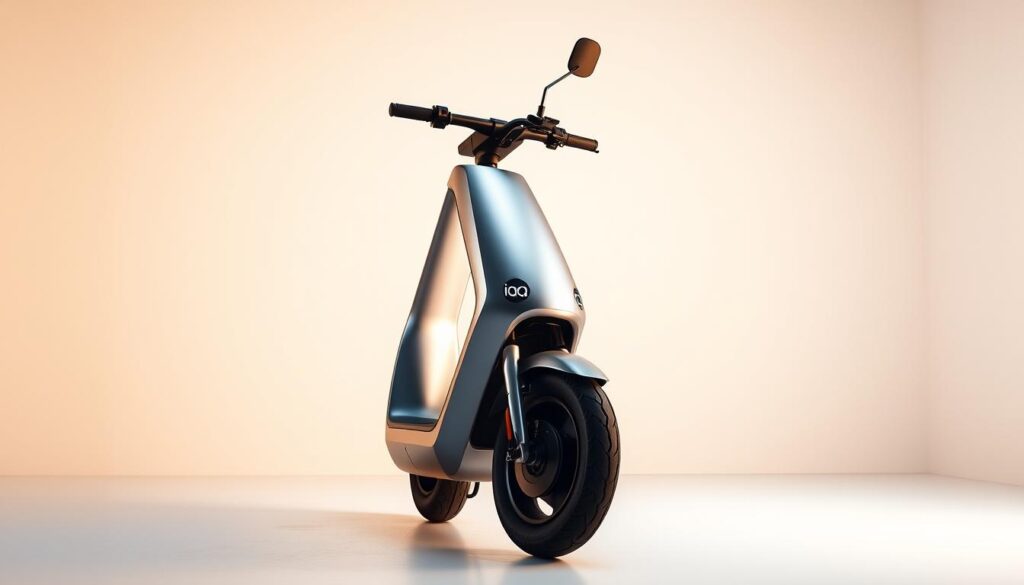
Connectivity is practical, not flashy: SmartXonnect and OTA updates deliver navigation, alerts, and small improvements over time. Public charging support across 2,000+ points and a plug‑anywhere home charger help keep ownership flexible.
- Balanced ride focus: comfort over aggressive sportiness
- Family-oriented features: storage, easy controls, and reverse assist
- Variants for different budgets and daily ranges
In short, the tvs iqube electric aims to be a reliable city companion rather than a niche gadget. Later sections break down battery sizes, range, and running costs in detail.
Meet the lineup: battery packs, variants, and who they fit
This lineup maps battery sizes and trims to real‑world needs so buyers can pick the right balance of range and features.
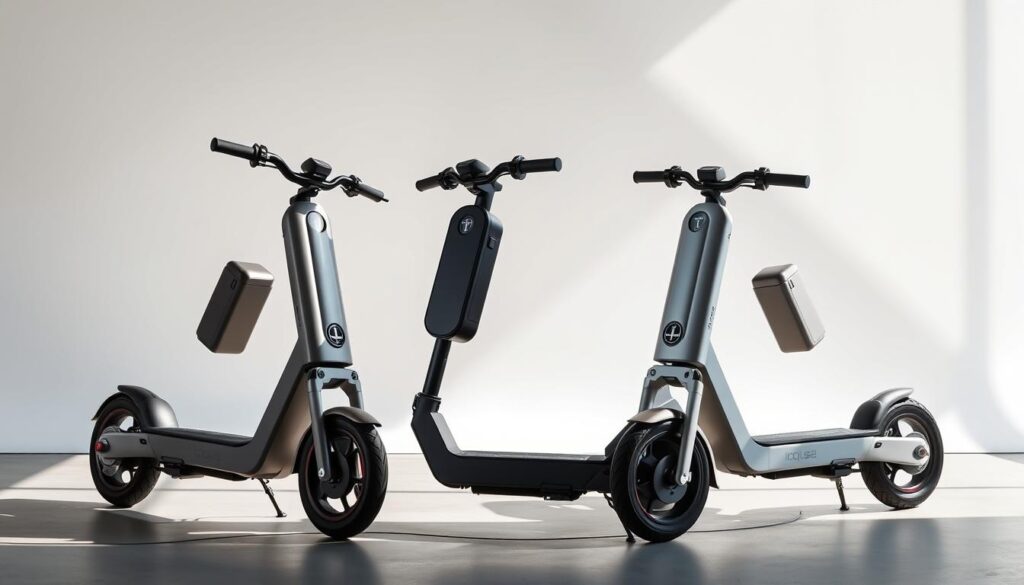
2.2 kWh, 3.1 kWh, 3.5 kWh, and 5.3 kWh: range and use cases
The 2.2 kWh pack offers an IDC range of about 94 km and suits short urban loops and daily errands.
The 3.1 kWh delivers roughly 123 km IDC range and is a solid mid‑city choice for mixed commutes.
The 3.5 kWh (and 3.5 kWh S/ST) targets riders who need about 145 km IDC range for longer daily routes.
The 5.3 kWh ST maximizes single‑charge distance with up to 212 km IDC range for long commutes or weekend runs.
Standard, S, and ST: feature differences
The Standard trim has a 5‑inch TFT display and up to 30 L storage. S and ST get a larger 7‑inch TFT, deeper SmartXonnect functions, and OTA updates.
Which trim comes with what: storage, screens, and ride modes
- Storage: 30 L base; up to 32 L on higher trims for a helmet or small bag.
- Displays: 5″ on base, 7″ on S/ST with richer navigation and alerts.
- Ride modes: Eco and Power across the range to trade efficiency and responsiveness.
Best pick for short, medium, and long city commutes
Short: 2.2 kWh for daily city hops. Medium: 3.1 kWh or 3.5 kWh for mixed routes. Long: 5.3 kWh ST for maximum single‑charge range.
Battery and charging: times, chargers, and where to plug in
Knowing how long batteries take to top up removes guesswork and keeps urban commutes smooth.
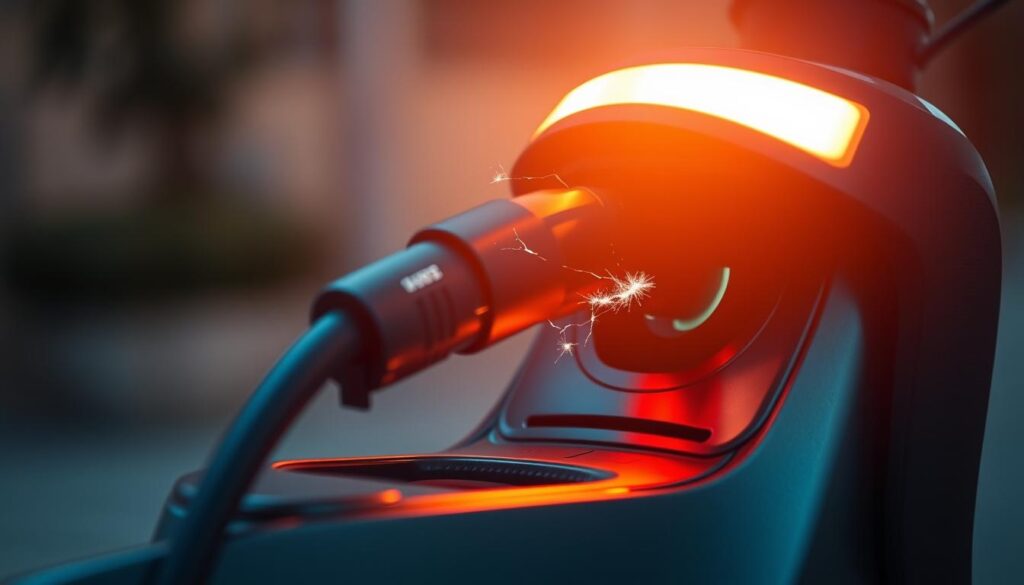
The 0–80% window varies by pack. The 2.2 kWh fills to 80% in about 2 h 45 m. The 3.1 kWh needs roughly 4 h 03 m. The base 3.5 kWh can take up to 4 h 40 m, while the S/ST 3.5 kWh trims reach 80% in about 3 hours. The 5.3 kWh finishes 0–80% in approximately 4 h 18 m.
Charger and plug basics
A 950W portable charger ships with the model and works with any standard 15A socket. It auto cuts off at 100%, which helps battery health. There are 2,000+ public charge points across cities, but note: no DC fast charging is supported.
- Smaller packs need fewer hours and minutes to top up; larger packs give longer range.
- Short, frequent top-ups fit urban routines and reduce range anxiety.
- Confirm plug access in parking spots; a dedicated 15A outlet makes overnight charging easier.
Practical tip — Riders of the tvs iqube should plan for home or workplace charging windows. These habits affect convenience and long‑term battery life.
Real-world range vs. IDC figures: what riders can expect
Official range comes from a lab; real streets, traffic, and weather write a different story.
IDC figures list 94–212 km, but independent tests usually show about 100–150 km for larger packs. City speed, frequent stops, hills, and a heavy rider plus cargo all cut the usable distance from a full charge.
Mode and throttle matter: Eco mode and smooth throttle extend range, while Power mode trades efficiency for punch. Regenerative braking can reclaim small amounts of energy in stop‑and‑go traffic.

Practical habits help. Riders who watch the distance‑to‑empty readout, keep tire pressure correct, and schedule a buffer avoid low‑battery stress near the end of the day.
- Plan for charging every few days with mid or large packs rather than daily.
- Expect variations by season and terrain; monitor patterns over weeks.
- Small maintenance gains add up to extra kms per charge.
The tvs iqube and the iqube electric models perform best when owners balance desired performance with realistic expectations about battery life and charging time.
Performance that’s quiet but quick
Immediate torque and a quiet drivetrain make city riding feel effortless from the first twist.
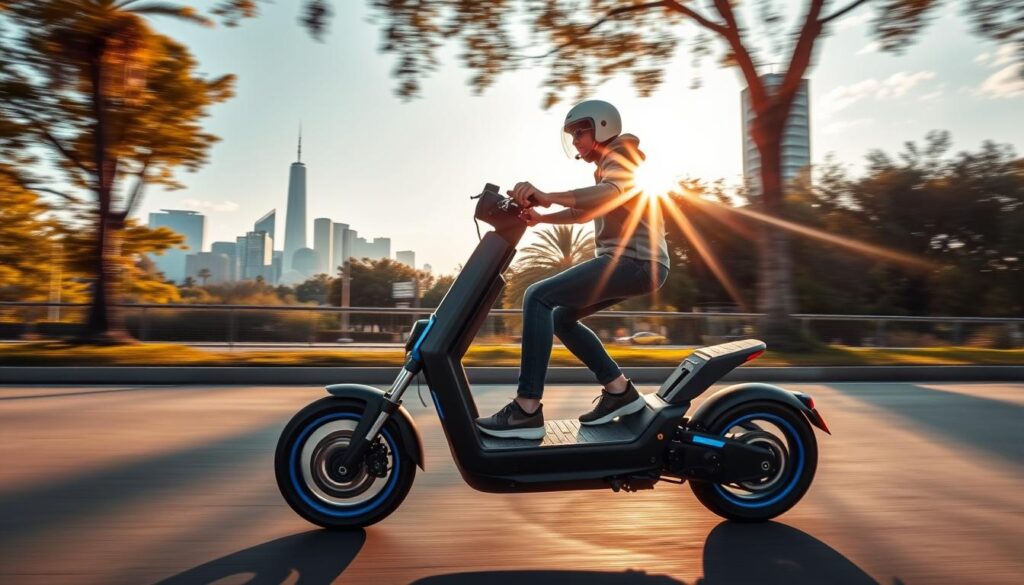
Peak output comes from a 4.4 kW hub-mounted motor. It launches to 0–40 km/h in about 4.2 seconds, a time that makes merges and overtakes simple and confident.
Top speed reaches up to 82 km/h on select variants. Two modes let riders choose behavior: Eco for extended range and Power for sharper throttle response.
- Near-silent operation reduces rider fatigue in dense traffic.
- Hub-mounted design cuts transmission losses and keeps maintenance low.
- Regenerative braking kicks in on throttle roll-off, smoothing deceleration and saving energy.
- Responsiveness feels livelier than many older ICE scooters, but remains approachable for new riders.
The tvs iqube and the iqube electric balance smoothness, stability, and usable power for everyday commutes. For handling and braking details, the next section completes the picture of ride confidence.
Ride, handling, and braking confidence
City streets reveal a ride’s true strengths; chassis tuning decides how confident a rider feels in traffic. The tvs iqube pairs telescopic front forks with twin rear shocks to balance comfort and cornering precision.
Wheels use 90/90-12 tires on 12-inch rims, which help the scooter stay stable yet nimble during lane changes. The setup soaks small bumps and expansion joints without unsettling the rider.

Braking feels predictable. A 220 mm front disc and 130 mm rear drum work with combined braking to give linear lever feel and steady stopping power. Regenerative braking complements the friction system during city slowing to reclaim a bit of energy and smooth deceleration.
The chassis tuning makes quick direction changes easy and reassures riders used to petrol scooters. Overall, the design emphasizes comfort and control rather than outright sportiness, making it a strong choice for commuting and errands.
Tip: A short test ride is the best way to confirm personal comfort, seating ergonomics, and the handling character for everyday use.
Design, build quality, and everyday practicality
A restrained design lets the TVS iQube blend into daily life while keeping practical details within easy reach.
Modern styling focuses on clean lines, LED lighting, and either a 5‑ or 7‑inch TFT display. The look is family‑friendly rather than flashy, which helps it fit many rider tastes.
The under‑seat storage measures about 30–32 liters. It holds a helmet and small daily items, but buyers should check fit for larger helmets or backpacks during a dealership visit.
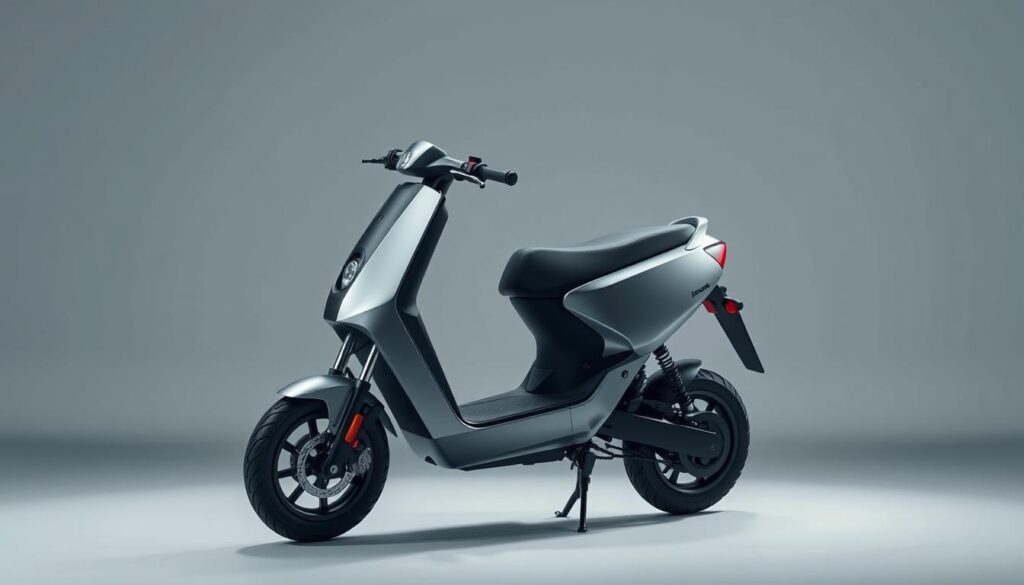
Material choices and panel alignment create a solid feel for most units. Third‑party reviews praise paint and switchgear feel, though some units show minor fit‑and‑finish variance.
Ergonomics favor easy step‑through mounting and a comfortable seat height near 770 mm. Thoughtful details include hazard lights, a boot light, and a USB charging port for daily convenience.
- Practical build: easy maintenance access and durable switchgear
- Everyday usability: friendly seating and sensible storage
- Perceived quality: generally good paint and feel, with occasional panel gaps
The overall design and build quality position the vehicle as a reliable, user‑friendly choice for families and commuters moving from petrol scooters to quieter, low‑maintenance scooters.
Smart features and connectivity riders actually use
Practical connectivity features often decide whether a vehicle fits a commuter’s real routine.
SmartXonnect packs daily helpers, not gimmicks. It links via Bluetooth for turn-by-turn navigation and call/SMS alerts, so riders keep their hands on the controls and eyes on the road.
The system also supports OTA updates that add or refine features without a dealership visit. That keeps maps, alerts, and system tweaks current over the life of the tvs iqube electric.
What riders use most
- Live indicator status, crash/fall and anti-theft alerts for peace of mind.
- Geo-fencing and anti-theft notifications that warn if the vehicle moves unexpectedly.
- Reverse mode and parking assist to ease tight urban maneuvers.
- Call/SMS overlays and turn-by-turn guidance to reduce phone handling while riding.
Higher trims offer a 7-inch TFT with a richer UI and better glanceability. The base trims use a 5-inch screen that still shows core info but may be harder to read in direct sun. Riders should check screen readability and map view during a test ride.
Why this matters: these features add value beyond raw specs. They improve day-to-day convenience, bolster security, and make the tvs iqube easier to live with in city traffic.
Ownership costs: savings over years, not just months
Owning a modern city ride means judging savings over years, not just the first few months. Small daily gains in running costs add up when spread across a year and the full financing term.

Electricity vs. gasoline: typical cost per mile
TVS indicates very low running costs. Under common Indian assumptions, electricity works out to about ₹0.23 per km, which converts to a clear per‑mile saving versus petrol in many markets.
This is a simple benchmark: plug in local tariff and range to get a tailored cost‑per‑mile number.
Average monthly savings and effective EMI logic
Lower fuel and service bills reduce monthly outflow. Over a year, avoided petrol spending and fewer mechanical repairs can offset part of a loan payment.
Using an “effective EMI” approach, riders subtract expected monthly operating savings from loan EMIs to compare net monthly cost against a petrol alternative.
How battery size affects long-term cost and charging habits
Smaller kWh packs charge faster and cost less per charge but need more frequent top‑ups. Larger packs raise initial price but cut daily charging time and reduce dependence on public chargers.
What impacts total cost of ownership: maintenance, tires, and service
Major drivers are tires, brake wear, periodic service checks, and optional connectivity plans. Warranty terms help: the battery has a 3‑year/50,000 km warranty and the motor carries a 3‑year guarantee.
- Estimate your commute: multiply daily km by your tariff to project yearly electricity cost.
- Use conservative numbers: assume 80% of claimed range for budgeting.
- Factor resale and service coverage: brand service footprint can improve resale value and lower unforeseen expenses.
In short, savings on an TVS iqube over years depend on commute, local price, and charging habits. Riders who model realistic scenarios will see whether operating savings meaningfully reduce net ownership cost.
Service, warranty, and support that keep you moving
A clear warranty and active support network turn service into a practical ownership benefit.
Warranty basics: the battery carries a 3‑year / 50,000 km warranty and the motor has a 3‑year guarantee. This level of cover gives buyers concrete protection across the first few years of ownership.
TVS assigns Relationship Managers and includes one year of Roadside Assistance to reduce downtime. Wide dealership access and parts availability mean repairs and routine work finish faster than with smaller brands.
- Practical peace of mind: warranty and RSA cut unexpected costs and speed fixes.
- Maintenance rhythm: schedule periodic check-ups for brakes, tires, and battery health.
- Care tips: keep the charger and connectors clean to ensure reliable charging.
OTA updates and remote diagnostics help preserve performance and improve quality over time. First‑time EV buyers find clear escalation paths and a familiar dealer network helpful when learning service routines.
Why it matters: strong after‑sales support ties directly to lower running costs and higher resale value for tvs iqube owners, and it sets large OEM offerings apart from some startup scooters and niche imports.
Safety and convenience essentials
Every commute improves when safety systems and small conveniences work together.
Practical safety comes from combined braking, clear LED lighting, hazard lights, and reverse assist for tight parking. These help the rider make steady stops and reduce tip‑over risk when maneuvering in city spaces.
The instrument cluster shows distance‑to‑empty and charge status so riders plan trips with confidence. Variant‑dependent alerts include side‑stand warnings and connected notifications for fall or theft events.
Tactile switchgear and a crisp layout improve control when shifting modes or signalling. Under‑seat boot lighting and a USB port add everyday convenience for phone charging and loading items after dusk.
- Visibility and control: LEDs and hazard lights for better view in traffic.
- Parking help: Reverse assist eases tight maneuvers.
- Ride planning: Distance‑to‑empty and charge readouts reduce range worry.
- Pre‑ride checks: quick tire, brake, and light checks keep safety consistent.
These small design and quality touches make the tvs iqube family of vehicles easier and safer to own. For details on active safety systems, see the safety FAQ.
Compare iQube variants by riding needs
Choose the right battery pack by matching daily miles and charging access to real-world needs. This short guide pairs common commute types with the pack and trim that usually fits best. It notes practical differences in range and charging so buyers can plan overnight or daytime top-ups.
Short-hop city riders: 2.2 kWh vs. 3.1 kWh
For inner-city runs, the 2.2 kWh delivers about 94 km IDC range and charges to 80% in roughly 2 h 45 m. The 3.1 kWh raises that to ~123 km IDC but needs about 4 h 03 m to hit 80%.
Pick 2.2 kWh if daily miles are low and plug access is frequent. Choose the 3.1 kWh when occasional longer errands or fewer plugs demand extra buffer. The phrase “iqube 3.1 kwh” clarifies the mid pack option for shoppers comparing specs.
Mixed urban/suburban riders: 3.5 kWh and iQube S
The 3.5 kWh offers ~145 km IDC and balanced charging times (about 3 h for S/ST trims). The iqube 3.5 kwh trims add a larger 7″ screen, more storage, and richer SmartXonnect features.
This choice suits riders who toggle between stop‑and‑go traffic and longer suburban legs. Payload, hills, and Power mode use will cut real-world distance, so err on the conservative side.
Max range seekers: ST 5.3 kWh for up to 212 km IDC
The 5.3 kWh ST maximizes single‑charge flexibility with an IDC of up to 212 km and a 0–80% time near 4 h 18 m. It’s ideal for long commuters or weekend riders who want fewer stops to charge.
- Checklist: daily miles, plug access, desired display/storage, and a safety buffer for detours.
- Consider terrain, rider weight, and mode preference when choosing kWh size.
- Test rides across two neighboring variants help feel the difference firsthand.
These comparisons help place the tvs iqube trims by real use. A short test ride confirms which pack and feature set match a rider’s routine and comfort on a daily city run with occasional longer trips.
Charging time in hours and minutes: planning your day
A clear view of charging hours and minutes makes commuting predictable.
Practical windows: the 2.2 kWh reaches 0–80% in about 2 h 45 m, the 3.1 kWh in 4 h 03 m, the base 3.5 kWh can take up to 4 h 40 m while the S/ST 3.5 kWh trims need ~3 hours, and the 5.3 kWh finishes 0–80% in ~4 h 18 m.
Smaller packs fit short plugs during work or lunch. Larger packs suit every‑few‑days overnight top‑ups at home with a 950W charger and a 15A socket.
- Use 0–80% as a practical target for quick turnarounds and better battery health.
- S/ST 3.5 kWh trims cut waiting compared to the base 3.5 kWh option.
- Auto cut‑off on the charger protects the battery and reduces hassle.
Riders of the tvs iqube scooter should plug in whenever convenient—errands, office stalls, or garage nights. Keep a small margin for unexpected rides and experiment for a rhythm that fits each schedule. Over time, charging becomes as routine as phone charging and adds minimal daily time cost.
Price and value: what you get across trims
Understanding how cost rises across battery sizes makes it easier to pick a practical trim.
Indicative ex-showroom prices range from about ₹1.09 lakh for the 2.2 kWh pack up to ~₹1.62 lakh for the ST 5.3 kWh, with mid trims near ₹1.22–₹1.52 lakh.
What extra money buys: higher trims add a larger 7″ display, richer SmartXonnect features, and quicker 0–80% charging on S/ST variants. Standard accessories and a one‑year RSA come with most purchases, and a three‑year warranty is typical.
Buyers should compare on‑road cost, which includes registration and insurance for local taxes. Promotions such as card EMI discounts can reduce the up‑front burden but vary by city and time.
- Value note: choose more range or features only if they will be used regularly.
- Extras: accessory packs and subscription services add utility but raise the total cost.
- Long term: service access, warranty, OTA updates, and brand reputation shape resale value.
For up‑to‑date figures and localized offers, check TVS iQube pricing details here. This helps compare true ownership cost across variants and decide what delivers the best value for the rider’s routine.
Pros and trade-offs buyers should weigh
Understanding core pros and practical drawbacks makes picking the right trim quicker and smarter.
What it does well: The tvs iqube delivers modern features, a comfortable ride, and solid range options across trims.
Owners get practical benefits like quiet acceleration, generous 30–32L storage, OTA updates, and strong OEM support that backs long‑term quality.
- Daily wins: easy home charging, predictable performance, and useful connected tools for city life.
- Design and usability: step‑through ergonomics and sensible storage fit most errands and commuters.
- Trade-offs: top‑spec ST models carry a higher price that only long‑range users will fully justify.
Notable limitations include the lack of DC fast charging, occasional third‑party reports of Bluetooth lag, and the portable charger that occupies some boot space.
Bottom line: All trims are practical, but the best choice aligns with real daily miles, how often advanced features will be used, and nearby service access. Buyers should confirm display readability and storage fit in person and prioritize ride feel and dealer support when deciding.
Who should buy the TVS iQube Electric today
Ideal buyers are people who need predictable costs, simple charging, and a quiet ride for daily commutes. The tvs iqube electric suits riders who want a practical vehicle for city life and steady service support.
City commuters who plug in at home or work get the most value. Short daily runs and stop‑and‑go traffic favor smaller packs. Riders who mix suburban legs with city traffic should choose larger batteries.
- Short commutes: 2.2 kWh or 3.1 kWh packs for frequent plugs and light daily miles.
- Longer mixed routes: 3.5 kWh or 5.3 kWh for fewer charges and more buffer on the range.
- Families & switchers: those coming from petrol models keep familiar ergonomics, storage and easy handling.
- Tech‑minded riders: buyers who value SmartXonnect and OTA upgrades prefer the iqube electric trims.
Final tip: test rides and dealer conversations help match load, hills, and weather to the pack choice. This model is a balanced, mainstream option for riders seeking a dependable, low‑upkeep scooter for city life.
Your next step to an efficient, silent, and smart ride
Start by mapping your routine: daily miles, plug access, and where a fast top‑up fits into the day.
Shortlist trims that match real use. Consider the six variants with IDC ranges from 94–212 km and 0–80% charging between 2 h 45 m and 4 h 18 m using the 950W portable charger on a 15A socket.
Book a test ride to compare displays, seat comfort, and ride modes. Check storage fit, charger portability, and nearby parking outlets.
Also verify local price, offers, and on‑road costs, and confirm warranty, RSA, and dealer service before you buy.
One more step: view trims in person, ask questions, and choose the variant that suits daily life—this practical move often saves time and money. strong.
FAQ
What are the main battery pack options and how do they affect range?
TVS offers battery packs in 2.2 kWh, 3.1 kWh, 3.5 kWh, and a 5.3 kWh top variant. Smaller packs suit short urban hops and reduce purchase cost and weight. Mid-size packs (3.1–3.5 kWh) balance daily commuting range and charging frequency. The 5.3 kWh pack targets long-range riders who want fewer charge stops and the highest IDC-rated range.
How long does charging take in hours and minutes for common packs?
Charging times vary by pack and charger. Typical 0–80% times run from about 2 hours 45 minutes for smaller packs up to roughly 4 hours 18 minutes for larger ones using the standard portable charger. Using faster public chargers or higher-amp home sockets can shorten these times.
Which charger types are compatible and where can riders plug in?
The scooter supports a portable 950W charger that works with standard 15A home sockets. Riders can also use public AC chargers at workplaces and parking hubs. TVS-compatible public chargers and home outlets offer the most convenient options.
What real-world range should riders expect versus IDC figures?
Real-world range depends on riding style, traffic, speed, rider weight, and climate. Expect figures below IDC ratings: city stop-start riding typically yields better efficiency than sustained high-speed runs, while aggressive throttle use and heavy loads reduce range significantly.
How does performance feel day-to-day — is it quick enough for city traffic?
The motor delivers brisk, near-silent acceleration suitable for city traffic. With a healthy peak output, it gets through urban overtakes and junctions confidently. Riders can switch between Power and Eco modes to favor acceleration or efficiency as needed.
What top speed can riders expect and how do ride modes affect it?
Top speed can reach up to about 82 km/h depending on variant and load. Power mode prioritizes acceleration and higher top speed, while Eco mode limits top speed to extend range and smooth out energy use for commute-focused trips.
How is build quality and everyday practicality — storage, screens, and features?
TVS emphasizes solid build quality, practical under-seat storage, and clear instrument displays across trims. Higher trims add bigger screens and convenience features. The overall design suits daily urban riding with attention to weather protection and usable storage space.
What smart features and connectivity are available?
The SmartXonnect system provides navigation, ride alerts, and over‑the‑air (OTA) updates. Connectivity enhances route planning, charging alerts, and basic vehicle diagnostics that riders will actually use day to day.
How do running costs compare to gasoline over time?
Electricity cost per mile is typically much lower than gasoline. Savings depend on local electricity and fuel prices, charging habits, and distance ridden. Over months and years, lower maintenance and energy costs often yield meaningful savings versus a similar gasoline scooter.
What warranty and support does TVS provide?
TVS commonly offers multi-year warranties on powertrain components, including a battery warranty (e.g., three years or a specified kilometer limit) and motor coverage. Official service networks provide scheduled maintenance, diagnostics, and repairs.
Which variant best suits short city hops, mixed commutes, and long-range needs?
Short-hop city riders benefit from the 2.2 kWh or 3.1 kWh packs for lower cost and nimble handling. Mixed urban/suburban commuters often find the 3.5 kWh or S trim a good balance of range and features. Max-range seekers should consider the ST with the 5.3 kWh pack for the highest IDC-rated distance.
What safety and convenience essentials should riders check before buying?
Riders should verify braking performance, ride modes, lighting, and build quality. Confirm service center proximity, check available charging options at home and work, and inspect tire quality and suspension for the local road conditions.
How does battery size affect long-term cost and charging habits?
Larger batteries reduce charging frequency and extend usable range but increase upfront cost and weight. Smaller batteries lower purchase price and are ideal for riders with predictable short routes who can charge daily.
How much can one expect to save monthly when switching from gasoline to this vehicle?
Monthly savings depend on miles ridden and local energy prices. On average, many urban riders see noticeable reductions in fuel spending and lower maintenance bills. Estimating exact savings requires comparing local per‑kWh rates to gasoline cost per mile for the previous vehicle.
Are public charging networks widely available for TVS owners?
Availability varies by city, but many urban areas now offer 2000+ public chargers across workplaces, malls, and parking hubs. Using the TVS app or third-party charging maps helps locate nearby chargers.
What are common trade-offs buyers should weigh?
Trade-offs include upfront price versus battery size, portability versus range, and charging time versus convenience. Buyers should balance daily distance needs, access to chargers, and desired features when choosing a variant.