
Exploring the Electric Kick Scooter Trend
 PopScooter Team
April 3, 2026 4:42 pm
.
11 min read
PopScooter Team
April 3, 2026 4:42 pm
.
11 min read
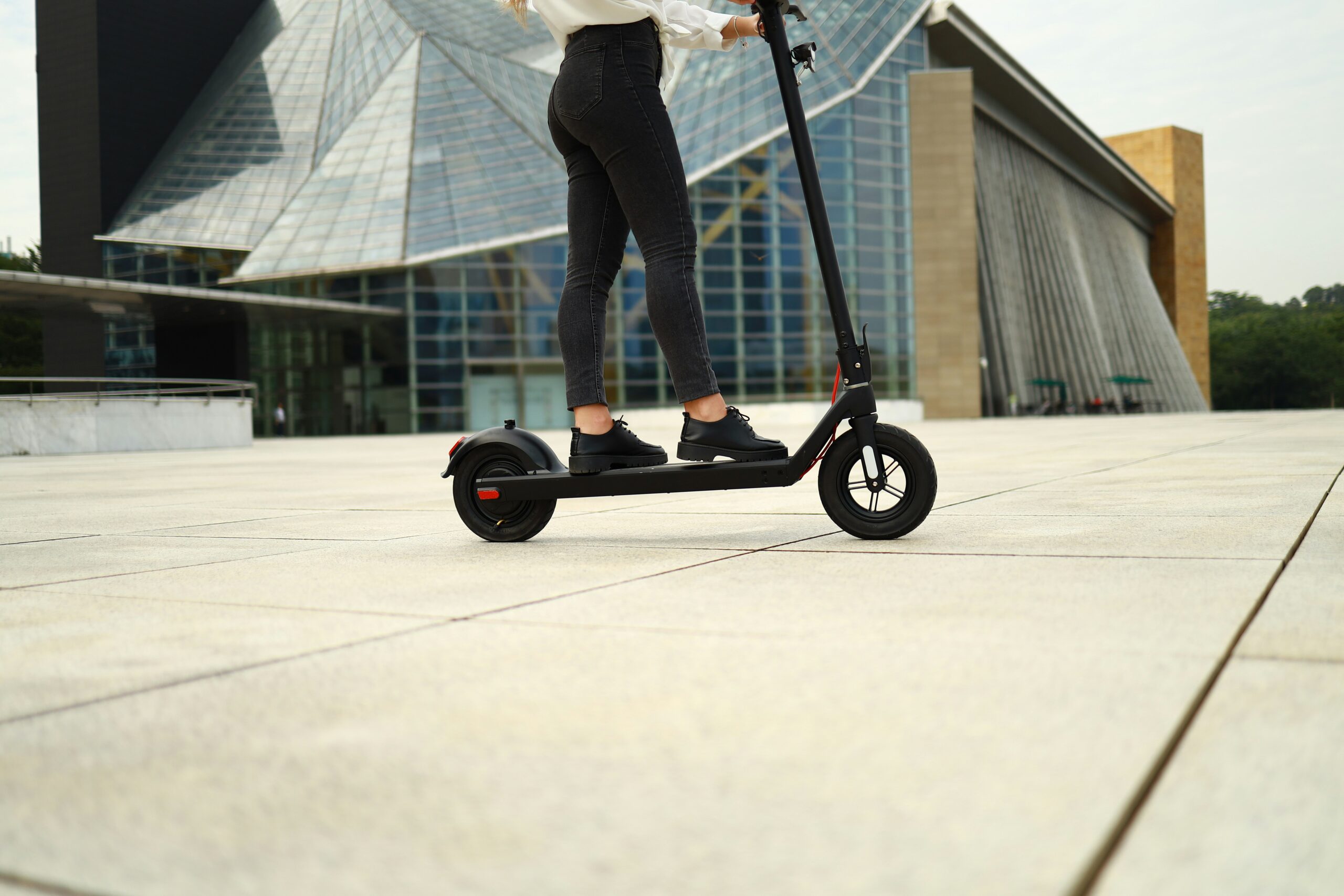
Electric kick scooters have undeniably become a common sight in many urban landscapes, and it’s easy to see why. These compact, battery-powered vehicles offer a convenient and often quicker way to navigate short to medium distances, bypassing traffic jams and offering an alternative to public transport or driving. Their rising popularity isn’t just a fleeting fad; it reflects a shift in how people think about personal mobility, particularly within cities.
It’s not just about getting from point A to point B. Several factors have converged to propel electric scooters into the mainstream. Understanding these elements helps to explain their widespread adoption.
Urban Congestion and the “Last Mile” Problem
Anyone who lives or commutes in a city knows the frustration of traffic. Cars are often stuck, buses can be delayed, and walking can be too slow for longer distances. This is where electric scooters shine, particularly for what’s known as the “last mile” problem – that final, often inconvenient leg of a journey from public transport to a destination. Scooters bridge this gap efficiently, allowing commuters to get off a train or bus and quickly cover the remaining distance without calling a taxi or walking for an extended period. They offer a flexibility that traditional transportation methods often lack in dense urban environments. They’re a nimble alternative, letting riders weave through areas where cars can’t go or are moving at a glacial pace. This reduces commute times for many and offers a sense of autonomy in congested spaces.
Environmental Considerations and Cost-Effectiveness
There’s a growing awareness about environmental impact, and personal transportation choices are part of that conversation. While manufacturing any vehicle has an environmental footprint, electric scooters produce zero tailpipe emissions. For individuals seeking to reduce their carbon footprint, especially for daily commutes, this is an attractive feature. Beyond the environmental aspect, cost is a significant driver. Owning and maintaining a car in a city is expensive, factoring in fuel, insurance, parking, and potential congestion charges. Public transport, while often more affordable, still incurs daily or monthly costs. Shared scooter services offer a pay-per-use model that can be very cost-effective for occasional trips. Even owning an electric scooter can be a more budget-friendly alternative to a car for those whose travel needs align with the scooter’s capabilities. Fuel costs are replaced by charging costs, which are typically much lower.
Technological Advancements and Accessibility
Modern electric scooters are a far cry from their early, clunky predecessors. Advances in battery technology, motor efficiency, and lightweight materials have made them more powerful, longer-lasting, and easier to use. Many now feature robust brakes, integrated lighting, and smart connectivity via apps, enhancing both safety and convenience. The rise of shared scooter programs has also made them incredibly accessible. With a smartphone, many people can locate, unlock, and ride a scooter within minutes, without the commitment or upfront cost of ownership. This low barrier to entry has allowed a much wider demographic to try and adopt scooter use. These apps often provide real-time location data, battery levels, and intuitive payment systems, making the entire experience seamless and user-friendly.
Electric kick scooters have gained immense popularity as a convenient mode of transportation, especially for urban commuters. For those looking for options that cater to heavier adults, it’s essential to choose a model that offers both durability and performance. A related article that delves into this topic is available at Electric Scooter for Heavy Adults, where you can find insights on the best electric scooters designed to support a higher weight capacity while ensuring a smooth and safe ride.
The Different Flavors of Electric Scooters
The market for electric scooters isn’t monolithic. There are distinct categories catering to different needs and budgets, from casual rides to more demanding commutes.
Shared Scooter Services
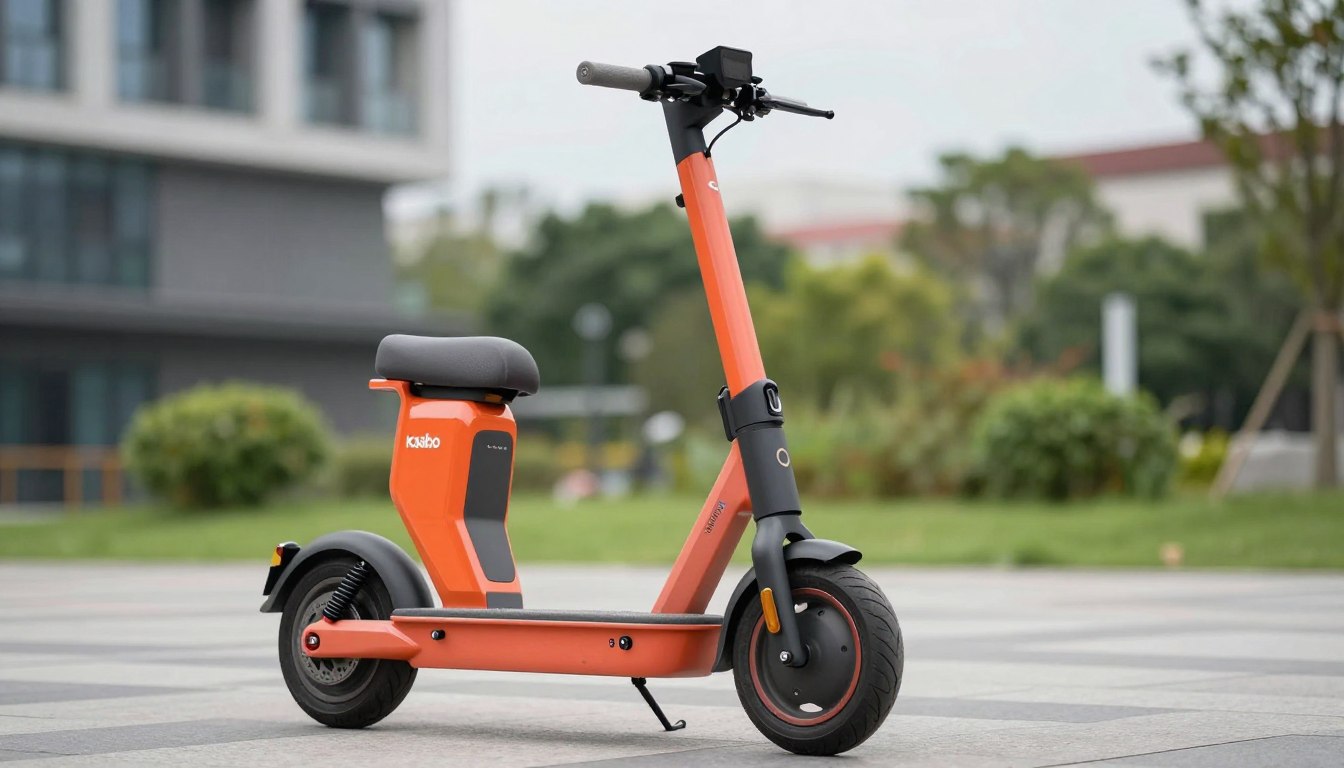
These are the brightly colored scooters you see dotted around city streets, often from companies like Lime, Bird, or Voi. They operate on a rental model, typically charging an unlock fee plus a per-minute rate. They’re ideal for spontaneous trips, tourists, or those who don’t want the responsibility of owning and maintaining a scooter. The convenience is their main selling point – grab one, ride it, and leave it (within designated zones). However, availability can be inconsistent, and costs can add up quickly for frequent, longer rides. These services have also faced challenges related to scooter parking and sidewalk clutter, prompting cities to implement regulations.
Electric kick scooters have gained immense popularity as a convenient and eco-friendly mode of transportation in urban areas. For those interested in exploring the latest models and features, a great resource is an article that delves into the specifics of the Sonic scooter. You can find it here: Sonic scooter. This article provides insights into the design, performance, and benefits of using electric kick scooters, making it a valuable read for anyone considering this innovative way to navigate the city.
Personal Ownership Scooters (Consumer Models)
For those who use scooters regularly, personal ownership often makes more sense. These range from entry-level models suitable for light, occasional use to more powerful, feature-rich scooters designed for daily commuting.
Entry-Level Scooters
These are typically more affordable, lighter, and have shorter ranges and lower top speeds. They’re great for short commutes, running errands, or simply cruising around a neighborhood. While they might lack some advanced features, their simplicity and ease of storage are appealing. Think models with smaller batteries and motor outputs, primarily designed for flat terrain and casual use. Their portability is often a key feature, making them easy to carry onto public transport or store in small apartments.
Mid-Range and Commuter Scooters
Stepping up, these offer a better balance of power, range, and features. They often have stronger motors for tackling inclines, larger batteries for extended rides, and improved suspension for comfort. Many also include advanced safety features like better braking systems and integrated lights. These are aimed at individuals who rely on their scooter for daily commutes and need something more robust and reliable. They strike a good balance between cost, performance, and practicality for regular use.
High-Performance Scooters
At the top end are powerful scooters with impressive top speeds, long ranges, and often dual motors for maximum acceleration. They usually feature more robust construction, advanced suspension, and superior braking. These are for enthusiasts or those with very specific needs, like navigating challenging terrain or requiring higher speeds. They come with a higher price tag but deliver a premium riding experience. However, it’s crucial to be aware of local speed limits and regulations, as some of these scooters may exceed what’s legally permitted on public roads or paths. Their weight and size also make them less portable than their smaller counterparts.
Practical Considerations Before You Ride
Jumping on a scooter might seem straightforward, but there are several practical points to consider for a safe and enjoyable experience.
Safety First: Gear and Awareness
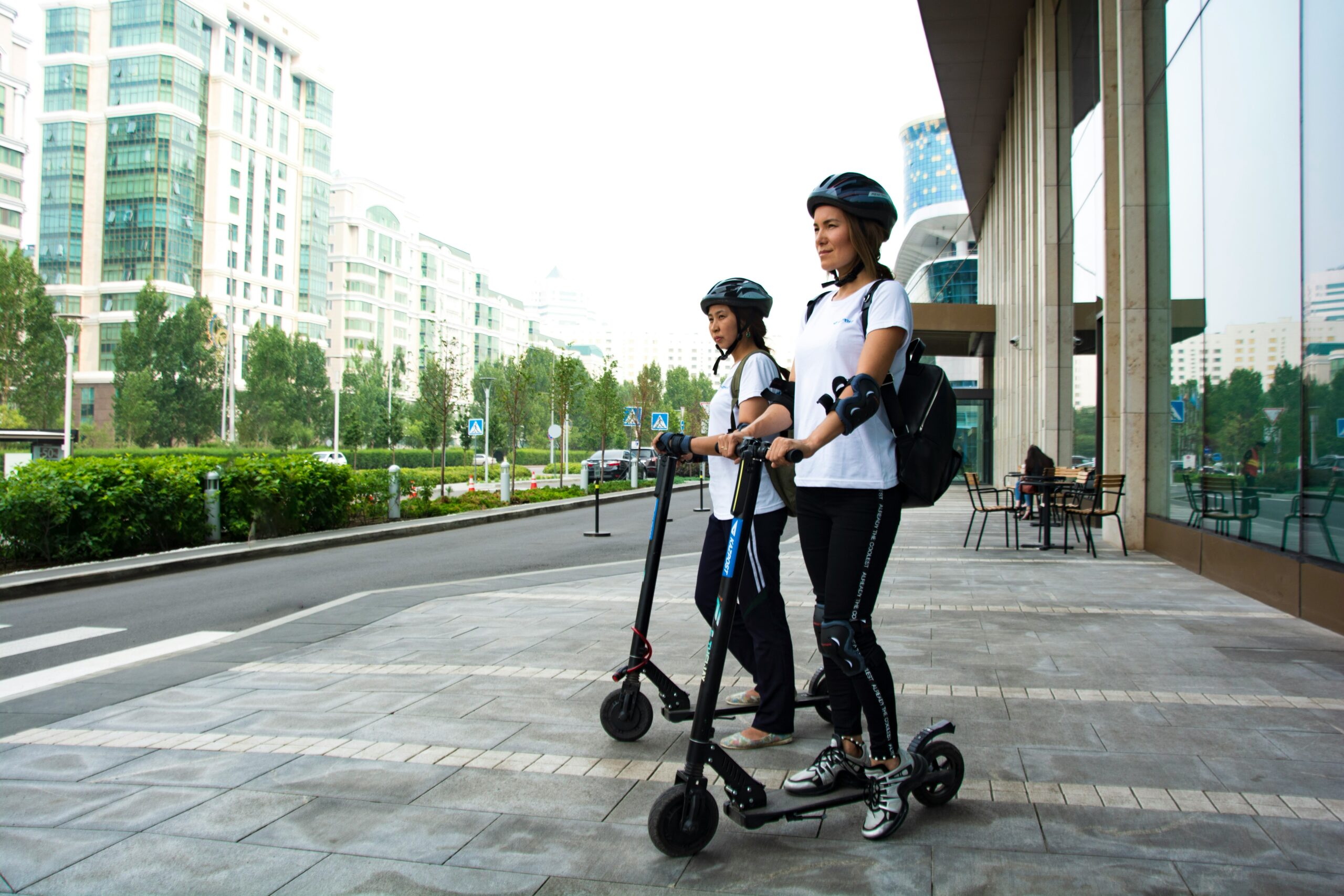
Just like cycling, proper safety gear is non-negotiable. A helmet is essential. While not always legally mandated, wearing one significantly reduces the risk of head injury in case of a fall. Beyond helmets, consider knee and elbow pads, especially for newer riders or those planning to ride at higher speeds. Being aware of your surroundings is also critical. Scooter riders share roads and paths with pedestrians, cyclists, and cars. Anticipating movements, maintaining a safe distance, and being visible (especially at night with lights and reflective clothing) are key to preventing accidents. Many new riders underestimate the balance required, particularly for unexpected bumps or turns, making initial cautious riding paramount.
Understanding Local Regulations
This is perhaps one of the most variable and important aspects. Regulations for electric scooters differ significantly from city to city, and even within different areas of the same city or country. Some places treat them like bicycles, others like motorized vehicles, and some have specific scooter laws.
Speed Limits and Usage Zones
Many cities impose speed limits for scooters, especially on shared paths or in pedestrian-heavy areas. There might also be “no-scooter” zones or “slow zones” where the scooter’s speed is automatically reduced. Always check local signage or the app for shared scooters to understand where you can and cannot ride, and at what speed. Ignoring these can lead to fines or even confiscation.
Parking Rules
Shared scooters have often been criticized for contributing to urban clutter. Consequently, many cities have implemented specific parking rules, such as designated parking corrals or areas where scooters cannot be left. Personal scooter owners also need to consider responsible parking – ensuring their scooter isn’t blocking sidewalks or access points.
Licensing and Insurance
In some jurisdictions, electric scooters might require a special license, registration, or even insurance, particularly if they exceed certain power or speed thresholds. It’s crucial to research these requirements before purchasing a personal scooter or regularly using a shared service. Assuming they’re unregulated can lead to legal issues.
Weather and Terrain Limitations
Electric scooters are not always a year-round, all-weather solution. Rain can make roads slippery and reduce braking effectiveness. Some models are more water-resistant than others, but none are truly waterproof, and riding in heavy downpours can be risky and potentially damage the electronics. Similarly, challenging terrain like cobblestones, gravel paths, or steep hills can be difficult or even dangerous for many scooters, especially those with smaller wheels or less powerful motors. Rough surfaces increase the risk of losing control or punctures. Always consider the local conditions where you intend to ride.
The Future of Electric Scooter Mobility
The electric scooter trend isn’t likely to disappear, but its evolution will depend on several converging factors.
Integration with Public Transit
Many urban planners and transportation experts see electric scooters as a vital component of a multi-modal transportation system. Rather than competing with public transit, scooters can complement it, solving that “last mile” or “first mile” problem mentioned earlier. We may see more integrated apps that combine public transit schedules with scooter availability, offering seamless planning for longer journeys. Imagine taking a train, then using an automatically linked scooter to reach your final destination. This integration would significantly enhance urban mobility networks.
Infrastructure Development
The sustainability and safety of electric scooters are heavily reliant on appropriate infrastructure. Dedicated bike lanes, often shared with scooters, can provide a safer riding environment away from vehicle traffic and pedestrians. Cities that invest in and expand these networks are likely to see more widespread and safer scooter adoption. Without proper infrastructure, conflict between pedestrians, cyclists, and scooter riders will likely persist. Improvements in charging infrastructure (for shared models) and secure parking options will also be crucial.
Technological Refinements and Specialization
Expect to see continued advancements in scooter technology. Batteries will likely become even more efficient, offering longer ranges and faster charging. Durability and modular designs will improve, especially for shared fleets, reducing maintenance costs and waste. We might also see more specialized scooters – perhaps larger, more stable models for utility tasks, or ultra-lightweight, folding designs for extreme portability. Features like advanced GPS tracking, anti-theft mechanisms, and even rudimentary AI for collision avoidance could become standard. The focus will likely shift towards greater comfort, safety, and integration with the broader smart city ecosystem.
In conclusion, electric kick scooters offer a genuinely practical solution for many urban mobility challenges. Their appeal lies in their convenience, environmental benefits, and cost-effectiveness for
short to medium distances. However, responsible usage, awareness of local regulations, and a focus on safety are paramount to integrating them successfully into our cities. As technology evolves and infrastructure adapts, these nimble vehicles are poised to play an increasingly important role in how we navigate our daily lives.
FAQs
What is an electric kick scooter?
An electric kick scooter is a type of scooter that is powered by an electric motor. It is designed for short distance travel and is propelled by the rider pushing off the ground.
How fast can an electric kick scooter go?
The speed of an electric kick scooter can vary, but most models have a top speed of around 15-20 miles per hour.
How far can an electric kick scooter travel on a single charge?
The range of an electric kick scooter can vary depending on the model and battery capacity, but most scooters can travel between 10-20 miles on a single charge.
Are electric kick scooters legal to ride on public roads?
Laws regarding the use of electric kick scooters vary by location. In some areas, they are considered legal for use on public roads and bike lanes, while in others they may be restricted to private property or designated areas.
What are the benefits of using an electric kick scooter?
Some benefits of using an electric kick scooter include eco-friendly transportation, convenience for short distance travel, and the ability to avoid traffic congestion. Additionally, they are relatively affordable and easy to use.