
Exploring the Affordable Chetak Scooter Price
 PopScooter Team
April 7, 2026 4:42 pm
.
12 min read
PopScooter Team
April 7, 2026 4:42 pm
.
12 min read

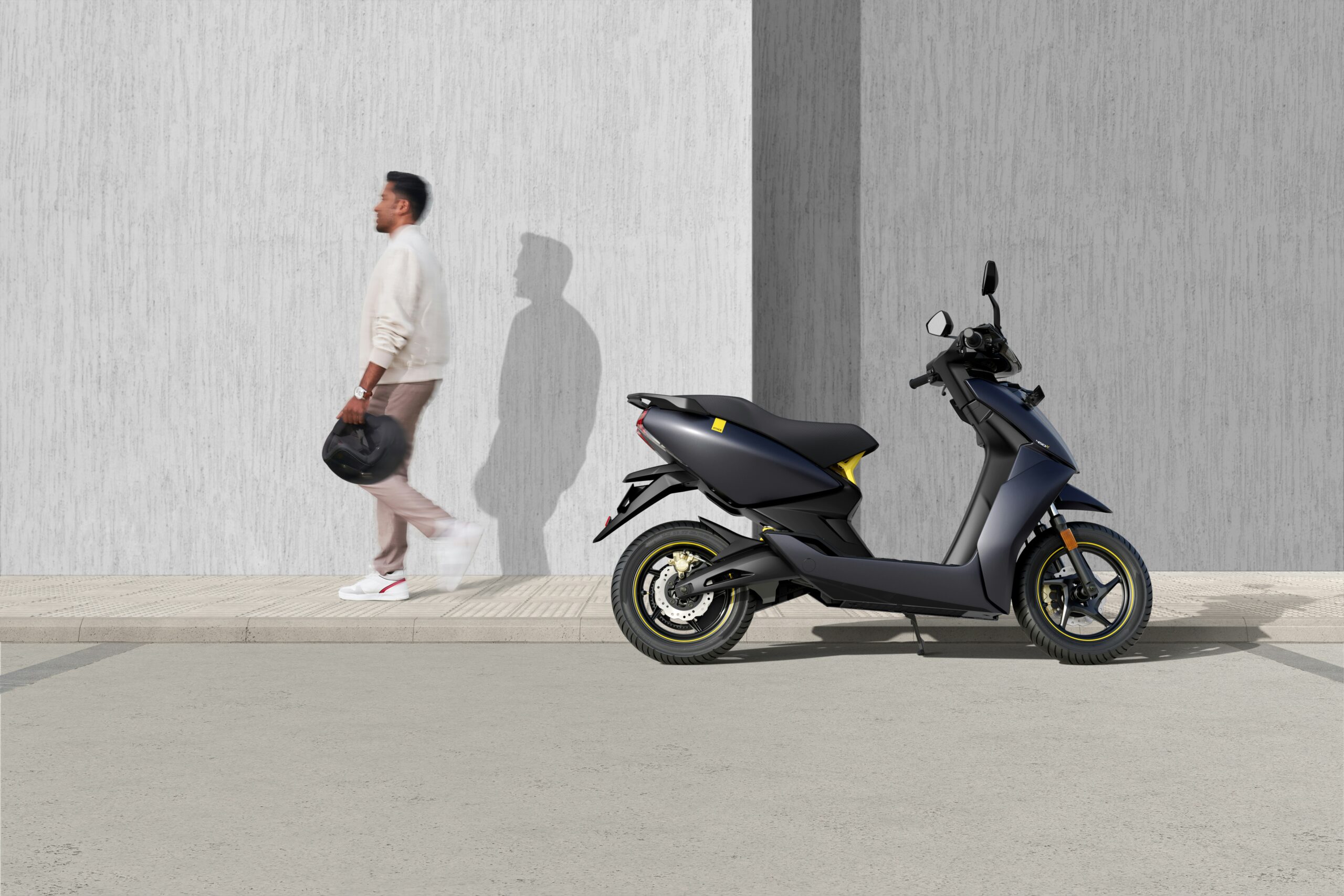
The Bajaj Chetak electric scooter, a classic name reborn, offers a compelling option for those considering an electric two-wheeler. Its price point typically falls in the range of INR 1.22 Lakh to INR 1.47 Lakh (ex-showroom, Delhi), making it a mid-range electric scooter. This puts it in competition with several popular ICE scooters and other electric offerings. Understanding what goes into this price, what variants are available, and the potential ownership costs is key to deciding if it’s the right choice for you.
When you see the price of a Chetak, it’s not just a single number. There are several factors that contribute to the final cost you pay, and understanding these can help you anticipate your overall investment.
Ex-showroom Price Explained
The “ex-showroom” price is the manufacturer’s suggested retail price before various taxes and other charges are added. For the Chetak, this is the figure most commonly advertised. It primarily covers the cost of manufacturing, the battery, motor, and the essential components, along with a dealer margin. This price can vary slightly depending on the city due to differences in state-level taxes imposed on distributors.
On-Road Price Components
The “on-road” price is what you actually pay to ride the scooter away from the dealership. This includes several additions to the ex-showroom price:
RTO Charges
These are charges levied by the Regional Transport Office for vehicle registration. They cover things like number plate issuance, smart card registration, and other administrative fees. RTO charges are typically a percentage of the vehicle’s ex-showroom price and vary from state to state. For electric vehicles, some states offer reduced or even waived RTO fees as an incentive, which can significantly lower the overall cost.
Insurance
Comprehensive insurance is mandatory for all new vehicles in India. The cost of insurance depends on factors like the scooter’s ex-showroom price, your location, your riding history (though less relevant for a new vehicle), and the insurance provider you choose. It’s advisable to compare quotes from different insurers to get the best deal, as these can vary by thousands of rupees.
Additional Charges
This can include a variety of smaller fees such as handling charges (though these are often debated and sometimes illegal to charge separately), extended warranty options, accessories chosen at the dealership (like a main stand, seat covers, or body protection), and sometimes even a small charge for a PDI (pre-delivery inspection) if not integrated into the dealer margin. It’s always best to get a clear breakdown of all these charges before finalizing your purchase.
If you’re interested in the current pricing trends of electric scooters, you might find the article on the Segway Ninebot KickScooter insightful. It provides a comprehensive overview of various models and their features, which can help you compare options like the Chetak scooter. For more information, you can read the article here: Segway Ninebot KickScooter.
Chetak Variants and Their Pricing
Bajaj offers the Chetak in a few distinct variants, each with slightly different features and, consequently, different price tags. Understanding these differences is crucial for matching the scooter to your needs and budget.
Chetak Urbane
The Urbane variant is generally the more affordable entry point into the Chetak lineup. It’s designed to be a simpler, more straightforward electric scooter, focusing on core functionality and everyday usability.
Key Features of the Urbane
The Urbane typically comes with a slightly less powerful motor or a more basic battery management system compared to its premium counterpart. Its charging solution might also be less advanced, perhaps a more standard AC charger rather than a faster one. The dashboard might be a more basic digital display, and it might lack some of the more advanced connectivity features found in the higher variant. Materials and finishes might also be slightly less premium to keep the cost down. The focus here is on reliable, fuss-free electric commuting.
Price Range of the Urbane
As of late 2023/early 2024, the Chetak Urbane generally starts around INR 1.22 Lakh (ex-showroom, Delhi). This price point is competitive and aims to attract buyers looking for a dependable electric scooter without needing all the bells and whistles.
Chetak Premium
The Premium variant, as its name suggests, offers a more refined experience with additional features and potentially enhanced performance. This is where Bajaj aims to differentiate with a more “lifestyle” oriented offering.
Key Features of the Premium
The Premium variant often boasts a more powerful motor, leading to better acceleration and potentially a slightly higher top speed. It might also feature a larger battery pack, extending the real-world range. A faster onboard charger or the option for a dedicated fast charger is often included. The dashboard is typically more advanced, possibly a full-color TFT display with Bluetooth connectivity for smartphone integration, turn-by-turn navigation, and remote diagnostics. Premium finishes, better quality switchgear, and more comfortable seating are also common upgrades. Disk brakes on both wheels, which enhance safety, are frequently a feature of the Premium model.
Price Range of the Premium
The Chetak Premium usually starts around INR 1.47 Lakh (ex-showroom, Delhi). The price difference between the Urbane and Premium reflects the upgraded components, technology, and improved riding experience. It caters to those willing to pay a bit more for enhanced features and performance.
Government Subsidies and Incentives
One of the significant advantages of buying an electric vehicle in India is the government support available in the form of subsidies. These initiatives are designed to promote EV adoption and can substantially reduce the effective price you pay.
FAME II Subsidy
The FAME II (Faster Adoption and Manufacturing of Electric Vehicles in India) scheme is a central government initiative. It provides incentives to electric two-wheelers based on their battery capacity. For electric scooters like the Chetak, the subsidy is calculated at INR 10,000 per kWh of battery capacity, capped at 15% of the ex-factory price of the vehicle. This subsidy is directly passed on to the buyer, reducing the ex-showroom price. Bajaj has typically factored this into the advertised price, meaning the figures mentioned above often reflect the price after the FAME II subsidy has been applied. It’s important to confirm this with the dealer.
State-Specific Subsidies
In addition to FAME II, several state governments offer their own subsidies and incentives for electric vehicles. These can include:
Purchase Incentives
Some states provide additional direct financial incentives, further reducing the upfront cost. For example, states like Maharashtra, Delhi, and Gujarat have historically offered significant per-kWh incentives or flat-rate subsidies on electric scooter purchases. These can sometimes be layered on top of the FAME II subsidy, leading to substantial savings.
Road Tax and Registration Fee Waivers
Many states offer full or partial waivers on road tax and registration fees for electric vehicles. This can save you thousands of rupees on the “on-road” price, as these charges can be quite substantial for conventional vehicles.
Other Benefits
Beyond direct financial incentives, some states also offer benefits like exemptions from permit requirements, free parking in certain areas, or access to special charging infrastructure. It’s crucial to check the specific EV policy of your state or union territory to understand the full range of benefits available to you. These policies are dynamic and can change, so always verify the latest information.
Long-Term Ownership Costs
While the upfront price is a major consideration, it’s equally important to look at the long-term ownership costs of an electric scooter like the Chetak. Often, the savings over time are a compelling reason to choose electric.
Running Costs
This is where electric scooters shine. Fueling an electric scooter is significantly cheaper than a petrol one.
Electricity Consumption
The Chetak’s battery capacity is typically around 2.9 kWh. A full charge would consume approximately 2.9 units of electricity. Assuming an average electricity cost of INR 8 per unit (this varies greatly by individual electricity tariff and state), a full charge would cost around INR 23.2. Compare this to filling a petrol scooter’s tank, which can cost INR 300-500 depending on the tank size and petrol price.
Range Per Charge & Cost Per Km
With a claimed range of around 90-108 km (depending on the variant and riding mode/conditions), the cost per kilometer for the Chetak is remarkably low. If you get 90 km on a full charge for INR 23.2, that’s roughly INR 0.26 per kilometer. A petrol scooter averaging 45 kmpl at INR 100/liter would cost around INR 2.22 per kilometer. The difference is substantial over time.
Maintenance Costs
Electric vehicles generally have lower maintenance requirements than their Internal Combustion Engine (ICE) counterparts.
Fewer Moving Parts
Electric motors have far fewer moving parts than petrol engines. There’s no engine oil to change, no spark plugs to replace, no air filters to clean/replace, and no complex gearbox maintenance. This eliminates many routine service items and their associated costs.
Battery and Motor Longevity
The battery and motor are the most critical and expensive components of an EV. Bajaj typically offers a warranty on these, usually around 3 years/50,000 km for the battery. While battery degradation is an eventual reality, for the first several years, it’s largely covered. Modern EV batteries are designed to last many years and thousands of charge cycles. Motor issues are also relatively rare.
Other Wear and Tear
Maintenance for an electric scooter mostly revolves around typical two-wheeler components: tires, brakes (pads, fluid), suspension, and general checks of lights and electrical systems. These costs are comparable to a petrol scooter.
Resale Value
The electric scooter market is still evolving, and predicting long-term resale values can be tricky.
Evolving Market
As more advanced batteries and technologies emerge, older models might see their resale values impacted. However, given the push for EVs and rising fuel costs, a well-maintained electric scooter is likely to retain reasonable value, especially if its battery health remains good.
Battery Health Impact
The health of the battery will be a major factor in the resale value. Buyers will be wary of purchasing an EV with a significantly degraded battery as replacement costs can be high. Regular charging habits and proper care can extend battery life and thus enhance resale value.
If you’re curious about the current trends in electric scooters, you might find it interesting to explore the pricing and features of the Chetak scooter. For a deeper understanding of the electric scooter market, check out this insightful article on the Razor E90, which provides a comprehensive overview of its specifications and pricing. You can read more about it here.
How to Get the Best Deal on a Chetak
Bargaining and being informed can help you secure a better deal on your Chetak purchase.
Dealership Negotiations
Don’t be afraid to negotiate. While the ex-showroom price is usually fixed, there can be room for movement on other aspects.
Negotiate on Accessories
Dealers often bundle accessories. You can try to get these thrown in for free or at a reduced price. Items like a main stand (if not standard), body guards, or higher-quality seat covers can be good negotiation points.
Check for Seasonal Offers
Bajaj, like other manufacturers, often runs festive season offers, year-end discounts, or special promotions. Keep an eye out for these, as they can include cashback, extended warranties, or free accessories.
Scrutinize Additional Charges
Carefully review the entire “on-road price” breakdown. Query any charges that seem unusually high or are not clearly explained. Sometimes, dealers include optional services that you might not need.
Loan and EMI Options
Most dealerships have tie-ups with banks and financial institutions to offer attractive loan and EMI schemes.
Compare Interest Rates
Don’t just go with the dealer’s preferred financier. Compare interest rates and processing fees from different banks. Even a small difference in the interest rate can result in significant savings over the loan tenure.
Flexible Tenure Options
Consider different loan tenures. A longer tenure means lower EMIs but more interest paid overall, while a shorter tenure means higher EMIs but less interest. Choose what fits your budget best.
Down Payment Impact
A larger down payment will reduce your loan amount and, consequently, your EMI and total interest paid. If feasible, consider making a substantial down payment to minimize your financial burden.
By understanding these various aspects of the Bajaj Chetak’s pricing, from its ex-showroom tag to the long-term running costs and potential savings, prospective buyers can make a well-informed decision tailored to their financial situation and usage needs.
FAQs
What is the current price of the Chetak scooter?
The current price of the Chetak scooter varies depending on the model and location. It is recommended to check with an authorized dealer for the most up-to-date pricing information.
What are the different models of Chetak scooter available and their respective prices?
Chetak offers different models of scooters, including the Urbane and Premium. The prices for these models may vary and can be obtained from an authorized dealer.
Are there any additional costs associated with purchasing a Chetak scooter?
In addition to the base price of the scooter, customers may need to consider additional costs such as registration, insurance, and any optional accessories or add-ons.
Does the price of the Chetak scooter include any warranty or maintenance packages?
The price of the Chetak scooter may or may not include a warranty or maintenance package. It is advisable to inquire with the dealer about any included or optional warranty and maintenance packages.
Are there any financing options available for purchasing a Chetak scooter?
Chetak may offer financing options for purchasing their scooters. Customers can inquire with authorized dealers about the availability of financing and the associated terms and conditions.