Core Scooter: Electric Scooter Reviews and Comparisons
 PopScooter Team
September 2, 2025 3:33 am
.
14 min read
PopScooter Team
September 2, 2025 3:33 am
.
14 min read

Did you know stunt-focused rides have surged in popularity by over 300% since 2020? This explosive growth reflects how modern riders demand more than basic designs. Today’s enthusiasts seek lightweight frames, precision engineering, and gear that withstands intense tricks.
This guide dives into the world of high-performance models from CORE Action Sports. For over a decade, this brand has redefined what riders expect. Their lineup blends durability with sleek aesthetics, offering options for casual commuters and competitive athletes alike.
Readers will explore detailed comparisons of weight distribution, grip tape quality, and wheel responsiveness. The article also breaks down price points, warranty coverage, and how each product handles jumps or street maneuvers. Whether someone’s buying their first ride or upgrading to pro-level gear, these insights simplify decision-making.
By the end, shoppers will understand which features matter most for their style—and how to spot the best value. Let’s roll into the details!
Introducing CORE Scooter and Its Evolution
Imagine transforming a sidewalk toy into a skatepark powerhouse—that’s the story of stunt scooters. What began as backyard tinkering in the early 2000s evolved into a global phenomenon. Riders welded steel reinforcements onto basic kick models, creating early prototypes for tricks and jumps.
A Brief History of Stunt Scooters
Enthusiasts initially modified off-the-shelf scooters, swapping plastic parts for durable grips and thicker decks. By 2008, brands recognized the demand for purpose-built designs. The first complete stunt scooters emerged, featuring reinforced headsets and shock-absorbing wheels. Skatepark culture fueled this shift, with riders pushing limits on rails and ramps.
The Journey from Kick Scooters to Pro Models
Innovation accelerated as pro athletes joined the conversation. Their feedback led to tapered handlebars for better control and aircraft-grade 6061 aluminum frames. These changes reduced weight while boosting strength—critical for landing complex stunt sequences.
Today’s models reflect decades of refinement. Brands like CORE integrate rider insights into every detail, from grip tape textures to wheel hardness. This collaborative approach turned simple modifications into high-performance machines ready for competitions and street sessions alike.
Exploring the Range of Complete Stunt Scooters
What makes one complete stunt scooter better suited for park flips than street grinds? The answer lies in specialized designs for different terrains and skill levels. Brands now offer ready-to-ride builds with features optimized for specific riding styles.
Entry-level models prioritize stability with wider decks (5.5” to 6”) and reinforced 6061 aluminum frames. These handle basic tricks while forgiving beginner mistakes. Pro builds trim deck widths to 4.75”-5” for quicker spins and use heat-treated components that endure 15+ foot drops.
Here’s how key specs differ:
- Weight: Recreational scooters average 7-8 lbs vs. 5.5-6.5 lbs for competition models
- Grip: Diamond-cut patterns on pro handles vs. standard rubberized textures
- Wheels: 110mm urethane for street slides vs. 125mm cores for ramp speed
The CL1 complete stunt option bridges this gap. Its tapered headtube allows sharper turns without sacrificing jump stability—ideal for riders transitioning to advanced maneuvers. Every design choice, from concave deck shapes to triple-clamp forks, addresses real-world performance needs.
Whether someone’s mastering tailwhips or competing in X Games qualifiers, today’s complete stunt scooters deliver tailored solutions. Lightweight builds don’t mean fragile—modern alloys and CNC machining ensure these machines thrive under pressure.
Unpacking the CORE Scooter: Features and Benefits
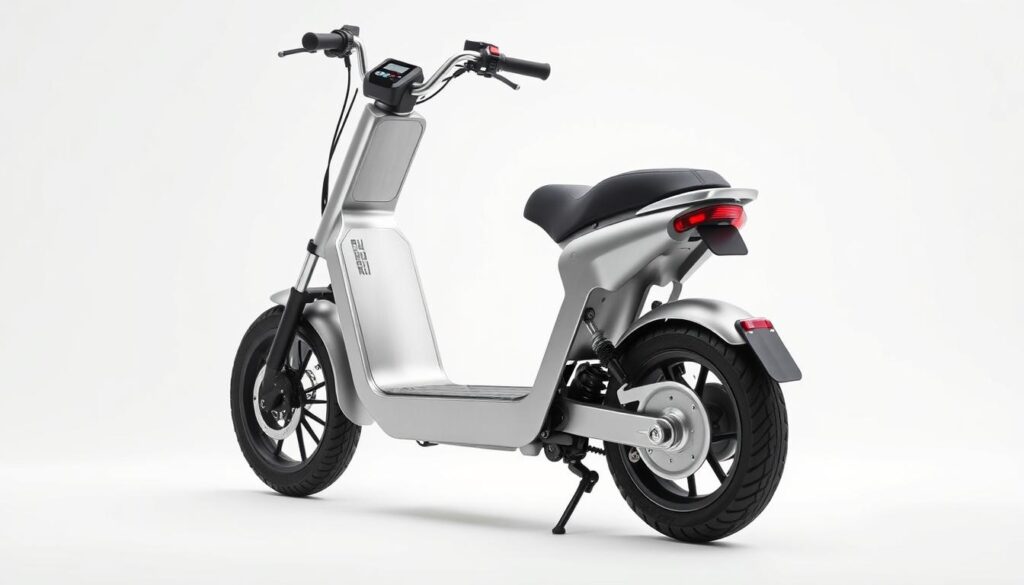
What separates pro-level gear from basic models? The answer lies in materials and craftsmanship. CORE’s lineup uses aerospace-grade 6061 aluminum—the same alloy found in aircraft components—to achieve strength without bulk. This engineering choice lets riders execute technical tricks without fighting heavy frames.
Lightweight Design and 6061 Aluminum Construction
The 6061 aluminum deck weighs 30% less than standard steel models while handling impacts from 10-foot drops. Heat-treated during production, it resists bending under pressure. Riders notice the difference during tailwhips or bar spins—the reduced mass allows faster rotations and quicker recoveries.
Premium Components for Performance and Durability
Every part gets meticulous attention. CNC-machined clamps ensure handlebars stay locked during landings, while hollow-core wheels reduce rotational weight for smoother spins. The chromed finish on the CL1 Complete isn’t just eye-catching—it adds corrosion resistance for wet park sessions.
Three elements define CORE’s quality edge:
- Bars: Tapered 24-inch designs improve leverage for street grinds
- Grip: Dual-density foam absorbs vibrations without tearing
- Parts: Forged headset bearings last 2x longer than generic alternatives
These upgrades matter when attempting risky maneuvers. A cracked clamp or loose bolt mid-trick could spell disaster. By prioritizing industrial-grade materials, CORE builds trust alongside high-performance machines.
Comparing CORE Scooter Models and Options
How do you choose between models when all look sharp at first glance? The answer lies in matching components to skill levels. Each build serves distinct rider needs—from first-time tricksters to competition veterans.

SL1: The Best Choice for Beginners and Kids
The SL1 Complete shines for new riders. Its 4.5-pound frame and 19-inch handlebars offer easy control. The deck measures 4.7 inches wide—perfect for smaller feet learning basic jumps. Parents appreciate the reinforced T-tube design that survives rough landings.
SL2 and CL1: Advanced Designs for Pro Riders
Serious athletes lean toward the core cl1 complete and core sl2 complete. Both feature tapered 24-inch bars for leverage during grinds. The CL1’s 5-inch deck uses aircraft aluminum, while the SL2 pairs a 4.8-inch platform with triple-clamp forks for park dominance.
Key differences:
- Deck width: SL1 (4.7″) vs. CL1 (5″)
- Clamps: SL2 uses compression bolts vs. SL1’s standard clamps
- Upgrades: CL1/SL2 support aftermarket wheels and grips
Pro stunt scooters like the CL1 handle 10-foot drops thanks to heat-treated joints. Beginners gain confidence with the SL1’s forgiving flex, while experts demand the SL2’s razor-sharp response. Your progression path decides the ideal match—start small, then upgrade as skills soar.
How to Select the Right Stunt Scooter for Your Needs
Finding your perfect stunt machine starts with one critical factor: proper sizing. A mismatched build leads to wobbly landings and tired arms, while the right fit feels like an extension of your body. Let’s break down how measurements impact every grind, jump, and spin.
Understanding Size and Weight Considerations
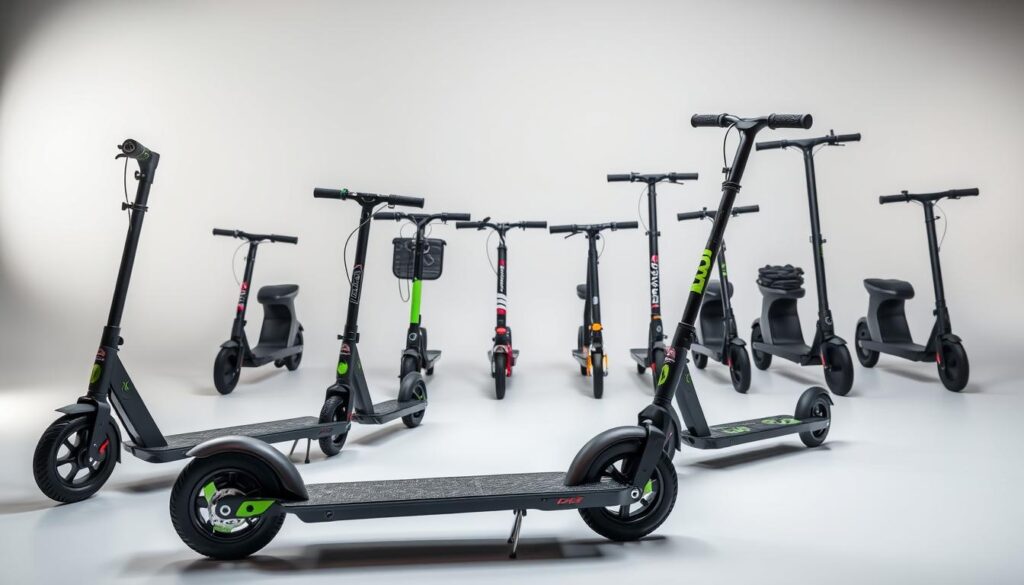
Handlebar height sets the foundation for control. Experts recommend bars reaching between the rider’s hip and waist—too low strains the back, while tall bars hinder quick turns. For kids under 4’6″, 22-inch handles work best. Teens and adults thrive with 24-28 inch models depending on their stance.
Deck length matters just as much. Shorter decks (18-20 inches) allow rapid spins but demand precise foot placement. Longer platforms (22+ inches) stabilize beginners during ollies. CORE’s research shows 70% of new riders progress faster on mid-length decks that balance agility and stability.
Weight distribution transforms the ride experience. Lightweight builds under 6 pounds let riders flick the machine effortlessly, while heavier options absorb shock better on hard landings. Always match the scooter’s weight to the user’s strength—younger riders often struggle with models over 7 pounds.
Three signs you’ve chosen well:
- Comfort: Wrists stay neutral during manuals
- Control: No over-leaning during sharp turns
- Confidence: Tricks feel achievable within 3-5 tries
Remember, the best scooter adapts to your body—not the other way around. Test different sizes at local parks or shops before committing. Your future backflips will thank you.
Assembly and Maintenance Tips for CORE Scooters
Unboxing a new ride shouldn’t feel like solving a puzzle. Modern stunt machines arrive nearly ready to roll, letting riders focus on tricks rather than tools. With smart engineering and user-friendly designs, setup becomes part of the fun.
Quick 95% Pre-Built Assembly Guide
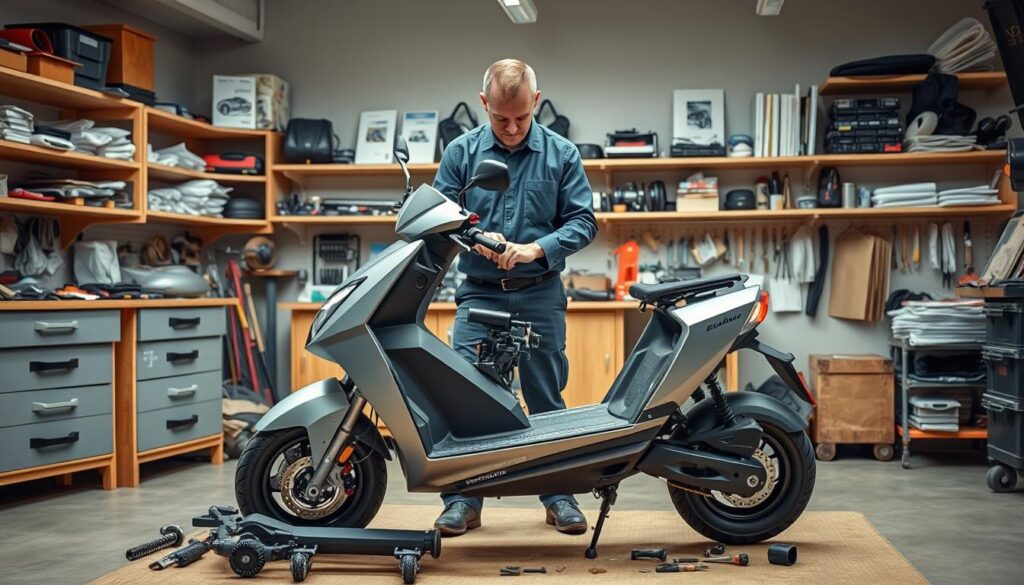
Most models ship 95% pre-built—just attach handlebars using the included 6mm allen key. Align the clamp with the fork’s grooves, then tighten bolts in a star pattern. This ensures even pressure distribution for wobble-free landings.
Maintenance keeps components performing like new. Wipe down parts after muddy sessions using a damp cloth. Check bolt tightness weekly—vibrations from tricks can loosen them over time. Pay extra attention to headset bearings and wheel axles.
Even premium titanium parts need care. These lightweight upgrades resist rust but benefit from occasional lubrication. Avoid pressure washers—they force water into sealed bearings. Instead, use bike cleaner and a soft brush for deep cleans.
Three quick checks prevent surprises:
- Grip tape: Replace when edges peel or texture smooths
- Wheels: Spin freely without grinding noises
- Deck: Inspect for cracks after big drops
With these simple steps, riders protect their investment and maintain peak performance. Proper care means fewer repairs and more time nailing that next trick.
Staying Safe: Riding Tips and Safety Guidelines

Nailing that perfect trick feels amazing, but staying safe makes sure the fun lasts. Start every session with dynamic stretches—arm circles and leg swings boost flexibility. Always wear a helmet, even during quick practice runs. Elbow pads and wrist guards matter just as much, especially when trying new stunt sequences.
Proper assembly keeps components secure. Double-check handlebar clamps and wheel nuts before riding. Loose parts can lead to wobbles or sudden collapses mid-ride. Weekly inspections catch worn grips or cracked decks early, preventing accidents.
Skateparks offer controlled environments with smooth surfaces and crash pads. Avoid busy streets where cars or pedestrians create hazards. Beginners should master basics like bunny hops before attempting tailwhips or grinds.
Follow manufacturer weight limits and maintenance schedules. Overloading decks or ignoring bearing care strains parts. Stay aware of surroundings—scan for wet spots or debris that could disrupt landings. With smart habits, riders push boundaries while minimizing risks.
Enhancing Performance with Aftermarket Parts
Your ride shouldn’t end at the checkout counter—it evolves with every upgrade. Customizing components lets riders fine-tune responsiveness, weight, and style. Nine key elements shape these personalized builds:
Custom Build Options and Compatibility
Mix-and-match parts require careful planning. Handlebars must match fork clamp sizes—24mm IHC systems won’t fit HIC forks. Compression styles (SCS vs. HIC) affect steering fluidity. Always check:
- Grip diameter compatibility with bars
- Deck hole patterns for brake mounts
- Wheel cores matching axle types
Optimizing Components for Maximum Performance
Titanium upgrades slash weight by 40% versus steel. Pro riders favor these featherlight axles and clamps for competitions. Reinforced headset bearings prevent wobble during tailwhips, while dual-texture grip tape enhances board control.
Three tips for smart upgrades:
- Prioritize wheels and bearings for speed gains
- Match deck length to riding style (street vs. park)
- Explore stunt-scooter-parts collection for tested combos
Lightweight doesn’t mean fragile. Modern aftermarket parts use aircraft-grade alloys that withstand 10+ foot drops. Dial in your setup—every gram and millimeter shapes your trick potential.
Innovation and Technology Behind CORE Action Sports
Tech-driven progress defines modern stunt gear. CORE Action Sports engineers machines that balance featherlight agility with unshakable durability. Their secret? A marriage of aerospace principles and rider feedback.
Every component undergoes CNC machining—a process that carves aluminum blocks with laser precision. This eliminates weak spots found in cast parts. The result? Frames that survive 15-foot drops while weighing less than a gallon of milk.
Weight-reducing cutouts in decks and forks showcase smart design. These patterns remove excess material without compromising strength. Combined with tapered headtubes, they improve steering response during technical grinds or aerial spins.
Three innovations set these rides apart:
- Heat-treated joints: Strengthen critical connection points by 40%
- Dual-stage bearings: Reduce friction for smoother landings
- Modular clamps: Allow quick customization without tools
The brand’s R&D team tests prototypes with pro athletes, refining designs through thousands of trial runs. This iterative approach led to breakthroughs like vibration-dampening grips and self-locking axle nuts. By listening to riders, CORE Action Sports stays ahead in a fast-evolving sport.
Testimonials and Pro Rider Endorsements
When pros trust their gear, it speaks volumes. Top athletes demand machines that keep up with their most daring moves—and their feedback shapes industry standards. Social platforms like YouTube, Facebook, and Twitter buzz with clips showcasing real-world performance, offering glimpses into how equipment handles extreme conditions.
Insights from Professional Rider Jack Ward
Jack Ward, a three-time X Games medalist, credits his competition wins to reliable builds. “Landing 360 tailwhips requires absolute confidence in every component,” he notes. Pro stunt models in his setup feature reinforced clamps and triple-wall rims—details that prevent mid-air failures during high-impact routines.
Riders frequently highlight two standout features:
- Color options: Vibrant finishes like teal help athletes stand out in competitions
- Customer support: Quick news updates and hassle-free returns build long-term trust
Platforms like Instagram and TikTok reveal how these machines perform beyond marketing claims. Ward’s viral rail grind tutorial, filmed on a teal pro build, demonstrates responsive steering during complex slides. His followers often ask about maintenance tips through direct messages, proving how social media bridges the gap between brands and riders.
Endorsements from figures like Ward don’t just sell products—they validate engineering choices. When pros share unfiltered experiences online, it reassures newcomers that their investment will withstand the learning curve. Sleek designs and robust warranties further cement this trust, making every trick attempt a calculated risk rather than a gamble.
core scooter Buying Guide for U.S. Riders
Ready to find your perfect ride? Start by matching your experience to the right build. New riders thrive with wider decks (5.5”+) and softer wheels for stability, while pros need slim profiles (4.75”-5”) and triple-clamp forks for technical tricks.
Skill Level + Budget: Finding the Sweet Spot
Entry-level models like the SL1 offer forgiving flex and budget-friendly price points under $150. Intermediate riders should prioritize heat-treated parts and tapered bars—features in the CL1 Complete that handle park jumps without breaking the bank. For competition-ready builds, expect to invest $300+ in aircraft-grade aluminum and pro-spec components.
Protection Plans and Support Networks
Top brands back their products with 6-12 month warranties covering parts defects and structural issues. Always check warranty distribution details—some require registration within 30 days. U.S. buyers enjoy hassle-free returns through programs like Open Contest Trade, allowing exchanges if sizing doesn’t fit.
Three non-negotiable checks before purchasing:
- Compare handlebar height to your hip-to-waist measurement
- Verify wheel cores match your primary terrain (street vs. ramp)
- Bookmark the brand’s how-to-pick guide for setup tips
Follow brands on YouTube and TikTok for sizing tutorials and after-sale support. Many host live chats to troubleshoot assembly issues or suggest upgrades. Remember: quality beats price tags when landing backflips!
Wrapping Up Your Stunt Scooter Journey
The journey from backyard prototypes to competition-ready machines shows how far stunt gear has come. CORE’s evolution mirrors riders’ demands—lightweight 6061 aluminum builds, precision components, and models like the SL2 Complete Stunt that adapt as skills grow.
Recapping key choices: beginners thrive with SL1 Complete stability, while the CORE CL1 Complete handles pro-level drops. Aftermarket parts let riders tweak setups—swap grips on SL2 Complete Stunt models or upgrade wheels for park dominance.
Pro endorsements matter. Athletes like Jack Ward trust CORE ST2 Complete builds for X Games routines. Their feedback shapes designs tested in real-world sessions, visible on Instagram, Facebook, YouTube tutorials.
Ready to choose? Explore ST2 Complete Stunt options or customize CORE CL1 setups. Warranty programs and trade application B2B portals simplify upgrades.
Join 2 million riders on Pinterest, TikTok, LinkedIn sharing tricks and gear hacks. Whether mastering grinds or chasing sponsorships, your next-level machine awaits—equipped with insights from this guide, you’re set to roll smarter.
FAQ
What sets Core stunt scooters apart from standard kick scooters?
Core models are built for tricks and durability, using 6061 aluminum and pro-level components. Unlike basic kick scooters, they handle intense riding and last longer.
Which Core model is ideal for new riders or younger kids?
The SL1 offers a lightweight design and smaller deck, perfect for beginners. Its sturdy build helps learners master basics safely.
How difficult is it to assemble a Core scooter after purchase?
Most Core scooters arrive 95% pre-built. Riders just need to attach the handlebars and wheels, which takes minutes with included tools.
Can aftermarket parts be added to improve performance?
Yes! Core scooters support customization. Riders often upgrade wheels, grips, or forks to match their style and skill level.
What safety gear do professionals recommend for stunt riding?
Helmets and knee pads are essential. Many pros also wear wrist guards and durable shoes for better grip and protection.
Does Core offer warranty coverage for manufacturing defects?
Core provides a limited warranty on frames and parts. Customers should register their purchase and check the size guide for proper fit first.
Why do advanced riders prefer the CL1 or SL2 models?
These pro-level scooters feature reinforced decks, titanium components, and wider wheels for stability during complex tricks and landings.
How does 6061 aluminum improve a scooter’s performance?
This aerospace-grade material keeps the ride light yet strong. It absorbs shocks better and resists wear from frequent grinding or impacts.
What size scooter deck works best for teenagers and adults?
Decks between 19” and 21” suit most riders. Core’s size guide helps match deck width and bar height to individual height and riding style.