Best Buy Electric Scooter Reviews: Compare Top Models
 PopScooter Team
December 10, 2025 10:32 pm
.
8 min read
PopScooter Team
December 10, 2025 10:32 pm
.
8 min read
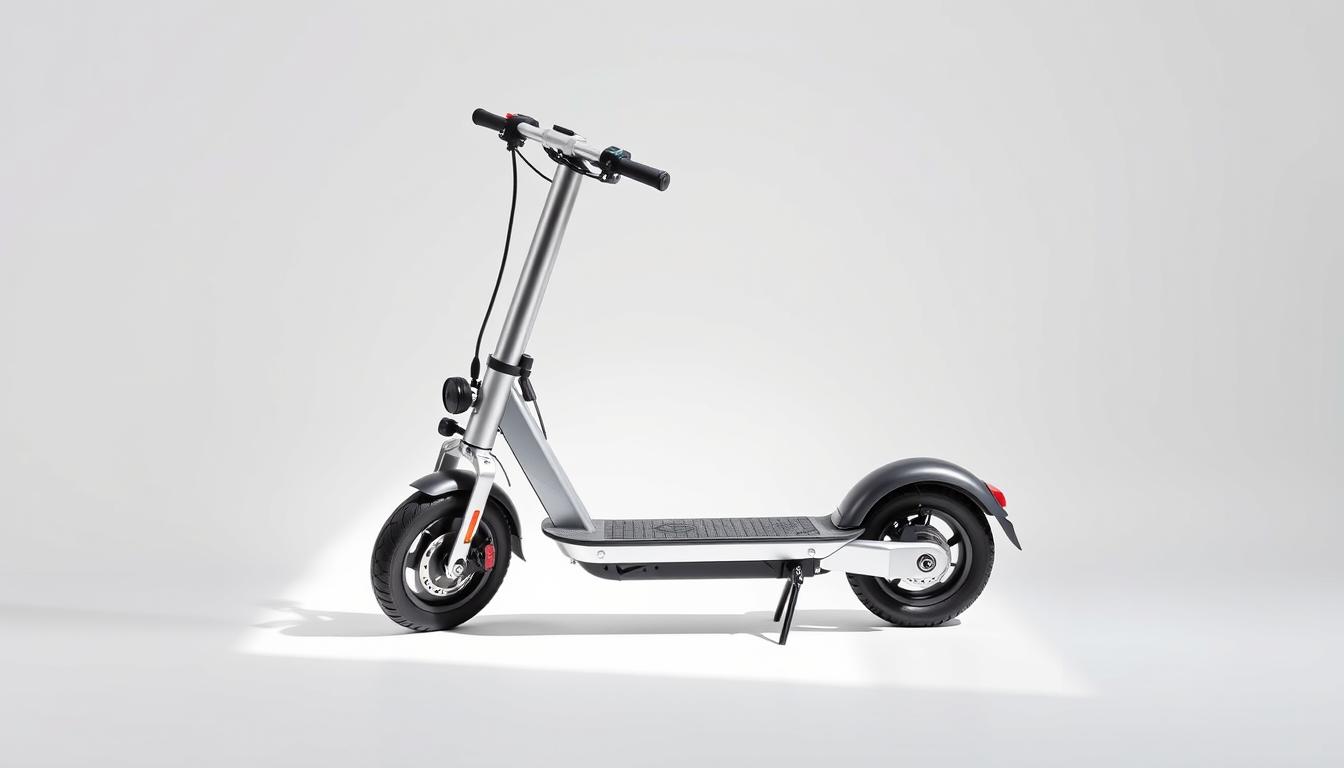
Which features really matter when choosing a personal commuter these days?
This short guide helps U.S. shoppers compare today’s top models by the factors that affect daily use: real-world range, charging time, speed, ride comfort, service support, and total ownership cost.
Readers will learn how to turn spec sheets into real expectations. It explains how hills, rider weight, temperatures, and tire type change range and acceleration.
The piece defines what “best buy” means here: a model that balances price, reliability, warranty coverage, parts access, and safety features like dual braking and strong lighting.
Practical testing notes highlight what keeps a model comfortable and durable over months of daily use, including wheel size, bearings, deck stability, and folding hardware strength.
Shortlists are organized by use case—urban commute versus longer suburban trips—so readers can pick what fits without paying for unused features.
How to choose the right electric scooter for the U.S. today
Begin with a clear estimate of your round‑trip distance and how real conditions cut range. Riders should pick a model whose real-world range exceeds their regular miles by 20–30% to allow for hills, rider weight, cold weather, and stop‑and‑go traffic.
Range, speed, and battery: match specs to real daily miles
Battery capacity (watt‑hours) sets expectations, but motor efficiency, tire type, and riding mode change results. Check charge time on a 110V outlet and whether the pack is removable for easier charging in apartments.
Choose a machine that is stable at your normal cruising speed rather than chasing top speed. Larger wheels and quality bearings improve comfort and control on rough sidewalks.
Service, warranty, and parts availability in your state
Service support matters as much as specs. Verify warranty length and what it covers—battery, controller, and motor are key items. Confirm local authorized centers so you can file ticket requests quickly and avoid long waits.
If a retailer or brand lacks nearby parts or centers, riders often find themselves stuck when routine items fail. Use a brand’s service and parts map to confirm coverage before purchase.
Price context and ownership costs versus gas scooters
Electric operation typically costs far less per mile than gasoline. Routine maintenance is simpler—brake pads, tires, and tubes are common consumables. Factor in accessories like a helmet and a solid lock when calculating total cost of ownership.
If you’ve blocked local repair options, plan for spare parts and basic tools so small fixes don’t ground the unit for days.
Best buy electric scooter roundup and side‑by‑side comparisons
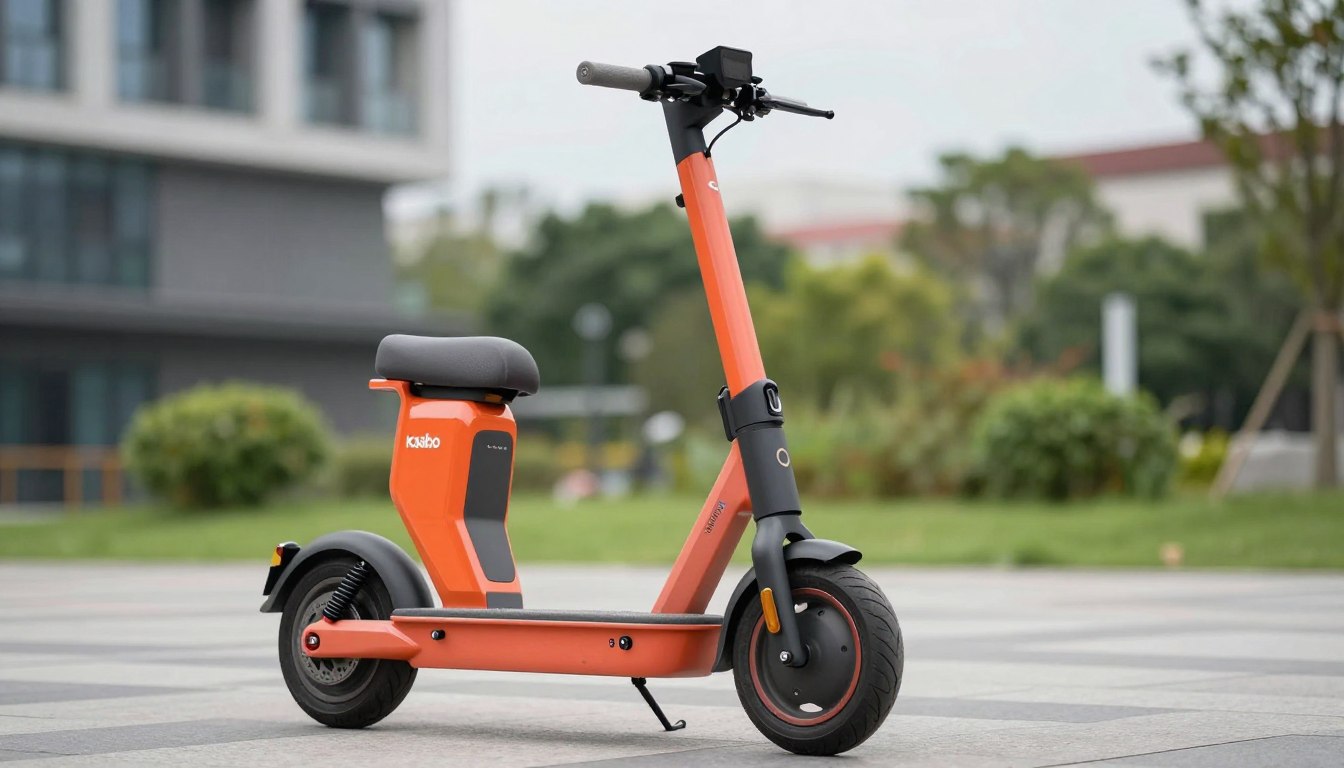
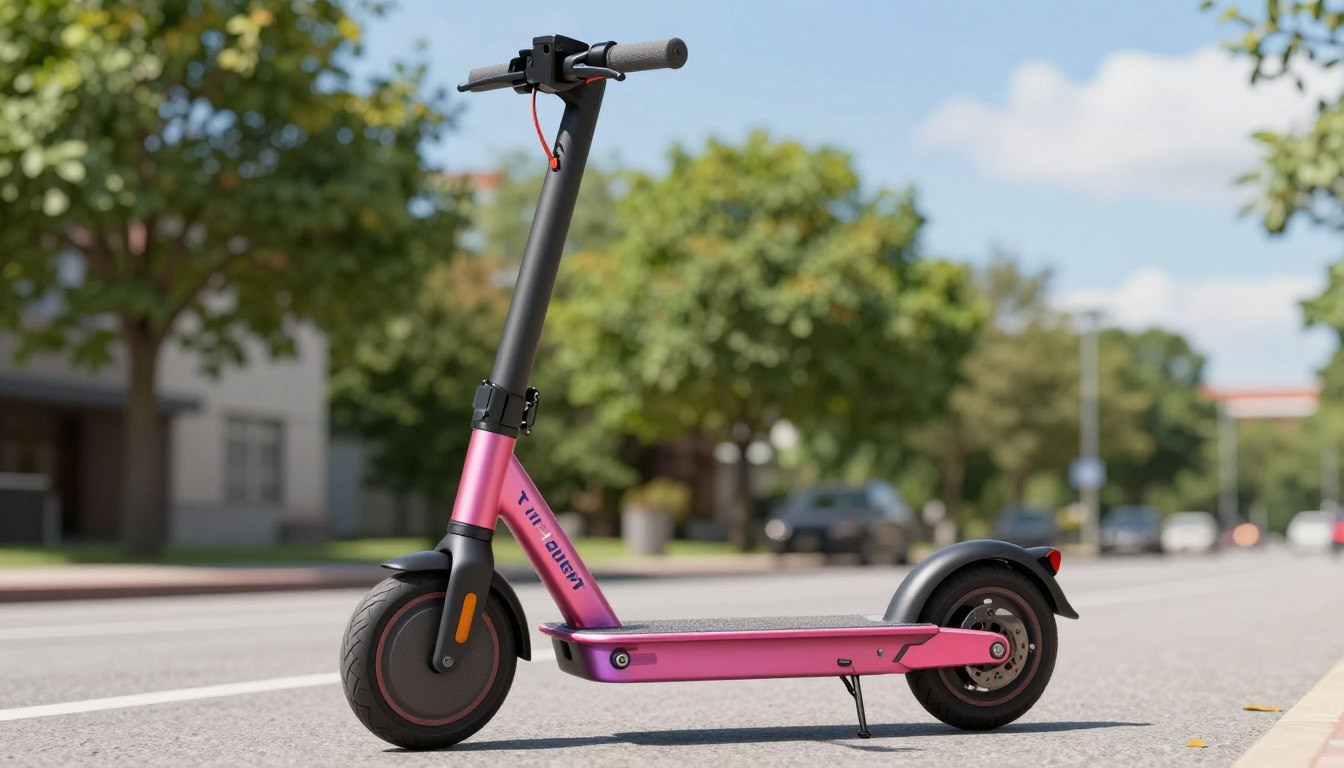
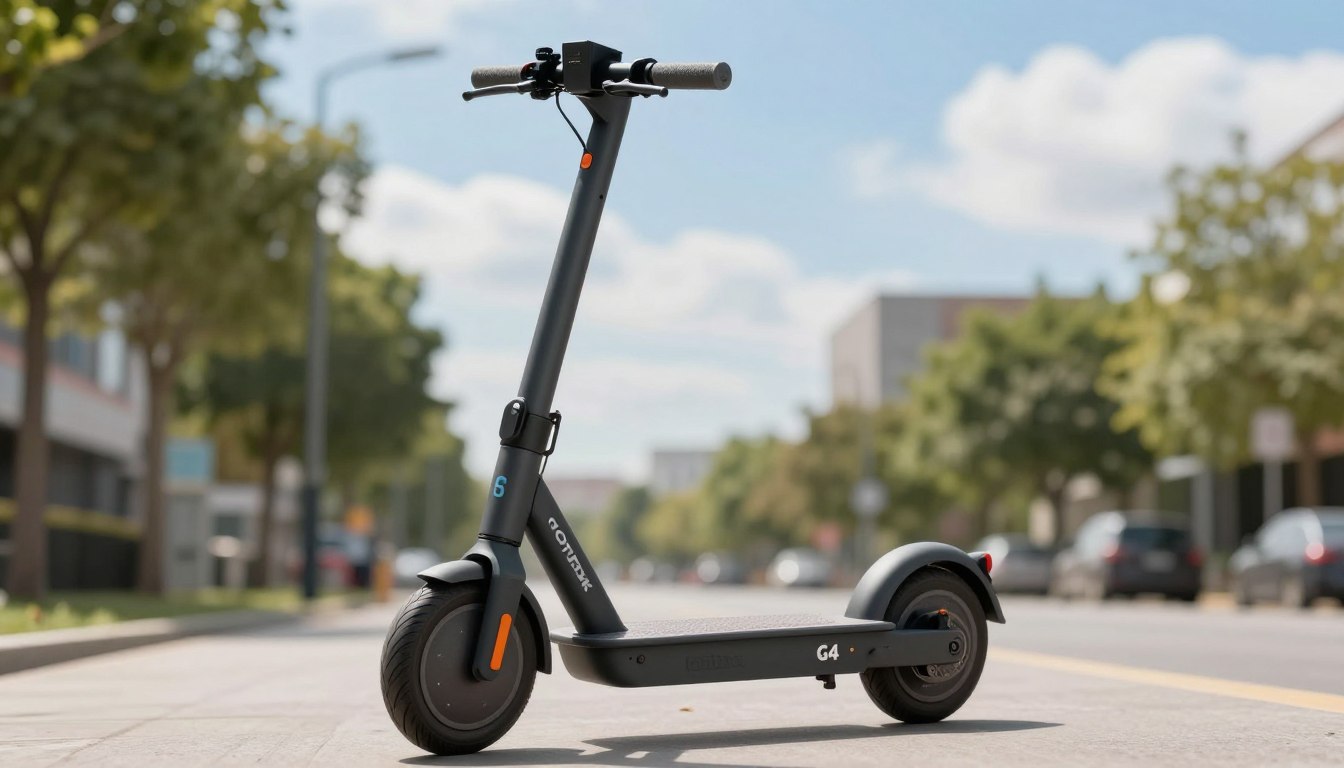
This roundup compares compact commuters and long‑range models so readers can match features to daily use.

Urban commuters: compact frames, quick charge, and strong brakes
City riders should pick compact frames that are easy to carry and stow. Quick charge times allow top‑ups between errands.
Look for reliable brakes, integrated lights, and a grippy deck for busy streets. Regenerative braking helps in stop‑and‑go traffic.
Suburban range seekers: larger batteries and stable high‑speed cruising
Longer trips need bigger packs and stable handling at 20–30+ mph. Suspension or pneumatic tires smooth rough asphalt.
Balance range with charging access so long rides don’t leave riders stranded.
Global snapshot for perspective: India 2025 price and spec highlights
India’s market ranges from low‑cost OLA Gig (Rs. 39,999; 112 km claim) to premium BMW CE 04 (approx. Rs. 15,25,000). Mid‑segment names like Bajaj Chetak and TVS iQube show 3.5–5.3 kWh packs and 150–212 km claims, useful benchmarks for value.
Value checklist: what to compare before you add to cart
- Real‑world range, standard outlet charge time, and brake type.
- Warranty length, local service access, and parts availability — so you can file ticket requests easily.
- IP rating, tire and brake replacement costs, and whether you’ve blocked indoor charging space.
Real‑world testing insights: ride quality, folding, and durability
Hands-on riding shows how build choices change confidence on uneven sidewalks. Test loops over curbs, patched asphalt, and brick reveal what truly matters for daily use.
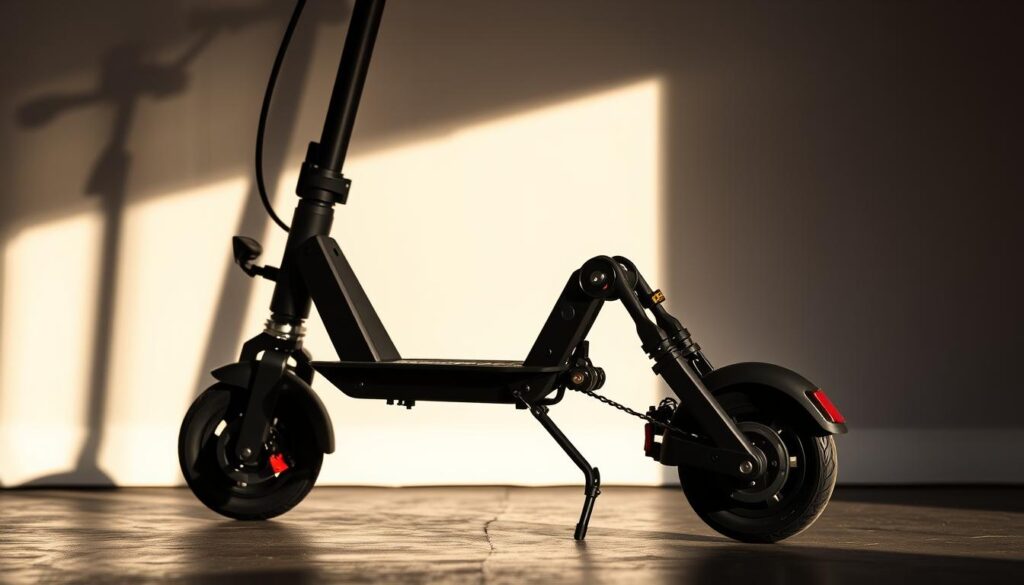
Why wheel size, bearings, and deck stability matter
Wheel diameter changes the ride more than many shoppers expect. Larger pneumatic tires roll over expansion joints and cracks with less shock.
Bearings influence glide and noise. Premium bearings feel smoother and reduce rider fatigue on longer trips.
Deck stiffness keeps stance stable. A flex-free, grippy deck helps when braking hard or dodging obstacles.
Weight, folding mechanisms, and brake reliability
Heavier frames and stiff folds make carrying a chore. Simple, secure folding hardware that locks with minimal play lasts longer and annoys less.
- Brake checks: look for strong bite without grabbing and test regen behavior in traffic.
- Cable routing: sealed ports and tidy routing reduce water damage and trips to service.
- Maintenance plan: check pads, rotors, tire pressure, bolt torque, and bearing smoothness regularly.
If a rider needs help after purchase, they should know how to file ticket requests and track a service ticket quickly. For compact models and folding options see folding options.
Ready to roll with confidence
Wrap up your search by matching daily miles with a realistic riding plan and local support. ,
Finalize a short list that aligns range claims with independent reviews. Book a test ride to feel throttle response, brake modulation, and folding ease.
Verify warranty coverage for battery, controller, and motor and note where to file a service ticket. Confirm nearby authorized centers and typical parts turnaround.
Budget for gear: helmet, lock, lights, and basic spares. Set a charging routine and avoid deep discharges if you’ve blocked indoor outlets.
Keep simple records of mileage and maintenance. Reassess after a month and tune tires or riding mode for better range if needed.
FAQ
How can a customer file a ticket if their scooter is blocked or won’t turn on?
The customer should contact the retailer’s support portal or the manufacturer’s customer service to file a ticket. They must provide the model number, serial number, purchase receipt, and a brief description of the “blocked” condition. Including photos or a short video of the scooter and any error lights speeds up diagnosis. If the seller offers live chat or a phone line, use that first to get an immediate ticket number and next steps.
What documents are needed to submit a warranty claim or service ticket?
A valid proof of purchase, the scooter’s serial number, and a completed fault description are usually required. Warranties often ask for date of purchase, place of purchase, and pictures of the fault. If the scooter was registered online, provide the registration confirmation to help validate the claim faster.
How long does it typically take to get a response after filing a ticket for a blocked unit?
Response times vary but many retailers and manufacturers respond within 24 to 72 hours on business days. Some brands offer expedited support for safety-related issues. Customers should keep their ticket number and follow any troubleshooting steps while waiting to avoid delays.
Can a blocked scooter be safely reset at home before filing a ticket?
Yes, basic resets are safe and recommended: fully power off, disconnect and then reconnect the battery if accessible, and try a full charge cycle. Check the user manual for a factory-reset procedure. Avoid disassembling sealed components, which can void warranty coverage.
What should someone do if the support portal says the ticket is “blocked” or stalled?
If the ticket status stalls, escalate by calling customer service and referencing the original ticket number. Ask for a supervisor if the issue persists. Document all contacts, including dates, names, and outcomes, to support follow-up or potential chargebacks.
Are there regional differences in service and parts availability across U.S. states?
Yes. Service centers and spare parts inventories vary by state. Urban areas often have faster turnaround and more certified repair shops. Buyers should check local parts availability and authorized service centers before filing a ticket to understand expected repair timelines.
What can void a warranty when filing a ticket for a blocked scooter?
Unauthorized repairs, water damage from submersion, tampering with sealed battery packs, and use of non-approved chargers commonly void warranties. Always review warranty terms and use authorized service centers when possible to keep coverage intact.
How does battery health affect a scooter becoming blocked or unresponsive?
A degraded or deeply discharged battery can cause the controller to lock the system to prevent damage, making the scooter appear blocked. Running a full charge cycle and testing voltage can indicate battery issues. If battery replacement is needed, follow manufacturer guidelines and safety procedures.
If a retailer won’t honor a return, how can a customer pursue a ticket or claim?
Start with the retailer’s formal return and dispute channels and save all communication. If unresolved, use the manufacturer warranty channel, contact the payment provider for a dispute, or file a complaint with the state attorney general or the Better Business Bureau. Keep records and ticket numbers for each step.
Where can riders find troubleshooting guides and authorized service locations quickly?
The manufacturer’s official website is the best source for troubleshooting guides, firmware updates, and a list of authorized service centers. Many brands also publish downloadable manuals and video walkthroughs to help diagnose common “blocked” conditions before filing a ticket.