Discover Bajaj Chetak Electric: Price, Specs, and More
 PopScooter Team
February 13, 2026 3:51 am
.
18 min read
PopScooter Team
February 13, 2026 3:51 am
.
18 min read
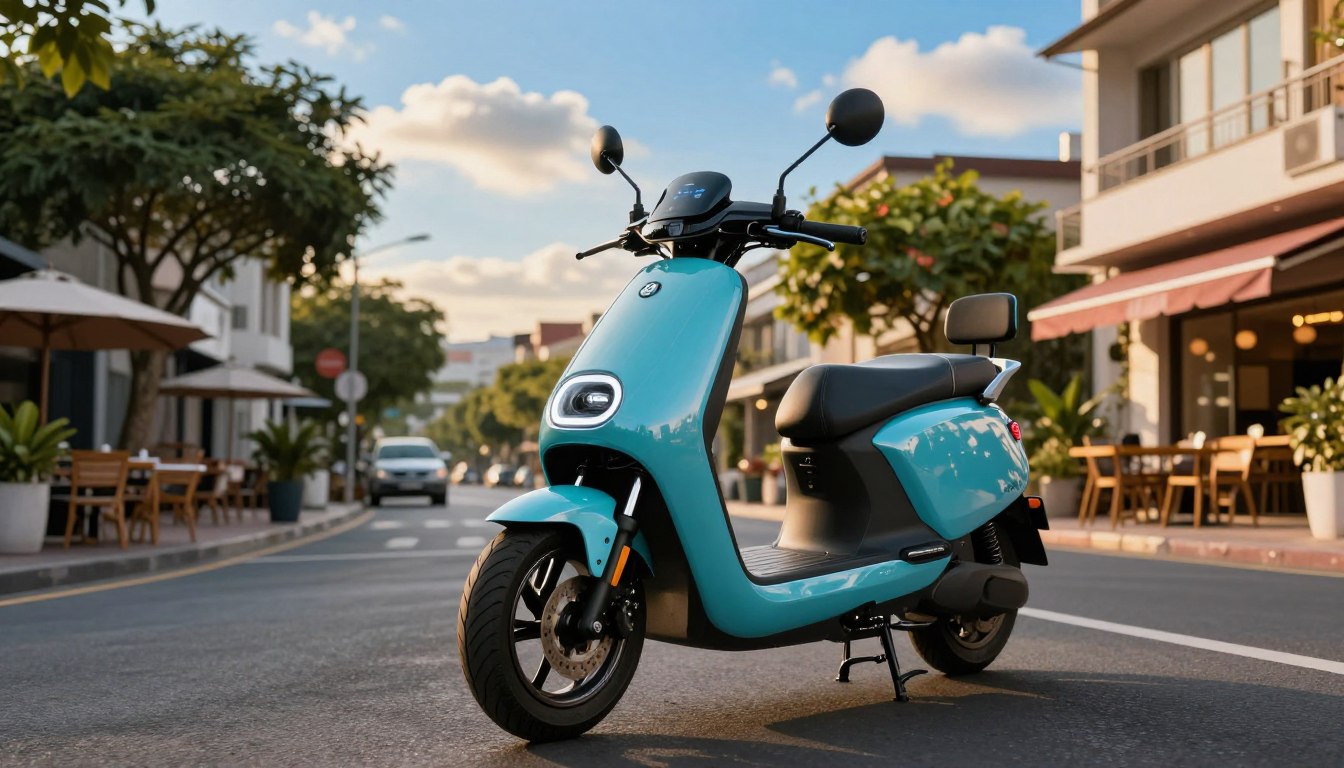
Can a retro-styled commuter scooter really beat modern city traffic while saving money?
The article frames the bajaj chetak electric as a premium-retro option built for daily urban rides. It previews what shoppers want first: price, variants, claimed range, battery setup, charging, top speed, and core features.
The scooter comes in four variants (3001, 3503, 3502, 3501) with claimed ranges from 127 km to 153 km depending on model. The write-up focuses on real-world usability, comfort, and build quality over headline performance.
Key highlights include 35L under-seat storage, CBS braking, and a fixed lithium-ion battery. The review will break down how each variant affects value, running costs, warranty, and owner feedback to help readers choose wisely.
Key Takeaways
- Overview of price and four variants to match different budgets.
- Range varies by model; expect 127–153 km claimed figures.
- Practical features like 35L storage and CBS braking enhance daily use.
- Fixed lithium-ion battery limits swaps but simplifies ownership.
- The review balances design, performance, and long-term value.
Quick take: what makes this electric scooter stand out in today’s market
This scooter stands out by pairing a vintage-inspired silhouette with practical features tuned for urban use.
Premium-retro design is more than styling. Reviewers praise the classic curves and the all-metal body panels that give a solid, substantial feel compared with many plastic-heavy rivals.
The refined exterior ties directly to perceived build quality. That heft isn’t just for show — it suggests better fit-and-finish and longer-lasting trim in daily use.
Built for city riding
The ride is notably smooth and quiet. Throttle response feels linear and controlled, which helps in stop-start traffic and tight lanes.
Comfortable seating and easy handling make short commutes and errands less tiring. The scooter’s low center of gravity improves balance while navigating urban streets.
Where it competes best
This model wins on practicality and everyday value rather than headline performance. Its strong points are consistent build, usable storage, and user-friendly features that matter to daily riders.
- Style-forward commuters who want classic looks with modern reliability.
- Riders who prioritize comfort, quiet operation, and simple handling.
- Buyers looking for long-term value over peak speed numbers.
bajaj chetak electric at a glance: latest lineup and what’s new now
Buyers should know which versions are current before comparing listings or price. The lineup now centers on four core variants: 3001, 3503, 3502, and 3501.
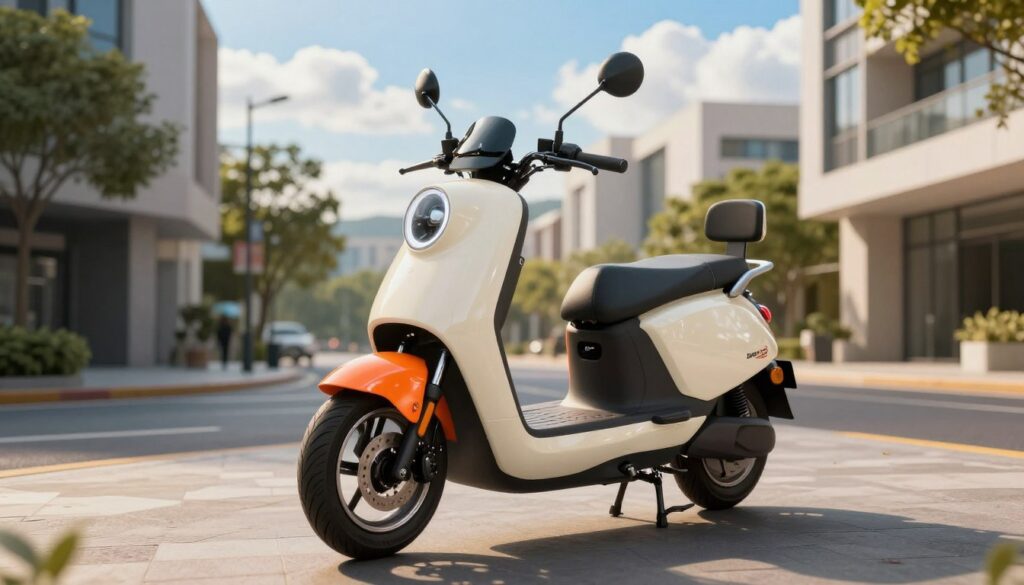
- 3001 — now on the 35-series platform; replaces the older 2903 and shifts some battery and charging specs.
- 3503, 3502, 3501 — offered with differing battery sizes, range claims, speed caps, and brake setups to suit varied needs.
- Differences matter: pick budget-first, range-first, or trim-first depending on daily use and priorities.
What the newer-direction names mean
Sources reference the Chetak C25 and C2501 as a new-direction family. These are positioned as more affordable or alternative options within the same model family.
That means buyers may see both legacy and C25/C2501 references in listings. Confirm the exact variant and year before choosing. For a quick check on expected price ranges, see the latest price guide.
Price and on-road price: what buyers should expect
Knowing what to budget clears the path from interest to ownership.
Ex-showroom pricing by variant
- 3001 — ₹1,02,377
- 3503 — ₹1,09,580
- 3502 — ₹1,22,518
- 3501 — ₹1,34,087
What on-road price usually adds
On-road price commonly includes registration, state taxes, and insurance. Dealers may also add handling or temporary registration fees.
These extras make final costs vary by city and by the current year. Buyers should expect on-road totals to be several thousand rupees above ex-showroom figures.
Monthly payments snapshot
EMI plans start around ₹3,498/month, which helps split the outlay. Tenure and APR change monthly payments a lot.
What to ask the dealer
- Exact registration fees and insurance type.
- Whether accessories or tech packs are extra.
- Current offers for the year and any handling charges.
Think of the jump from 3001 to 3501 as paying for larger battery, higher speed cap, better brakes, and upgraded trim. That helps judge true value among the available options.
Range and real-world distance: how far can it ride?
Real-world distance matters more than brochure numbers when daily commutes are the priority.
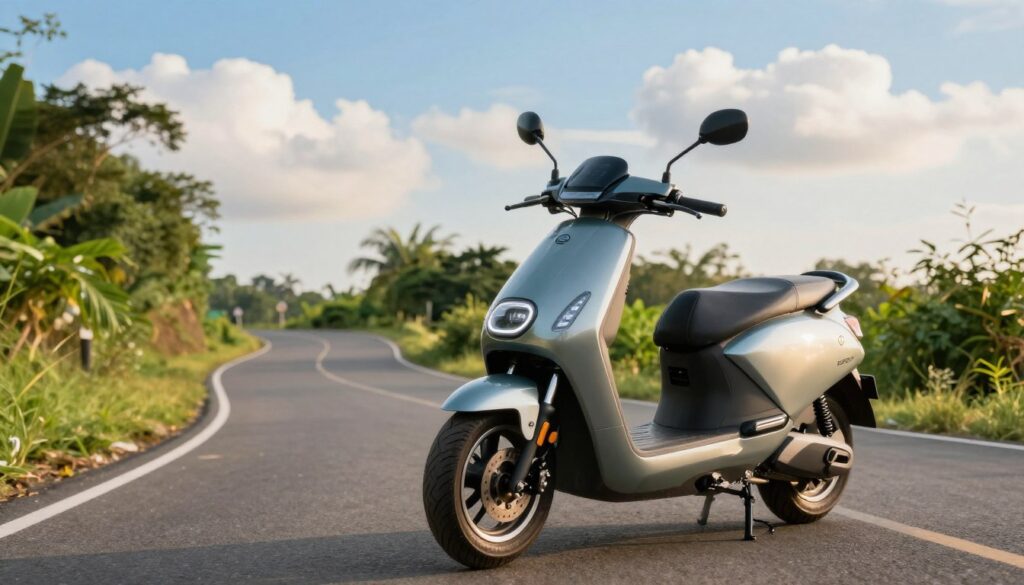
Claimed range by variant: the lineup spans from 127 km for the 3001 to 151 km for the 3503 and 153 km for the 3502/3501. These figures give a quick sense of how battery size maps to distance.
Owner reports and what changes the numbers
Owners often see lower figures than claims. For example, one listing shows about 98 km/charge for the 3001 in heavy stop-start city traffic.
Experts say 3.5 kWh models commonly manage 120–140 km in mixed urban use. Traffic, rider weight, tire pressure, average speed, and riding mode all shift outcomes.
Range-anxiety check: who each tier suits
Shorter-range models fit riders with short daily loops and reliable home charging. Longer-range versions suit commuters who string multiple trips or avoid daily top-ups.
- Pick 127 km if trips are under 50 km and you can charge nightly.
- Choose 151–153 km for longer daily distance or fewer charging stops.
- Consider how often you use Sport mode — higher speed and aggressive throttle cut range significantly.
Buying lens: match claimed distance to real routine, not the highest brochure number. This yields better value and fewer surprises on the ride.
Top speed and acceleration: performance expectations in everyday traffic
Everyday traffic exposes what real-world speed and pull feel like for riders. The bajaj chetak balances modest top numbers with usable city manners that matter most on commutes.
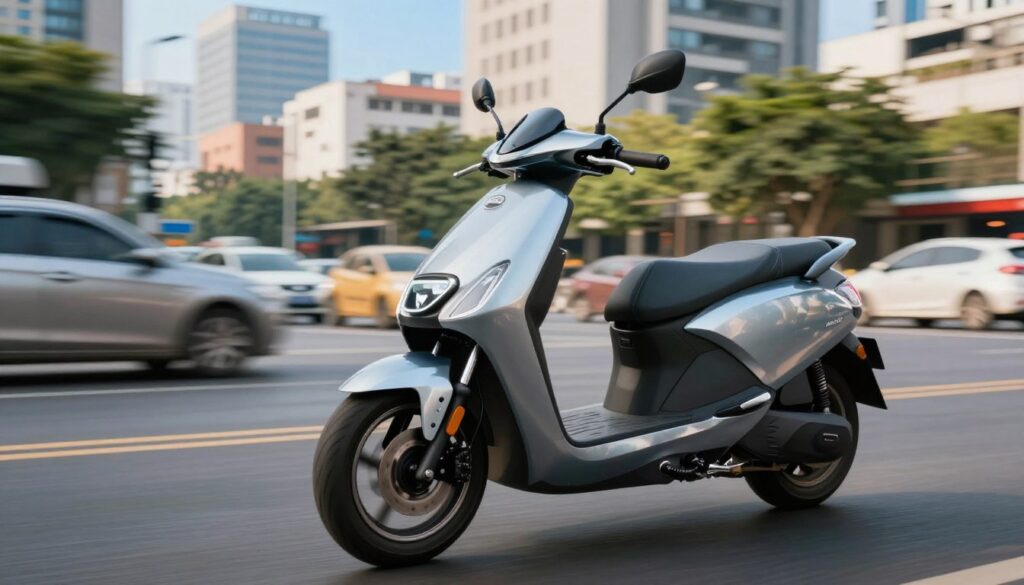
Top speed kmph by variant
Two speed caps define the line-up: the 3001 and 3503 are limited to 63 kmph, while the 3502 and 3501 reach 73 kmph.
That 10 kmph gap matters on faster arterials and during overtakes. Riders who cross short stretches of highway will prefer the 73 kmph options for safer passing.
City agility and easy handling
Acceleration is smooth and predictable. The scooter delivers steady pickup that helps in stop-and-go jams and keeps newer riders in control.
Its handling is calm and confidence-inspiring. Predictable steering, low center of gravity, and composed suspension give stable control rather than aggressive punch.
- Practical note: pick 63 kmph if most riding is dense downtown.
- Choose 73 kmph for longer runs with faster stretches and fewer speed limits.
- Expect measured acceleration that favors daily comfort over sporty performance.
Battery, motor, and power: what’s under the bodywork
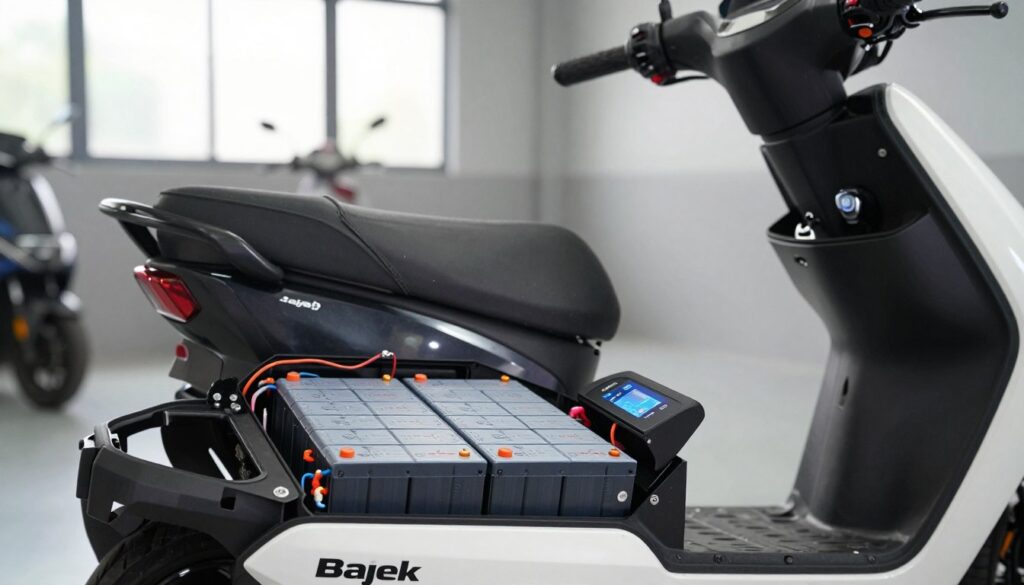
The bajaj chetak has two lithium-ion pack choices: a 3.0 kWh option and a 3.5 kWh option. The larger pack adds usable range and daily flexibility, while the smaller pack keeps weight and cost down.
Motor and power
The drive uses a BLDC motor that peaks at about 3.1 kW of max power. That setup favors steady city responsiveness over sprinting. Riders get linear throttle feel and predictable performance in traffic.
Protection and ownership notes
The fixed-battery design means owners charge the scooter where it is parked instead of swapping cells. The pack carries an IP67 rating, which boosts confidence for wet-weather and everyday exposure.
- Capacity trade-off: 3.0 kWh for lighter cost; 3.5 kWh for longer range.
- Motor note: BLDC setup tuned for smooth city power delivery.
- Durability: IP67 protection and a sealed, fixed system improve long-term quality.
Charging time, charging at home, and daily convenience
How long a scooter sits on the charger often decides if it fits your routine.
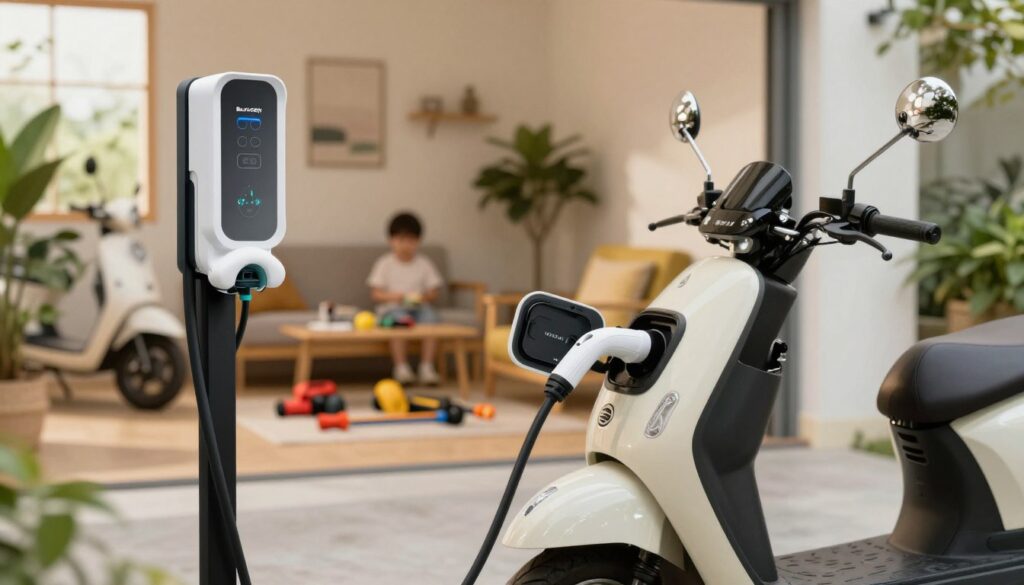
Charging times by variant
0–80%: 3001 — 3.5 hrs; 3503/3502 — 3.25 hrs; 3501 — 3 hrs.
0–100% (where listed): 3502 — 3.25 hrs; 3501 — 3 hrs.
Charger details and overnight routines
The scooter includes a 750W charger. That output makes overnight top-ups simple: plug in after dinner and wake up ready for commuting.
With the fixed battery design, owners charge where the scooter parks. Good outlet access and safe cable routing matter for a smooth home setup.
Fast charging and practical alternatives
Spec sheets list no fast-charging option. For many riders, short top-ups during long parking windows or evening charging covers daily needs.
- Plan regular night charging to match typical commutes.
- Use longer parking stops for a quick 20–30% boost when needed.
- Consider charging access at work or public stations as backup options.
Practical value: a modest extra charge time is often acceptable if the build, ride comfort, and daily usability match what the buyer needs from the bajaj chetak.
Design and build quality: the “classic Chetak” vibe, updated
Timeless curves and modern touches combine to give this model a distinct street presence.
Retro lines, contemporary lighting, and modern trim updates
The design mixes a vintage silhouette with clear LED DRLs and full LED lamps. These lighting cues keep the look current while honoring the classic profile.
Experts note darker trim panels and cleaner edges that lift the overall aesthetic. Multiple colour choices let riders pick commuter-friendly neutrals or bolder shades for visibility.
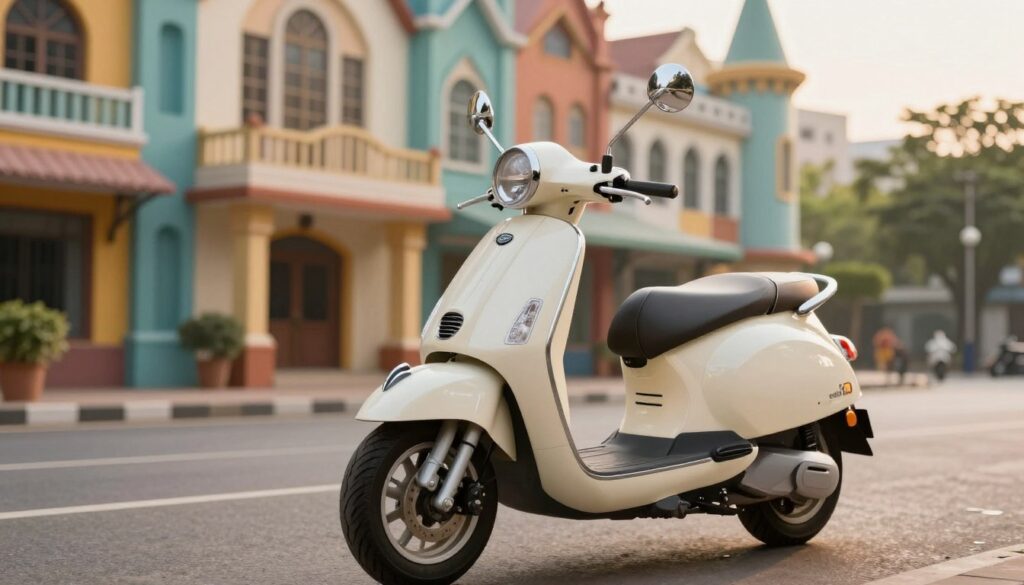
Fit-and-finish impressions and why build quality is a key selling point
Fit and finish stand out: tight panel gaps, premium paint feel, and solid switchgear give a premium touch. That quality matters day-to-day more than a spec sheet number.
Buyers often shortlist the bajaj chetak because its design presence and polished features make daily ownership feel special.
- Practical view: design that looks good in city traffic and at parking spots.
- Colour tips: choose neutral tones for low-key use or bright shades to increase visibility.
- Value note: the perceived build quality is a core part of what buyers pay for.
Comfort and ride quality: suspension, ergonomics, and seat feel
How a scooter soaks up potholes and speed bumps defines its value for most urban riders. This section looks at chassis choices and what they mean for everyday comfort and control.
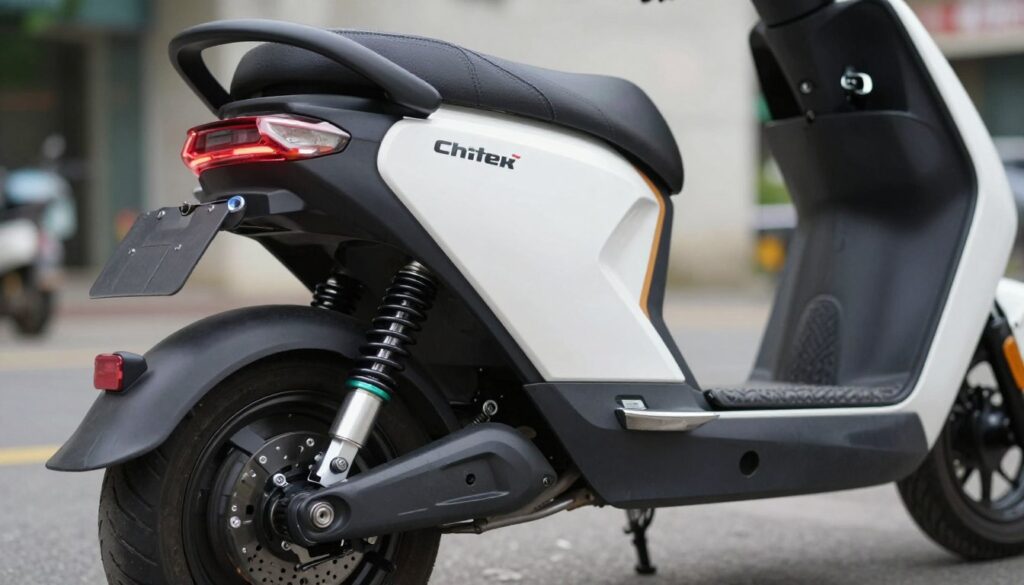
Front and rear setup
The front uses a single-sided leading link while the rear runs a mono-shock. This suspension combo is tuned for a composed, steady ride rather than a stiff, sporty feel.
Seat height and rider friendliness
At 775 mm seat height, the scooter suits a wide range of riders. Shorter riders find footing easier in stop-and-go traffic, and taller riders still get comfortable posture for longer trips.
Handling, balance, and everyday control
Battery placement gives a low center of gravity, so balance at low speed improves and confidence rises when maneuvering tight lanes. The result is calm handling, less rider fatigue over time, and consistent performance on uneven city pavement.
- Real-world feel: smoother passage over bumps and speed bumps.
- Daily benefit: less strain on wrists and back during longer runs.
- Who it suits: commuters, new riders, and family users who value comfort over peak speed.
Features and tech: display, connectivity, and the everyday “nice-to-haves”
A scooter’s headline specs are useful, but its everyday tech decides how pleasant commutes feel.
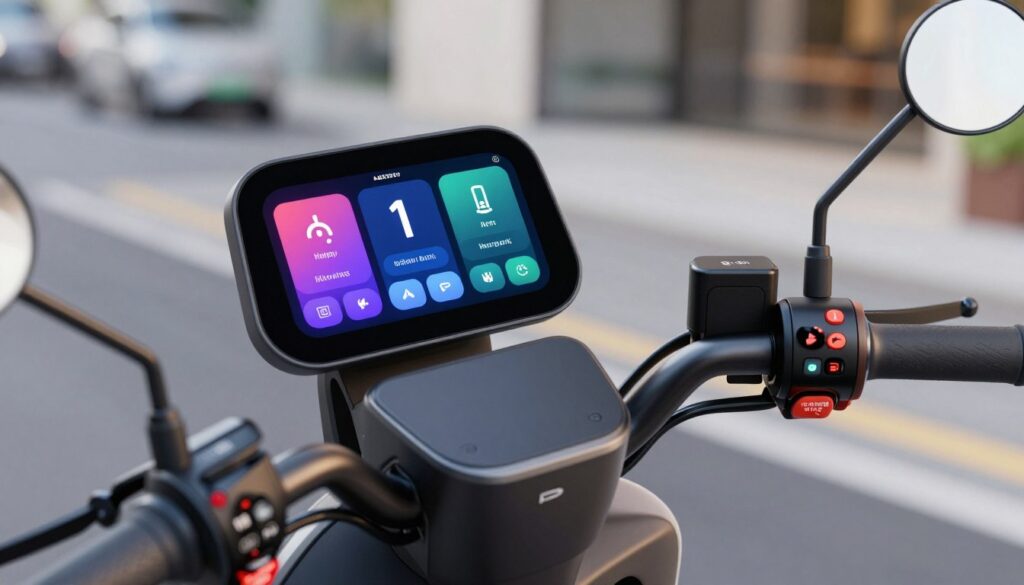
Instrument cluster and display options. Some trims come with a simple digital LCD instrument console. Higher trims or the optional tech pack offer a 5-inch color TFT touchscreen that adds maps, richer trip data, and clearer menus.
Connectivity that helps the commute. Bluetooth pairing delivers call and SMS alerts on the screen and sends basic ride stats to the companion app. The app-based system also logs trip history and battery usage for smarter planning.
Convenience features buyers use daily
Hill assist aids smooth takeoffs on ramps. Reverse mode helps in tight parking spots and narrow garages. Guide-me-home lamps keep the path lit briefly after locking the scooter.
Small touches that matter
There’s a front USB charging port for quick phone top-ups and a glovebox-like front storage area for keys or cards. Under-seat storage remains a practical 35L for a helmet and small bags.
- Confirm equipment by variant: display type and some features vary by trim.
- Everyday value: these features add convenience more than headline wow.
- Buyer tip: prioritize the features you will use daily, not just the largest display.
Storage and practicality: how usable is it as a daily scooter?
Daily usefulness often comes down to two things: how much you can carry and how easily you stow it.
35 liters under-seat space and what it holds
The under-seat storage is a class-leading 35L. In practice it swallows a half-face helmet, a medium grocery bag, a laptop backpack laid flat, or daily work items.
Full-face helmets usually do not fit easily. The flatter internal shape makes packing simpler and prevents odd stacking that can damage items.
Flat floorboard usability for errands and commuting
The flat floorboard boosts everyday utility. Riders can carry a small crate, grocery bags, or a tote without awkward balance shifts.
This layout helps on short errands and during the morning ride to work. It also makes mounting and dismounting quick when running short stops.
- Real test: bring your common bags to the showroom and do a quick “test pack.”
- Practical view: storage and a workable floorboard affect every trip more than small spec differences.
- Options tip: prioritize the load-carrying setup that matches your routine.
For a hands-on first look, see a recent review of the model family for more context: first-ride review and practical view.
Safety and braking: combined braking system, lights, and control
A scooter that brakes predictably and is easy to spot in traffic makes short commutes much less stressful.
How the combined braking system helps
The model uses a combined braking system that splits stopping force between both wheels when the rider pulls a single lever.
This layout reduces wheel lock and keeps the run stable under sudden braking. Riders get more consistent pedal feel and confidence in close urban traffic.
Brake hardware differences by variant
Not all trims use the same front brake hardware. The 3001 pairs CBS with a front drum brake, which is simple and low-cost.
The 3502 and 3501 step up to a front disc brake for stronger, crisper stopping and less fade on repeated stops.
- 3001: CBS + front drum — predictable for city speed stops.
- 3502 / 3501: CBS + front disc — better initial bite and control during hard stops.
Lighting and visibility: why it matters
Lighting is a safety multiplier. This scooter line includes an LED headlight, bright DRLs, clear turn signals, and hazard warning indicators.
These features improve day and night visibility and help other drivers judge speed and intent faster.
Practical tip: test brake feel on a short ride. Confirm lever response, stopping distance, and whether the combined braking system gives the expected control at urban speeds.
Ownership costs, warranty, and service experience: what the reviews suggest
Owning a scooter means looking past sticker price to the real costs of running, servicing, and warranty coverage.
Warranty and upkeep. The scooter carries a 3‑year or 50,000‑km warranty covering both product and battery. Warranty terms require scheduled service at authorized centers to stay valid.
Running cost and charging math
Estimated running cost is about ₹0.24/km. That assumes typical electricity rates and charger efficiency.
Actual charging expense depends on local per‑kWh price, charging losses, riding style, and how often one tops up.
Real-world praise and common complaints
Owners in reviews praise ride smoothness, build quality, and daily comfort. Many note strong perceived value for the price and year‑to‑year improvements.
Common complaints center on service responsiveness, parts cost, and occasional gaps between claimed range and real use.
Pre-buy checklist
- Confirm nearest authorized service center and typical turnaround time.
- Ask about parts availability and out‑of‑warranty pricing.
- Test a home charging routine to estimate monthly cost and time per charge.
How it compares: alternatives to consider before buying
When shoppers pit this model against rivals, the choice often comes down to feel versus outright numbers.
Style and build vs performance-first rivals
The bajaj chetak leans on premium fit, metal panels, and a classic look. Competing brands such as Ather, Ola, TVS, and VIDA push harder on raw performance and modern tech.
Similar claimed range figures can behave differently in traffic. Riding mode, payload, and tire pressure change real range quickly.
Top speed matters on open roads: 63–73 kmph caps suit dense city use. Riders wanting higher kmph ceilings may prefer rivals with stronger power and faster top speed numbers.
Best-fit buyer profiles
- Commuter: values comfort, low daily cost, and steady range for routine trips.
- Family rider: chooses storage, build quality, and simple controls over peak performance.
- Value seeker: compares warranty, service network, and total ownership costs rather than just motor specs.
Final note: test-ride multiple options to feel differences in power delivery and handling. That reveals more than paper specs when choosing a new electric scooter.
Is the Chetak electric scooter worth it right now?
Is the Chetak electric scooter worth it right now?
The best way to judge this scooter is by matching its claimed range and price to an individual’s daily routine. If someone values a premium feel, 35L storage, a smooth ride, and a solid warranty, this model often fits well.
They should ask three things: what price bracket they can accept, how much range they actually need, and whether charging at home is simple. For cost-conscious city use pick the 3001; choose the 35-series for higher range and the 73 km/h variants for extra headroom.
Compare current-year offers and consider the newer chetak c25 or chetak c2501 for lower entry cost. Finally, confirm the on-road quote, verify included charger and features, check service center proximity, and take a test ride. For pricing context see the detailed price guide: price and ownership view.
FAQ
What are the main variants in the current lineup and how do they differ?
The latest lineup includes the Chetak 3001, 3503, 3502, and 3501 variants. They differ mainly in battery capacity, range, and top speed caps. Higher-numbered variants generally offer larger battery packs, longer claimed range, and slightly higher top-speed limits. Trim and feature levels such as display type and connectivity options may also vary between variants.
What is the expected real-world range for typical city use?
Claimed ranges span roughly 127 km to 153 km per charge depending on the battery pack and riding mode. Real-world city range typically falls below the claim and depends on traffic, average speed, rider weight, use of accessories, and ride mode selection. Expect lower figures in heavy stop-and-go traffic or with frequent hard acceleration.
How fast can it go and how does that translate to everyday riding?
Top-speed caps vary by variant, commonly around 63 km/h for standard setups and up to about 73 km/h for higher-spec versions. In everyday urban traffic, these speeds are sufficient for safe lane-merging and overtaking on city streets while preserving battery life and range.
What battery options are available and how durable are they?
Battery packs include options around 3.0 kWh and 3.5 kWh capacities. Packs are typically fixed to the scooter and carry IP-rated protection for water and dust resistance. Durability depends on charging habits and climate, but manufacturers provide multi-year warranties to cover normal degradation.
How long does charging take at home with the standard charger?
The scooter ships with an onboard charger rated around 750W. Expect overnight full charges for the larger pack and shorter times to reach 80%—exact numbers vary by variant. The included charger is intended for regular overnight top-ups rather than frequent rapid charging.
Does fast charging exist for this model and is it practical?
Fast charging support is limited. While some service options may speed up charge times, the scooter is primarily designed for home charging with the supplied unit. Practical alternatives include swapping schedules or using multiple daily top-ups to manage range needs.
What type of motor does it use and what power can riders expect?
The scooter uses a BLDC motor with peak power figures up to around 3.1 kW, delivering brisk city acceleration. The motor’s output provides smooth low-end torque, which suits stop-and-go traffic and short commutes while keeping the ride quiet and efficient.
How is ride comfort — suspension and ergonomics — for daily commuting?
The setup combines a leading-link front and a monoshock rear, tuned for urban roads. Riders will notice a stable, planted feel with a low center of gravity and an ergonomically friendly seat height that accommodates a wide range of heights comfortably for daily commutes.
What convenience features and connectivity does it offer?
Features can include LCD or TFT instrument clusters, Bluetooth connectivity for call and message alerts, app-based ride stats, hill-start assist, reverse mode, guide-me-home lamps, and a USB charging port. Feature availability varies by variant and trim.
How much under-seat storage is available and is it practical?
Under-seat storage is about 35 liters, large enough for a helmet and small items, and the flat floorboard aids carrying small bags and groceries. The space is practical for daily errands and short commutes but not for larger cargo without additional accessories.
What braking and safety systems are fitted?
Braking typically uses a Combined Braking System (CBS) with drum or disc hardware depending on the variant. Lighting is LED for headlights and DRLs, improving visibility. These systems focus on predictable stopping and enhanced night-time visibility.
What are typical ownership costs, warranty, and service expectations?
Warranty coverage often includes several years for both product and battery—commonly three years or a set kilometer cap. Running costs per km are low compared to petrol scooters; actual cost depends on local electricity rates. User feedback highlights good build quality and low running cost as positives, with service network and parts availability sometimes cited as areas to watch.
How does it compare with rivals like Ather, Ola, and TVS?
This scooter emphasizes premium build, retro-modern styling, and daily usability rather than outright performance. Competitors may offer higher top speeds, faster charging, or more connected tech, but this model stands out for its metal body feel, fit-and-finish, and comfort-focused setup. Buyers should weigh style and build quality against range and performance priorities.
Who is the best-fit buyer for this scooter?
Ideal buyers include city commuters and value-seeking riders who prioritize build quality, refined ride feel, and practical daily usability. It also suits riders who want a stylish, low-maintenance alternative for short-to-medium urban commutes rather than long-distance touring.
Are there financing options and what should buyers expect for on-road price additions?
EMI and financing options are commonly available through dealerships and financial partners. On-road price includes registration, applicable taxes, and insurance, which can significantly increase the ex-showroom price. Prospective buyers should request a detailed on-road quote to understand total upfront costs.