Automatic Scooter Reviews & Comparisons
 PopScooter Team
December 10, 2025 7:51 am
.
19 min read
PopScooter Team
December 10, 2025 7:51 am
.
19 min read
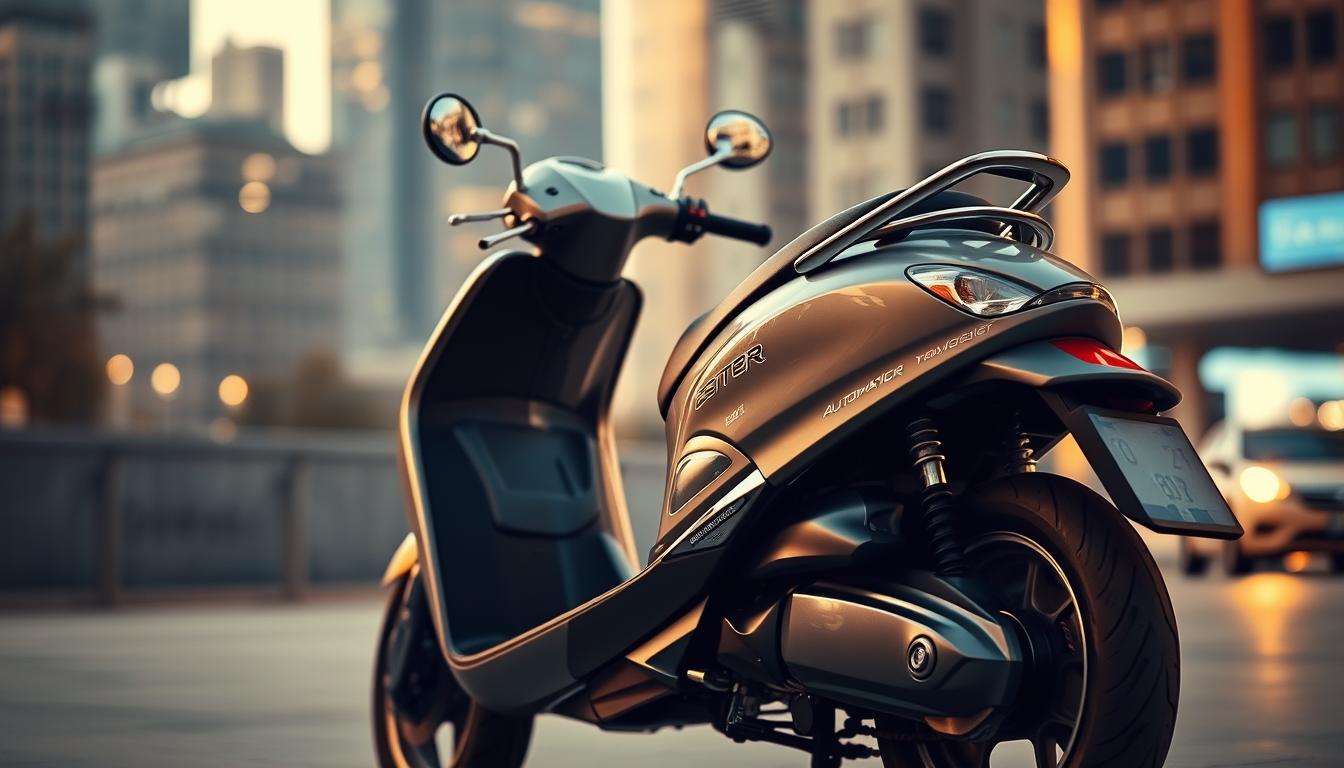
Which ride today really matches an adult’s daily needs and budget? This roundup helps readers weigh popular models, trims, and real-world fit for adults who want easy ownership.
Short, useful guidance follows clear comparisons of engine classes, ergonomics, and common features. The guide highlights standout choices like 50cc starters, confident 150cc options, trikes, and e-commuter alternatives.
Readers get a snapshot of typical price ranges seen at U.S. retailers and tips on how sizes, storage, and maintenance affect daily use. The piece also explains which updates matter for reliability and where promotions often appear, so they can spot real value quickly.
How this product roundup evaluates today’s automatic scooter models
This guide scores each scooter by how it performs for real riders in everyday use. The focus is on ride quality, braking control, and how comfortable a model feels in traffic and at low speed.
Ergonomics matter. Reviewers check seat height, floorboard space, and reach to the bars to match different sizes of riders. That makes it easier to tell who will find a model comfortable for city and suburban trips.
Specs are verified and tied to practical benefits. Handling, acceleration, and stopping distance are compared against class norms. Convenience tech like USB ports and storage is noted, but kept separate from must-have safety features.
- Ownership: maintenance intervals, parts access, and service ease
- Stability: tire size, brake hardware, and weight balance
- Pricing: advertised sale vs likely add-ons at checkout
For electric entries, range and charging fit real trip patterns. The final recommendations highlight what matters most week after week: control, comfort, and low hassle ownership.
Top automatic scooter picks for the U.S. market
The following models show where value, power, and ergonomics meet for everyday riding in U.S. towns and suburbs.
The Lifan KPV 150 ADV blends EFI and liquid cooling for confident city and light-adventure use. Priced around $2,699.99 (was $3,299.99), the lifan kpv 150 brings ADV-style ergonomics and a lively motor that suits longer commutes and weekend runs.
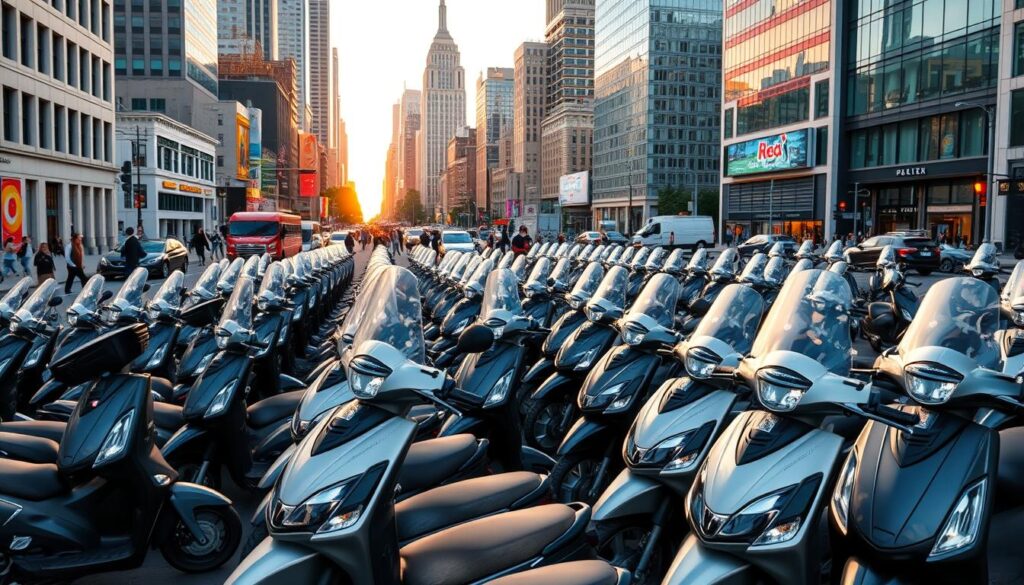
Lifan KPV 150 ADV EFI adventure-ready commuter
Pro-level features without the pro price. EFI and liquid cooling make the KPV 150 a reliable 150 scooter for riders who want stable speed and good cooling under load.
BMS Chelsea 150 and Heritage 150: classic looks, city practicality
BMS models balance vintage style with usable storage. Chelsea 150 lists near $2,099.99 while Heritage trims range from $1,499.99 to $1,799.99 on sale. They are solid options for daily errands and short commutes.
Super Hornet 150: sporty value with USB convenience
The Super Hornet 150 offers a sportier feel and modern touches like a USB port. At about $2,199.99 on sale, it undercuts many rivals while keeping sensible speed and braking for urban riders.
Maddog generations: mini-chopper vibe and customization
Maddog 50cc and 150cc models deliver a stretched stance and aftermarket potential. Prices span roughly $1,599.99–$2,599.99, with trike variants nearer $2,699.99–$2,999.99 for buyers seeking extra stability or cargo utility.
- Price versus options: check whether color or trim choices add to the sticker price at checkout.
- Deals: sale pricing varies—use listed numbers as negotiation baselines.
- Electric scooter note: similar budgets include electric options with lower running costs and less routine maintenance.
automatic scooter vs automatic motorcycle: which ride fits your lifestyle?
Choosing between a compact CVT model and a DCT-equipped bike depends on daily needs and routes. This short guide helps riders match features to real use so they pick the right fit for town or highway.
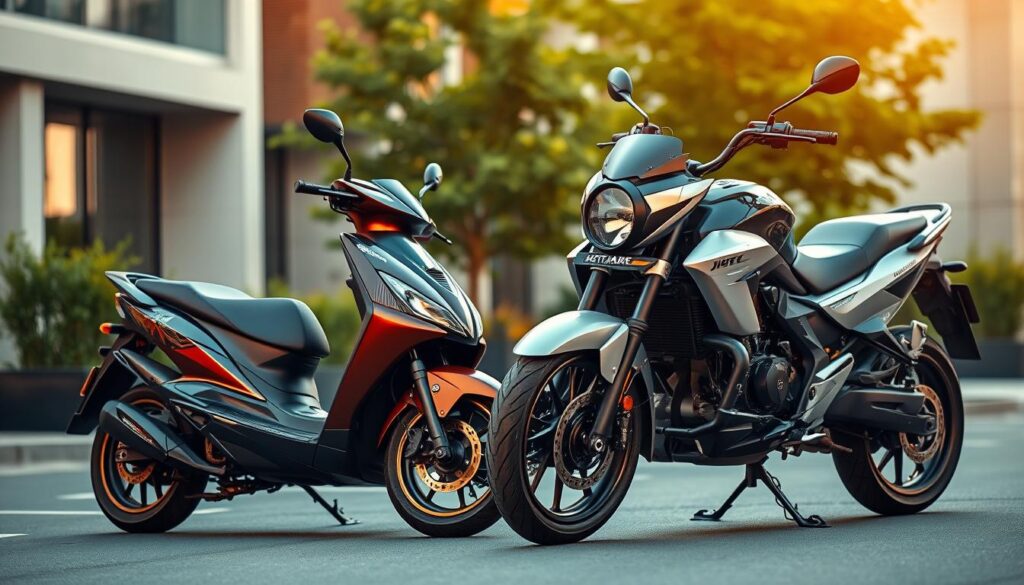
CVT ease, DCT confidence on the road
CVT models deliver twist-and-go simplicity, easy low-speed control, and handy storage for errands. They shine in dense traffic and tight parking where nimble handling matters.
DCT and other auto bikes offer stronger stability at speed and more passing power. Riders with longer commutes or regular freeway time will feel safer on larger wheels and firmer suspension.
Key trade-offs to weigh
- Ergonomics: seat height and center of gravity affect confidence at stops and during U-turns.
- Practicality: step-through frames and underseat storage favor short hops and campus runs.
- Safety & cost: licensing, insurance, and ABS availability influence total ownership.
- Future needs: think about tomorrow — if commutes grow, more displacement may be wise.
For weekend fun, a light step-through ride often feels more relaxed, while a full-size motorcycle gives sportier feedback. Test rides are the best way to judge which bike or scooter suits your daily life.
Electric scooter and e-moped options for effortless commuting
Modern e-moped and electric options focus on usable range, quick starts, and easy charging.
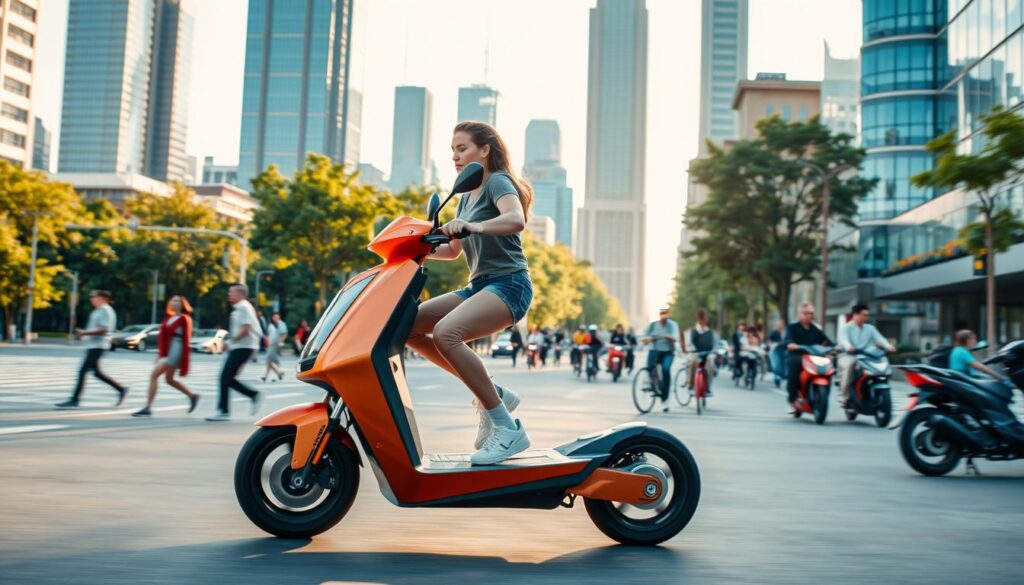
Lifan E3 1200W Bosch electric scooter: premium efficiency
The Lifan E3 uses a 1200W Bosch hub motor with a 60V lithium pack for refined efficiency and low noise. Priced around $2,599.99 (now $2,249.99), it targets riders who want steady city range and smooth throttle control.
Venom E-Moped 2000W and E-Vader: brushless power with 72V punch
Venom’s E-Moped ($1,799.99) and E-Vader ($1,999.99) use 2000W brushless motors on 72V systems for brisk launches and confident cruising on main streets.
Understanding 350W vs 500W classes and real-world use
Practical note: 350W models suit flat-city trips and lighter loads. A 500W motor usually gives stronger hill-climb and start-up torque for heavier riders or steeper routes.
- Range planning: map weekday miles and leave a buffer for detours and cold weather drops.
- Charging: removable batteries or easy access to outlets matter for apartment riders.
- Options: upgrades like storage, windscreens, and faster chargers tailor an electric to each commute.
For links to local inventory and model pages, see the dealer sitemap.
150cc class favorites: speed, stability, and daily rideability
The 150cc class hits a sweet spot for adults who want both city nimbleness and enough speed for longer runs. These models blend usable top-end speed with a comfortable riding position for everyday trips.
KPV 150 pairs EFI and liquid cooling for smooth throttle response and steady power under load, helpful on rolling suburban streets.
BMS 150 series focuses on approachable ergonomics and roomy footboards, making long stop-and-go errands less tiring for riders.
Maddog 150 brings a stretched stance and eye-catching style. Pros should test seating comfort on longer rides to ensure posture stays relaxed.
- Ride trade-offs: wider tires and a longer wheelbase add stability but can feel firmer.
- Practical speed: expect quicker launches and higher max indicated speed than 50cc models; match cruise target to your daily roads.
- Maintenance tip: check belt, variator, and clutch access to lower long-term service hassle.
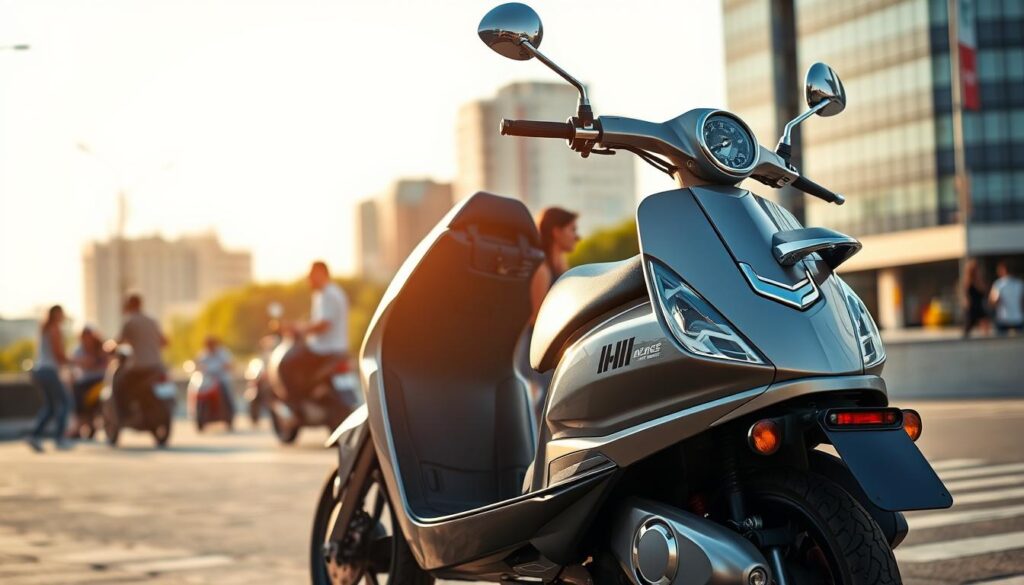
50cc automatic scooters for teens and city-first riders
Entry-level 50cc rides offer a gentle learning curve for teens. These models keep controls simple and speeds manageable, making them well suited to neighborhood streets and short campus commutes.
Moped-style frames provide easy step-through mounting and useful underseat storage for quick errands. Parents and guardians should check brake feel, lighting, and tire quality before a first ride to boost confidence.
Electric options in this class remove fuel stops and trim maintenance for new riders. Range is modest, so plan short hops and overnight charging. Practicing slow-speed turns and firm stops in a parking lot helps teens build safe habits.
- Quick checklist: helmet fit, visibility gear, basic rider training, and local registration rules.
- Easy upgrades: rear trunk, phone mount, brighter bulbs to improve daily utility.
- Practical tip: route planning keeps travel time reasonable despite lower top speed.
Three-wheeled trike options for balance and load capacity
If balance and load carrying matter, a three-wheeled layout can change daily usability. Trikes give a steadier feel at stops and when turning slowly.
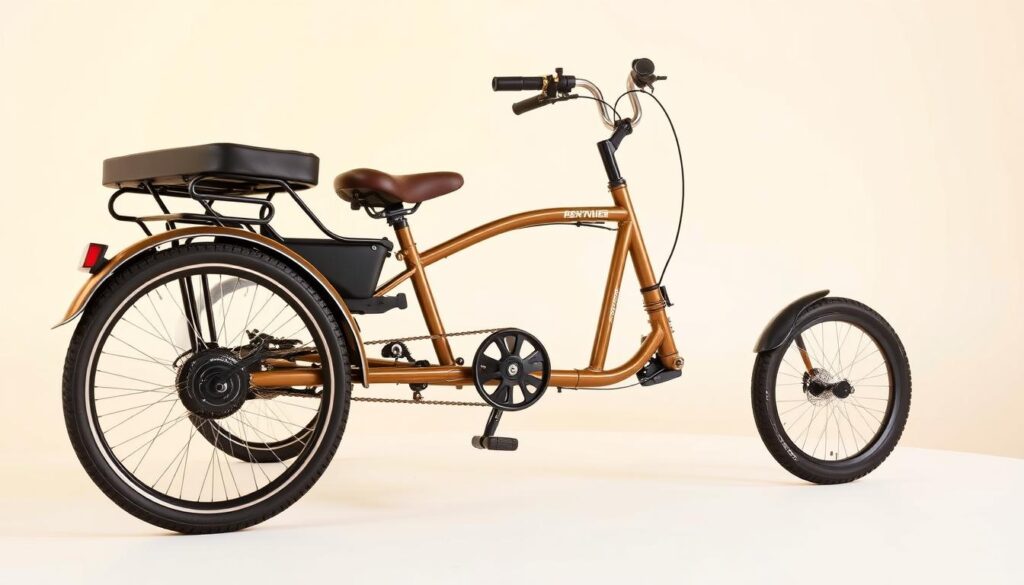
The Q6 150CC TRIKE PST150-17 lists near $2,799.99 (was $3,199.99). SABER CAT’s 200cc trike with reverse shows around $3,799.99 (was $5,499.99). Maddog three-wheel models run roughly $2,699.99–$2,999.99 depending on configuration.
Practical advantages: many include reverse for tight parking, larger decks for hauling, and stronger brakes to handle extra weight.
- Three-wheel designs boost low-speed confidence and make carrying gear easier.
- Check tire sizes and brake specs — extra mass affects stopping distance and corner feel.
- Shipping and delivery can add cost; confirm whether liftgate or assembly is included.
- Options for racks, boxes, and tie-downs turn a trike into a true grocery or gear hauler.
- Wheelbase and wider stance improve planted feel but can limit narrow-lane filtering and top speed.
Riders should test a trike in an open lot to learn three-wheel steering dynamics and confirm the best option for their daily runs.
Lifan KPV 150 spotlight: EFI, liquid-cooled performance, and ADV ergonomics
The Lifan KPV 150 mixes adventure-ready ergonomics with a motor package built to keep pace on mixed roads. It pairs EFI and liquid cooling to hold speed on hills and in heat, which helps maintain a smooth roll-on in stop-and-go traffic.
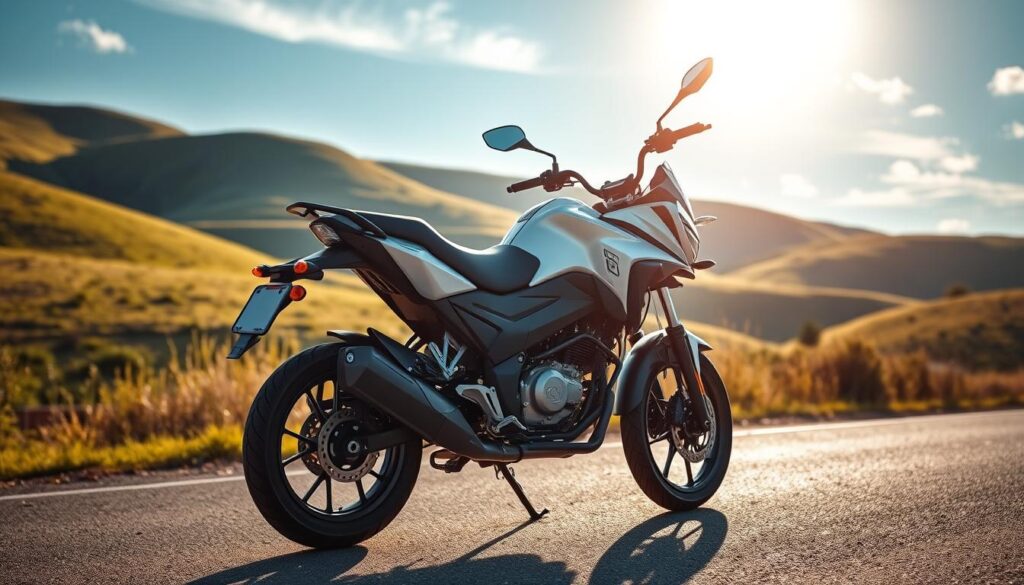
Engine, suspension, and control features that matter on mixed roads
The EFI motor tuning gives steady throttle feel, reducing rider fatigue during long runs. Liquid cooling keeps temps stable when the route gets steep or hot.
Suspension travel and chassis setup favor composure on imperfect pavement. Braking hardware and tire choice finish the package — riders should test wet traction and lever feel before buying.
Price positioning and competitors in the 150 scooter segment
At a sale price of $2,699.99 (was $3,299.99), the lifan kpv 150 sits above basic 150 city entries but below many premium imports. That price delivers EFI, liquid cooling, and ADV ergonomics as standard.
- Value edge: steadier speed on longer stretches versus similarly priced rivals.
- Cross-shop: compare BMS Chelsea 150 and Super Hornet 150 for trim and accessory differences.
- Ownership: factor warranty and dealer support into final price and peace of mind.
Performance metrics that matter: speed, range, and control
A model’s true value shows when speed, range, and control meet a rider’s daily route. This section helps adults match real-world max and everyday needs so trips feel safe and relaxed.
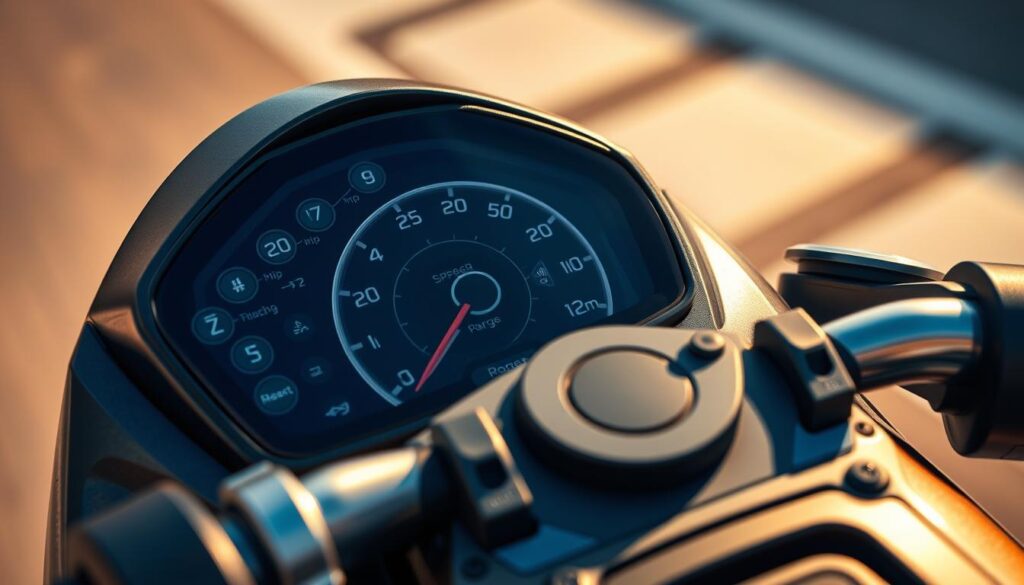
Urban vs suburban speed needs for adults and new riders
Urban riders often need quick launches up to 30–40 mph for safe merging and traffic flow. Suburban runs may demand higher sustained speed, so check the listed max and test sustained cruising before you buy.
Control confidence depends on throttle response, brake feel, and tires that grip in varied temperatures. For adults new to two wheels, choose smooth low-speed handling and stable geometry to reduce learning stress.
Battery range, charging, and motor wattage for electrics
Electric scooter performance comes from controller tuning and motor wattage. A 350W class suits flat areas and light loads; 500W offers stronger hill starts and better passing power.
- Range: published figures are optimistic—plan a buffer for temperature, incline, and rider weight.
- Charging: faster chargers or removable batteries make daily top-ups practical for commuters.
- Gas models: CVT health and belt condition influence acceleration and consistency in traffic.
Finally, track your longest weekly trip and consider cargo and braking needs. If routes include highway-adjacent stretches, a motorcycle or higher-displacement auto bike might be safer than staying at the limit.
Comfort and ergonomics: rider sizes, seat height, and ride quality
Small changes in seat foam or handlebar reach can make a major difference for different rider sizes. Seat shape and foam density affect pressure points on longer rides. Try sitting for several minutes to judge true comfort.
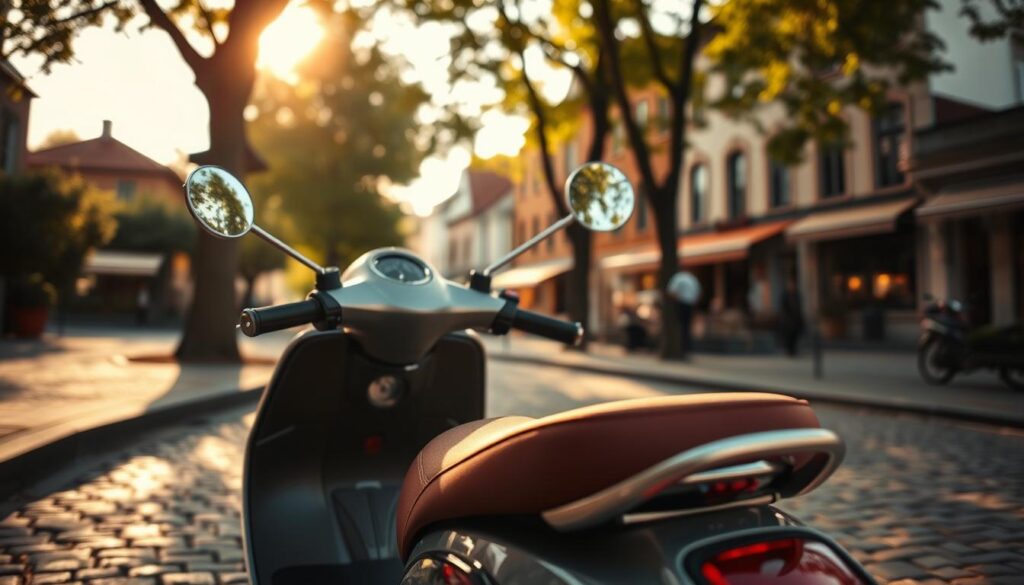
Floorboard space and bar reach should match a rider’s build to keep a neutral posture and better balance at stops. A narrow waist helps shorter riders flat-foot more easily.
Suspension compliance soaks up city bumps. Preload adjustment helps when carrying gear or a passenger. Check brake lever span and throttle feel; these control cues matter for smaller hands and teens learning to ride.
- Vibrations from the motor should be low through grips and seat to reduce fatigue.
- Wider mirrors and a slightly higher seating position improve rear visibility.
- Wind protection from bodywork or a screen cuts noise and neck strain.
Always test low-speed turns and U-turns to confirm steering effort is comfortable. If two-up trips are planned, inspect passenger pegs, seat slope, and shock support before buying. For local inventory and a quick model check, see the CityRider inventory.
Pricing & value: best deals, sales, and what to expect at checkout
Limited-time markdowns can look exciting, but true value lives in the final invoice and included services.
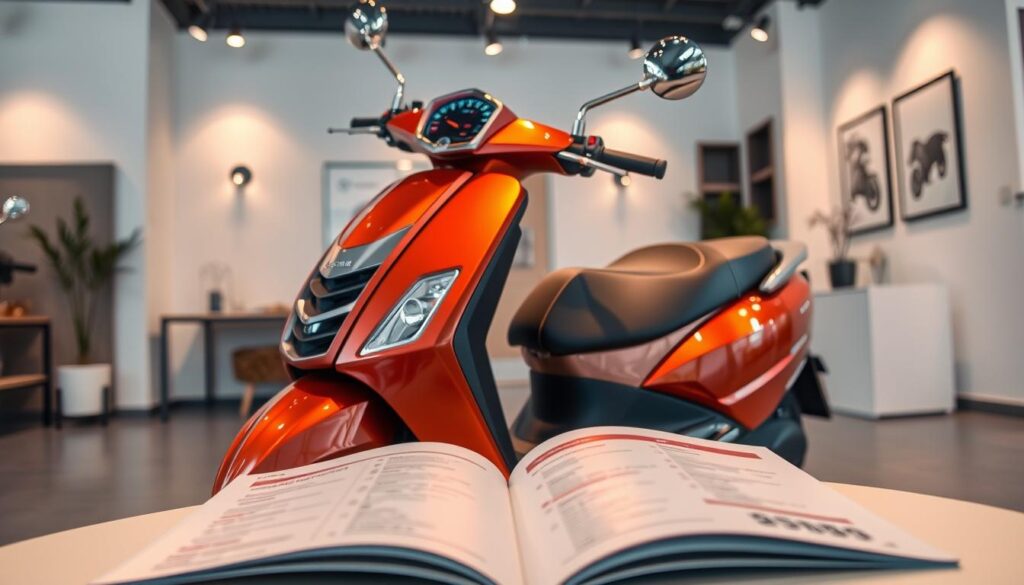
72 HR sales and seasonal discounts often push models like the Saber Cat Trike and Lifan KPV into striking price bands. A 72 HR SALE shows the Saber Cat 200cc trike at $3,799.99 (was $5,499.99), while the KPV 150 sits near $2,699.99 (was $3,299.99).
How “Select Option” affects final cost
“Select Option” usually signals colors, trim, or add-on packs. Buyers should verify whether choosing an option ups the listed price or changes availability.
Finding real value beyond the sticker
Expect extra checkout costs: assembly, prep, documentation, or residential delivery can add hundreds. Check shipping terms closely; larger units may add freight.
- Compare electric scooter range, battery warranty, and 350w vs 500w performance for hills.
- Trike configurations often carry a premium for reverse gear and heavier hardware.
- Ask for out-the-door totals and weigh financing promos against cash discounts to find the best deal.
Financing, layaway, and free shipping: getting on the road for less
Simple payment plans make it easier for buyers to take a new ride home without draining savings. Many U.S. retailers promote “Layaway & Finance — Ride now, pay later” during big sales so shoppers can lock a price and pay over months.
Layaway & finance to ride now, pay later
Layaway often reserves inventory at a set price, which helps when popular trims sell fast. It is useful during flash deals and seasonal promotions.
Financing options vary. Compare APR, promo periods, and any early-payoff penalties before signing. Ask the shop if sale pricing stacks with credit offers and whether proof of insurance or registration is required to release a financed vehicle.
Where free shipping applies and what shipping included really covers
Free shipping typically applies to smaller items or light packages. Full-size models and trikes usually require freight; “shipping included” can mean curbside delivery only.
- Confirm liftgate or residential delivery so staff can plan where to leave the unit.
- Check assembly status: crated, partial, or dealer-prepped affects setup and warranty steps.
- Electric scooter buyers: ask about charger upgrades or bundle incentives at checkout.
Pro tip: a quick call or chat with customer service often reveals unadvertised promos. That small step can save money and speed up delivery so riders start enjoying their purchase today.
Load capacity, storage, and daily utility features
Check a model’s stated load rating so it safely carries an adult plus daily gear without surprise sag. Matching payload to real trips prevents extra wear and keeps braking and handling predictable.
Underseat storage varies by battery placement and frame. Some helmets fit easily; other designs only hold small bags.
Rear racks and top boxes expand usable space and are common options for commuters and delivery riders. Choose locking boxes for security.
- Floorboard design: flat boards give adults room to shift feet and carry small parcels safely at low speed.
- Tie-down points: useful for baskets or work gear to stop shifting on corners.
- Stands: a sturdy center-stand and stable side-stand make loading on slopes easier.
Small utility features add big convenience. Bag hooks, glove compartments, and USB ports protect devices and cost little compared with the listed price.
Lighting and weather protection matter when returning at dusk with a full load. A fairing or screen keeps items and ports drier for longer trips. Finally, if two-up riding is planned, confirm passenger load ratings and seat proportions before purchase.
Controls and tech: from USB ports to ride modes
Modern controls bundle practical chargers, clear readouts, and simple ride modes to make daily trips less stressful. A tidy dash and an easy phone mount keep attention on the road.
USB charging ports on sporty 150cc models let riders top up phones and nav devices without hunting for an outlet. Pair a port with a solid mount for safe turn-by-turn guidance.
Displays range from classic analog dials to full digital clusters. Clear speed and fuel or battery readouts matter most for quick glances while riding.
- Ride modes on electrics tailor throttle feel to wet roads or conserve range for the trip home.
- LED headlight upgrades improve night visibility with minimal draw on the motor.
- Switchgear feel and lever adjustability boost comfort for smaller hands or gloved use.
- Bluetooth helmets and integrated mounts let riders add navigation and audio without cluttering bars.
Keyless start and alarm systems are handy options that add theft deterrence. A simple pro tip: set lever angle and mirror position to reduce wrist strain and widen rearward view.
Safety and stability: brakes, tires, and balance for new riders
Stopping power, tire grip, and balance are the core safety checks every new rider should make.
Brakes matter. Performance depends on rotor size, pad compound, and hydraulic feel. Dual discs, CBS, or ABS add a safety margin for quick stops.
Tire quality greatly affects grip. Choose reputable brands and tread compounds that suit wet commutes and varied pavement.
Frame geometry and wheel sizes change how a machine handles potholes and painted lines. Slightly larger wheels smooth bumps and boost confidence for teens and new adults.
- Practice quick stops, obstacle avoidance, and slow‑speed circles to build control.
- Wear DOT helmets, gloves, and a jacket — protective gear beats engine size for safety.
- Use visibility upgrades like reflective decals and brighter bulbs for low‑light rides.
Riders should also adopt motorcycle habits: head checks, lane positioning, and maintaining buffer space. Check lever reach for hand sizes and torque on axle nuts and bar clamps periodically to avoid avoidable failures.
Real-world riding scenarios: commute today, weekend ride tomorrow
Real trips mix short errands and weekend routes, and a practical ride must handle both without fuss. This section helps riders match a model to their daily loop and a relaxed run the next day.
Short hops, campus rides, and downtown errands
Compact models shine on tight streets. They lock easily, turn sharp, and cost less to operate.
Downtown errands reward twist-and-go simplicity. Bring a good lock and plan routes with bike lanes where allowed.
Longer suburban commutes and light touring
For longer trips, choose a model that holds steady near your max speed without straining the motor. Wind protection and a better seat pad make miles feel easier for adults.
- Electric scooter or e-scooter commuters should match daily mileage to range and leave space for detours.
- 350W works well on flat grids; 500W gives stronger hill starts and cargo launches.
- Mini weekend tours benefit from underseat storage and phone navigation for simple route planning.
Where to shop automatic scooters and score the best deals today
Finding the best deals means timing sales, checking shipping terms, and asking about add-ons. Shoppers should compare multiple retailers for the same model to spot better bundles, sale timing, and true out‑the‑door totals.
Look for clear notes on free shipping. If a listing omits it, request an all‑in shipping quote and ask about liftgate service for larger trike or full‑size deliveries.
Electric scooter buyers should verify battery specs, charger type, and stated range alongside warranty length. Cross‑shop KPV variants, 350w and 500w classes, and compare controller amps to match your max route needs.
Pro tip: save the listing content and quote. A quick call often confirms “Select Option” charges, financing details, or whether a shop will honor an earlier price.
FAQ
How does this roundup evaluate today’s automatic scooter models?
The roundup scores models on engine performance, fuel or battery range, braking, suspension, comfort for different rider sizes, and real-world handling. It also weighs pricing, available options like financing or free shipping, and build quality from brands such as Lifan and BMS to give balanced comparisons.
What makes the Lifan KPV 150 stand out for commuters and light adventure riders?
The Lifan KPV 150 combines EFI tuning, liquid-cooled engine options, and ADV-style ergonomics that suit mixed urban and light off-road routes. Riders get confident handling, usable speed in the 150cc class, and practical features for daily use and touring light loads.
How do 150cc models compare to 50cc and electric alternatives for city riding?
150cc bikes offer higher top speed and better stability for suburban or highway-adjacent routes, while 50cc models shine in tight city traffic and for teen riders due to lower power and license requirements. Electric mopeds and 350W–500W classes excel at quiet, low-maintenance commuting but require attention to real-world range and charging times.
What should riders know about motor wattage: 350W vs 500W vs higher-power electrics?
Higher wattage generally delivers better hill performance and faster acceleration. A 350W unit suits flat, short commutes; 500W offers more flexible suburban use. For longer runs or heavier loads, 1,200W+ systems or 72V platforms provide the torque and top speed riders expect from electric mopeds.
Are three-wheeled trike options worth considering for stability and cargo?
Trikes like Q6 150CC models and Maddog trikes offer excellent low-speed balance, larger cargo capacity, and useful features such as reverse gear. They’re ideal for riders who prioritize stability, heavy loads, or a more secure stance during slow maneuvers.
What safety features should new riders prioritize?
New riders should focus on reliable brakes (disc front and rear if possible), good tires for grip, stable suspension, and ergonomic controls. Additional safety comes from lighting, responsive throttle mapping, and practical tech like ABS where available.
How does price positioning work in the 150 class and what deals should buyers expect?
Price varies by trim, EFI or carbureted engines, and added features. Buyers can find seasonal sales, 72-hour promotions, and financing or layaway plans. “Select Option” listings often signify choices for color, trim level, or accessory packages that affect final price.
What does financing or layaway typically cover and when is free shipping available?
Financing and layaway let riders pay over time, often subject to credit approval and minimum down payments. Free shipping may apply to certain models or regions; buyers should confirm whether it includes liftgate, assembly, or local taxes. Retailers usually list shipping terms on the checkout page.
How do controls and tech features differ across models?
Entry-level models offer basic analog gauges and standard switches. Mid and high-tier models add digital displays, USB charging ports, ride modes, and improved lighting. Choice of controls affects everyday convenience more than raw speed.
What load capacity and storage should commuters look for?
Commuters should check under-seat storage volume, top-box compatibility, and rated cargo limits. Some 150cc and trike models provide larger racks or integrated cargo bays suited for grocery runs or light deliveries.
Can teens ride 50cc models and what restrictions apply?
Many 50cc models are popular with teens due to lower power and easier handling, but local age and licensing rules vary. Caregivers should verify state laws for moped or motorcycle permits and required safety gear before riding.
Where is the best place to shop and find reliable deals today?
Reputable dealers, brand-authorized shops, and established online retailers often list accurate specs, warranty terms, and sales. Look for verified reviews, clear shipping policies, and options like financing or demo rides to ensure good value.