
Mastering BMX Scooter Tricks: A Guide for Beginners
 PopScooter Team
August 3, 2026 6:29 pm
.
17 min read
PopScooter Team
August 3, 2026 6:29 pm
.
17 min read
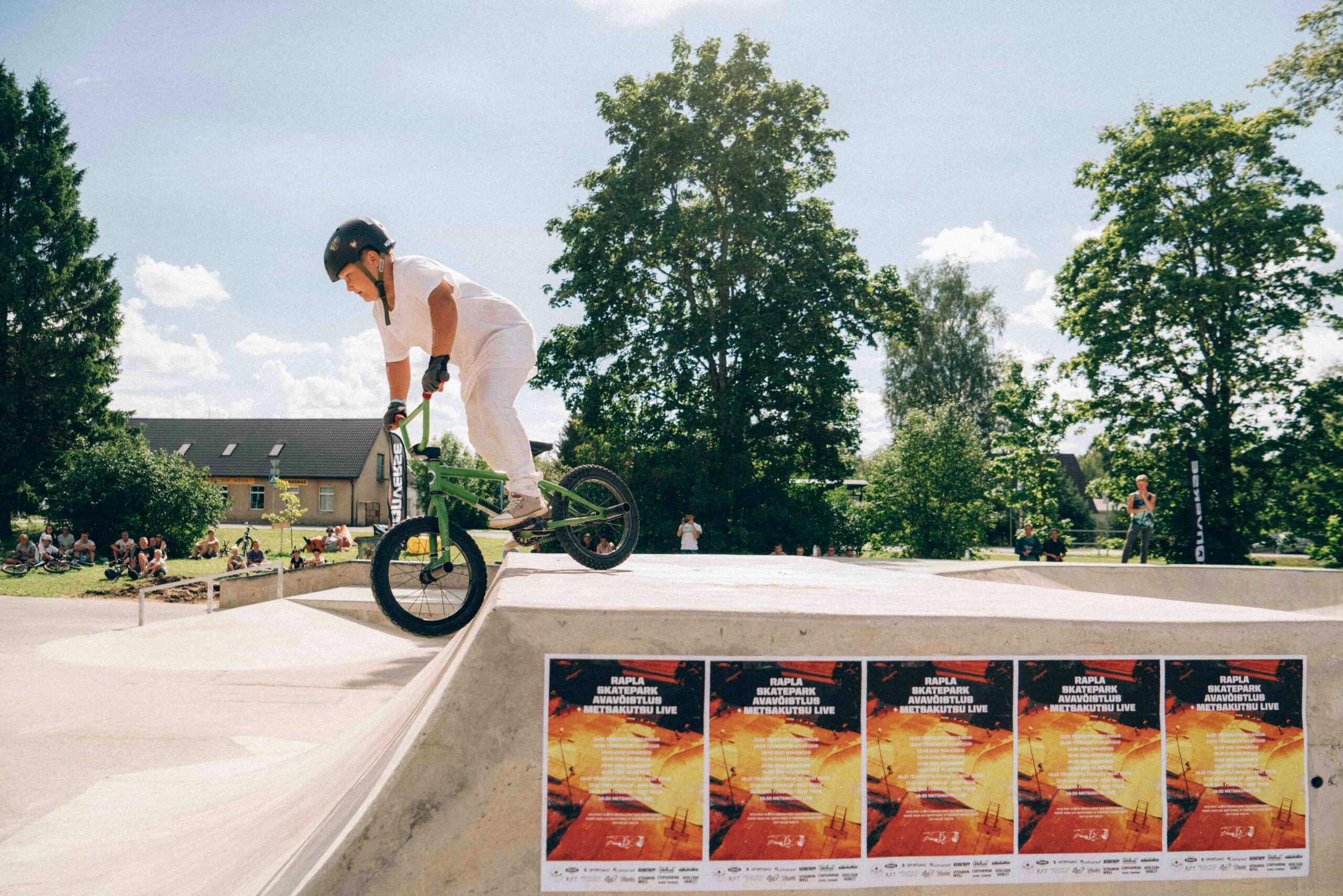
We’ve all seen them – those daredevils on their BMX scooters, defying gravity with seemingly effortless flips and spins. For many of us, it starts with a spark of admiration, a whisper of “I wish I could do that.” And why shouldn’t you? The world of BMX scootering isn’t some exclusive club; it’s an accessible, thrilling, and incredibly rewarding sport that we, as beginners, can absolutely master with the right guidance and practice. We’re here to tell you, from our own experiences, that the journey from wobbling uncertainty to landing your first solid trick is incredibly empowering. This guide is our collective wisdom, a roadmap designed to take you from the absolute basics to confidently approaching more complex maneuvers.
Before we even think about launching ourselves into the air, we need to ensure we have the right equipment and a solid understanding of the fundamentals. This isn’t the glamorous part, but it’s the absolutely crucial part. Skipping these steps is like trying to build a skyscraper on a sandcastle foundation – it’s not going to end well. We learned this the hard way, and we want you to avoid the same frustrations.
Choosing Your Weapon: The Right BMX Scooter
This is your first major decision, and it’s more important than you might think. Not all scooters are created equal, especially when it comes to performing tricks.
What Makes a “Trick” Scooter?
We’re not talking about the scooters you see kids riding to school. Trick scooters, or BMX scooters as they’re often called in this context, are built for durability and performance. They have a few key differences:
- Fixed Handlebars: Unlike the adjustable handlebars on a standard scooter, trick scooter handlebars are usually fixed. This provides a sturdier connection and prevents them from loosening during intense maneuvers.
- Smaller Wheels: Trick scooters typically have smaller, harder wheels (often 100mm or 110mm in diameter). These are more durable and allow for quicker spins and easier manipulation of the scooter. Larger, air-filled wheels are for cruising, not for grinding and airing.
- Reinforced Deck: The deck, where you stand, is built to withstand significant impact. It’s often wider and flatter than a regular scooter deck for better foot grip and stability during tricks.
- Integrated Headset and Compression System: These terms might sound technical, but they essentially mean the headset (where the handlebars connect to the fork) is more robust and integrated for smoother steering and less wobble. The compression system holds everything tightly together.
- Pegs (Optional but Recommended): These are small metal bars that attach to the front and rear axles. They’re essential for grinding on ledges and rails, a fundamental part of many tricks.
Where to Buy and What to Look For
Don’t just grab the cheapest thing you see online. We recommend visiting a dedicated BMX or scooter shop if you have one nearby. The staff there can offer invaluable advice and let you feel the weight and balance of different scooters. If you’re buying online, do your research. Read reviews, watch unboxing videos, and pay attention to the specifications. For beginners, we suggest starting with a mid-range scooter from a reputable brand. You don’t need the most expensive model, but avoid anything that feels flimsy or cheaply made.
Safety First, Always!
This cannot be stressed enough. We’ve all had our fair share of scrapes and bruises, but many of them could have been avoided with better preparation. Investing in protective gear is non-negotiable.
Essential Protective Gear
- Helmet: This is your brain’s best friend. Get a certified skate or BMX helmet that fits snugly. We’ve all seen those horror stories, and a good helmet can be the difference between a minor bump and a serious injury.
- Knee Pads and Elbow Pads: These will save your skin and your joints. You’ll be falling, and these pads are designed to absorb impacts. Look for ones that offer good coverage and are comfortable enough to wear for extended periods.
- Wrist Guards: Our wrists are particularly vulnerable when we fall forward. Good wrist guards will help prevent sprains and fractures.
- Shin Guards (Optional but Recommended): As you progress to grinds and tailwhips, your shins can take a beating. These offer an extra layer of protection.
- Shoes: Wear sturdy, flat-soled shoes. Avoid canvas sneakers or anything with a thick, grippy sole that could cause you to stick to the deck unexpectedly. Skate shoes are ideal.
Where to Practice Safely
Finding a safe place to learn is crucial.
- Smooth, Flat Surfaces: Start on a smooth, flat concrete surface. Empty parking lots, basketball courts (when not in use), or quiet, paved paths are great options. Avoid areas with cracks, gravel, or lots of traffic.
- Skate Parks (Once You’re Ready): Once you’ve got the basics down, a skate park can be an excellent place to practice. However, as a complete beginner, the ramps and obstacles can be intimidating. Start in the flatter areas of the park and observe others before tackling the bigger features.
- Progression is Key: Don’t try to go from zero to hero overnight. Gradually increase the difficulty of your practice spots as your confidence and skills grow.
If you’re interested in exploring the latest trends in the world of scooters, you might want to check out this informative article on the Laotie SR10, which highlights its features and performance. For a deeper understanding of how this scooter compares to BMX scooters and its suitability for various riding styles, visit this link.
Mastering the Fundamentals: The Building Blocks of Tricks
Before we dive into fancy flips, we need to master the basics of riding and controlling the scooter. These might seem simple, but they are the bedrock upon which all your future tricks will be built. We spent a lot of time perfecting these, and it paid off immensely.
Getting Comfortable on Your Scooter
This is about building a connection with your ride.
Balancing and Stance
Find your natural stance. Most people ride with their dominant foot forward (regular) or their dominant foot back (goofy). Experiment to see what feels most comfortable and stable. Your knees should be slightly bent, and your weight should be balanced over the deck. Don’t be rigid; stay loose and allow your body to absorb any bumps.
Pushing and Gliding
Start by pushing off with your back foot. Focus on smooth, controlled pushes. As you gain momentum, bring your back foot up onto the deck and glide. Practice gliding for longer distances, getting a feel for how the scooter responds to your weight shifts and subtle movements of the handlebars.
Turning and Steering
Turning is more than just leaning. Learn to use your handlebars to steer, but also experiment with subtle shifts in your body weight to initiate and control turns. Practice making wide turns and then tighter turns. Understanding how to carve will be essential for linking tricks later on.
Basic Control and Braking
Being able to stop and control your speed is paramount for safety and for setting up tricks.
Using the Brake
Most trick scooters have a fender brake located over the rear wheel. Practice applying gentle pressure to slow down, and then firmer pressure for a quicker stop. Get a feel for how much pressure is needed and how it affects the scooter’s stability.
Speed Control
Learn to control your speed by using a combination of gentle pushes, gliding, and the brake. You’ll need to be able to adjust your speed to approach obstacles and to set up for jumps. Don’t be afraid to go slow and steady when you’re learning.
Foot Placement and Grip
Your foot placement on the deck is crucial for stability and for executing tricks. Experiment with different foot positions – wider, narrower, further forward, further back. Get a good feel for where your feet provide the most control. Ensure your grip on the handlebars is firm but not tense.
Your First Tricks: The Gateway to Progression
Once you’re comfortable with the fundamentals, it’s time to introduce yourselves to your first tricks. These are the stepping stones that will build your confidence and teach you the essential mechanics of scootering.
The Bunny Hop: The King of All Tricks
This is arguably the most important foundational trick in scootering. It teaches you to get the wheels off the ground and brings your scooter under your control in the air. We spent countless hours practicing this, and it was a game-changer.
Understanding the Mechanics
The bunny hop involves a combination of jumping, pulling up on the handlebars, and scooping the tail of the scooter with your back foot.
Step-by-Step Bunny Hop
- Approach: Start with a moderate, steady speed on a flat surface.
- Bend Knees and Compress: Lower your center of gravity by bending your knees.
- Pop the Tail: As you start to jump upwards, forcefully stomp down on the tail of your scooter with your back foot. This will lift the front wheel off the ground.
- Pull Up: Simultaneously, pull up and back on the handlebars, bringing the scooter up with you.
- Scoop and Level Out: As the scooter rises, you want to “scoop” the tail of the deck with your back foot to bring the rear wheel up to meet the front wheel. This levels the scooter out in the air.
- Land Softly: As you descend, absorb the impact by bending your knees. Try to land with both wheels touching down simultaneously.
Common Mistakes and How to Fix Them
- Not Popping the Tail Hard Enough: This is the most common error. You need a strong, decisive stomp on the tail.
- Not Pulling Up on the Handlebars: You need to actively pull the scooter up with you. It won’t magically float.
- Wheels Not Coming Up Together: Practice the scoop motion to get the back wheel to follow the front.
- Landing Stiff-Legged: Always bend your knees to absorb the impact.
The Manual: Riding on Two Wheels
The manual is like a wheelie on a bike, but on your scooter. It requires excellent balance and control.
Mastering the Balance Point
The goal is to find the balance point where the scooter stays up on its back wheel without you having to constantly push forward or backward.
How to Do a Manual
- Start Rolling: Begin with a gentle rolling speed.
- Slightly Lift the Front Wheel: Gently pull up on the handlebars.
- Shift Your Weight Back: As the front wheel lifts, shift your weight backward.
- Find the Balance: You’ll feel a point where the scooter wants to stay up. You’ll need to make small adjustments with your body weight and the handlebars to maintain this balance.
- Control with the Brake: Your back brake is your safety net. If you feel yourself falling backward, gently tap the brake to bring the front wheel down.
Practice Tips
- Start Small: Don’t try to hold a manual for too long initially. Focus on getting the front wheel up and holding it for a second or two.
- Use the Brake: Seriously, this is your best friend. It will prevent you from falling backward.
- Look Ahead: Keep your eyes focused forward, not down at your feet.
Introducing Grinds and Slides: Hitting the Ledges and Rails
Once you’ve got a solid bunny hop and can maintain some air time, you’ll be ready to explore the exciting world of grinds and slides. These tricks involve connecting with ledges and rails and are a hallmark of BMX scootering.
What are Grinds and Slides?
- Grinds: These involve riding along an edge or rail with the metal axles of your scooter making contact.
- Slides: These typically involve the deck or pegs sliding along an edge or rail.
The Essential Peg Grinds
For most grinds, you’ll need pegs installed on your scooter.
The 50-50 Grind (The Easiest Start)
This is the most basic grind, where both of your pegs slide on top of a ledge or rail.
How to Do a 50-50 Grind
- Approach the Ledge/Rail: Approach the obstacle at a moderate speed, at a slight angle (around 45 degrees).
- Bunny Hop: Perform a bunny hop, aiming to get your scooter onto the top of the ledge or rail.
- Land with Pegs on the Surface: As you land, ensure both your front and rear pegs land squarely on the obstacle.
- Ride it Out: Maintain your balance and keep your weight centered.
- Hop Off: To dismount, perform another bunny hop to get your wheels back on the ground.
Common Challenges and Solutions
- Missing the Ledge: Practice your bunny hop accuracy. Start with lower, wider ledges.
- Not Landing Both Pegs: Ensure you’re not leaning too far to one side. Aim to land evenly.
- Losing Balance: Keep your knees bent and your weight centered.
- Scraping the Deck: Make sure your pegs are correctly positioned and that you’re landing directly on them.
The Frontside Boardslide (A Step Up)
This trick involves sliding along the rail with the deck of your scooter on top. It requires a bit more finesse than a 50-50.
The Technique Explained
- Approach: Come at the rail at a slight angle.
- Bunny Hop and Turn: As you jump, twist your body and handlebars to turn your scooter so that the deck is perpendicular to the rail.
- Slide: Land with the middle of your deck on top of the rail.
- Ride and Dismount: Continue sliding until you’re ready to hop off.
Tips for Success
- Practice Bunny Hops with a Slight Twist: Get comfortable with turning your scooter in the air.
- Find a Smooth Rail: Start with a smooth, round rail that’s not too high.
- Commitment is Key: Don’t hesitate when you’re going for it.
If you’re interested in exploring the latest trends in the world of scooters, you might want to check out this article on the Zero 9 scooter, which offers insights into its features and performance. The Zero 9 is gaining popularity among riders for its sleek design and impressive capabilities. For more details, you can read the full article here.
Progressing to Air Tricks: Taking Flight
| Brand | Price | Weight | Deck Length |
|---|---|---|---|
| Mongoose | 150 | 8 lbs | 20 inches |
| Lucky Pro Scooters | 200 | 7.5 lbs | 19.5 inches |
| Razor | 120 | 9 lbs | 21 inches |
This is where the real excitement begins! Air tricks involve getting significant height and performing rotations or flips in the air.
Understanding Airtime and Rotation
Getting good airtime comes from a powerful bunny hop and proper technique. Rotation comes from using your body and handlebars to spin the scooter.
The Fakie Tricks: Riding Backwards
Riding fakie (backwards) is essential for many air tricks.
How to Ride Fakie Confidently
- Practice Bunny Hops Fakie: This is the first step. Learn to hop off the tail while riding backward.
- Balance and Control: Develop your balance while riding fakie. It will feel awkward at first, but with practice, you’ll get used to it.
Introducing Spins: The 180 and 360
These are the gateway to more complex aerial maneuvers.
The 180 Degree Spin
This involves rotating your body and the scooter 180 degrees in the air.
How to Do a 180
- Approach: Ride forward with some speed.
- Bunny Hop: Perform a strong bunny hop.
- Spot Your Landing: As you leave the ground, initiate a body rotation in the direction you want to spin.
- Spin Your Handlebars: Simultaneously, spin your handlebars in the same direction.
- Level Out and Land: As you complete the rotation, bring the scooter back under you and land with bent knees.
The 360 Degree Spin (The Next Level)
This is a more advanced spin that requires more commitment and technique. The principles are similar to the 180, but you need to generate more momentum and rotation.
The Importance of Commitment and Practice
We can’t emphasize this enough: commitment is king in BMX scootering. Hesitation is your enemy. When you’re going for a trick, you need to fully commit to it. This doesn’t mean being reckless, but rather trusting your preparation and going for it with conviction.
Dealing with Fear and Frustration
You will fall. You will get frustrated. We all have. The key is to learn from your mistakes, take breaks when you need them, and celebrate your small victories. Don’t compare yourselves to others; focus on your own progress.
The Power of Repetition
Mastering tricks comes down to repetition. The more you practice, the more your body will learn the movements, and the more natural it will feel. Break down tricks into smaller steps and practice each step until it’s second nature.
Advanced Tricks and Beyond: The Never-Ending Journey
Once you’ve conquered the basics and started landing some air tricks, the world of BMX scootering opens up even further. This is where you can start to experiment, combine tricks, and develop your own unique style.
Combining Tricks: Lines and Flow
The real artistry of scootering comes from linking tricks together to create “lines” or a smooth flow.
Practice Linking Bunny Hops with Manuals
Start by linking a bunny hop over a small obstacle with a manual. This helps you transition between different types of movement.
Integrating Grinds into Lines
Once you’re comfortable with grinds, try incorporating them into your lines. For example, you might bunny hop onto a ledge for a 50-50 grind and then hop off into a manual.
Exploring Flip Tricks: The Next Frontier
Flip tricks involve rotating the scooter along its longitudinal axis. These are significantly more challenging and require a lot of dedication.
The Kickflip and Heelflip
These are the foundational flip tricks, where the scooter flips under your feet.
The Importance of Practice and Progression
Remember, these are advanced. Don’t rush into them. Build a strong foundation of basic tricks and airtime first.
Developing Your Own Style
As you progress, you’ll start to develop your own unique way of doing things. Experiment with different ways of approaching tricks, adding your own flair. Don’t be afraid to be creative!
The Importance of Watching and Learning
Watch experienced riders. Analyze their techniques. See how they approach different obstacles and how they link tricks. Online videos are a fantastic resource, but if you can, watch riders in person.
Finding a Community
Connecting with other scooter riders can be incredibly motivating. Share tips, learn from each other, and have fun together. Whether it’s at the local skate park or online, a supportive community can make a huge difference.
The journey of mastering BMX scootering is a marathon, not a sprint. It’s filled with challenges, triumphs, and a whole lot of fun. We, as beginners who have embarked on this path, can attest to the incredible sense of accomplishment that comes with landing a new trick. So, grab your scooter, put on your safety gear, and get out there. We’re all in this together, learning, falling, and growing, one trick at a time. The sky’s the limit – literally!
FAQs
What is a BMX scooter?
A BMX scooter is a type of scooter designed for performing tricks and stunts, similar to a BMX bike. It typically has a reinforced frame, smaller wheels, and a handlebar designed for maneuverability and stability during tricks.
How is a BMX scooter different from a regular scooter?
BMX scooters are designed specifically for performing tricks and stunts, while regular scooters are typically used for transportation. BMX scooters have a reinforced frame, smaller wheels, and a handlebar designed for maneuverability and stability during tricks.
What are some common features of a BMX scooter?
Common features of a BMX scooter include a reinforced frame, smaller wheels for better maneuverability, a handlebar designed for stability during tricks, and often a non-folding design for added durability.
What are some popular tricks performed on a BMX scooter?
Popular tricks performed on a BMX scooter include tailwhips, bar spins, grinds, manuals, and various aerial tricks such as 360s and backflips.
What safety gear is recommended for riding a BMX scooter?
Recommended safety gear for riding a BMX scooter includes a helmet, knee and elbow pads, and wrist guards. It is also important to wear closed-toe shoes and avoid riding in high-traffic areas.