
Buy Scooter: The Ultimate Guide to Finding Your Perfect Ride
 PopScooter Team
July 9, 2026 4:42 pm
.
12 min read
PopScooter Team
July 9, 2026 4:42 pm
.
12 min read
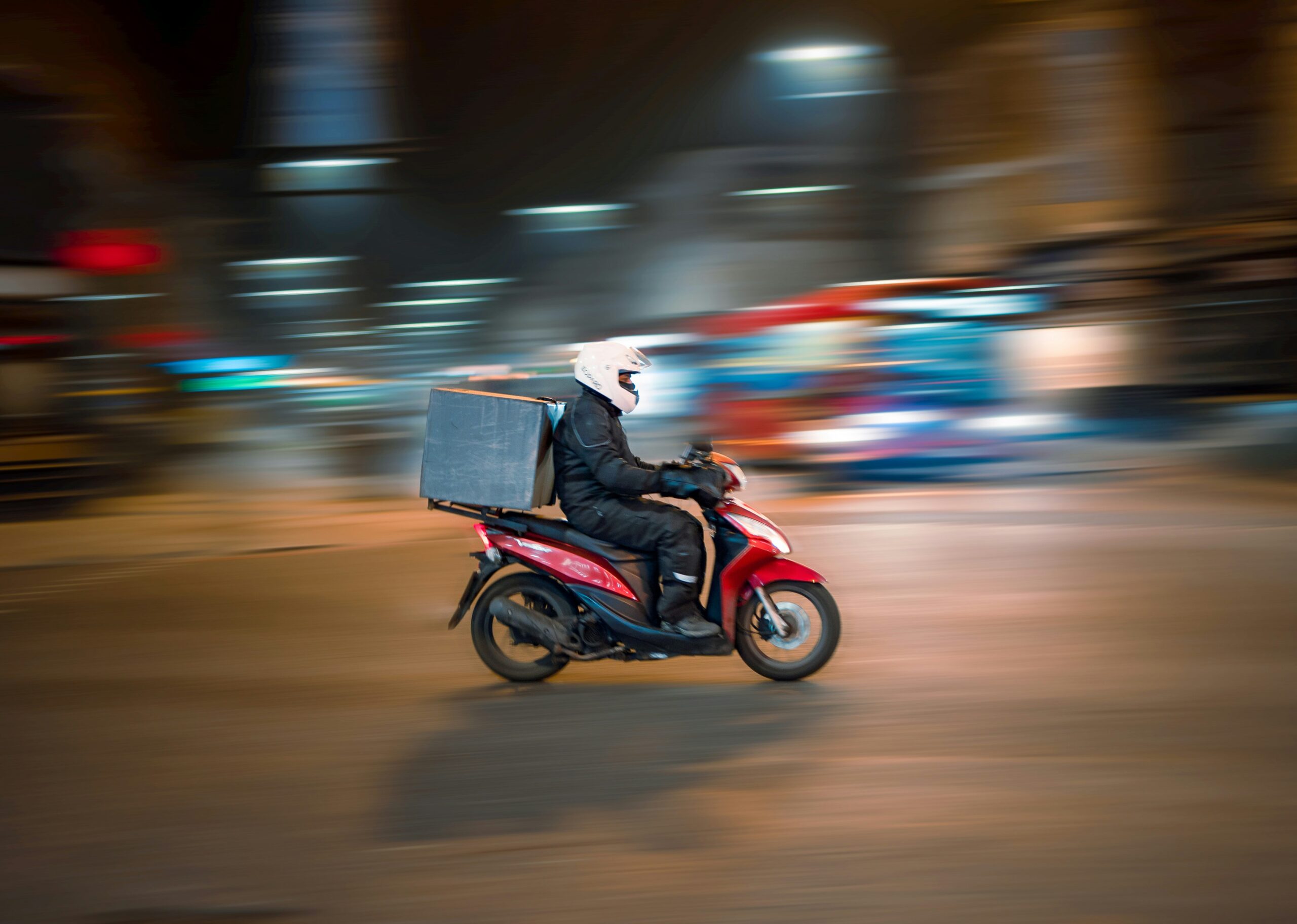
So, you’re thinking about getting a scooter? Awesome! Whether you’re looking to zip through city traffic, save on gas, or just have a blast, choosing the right scooter can feel a bit overwhelming with all the options out there. This guide is designed to cut through the noise and help you figure out exactly what kind of scooter will be perfect for you. We’ll cover everything from figuring out what you need to understanding the different types and what to look for when you’re actually shopping.
Before you even start looking at models, it’s really helpful to think about what you actually need a scooter for. This isn’t about being judgmental; it’s about making sure your new ride fits your lifestyle.
Daily Commuter
Are you planning to ditch the car or public transport for your daily commute? If so, reliability, fuel efficiency, and storage are probably high on your list. You’ll want something that starts consistently, sips gas, and has a place for your backpack or groceries. Weather protection might also be a factor depending on where you live.
Weekend Explorer
Maybe you’re not planning to ride every day, but you want something fun for weekend trips, coastal cruises, or exploring local spots. Here, comfort, a bit more power for longer distances, and maybe even two-up riding capability become more important. You might be less concerned with absolute fuel economy and more with the overall riding experience.
City Dweller
Navigating crowded city streets, finding parking, and making quick errands are the priorities here. You’ll likely want something nimble, easy to maneuver, and with good acceleration from a stop. Smaller wheels and a compact design can be a real advantage in tight urban environments.
Practical Workhorse
If you have consistent hauling needs – maybe for deliveries, a side business, or just regularly carrying more stuff than a backpack can handle – then you’ll be looking at scooters with excellent cargo capacity, sturdy frames, and perhaps even options for racks or larger top cases. Durability is key here.
Just for Fun
Sometimes, you just want a scooter because they’re cool and enjoyable to ride. If this is you, then style, unique features, and the “feel” of the bike might outweigh purely practical considerations. You’ll likely be drawn to classic designs or modern, tech-laden models.
If you’re considering purchasing a scooter, you might find it helpful to read an article that discusses various options and features to look for when selecting the perfect ride. For a detailed guide on choosing the right scooter for your needs, check out this informative piece at Buy Scooter: A Comprehensive Guide. It provides insights into different models, safety features, and tips for maintenance, ensuring you make an informed decision before your purchase.
Understanding the Different Scooter Types
“Scooter” is a pretty broad term. There’s a wide range of types, each with its own strengths and weaknesses. Knowing these categories will help you narrow down your search considerably.
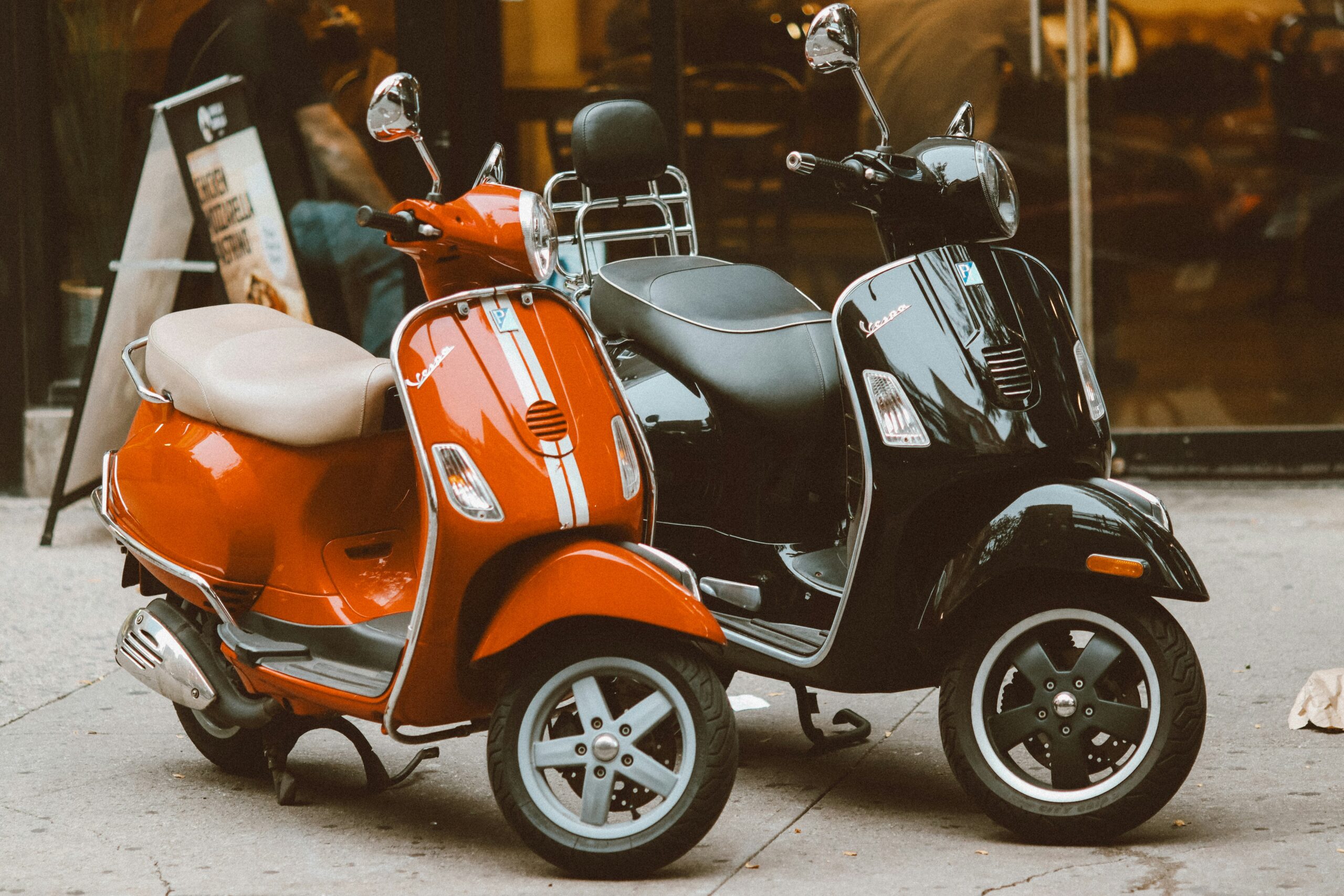
Traditional Scooters
These are what most people picture: a step-through frame, usually with smaller wheels (10-12 inches), and an engine ranging from 50cc to around 300cc.
Pros of Traditional Scooters
- Maneuverability: Excellent for weaving through traffic and tight spaces.
- Storage: Often have under-seat storage, sometimes quite generous.
- Fuel Efficiency: Smaller engines mean less gas consumption.
- Accessibility: Step-through design makes them easy to mount and dismount.
Cons of Traditional Scooters
- Stability: Smaller wheels can be less stable at higher speeds or over rougher roads.
- Highway Use: 50cc scooters are typically limited to lower speeds and often not freeway legal. Larger versions (125cc+) can handle highways but still feel a bit twitchy compared to motorcycles.
- Cargo Capacity: While some have good under-seat storage, external racks might be needed for bigger items.
Maxiscooters
These are the bigger, more powerful cousins of traditional scooters. They feature larger engines (250cc to 850cc), bigger wheels (13-16 inches typically), and often more substantial bodywork, offering more comfort and weather protection.
Pros of Maxiscooters
- Comfort: More space, better ergonomics, and often adjustable windshields make them great for longer rides.
- Highway Capability: Easily handle highway speeds with good stability.
- Storage: Often boast impressive under-seat storage, sometimes enough for two full-face helmets.
- Power: More horsepower for quicker acceleration and maintaining speed on inclines.
Cons of Maxiscooters
- Size and Weight: Can be heavier and less nimble in very tight city traffic.
- Cost: Generally more expensive to buy and insure than traditional scooters.
- Fuel Efficiency: While still good, it won’t be as stellar as a smaller scooter.
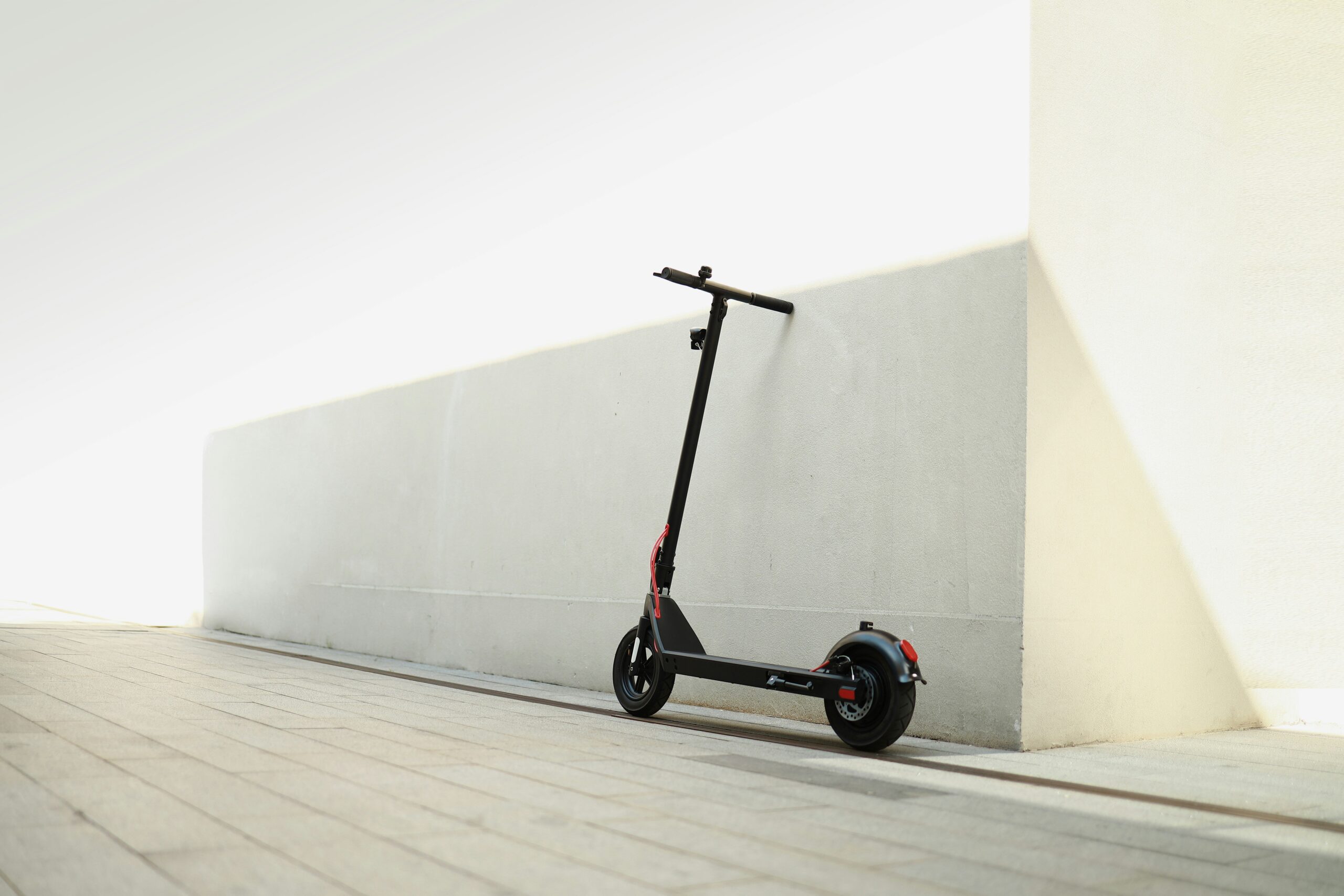
Electric Scooters
A rapidly growing segment, these are powered by batteries and electric motors. They range from small, foldable models to larger, performance-oriented options.
Pros of Electric Scooters
- Zero Emissions: Environmentally friendly with no tailpipe emissions.
- Quiet Operation: Almost silent, which can be a real pleasure.
- Low Maintenance: Fewer moving parts means less regular upkeep compared to gasoline engines.
- Instant Torque: Often provide quick acceleration, great for city starts.
Cons of Electric Scooters
- Range Anxiety: Battery range can be a limiting factor, especially for longer trips.
- Charging Time: Recharging can take several hours, depending on the battery size and charger.
- Cost: Initial purchase price can be higher than comparable gasoline scooters.
- Battery Degradation: Batteries will degrade over time, affecting range and potentially requiring expensive replacement.
Key Features to Consider When Buying
Once you have a general idea of the type you’re after, it’s time to delve into the specifics. This section will help you understand what features matter most.
Engine Size and Performance
The “cc” rating tells you the engine displacement, which generally correlates with power and speed.
50cc Scooters
- Top Speed: Typically limited to 30-40 mph.
- Licensing: Often categorized as mopeds, sometimes not requiring a motorcycle license (check local laws!).
- Best For: Short city commutes, urban errands, absolute budget riding.
125cc-200cc Scooters
- Top Speed: Can reach 55-70 mph.
- Licensing: Requires a motorcycle endorsement in most places.
- Best For: City and suburban commuting, light highway use, better acceleration than 50cc.
250cc+ Maxiscooters
- Top Speed: 75 mph and upwards, easily keeping pace with highway traffic.
- Licensing: Definitely requires a motorcycle endorsement.
- Best For: Freeway commuting, longer trips, two-up riding, touring.
Storage and Practicality
Scooters are often chosen for their utility, and storage is a big part of that.
Under-Seat Storage
- Capacity: Varies wildly. Some can fit a full-face helmet (or even two), others only a small bag.
- Shape: Check the shape; some irregularly shaped compartments are less useful than they seem.
Glove Compartment/Front Panel
- Convenience: Great for small items like wallets, phones, or keys.
- Lockability: A lockable compartment adds security.
Flat Floorboard vs. Hump
- Flat Floor: Allows you to carry larger items between your feet, like a grocery bag or a small backpack.
- Hump: A central hump often indicates a larger frame or fuel tank, sometimes offering more structural rigidity or a larger fuel capacity, but reduces cargo space.
Accessory Options
- Top Cases: External boxes that mount on a rear rack, offering significant additional storage.
- Windshields: Taller or adjustable windshields provide better weather and wind protection.
- Handguards/Aprons: For extra protection against cold and rain.
Brakes and Safety Features
Your ability to stop safely is paramount. Don’t skimp here.
Disc Brakes
- Performance: Offer much better stopping power and feel than drum brakes.
- Placement: Ideally, you want at least a front disc brake; dual discs (front and rear) are even better for larger, faster scooters.
ABS (Anti-lock Braking System)
- Benefit: Prevents wheels from locking up during hard braking, greatly improving control, especially in wet or slippery conditions.
- Recommendation: Highly recommended, especially for newer riders or those planning to ride often.
Traction Control (TCS)
- Benefit: Prevents the rear wheel from spinning when accelerating on slippery surfaces, enhancing safety.
- Common On: More prevalent on larger, higher-performance scooters.
Comfort and Ergonomics
You’ll be spending a fair bit of time on your scooter, so comfort is key.
Seat Height
- Footing: Make sure you can comfortably get both feet (or at least the balls of your feet) on the ground when stopped. This is crucial for stability.
- Adjustability: Some models offer adjustable seats, which is a nice bonus.
Seating Position
- Relaxed vs. Sporty: Scooters typically offer a relaxed, upright riding position. Maxiscooters might have more space to stretch your legs forward.
- Pillion Comfort: If you plan on carrying passengers, check the pillion seat for size, padding, and handholds.
Wind Protection
- Windshield: A good windshield can make a huge difference, especially on open roads or in colder weather.
- Bodywork: Larger scooters generally offer more bodywork to shield your legs from wind and rain.
Maintenance and Reliability
Nobody wants a scooter that spends more time in the shop than on the road.
Brand Reputation
- Research: Stick with well-established brands known for reliability (e.g., Honda, Yamaha, Vespa, Kymco, SYM).
- Reviews: Read owner reviews for common issues or maintenance complaints.
Dealership Network
- Support: A strong local dealership network means easier access to parts and authorized service.
DIY Friendliness
- Basic Maintenance: Can you easily check oil, tire pressure, or change a bulb yourself, or does everything require a shop visit?
- Parts Availability: Is it easy to find common wear-and-tear parts?
Buying New vs. Used
There are good arguments for both, so weigh your options carefully.
Buying a New Scooter
Pros of New
- Warranty: Full factory warranty covering defects.
- Latest Tech: Get the newest features, safety tech, and engine refinements.
- Peace of Mind: No hidden history, no unknown wear and tear.
- Financing: Usually easier to get financing for new vehicles.
Cons of New
- Depreciation: New vehicles lose value quickly the moment they leave the dealership.
- Full Price: You pay the absolute highest price.
Buying a Used Scooter
Pros of Used
- Value: Significantly lower purchase price for the same or similar model.
- Less Depreciation: Someone else took the hit on initial depreciation.
- More Options: A wider range of models and budgets available.
Cons of Used
- No Warranty (or limited): Most used scooters will be out of warranty.
- Unknown History: You’re relying on the previous owner’s maintenance and care.
- Wear and Tear: Expect some cosmetic flaws and potentially some worn components.
- Risk of Lemons: A higher chance of buying a scooter with hidden issues.
Tips for Buying Used
- Inspection: Always inspect the scooter thoroughly. Look for rust, leaks, fairing damage, and general condition.
- Test Ride: If possible, do a test ride. Listen for unusual noises, check the brakes, and feel for any wobble.
- Service Records: Ask for maintenance records if available.
- VIN Check: Consider a VIN check for accident history or stolen status.
- Bring a Friend: Take someone knowledgeable with you for a second opinion.
If you’re considering purchasing a scooter, it’s essential to explore various options to find the perfect fit for your needs. A great resource to check out is this article on electric scooters available near you, which provides valuable insights and recommendations. You can find it here: electric scooters for sale near me. This guide will help you navigate through different models and features, ensuring you make an informed decision.
The Test Ride and Final Checks
You’ve done your research, narrowed down your choices, and now it’s time for the exciting part.
Prepare for the Test Ride
- Gear Up: Wear appropriate safety gear (helmet, gloves, sturdy shoes) even if you’re just going around the block.
- Listen: Pay attention to engine sounds, brake noises, and any rattles.
- Feel: How does the throttle respond? Are the brakes progressive? Does it pull to one side?
- Maneuverability: Practice slow-speed turns and u-turns to gauge its agility.
- Comfort: Is the seat comfortable? Do your feet reach the ground easily? Is the handlebar position natural?
Post-Test Ride Evaluation
- Ponder: Don’t buy on impulse. Take some time to think about the experience.
- Compare: If you test-rode multiple scooters, compare your notes.
- Budget Check: Confirm it fits your overall budget, including insurance, registration, and future maintenance.
Essential Pre-Purchase Checks
- Lights and Horn: Ensure all lights (headlight, tail light, turn signals, brake light) and the horn are working.
- Tires: Check tire pressure, tread depth, and look for cracks or dry rot.
- Fluids: Check oil levels (if applicable) and brake fluid.
- Battery: If possible, check the battery terminals for corrosion.
- Documentation: Ensure the VIN on the bike matches the paperwork.
Choosing a scooter is a personal journey, and there’s no single “best” option for everyone. By taking the time to understand your needs, explore the different types, and carefully consider the features that matter most to you, you’ll be well on your way to finding the perfect ride that brings a smile to your face every time you twist the throttle. Happy scooting!
FAQs
1. What are the benefits of buying a scooter?
Scooters are cost-effective and fuel-efficient, making them a great option for commuting. They are also easy to maneuver in traffic and can be parked in tight spaces.
2. What factors should I consider when buying a scooter?
Consider factors such as engine size, fuel efficiency, storage space, and comfort. Additionally, think about your intended use for the scooter, whether it’s for daily commuting or leisurely rides.
3. Are scooters environmentally friendly?
Scooters are generally more environmentally friendly than cars, as they produce lower emissions and consume less fuel. Electric scooters are even more eco-friendly, producing zero emissions.
4. What are the different types of scooters available for purchase?
There are various types of scooters, including traditional gas-powered scooters, electric scooters, and maxi scooters. Each type has its own advantages and is suited for different purposes.
5. Where can I buy a scooter?
Scooters can be purchased from authorized dealerships, online retailers, and private sellers. It’s important to research and compare options before making a purchase to ensure you find the best scooter for your needs.