
Unleash Your Adventure with a Dirt Scooter
 PopScooter Team
July 8, 2026 4:42 pm
.
15 min read
PopScooter Team
July 8, 2026 4:42 pm
.
15 min read
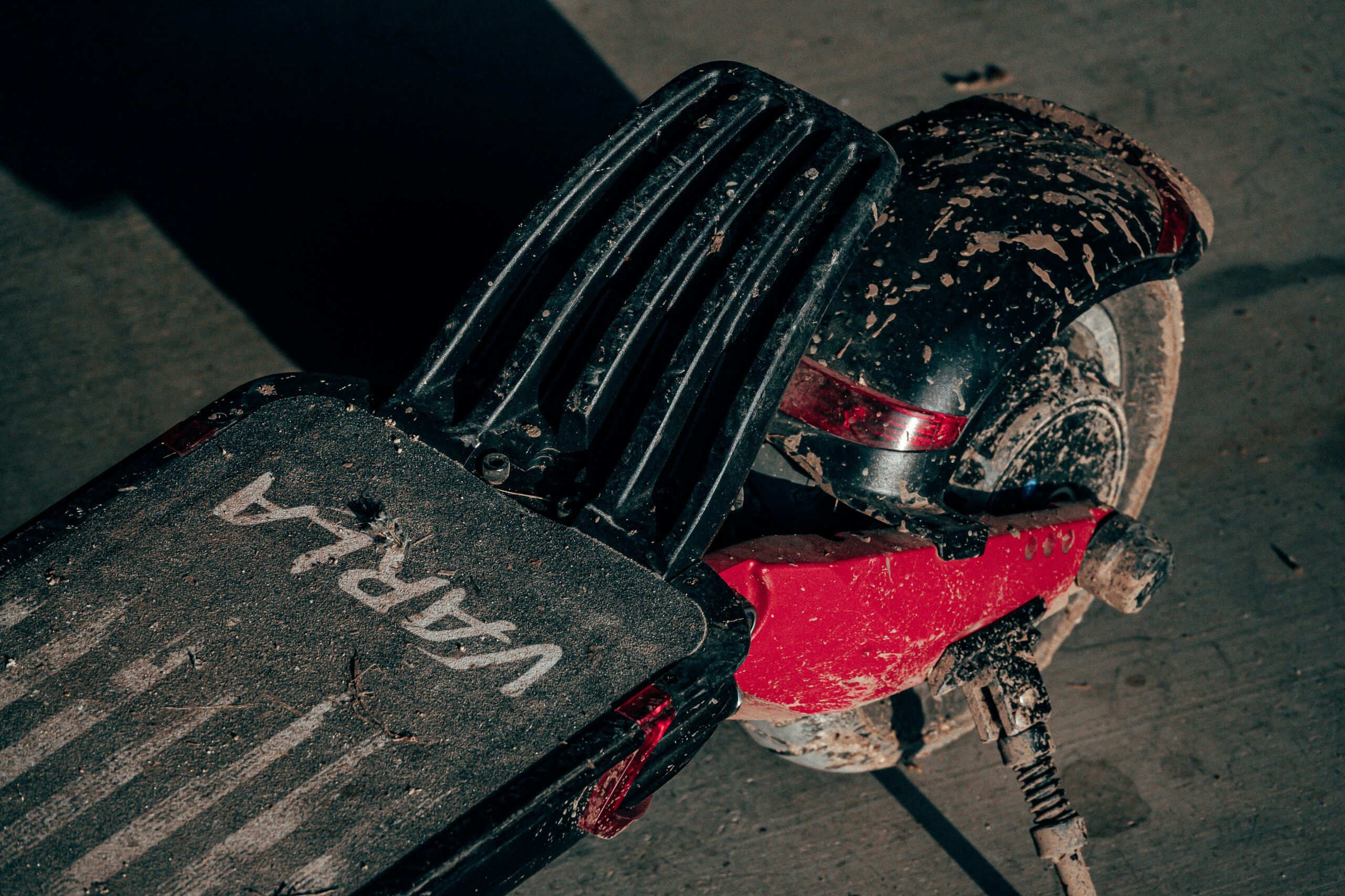
Alright, let’s talk about dirt scooters. If you’re looking for a way to tackle rougher terrain than your average pavement, but don’t want the full commitment of a mountain bike or the complexity of a motorized vehicle, a dirt scooter could be exactly what you need. Think of it as a ruggedized version of your standard kick scooter, built to handle bumps, dirt, grass, and even some light off-roading, opening up a whole new world of adventure.
What Makes a Dirt Scooter Different?
So, what exactly sets a dirt scooter apart from its urban cousin? It’s all about the build. Dirt scooters are engineered for durability and performance on uneven surfaces. This isn’t just a beefed-up street scooter; it’s a purpose-built machine.
Robust Frame Construction
One of the most immediate differences you’ll notice is the frame. Dirt scooters typically feature a much stronger, often wider, and heavier frame made from materials like chromoly steel or aircraft-grade aluminum. This isn’t just for show; it’s necessary to withstand the impacts and stresses of off-road riding. You’ll find reinforced welds and often a slightly different geometry to handle the dynamic forces of dirt trails.
Larger, Pneumatic Tires
Forget those small, solid urethane wheels you see on street scooters. Dirt scooters come equipped with significantly larger, air-filled (pneumatic) tires, often resembling miniature mountain bike tires with knobby treads. These tires provide essential grip, shock absorption, and stability on loose surfaces like dirt, gravel, and grass. Without them, you’d be slipping and sliding all over the place.
Enhanced Braking Systems
Stopping safely on a dirt trail is crucial. While some street scooters might have a simple fender brake, dirt scooters almost exclusively feature more powerful and reliable braking systems, often disc brakes (mechanical or hydraulic) on both wheels. This provides superior stopping power and modulation, essential for controlling your speed on descents and tricky terrain.
Suspension (Sometimes)
While not all dirt scooters have suspension, many higher-end models incorporate some form of front or sometimes even full suspension. This further enhances comfort and control by absorbing impacts from bumps and roots, making for a much smoother ride over rough ground.
Wider Deck and Handlebars
You’ll often find dirt scooters have a wider deck (the part you stand on) and wider handlebars. The wider deck provides more foot room and stability when navigating uneven terrain, allowing you to shift your weight more easily. Wider handlebars offer better leverage and control, which is vital when you’re trying to steer through obstacles or maintain balance on a bumpy path.
If you’re interested in exploring more about innovative scooters, you might want to check out this article on the Ola S1 electric scooter, which highlights its features and performance. The Ola S1 is gaining popularity among urban commuters for its sleek design and efficient electric capabilities. You can read more about it here: Ola S1 Electric Scooter.
Who is a Dirt Scooter For?
It’s a fair question to ask whether a dirt scooter is right for you. It’s not a niche product for extreme sports enthusiasts only, nor is it a replacement for every other outdoor activity.
Adventure Seekers
If you love exploring trails, parks, or even just your backyard with a bit more zest, a dirt scooter offers a fantastic new way to do it. It lets you get off the paved path and into nature without the commitment of a full bike setup.
Fitness Enthusiasts
Dirt scootering is a great low-impact, full-body workout. You’re using your legs to propel yourself, your core to balance, and your arms to steer. It can be surprisingly strenuous, especially on uphill sections, making it a fun alternative to jogging or cycling.
Cross-Training for Other Sports
For mountain bikers, BMX riders, or even surfers, dirt scootering can be an excellent cross-training tool. It builds balance, coordination, and leg strength in a way that translates well to other action sports.
Parents and Kids
They can be a fantastic way for families to enjoy the outdoors together. Kids often take to them very quickly, and adults can enjoy the ride alongside them. There are models designed for various age groups and skill levels.
Anyone Looking for Non-Motorized Fun
If you want an eco-friendly, non-motorized way to have fun outdoors, explore new areas, and get some exercise, a dirt scooter fits the bill perfectly. It’s relatively simple to learn and requires less maintenance than a bicycle.
Choosing Your First Dirt Scooter
Navigating the options for dirt scooters can feel a bit daunting at first. There’s a decent range out there, and what works best for one person might not be ideal for another.
Determine Your Riding Style
Before you even start looking at specific models, think about where and how you plan to ride. Are you mostly going to be on gravel paths, light trails, or something more aggressive?
- Casual Trail Riding: If you’re mostly sticking to well-maintained dirt paths, a scooter with smaller pneumatic tires (8-10 inches) and perhaps minimal or no suspension might suffice. These are often lighter and more agile.
- Moderate Off-Road: For rougher trails with roots, rocks, and some small jumps, you’ll want larger tires (12-16 inches), potentially suspension, and a very robust frame and braking system.
- Extreme Downhill/Freestyle: This is a more specialized niche. You’d be looking at scooters with full suspension, even larger tires, and heavy-duty components designed to take a beating. These are often quite expensive and less common.
Wheel Size Matters
This is arguably the most critical component decision.
- Smaller Wheels (8-12 inches): Quicker acceleration, more nimble, generally lighter. Good for smoother dirt paths and kids. Less shock absorption.
- Medium Wheels (12-16 inches): A good all-rounder. Balances speed, stability, and shock absorption. Ideal for most adult riders on varied terrain.
- Larger Wheels (16+ inches): Best for stability at speed, rolling over obstacles easily, and providing maximum comfort. Slower acceleration, sometimes less agile.
Braking System Considerations
Don’t skimp here. Good brakes are essential for safety, especially off-road.
- V-Brakes (Rim Brakes): Common on entry-level models, effective in dry conditions. Can be less reliable when wet or muddy, and don’t offer the same stopping power or modulation as disc brakes.
- Mechanical Disc Brakes: A significant step up. Offer consistent braking power in most conditions (wet or dry) and are generally easy to maintain. A good choice for most riders.
- Hydraulic Disc Brakes: The gold standard, typically found on higher-end models. Offer incredible stopping power, excellent modulation (fine control over braking force), and require less hand strength. More expensive and slightly more complex to maintain.
Suspension – Is It Necessary?
While not every dirt scooter has suspension, it’s a feature worth considering.
- No Suspension: Lighter, less to maintain, but you’ll feel every bump. Best for smoother surfaces or if you prefer a more direct connection to the terrain.
- Front Suspension: Absorbs impacts from the front wheel, significantly improving comfort and control. Great for moderate trails.
- Full Suspension: Suspension on both front and rear. Offers the most comfortable ride and best control over very rough terrain. Heavier and more expensive.
Deck and Handlebar Sizing
- Deck Width and Length: Ensure there’s enough room for both your feet comfortably, especially if you plan on long rides or standing with both feet forward. A wider deck offers more stability.
- Handlebar Height and Width: Most handlebars are height-adjustable. Make sure you can stand comfortably with a slight bend in your arms. Wider bars offer more leverage.
Materials and Durability
Look for frames made from chromoly steel or aircraft-grade aluminum. These offer a good balance of strength and weight. Cheap components will wear out quickly under off-road stress. Pay attention to the quality of the bearings, headset, and welds.
Safety First: Gear Up!
Riding a dirt scooter, especially off-road, comes with inherent risks. Just like mountain biking or BMX, it’s crucial to prioritize safety and wear appropriate gear. Don’t skip these steps; an unexpected fall can happen to anyone, experienced or not.
Helmet – Non-Negotiable
This is the absolute most important piece of safety gear. A good quality multi-sport or mountain bike helmet is recommended. Make sure it fits snugly but comfortably and is properly strapped. Head injuries are serious, so never compromise here.
Knee and Elbow Pads
When you fall, your knees and elbows are often the first points of impact. Good quality pads, especially those designed for BMX or skateboarding, will offer excellent protection. Look for comfortable ones that don’t restrict your movement too much.
Gloves
Gloves aren’t just for looking cool; they protect your hands in a fall and can also improve grip, especially if your hands get sweaty. They can also prevent blisters on longer rides. Mountain bike gloves are a great option.
Appropriate Footwear
Ditch the flip-flops or open-toed shoes. You need sturdy, closed-toe shoes with good grip. Skateboard shoes or trail running shoes are often excellent choices as they provide good pedal feel (if you have foot pegs) and grip on the deck.
Eye Protection
Sunglasses or clear safety glasses are highly recommended. They protect your eyes from dust, dirt, branches, insects, and even harsh sunlight. A stray twig to the eye is no fun at all.
Reflective Gear (If Riding Near Traffic)
If you plan to ride anywhere near roads or in low-light conditions, even just to get to a trail, reflective clothing or lights are a must. Make yourself as visible as possible to others.
If you’re interested in exploring the latest trends in personal transportation, you might want to check out an article about the Bajaj Chetak EV, which highlights its features and pricing. This electric scooter is gaining popularity for its eco-friendly design and modern technology, making it a great alternative to traditional dirt scooters. You can read more about it in this informative piece here.
Mastering the Dirt: Basic Techniques
Getting started on a dirt scooter isn’t rocket science, but there are some fundamental techniques that will make your ride safer and more enjoyable. It’s not just about pushing and steering; there’s a nuance to off-road scootering.
Stance and Weight Distribution
This is critical. You want a stable stance with one foot at the front of the deck and the other toward the back, giving you plenty of room to maneuver.
- Neutral Stance: For general riding, keep your knees slightly bent, core engaged, and gaze forward. Your weight should be roughly centered.
- Attack Stance: When approaching obstacles, bumps, or descents, lower your center of gravity by bending knees and elbows more. This allows your body to act as a natural shock absorber. Your weight might shift slightly back to prevent going over the handlebars.
- Cornering: Lean into the turn, much like you would on a bicycle. Push down slightly on the handlebar opposite the turn to initiate the lean.
Pushing and Pumping
While pushing is obvious, “pumping” is a technique borrowed from other action sports.
- Pushing for Power: Use a strong, consistent push off the ground. Alternate legs if you get tired. Try to maintain momentum rather than stopping and starting constantly.
- Pumping for Speed and Flow: On rolling terrain, you can use your body weight to “pump” through dips and over bumps. As you go into a dip, push down with your legs and arms. As you come out and over a bump, lighten up. This can help you maintain speed with less effort and smooth out the ride.
Braking Smarter, Not Harder
Off-road braking is different from on-road braking. You need to be smooth and controlled to avoid locking up your wheels and losing traction.
- Feather the Brakes: Instead of grabbing a handful of brake, apply gentle, progressive pressure.
- Use Both Brakes: Utilize both front and rear brakes. The front brake provides significant stopping power, but too much can send you over the handlebars. The rear brake helps with control and speed reduction. Practice using them in conjunction.
- Brake Before the Obstacle: Try to do most of your heavy braking before you hit a technical section or a steep descent. Braking heavily on an obstacle can cause you to lose control.
Navigating Obstacles and Rough Terrain
This is where the dirt scooter truly shines, and where skill comes into play.
- Look Ahead: Don’t stare at your front wheel. Look several feet (or meters) ahead to anticipate upcoming obstacles and choose your line.
- Light Hands, Loose Body: Hold the handlebars firmly but don’t death-grip them. Keep your arms and legs slightly bent to allow your body to absorb shocks.
- Lift the Front Wheel: For small obstacles like roots or rocks, a slight hop or “manual” (lifting the front wheel) can help you clear them cleanly without stopping. Learn to do this confidently.
- Roll, Don’t Stop: Often, it’s better to maintain a little momentum and roll over smaller obstacles rather than trying to stop and step off. Stopping can sometimes lead to an awkward fall.
- Know Your Limits: Don’t try to tackle something beyond your skill level. It’s perfectly fine to step off and walk your scooter over a particularly challenging section.
Steep Climbs and Descents
- Climbing: For steep climbs, shift your weight forward to keep the front wheel planted. You might need to push hard and fast. If it’s too steep, don’t be afraid to walk it.
- Descending: On descents, shift your weight back to prevent going over the handlebars. Bend your knees and elbows significantly. Feather your brakes to control your speed without skidding. Keep your gaze up and look far down the trail.
Maintaining Your Dirt Scooter for Longevity
Just like any piece of equipment that gets used in rough conditions, a dirt scooter benefits greatly from regular maintenance. A well-maintained scooter isn’t just safer; it performs better and lasts longer, saving you money in the long run.
Clean After Every Ride
Dirt, mud, and grime aren’t just unsightly; they can accelerate wear on components.
- Brush or Hose Down: Use a soft brush to remove loose dirt. A garden hose with moderate pressure (avoid blasting bearings directly) can help with tougher grime.
- Wipe Down: Use a rag to wipe down the frame, handlebars, and deck.
- Dry Thoroughly: Don’t let it sit wet. Moisture leads to rust and corrosion.
Tire Care
Your tires are your primary contact with the ground, so they need attention.
- Check Tire Pressure Regularly: Refer to the sidewall of your tires for the recommended pressure range. Correct pressure improves rolling efficiency, grip, and helps prevent pinch flats.
- Inspect for Wear and Damage: Look for cuts, cracks, or embedded debris. Worn treads can reduce grip significantly.
- Patch or Replace Tubes: Familiarize yourself with how to patch or replace an inner tube. Carrying a spare tube and a pump on rides is a good habit.
Brake System Checks
Your brakes are critical for safety.
- Check Brake Pad Wear: For V-brakes, look for worn pads. For disc brakes, check the thickness of the pads. Replace them before they wear down to the metal backing.
- Inspect Cables (Mechanical Brakes): Look for fraying or rust. Keep them clean and lightly lubricated for smooth operation.
- Test Lever Feel: Ensure your brake levers feel firm and responsive. If they feel spongy (especially with hydraulic brakes), they might need bleeding or adjustment.
Lubrication Points
Keeping moving parts greased keeps them running smoothly and prevents premature wear.
- Chain (if applicable): Some scooters have chains for their drivetrain systems. Keep them clean and lubricated according to manufacturer recommendations.
- Bearings (Wheels and Headset): While many modern bearings are “sealed,” it’s still good practice to periodically check for smooth rotation. If a wheel feels rough or binds, the bearings might need cleaning, re-greasing, or replacement.
- Pivot Points (Suspension): If your scooter has suspension, ensure the pivot points are clean and lightly lubricated if recommended by the manufacturer.
Bolt and Fastener Checks
Vibrations from riding can loosen bolts and screws over time.
- Quick Once-Over: Before each ride, quickly check that all major bolts (handlebars, stem, wheel axles, brake calipers) are tight. Don’t overtighten, but ensure they are secure.
- Torque Wrench (Optional but Recommended): For critical bolts, using a torque wrench ensures they are tightened to the manufacturer’s specification, preventing damage or failure.
By taking a little time to care for your dirt scooter, you’ll ensure it’s ready for your next adventure and stays in peak condition for years to come. Happy scooting!
FAQs
What is a dirt scooter?
A dirt scooter is a type of scooter designed for off-road use, typically featuring larger, sturdier wheels and a reinforced frame to handle rough terrain.
How is a dirt scooter different from a regular scooter?
Dirt scooters are designed with off-road capabilities in mind, featuring larger wheels with pneumatic tires for better traction and shock absorption. They also have a reinforced frame and handlebars for added durability.
What are the benefits of using a dirt scooter?
Dirt scooters allow riders to explore off-road terrain and perform tricks and stunts in dirt parks and trails. They provide a fun and challenging way to experience the outdoors and improve balance and coordination.
What safety gear is recommended for riding a dirt scooter?
Riders are recommended to wear a helmet, knee and elbow pads, and wrist guards to protect themselves from potential falls and injuries while riding a dirt scooter.
Where can I ride a dirt scooter?
Dirt scooters can be ridden on dirt trails, BMX tracks, and other off-road areas specifically designated for scooter or bike use. It’s important to always respect local regulations and obtain permission to ride on private property.