
Revolutionizing Transportation with Solar Electric Scooters
 PopScooter Team
May 28, 2026 4:42 pm
.
12 min read
PopScooter Team
May 28, 2026 4:42 pm
.
12 min read
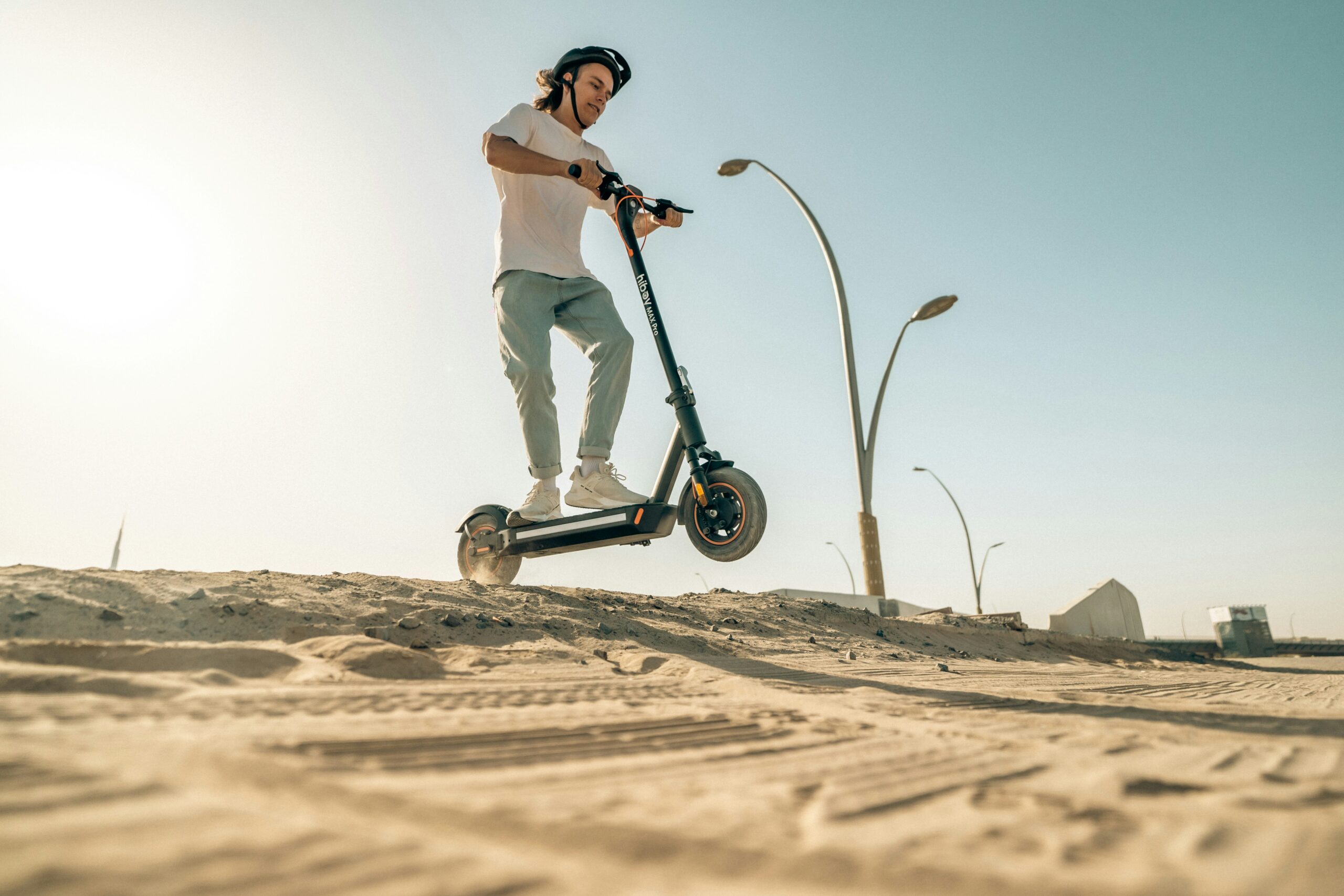
So, you’re wondering about solar electric scooters and whether they’re actually a game-changer for transportation? In short, yes, they have significant potential to revolutionize how we get around, especially in urban areas and for shorter commutes. The core idea is simple: ditching fossil fuels, reducing your carbon footprint, and tapping into a free, abundant energy source – the sun. While they’re not a magic bullet for every transportation need, their benefits in specific contexts are compelling.
Let’s break down what these things actually are and how they work. It’s not rocket science, but understanding the basics helps appreciate their potential.
What are They, Exactly?
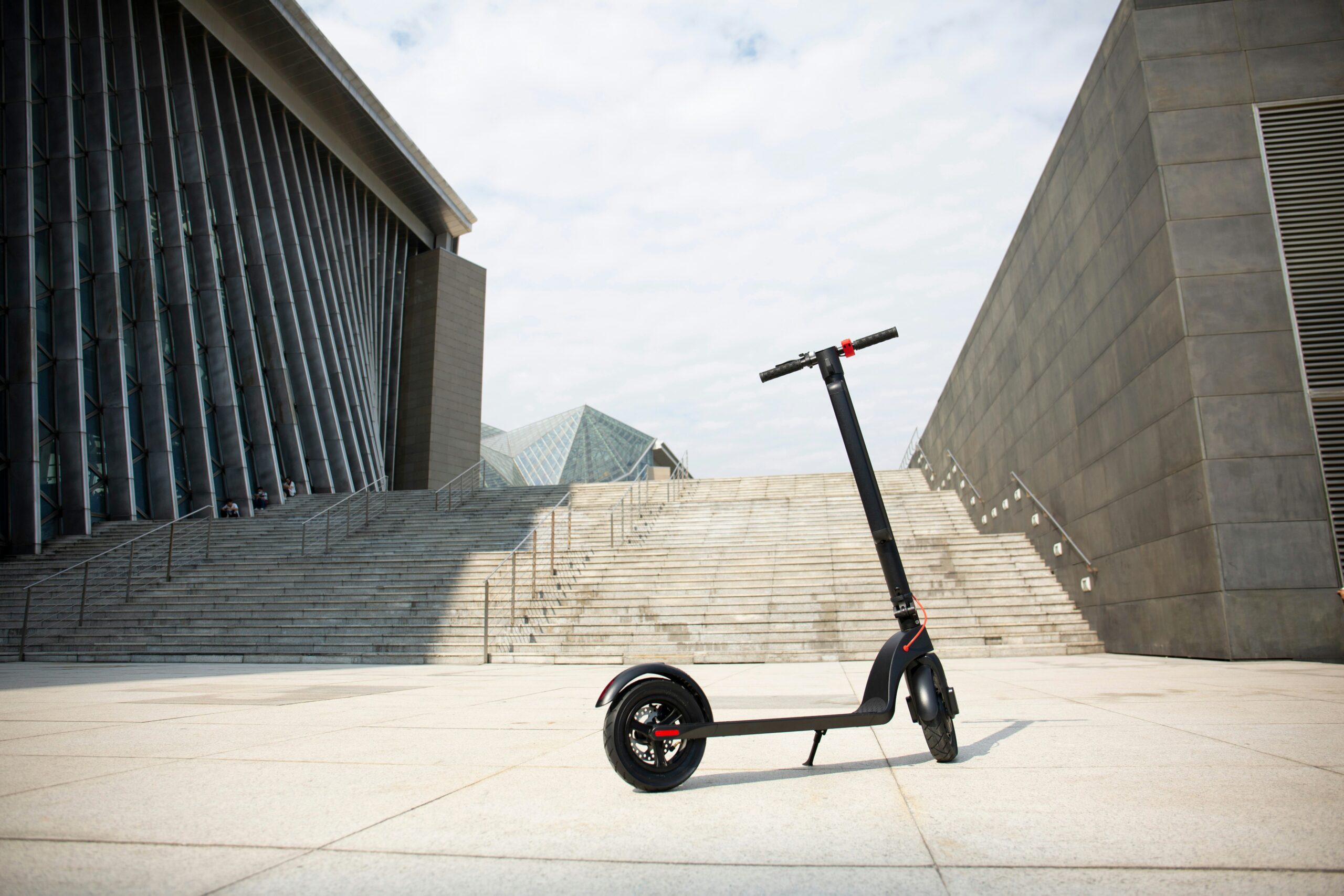
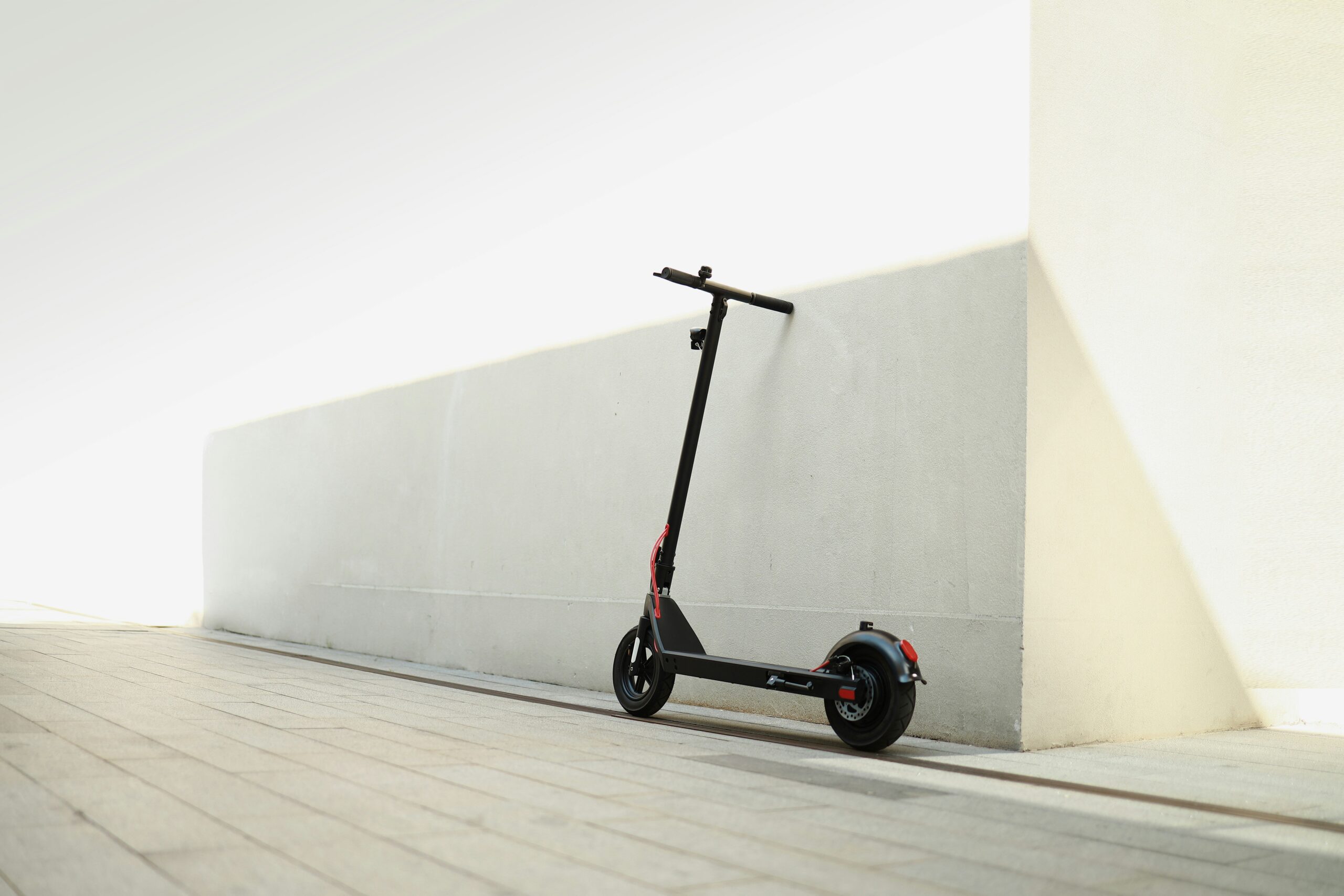
Imagine a regular electric scooter – you know, the kind you see zipping around cities. Now, picture that same scooter with integrated solar panels. That’s essentially it. These panels aren’t massive, unwieldy additions; they’re often sleekly integrated into the scooter’s body, the footrest, or even a specialized top case.
How Does the Solar Charging Work?
It’s pretty straightforward. The solar panels on the scooter convert sunlight into electrical energy. This energy then flows into the scooter’s battery, charging it up. The efficiency of this process depends on a few factors: the quality of the solar panels, the amount of direct sunlight, and the battery’s capacity.
Beyond Direct Charging: Auxiliary Solar Power
While some scooters aim for full solar charging, for many, the solar panels act more as an auxiliary power source. This means they extend the range between traditional plug-in charges, top up the battery during the day, or even power auxiliary functions like lights or a small display. Think of it as a constant trickle charge, keeping your battery healthier and your range longer.
If you’re interested in the growing trend of eco-friendly transportation, you might want to check out this insightful article on solar electric scooters. It explores the benefits of using solar energy to power electric scooters, highlighting their potential to reduce carbon footprints and promote sustainable commuting. For more information, you can read the article here: Solar Electric Scooters: A Sustainable Future.
Why Solar Electric Scooters Are More Than Just a Gimmick
There are real, tangible reasons why these scooters are gaining traction and aren’t just a marketing ploy. They address several pain points in modern transportation.
Environmental Impact: A Breath of Fresh Air
This is a big one. Traditional gasoline-powered vehicles cough out pollutants, and even standard electric vehicles still rely on electricity generated from various sources, some of which are not clean. Solar electric scooters, however, reduce reliance on grid electricity, especially if the solar panels are a primary charging source.
Reduced Carbon Emissions
By harnessing solar energy, scooters minimize their carbon footprint. You’re using a renewable resource directly, cutting down on the demand for fossil fuels that generate electricity or power internal combustion engines. Every solar-powered mile is a slightly cleaner mile for the planet.
Less Air Pollution in Urban Centers
Scooters are often used in dense urban environments. More solar scooters mean fewer tailpipe emissions poisoning the air we breathe in cities. This has direct benefits for public health, especially for reducing respiratory illnesses.
Cost Savings: Your Wallet Will Thank You
Let’s be honest, everyone likes to save a buck. Solar electric scooters offer several avenues for reducing your transportation expenses.
Lower Fuel Costs (or No Fuel Costs!)
This is the most obvious benefit. If you’re primarily charging your scooter using the sun, you’re essentially getting “free fuel.” Even if solar acts as an auxiliary charger, it still reduces the frequency and cost of plugging into the grid. Compare that to ever-fluctuating gas prices.
Reduced Maintenance
Electric scooters generally have fewer moving parts than gasoline-powered ones, leading to less wear and tear and lower maintenance costs. Add solar charging, and you might even extend battery life slightly by avoiding deep discharge cycles, though this is a less direct benefit.
Convenience and Accessibility: Getting Around Smarter
Beyond saving money and the planet, solar scooters just make getting around easier for many people.
Charging On-the-Go
Imagine parking your scooter, running errands, and coming back to a slightly more charged battery. No need to hunt for an outlet or carry a bulky charger. This “passive charging” during daylight hours is a game-changer for short to medium commutes.
Expanded Range Between Plug-Ins
For longer commutes or days with multiple stops, the solar panels can significantly extend the time between needing a wall outlet. This reduces range anxiety, a common concern with any electric vehicle.
Ideal for Urban Commutes and Last-Mile Solutions
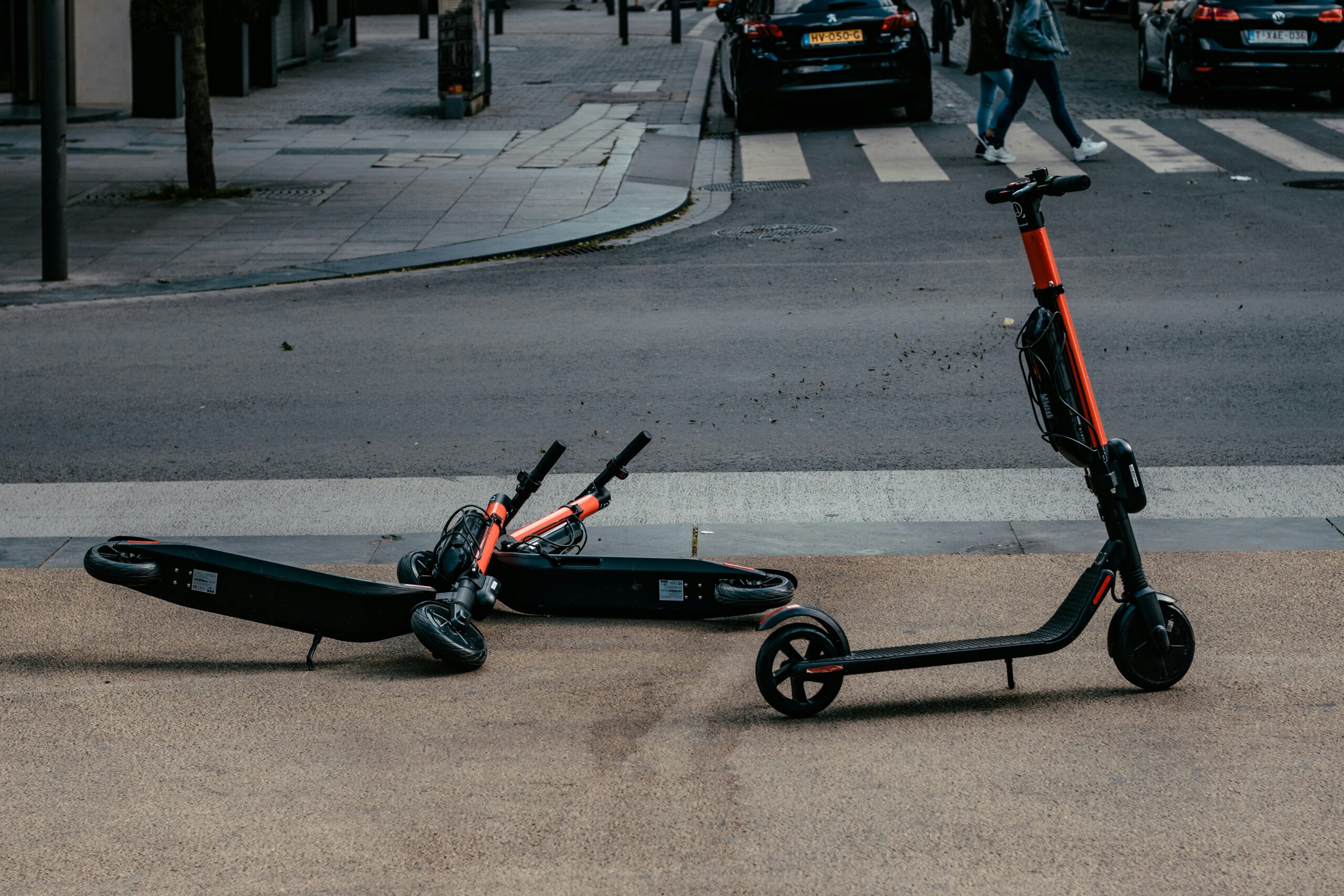
Scooters are already excellent for navigating congested city streets. Adding solar power enhances their utility, making them even more self-sufficient for short trips, running errands, or bridging the gap between public transport and your final destination.
Addressing the Challenges and Limitations
It’s not all sunshine and rainbows. Like any technology, solar electric scooters have their hurdles to overcome before they completely take over our streets.
Energy Conversion Efficiency: Not Every Ray Counts
The biggest challenge lies in the efficiency of solar panels themselves, especially small ones.
Panel Size and Surface Area
To generate a significant amount of electricity, solar panels typically need a fair bit of surface area. A scooter, by its nature, is compact. This limits the size – and thus the power output – of the integrated panels. You can’t fit enough panels on a standard scooter to fully power it from scratch in a reasonable timeframe for daily use.
Weather Dependency
Solar panels are only as good as the sunlight they receive. Cloudy days, rain, snow, or even heavy tree cover will drastically reduce or eliminate their charging capabilities. This means they still need a traditional charging infrastructure as a backup.
Charging Speed Considerations
Even on a sunny day, the charging speed from small scooter panels is generally slow. It’s often enough to trickle charge or extend range, but rarely fast enough for a complete, rapid charge from empty.
Cost of Technology: An Upfront Investment
While they save you money in the long run, the initial purchase price can be a barrier for some.
Higher Manufacturing Costs
Integrating solar panels, especially durable and efficient ones into a compact frame, adds to the complexity and cost of manufacturing. This can make solar electric scooters more expensive than their non-solar electric counterparts.
Battery Technology Evolution
While not solely a solar scooter issue, the cost of advanced, lightweight, and high-capacity batteries is still a significant factor in the overall price. As battery technology improves and becomes cheaper, solar scooters will become more accessible.
Aesthetics and Practicality: Design Considerations
There’s a balance to strike between functionality and visual appeal.
Panel Integration and Durability
How do you integrate panels onto a scooter without making it look clunky or compromising its structural integrity? The panels also need to be robust enough to withstand bumps, scrapes, and exposure to the elements on an open vehicle.
Rider Weight and Performance
Adding solar panels and associated wiring can add a bit of weight to the scooter. While often negligible for personal scooters, every extra pound can impact range and acceleration slightly, especially with a heavier rider.
Innovations and Future Outlook for Solar Scooters
Despite the challenges, the pace of innovation in this space is exciting. We’re seeing clever solutions emerge.
Advanced Solar Panel Technology
Researchers are constantly improving solar panel efficiency and flexibility.
Flexible and Thin-Film Solar Cells
Imagine solar cells that can bend and curve, adhering seamlessly to the contours of a scooter’s frame. Thin-film technology could allow for much more discreet and aerodynamic integration, maximizing the available surface area without impacting design.
Perovskite Solar Cells
This emerging technology promises higher efficiency at a lower cost than traditional silicon panels. If successfully scaled for mobility applications, perovskite could be a game-changer for solar electric scooters, offering more power from smaller panels.
Transparent Solar Cells
Though still largely experimental, transparent solar cells could be integrated into windshields or even body panels, adding charging capability without altering the scooter’s appearance.
Smart Energy Management Systems
It’s not just about collecting sunlight; it’s about using it efficiently.
AI-Powered Charging Optimization
Scooters could learn your commute patterns, local weather, and sun exposure to intelligently manage solar charging with grid charging. For instance, prioritizing solar charging when optimal and prompting for a plug-in charge when needed.
Regenerative Braking Integration
While not directly solar, combining regenerative braking (which converts kinetic energy from braking back into electrical energy) with solar charging creates a truly dynamic energy recovery system for maximum range.
The Role of Infrastructure and Ecosystems
Solar scooters won’t exist in a vacuum. A supportive environment will accelerate their adoption.
Solar Charging Hubs and Parking Stations
While individual scooters charge passively, imagine dedicated parking spots with larger, more powerful solar canopies that could rapidly charge multiple scooters. This could be particularly useful for shared scooter fleets.
Swappable Battery Systems
If solar charging is insufficient, quick-swappable batteries (much like some current electric scooter models) could be integrated. You could swap an empty battery for a fully charged one, potentially charged by a larger, off-scooter solar array.
As the popularity of eco-friendly transportation options continues to rise, solar electric scooters are becoming an increasingly attractive choice for urban commuters. These innovative vehicles harness solar energy to extend their range and reduce reliance on traditional power sources. For those interested in exploring a robust alternative, you might find this article on heavy-duty electric scooters particularly insightful, as it discusses various models that can handle more demanding rides. Check it out here to learn more about the benefits and features of these powerful scooters.
Making a Choice: Is a Solar Electric Scooter Right for You?
So, after all this, should you consider one? It really depends on your individual needs and circumstances.
Best-Fit Scenarios
Solar electric scooters shine in particular situations.
Short to Medium Distance Commutes
If your daily commute is under 10-15 miles and involves daylight hours, a solar scooter could significantly reduce your reliance on plug-in charging.
Urban and Suburban Environments with Good Sun Exposure
Cities and suburbs with open areas, less dense tree cover, and plenty of daylight are ideal. If you’re constantly in the shade, the solar benefit will be minimal.
Environmentally Conscious Individuals
If reducing your carbon footprint and embracing renewable energy is a priority, a solar electric scooter aligns perfectly with those values.
Shared Scooter Fleets
For businesses operating shared scooter fleets, solar charging can reduce operational costs, minimize downtime for charging, and present a greener image to users.
Factors to Consider Before Buying
Don’t just jump in; think about these points.
Your Local Climate and Sun Exposure
Be realistic about how much direct sunlight your scooter will actually get. If you live somewhere predominantly cloudy or where you park mostly indoors, the solar aspect might not be worth the added cost.
Your Typical Daily Range Needs
If you regularly need to cover long distances without access to a plug, a solar scooter might not be able to fully meet those demands on its own. It’s more of a range extender than a standalone power source for long hauls.
Initial Investment vs. Long-Term Savings
Weigh the higher upfront cost against the potential savings on electricity and the environmental benefits. For some, the long-term savings and eco-friendly aspect will justify the initial expense.
Available Models and Features
Research the market. Different brands offer varying levels of solar integration, battery capacity, and overall build quality. Look for reviews and compare specifications carefully.
Ultimately, solar electric scooters are an exciting development in personal mobility. They offer a compelling blend of environmental responsibility, cost-effectiveness, and convenience. While they’re not perfect and still face technological hurdles, the ongoing innovations suggest a bright future where these sun-powered vehicles play an increasingly important role in how we navigate our world. They might not fully replace traditionally charged electric vehicles overnight, but for many, they represent a smarter, greener way to get from A to B.
FAQs
What is a solar electric scooter?
A solar electric scooter is a type of scooter that is powered by electricity, which is generated by solar panels installed on the scooter. This renewable energy source allows the scooter to be charged using sunlight, reducing the reliance on traditional electricity sources.
How does a solar electric scooter work?
Solar electric scooters work by harnessing energy from the sun through solar panels installed on the scooter. The solar panels convert sunlight into electricity, which is then stored in a battery. This stored energy powers the electric motor, allowing the scooter to move without the need for traditional fuel.
What are the benefits of using a solar electric scooter?
Using a solar electric scooter has several benefits, including reducing carbon emissions, lowering fuel costs, and promoting sustainability. Solar electric scooters also offer a quieter and smoother ride compared to traditional scooters powered by internal combustion engines.
Are there any limitations to using a solar electric scooter?
While solar electric scooters offer many benefits, they also have limitations. The efficiency of solar panels can be affected by weather conditions, such as cloudy days or limited sunlight. Additionally, the initial cost of purchasing a solar electric scooter may be higher than traditional scooters, although the long-term savings on fuel costs can offset this.
Where can I find solar electric scooters for purchase?
Solar electric scooters can be found for purchase through various retailers, both online and in physical stores. Additionally, some manufacturers offer customization options for adding solar panels to existing electric scooters. It’s important to research and compare different models to find the best option for your needs.
You might also like