
Revolutionizing Transportation: The Electric Hoverboard
 PopScooter Team
May 24, 2026 4:42 pm
.
10 min read
PopScooter Team
May 24, 2026 4:42 pm
.
10 min read

So, you’re curious about electric hoverboards and if they’re really shaking things up in the transportation world? In a nutshell, yes, they are, but maybe not in the sweeping, “flying cars are here” kind of way you might first imagine. Think of them more as a niche revolution, a fun and surprisingly practical personal mobility solution that’s evolving and finding its place. They’re not replacing your car or the bus anytime soon, but for short, zippy trips or just navigating a campus or large building, they’re definitely making a mark.
Let’s break down what we’re actually talking about when we say “electric hoverboard.” You know, the ones with two wheels, a platform to stand on, and a self-balancing mechanism? That’s the one. They don’t actually hover in the air like in the movies, but they give that illusion of gliding.
The Self-Balancing Act
The magic behind the hoverboard is its self-balancing technology. It uses gyroscopes and sensors to detect your weight distribution and adjust the motors accordingly to keep you upright. Lean forward, and it moves forward. Lean back, and it slows down or reverses. It sounds simple, but under the hood, it’s a clever bit of engineering.
Powering the Glide
Naturally, these devices are electric. The power comes from rechargeable lithium-ion batteries, similar to what you find in smartphones and electric bikes. The size and capacity of these batteries directly impact how far and how fast you can go.
Beyond the Basics: Types of Hoverboards
While the classic two-wheeled design is most common, the term “hoverboard” can sometimes encompass other personal electric vehicles that offer a similar experience of intuitive control and electric propulsion.
The Classic Two-Wheelers
These are the ones that really exploded in popularity. They’re compact, relatively easy to learn to ride, and offer a fun way to get around.
All-Terrain Variants
To tackle more challenging surfaces, some manufacturers have introduced hoverboards with larger, pneumatic tires. These are built for grass, gravel, and uneven paths, expanding where you can take them.
Other “Hover” Devices
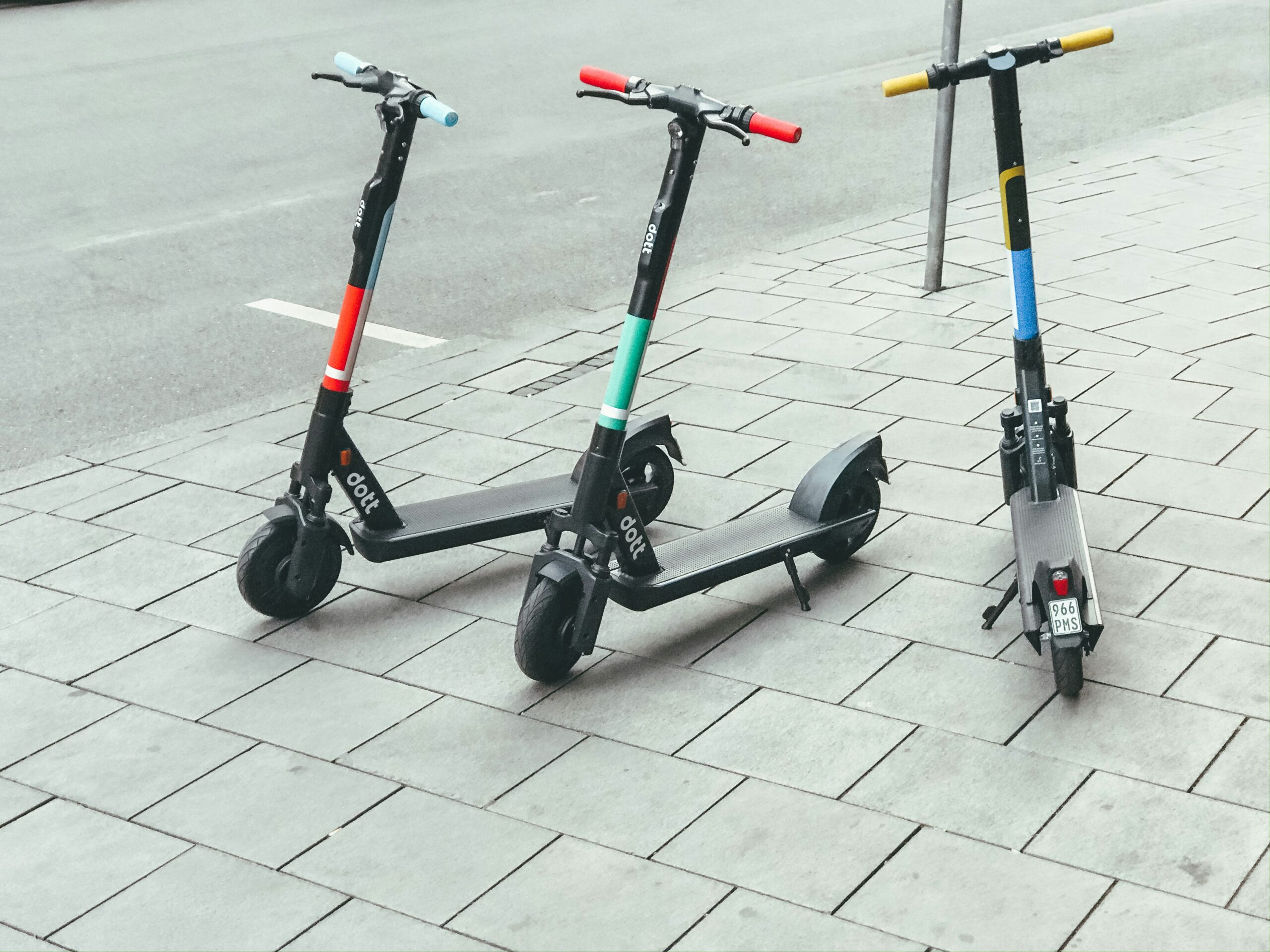
While not strictly hoverboards, devices like electric unicycles or even certain electric scooters sometimes get lumped into the broader conversation of personal electric mobility solutions that share some of the same underlying technology and use cases.
Electric hoverboards have gained immense popularity as a fun and efficient mode of personal transportation, but they are not the only option available. For those interested in exploring alternative electric rideables, a related article discusses the benefits of used scooters, highlighting their affordability and practicality. You can read more about this topic in the article found here: Used Scooters.
How are Electric Hoverboards Actually “Revolutionizing” Transportation?
This is where we dial back the hype a bit and get practical. The “revolution” isn’t about replacing existing infrastructure, but about creating new possibilities for individual movement, especially in specific scenarios.
The “Last Mile” Solution
This is perhaps the biggest area where hoverboards are making an impact. Think about it: you drive your car most of the way to work, but then there’s still half a mile to your office. Or you get off the train and still have a fair distance to walk. A hoverboard can make that final stretch quick, easy, and a lot more enjoyable than walking.
Campus and Urban Navigation
For students on large university campuses or people navigating dense urban environments with limited parking, hoverboards offer a way to move between buildings, classes, or appointments without relying on public transport or constantly finding a parking spot. They’re portable and can be carried indoors.
Warehouse and Facility Mobility
This is a less visible but significant application. In large warehouses, distribution centers, and even some corporate offices, employees use hoverboards to quickly move between different sections. This saves time and can reduce fatigue over a long shift.
Recreation and Fun
Let’s not forget the sheer enjoyment factor. For many, hoverboards are simply a fun way to spend time outdoors, cruise around a park, or have a good time with friends. This recreational aspect contributes to their growing presence.
Eco-Friendly Alternatives
Compared to gasoline-powered vehicles, electric hoverboards produce zero tailpipe emissions. While their overall carbon footprint depends on how the electricity is generated and the manufacturing process, they represent a step towards more sustainable personal transportation for short distances.
The Practicalities: What You Need to Know Before You Ride
Okay, so you’re sold on the idea. But before you jump on one, there are some very real, very practical things to consider. This isn’t just about buying a toy; it’s about adopting a new mode of transport.
Learning Curve and Balance
Don’t expect to be a pro on your first try. There’s definitely a learning curve. Most people get the hang of it within 15-30 minutes of practice, but it requires a bit of core strength and concentration. Falling off is part of the process for most beginners.
Battery Life and Charging
This is a key constraint. Most hoverboards offer a range of anywhere from 6 to 20 miles on a single charge, depending on the model, battery size, rider weight, and terrain. Charging typically takes a few hours. You need to plan your trips around charging times.
Understanding Range Anxiety
Just like with electric cars, range anxiety can be a thing with hoverboards. You need to be aware of how much battery you have left and whether it’s enough to get you to your destination and back, or to a charging point.
Charging Time Considerations
A full charge can take anywhere from 2 to 4 hours. This means you can’t just quickly top it up before a long journey. It requires a bit of forethought and planning.
Weight Limits and Rider Size
Most hoverboards have a maximum weight limit. Exceeding this can affect performance, battery life, and even the longevity of the device. They’re generally designed for adults and older teenagers.
Durability and Build Quality
Not all hoverboards are created equal. Cheaper models might use less robust materials, leading to quicker wear and tear. Investing in a reputable brand often means better build quality and longer lifespan.
Weather Dependency
Rain, snow, and even very wet conditions are generally a no-go for most electric hoverboards. Water can damage the electronics. Stick to dry days for your riding adventures.
Safety First: Navigating the Risks
This is arguably the most important section. While hoverboards are fun, they can also be hazardous if not used responsibly. Regulations and safety awareness are growing.
The Importance of Protective Gear
This cannot be stressed enough. Always wear a helmet. Consider knee pads, elbow pads, and wrist guards, especially when you’re learning. A fall can happen quickly, and injuries can be serious.
Understanding Local Laws and Regulations
Laws surrounding hoverboard use vary greatly. Some cities have outright bans in certain areas, while others have restrictions on where you can ride them (e.g., only on private property, not on sidewalks). Always check your local ordinances.
Sidewalk vs. Road Riding
Generally, hoverboards are not street-legal in most places. They are typically considered personal mobility devices and are meant for pedestrian areas, bike paths where permitted, or private property.
Age Restrictions
Many jurisdictions have age requirements for riding hoverboards, often 16 or older, especially for public use.
Hoverboard Safety Standards
Look for hoverboards that meet recognized safety standards, such as UL certification. This indicates that the battery and charging system have undergone rigorous testing to prevent overheating and other fire hazards, which were a significant concern with early models.
Riding Smart: Situational Awareness
Be aware of your surroundings. Watch out for pedestrians, cyclists, cars, and obstacles in your path. Make sure you can see and be seen.
Electric hoverboards have gained immense popularity as a fun and efficient mode of transportation, appealing to both thrill-seekers and commuters alike. If you’re interested in exploring one of the top models on the market, you might want to check out the Unagi E500, which offers a sleek design and impressive performance. For more details on this innovative hoverboard, you can read the full review here. With its advanced features and user-friendly interface, the Unagi E500 is definitely worth considering for anyone looking to elevate their riding experience.
The Future of Hoverboards and Personal Electric Mobility
Where are these futuristic-looking devices heading? The evolution is ongoing, and it’s exciting to think about the possibilities.
Improved Battery Technology
We’re constantly seeing advancements in battery technology, leading to longer ranges, faster charging times, and lighter, more compact designs. This will make hoverboards even more practical for daily use.
Solid-State Batteries
While still in development for mainstream consumer electronics, solid-state batteries hold the promise of higher energy density and improved safety, which could significantly enhance hoverboard capabilities.
Faster Charging Solutions
Ongoing research into faster charging methods could mean less waiting and more riding time, further integrating hoverboards into daily commutes.
Enhanced Safety Features
Expect to see more built-in safety features, such as improved obstacle detection, speed governors, and perhaps even some form of integrated lighting for better visibility.
Integration with Smart Technology
Imagine hoverboards that connect to your smartphone to track your rides, monitor battery health, or even adjust settings. This level of integration is likely to become more common.
New Design Innovations
We might see new form factors emerge, perhaps combining hoverboard-like stability with other modes of transport for increased versatility.
Role in Urban Planning
As personal electric mobility grows, cities will continue to adapt. We might see dedicated lanes or more integrated infrastructure that accommodates devices like hoverboards, making them a more seamless part of the urban fabric.
The Verdict: Are They Revolutionizing Transportation Today?
Looking at the broader picture, electric hoverboards aren’t quite a “revolution” in the same vein as the car or the airplane. They haven’t fundamentally changed how cities are built or how people commute long distances. However, they are revolutionizing personal transportation on a more intimate scale.
They offer a fun, accessible, and increasingly practical way to navigate short distances, bridge gaps in existing transport networks, and provide a more agile and eco-conscious option for specific use cases. For individuals looking to reduce their reliance on cars for short errands, navigate large campuses, or simply enjoy a new way to move, electric hoverboards are indeed a significant and evolving part of the transportation landscape. The journey of the hoverboard is far from over, and its impact is only likely to grow as technology and infrastructure continue to adapt.
FAQs
What is an electric hoverboard?
An electric hoverboard is a self-balancing, two-wheeled scooter that is powered by an electric motor. It is controlled by the rider shifting their weight and leaning in different directions.
How does an electric hoverboard work?
Electric hoverboards use gyroscopic sensors and microprocessors to detect the rider’s movements and adjust the speed and direction of the wheels accordingly. The rider leans forward to move forward, leans back to reverse, and leans to the sides to turn.
Are electric hoverboards safe to use?
When used properly and with appropriate safety gear, electric hoverboards can be safe to use. However, there have been reports of accidents and injuries related to hoverboard use, so it is important to follow safety guidelines and practice caution.
What are the benefits of using an electric hoverboard?
Electric hoverboards are a convenient and fun mode of personal transportation. They are eco-friendly, easy to maneuver, and can be used for short commutes or recreational purposes.
Are there any regulations or restrictions for using electric hoverboards?
Regulations for electric hoverboards vary by location, but some common restrictions include age limits for riders, speed limits in certain areas, and requirements for wearing safety gear such as helmets. It is important to check local laws and regulations before using an electric hoverboard.