
Revolutionizing Urban Commuting with MP3 Scooter
 PopScooter Team
May 17, 2026 4:42 pm
.
12 min read
PopScooter Team
May 17, 2026 4:42 pm
.
12 min read
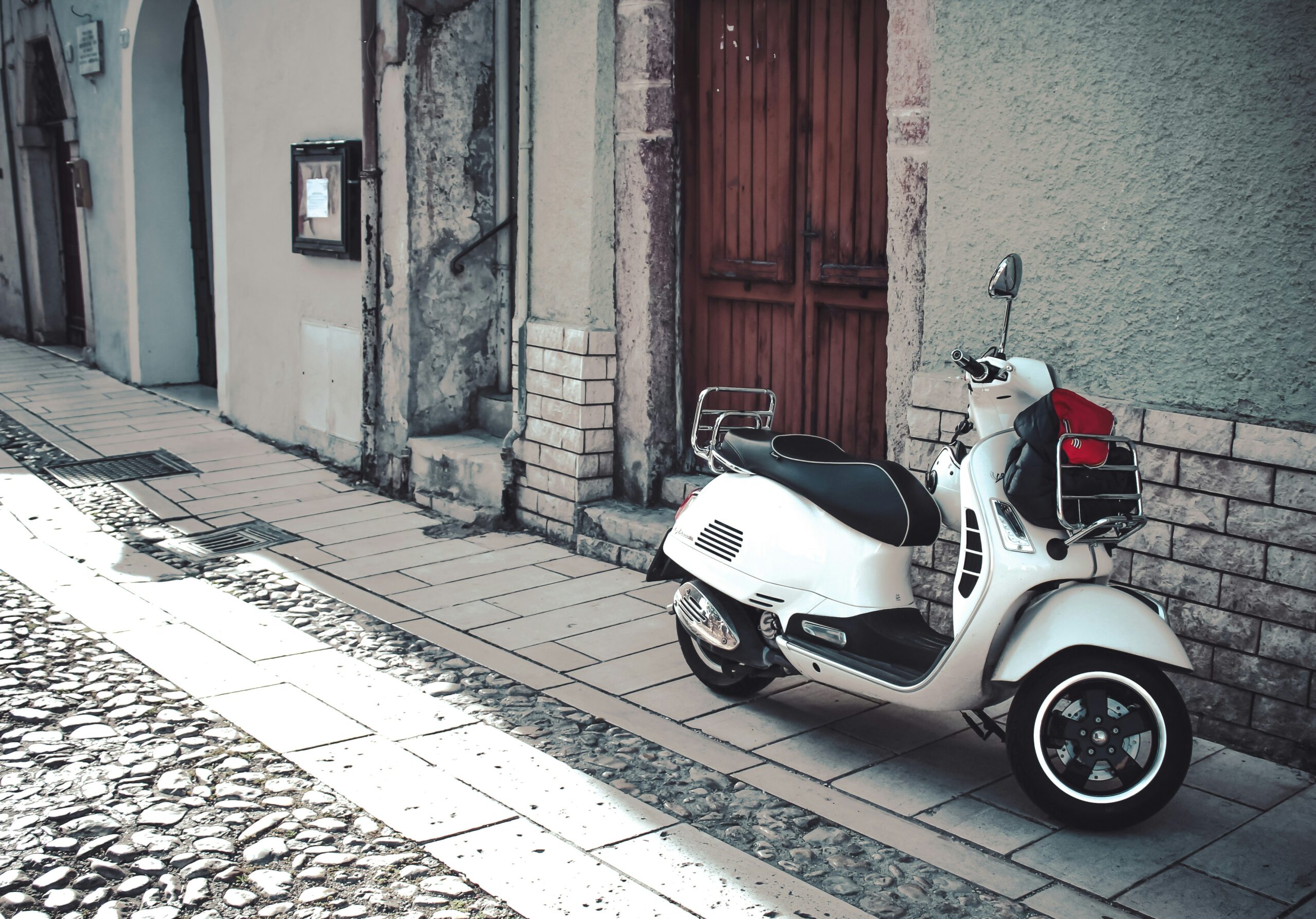
Piaggio’s MP3 scooter offers a genuinely different approach to urban commuting, especially if you’re looking for stability and practicality without giving up the agility of a two-wheeler. Its unique three-wheel design is the real game-changer here, providing a ride that feels much more planted and secure than a traditional scooter, particularly in challenging city conditions.
Let’s get right to it. The MP3 isn’t just a scooter with an extra wheel slapped on it. The magic lies in its sophisticated tilting front suspension. Unlike a trike you might see, the MP3 actually leans into turns, just like a conventional two-wheeled scooter or motorcycle. This isn’t some clunky contraption; it’s engineered for dynamic handling.
The Leaning Advantage
This ability to lean is crucial. It means you get the best of both worlds: the cornering feel and agility of a two-wheeler, combined with the greatly enhanced stability of three points of contact with the road. When you’re navigating potholes, tram tracks, or wet manhole covers – all common urban hazards – that extra wheel up front provides a level of confidence that’s hard to beat. You’re simply less likely to wash out the front wheel.
Beyond Stability: Confident Braking
Another significant benefit of the three-wheel setup, especially the two wheels upfront, is the braking performance. With two contact patches at the front, the MP3 can achieve impressive stopping power. This is particularly noticeable in emergency braking situations or on slippery surfaces. You have more grip to work with, which translates to shorter stopping distances and a greater sense of control. Combined with ABS, which is standard on most modern MP3s, this makes for a very reassuring braking experience.
Standing Still? No Problem
One of the coolest features, literally and figuratively, is the electromechanical suspension locking system. When you come to a stop, at a traffic light for instance, you can engage a button that locks the front suspension in an upright position. This means you don’t have to put your feet down! It’s incredibly convenient, especially if you’re stopping frequently or are vertically challenged. As soon as you twist the throttle, the system automatically disengages, and you’re back to leaning. It might sound unusual, but it quickly becomes second nature and is a true comfort feature in stop-and-go traffic.
If you’re interested in enhancing your MP3 scooter experience, you might want to check out a related article on scooter decks that can improve performance and style. For more information, visit this link to explore various options that can elevate your ride.
Taming the Urban Jungle: Practicality You Can Feel
Urban commuting is rarely smooth sailing. It’s a mix of congested streets, unpredictable traffic, and less than perfect road surfaces. The MP3 is designed to tackle these challenges head-on, offering a genuinely practical solution for daily mobility.
Navigating Congestion with Ease
Despite its slightly wider front track compared to a conventional scooter, the MP3 remains remarkably nimble. Its overall width is still significantly less than a car, allowing it to filter through traffic (where legal, of course) and access tighter spaces that would be impossible in a car. The commanding riding position also gives you a better view over traffic, helping you anticipate potential hazards.
Weather Worries? Less So.
One of the common deterrents for scooter or motorcycle commuters is inclement weather. While no two-wheeler or three-wheeler is truly weather-proof, the MP3’s added stability definitely helps. On wet roads, the two front wheels offer far more grip and confidence than a single wheel. This doesn’t mean you can ride recklessly in a downpour, but it does reduce the anxiety associated with slippery conditions, making year-round commuting a more realistic option for many.
Carrying Your Gear: Storage Solutions
Scooters are often chosen for their practicality, and the MP3 doesn’t disappoint in terms of storage. Most models feature generous under-seat storage, often capable of holding at least one full-face helmet, and sometimes two open-face helmets or a significant amount of groceries. Additionally, depending on the model and accessories, you can add top cases and saddlebags to further expand your carrying capacity, making it a viable option for errands or even light touring.
Power and Performance: Keeping Up with Traffic
The MP3 range has evolved over the years, offering various engine sizes to suit different needs and licensing requirements. From smaller, more city-focused engines to larger, highway-capable powerplants, there’s likely an MP3 that fits your commute.
Engine Options: From City Zoomer to Highway Cruiser
Historically, Piaggio has offered the MP3 with engines ranging from 125cc (no longer in production), 300cc, HPE 300cc, and the powerful 400cc and 500cc HPE versions. The smaller engines are perfectly adequate for dense urban environments, offering brisk acceleration and good fuel economy. The 400cc and 500cc versions, however, truly transform the MP3 into a comfortable and capable machine for longer commutes, suburban rides, and even highway travel. They offer sufficient power for maintaining highway speeds comfortably and for overtaking with confidence. The HPE (High Performance Engine) designation on newer models signifies improvements in power, fuel efficiency, and emissions.
Fuel Efficiency: A Practical Consideration
While the larger engine MP3s won’t match the fuel economy of a tiny 50cc scooter, they still offer significantly better mileage than most cars. This translates to lower running costs and fewer trips to the petrol station, which is a definite plus for daily commuters. The balance of power and efficiency in the MP3 range generally hits a sweet spot for urban and peri-urban use.
Ride Comfort: More Than Just the Engine
Beyond the engine, the MP3’s overall ride comfort is also a factor in its appeal. The more substantial chassis and larger wheels (compared to many conventional scooters) help to smooth out road imperfections. Coupled with the excellent stability, this results in a less fatiguing ride, especially on longer journeys or over poorly maintained roads. The seating position is typically upright and comfortable, making it suitable for a wide range of riders.
MP3 vs. Traditional Scooter vs. Motorcycle: Where Does It Fit?
The MP3 occupies a unique niche in the powered two-wheeler (or three-wheeler) market. It’s not quite a scooter, not quite a motorcycle, and definitely not a traditional trike. Understanding where it sits can help you decide if it’s the right choice for you.
Bridging the Gap: Scooter to Motorcycle
Many riders see the MP3 as a stepping stone. For those who are nervous about the stability of a two-wheeled scooter but aren’t ready for a full-fledged motorcycle, the MP3 offers an ideal bridge. You get the familiar twist-and-go simplicity of a scooter, but with a greatly enhanced sense of control and safety. It allows riders to gain confidence and experience before potentially moving on to motorcycles, or simply to enjoy the benefits of a robust commuter without the learning curve of a geared bike.
The Stability-Agility Spectrum
- Traditional Scooter: High agility, moderate stability (can be twitchy on bad surfaces), easy to learn.
- Motorcycle: High agility (especially sporty models), good stability (but requires rider input), more complex to ride (gears, clutch).
- MP3: Good agility (leans like a two-wheeler), high stability (two front contact patches), simple twist-and-go.
It truly strikes a balance, offering more stability than traditional two-wheelers without sacrificing the dynamic riding experience.
Licensing Requirements: Know Before You Go
This is a critical point that often causes confusion. Licensing requirements for the MP3 vary significantly by country and even by specific model within the MP3 range.
- In some countries (like the UK or certain parts of Europe for specific models), a qualifying car driving license might be sufficient to ride certain MP3 versions, particularly the larger engine models (e.g., 300cc, 400cc, 500cc) if they meet specific “L5e” tricycle classification criteria (which often requires a minimum front track width and other specifications). This is a huge draw for drivers who want to move to two/three wheels without taking a full motorcycle test.
- In other regions or for smaller displacement models, a motorcycle license might still be required. It is absolutely essential to check the specific regulations in your locale for the exact model you are interested in before making any purchase decisions. This can be the make-or-break factor for many potential buyers.
If you’re interested in exploring more about electric scooters, you might find this article on the Razor Pocket Mod Electric Scooter quite informative. It discusses the features and benefits of this stylish scooter, making it a great option for those looking for a fun and efficient way to get around. You can read more about it here.
Potential Downsides and Considerations
No vehicle is perfect for everyone, and the MP3 has a few characteristics that might not suit every rider. It’s good to be aware of these before getting too enthusiastic.
Weight and Bulk: Not a Featherweight
Compared to a typical 125cc or 300cc two-wheeled scooter, the MP3 is noticeably heavier and feels more substantial. This extra weight, primarily from the complex front suspension, contributes to its stability but can make it a bit more challenging to maneuver at very slow speeds or when pushing it around the garage. While the standing lock feature helps at lights, parking and low-speed movements require a bit more effort than a lighter two-wheeler.
Cost of Ownership: A Bit More Premium
The advanced engineering of the MP3, particularly its unique front suspension, generally translates to a higher purchase price compared to equivalently powered two-wheeled scooters. Maintenance can also be a bit more involved due to the more complex front end, though modern MP3s are designed for reliability. Parts unique to the MP3’s front end might also be more expensive than standard scooter parts. Fuel efficiency is generally good, but overall, it sits in a more premium segment of the scooter market.
Learning Curve: A Different Feel
While the MP3 is often touted as being “easier” than a traditional scooter or motorcycle due to its stability, it still has a slight learning curve. The feel of the leaning front end is unique, and it takes a bit of time to get accustomed to how it reacts, especially at slower speeds. Riders coming from traditional two-wheelers might initially find the turning slightly different, but most adapt very quickly. It’s not difficult, just different.
Limited Off-Road Capability
While it can handle rough city roads better than many scooters, the MP3 is strictly designed for pavement. Its road-biased tires and suspension are not meant for off-road excursions, so stick to the asphalt.
If you’re considering an MP3 scooter for your urban commuting needs, you might also want to explore the options available for used Honda Ruckus models. These scooters are known for their durability and unique design, making them a popular choice among riders. For more information on where to find a reliable used Honda Ruckus, check out this article on used Honda Ruckus for sale.
The Verdict: A Commuter’s Game-Changer?
For many, the Piaggio MP3 truly is a revolutionary vehicle that redefines urban commuting. It offers a compelling blend of stability, safety, practicality, and convenience that is hard to find in any other format.
If you’re someone who desires the agility of a two-wheeler but is seeking enhanced confidence, especially in challenging city conditions, or if you’re looking for a comfortable and capable vehicle that can handle both urban sprawl and some highway stretches, the MP3 deserves serious consideration. Its unique three-wheel design isn’t a gimmick; it’s a genuinely effective engineering solution to many common commuting frustrations. Before buying, test ride one to experience its unique feel, and crucially, confirm the licensing requirements for your specific location and engine size. It might just be the urban commuter you’ve been looking for.
FAQs
What is an mp3 scooter?
An mp3 scooter is a type of motor scooter that is equipped with an integrated sound system that allows the rider to listen to music while riding.
How does an mp3 scooter work?
An mp3 scooter works by connecting a music player, such as an iPod or smartphone, to the scooter’s sound system via Bluetooth or a wired connection. The music is then played through speakers located on the scooter.
Are mp3 scooters legal to use on the road?
The legality of using an mp3 scooter on the road depends on the specific laws and regulations of the area in which it is being used. In some places, using headphones or earbuds while riding a scooter or motorcycle is illegal, so the integrated sound system of an mp3 scooter may provide a legal alternative for listening to music while riding.
What are the benefits of an mp3 scooter?
The benefits of an mp3 scooter include the ability to listen to music while riding, which can enhance the riding experience and make long rides more enjoyable. Additionally, the integrated sound system eliminates the need for wearing headphones or earbuds, which can improve safety by allowing the rider to remain aware of their surroundings.
Can any scooter be converted into an mp3 scooter?
Not all scooters can be easily converted into mp3 scooters. Some scooters may have the option to add aftermarket sound systems, while others may be specifically designed and manufactured as mp3 scooters with integrated sound systems. It is important to check with the manufacturer or a professional to determine if a specific scooter can be converted into an mp3 scooter.