
Zero 11x Smartphone Review: Features and Performance
 PopScooter Team
January 28, 2026 9:57 am
.
22 min read
PopScooter Team
January 28, 2026 9:57 am
.
22 min read
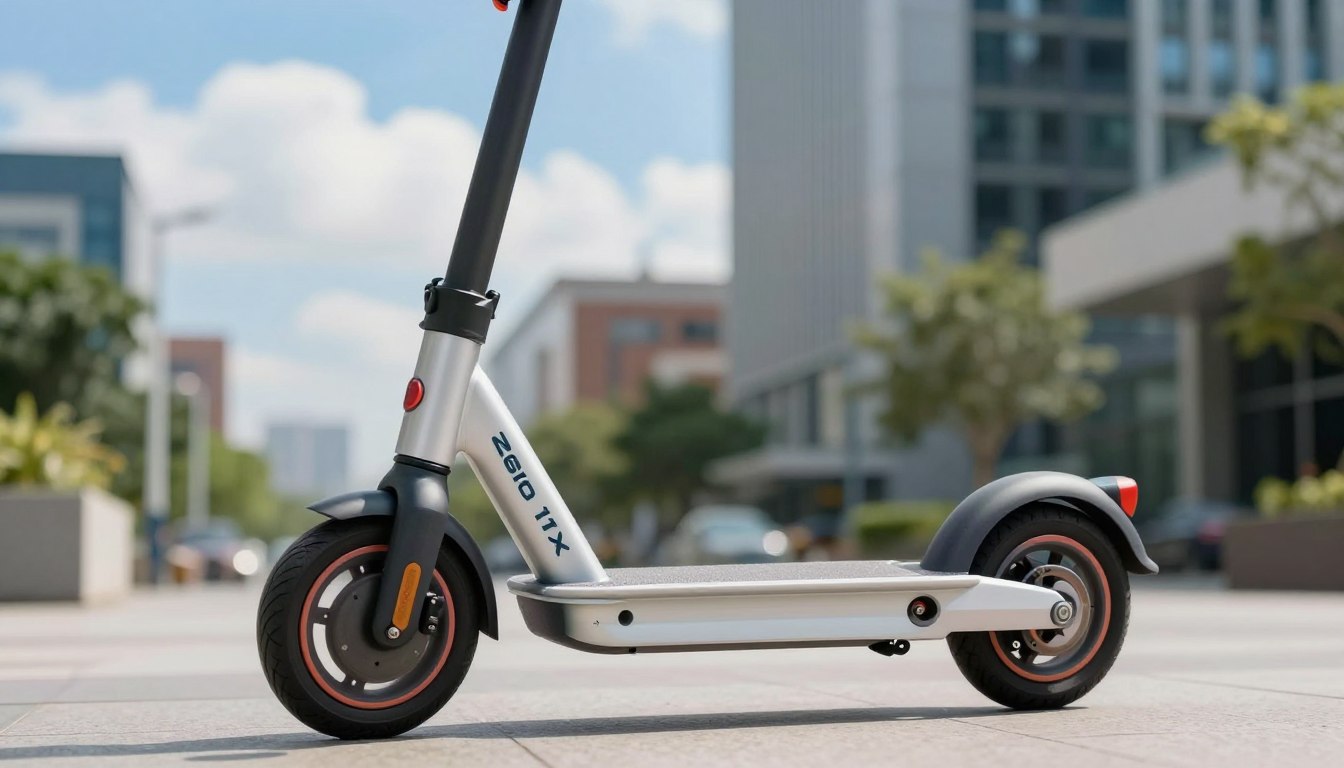
Is this the last word in beast-class commuting, or just a heavy showpiece?
The article clarifies up front: the item many U.S. shoppers search for is a high-performance electric scooter that blurs the line between scooter and motorcycle. It packs dual hub motors and real-world pace that surprises riders used to smaller machines.
This review focuses on practical matters: real-world speed, stability, braking, range, charging, durability, and daily use rather than spec-sheet hype.
Readers will get direct answers to big buyer questions: how fast it really goes, how far it will ride, and what ownership feels like given its 53–54 kg frame and 60+ mph potential.
Guidance is practical and commercial: who should consider buying, who should avoid it, and which alternatives are worth cross-shopping. It also flags that specs can vary by retailer and region, so buyers should confirm battery and brake details before checkout.
Safety-first: this ride suits experienced riders who respect a 60+ mph machine and wear appropriate gear.
Key Takeaways
- The model is a high-power electric scooter built for experienced riders.
- This review stresses real-world performance over marketing specs.
- Expect strong speed and weight that affect daily practicality.
- Confirm parts and battery options with your seller before buying.
- Consider safety gear and alternatives if you are not an experienced rider.
At a Glance: What the Zero 11X Is Built to Do
This flagship model stakes a clear claim: it’s meant to feel and perform closer to a motorcycle than a commuter scooter. It emphasizes raw power, aggressive style, and a top-tier riding stance that draws attention on wide roads and open stretches.
Flagship, “almost motorcycle” positioning
The design centers on extreme speed and torque. As a flagship model, it prioritizes performance over folding convenience. Riders get motorcycle-like acceleration and a presence that changes how people react in traffic.
Who this model targets in the United States
This setup suits experienced riders who value thrill and sustained highway-style runs rather than short commutes. Use-cases include longer suburban trips, recreational rides, and riders wanting close-to-motorcycle speed without gasoline.
- Expect road-respect: its size and stance demand mature throttle control.
- Not ideal for last-mile chores: weight, charging, and storage are real considerations.
- Legal use requires choosing roads and speeds responsibly; claimed top speed near 100 km/h puts emphasis on safe riding.
Key Specs That Matter Before Buying
Before signing off on a purchase, readers need clear, no-nonsense specs that affect daily ownership. This section strips the marketing and shows the numbers that change real use.
Dual motors and claimed power
Dual hub motors mean one motor in each wheel. That setup boosts launch traction and gives stronger acceleration than a single-motor scooter.
Manufacturers list about 2×1600W (3,200W continuous) with roughly 5,600W peak; some sellers claim 6,400W. Treat peak wattage as marketing—continuous ratings and controller limits matter more for real-world power.
Top speed reality
Top speed is often listed near 96–100 km/h (60–62 mph). Actual speed changes with rider weight, wind, road grade, and battery state. Displays and claimed numbers can mislead if conditions differ from the test.
Weight, load, and dimensions
Weight sits around 53–54 kg. Listed max load usually is 120 kg; one source notes 150 kg. Heavier loads reduce range and increase braking distance.
- Unfolded: ~1420×1325×720 mm
- Folded: ~1420×600×720 mm
- Measure folded length, height, and width before planning garage or car placement—two people often needed to lift it into a trunk.
For alternatives and heavy-rider options, see suggested picks at best electric scooter for heavy adults.
Design and Road Presence
A tall, twin-column steering setup immediately signals this machine was built for speed and steadiness.
Double stem and stance
The prominent steering column is actually two thick stems side-by-side. That layout looks bold and reduces flex under heavy braking or hard cornering.
This double steering column gives more visual mass than a single stem and communicates stability on the road.
Deck, bar, and rider room
The deck is long and wide, letting riders shift their feet for sprinting, braking, or steadying at high speed.
Taller riders get extra stance options thanks to the extended rear footplate and broad bar span that feel closer to a small e‑moped than a city scooter.
Finish, styling, and build feel
Styling favors function: chunky lines, a metal rear footplate, and a purposeful, tank-like appearance.
- Wheel and tire size add to the planted look.
- The rear footplate doubles as a brace at speed, not just a trim piece.
- Overall impression: heavy, sturdy, and confidence-inspiring, though buyers should still check quality control details.
Summary: The design and style push performance first. Riders will notice the road presence before they twist the throttle.
Setup and First Ride Notes
Before the first twist of the throttle, owners should walk through a short, deliberate setup routine.
Folding latch and reinforcement explained
When unboxing, expect a heavier package and a few extra screws. The folding system uses a quadruple latching mechanism with small reinforcement screws that tighten the joints.
Quadruple latching means multiple catches trade a few seconds of extra time for much greater security at speed. It can be folded without tools, but riders should make sure the screws are snug before riding.
Handlebar fit and rider positioning
The broad handlebar and long deck let riders use body weight for balance. Set the bar angle so the wrists stay neutral while wearing full protective gear.
On the first ride, check brake lever firmness, rotor alignment, tire pressure, suspension preload, and throttle response at low speed. These quick checks reduce risk when power comes on immediately.
- Check fasteners and alignment during unboxing.
- Test-controls in a parking lot before higher speeds.
- Plan how the folded model fits your garage or car lift points.
Speed, Acceleration, and Power Delivery
Instant torque transforms throttle input into a pronounced, forward shove that riders notice immediately. That launch comes from twin hub motors working together to deliver near-instant acceleration and raw power.

How the dual motors feel off the line
The two motors provide strong low-end torque, which many describe as a “catapult” off the line. Acceleration to roughly 60–62 mph can occur in about 9–12 seconds for lighter riders; heavier riders take more time.
Top speed, modes, and motor options
Realistic top speed on flat road is commonly ~60–62 mph (96–100 km/h). Anything higher usually needs favorable wind or downhill help.
Modes change how power is handed out: ECO or single‑motor mode saves energy and can extend range, while dual‑motor modes unlock full traction and top-end power.
Climbing, weight, and practical guidance
Gradeability listed near 35% is plausible on short runs, but climb feel varies with battery charge and rider weight. Heavier riders will notice slower climbs and reduced range.
Weight helps stability at speed but increases energy draw, braking distance, and climb strain. Riders should ramp up power slowly, test acceleration in open areas, and expect full‑throttle runs to cut range significantly.
- Traction and launch: dual motors = instant torque.
- Top speed: ~60–62 mph (96–100 km/h) typical.
- Use modes to balance power and range; avoid heavy loads in ECO.
Handling and Stability at High Speed
Despite its mass, the scooter reacts to subtle body shifts, not twitchy wrist inputs.
Surprising agility comes from a long deck and wide handlebars. Riders steer with their hips and shoulders, which reduces over-correction from the wrists. That body-led input makes the machine feel more responsive than its weight suggests.
The double steering column adds stiffness and keeps play to a minimum. The steering itself feels intentionally resistive, which helps riders hold a steady line on the road at higher speed.
Speed wobble and prevention
Build design — wide bars, long wheelbase, and firm geometry — cuts wobble risk. Still, tire condition and a balanced stance matter. Poor tires or loose posture can invite oscillation.
Mass and cornering
Heavier weight gives a planted feel in corners, but it rewards earlier braking and smoother inputs. Riders should plan lines sooner than they would on light scooters.
- Best for people who know high-speed balance.
- New riders should practice in wide, low-traffic areas.
- Expect confident straight-line performance with proper tire upkeep.
Suspension and Ride Comfort on Different Terrain
A stout suspension layout is the first line of defense when speeds climb past neighborhood pace. The 11x pairs heavy springs with hydraulic damping on many builds, giving a medium-hard factory tune that favors control at speed.
Hydraulic and spring characteristics
The suspension uses springs backed by hydraulic damping to absorb big hits while keeping the wheel tracking. That combo reduces chatter and keeps the wheel planted during hard braking.
Why medium-hard tuning helps at higher speed
A firmer setup feels safer above 40 mph because it limits squat and pitch. Riders sense more predictable steering and less float when pushing toward top speed.
Adjustability, ground clearance, and terrain choices
Adjustable preload lets riders tune for weight and surface. Raising stiffness increases ground clearance for rough terrain; softening the springs lowers the ride for smoother road comfort.
- On asphalt: medium-hard plus 11-inch pneumatic tires gives surprisingly good comfort and stability.
- Off-road: soften and raise preload to avoid scraping and to improve compliance.
- Test changes in small steps—small adjustments noticeably alter steering at speed.
Braking Performance and Control
Braking on a high-speed electric scooter is where hardware and rider skill meet under pressure. This section looks at what owners should expect from the stopping system and how to keep it reliable.
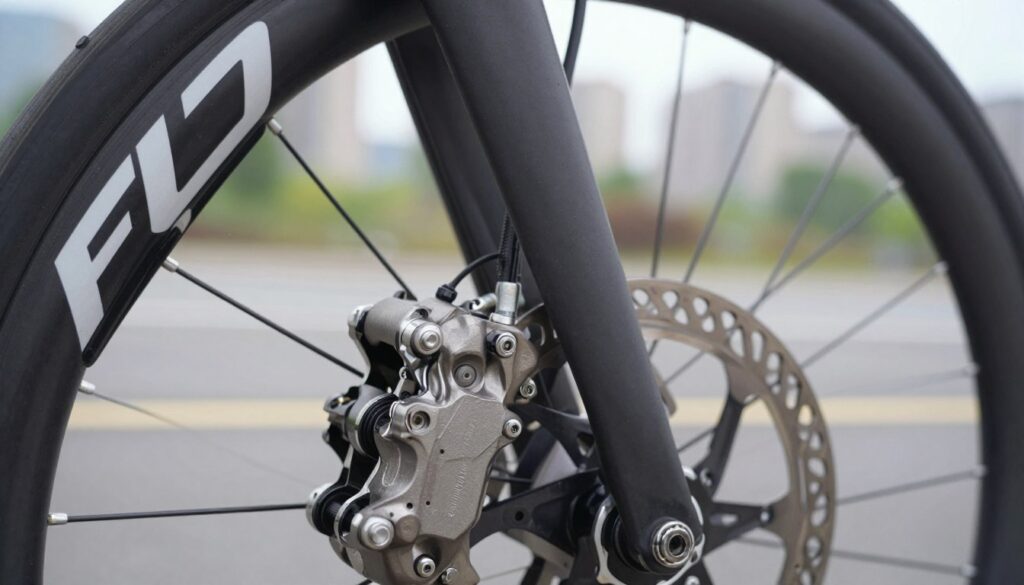
Hydraulic discs and real-world expectations
Dual 160mm hydraulic brakes (commonly Zoom or NUTT) deliver stronger bite and better modulation than mechanical systems. Riders get more control during hard stops and greater confidence at higher speed.
Stopping distance, feel, and rider role
One test reported a stop from 60 mph to zero in roughly 50 meters. Braking distance grows quickly with speed, so rider technique matters as much as hardware.
Properly bled hydraulics feel firm and consistent. A spongy lever usually signals air or a fluid issue that needs service.
Regenerative braking and controller limits
Regen helps slow the scooter and reduces pad wear, but aggressive settings can stress the controller—especially when the battery is full. Many owners dial regen back or disable it for heavy braking situations.
- Make sure pads and rotors are checked regularly.
- Keep spare pads and a rotor truing option on hand.
- Service hydraulic lines if lever feel changes over time.
Battery, Range, and Real-World Mileage
Battery choices and real-world mileage are the practical backbone of any high‑power ride. Buyers commonly see a 72V 32Ah pack built with LG or Samsung cells and, sometimes, a cheaper 28Ah unbranded option.
Why brand matters: branded cells usually last longer, tolerate fast discharge better, and keep usable capacity higher over time. Unbranded packs can cost less up front but may lose capacity sooner.
Advertised numbers vs. actual riding
Manufacturers may claim up to 150 km, but real-world tests show conservative results near ~79 km (about 49 miles) in ECO or single‑motor cruising. Mixed riding often drops that figure, and aggressive, high‑speed runs can fall to roughly 18 miles.
Why full throttle kills mileage
Above 40–50 km/h (25–31 mph) aerodynamic drag and power draw rise quickly. Riding at top speed forces the battery to supply far more current, which cuts range dramatically.
- Major variables: rider weight, hills, wind, tire pressure, road surface, and cold temperatures.
- Practical tip: choose the largest, highest‑quality pack you can afford if you plan to ride fast or far.
- 72V 32Ah pack option is a sensible baseline for longer trips.
Charging Time and Daily Usability
Charging the big pack needs planning; a full refill on a single charger can take most of a day. For many U.S. owners, that changes how they use the scooter across a weekend or for daily commutes.
Typical full charge time on one standard charger runs about 15–20 hours. That estimate depends on charger amperage, the battery size, and whether the battery is fully empty or partially topped up.

How dual ports speed things up
The model includes dual charging ports. Using two compatible chargers simultaneously can cut charge time roughly in half — some owners report finishes near seven hours.
This makes a real difference for weekend riders and anyone doing long, repeated sessions. Topping up after short rides is far more practical than waiting for an empty-to-full cycle.
Practical tips and safety
- Set expectations: this is not a quick overnight refill if the battery is drained with one charger.
- Why times vary: charger amperage, battery state, and ambient temperature all affect total charge time.
- Safety: make sure chargers are compatible, use grounded outlets, and place units where airflow reduces heat buildup.
- Routine planning: schedule topping‑off sessions after short rides to avoid long waits and preserve battery health.
Final note: longer charge time is a tradeoff for a high‑voltage, high‑performance battery. Riders who value range and speed should factor charging time into their purchase decision and daily routine.
Wheels, Tires, and Puncture Practicality
Riding confidence often starts where rubber meets asphalt: the tires and inner tube setup.
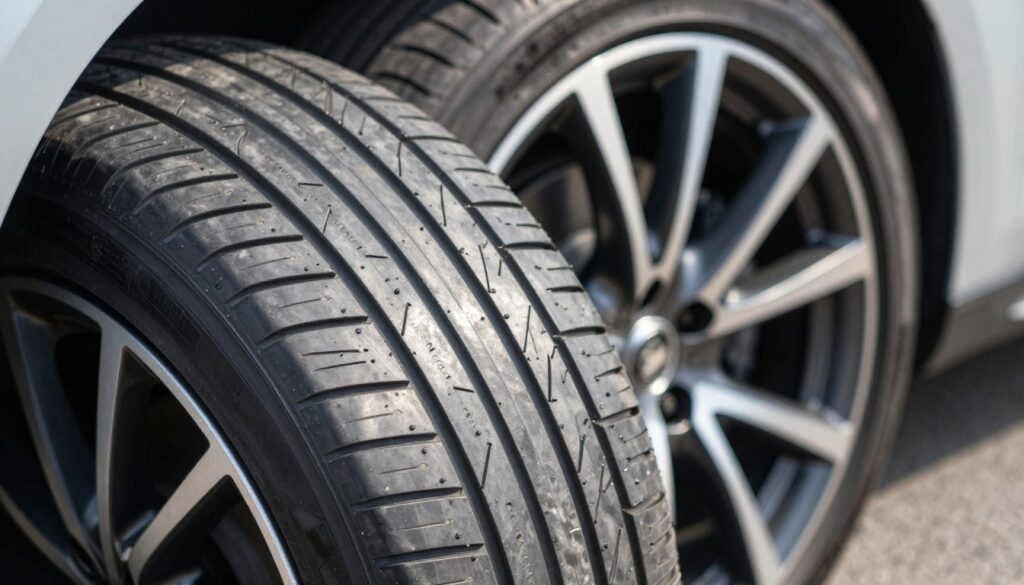
The 11-inch pneumatic tubed setup improves comfort and grip over smaller commuter wheels. Larger diameter and air cushioning smooth imperfect pavement and give more traction on rough patches.
All-road or off-road treads are versatile, but aggressive knobbies can become noisy and feel less planted once speed climbs past about 40 km/h. Dedicated on-road tires trade a bit of off-road bite for steadier high-speed stability and quieter rolling on asphalt.
Spare parts and owner kit
Multiple owners report rear punctures; tubed tires are often easier to patch roadside than tubeless options. Still, rear wheel work can be fiddly and may take time.
- Carry at least two spare inner tubes and a patch kit.
- Pack basic tools, a compact pump, and a glove for quick repairs.
- Make sure to confirm the tire type shipped and budget for an on-road swap if most rides are street-focused.
Lights, Visibility, and Cockpit Features
Good lighting and a clear cockpit are core safety features for high-speed riders. The scooter ships with dual low-mounted LED headlights and a bright tail/brake cluster that focus on being seen by cars and spotting road hazards at speed.
Headlight layout and nighttime beam pattern
The low dual headlights throw a wide, near-ground beam that helps illuminate potholes and lane edges at higher speeds. Because the lights sit near the stem and wheel, beam pattern favors a broad, short-to-mid range spread rather than a distant, narrow spot.
Adjustable aim is useful. Riders can tilt the lamps to move the hotspot farther down the road or pull it in for urban use.
Rear lights and brake visibility
The tail and brake lights are bright enough for highway-adjacent riding and signal braking to following traffic. Still, many riders add auxiliary lights or a brake lamp to increase visibility from farther back.
Dashboard basics and limits
The display is simple: speed, battery, and mode. It is not a motorcycle-grade cluster and can misread speed if wheel size settings differ from actual tires.
For true speed in km/h or mph, riders often use GPS-based devices as the benchmark.
Keylock theft protection
The built-in keylock disables the motor and can lock the bar to prevent casual roll-away. It does not stop a determined thief with tools or a truck.
Make sure to store the scooter in a secure location and consider a heavy chain or alarm system for long-term parking.
- Tip: test beam aim at night before riding fast.
- Tip: verify display wheel settings if speed reads oddly.
- Tip: combine keylock with physical security for best protection.
For a detailed equipment review and cockpit notes, see the full review at Zero 11X review and a practical parts guide at Xiaomi scooter essentials.
Build Quality, Durability, and Known Issues
Durability is as much about joints and seals as it is about alloy names. The frame uses aviation-grade 6082-T6 aluminum with thick deck walls and reinforced side rails to give a stiff, confidence-inspiring ride.
The cable routing runs along the stem inside a protective tube rather than fully internal. That choice simplifies service but can leave cables vulnerable to abrasion over years of use, so owners should inspect the sheath regularly.
Reported weak points include a front suspension pin that can wear and loosen, surface corrosion on exposed bolts, and heat stress in the controller under sustained climbs or high-speed runs. These failures affect braking and suspension performance and can be safety-critical.
What to inspect and water risk
Buyers should carefully check the front Y/channel and underside for hairline cracks and look for loose suspension pins. Make sure fasteners show no deep rust and that the controller area stays cool after a ride.
There is no IP rating listed, so wet-weather use is a risk. Riders should treat rain as a major deciding factor and make sure storage and maintenance plans keep the electric scooter dry to protect long-term performance.
- Inspect suspension pins and torque fasteners periodically.
- Watch controller temps on long climbs; stop if it smells or runs hot.
- Buy from reputable sellers and request service records when possible.
Portability and Storage Reality Check
Portability is the practical tradeoff that separates a backyard beast from a daily commuter. At roughly 53–54 kg, this scooter demands respect the moment it gets folded.
Stairs and public transit are not friendly. Most people will find carrying the unit up multiple flights or onto a crowded train unrealistic. The size and awkward lift points make transit use impractical and time-consuming.
What to measure for a car fit
Before trying to load it, measure trunk opening height, width, and depth. SUVs or hatches with seats folded are the most realistic options. A full folded deck can take most of the cargo area.
Lifting and storage tips
- Set honest expectations: two people often save strain and prevent damage when lifting into a car.
- Public transit: avoid relying on trains or buses for regular trips due to size and weight.
- Storage mindset: treat it as a garage machine; plan secure parking and space before buying.
Before purchase, make sure storage and transport match daily habits. That single check saves time and frustration later.
Zero 11x vs Popular Alternatives and Other Models
When shoppers compare high‑power scooters, the battlefield is often speed, suspension, and practical weight.
Zero 11x vs Dualtron Thunder: The 11x typically edges Thunder on peak speed and straight‑line punch. It is heavier, which helps stability but hurts portability. Thunder’s rubber suspension feels more compliant at low speeds, while the 11x’s spring/hydraulic setup shines on faster stretches and hard braking.
Size and category: Dualtron X
The Dualtron X sits closer to an e‑moped; it is often larger and heavier than many competitors. That makes it a different class, not a direct rival for riders who prioritize a balance of speed and daily usability.
Why 10X and 8X are not direct upgrades
The 10x and 8x address other buyer needs: lighter packaging, different geometry, and cost tradeoffs. They are separate models with distinct goals, not simple step‑ups to the 11x platform.
- Pick the 11x if top speed and firm highway feel matter.
- Pick Thunder if more forgiving urban suspension and slightly better portability matter.
- Consider service network and spare parts when choosing between models and brands.
Price, Value, and Who Should Actually Buy It
A performance scooter’s value shows up in ownership, not only at checkout. Buyers pay for a high-voltage system, a ~2300 Wh-class battery, and robust hardware that competes with premium electric bikes.
Power-to-price value: the combination of strong power and a large battery gives clear performance for the money. That said, the big battery raises ongoing costs: longer charge times, heavier weight, and faster wear on tires and brake pads.
Who gets the most value?
- Experienced riders who ride fast and often and can handle the scooter’s speed.
- Heavier riders or people who need higher load capacity and stable highway feel.
- Enthusiasts who will use the full battery and power regularly rather than leaving it parked.
Who should skip it: new riders without high-speed skill, apartment dwellers lacking ground-floor storage, and commuters who ride in rain — there’s no IP rating, so wet-weather use is a risk.
Quick self-check: where will it be stored, where will it be ridden, and how often will it be moved by car? If those answers match regular use of its range and charge habits, the price buys real capability. Otherwise, it becomes an expensive garage trophy.
Final Take: Is the Zero 11X the Right Beast for Their Garage?
Final take: in this review the zero 11x proves it is a purpose-built, high‑power scooter that rewards riders who want raw performance and stability over daily convenience.
Real-world top speed holds near advertised numbers when conditions are right, and range is strong only with conservative riding. Portability and wet-weather use are notable tradeoffs; the heavy build and lack of an IP rating limit everyday versatility.
Before buying, verify battery cell brand, confirm hydraulic brake parts, inspect frame and suspension pins, and check warranty/service support.
If speed and design matter most and the rider has garage space and maintenance plans, the zero 11x is a compelling pick. Wear full protective gear, ramp up speed slowly, and schedule routine inspections to own it responsibly.
FAQ
What top speed can riders realistically expect from the Zero 11X?
On a flat road with an experienced rider and good conditions, realistic top speed sits around 60–62 mph (96–100 km/h). Manufacturer claims may be higher, but wind, rider weight, and tire setup significantly influence peak speed.
How does the dual-motor setup affect acceleration and hill climbing?
The twin hub motors deliver strong off-the-line acceleration, giving an almost motorcycle-like surge. Dual motor mode improves hill climbing and keeps speed on grades up to roughly 30–35% depending on battery state and rider load.
What braking performance should owners expect?
Hydraulic brakes paired with 160mm discs provide confident stopping power and better modulation than mechanical systems. Stopping distance increases with speed and rider weight, so riders should allow extra margin at top speeds.
What is the typical real-world range on a full charge?
Claimed range reaches up to about 150 km under ideal, conservative riding. Real-world results vary: aggressive riding, high speeds, heavy riders, and hilly terrain can cut range dramatically—often to half of the claim during fast, sustained runs.
How long does it take to fully charge the battery?
With a single standard charger, a full charge commonly takes 15–20 hours. Using dual charging ports and two chargers can roughly halve that time, improving daily usability for frequent riders.
What suspension setup does it use and how does it feel at speed?
The scooter uses a hydraulic/spring-style suspension tuned medium-hard. That setup limits deep squat and keeps the chassis stable at 40 mph+ while still absorbing rough stretches. Riders can feel a firmer ride at low speed but superior control at highway pace.
Are the tires suitable for high-speed riding and varied terrain?
The stock 11-inch pneumatic tubed tires offer good grip on paved roads and acceptable performance on light gravel. For sustained high-speed runs, many riders switch to dedicated on-road tires to reduce rolling heat and improve stability.
How portable is the scooter for transport or stairs?
At roughly 53–54 kg, this model is heavy. Folding helps for storage, but carrying up stairs or lifting into small trunks is difficult for one person. Buyers should measure trunk space and plan for two-person handling when needed.
What cockpit and lighting features are included?
Expect dual front LED headlights, visible tail/brake lighting, and a basic dashboard showing speed and battery level. The display is functional but can be less precise than dedicated bike computers; lighting is bright enough for urban night riding but careful beam aim is recommended.
How durable is the build and are there common reliability issues?
The frame uses reinforced aluminum rails for strength, yet owners report issues like exposed cable routing, suspension pin wear, bolt corrosion, and controller heat under heavy use. There’s no official IP waterproof rating, so riders should avoid deep water and inspect fasteners periodically.
Should a new rider consider this scooter?
This model suits experienced, speed-focused riders who understand high-power scooters. New riders, commuters in apartments, or those who need easy portability should consider lighter, less powerful alternatives for safety and convenience.
How does it compare to alternatives like the Dualtron Thunder or Dualtron X?
Compared to the Dualtron Thunder, this scooter competes closely on power and speed but differs in weight, suspension feel, and ergonomics. Versus the Dualtron X, expect differences in size and intended use—this model targets the “almost motorcycle” feel while some competitors emphasize extreme off-road or touring capability.
What maintenance items should owners keep on hand?
Owners should carry spare inner tubes, a compact pump, basic tools for bolt checks, and be ready to service the suspension and brakes. Regular inspections for loose bolts, cable chafing, and controller temperature help prevent issues before they grow.
Can riders use regenerative braking to extend range significantly?
Regenerative braking helps recover some energy in stop-and-go riding, but it won’t dramatically extend range on high-speed runs. It also stresses the controller more when used aggressively, so balanced use preserves component life.
What factors most affect real-world performance?
Rider weight, tire choice, terrain, ambient temperature, battery health, and riding style all matter. Heavy riders, hot or cold weather, high speeds, and rough terrain reduce range and can lower sustained top speed.
Is there any theft protection or a keylock feature?
A keylock-style function provides basic deterrence and prevents casual use, but it is not a substitute for secure locks. Riders should use a robust U-lock or chain in combination with parking in visible, well-lit areas for better theft prevention.
You might also like