
Magnus Ex Electric Scooter: Top Speed, Range, and More
 PopScooter Team
March 2, 2026 1:04 am
.
17 min read
PopScooter Team
March 2, 2026 1:04 am
.
17 min read
Can a family-focused commuter truly deliver the daily range and reliability a city rider needs? This review looks at the Ampere Magnus EX as a practical, range-first pick from an early Indian EV player.
The piece focuses on real commuting usability: how the scooter feels at city speeds, tested range versus claimed range, charging for apartment living, and whether the price matches what shoppers get. It highlights core specs like a 2.3 kWh battery, ~50 km/h top speed, combined brakes, and a digital console.
Readers will get clear, sourced impressions drawn from road tests and listings, with notes on warranty and roadside assistance. The article breaks the vehicle down into performance, range, charging, comfort, safety, features, and value so shoppers can decide quickly if it fits their routine.
Key Takeaways
- This review targets commuters who value practical range over sporty acceleration.
- The Ampere Magnus positions itself as a family-friendly, weekday vehicle.
- Expect real-world checks on top speed, range, and apartment charging needs.
- Specs and trims vary by market; listed claims come from published tests and listings.
- Warranty and service support are key buying factors for U.S. shoppers.
Quick take on the Ampere Magnus EX for city commuting
City riders want a practical runaround that feels confident on short trips. This model suits short-to-medium daily commute needs, parents on school runs, and budget buyers testing electric mobility without premium pricing.
Who it’s built for
It fits people who value simple functionality over flashy performance. Urban commuters who prioritize fewer charging stops will appreciate its range-first tuning.
Personality and road behavior
The setup is easy and unintimidating in town. Top-end speed is modest, which encourages calmer riding rather than weaving through fast lanes.
Comfort, service, and value
Comfort is family-oriented but not plush; soft suspension can feel short on travel and may bottom out on rough patches.
Service reach matters: running costs are low, but ownership depends on local service and support. When the price aligns, the package appeals — yet buyers should compare features and finish against rivals before deciding.
Magnus EX electric scooter specs at a glance
Here’s a quick tech snapshot that sets real expectations for daily rides. Published listings vary, so these figures reflect commonly cited specs and road-test notes.
Top speed, motor power, and weight
Top speed: ~50 km/h (about 31 mph), which suits city limits and short highways.
Motor: Spec tables list ~2.1 kW, with road tests seeing peak near 1.8 kW. That means steady urban pull rather than sprint pace.
Kerb weight: Around 82 kg—light enough to help low-speed agility and parking.
Battery capacity and claimed riding range
Battery: Commonly 2.3 kWh (some sources show ~2.2 kWh). That capacity favors efficiency over high-speed output.
Claimed range: Often quoted at 80–100 km per charge, though real-life numbers depend on speed, stops, rider weight, and terrain.
Braking system, wheels, and suspension basics
Brakes: 130 mm drum brakes front and rear with a combined braking system (CBS). Drum setup is low-maintenance and predictable, if not sporty in bite.
Wheels & suspension: 10-inch wheels, telescopic front fork, and twin rear shocks. This layout is common for commuter comfort but can show limited travel on rough roads.
- Specs snapshot: top speed ~50 km/h; motor ~2.1 kW listed; battery 2.3 kWh.
- Range band: 80–100 km claimed; real results vary.
- Chassis basics: 10″ wheels, twin shocks, CBS with drum brakes.
Top speed and acceleration: what performance feels like in real traffic
Road tests reveal what riders can expect when merging, overtaking, and cruising in town. Claimed top speed sits near 50 km/h, which is fine for neighborhood streets but can feel limiting on faster arterials.
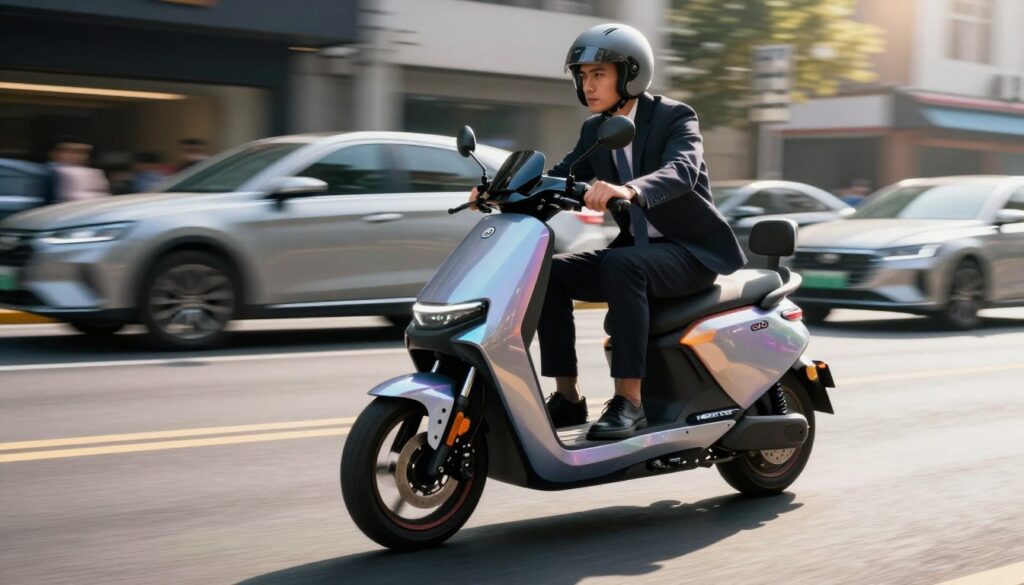
Claimed top speed vs tested impressions
Published figures point to a ~50 km/h ceiling. Testers found the ride stable at that pace, yet the real-world feeling is conservative rather than brisk.
Eco mode vs City mode (plus reverse)
Eco smooths throttle to save miles; it reduces response for longer range. City sharpens throttle for traffic gaps but still lacks aggressive punch. Reverse mode is a small convenience that helps with tight parking and apartment garages.
Passing power and roll-on expectations
Measured 0–40 km/h in 7.48 seconds (57 kg rider), which places this model toward the slower end of commuter options. Roll-on acceleration is weak, so riders should plan overtakes early and avoid relying on sudden bursts to clear tight spots.
- Real commuting: Good for slow-to-medium traffic, less so for fast boulevards.
- Acceleration: Smooth to moderate up to 25–40 km/h, not rapid.
- Daily convenience: Reverse mode aids parking; test it on a demo ride.
Given the price and options in this segment, shoppers should weigh whether adequate city performance meets their needs or if a slightly pricier alternative with stronger motor response is a better fit.
Range and efficiency: how far it can go on a full charge
Real range numbers matter more than marketing claims when you plan daily commutes. Listings often state 80–100 km per charge, but those figures come from controlled tests. Testers riding in Eco mode reported about 83 km, which supports the model’s range-first reputation.
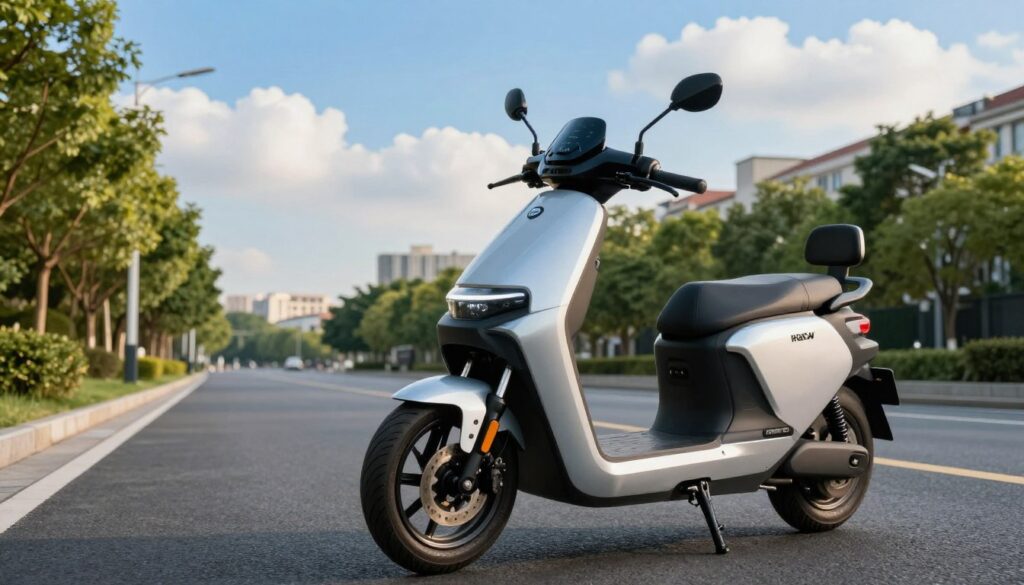
Claimed range vs real-world results reported by testers
Manufacturers publish optimistic figures measured at steady speeds. In mixed city riding, stop-and-go traffic and signals lower usable distance. The published test that reached ~83 km shows the battery can exceed a ~75 km claim under efficient riding.
What changes range: rider weight, speed, stops, and terrain
Higher sustained speed and hard accelerations drain the battery faster. Heavy riders or a pillion, underinflated tires, and hilly or rough roads also cut range.
- Controlled vs usable: marketing range is ideal; commuting range varies.
- Efficiency highlight: an ~83 km Eco-mode test is a strong real-world result.
- Range killers: speed, load, terrain, and riding style.
Limp Home mode: getting up to 10 km at low battery
Limp Home acts as a safety net when the battery reaches roughly 10%. It can add up to about 10 km to help riders reach home or a charger, but it is not a habit to rely on.
For daily planning, commuters should keep a buffer and schedule regular charging. For more on managing real-world distance expectations, see this guide on electric-scooter range.
Charging time and battery practicality for apartment or garage setups
How you charge a city vehicle often matters as much as how far it can go. This section covers real 0–100% charging time and whether the removable battery works for apartment life.
Typical 0–100% charging and overnight fit
Published reports list about 5–6 hours for a full charge, with some listings saying 5–7 hours. That charging time suits overnight top-ups and can also fit a standard work shift if you plug in at the office.
Removable battery: security, portability, and hassle
The battery is removable but not effortless. Riders unlock a keyed lid, undo two screws and a metal strap to extract it. Doing that daily can be a hassle for some apartment users.
Upside: the strap and secure mount cut battery movement and rattles. That adds to perceived build quality and long-term durability.
Practical tips and why charging matters
- Avoid deep discharges often to protect battery life.
- Keep connectors clean and use the included charger for best results.
- Consider service access and outlet availability when comparing price and convenience.
Ride comfort and suspension: smooth cruiser or bumpy commuter?
Ride comfort often decides whether a daily commuter feels like a blessing or a burden. Testers found a padded seat and reachable bars, but the overall feel is mixed when the road gets rough.
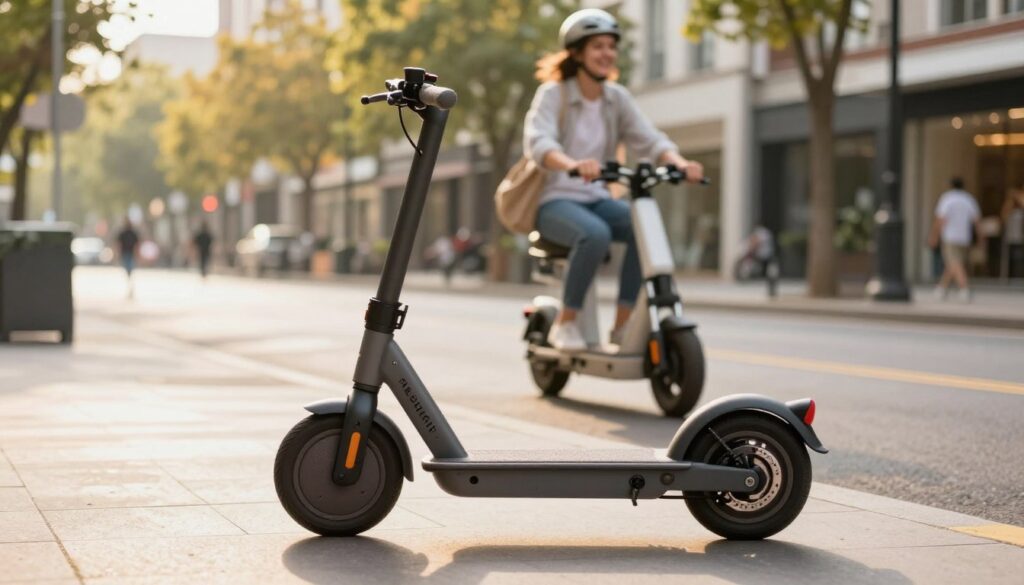
Seat, floorboard, and ergonomics
The seat has decent padding, yet a high floorboard makes the riding position feel cramped for average riders. Handlebars sit within reach, but long trips expose the awkward layout.
Soft suspension and bottoming-out
The suspension is very soft with limited travel. It feels plush on small bumps but bottoms out often, even with a 75 kg rider. That leads to a jittery experience over potholes and speed bumps.
Controls and usability quirks
Controls include an oddly placed horn and razor-edged brake levers. Those quirks force hand shifts and can cause fatigue on longer runs.
- Practical takeaway: test-ride on your roughest local streets.
- Two-up trips and heavy loads worsen bottoming-out and reduce confidence.
- Check local service options if you plan heavy daily use.
Braking and safety: combined braking system and drum brakes explained
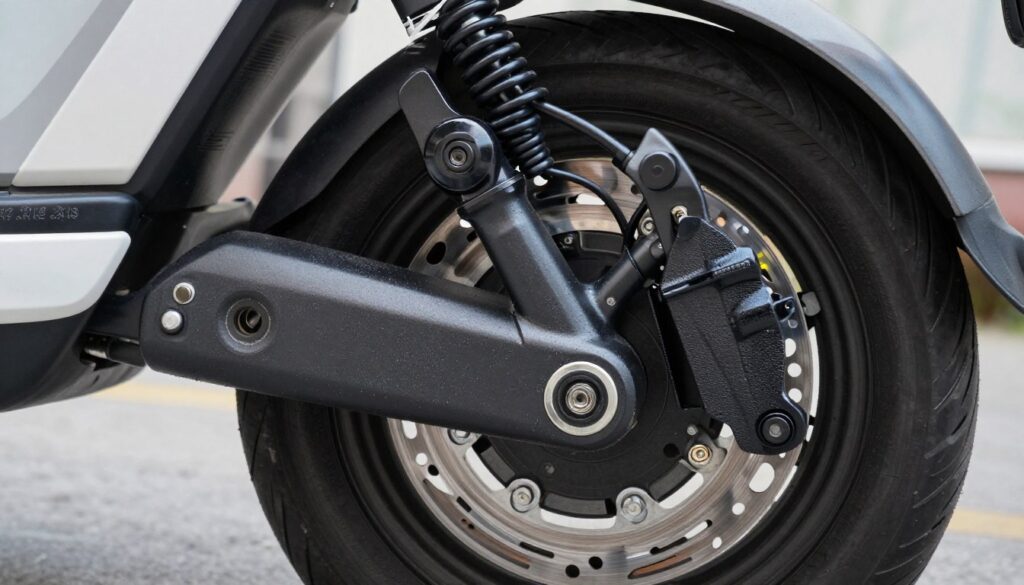
Braking performance often decides whether a ride feels safe or stressful in town. This section breaks down how the combined braking setup works day to day and what riders should expect from 130 mm drum brakes at city speed.
How combined braking helps in everyday use
The combined braking system (CBS) links front and rear brakes so one lever applies force to both wheels. For new riders, this reduces panic braking mistakes and helps stabilize stops in mixed traffic.
What drum brakes feel like on the street
Drum brakes deliver a smooth, progressive feel and need little maintenance compared with discs. They do not offer the sharp initial bite that some riders expect, so stopping distances can feel longer when a quick slowdown is required.
Practical safety notes and routine aids
At a top speed near 50 km/h, testers found the braking system adequate but wished for more bite for extra confidence. Riders should use progressive braking and leave extra buffer space in traffic.
- Technique: practice gradual stops and an emergency-stop drill in a safe area.
- Passenger caution: brakes perform worse under added weight—plan earlier braking.
- Daily aids: the side-stand sensor prevents accidental takeoffs, and the low-battery alert warns riders to recharge before range becomes a safety issue.
Design, colors, and finish quality: does it look premium?
Aiming for a familiar ICE-scooter silhouette, the design stays conservative and practical. It relies on clean panels and a straightforward profile that many riders find approachable.
Styling notes: subtle chrome accents on the front apron and headlight lift the look and add a small premium touch. Those highlights help the model look less bare in photos and on the street.
Colour options and what they mean for owners
The palette includes Graphite Black, Glacial White, Metallic Red, Ocean Blue, and Galactic Grey. Graphite Black hides grime well. Glacial White improves daytime visibility but shows panel gaps more easily.
Metallic Red and Ocean Blue suit buyers who want a bit of personality. Galactic Grey balances visibility and maintenance for everyday use.
Fit, plastics, and durability expectations
Fit-and-finish is mixed. Reviewers flagged some panels and switchgear as feeling flimsy. Shoppers should inspect fasteners and seams during a test ride.
- Quality check: press panels, test switches, and look for uneven gaps.
- Durability note: long-term looks depend on storage, sun exposure, and road conditions.
Features and tech: display, lights, and everyday convenience
Small, well-executed tech items make day-to-day riding easier and less stressful. The Ampere Magnus line focuses on useful features rather than gimmicks, and this model follows that approach.
LCD instrument cluster and readouts
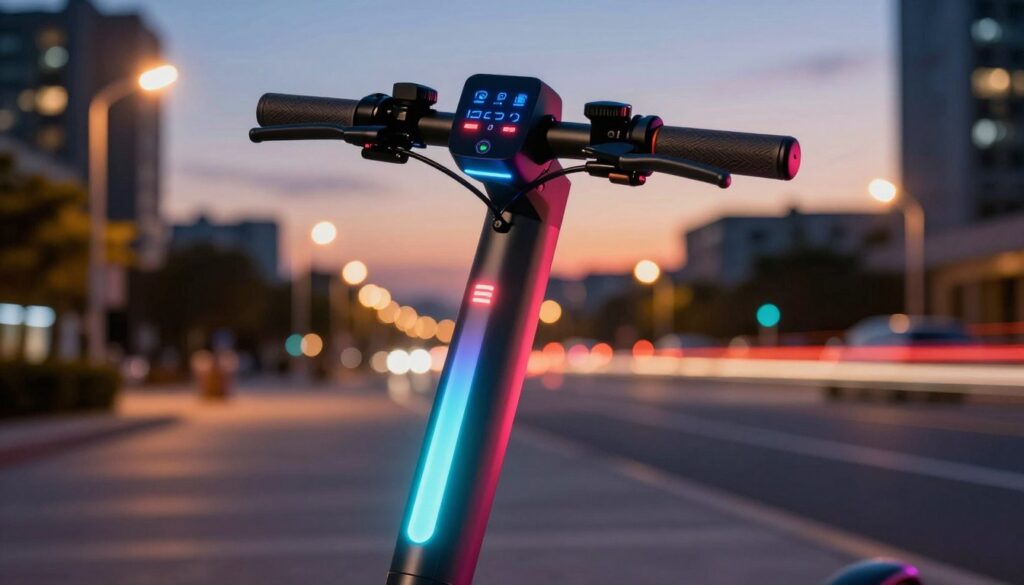
The LCD cluster shows speed, odometer, tripmeter, and an estimated range. That estimated range can help reduce range anxiety when it updates smoothly during a ride.
During a test ride, check readability in bright sun, how quickly the range changes with throttle input, and whether basic navigation prompts appear if available.
Lighting: halogen beam with LED DRLs
The front setup pairs a halogen headlight with LED DRLs. The DRLs add modern appeal and daytime visibility, while the halogen unit provides baseline night illumination.
Riders should evaluate night visibility on their usual routes to confirm the halogen meets their needs.
Charging, storage, and small conveniences
An apron-mounted USB port supports phone top-ups and on-the-go charging. A small cubby near the apron keeps keys and a wallet within reach.
Underseat storage is roomy and includes a boot light, which helps for grocery runs and evening errands. These practical touches lift the overall product experience.
- Why it matters: a clear display and sensible storage can offset modest performance for family commuters.
- Test tips: try the display in daylight and plug a device into the USB port to confirm charging speed.
- Compare options: feature value is a key factor in this segment—see a related model here: compare options.
Price and value: what the ex-showroom price suggests for shoppers
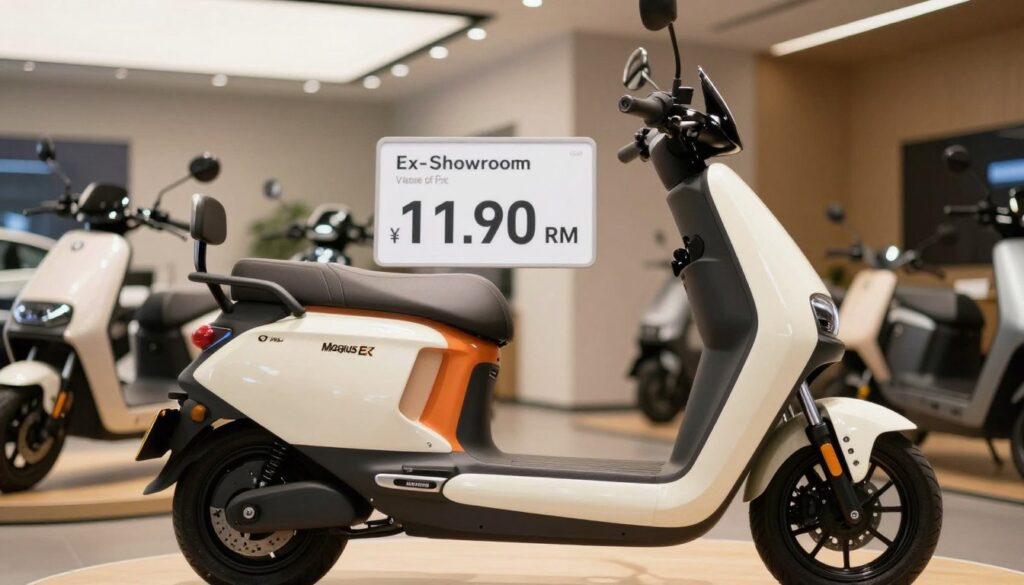
Pricing often reveals who the product really targets and what compromises buyers may accept. Reported ex-showroom price sits around Rs 90k–95k in some updates, though dealers list different “onwards” figures by offer and time.
Budget positioning vs feature-rich alternatives
The listed ex-showroom price is a baseline. It usually excludes registration, insurance, and local fees. That means on-the-road cost can rise noticeably.
The ampere magnus model sells value through usable range and daily practicality, not premium materials or high-speed performance. For buyers who want more gadgets or punch, rivals like certain Ola variants may deliver better specs at similar prices.
- Cross-shop: compare ampere magnus Neo or magnus grand listings to confirm the exact variant and top speed.
- Checklist before you buy: confirm current incentives, dealer add-ons, battery warranty, and home charging costs.
- Total cost view: weigh service network and parts availability; cheap sticker prices can be costly if service is sparse.
Running cost, service, and warranty: what ownership can look like over time
Long-term ownership is about more than sticker price; running costs, service access, and warranty shape the real value.

Electricity cost per mile and why savings add up
Electric charging usually costs far less than gasoline. One calculator example shows an indicative running cost near ₹0.24 per km, though local rates and habits change that number.
To estimate your spend: multiply daily distance by your local electricity rate and compare it to fuel and regular maintenance for a gas vehicle. Frequent riders see the savings fastest when charging is convenient.
Warranty highlights shoppers should confirm
Typical coverage lists battery and motor warranties at about 3 years or 30,000 km. That is common on many variants, but online listings vary, so buyers must confirm terms for their VIN or trim.
Note: wear items like tires and brake pads usually fall outside warranty. Ask for the written warranty booklet and what roadside assistance covers before you sign.
Service reality: praise and common criticisms
Owner feedback mixes praise for low running cost and range with complaints about comfort, occasional battery or charger faults, and inconsistent service reach.
To avoid surprises, locate the nearest authorized service center, ask about typical turnaround time and parts availability, and confirm roadside assistance policies.
- Due diligence: verify warranty details at purchase and get service contact info.
- Practical tip: factor in charging time and how often you’ll need top-ups into monthly budgets.
- Compare options: also compare with ICE options to see total cost differences.
Magnus EX vs other electric scooters: how it stacks up against key rivals
Comparing similar city models reveals clear trade-offs between distance per charge and outright speed. Shoppers should weigh daily needs—how far they travel, how fast roads demand, and how much service coverage matters.
Range-first commuter vs performance-first rivals
The ampere magnus positions itself as a range-first commuter with a sensible running cost. By contrast, a performance-first option like the Ola S1 X delivers higher top speed and quicker roll-on, which suits faster urban corridors.
Comparable picks to cross-shop
Consider the TVS iQube and Bajaj Chetak for stronger brand trust and broader service networks, though their price may be higher. Hero Electric Optima and other budget models focus on simple transport and lower sticker price.
- Compare beyond claims: check real-world range, comfort on rough roads, braking feel, and dealer reach.
- Internal choices: confirm differences between magnus neo, magnus grand, and this variant—wheel size, top speed, and warranty matter.
- Best fit: choose this vehicle if your priority order is range → low running cost → simplicity. Pick a rival if speed or premium fit finishes top your list.
For a head-to-head read, see this ampere magnus vs iQube comparison: ampere magnus vs iQube.
Should they buy the Magnus EX or keep shopping?
Buyers should use a simple checklist to decide if the Ampere Magnus fits their daily needs or if they should keep shopping.
If most of the route is 25–40 mph-equivalent streets and they value range per full charge over punchy acceleration, this model is a sensible, low–running-cost pick. Consider the asking price and how often they can charge at home or work.
Who should buy: riders seeking low operating cost, steady range, and basic comfort for short commutes.
Who should keep shopping: those who need sharper speed, firmer comfort for rough roads, or wider service coverage in their area.
Must-do before purchase: take a test ride on rough streets, try brakes and battery removal, confirm warranty and service terms in writing, and compare against the Magnus Grand and other rivals for similar price and quality.
Verdict: at the right price it is a practical commuter product, but the best choice matches route, charging habits, and local service—not just headline range in a single review.
FAQ
What is the top speed and real-world performance?
The model reaches a manufacturer-claimed top speed suited for urban roads; testers report similar pace in city traffic with steady roll-on acceleration. It’s tuned more for steady commuting than outright sprinting, so riders should expect confident mid-range pickup rather than race-like bursts.
Who is this vehicle best suited for?
It targets daily commuters, parents doing short errands, and budget-conscious buyers switching to electric mobility. It works well for point-to-point city travel, school runs, and short multi-stop trips where low running cost matters.
How far does one full charge last in real use?
Official range figures apply under ideal conditions. In real-world riding, range varies with rider weight, average speed, stop-start traffic, and terrain. Many owners see noticeably lower range than the claim when riding aggressively or on hilly routes.
How long does charging take and is the battery removable?
Typical 0–100% charging fits an overnight routine for most users. A removable battery option helps with indoor charging and security, but it adds handling considerations—lifting, storing, and connecting can be inconvenient in tight apartments.
What motor power and weight should buyers expect?
The power output is tuned for urban commuting, offering modest peak power with efficient city cruising. Curb weight reflects a balance between sturdiness and portability; it’s heavier than ultra-light scooters but stable in traffic.
How comfortable is the ride and how is the suspension setup?
Seat padding and floorboard space provide decent comfort for short to medium rides. Suspension favors a softer feel for city bumps, though heavier loads or big potholes can induce bottoming-out on rough patches.
What braking system does it use and is it safe?
The vehicle uses a combined braking system (CBS) with drum brakes. CBS shares braking force between wheels to improve stability, and drum brakes offer reliable bite at typical city speeds, though they need regular adjustment for consistent feel.
Are there useful safety and convenience features included?
Yes—expect features like a side-stand sensor and low-battery alert. The instrument cluster shows speed, tripmeter, and estimated range. It also includes conveniences such as a USB charging port and underseat storage with a boot light.
What lighting and display tech does it have?
The setup pairs a halogen headlight with LED daytime running lights for visibility. The LCD cluster provides essential readouts—speedometer, odometer, tripmeter—and an estimated range indicator for planning rides.
What colors and finish options are available?
Buyers can choose from multiple finishes including Graphite Black, Glacial White, Metallic Red, Ocean Blue, and Galactic Grey. The styling leans toward a conventional “ICE scooter” look with subtle chrome accents and practical plastics designed for durability.
How does the running cost compare to petrol alternatives?
Electricity costs per mile are significantly lower than fuel. Owners typically report much smaller monthly energy bills and fewer moving parts to maintain, which lowers long-term ownership expenses.
What warranty and service coverage come with it?
Warranty typically covers the motor and battery for a defined period or kilometer limit—buyers should check exact terms at purchase. Service networks vary regionally; some owners praise prompt dealer support while others note gaps in workshop reach or spare-part wait times.
How does it compare with rivals like the Ola S1 X, iQube, and Chetak?
This model positions itself as a range-first commuter, contrasting with more performance-focused rivals such as the Ola S1 X. Competitors like TVS iQube and Bajaj Chetak offer different trade-offs in ride feel, features, and pricing, so cross-shopping is recommended based on priorities.
Is this a good buy or worth continuing to shop?
It’s a solid choice for riders prioritizing range, low running costs, and everyday practicality. Those who want faster acceleration, sportier handling, or premium features might prefer to compare alternatives before deciding.